



Standing before hundreds of classmates, families, and community members to deliver your valedictorian speech represents one of the most significant moments in your academic career. This honor recognizes years of dedication, late-night study sessions, challenging coursework, and sustained excellence—but it also comes with considerable pressure to craft words worthy of the occasion.
The best valedictorian speeches balance multiple objectives: honoring shared experiences while avoiding clichés, acknowledging individual achievement without appearing self-congratulatory, offering wisdom without seeming pretentious, and inspiring your class while remaining authentic to your voice and personality. Whether you have weeks or days to prepare, the challenge feels substantial when every word will be scrutinized and remembered.
This comprehensive guide walks you through every aspect of crafting and delivering an exceptional valedictorian speech—from identifying your core message and structuring compelling content through mastering delivery techniques that transform written words into memorable spoken moments. You’ll discover practical frameworks that successful valedictorians have used to create speeches their classes remember for years, along with strategies for managing anxiety and connecting authentically with your audience during this milestone moment.
Graduation ceremonies serve as communal celebrations marking transitions from one life phase to another. Your valedictorian speech provides the student voice within this formal ritual—offering perspective only someone who lived the experience alongside your classmates can provide. When executed effectively, your words become the emotional centerpiece that defines how your class remembers their graduation experience.

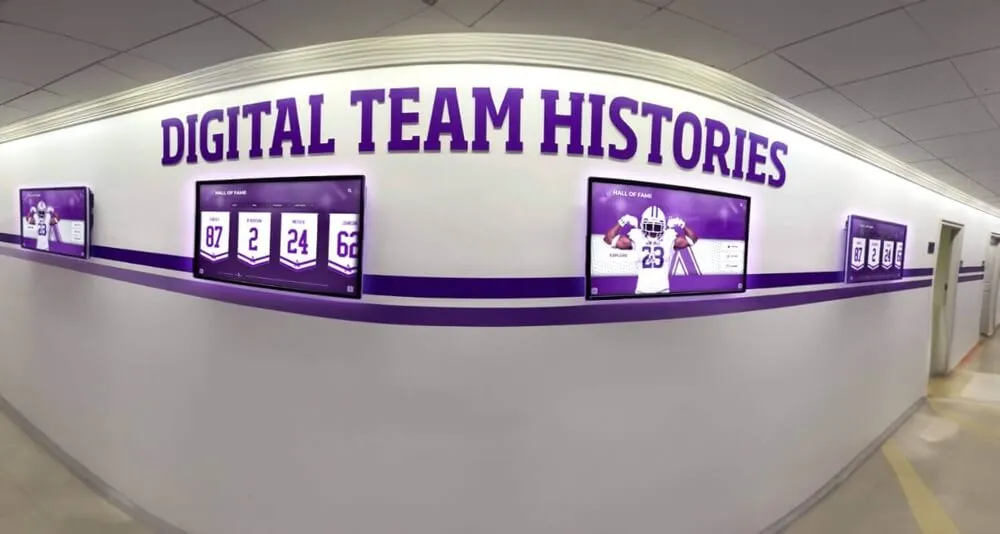
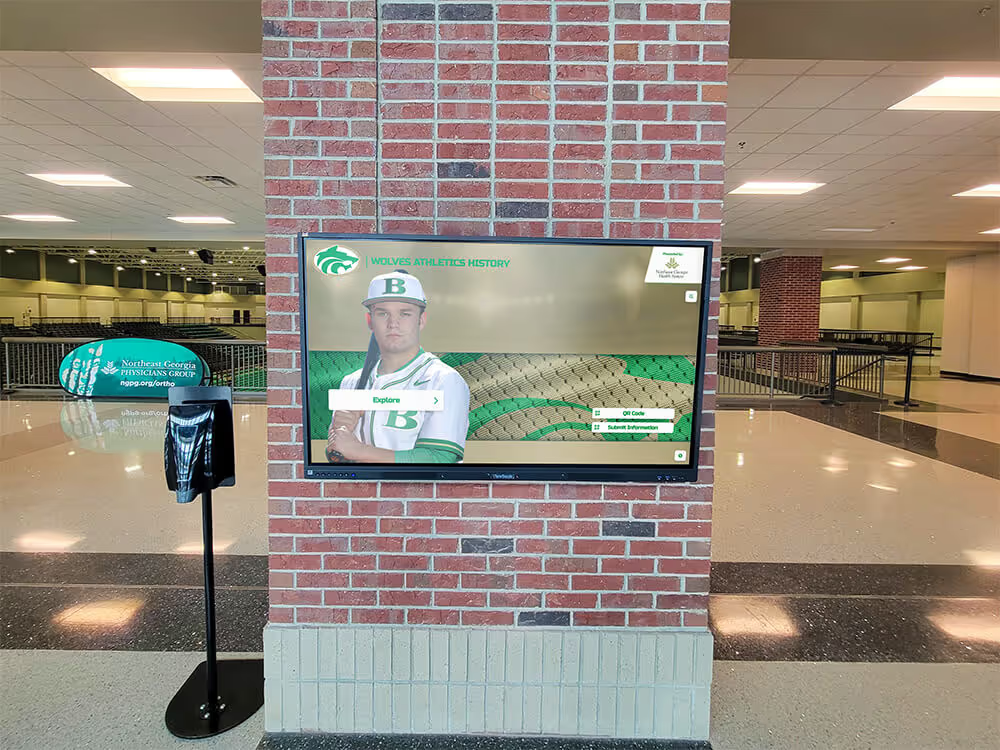
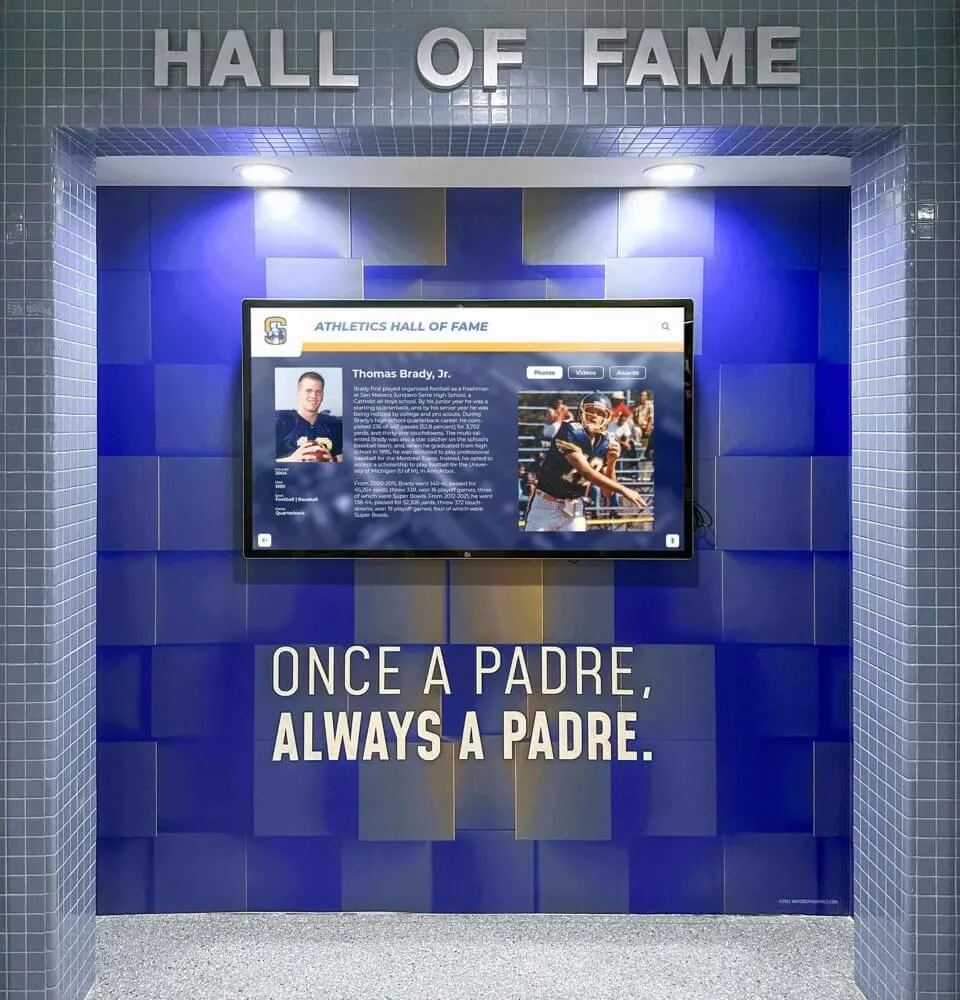
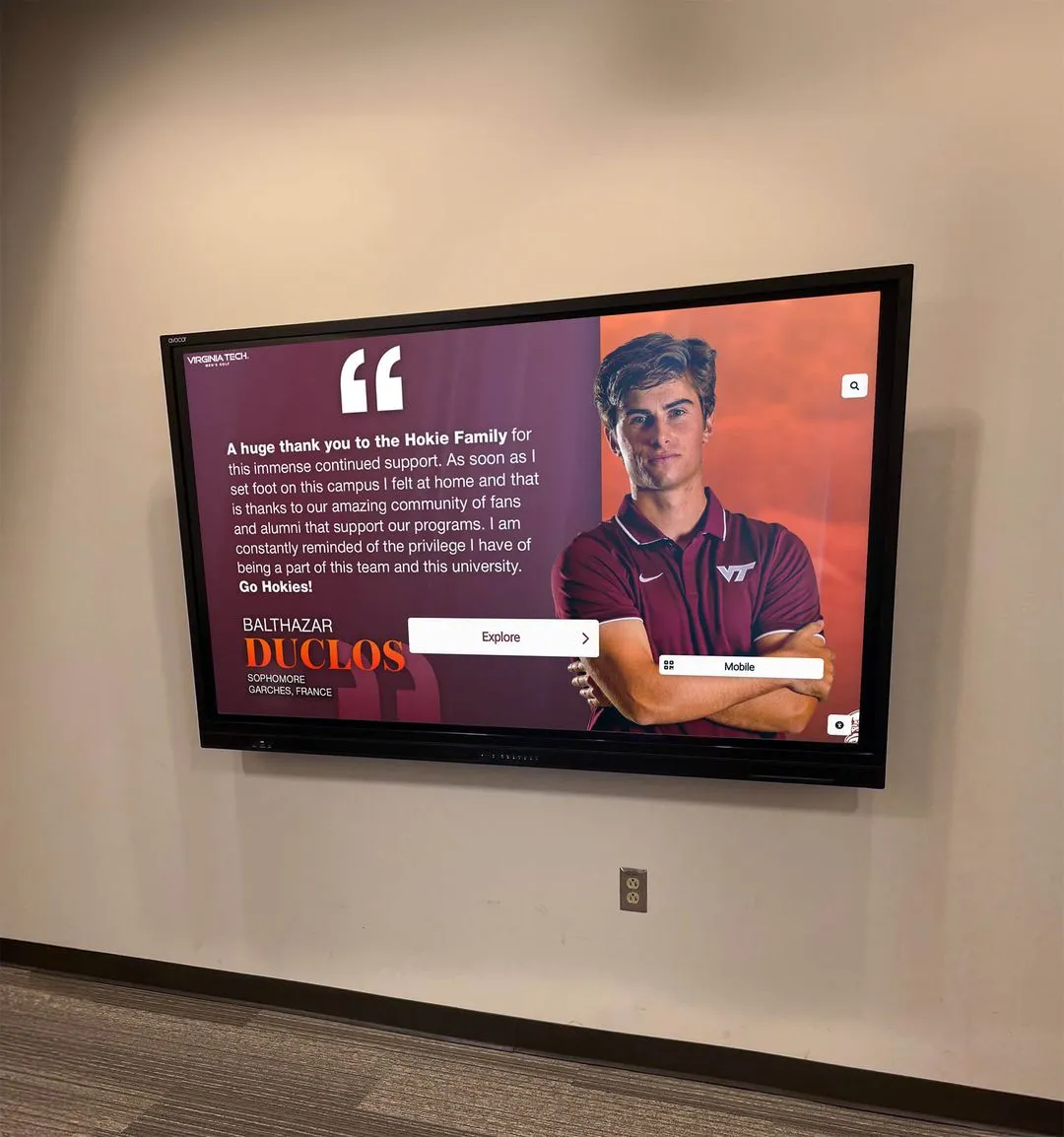
Recognition of academic excellence creates lasting memories and inspires future generations of students toward achievement
Understanding Your Role and Responsibilities
Before drafting a single word, clarify what your valedictorian speech should accomplish.
Defining Core Speech Objectives
Successful speeches achieve multiple simultaneous purposes:
Honoring Collective Achievement
Your primary responsibility involves celebrating shared accomplishments—the journey you experienced together as a class. While you earned individual distinction as valedictorian, the speech focuses on collective experiences, challenges overcome as a community, growth achieved through mutual support, and bonds formed through years of shared education.
Avoid positioning yourself as separate from or superior to your classmates. You speak for and with them, not to them from an elevated position. The most effective valedictorian speeches make audiences feel “we succeeded together” rather than “I achieved this milestone.”
Acknowledging Influential Supporters
Graduation represents cumulative effort involving far more people than individual graduates. Your speech should recognize:
- Teachers who challenged students intellectually and supported growth
- Parents and families who provided resources, encouragement, and sacrifice
- School administrators and staff who created environments enabling success
- Community members who invested in student development
- Friends and peers who offered support during difficult moments
Acknowledgment sections demonstrate maturity and perspective—recognizing achievement emerges from systems of support rather than purely individual effort.
Offering Forward-Looking Perspective
Beyond celebrating the past, valedictorian speeches provide perspective on the future awaiting graduates. This includes:
- Encouragement facing uncertainty and new challenges ahead
- Wisdom about maintaining values and relationships during transitions
- Inspiration to pursue ambitious goals and meaningful contributions
- Realistic acknowledgment of difficulties alongside hopeful optimism
- Connection between education received and opportunities now accessible
Balance optimism with authenticity—avoiding toxic positivity that dismisses legitimate concerns while maintaining hopeful orientation appropriate for celebrations.
Creating Memorable Emotional Moments
The speeches remembered decades later create genuine emotional connections through:
- Specific stories resonating with shared experiences
- Humor that unites audiences through collective laughter
- Vulnerability revealing authentic struggles and growth
- Recognition moments honoring specific individuals or groups
- Inspirational calls to action channeling ceremony energy toward purpose
Emotional impact requires authenticity above polish. Audiences forgive imperfect delivery when speakers demonstrate genuine care and connection.
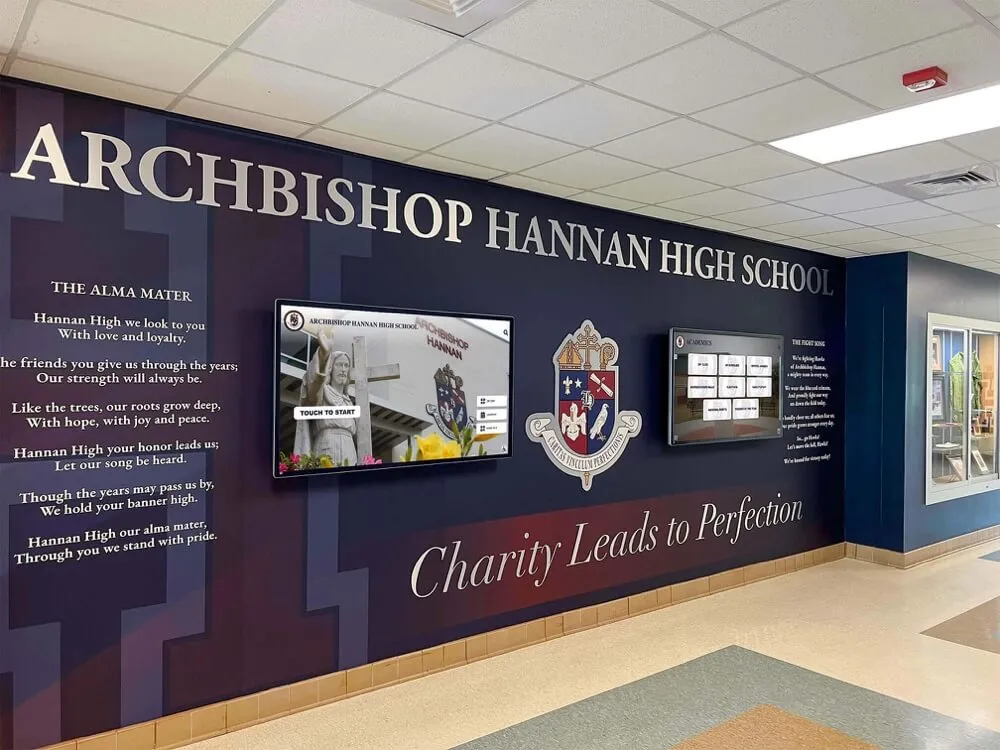
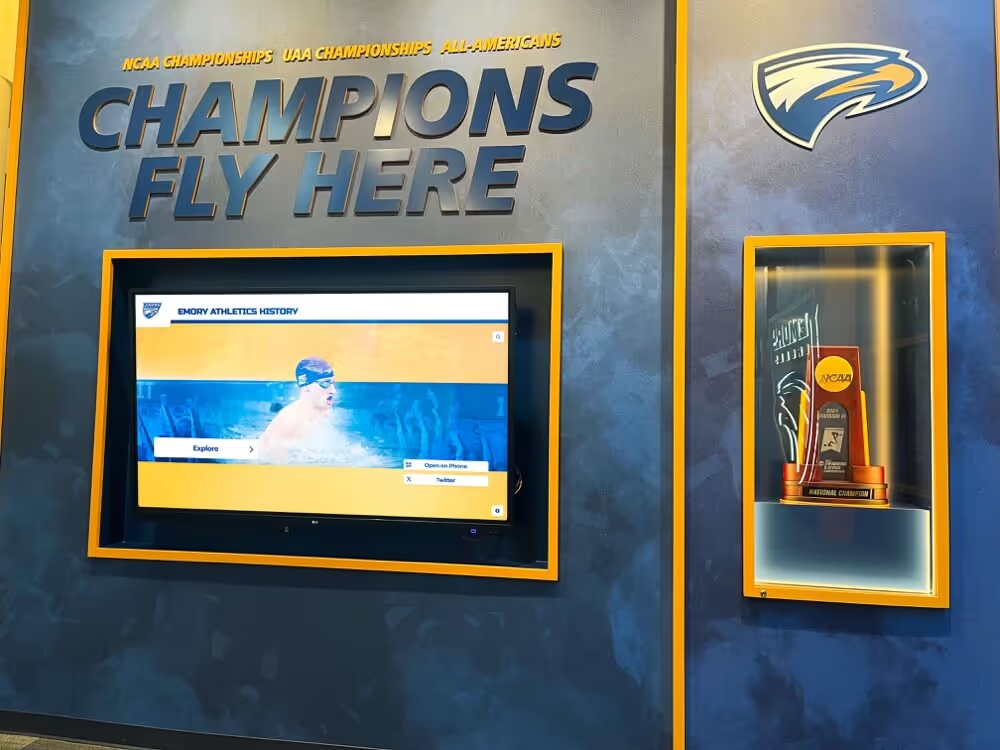
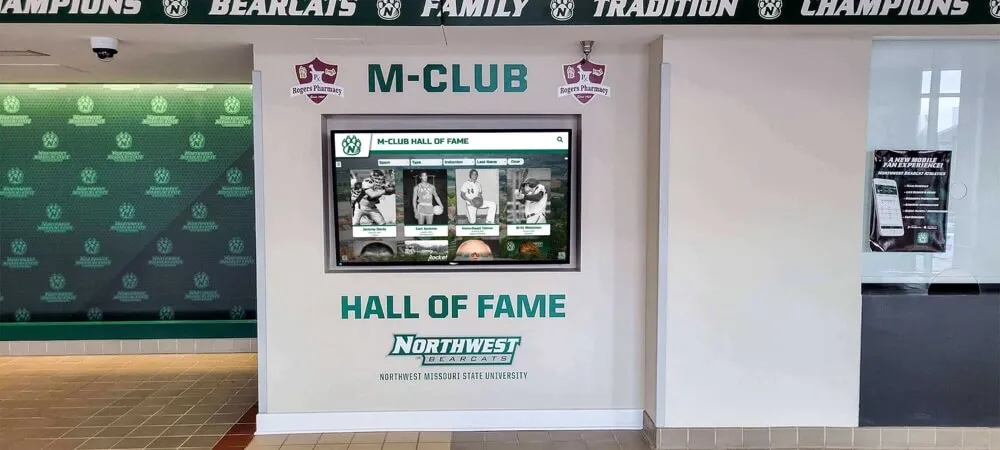
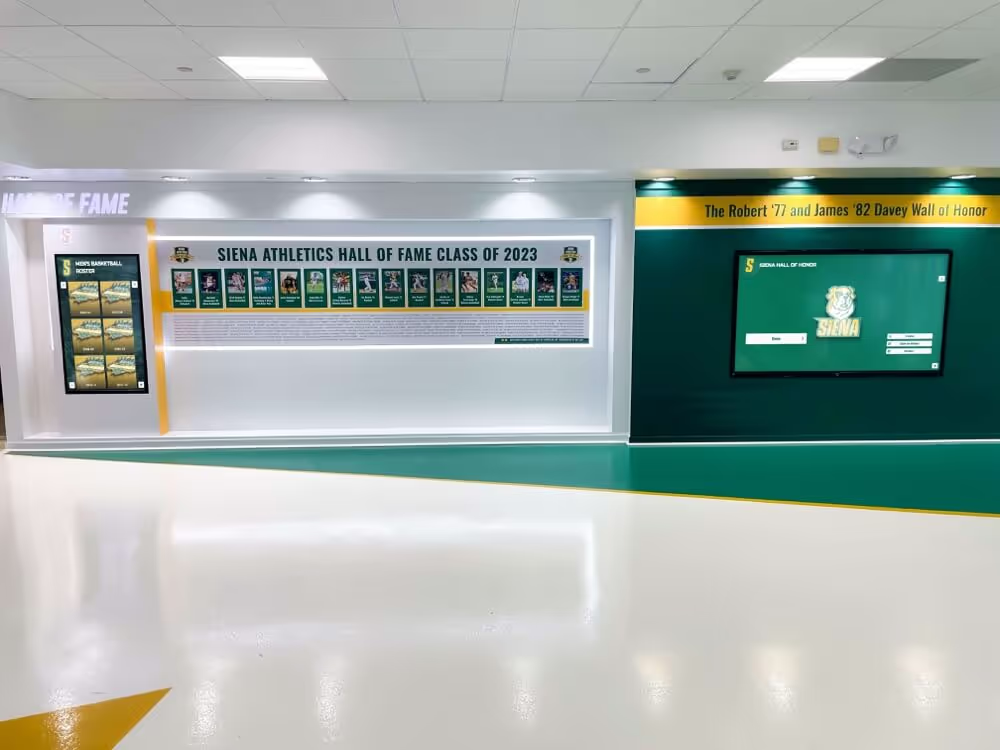
Schools increasingly recognize academic achievement through permanent displays that honor valedictorians and other distinguished students, creating lasting celebration of intellectual excellence.
Navigating Traditional Expectations and Personal Authenticity
Commencement addresses carry certain conventions while allowing individual expression:
Understanding Format Constraints
Most schools impose specific requirements:
- Time limits (typically 5-10 minutes for high school, 7-12 minutes for college)
- Content restrictions avoiding controversial topics, profanity, or partisan politics
- Approval processes requiring administrative review before delivery
- Ceremony positioning relative to other speakers and program elements
- Technical considerations including sound systems, podiums, and staging
Clarify expectations explicitly with administrators before writing to avoid revision requirements or last-minute changes creating stress as ceremony approaches.
Balancing Universal Themes and Specific Experiences
Effective speeches weave together elements appealing to multiple audience segments:
- Your classmates who shared the specific journey with you
- Families who understand individual student experiences but lack peer perspective
- Teachers and staff who witnessed class development across years
- Community members with general interest but limited specific knowledge
- Younger students observing ceremony as future graduates themselves
Include enough specific references that your class feels “this speech is about us” while maintaining accessibility enabling all audiences to connect emotionally without insider knowledge.
Finding Your Authentic Voice
The best valedictorian speeches sound distinctly like the person delivering them rather than generic addresses copied from internet templates:
- Use vocabulary and phrasing patterns natural to your normal speech
- Reference experiences, values, and interests reflecting your actual personality
- Incorporate humor style consistent with how friends experience you
- Share perspectives and wisdom genuine to your beliefs rather than borrowed platitudes
- Allow imperfection and vulnerability rather than pursuing artificial polish
Authenticity creates connection. Audiences respond more positively to genuine speakers with minor imperfections than polished presentations feeling rehearsed and impersonal.
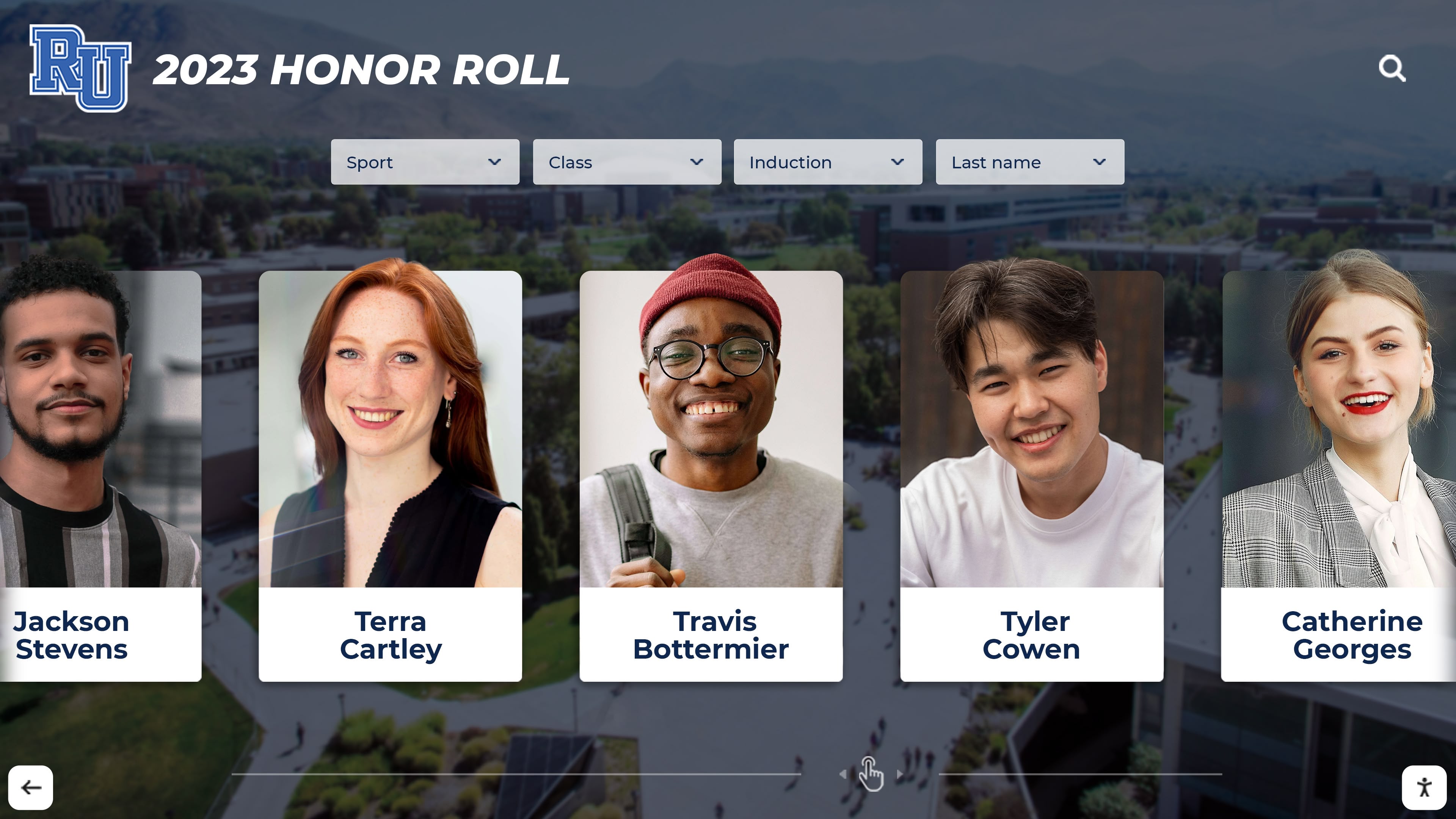
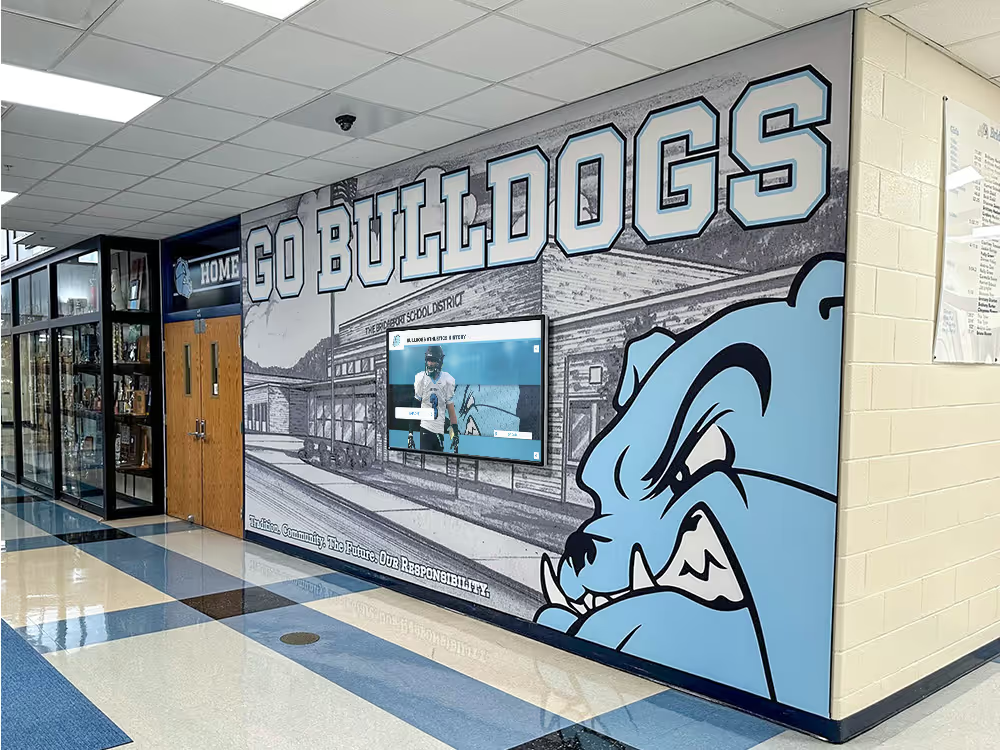
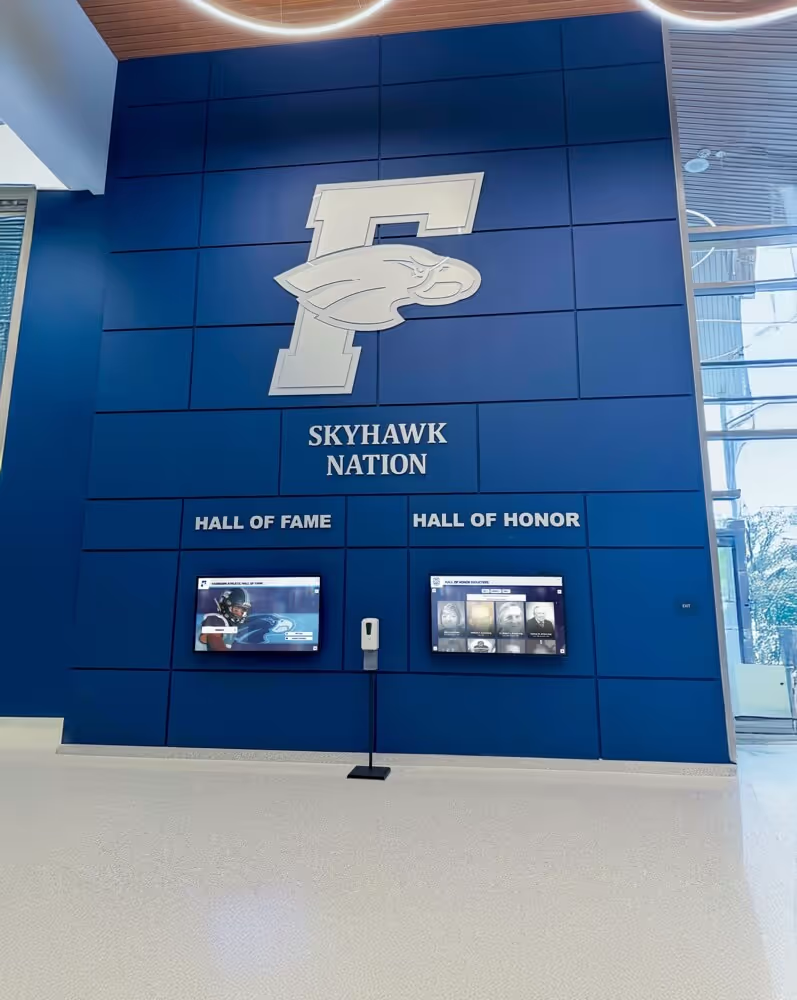
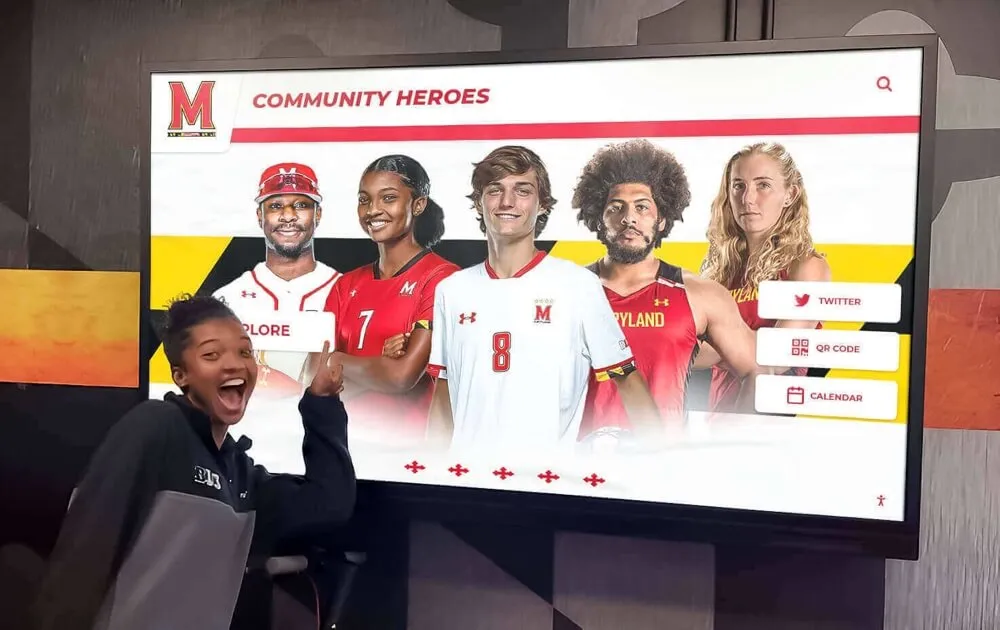
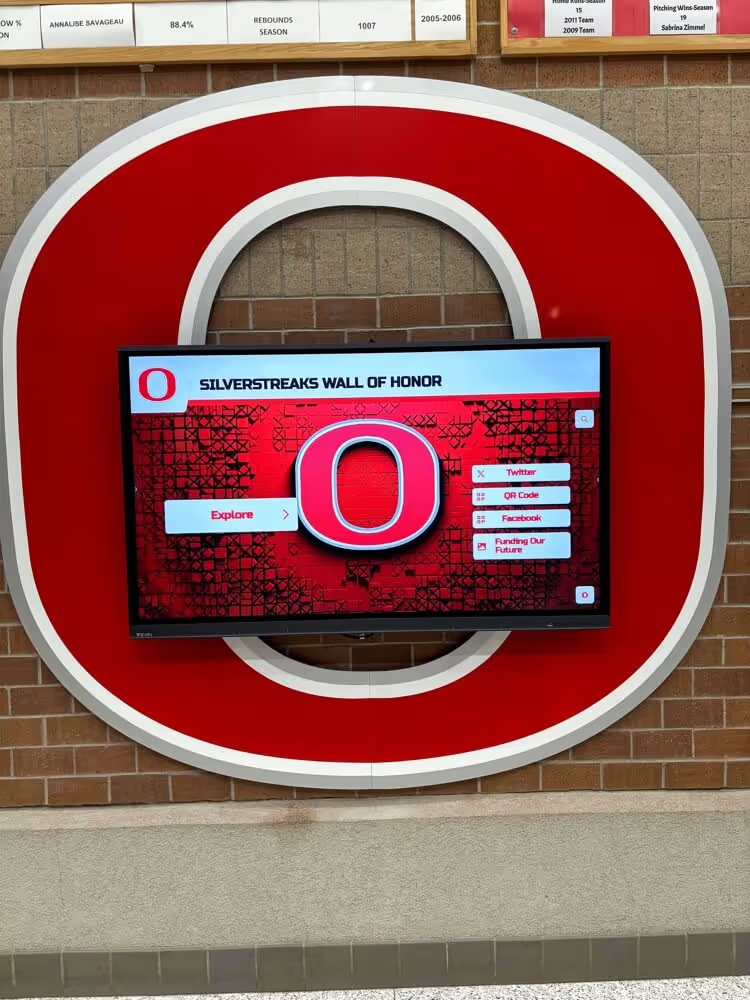
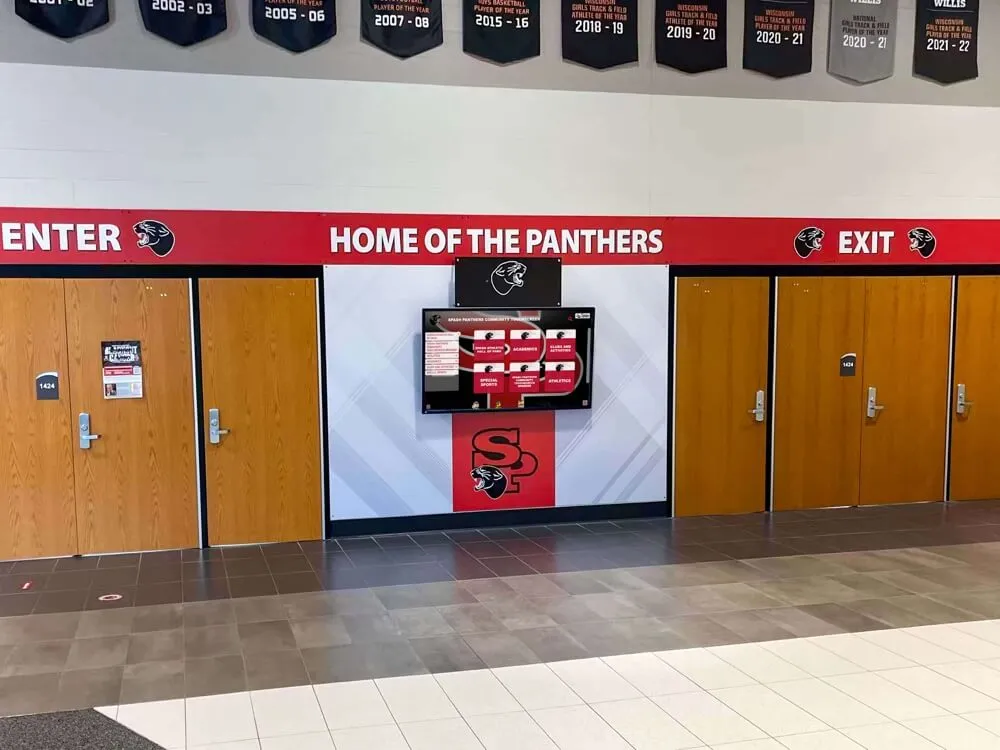
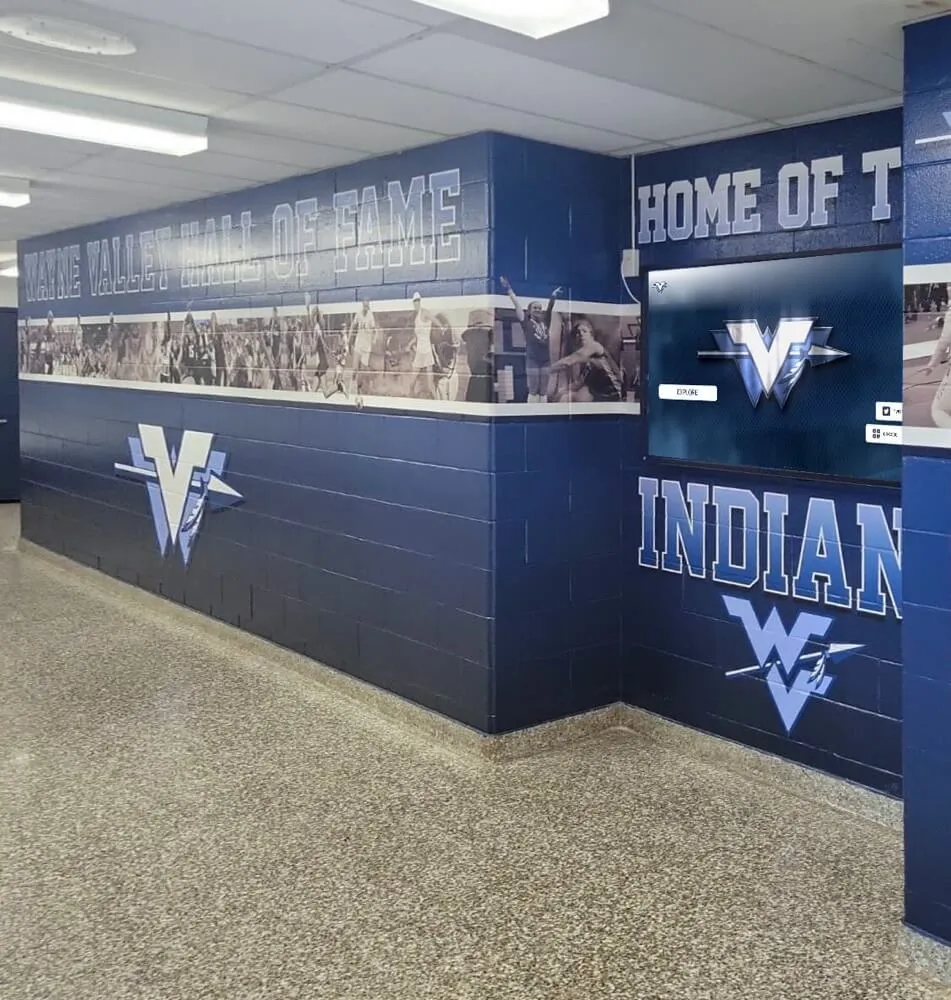
Modern recognition displays celebrate academic excellence while inspiring current students toward achievement goals
Crafting Your Speech Content and Structure
Systematic planning ensures comprehensive coverage of key themes within time constraints.
Brainstorming Core Messages and Themes
Begin with exploratory thinking before committing to specific structure:
Identifying Defining Class Experiences
List events, challenges, and moments that defined your class’s journey:
- Major school events (championship seasons, theatrical productions, competitions)
- Shared challenges (pandemic disruptions, facility changes, curriculum transitions)
- Cultural moments defining your years together (music, trends, inside jokes)
- Academic milestones (particularly difficult classes, standout projects)
- Social causes or initiatives your class championed
Select experiences with emotional resonance for large portions of your class while remaining meaningful to broader audiences. The best references trigger immediate recognition and shared feeling among classmates while remaining explainable to families.
Developing Personal Growth Narratives
Consider your individual journey alongside your class:
- Subjects or skills where you struggled initially but eventually excelled
- Relationships that challenged you to grow in unexpected ways
- Failures or setbacks that taught valuable lessons
- Moments when teachers or peers influenced your development significantly
- Times you changed perspectives or discovered new passions
Personal stories create connection when audiences see themselves in your experiences rather than viewing you as impossibly different. Vulnerability showing growth from difficulty resonates more powerfully than lists of achievements.
Selecting Future-Focused Themes
Choose 2-3 key messages you want classmates remembering as they face future challenges:
- Values worth maintaining despite external pressures
- Approaches to decision-making during uncertain transitions
- Importance of specific relationships or support systems
- Ways to handle inevitable failures and disappointments
- Visions for how your class might positively impact the world
Strong themes feel simultaneously specific (connected to your actual class culture) and universal (applicable to audiences beyond your immediate context). Avoid generic advice appearing on inspirational posters; pursue specific wisdom emerging from genuine reflection.
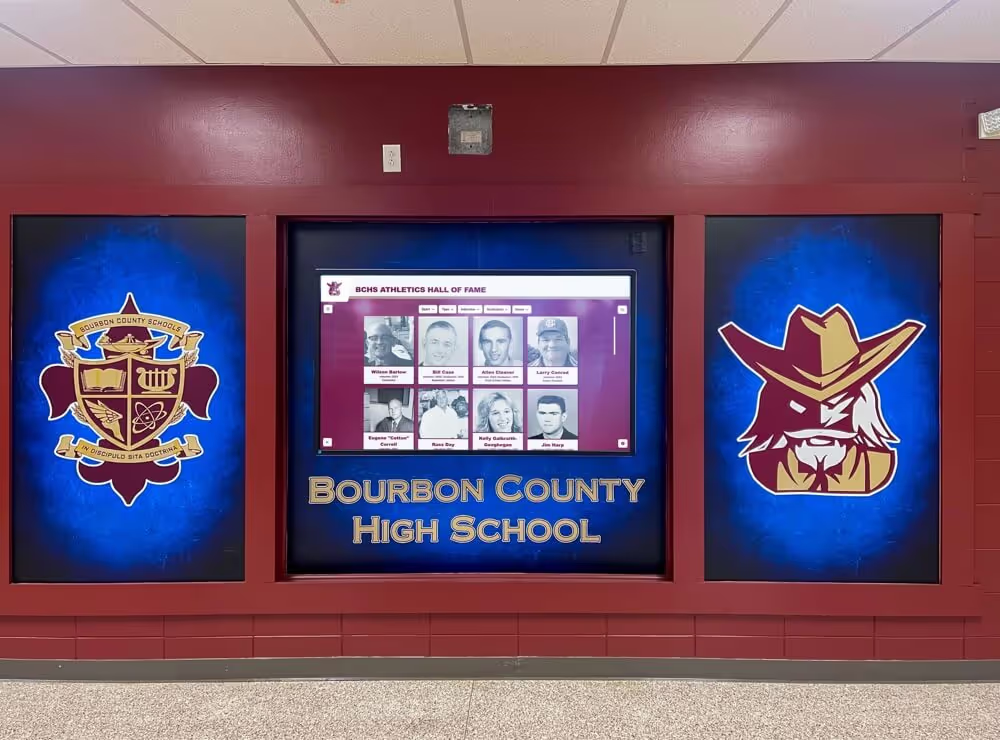
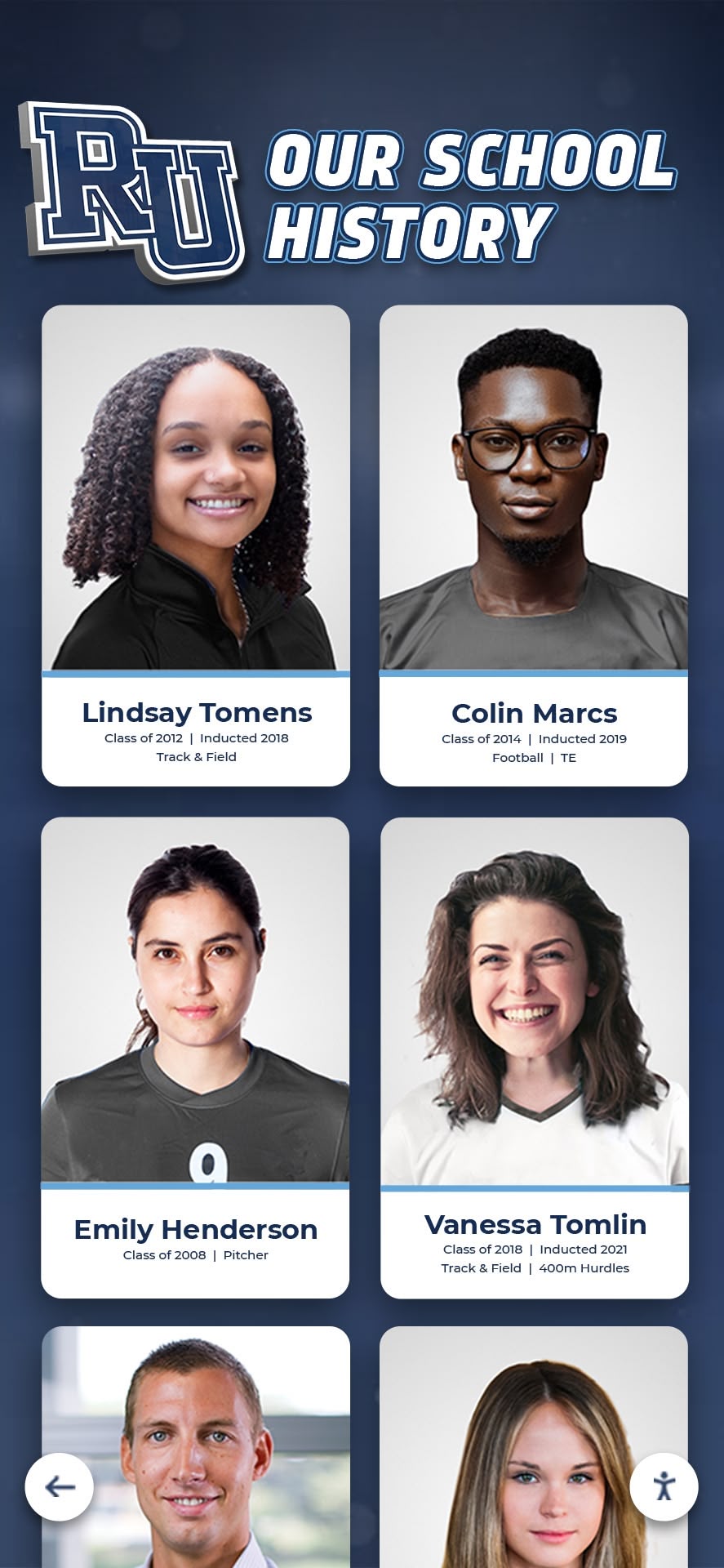
Resources on recognizing academic achievement demonstrate how schools celebrate intellectual excellence alongside athletic accomplishment.
Building Effective Speech Structure
Organized frameworks help audiences follow your message while maintaining engagement:
Opening Strategies That Capture Attention
First 30-60 seconds determine whether audiences engage or mentally check out:
Story-Based Openings: Begin with specific memorable moment from shared experience—ideally humorous or emotionally resonant. Example: “Four years ago, on our first day as freshmen, I walked into Mr. Johnson’s English class and immediately sat in the wrong seat, triggering a territorial dispute with Sarah that somehow became a running joke lasting until today.”
Question-Based Openings: Pose thought-provoking question prompting audience reflection. Example: “When was the last time you felt genuinely afraid you couldn’t succeed at something that mattered to you? For me, it was approximately 47 times during AP Calculus.”
Statistical Surprise: Share unexpected data point about your class. Example: “Our class collectively consumed approximately 47,000 bags of hot Cheetos from the vending machines over four years—funding enough to probably buy actual nutritious food, but where would be the fun in that?”
Acknowledgment Opening: Lead with gratitude before transitioning to main content. Example: “Before anything else, I want to thank everyone who made today possible—parents who somehow tolerated our teenage years, teachers who answered the same questions seventeen times without visible frustration, and classmates who formed friendships I’ll carry forever.”
Avoid openings with dictionary definitions (“Webster’s defines success as…”), generic platitudes (“Today marks a new beginning…”), or self-deprecating jokes about being nervous. Jump directly into engaging content respecting that audiences already understand the ceremonial context.
Developing the Middle Structure
The speech body requires clear organization preventing rambling:
Thematic Structure: Organize around 2-3 key themes with smooth transitions. Example: Discuss “moments we struggled together,” “people who helped us succeed,” and “wisdom we gained through experience”—dedicating approximately equal time to each theme.
Chronological Structure: Move through your shared journey from beginning to present. Example: “Freshman year taught us…, sophomore year challenged us with…, junior year surprised us when…, and senior year brought everything together through…”
Comparative Structure: Contrast who your class was at the beginning versus who you’ve become. Example: “We arrived as students who thought… but we’re leaving as people who understand… We once believed… but now we recognize…”
Each structural approach works effectively when executed with specific examples, emotional honesty, and clear transitions between sections. Choose the framework most naturally accommodating your core messages.
Closing With Impact
Conclusions create lasting impressions determining what audiences remember:
Call to Action Endings: Challenge your class toward specific future behavior. Example: “As we leave here today, I challenge us to remember that education isn’t something we completed—it’s a mindset we carry forward. Keep asking questions. Keep learning from people different from yourself. Keep growing.”
Full-Circle Endings: Return to opening image or story with new perspective. Example: “Remember that first day when I sat in Sarah’s seat? I thought I had everything figured out and just needed to get through four years. I was completely wrong—and I’m grateful for that. This journey wasn’t about getting through anything. It was about becoming who we are.”
Inspirational Vision Endings: Paint picture of positive future your class can create. Example: “When we gather again in ten, twenty, thirty years, I believe we’ll discover our class didn’t just receive education—we took what we learned and built something meaningful. We solved problems. We served communities. We made differences in ways large and small.”
Quote Integration Endings: Close with relevant quotation reinforcing your message—only if genuinely connected to your content rather than artificially appended. Poorly integrated quotes feel lazy; well-chosen quotes crystallize messages powerfully.
Strong endings avoid “in conclusion” announcements, new topics introduced without development, or generic wishes that everyone succeeds. Create conclusive feelings providing satisfying emotional resolution while inspiring forward momentum.
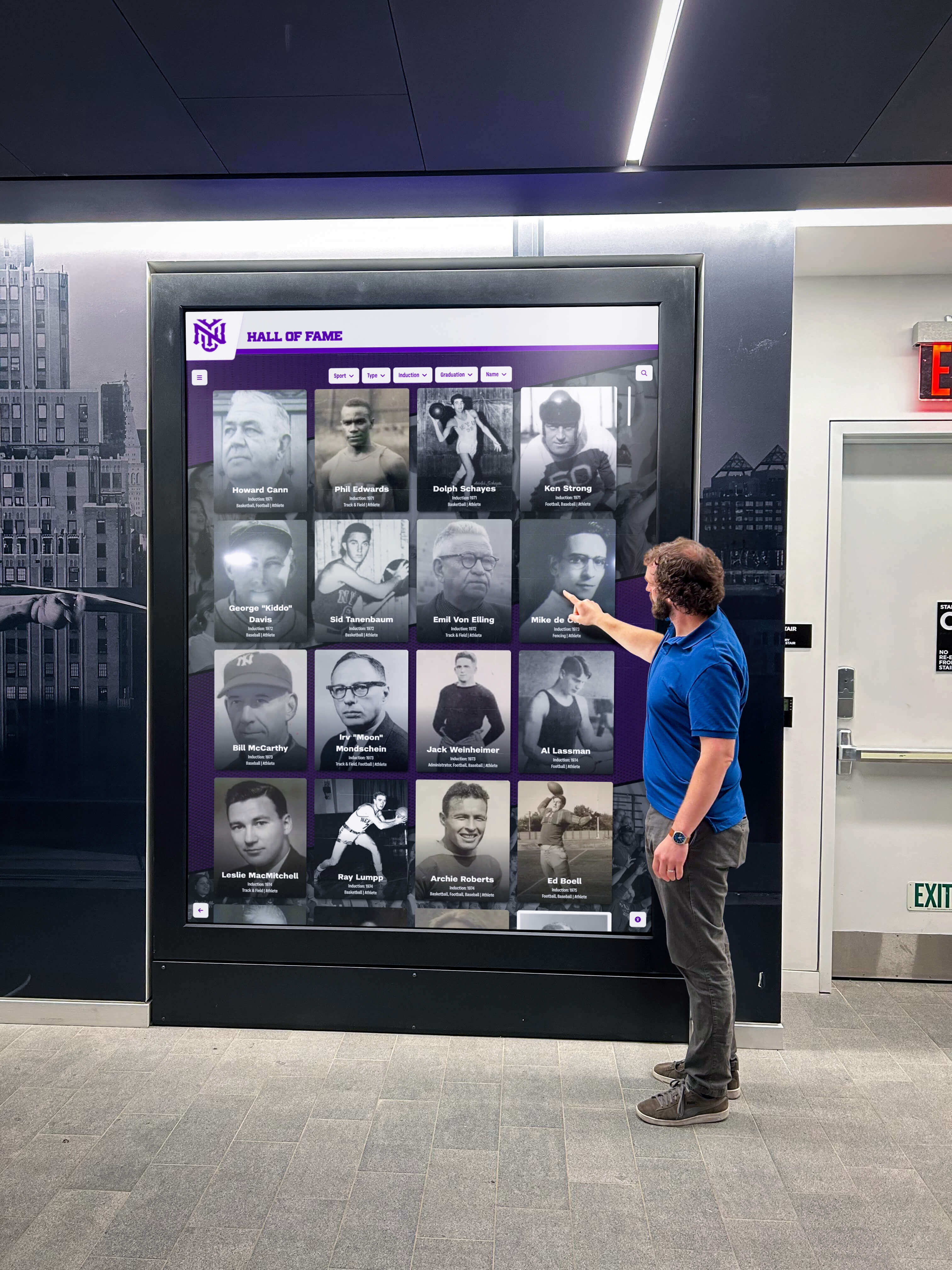
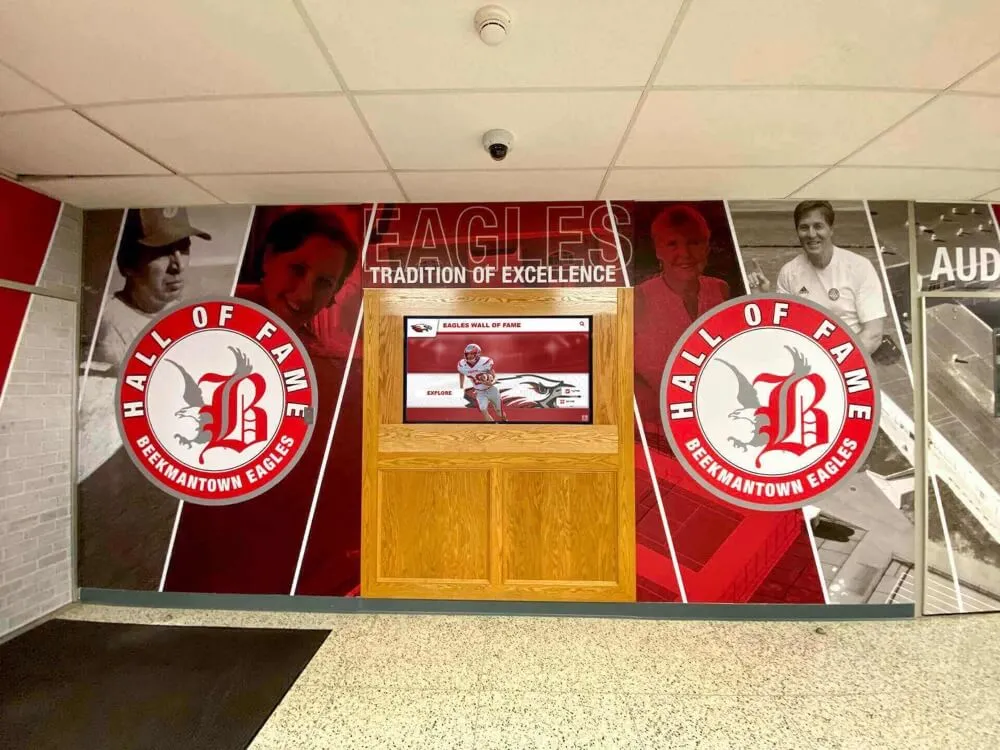
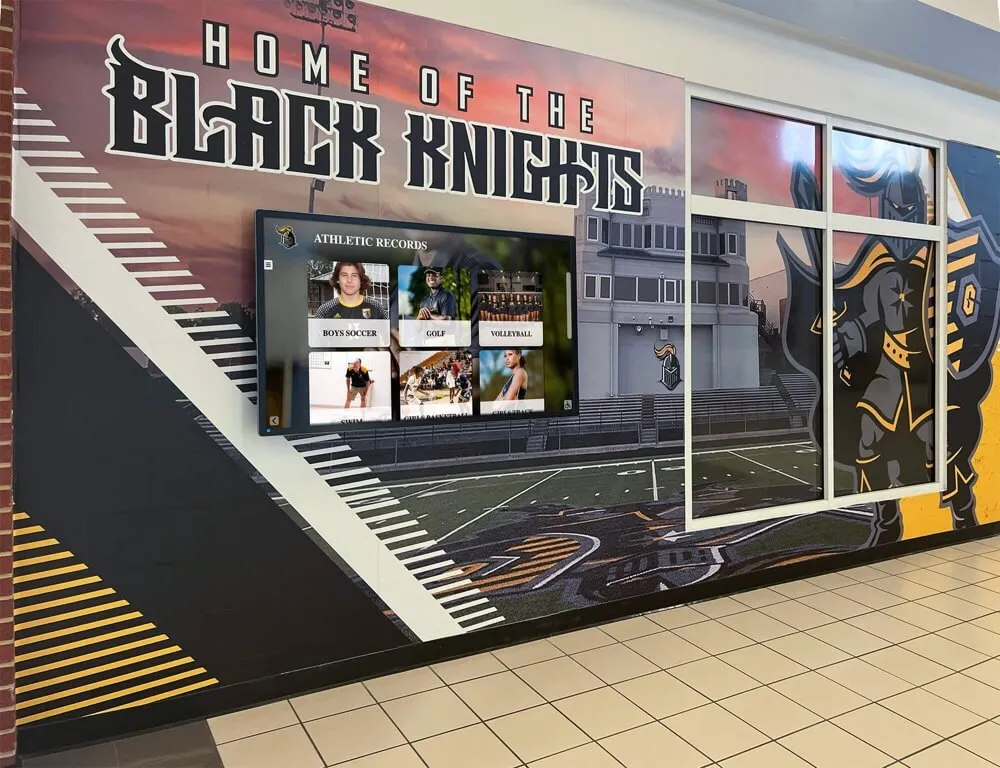
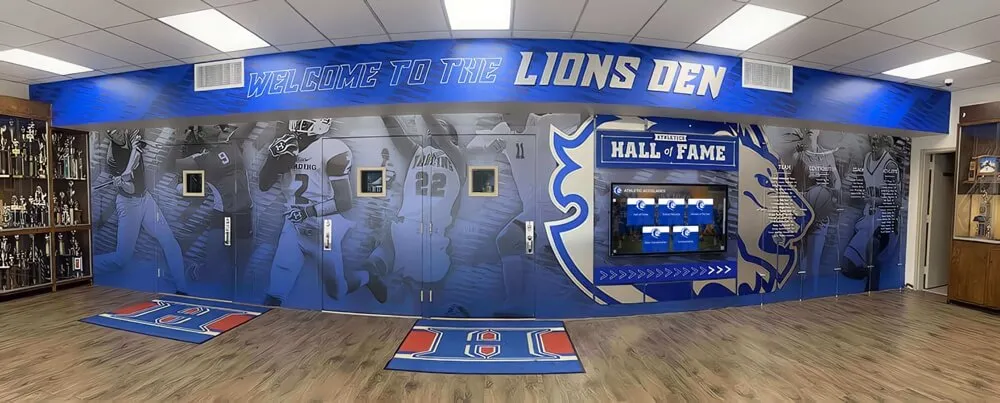
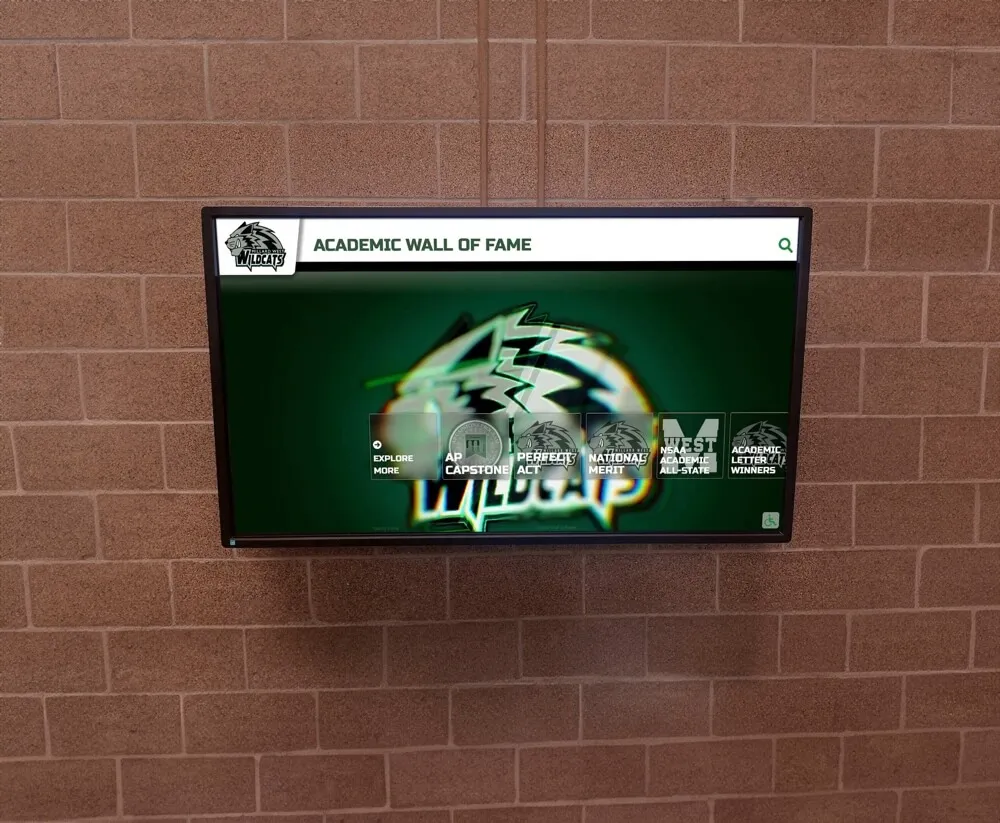
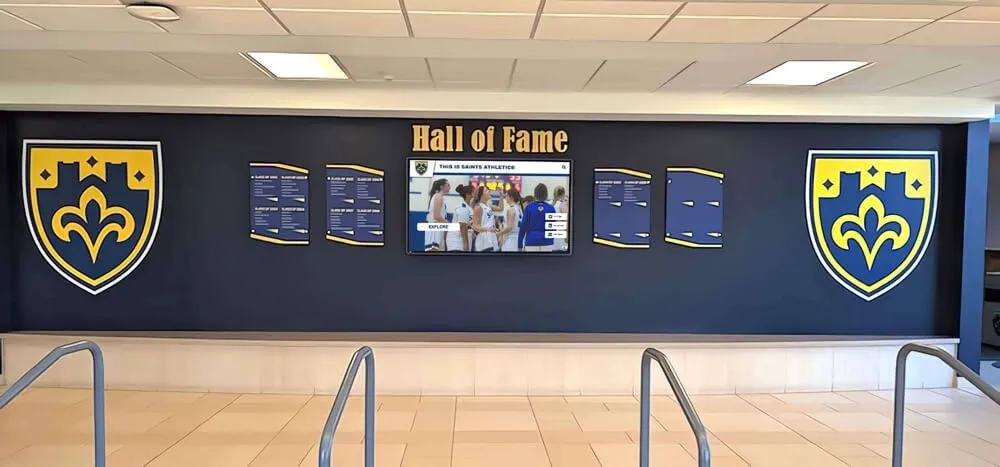
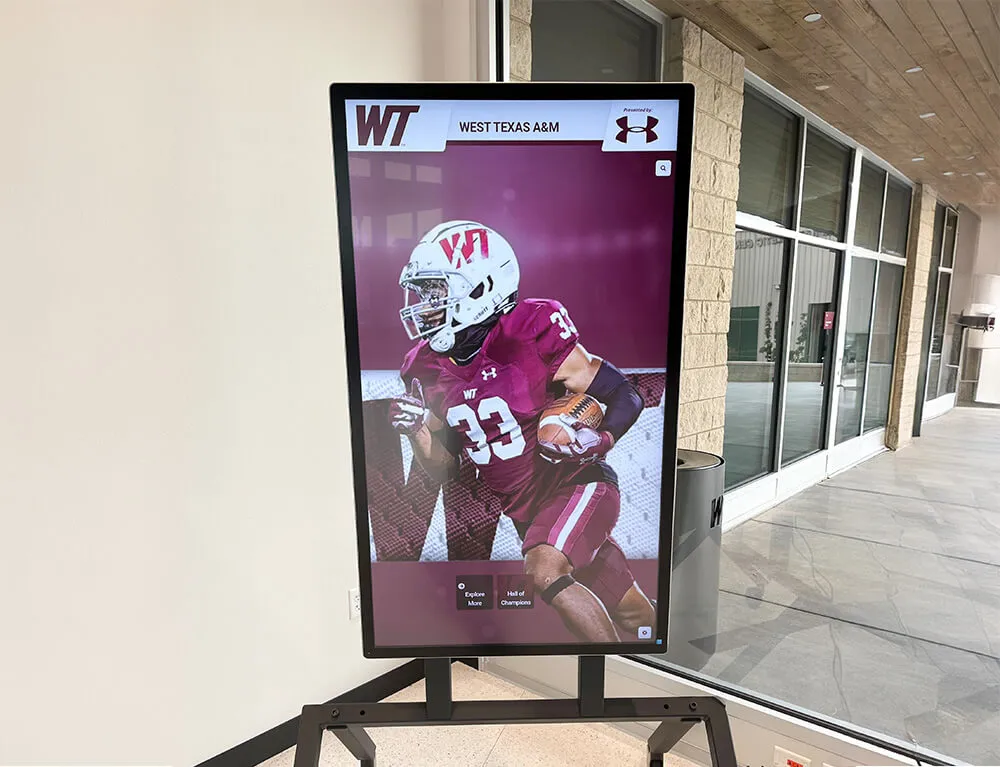
Interactive displays enable schools to celebrate academic achievement comprehensively while inspiring future students toward excellence
Writing Techniques That Create Memorable Speeches
Specific rhetorical approaches transform adequate speeches into exceptional ones.
Storytelling and Specific Examples
Abstract concepts require concrete illustration:
The Power of Specificity
Generic statements create no emotional response: “We had great teachers.” Specific details create vivid memory: “When Mr. Chen saw I was struggling with chemical equations, he stayed after school for weeks until I finally understood stoichiometry—and he never once made me feel stupid for not getting it immediately.”
Specific names, moments, sensory details, and emotions transform generic observations into experiences audiences can visualize and feel. Each story or example should advance your larger message while creating brief narrative immersion.
Balancing Inclusivity in Story Selection
Challenge: Your specific memories may not resonate universally across your entire class. Solutions:
- Choose experiences involving large portions of your class rather than small friend groups
- Explain context ensuring audiences without direct experience understand significance
- Tell multiple brief stories representing different class experiences rather than one long narrative
- Use phrases like “some of us” or “many of us” acknowledging diversity of experience
- Ask friends from different social groups which stories they find most resonant
The goal involves shared recognition, not alienation of classmates who didn’t participate in specific activities you reference.
Using Humor Effectively
Appropriate comedy creates connection and memorable moments:
Self-Deprecating Humor: Gentle jokes about your own struggles or embarrassments demonstrate humility while entertaining. Example: “I spent most of freshman year convinced that ‘mitochondria is the powerhouse of the cell’ would somehow be more useful in life than it has proven.”
Observational Humor: Comments on shared experiences everyone recognizes. Example: “We all became experts at timing bathroom trips to avoid that one particularly terrifying hall monitor.”
Callback Humor: Reference earlier joke or story later in speech. Example: Early in speech mention specific teacher’s catchphrase; later incorporate that phrase into different context creating recognition and laughter.
Avoid humor at others’ expense, inside jokes only small groups understand, controversial topics risking audience offense, or forced comedy interrupting speech flow. When in doubt, test jokes with diverse friend groups before including in final speech.
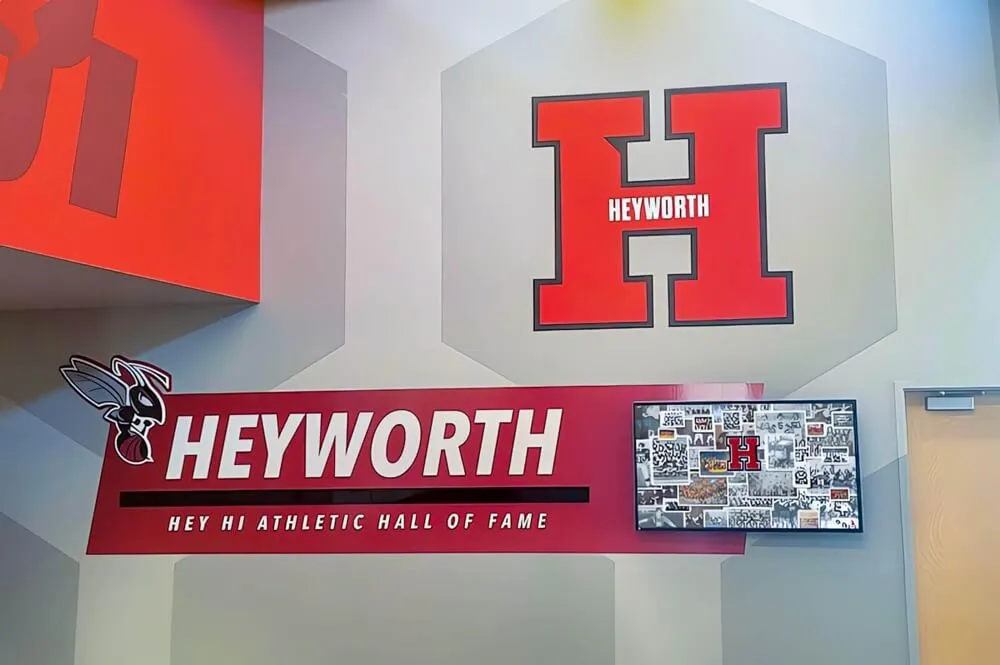
Schools that celebrate academic achievement create comprehensive recognition programs honoring valedictorians and diverse student accomplishments.
Rhetorical Devices and Language Techniques
Strategic language patterns enhance message impact:
Repetition and Parallel Structure
Repeating phrases or sentence structures creates rhythm and emphasis:
Example: “We learned that success isn’t about perfection. We learned that failure isn’t fatal. We learned that growth happens in the uncomfortable moments between what we were and what we’re becoming.”
Parallel structure (consistent grammatical patterns) makes content more memorable and emphasizes connections between ideas.
Tricolon (Power of Three)
Human brains find patterns of three particularly satisfying:
Example: “We arrived as strangers, became friends, and leave as family.” Or: “We came to learn. We stayed to grow. We leave to lead.”
Tricolons work for lists, progressive ideas, or contrasting concepts—creating sense of completeness without exhausting audiences through excessive length.
Metaphor and Analogy
Abstract concepts become accessible through concrete comparisons:
Example: “High school was like those Russian nesting dolls—each year revealed new layers we didn’t know existed. Freshman year we thought we saw the whole picture. Then sophomore year opened up. Then junior year revealed even more. Now as seniors we finally understand there are always more layers to discover.”
Effective metaphors feel natural to your voice and extend logically without forced elaboration. Avoid mixing metaphors or using clichéd comparisons audiences have heard countless times.
Rhetorical Questions
Questions prompt audience reflection without requiring spoken answers:
Example: “How many times did we want to quit when things got hard? How many times did a friend, teacher, or family member give us exactly what we needed to keep going?”
Rhetorical questions work best when audiences genuinely relate to the underlying experience, creating internal “yes, that’s true” responses that build connection.
Direct Address
Speaking directly to specific groups within your audience personalizes content:
Example: “To my classmates: You made this journey worthwhile. To our teachers: You saw potential we didn’t yet see in ourselves. To our families: You believed in us even when we struggled to believe in ourselves.”
Direct address creates multiple emotional moments rather than maintaining single perspective throughout entire speech.
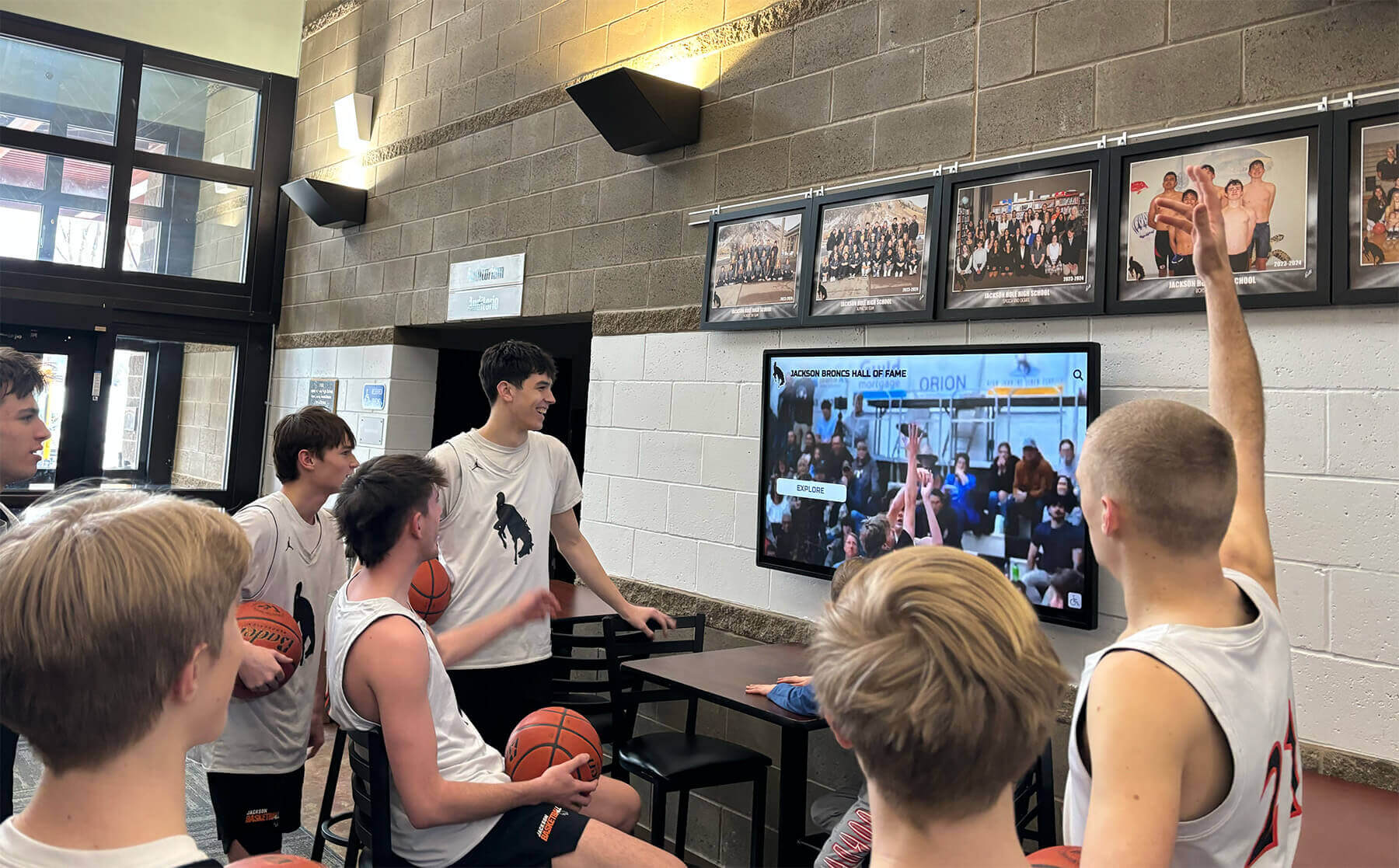
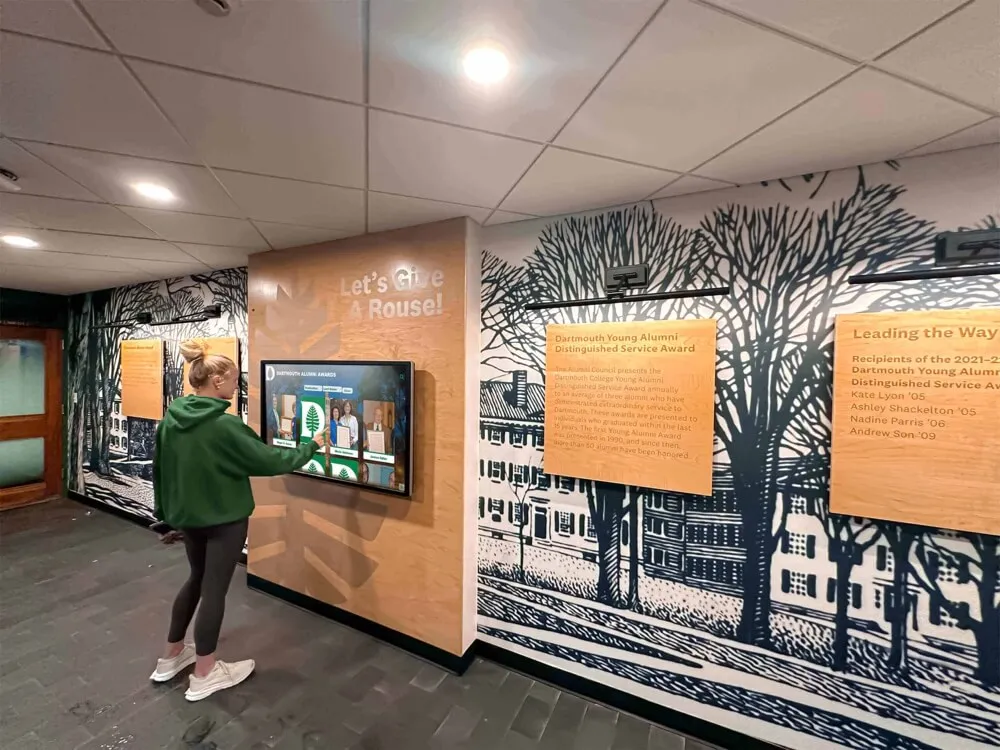
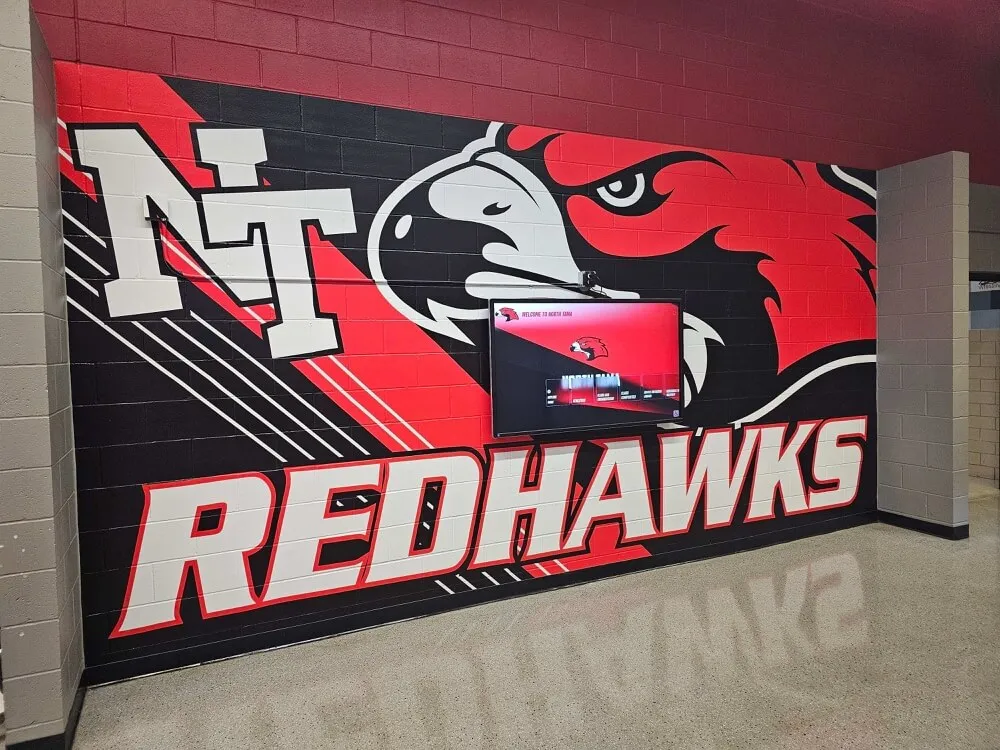
Modern recognition technology creates engaging ways to celebrate student achievement across academic and athletic dimensions
Mastering Delivery Techniques
Even brilliant writing falls flat without effective presentation:
Managing Speech Anxiety
Most speakers experience nervousness before significant presentations:
Reframing Anxiety as Energy
Physical symptoms of nervousness (increased heart rate, heightened alertness, adrenaline) closely resemble excitement. Research shows that consciously reframing anxiety as excitement improves performance more effectively than trying to calm down. Tell yourself “I’m excited to share this” rather than “I need to calm down.”
Preparation Reduces Anxiety
Confidence comes from thorough preparation:
- Practice complete speech aloud minimum 10-15 times before ceremony
- Rehearse in actual ceremony space if possible, familiarizing yourself with environment
- Practice with audience (friends, family, teachers) providing feedback
- Anticipate potential problems (microphone issues, audience reactions) mentally preparing solutions
- Prepare backup plans (printed notes if teleprompter fails, shortened version if time cuts occur)
Under-rehearsed speakers experience justified anxiety because they genuinely don’t know if they can execute successfully. Thorough preparation transforms anxiety from “I might fail” to “I’m ready for this.”
Physical Anxiety Management Techniques
Body-based strategies reduce physiological stress:
- Deep breathing exercises (4 counts in, 4 counts hold, 4 counts out, 4 counts hold, repeat)
- Progressive muscle relaxation tensing and releasing muscle groups systematically
- Power posing in private before speaking (expansive postures influence confidence)
- Light physical activity before ceremony (walking, stretching) burning excess nervous energy
- Avoiding excessive caffeine on ceremony day (amplifies anxiety symptoms)
Developing Perspective
Remember that audiences want you to succeed:
- Your classmates are supportive, not judgmental critics
- Families feel proud, not hypercritical of minor mistakes
- Teachers and administrators selected you knowing your capability
- Minor stumbles or imperfections humanize rather than diminish your message
- Perfect delivery matters far less than authentic connection and genuine content
Most anxiety stems from catastrophic thinking about consequences that won’t actually occur. Very few people deliver flawless speeches; most deliver authentic speeches audiences remember fondly despite minor imperfections.
Vocal Delivery Techniques
Your voice conveys meaning beyond your words:
Pacing and Pauses
Most nervous speakers rush, diminishing impact:
- Speak slower than feels natural (likely still faster than ideal but closer to effective pace)
- Insert deliberate pauses after important statements allowing audience processing time
- Use pauses for effect before or after emotional moments, key punchlines, or significant questions
- Pause when transitioning between major sections helping audiences follow structure
- Remember that silence feels much longer to speakers than audiences; pauses that feel excruciatingly long to you feel natural to listeners
Practice with recording yourself and honest feedback providers identifying rushing tendency requiring conscious correction.
Volume and Projection
Ensure entire audience hears clearly:
- Project from diaphragm rather than throat (deeper, more sustainable volume)
- Maintain consistent volume rather than fading at sentence ends
- Slightly increase volume for emphasis on key phrases or words
- Reduce volume strategically for intimate or emotional moments (then return to normal)
- Test sound system beforehand understanding microphone proximity requirements
If using microphone, maintain consistent distance preventing volume fluctuations when you move your head.
Vocal Variety and Inflection
Monotone delivery kills even excellent content:
- Vary pitch naturally as you would in passionate conversation
- Emphasize key words within sentences through slight stress or pitch change
- Match vocal tone to emotional content (genuine sadness, authentic excitement)
- Avoid artificial “speech voice” sounding unlike normal conversation
- Let personality and enthusiasm show vocally rather than maintaining flat formality
Listen to speeches you find engaging, noting how speakers use vocal variety creating interest and emotional connection.
Articulation and Clarity
Ensure words land clearly:
- Pronounce complete words rather than mumbling endings
- Slow down on complex vocabulary, names, or challenging phrases
- Over-articulate slightly compared to conversation (compensating for nerves and adrenaline)
- Practice difficult passages repeatedly until pronunciation becomes automatic
- Have water available to prevent dry mouth affecting clarity
If you have speech patterns that typically cause issues (speaking too softly, saying “um” frequently, rushing), practice with conscious focus on those specific areas.
Schools increasingly recognize academic excellence through permanent recognition displays celebrating valedictorians and distinguished students.
Physical Presence and Body Language
Non-verbal communication significantly impacts audience reception:
Posture and Positioning
Physical presence conveys confidence:
- Stand fully upright with shoulders back (resist nervous slouching)
- Ground yourself with feet shoulder-width apart providing stable base
- Face audience squarely rather than angling body toward notes or podium
- Maintain open body position without crossed arms or defensive positioning
- Minimize swaying or rocking which broadcasts nervousness
Good posture improves breathing and vocal quality while projecting confidence to audiences.
Eye Contact
Visual connection creates engagement:
- Look at actual audience members, not over their heads at back wall
- Shift gaze naturally around room ensuring all sections feel included
- Hold eye contact briefly with individuals (2-3 seconds) before moving to another area
- Return regularly to sections you’ve already addressed rather than single sweep
- If looking at individuals proves too intimidating initially, look at small sections
Eye contact makes speeches feel like conversations rather than performances, increasing authenticity and connection.
Gestures and Movement
Strategic physical animation enhances communication:
- Use natural hand gestures as you would in passionate conversation with friends
- Ensure gestures are large enough for back rows to see clearly
- Match gesture size to statement importance (bigger gestures for key points)
- Avoid repetitive gestures becoming distracting patterns
- Minimize fidgeting behaviors (playing with note cards, adjusting clothing, touching hair)
If ceremony format includes podium, you may be restricted from extensive movement. If you’re using wireless microphone with movement freedom, strategic position changes can emphasize transitions between speech sections—but avoid pacing that reads as nervous energy rather than purposeful movement.
Facial Expression
Your face communicates emotion and authenticity:
- Allow genuine emotion to show (smiling during happy moments, sincere expression during serious content)
- Avoid frozen “speech face” maintaining single neutral expression throughout
- Match facial expression to content and tone naturally
- Remember that your face communicates to audience even before you begin speaking
- Slight smile when first approaching podium helps both you and audience relax
Natural, authentic facial expression helps audiences connect emotionally with your content and trust your sincerity.
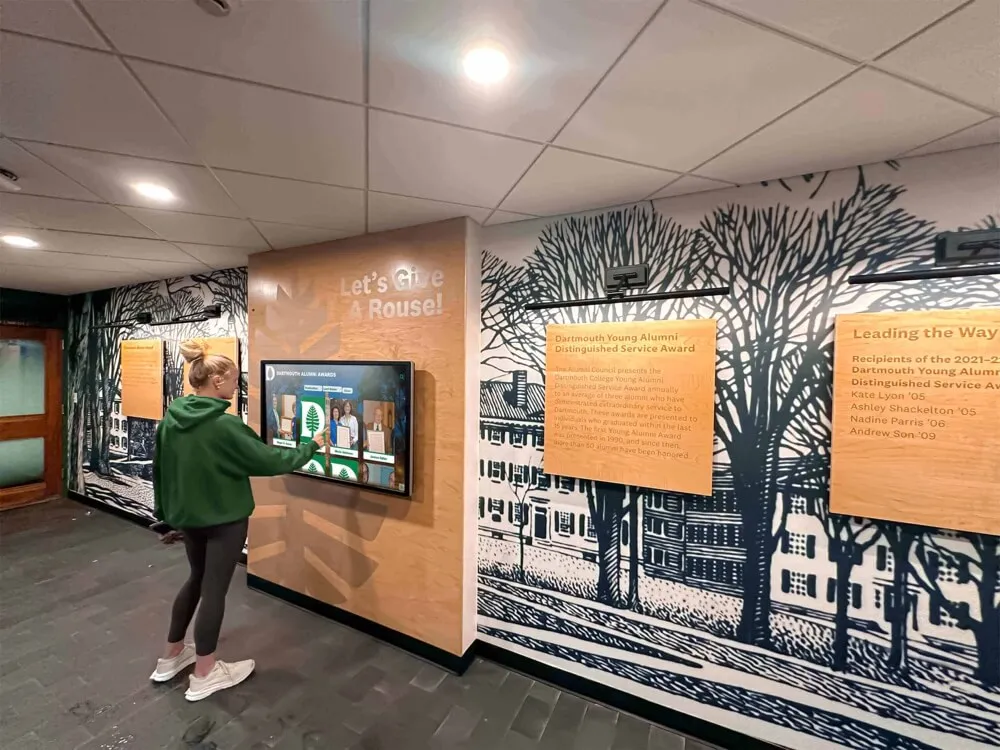
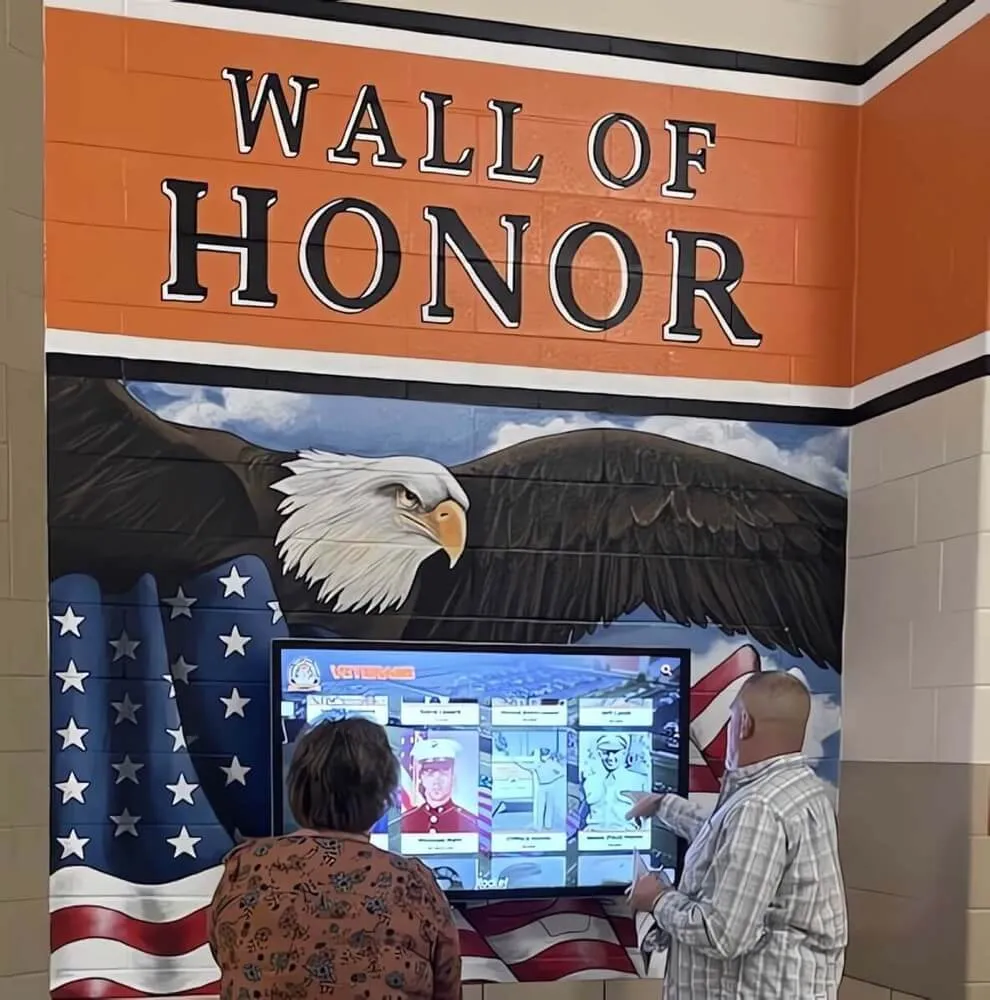
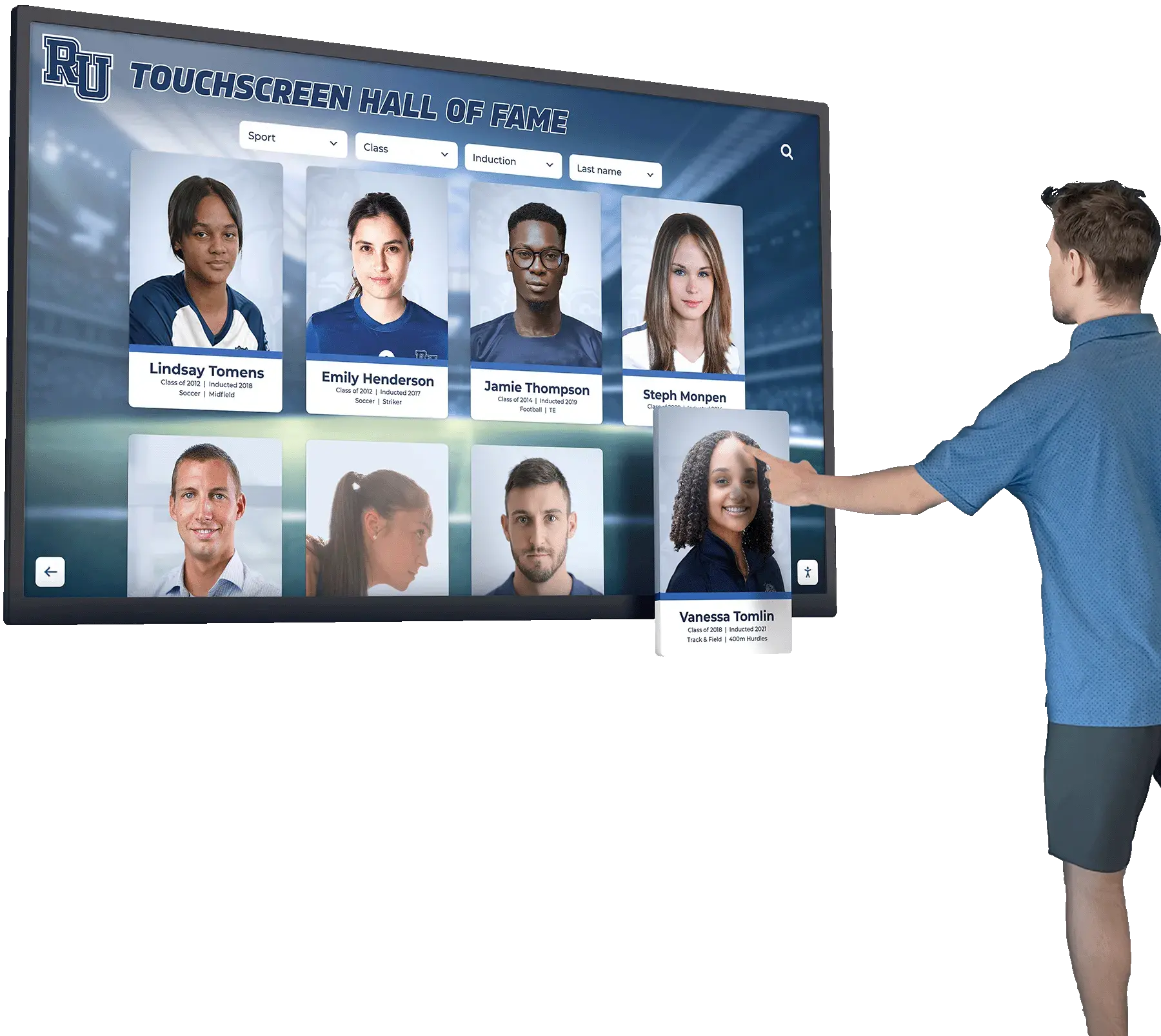
Interactive recognition displays celebrate academic achievement while creating engaging exploration experiences for current students and visitors
Practical Speech Writing Process
Systematic approach prevents last-minute stress:
Timeline and Deadlines
Work backward from ceremony date:
4-6 Weeks Before (Ideal Timeline)
- Brainstorm core messages, themes, and stories (2-3 brainstorming sessions)
- Research and review example speeches for inspiration (not copying)
- Clarify school requirements and approval processes
- Create rough outline organizing key ideas
3-4 Weeks Before
- Write complete first draft focusing on content over polish
- Read aloud identifying awkward phrasing or pacing issues
- Share draft with trusted advisors (teacher, parent, friend) for feedback
- Revise based on feedback focusing on structure and major content
2-3 Weeks Before
- Complete second draft refining language and flow
- Practice delivering aloud multiple times identifying timing issues
- Submit for required administrative approval if applicable
- Make any required changes based on administrative feedback
1-2 Weeks Before
- Finalize speech content and prepare final delivery version
- Begin serious practice sessions (minimum once daily)
- Practice with audience providing performance feedback
- Visit ceremony venue if possible familiarizing yourself with space
Final Week
- Practice complete speech minimum once daily at performance pace
- Focus on delivery refinement (pacing, pauses, emphasis)
- Prepare notes, cue cards, or teleprompter materials in final format
- Get adequate sleep and take care of physical health
- Review final version morning of ceremony
If You Have Less Time: Compress timeline but maintain key elements—brainstorming before writing, feedback before finalizing, and multiple practice sessions before delivering. Even with limited time, thorough preparation dramatically improves outcomes compared to winging it.
Getting Effective Feedback
Not all feedback serves equally:
Selecting Feedback Providers
Choose advisors offering different perspectives:
- Classmate: Provides peer perspective on whether content resonates with intended audience
- Teacher or Mentor: Offers guidance on structure, appropriateness, and missed opportunities
- Parent or Family Member: Represents family audience segment and provides emotional response assessment
- Someone Who Gives Honest Criticism: Not just supporter saying everything is great; someone who will identify genuine weaknesses
Avoid seeking feedback from too many people simultaneously (creates overwhelming conflicting advice). Start with 2-3 trusted advisors and expand only if initial feedback suggests significant revision needs.
Asking Specific Questions
Generic “what do you think?” produces unhelpful responses. Ask targeted questions:
- “Which stories or moments resonated most emotionally?”
- “Did any sections feel too long or like they lost your attention?”
- “Was there anywhere you felt confused about what I was saying?”
- “Do the transitions between sections feel smooth or abrupt?”
- “What’s the main message you took away after hearing this?”
- “Is there anything that might unintentionally offend or exclude anyone?”
Specific questions produce actionable feedback rather than vague praise or criticism.
Incorporating Feedback Selectively
Not all feedback deserves implementation:
- Prioritize feedback from people representing your key audiences
- Look for patterns (if multiple people identify same issue, it’s likely valid)
- Trust your instincts when suggestions conflict with your authentic voice
- Distinguish between personal preference (ignore) and genuine problems (address)
- Remember you maintain final authority over content reflecting your perspective
Feedback should improve your speech while maintaining authenticity rather than transforming it into something unrecognizable as yours.
Schools celebrate academic excellence through comprehensive student recognition programs including valedictorian honors.
Creating Delivery Materials
Prepare effective support materials:
Note Cards vs. Full Script
Different approaches work for different speakers:
Note Card Approach: Brief bullet points listing key ideas, stories, and transitions—requiring more rehearsal but encouraging natural conversational delivery and authentic eye contact with audience. Best for speakers who rehearse thoroughly and prefer flexibility adapting to audience response.
Full Script Approach: Complete text of every word—providing security but risking over-reliance on reading rather than connecting with audience. Best for speakers needing confidence of exact wording or those with strict time limits requiring precise control.
Hybrid Approach: Full script for opening and closing (where exact wording matters most) with bullet points for middle sections. Combines security with flexibility.
Preparation Best Practices
Regardless of format:
- Use large, easily readable font (minimum 14-16pt, ideally larger)
- Double or triple space lines preventing visual crowding
- Bold or highlight key phrases requiring emphasis
- Include notes about pacing (“PAUSE” or “SLOW DOWN”)
- Number pages clearly in case materials scatter
- Print on sturdy paper preventing floppy pages creating visual distraction
- Use only top 2/3 of page keeping content in natural sight line without excessive head dropping
Teleprompter Considerations
If using teleprompter or presentation screen:
- Practice extensively with technology before ceremony (not just with paper)
- Have backup printed notes in case technology fails
- Adjust scrolling speed matching your actual delivery pace
- Maintain eye contact with audience, not just screen
- Position screen to minimize visible reading movements
Technology can enhance delivery but requires practice ensuring it helps rather than creates dependence or distraction.
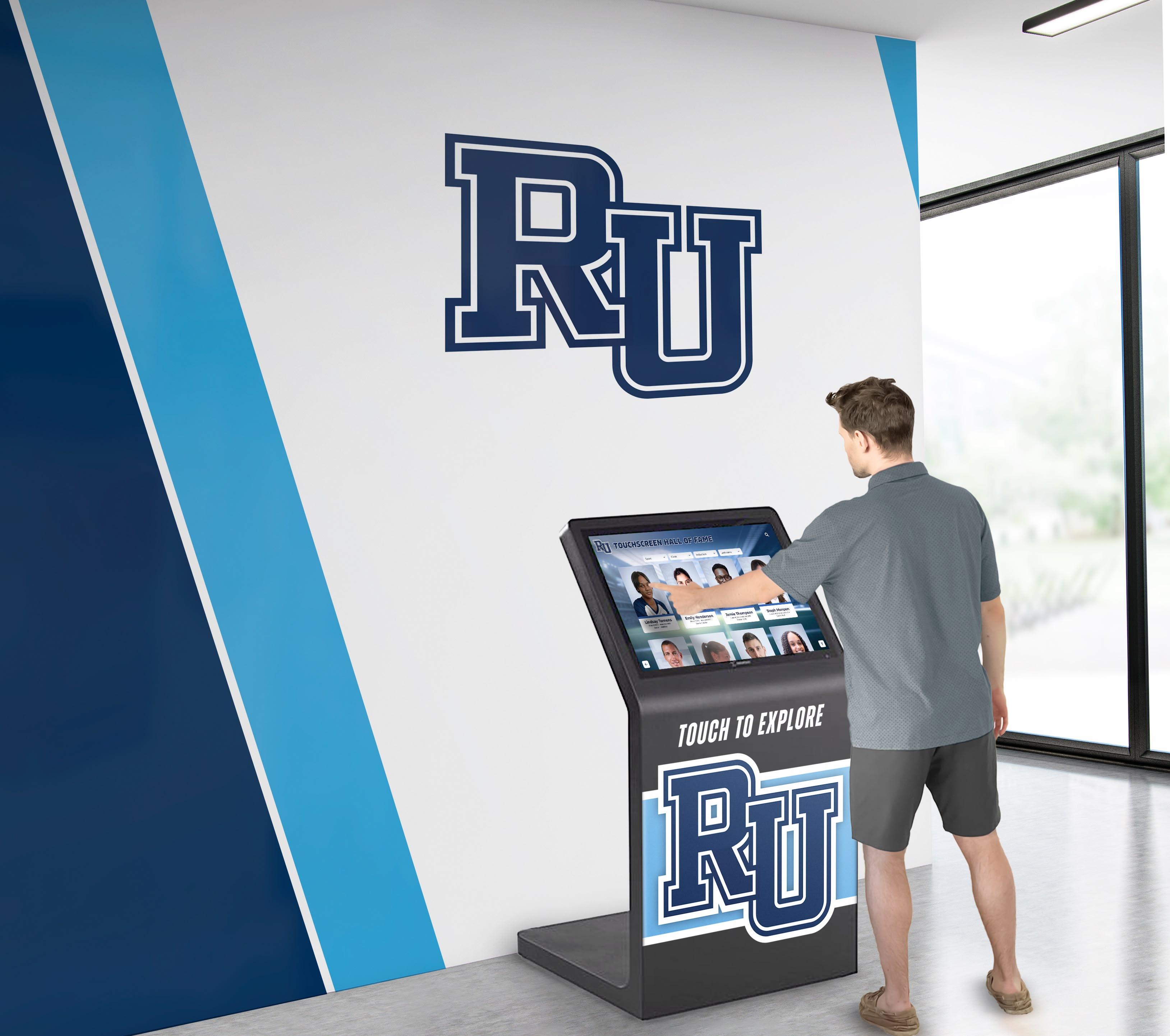
Strategic placement of recognition displays in high-traffic areas celebrates academic achievement while inspiring current and future students
Handling Special Circumstances
Adapt approaches for unique situations:
Addressing Diverse Audiences
Your speech serves multiple constituencies simultaneously:
Multi-Generational Considerations
Graduation audiences span decades:
- Avoid references requiring specific generational knowledge (music, technology, trends) only some understand
- Include themes with universal resonance across age groups
- Balance youthful energy with respect for traditional ceremony expectations
- Acknowledge that families may hold different values while finding common ground
- Use humor that works across generations rather than targeting specific age groups
When in doubt, test content with people outside your age group ensuring accessibility.
Cultural and Linguistic Diversity
Many schools include students and families from varied backgrounds:
- Avoid idioms or cultural references that don’t translate across communities
- Consider briefly explaining references that may not be universally understood
- Be mindful of assumptions about shared experiences or values
- When acknowledging specific groups, ensure balanced inclusion
- If school has significant non-English speaking families, consider brief translated acknowledgment (check with administration)
Goal involves creating unity while respecting diversity rather than assuming homogeneity that excludes portions of audience.
Academic Ability Range
Your class includes students with vastly different academic experiences:
- Acknowledge diverse paths and definitions of success
- Avoid implications that your academic approach is the only valid one
- Recognize non-academic achievements and growth
- Frame collective achievement as “our class” rather than “the top students”
- Celebrate growth and effort alongside absolute achievement
Remember that valedictorian status reflects one metric of success among many valid measures of student achievement and growth.
Managing Unexpected Situations
Even perfect preparation can’t prevent all surprises:
Technical Difficulties
If microphone fails, technology breaks, or other equipment issues arise:
- Pause calmly while technical staff address issue
- If delay extends, consider brief lighthearted comment easing tension
- Project voice without microphone if necessary and physically possible
- Have backup materials ready if preferred technology becomes unavailable
- Remember that graceful handling of difficulties demonstrates character
Technical issues happen regularly at events. Audiences remember how you handled problems, not the problems themselves.
Emotional Overwhelm
If you become too emotional to continue smoothly:
- Pause and take deliberate breaths until composed enough to continue
- Keep water accessible to provide brief physical activity break
- Remember that genuine emotion creates connection rather than undermining credibility
- If necessary, acknowledge the moment: “Sorry, this means more than I expected” before continuing
- Have contingency plan to skip to closing if absolutely unable to complete middle sections
Showing authentic emotion demonstrates that the moment and your classmates genuinely matter to you. Audiences respond with empathy and support, not judgment.
Audience Reactions
Unexpected laughter, applause, or other responses:
- Pause allowing audience to fully express response before continuing
- Smile or acknowledge positive reactions showing appreciation
- If response seems inappropriate, briefly redirect: “But seriously…” before moving forward
- Don’t rush through pauses; let emotional moments land fully
- If audience seems restless or disengaged, slightly accelerate pace or add energy
Reading audience energy and adapting accordingly shows speaking maturity and improves reception.
Modern schools celebrate academic excellence through interactive recognition displays honoring valedictorians and class leaders.
Cultural and Institutional Variations
Different contexts require different approaches:
Religious vs. Secular Institutions
Appropriate content varies significantly:
Religious School Contexts: May appropriately include specific religious references, quotes from sacred texts, acknowledgment of faith role in community, or explicit spiritual themes—if genuine to your beliefs and consistent with institutional expectations.
Public School Contexts: Constitutional restrictions and diversity considerations typically mean avoiding explicit religious content, proselytizing, or exclusive language suggesting single faith perspective. Focus on universal values and inclusive language accessible to audiences of all faiths and no faith.
When uncertain, consult administrators about institutional norms and legal requirements before including religious content.
Small vs. Large Class Sizes
Scale affects appropriate content:
Small Classes (Under 100 Students): Can include more specific references to individual classmates, shared experiences most class members participated in, and inside references audiences will understand. More conversational, intimate tone often appropriate.
Large Classes (Hundreds or Thousands): Require broader themes and experiences resonating across diverse sub-groups, fewer specific references to individuals, and more formal tone reaching audiences with limited personal connection to speaker.
Adjust specificity level to your actual context ensuring accessibility while maintaining personal connection.
Regional and International Differences
Cultural contexts shape expectations:
- Some regions favor more formal, traditional ceremony approaches
- Other areas expect more casual, personalized addresses
- International schools may include audiences from multiple countries with different communication norms
- Local history, current events, or cultural moments may provide relevant context
Ask administrators, previous valedictorians, or teachers familiar with institutional culture about unwritten expectations shaping appropriate approach.
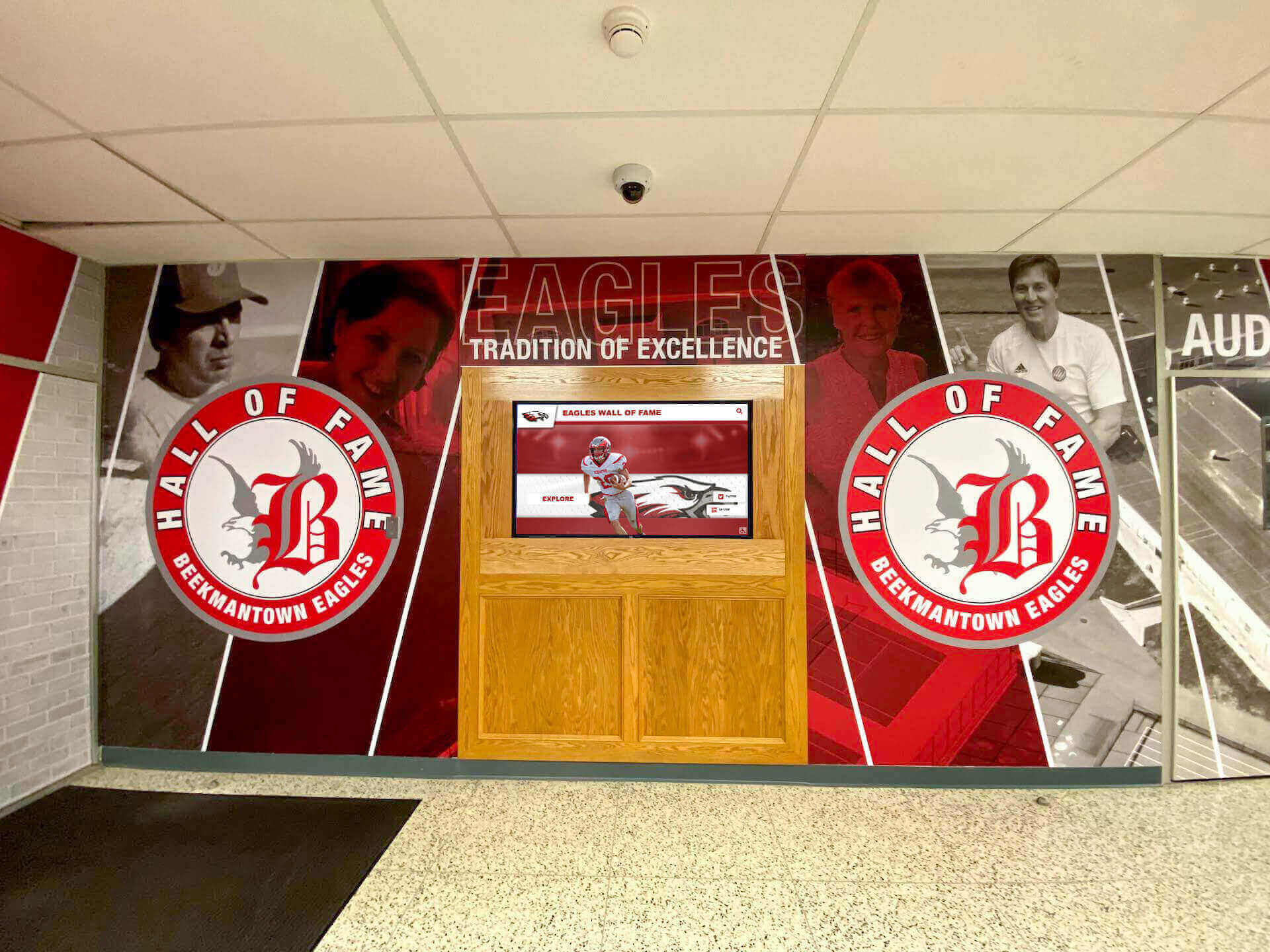
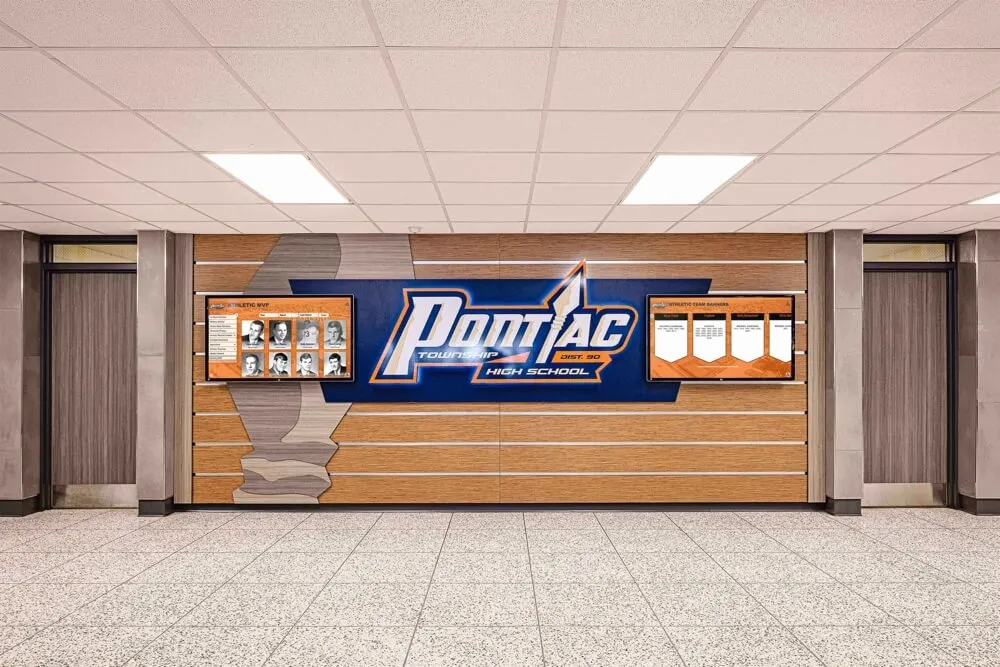
Comprehensive recognition installations combine traditional design elements with modern technology celebrating academic and athletic excellence
Final Preparation and Day-Of Execution
Last steps ensure successful delivery:
Week Before Ceremony
Finalizing Logistics
Confirm all practical details:
- Exact timing and order of ceremony events
- Your specific position in program (when you speak)
- Physical setup (podium, microphone type, where you’ll stand)
- How you’ll receive signal to begin and how much time you’ll have
- Where you’ll sit before and after speaking
- If you need to bring anything or if all materials will be provided
Eliminate uncertainty so you can focus on delivery rather than logistics.
Intensive Practice Schedule
Final week practice intensity:
- Daily complete run-throughs maintaining consistency
- Practice with ceremony-day outfit ensuring comfort and lack of restriction
- Record yourself evaluating delivery objectively
- Practice with authentic audience providing final feedback
- Visit venue if possible practicing in actual space with actual sound system
Muscle memory from extensive practice enables excellent delivery even if nerves affect your conscious awareness.
Self-Care Priorities
Physical preparation supports mental performance:
- Maintain regular sleep schedule (not last-minute all-nighters)
- Eat regularly and stay hydrated
- Continue exercise or movement routines
- Limit alcohol if you typically drink
- Avoid getting sick (rest, vitamins, avoiding sick people)
Physical state directly impacts delivery quality and anxiety management.
Ceremony Day Preparation
Morning Routine
Day-of strategies supporting success:
- Review speech once or twice but avoid obsessive last-minute practice
- Eat light meal preventing hunger or digestive discomfort
- Lay out complete ceremony outfit avoiding last-minute wardrobe stress
- Pack all materials (speech notes, water, tissues, emergency supplies)
- Do brief physical warm-up (stretching, moving) and vocal warm-up (speaking aloud, reading passage)
Maintain calm, focused energy rather than frantic last-minute cramming.
Pre-Speech Mental Preparation
Backstage or waiting period:
- Breathe deeply and regularly maintaining calm physiology
- Review opening lines ensuring strong confident start
- Visualize successful delivery with positive audience response
- Remind yourself why you’re honored and qualified for this role
- Connect with supportive friends or family if helpful
- Avoid people amplifying anxiety rather than calming you
Mental state immediately before speaking significantly impacts delivery quality.
Post-Speech Recognition
After completing delivery:
- Accept congratulations graciously without excessive self-criticism
- Recognize you accomplished significant achievement regardless of minor imperfections
- Thank people who supported preparation process
- Save recording or transcript as memory of milestone moment
- Celebrate with classmates and family appropriately
This moment represents culmination of years of academic dedication. Allow yourself pride in achievement while maintaining perspective that graduation itself marks the beginning of new journeys, not ultimate destination.
Schools honor valedictorians through comprehensive recognition programs celebrating intellectual excellence alongside other student achievements.
Learning From Valedictorian Speech Examples
Studying successful speeches provides models and inspiration:
Analyzing Memorable Speeches
Characteristics of speeches audiences remember:
Authenticity and Vulnerability
The most impactful speeches include genuine vulnerability:
- Admitting failures and struggles rather than presenting impossible perfection
- Sharing actual fears about uncertain futures
- Acknowledging ways speaker grew or changed perspectives
- Revealing genuine emotion about classmates, experiences, or transitions
- Speaking in natural voice rather than adopting artificial formality
Example: A valedictorian might share specific class they nearly failed and how that struggle taught humility and perseverance—demonstrating growth rather than consistent perfection.
Specific Cultural References
Speeches resonating deeply include specific shared experiences:
- School traditions, events, or inside jokes classmates immediately recognize
- Cultural moments defining the years shared together
- Specific teachers’ memorable phrases or classroom moments
- Social causes or initiatives the class championed collectively
- Challenges unique to that particular class (pandemic disruptions, facility changes, etc.)
Balance specificity with enough explanation that broader audiences understand significance even without direct experience.
Forward-Looking Wisdom
Memorable speeches offer genuinely useful perspective:
- Lessons learned through specific experiences applicable to future challenges
- Realistic acknowledgment of difficulties ahead alongside hopeful encouragement
- Wisdom about maintaining important relationships and values during transitions
- Practical advice grounded in actual experience rather than generic platitudes
- Connection between education received and opportunities now accessible
Best wisdom feels earned through experience rather than borrowed from inspirational posters or famous quotes.
Common Pitfalls to Avoid
Learn from others’ mistakes:
Clichés and Overused Phrases
Avoid language audiences have heard countless times:
- “Webster’s defines [word] as…”
- “Today is not an end, but a beginning”
- “The future is unwritten”
- “Be the change you want to see”
- “It’s not the destination, it’s the journey”
These phrases have appeared in thousands of speeches, creating immediate disengagement. If concept feels relevant, find fresh language expressing the idea uniquely.
Excessive Inside References
Balance specificity with accessibility:
- References only small friend groups understand alienate broader class
- Extended discussion of activities only some participated in loses non-participants
- Assume knowledge your audience doesn’t actually possess
- Create hierarchy suggesting some classmates’ experiences matter more than others
Each specific reference should resonate with substantial portion of audience while remaining explainable to those without direct experience.
Inappropriate Content
Maintain awareness of ceremonial context:
- Profanity or crude language inappropriate for formal ceremonies
- Controversial political or social statements polarizing audiences
- Inside jokes targeting or embarrassing specific individuals
- References to illegal activities or behavior violating school policies
- Content making administrators uncomfortable in their roles representing institution
Remember speeches occur in formal institutional contexts with administrators responsible for appropriateness. When uncertain, consult with relevant authorities before including potentially sensitive content.
Excessive Length
Respect time limits and audience attention:
- Droning past allotted time shows disrespect for others’ ceremony roles
- Losing focus through rambling or repetition undermines message impact
- Failing to edit ruthlessly results in diluted, unfocused content
- Trying to include everything rather than curating best material
Strong speeches feel complete within time constraints. If you’re significantly over time, cut content rather than speaking faster—rushed delivery diminishes everything.
Self-Aggrandizement
Balance achievement recognition with humility:
- Extended discussion of your own accomplishments rather than shared journey
- Positioning yourself as superior to rather than representative of class
- Failing to acknowledge support systems enabling success
- Taking credit for achievements that involved many contributors
- Using valedictorian role as platform for self-promotion
Your role involves speaking for your class, not about yourself. References to your experience should illustrate larger points rather than dominate content.
Modern institutions honor academic excellence through permanent recognition infrastructure celebrating valedictorians and distinguished students.
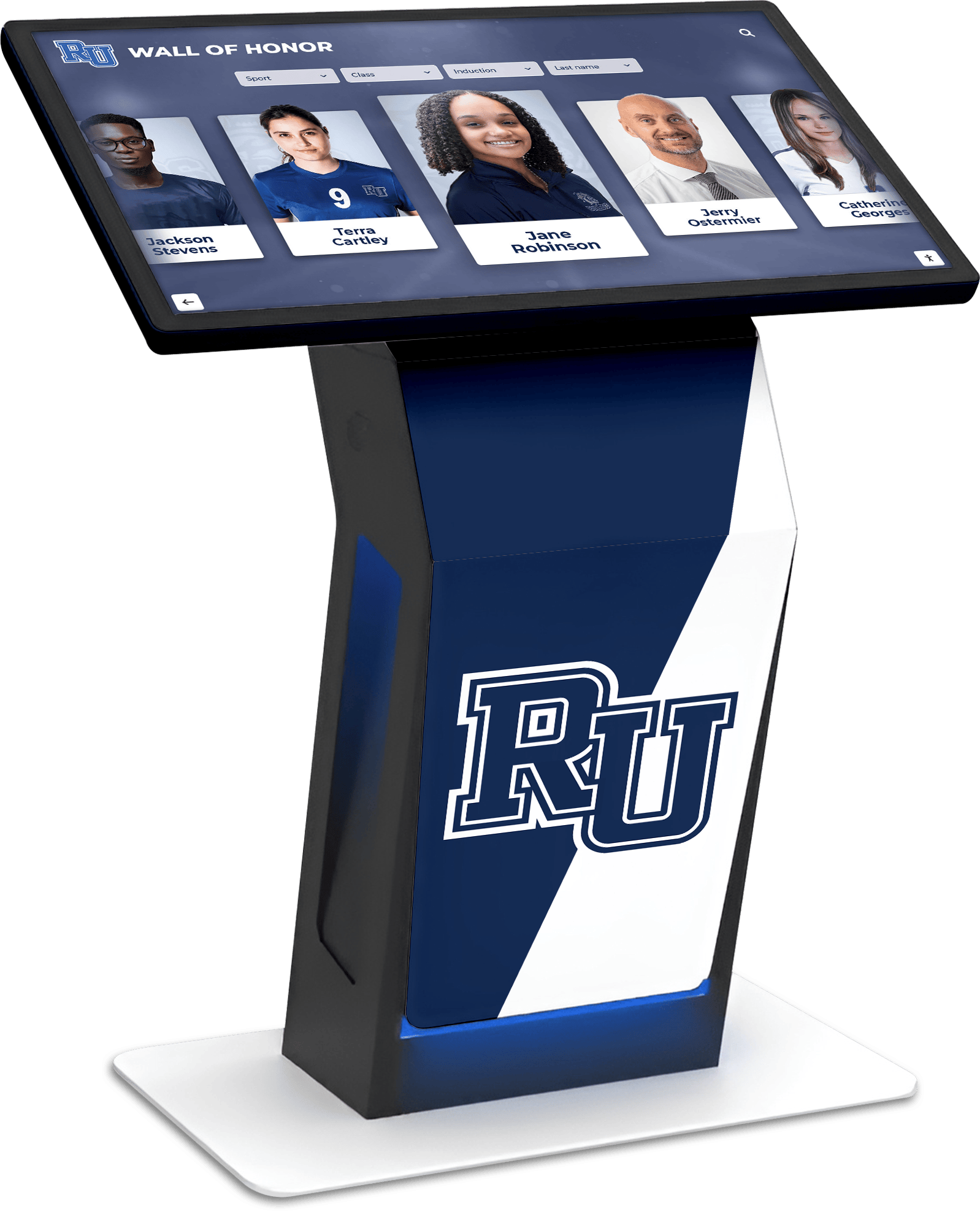
Modern recognition technology enables schools to celebrate academic achievement comprehensively while creating engaging interactive experiences
Conclusion: Creating Your Memorable Valedictorian Speech
Delivering your valedictorian speech represents culmination of years of academic dedication, intellectual growth, and sustained excellence. This significant honor provides opportunity to articulate meaning from shared experiences, acknowledge those who enabled success, and offer perspective as your class transitions toward futures filled with possibility and uncertainty.
The frameworks explored throughout this guide—from identifying core messages and structuring compelling content through mastering delivery techniques and managing anxiety—provide proven approaches that successful valedictorians have used to create speeches their classes remember years later. Whether you focus on specific shared stories resonating emotionally, universal themes with forward-looking wisdom, or careful balance of humor and inspiration, the principles remain consistent: authenticity matters more than polish, specific examples create more impact than abstract generalities, and genuine connection with your audience outweighs perfect execution of memorized lines.
Celebrating Academic Excellence That Lasts
Schools increasingly recognize valedictorians and academic achievement through modern digital displays that create permanent celebration visible throughout facilities. Discover how interactive recognition technology enables comprehensive student honor.
Explore Recognition SolutionsAs you draft, revise, practice, and ultimately deliver your valedictorian speech, remember that this moment—while significant—represents one milestone in ongoing journeys rather than ultimate destination. Your classmates will remember how you made them feel more than every specific word you said. Families will remember the genuine pride and emotion more than flawless execution. And you’ll remember this as the moment when you spoke for and with a community that shaped your development across years of shared education.
Trust your authentic voice, honor the collective journey you experienced together, acknowledge those who supported your success, and offer genuine perspective on the transitions ahead. With thorough preparation, strategic delivery focus, and commitment to authentic connection over artificial perfection, you can create a valedictorian speech worthy of this milestone moment—one that celebrates the past, honors the present, and inspires futures your entire class will pursue with purpose, determination, and wisdom earned through shared experience.
Your achievement deserves celebration, and your words will mark this transition with meaning and memory. Take pride in this honor, prepare thoroughly and thoughtfully, and deliver your message with confidence knowing you’ve earned this platform through years of sustained excellence. Your class awaits the perspective only you can provide as the student voice defining how they’ll remember this significant transition marking the end of one educational chapter and the beginning of countless new possibilities awaiting beyond graduation.
Schools can permanently honor valedictorians and academic achievement through modern recognition displays celebrating intellectual excellence alongside athletic accomplishments. Solutions like Rocket Alumni Solutions enable schools to create comprehensive recognition programs showcasing student achievements across multiple dimensions through interactive technology that inspires current students toward excellence while preserving institutional tradition for future generations.