



Video games and interactive technology have emerged as transformative tools in pediatric healthcare, revolutionizing how children’s hospitals approach pain management, rehabilitation, emotional support, and patient engagement. Far from simple entertainment, therapeutic gaming programs now represent evidence-based interventions that measurably improve clinical outcomes, reduce anxiety, accelerate recovery, and fundamentally enhance the hospital experience for young patients facing challenging medical journeys.
As healthcare facilities increasingly recognize the clinical, emotional, and operational value of interactive technology, children’s hospitals worldwide are establishing dedicated therapeutic gaming programs staffed by specialists who integrate video games, virtual reality, and touchscreen experiences into comprehensive care strategies. These programs serve multiple critical functions—from distraction during painful procedures and motivation during physical therapy to cognitive engagement during extended stays and social connection when isolation feels overwhelming.
This comprehensive guide explores how children’s hospitals implement therapeutic gaming programs, examines the evidence supporting interactive technology in pediatric care, and provides practical frameworks for healthcare facilities seeking to leverage video games and digital displays as powerful tools improving patient outcomes and transforming hospital experiences for the children and families they serve.
The integration of video games into pediatric healthcare represents more than technological innovation—it reflects a fundamental shift in how hospitals understand healing environments, patient engagement, and the holistic needs of children facing medical challenges. Modern therapeutic gaming programs create hospital spaces where treatment and play coexist, where technology serves healing, and where young patients find moments of normalcy, control, and joy during some of their most difficult experiences.

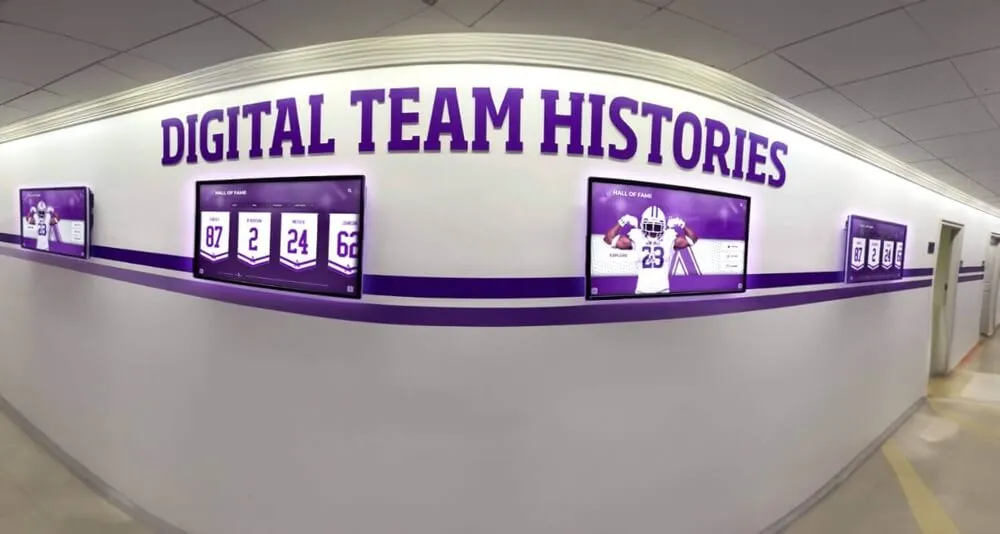
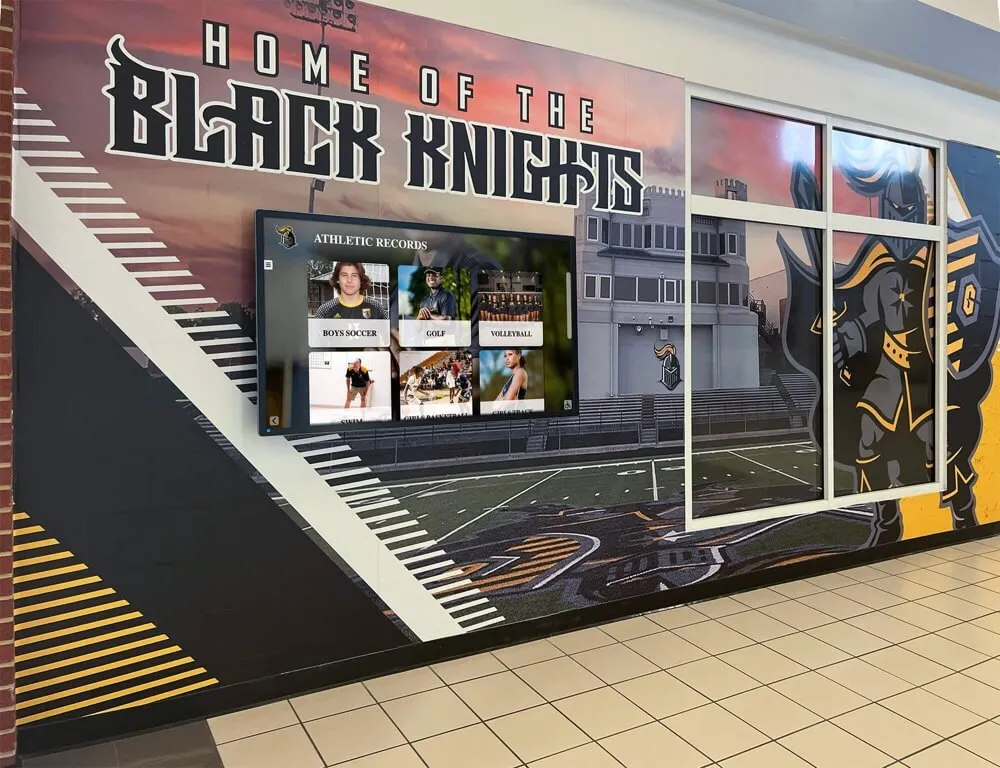
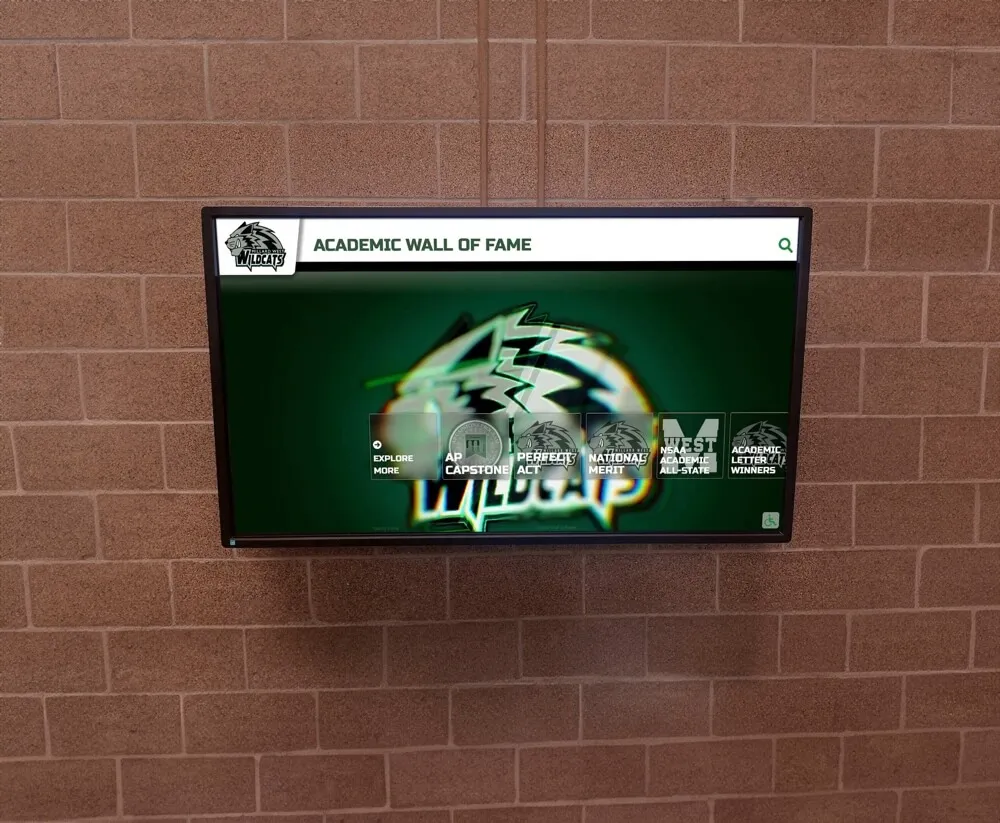
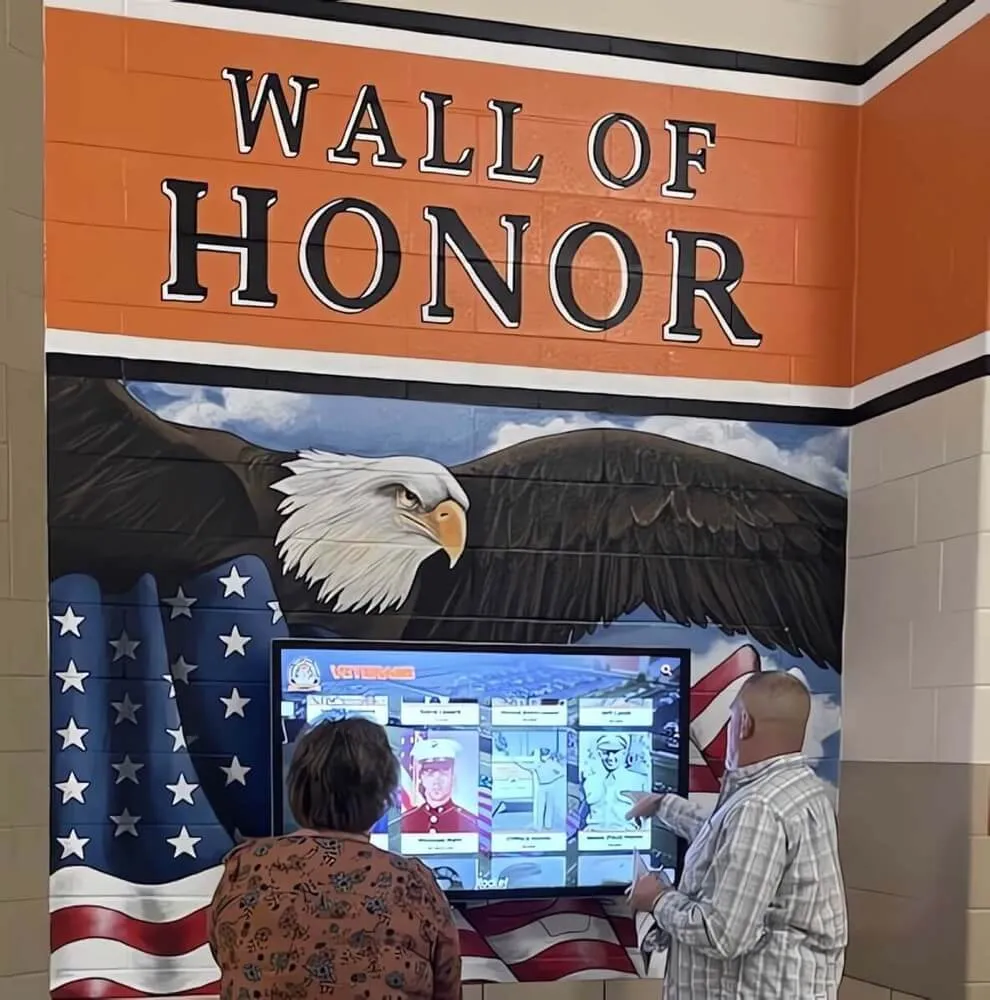
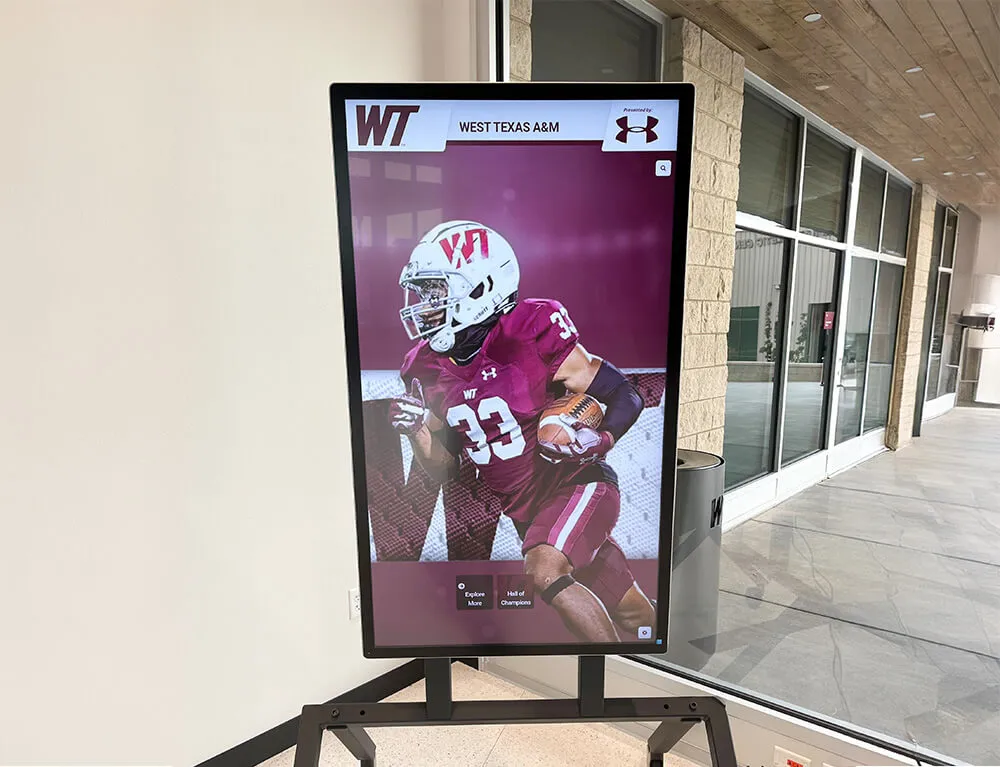
Interactive technology creates engaging experiences that support healing and emotional wellbeing in healthcare environments
Understanding Therapeutic Gaming in Pediatric Healthcare
Before exploring specific applications and implementation strategies, understanding what therapeutic gaming encompasses and how it functions in hospital settings helps healthcare administrators and child life professionals appreciate these programs’ transformative potential.
What Is Therapeutic Gaming?
Therapeutic gaming involves the intentional use of video games, interactive technology, and digital experiences as clinical and emotional support tools within healthcare settings. Unlike recreational gaming provided purely for entertainment, therapeutic gaming programs feature structured approaches where trained specialists—often called patient gaming specialists or therapeutic gaming coordinators—assess individual patient needs, select appropriate games and technologies, and integrate gaming experiences into comprehensive care plans developed in collaboration with medical teams and child life specialists.
Core Components of Hospital Therapeutic Gaming Programs
Modern programs combine several integrated elements. Commercial gaming consoles and platforms including PlayStation, Xbox, Nintendo Switch, and PC gaming systems provide familiar entertainment. Virtual reality equipment creates immersive experiences for distraction therapy, rehabilitation, and anxiety management. Mobile gaming devices offer portable solutions for bedside entertainment and engagement. Interactive touchscreen displays in common areas provide information, entertainment, and social connection. Cloud gaming services enable access to extensive game libraries without requiring individual game purchases.
According to reporting from Seattle Children’s Hospital, therapeutic gaming specialists manage more than 100 devices on any given day and conduct an average of 200 patient visits per month, demonstrating the scale and intensity of modern hospital gaming programs.
How Therapeutic Gaming Differs from Recreational Entertainment
Many hospitals have long provided some form of entertainment for pediatric patients—television, books, toys, and occasionally basic video games. However, therapeutic gaming programs operate at a fundamentally different level, integrating specialized expertise and evidence-based approaches that generic entertainment cannot provide.
Traditional Hospital Entertainment
Conventional entertainment serves valuable distraction purposes but typically involves passive consumption of content with limited personalization to individual patient needs, no integration with treatment plans or therapeutic goals, minimal staff expertise in technology or gaming, and basic equipment without specialized therapeutic applications. These approaches work well for general comfort but cannot address the specific clinical and emotional challenges facing seriously ill or injured children.
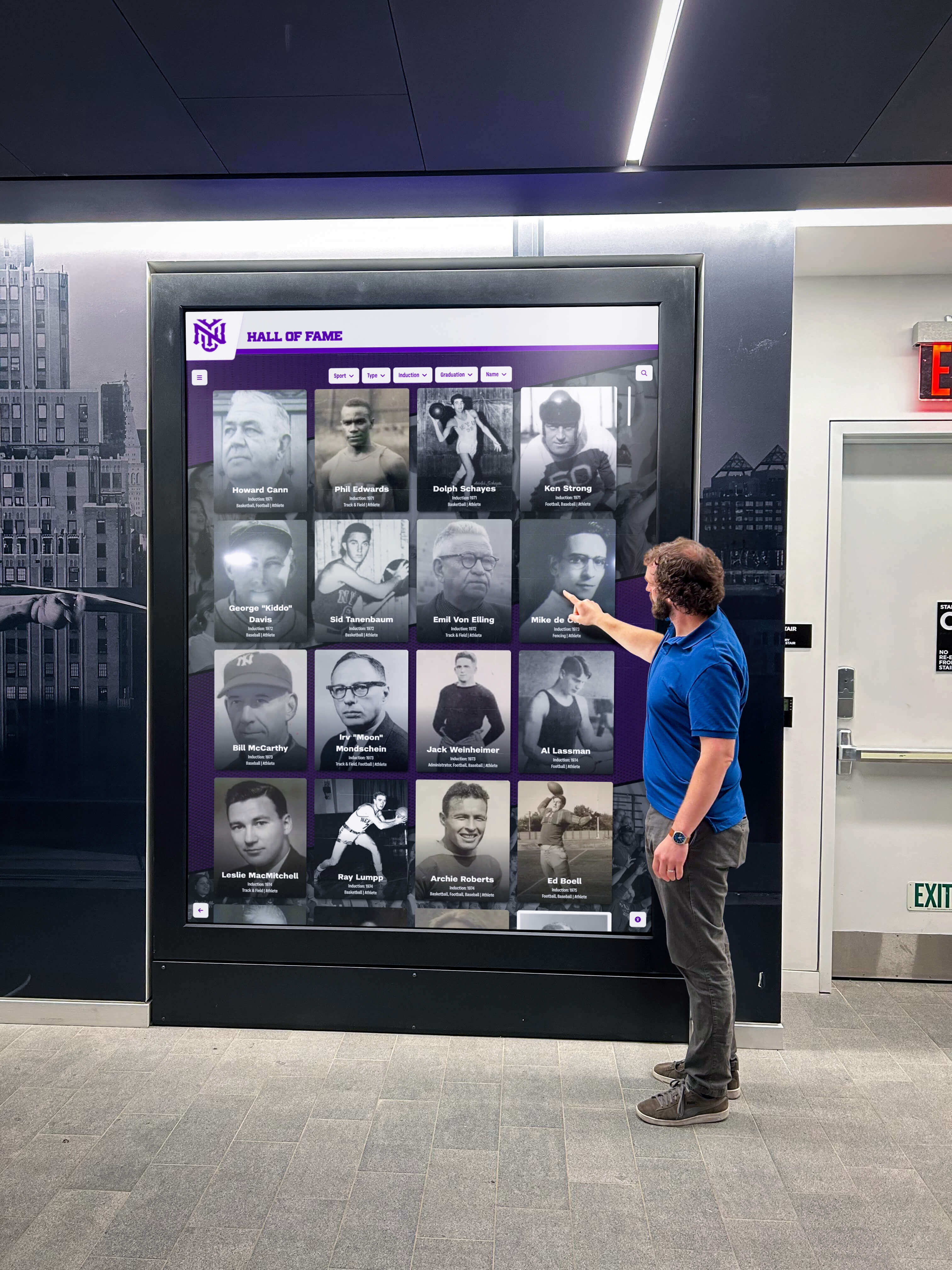
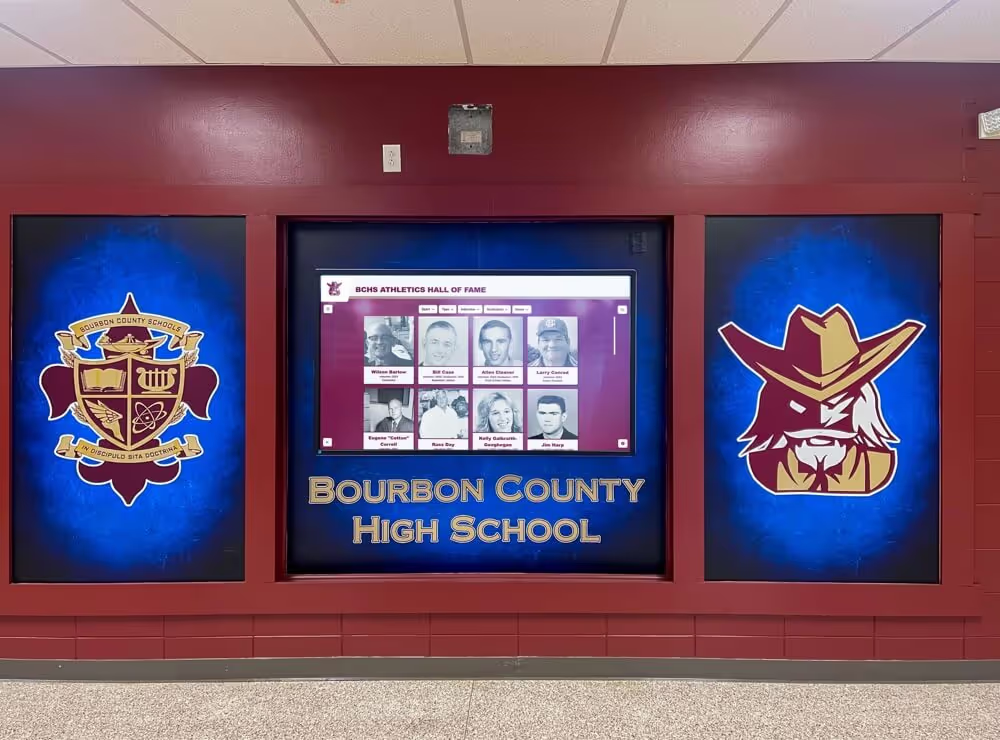
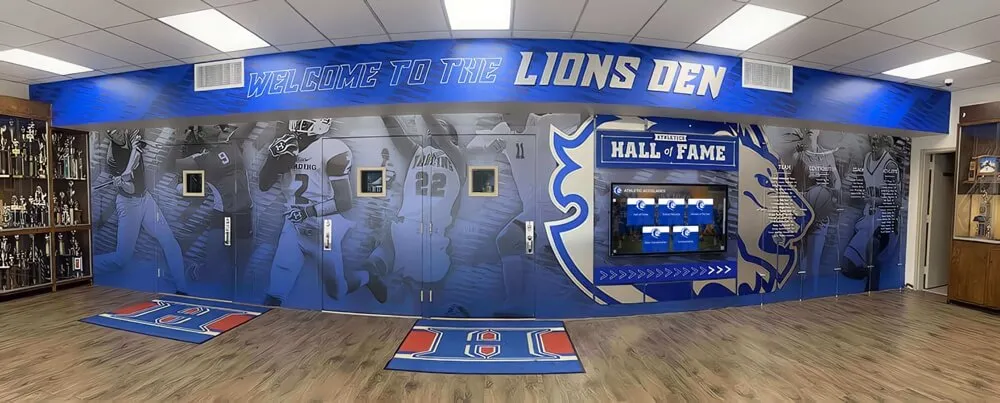
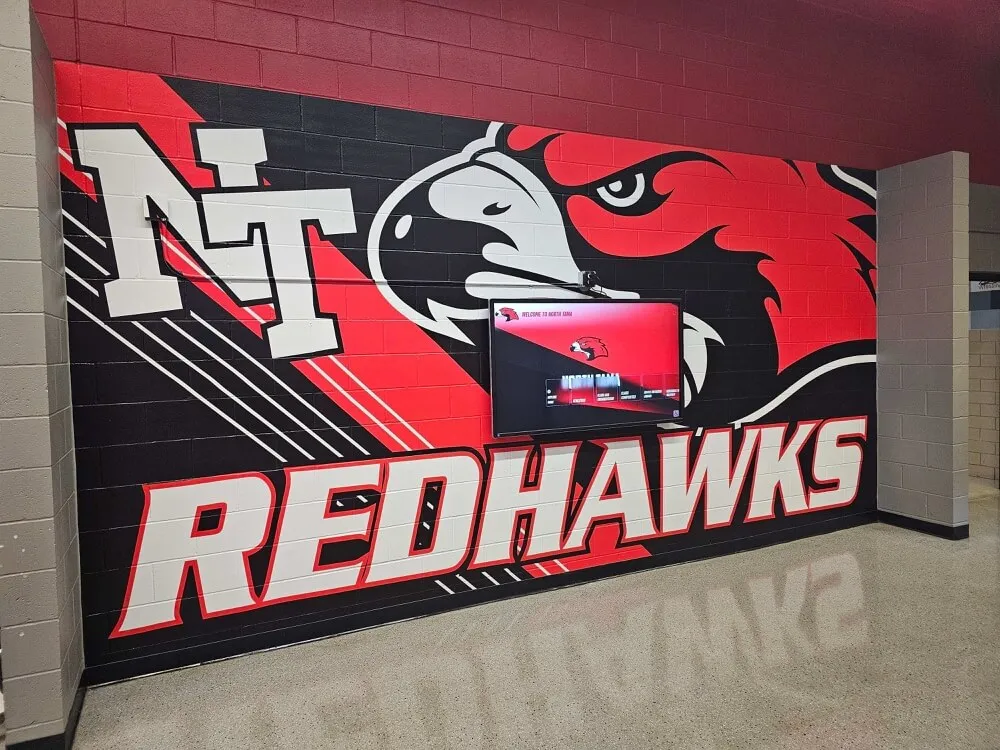
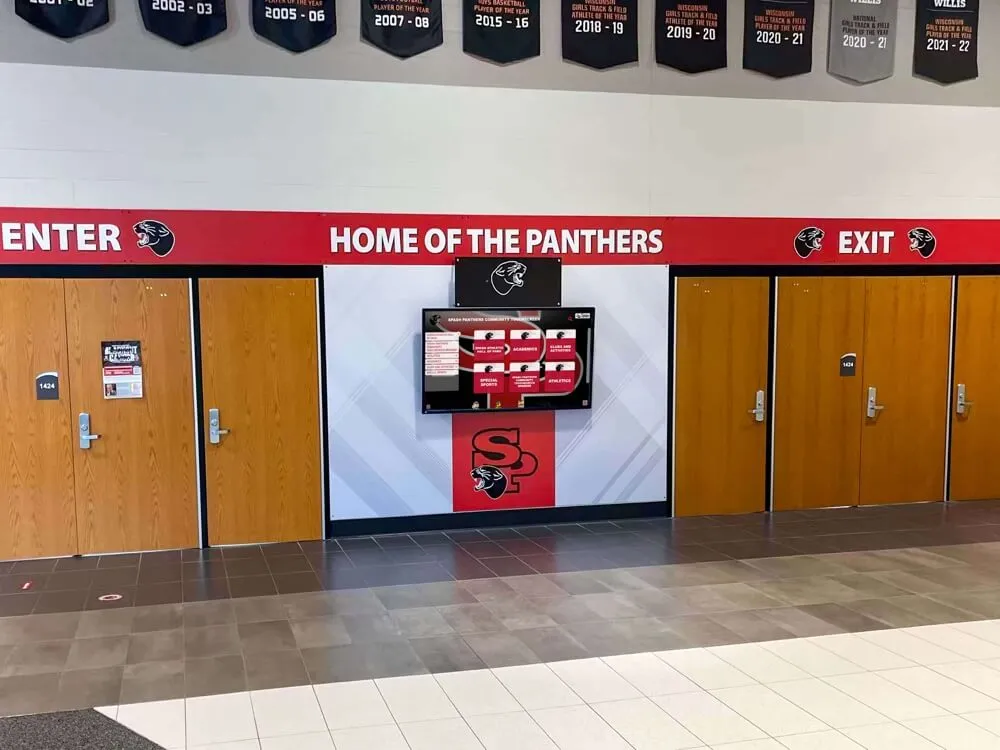
Purposefully designed interactive systems enable active engagement rather than passive viewing
Therapeutic Gaming Programs
Purpose-built programs feature dedicated staff with gaming expertise and child life training who assess patient needs, select appropriate games matching therapeutic goals, coordinate with medical teams about treatment integration, and monitor outcomes and adjust interventions based on patient response. These specialists understand game mechanics, age-appropriate content, accessibility features for various disabilities, and how different gaming experiences affect pain perception, anxiety levels, and rehabilitation progress.
Research published in the American Psychological Association journal demonstrates that structured therapeutic gaming interventions produce measurably better outcomes than unstructured entertainment, particularly for pain management, anxiety reduction, and treatment adherence.
The Evidence Supporting Video Games in Pediatric Healthcare
Understanding the research foundation supporting therapeutic gaming helps hospitals make informed decisions about program development and resource allocation.
Pain Management and Distraction Therapy
One of the most well-documented benefits involves video games’ ability to reduce pain perception and decrease reliance on pharmaceutical pain management.
Quantified Pain Reduction
Clinical research demonstrates significant pain management benefits. Studies show video games reduce pain scores by 1.6-2.3 points on standard pain scales, with gaming patients requiring on average 7 fewer morphine boluses per day compared to control groups receiving standard care. This pain reduction occurs through distraction mechanisms where immersive gaming experiences occupy cognitive resources that would otherwise process pain signals, effectively reducing conscious pain awareness without pharmaceutical intervention.
The distraction effect proves particularly valuable during painful procedures including wound care and dressing changes, IV placement and blood draws, physical therapy and rehabilitation exercises, post-surgical recovery periods, and chronic pain management for long-term patients. By providing alternative focus during these challenging moments, gaming interventions improve patient cooperation while reducing trauma and negative associations with necessary medical procedures.
Reduced Medication Requirements
Beyond subjective pain reduction, therapeutic gaming demonstrably decreases pharmaceutical pain medication needs. This reduction matters significantly because lower medication requirements mean fewer potential side effects and complications, reduced risk of medication dependence, improved patient alertness and engagement, lower healthcare costs, and better patient and family satisfaction with pain management approaches.
Hospitals implementing therapeutic gaming programs consistently report that patients using gaming distraction during procedures require less sedation and anesthesia, enabling faster recovery and earlier discharge in many cases.

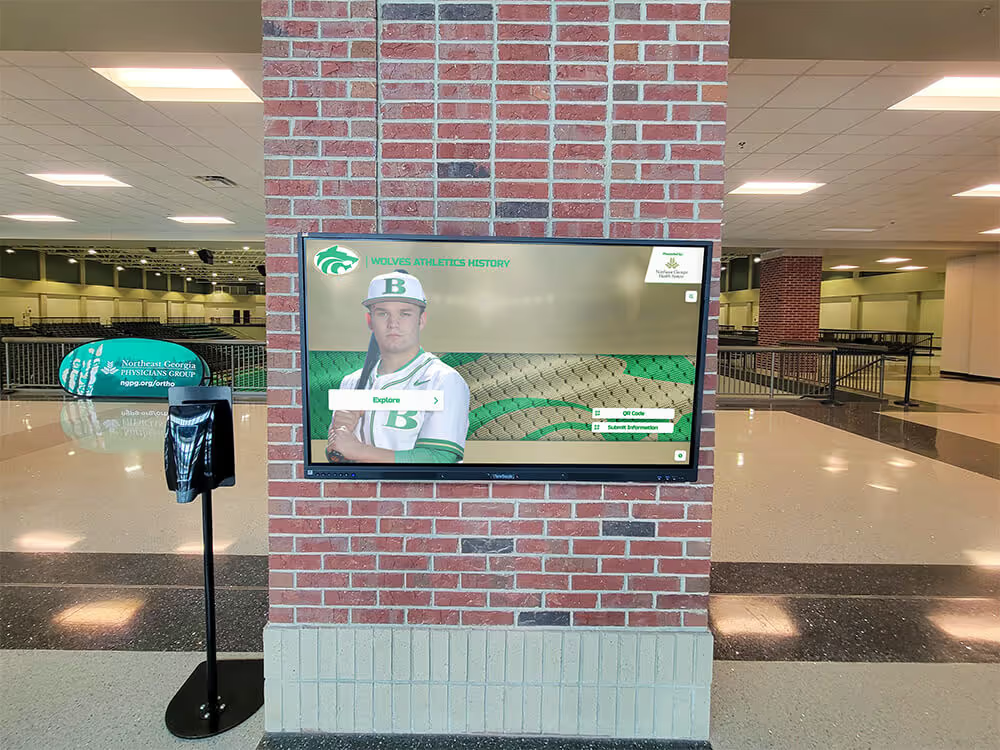
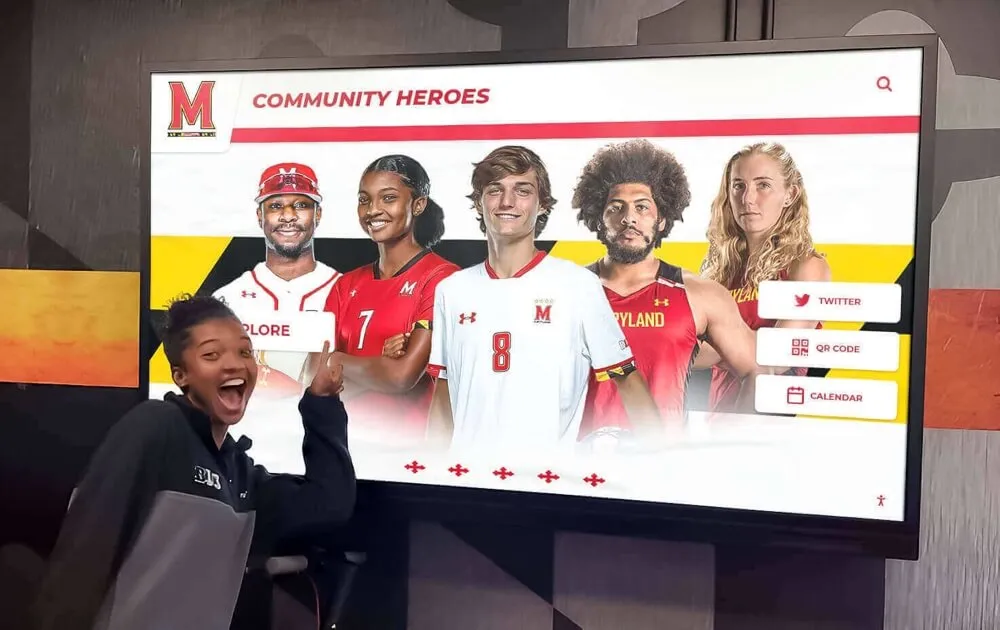
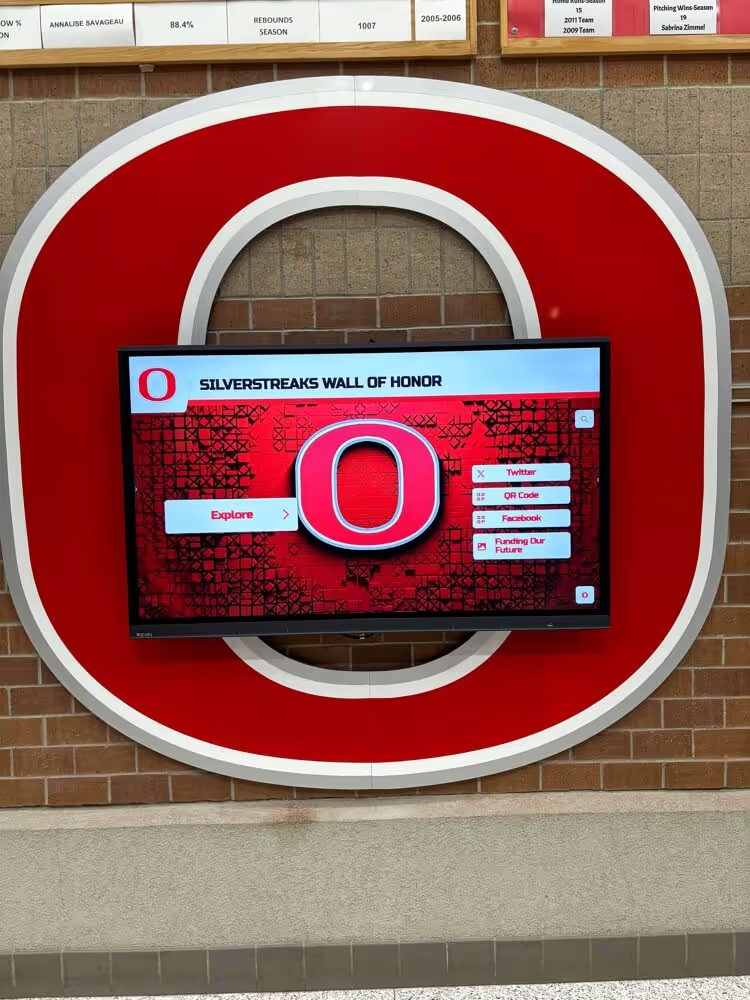
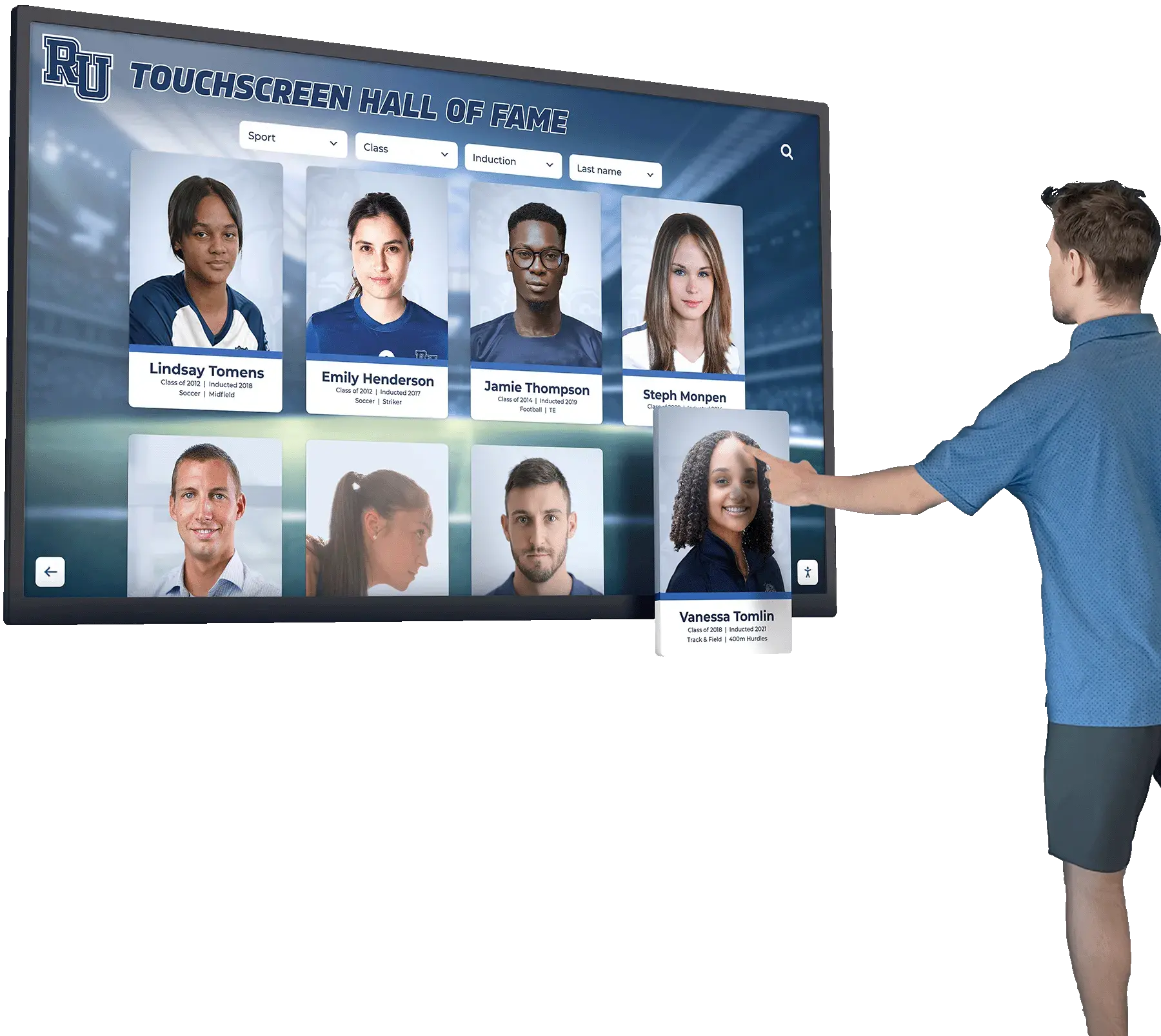
Age-appropriate interactive interfaces engage children through intuitive design and compelling content
Anxiety Reduction and Emotional Support
Hospitalization creates significant anxiety for pediatric patients and families. Therapeutic gaming provides powerful emotional support that measurably reduces stress and improves psychological wellbeing.
Pre-Procedure Anxiety Management
Children facing surgery or medical procedures often experience anticipatory anxiety that can complicate anesthesia, increase pain perception, and extend recovery times. Research from OHSU Doernbecher Children’s Hospital demonstrates that video games provide effective anxiety management by reducing pre-surgical stress, improving patient cooperation with medical staff, decreasing behavioral problems during hospital stays, and creating positive associations that reduce fear during future medical encounters.
Gaming specialists work with patients before scheduled procedures, using carefully selected games that match the child’s interests and cognitive level while providing sufficient engagement to redirect attention from procedural anxiety. This pre-procedure gaming often proves more effective than purely verbal reassurance, particularly for younger children who may not fully comprehend verbal explanations about upcoming procedures.
Emotional Normalcy During Extended Stays
For children requiring extended hospitalization due to cancer treatment, organ transplants, complex surgeries, or chronic conditions, maintaining emotional wellbeing throughout lengthy stays presents significant challenges. Video games provide critical emotional support by creating familiar, normal experiences during abnormal circumstances, enabling social connection through multiplayer and online gaming, providing achievement experiences and mastery feelings when medical situations feel uncontrollable, and offering escape from the clinical environment through immersive storytelling and gameplay.
According to Starlight Children’s Foundation, gaming gives hospitalized children a sense of normalcy during challenging medical journeys and provides emotional support while reducing anxiety and stress—benefits particularly important for adolescents who may struggle with isolation from peer groups during critical developmental periods.
Physical Rehabilitation and Active Gaming
Beyond psychological benefits, interactive gaming supports physical rehabilitation through active gaming experiences that motivate movement and track progress.
Motion-Based Gaming for Physical Therapy
Active video games requiring physical movement have become valuable physical therapy tools. Nintendo Switch, VR systems, and specialized rehabilitation gaming platforms enable therapists to design exercises that feel like play rather than medical treatment. Benefits include increased patient motivation and exercise adherence, real-time feedback about movement quality and range of motion, adjustable difficulty levels accommodating progressive improvement, and quantified data tracking rehabilitation progress over time.
Research shows patients using active video games for rehabilitation demonstrate significantly improved joint flexibility and pain thresholds, with many patients favoring gaming-based therapy over traditional repetitive exercises. At C.S. Mott Children’s Hospital, gaming tools supplement medical progress with active games to promote movement and healing, frequently partnering with physical and occupational therapists to ensure gaming experiences align with therapeutic goals.
Treatment Adherence and Recovery Outcomes
One of the most significant research findings involves gaming’s impact on treatment adherence—patients’ willingness to complete prescribed therapies. Clinical trials demonstrate that patients using gaming-integrated rehabilitation show an 83% retention rate and 78% adherence rate compared to 70% non-adherence rates in control groups receiving traditional therapy without gaming elements.
This improved adherence directly translates to better recovery outcomes, shorter hospital stays, and reduced likelihood of readmission—benefits that justify therapeutic gaming programs through both improved patient outcomes and operational efficiency gains.

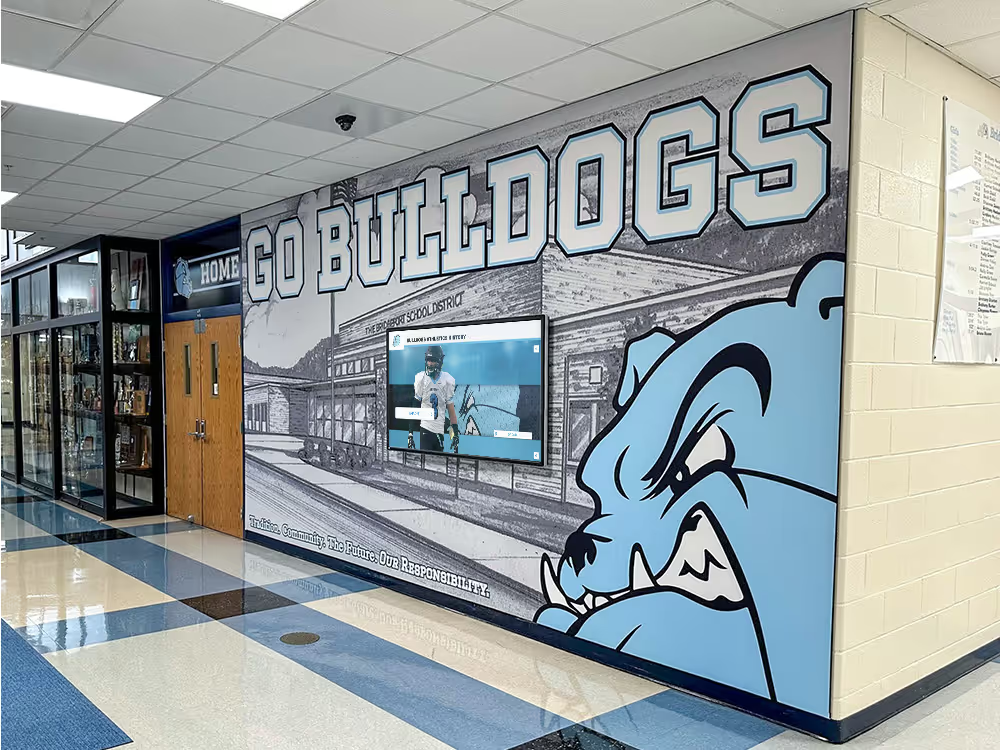
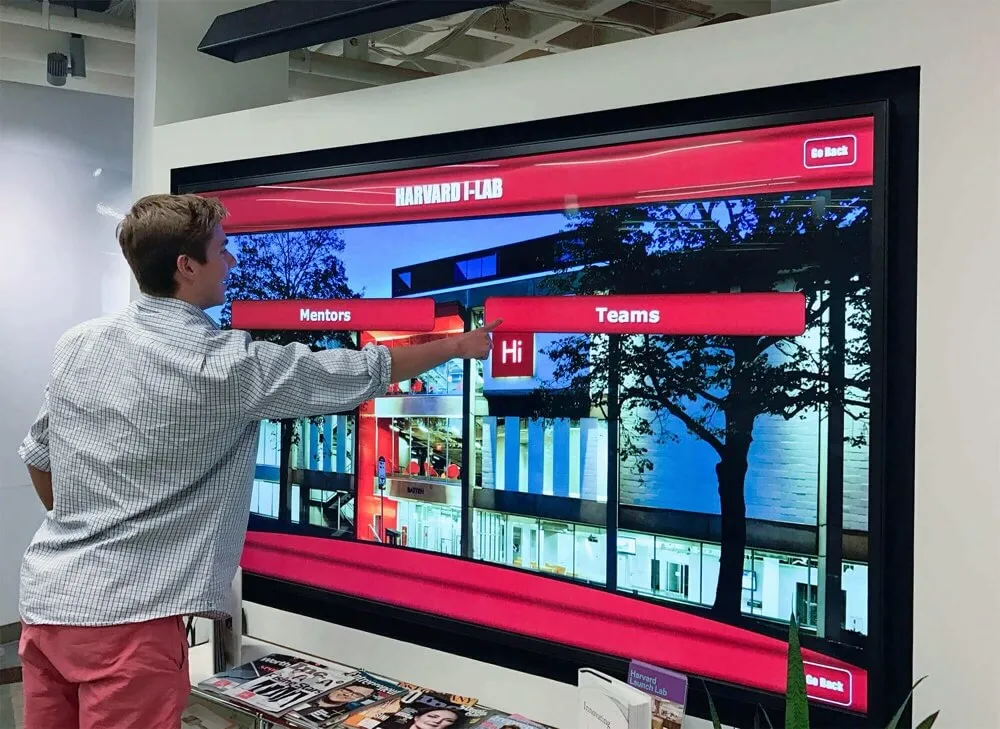
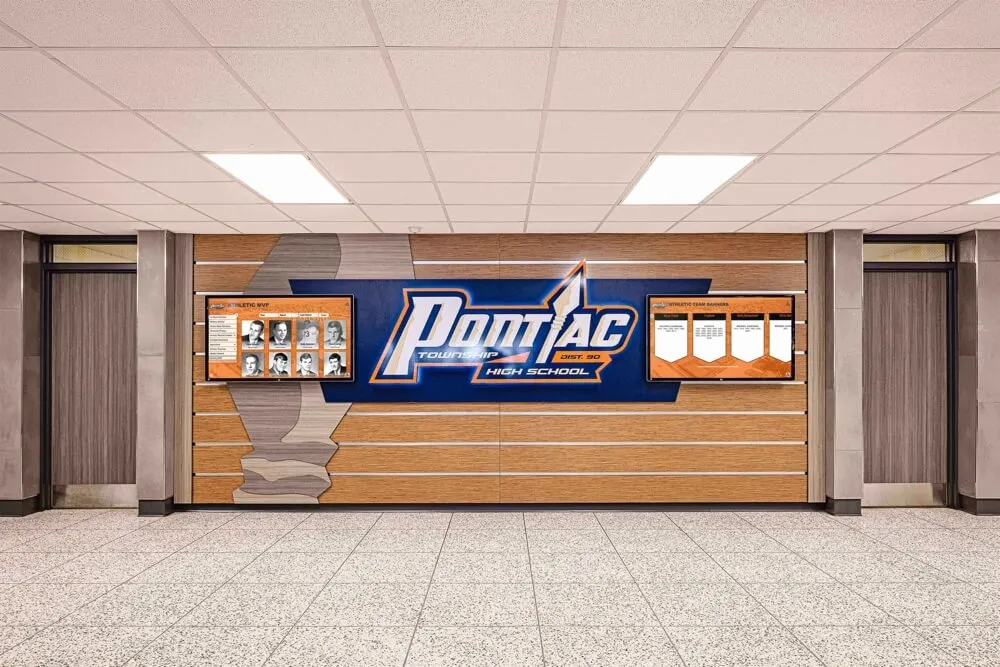
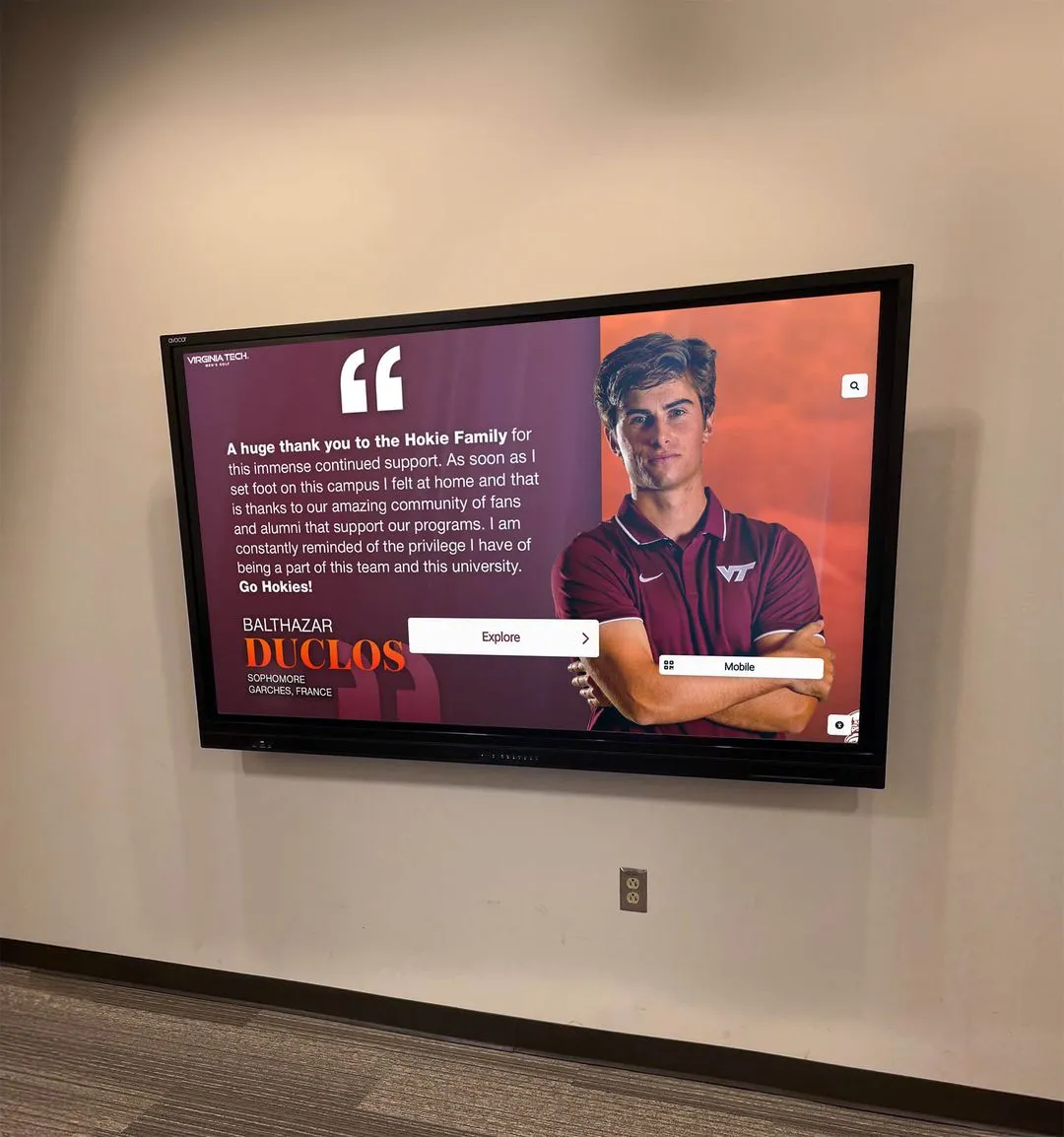
Responsive touchscreen technology enables intuitive interaction accessible to patients with varying physical abilities
Types of Therapeutic Gaming Applications in Children’s Hospitals
Therapeutic gaming encompasses multiple distinct applications serving different clinical, emotional, and developmental needs throughout the hospital experience.
Bedside Gaming for Individual Patients
The most common therapeutic gaming application involves bedside gaming systems providing personalized entertainment and therapeutic interventions for individual patients.
Portable Gaming Devices
Portable consoles like Nintendo Switch, gaming laptops, and tablets offer flexible bedside entertainment that patients control independently. These systems work particularly well for patients with limited mobility, extended hospital stays requiring consistent entertainment, older children and adolescents who value gaming independence, and situations where shared gaming spaces prove impractical.
Organizations like Child’s Play charity have donated gaming equipment to over 200 hospitals worldwide, recognizing that access to quality gaming experiences significantly improves the hospital experience for pediatric patients. Their network of supported hospitals demonstrates the widespread recognition of gaming’s value in pediatric care.
Adaptive Controllers and Accessibility Gaming
For patients with physical disabilities, injuries limiting standard controller use, or conditions affecting fine motor control, adaptive gaming controllers enable gaming experiences that might otherwise be impossible. Microsoft’s Xbox Adaptive Controller, specialized input devices for patients with limited mobility, eye-tracking gaming systems, and voice-activated gaming controls ensure therapeutic gaming remains accessible regardless of physical limitations.
This accessibility matters tremendously for children whose medical conditions already create feelings of exclusion and limitation—gaming provides experiences where they compete equally with able-bodied peers, achieving success through cognitive and strategic skills rather than physical prowess.
Virtual Reality for Immersive Distraction
Virtual reality represents one of the most powerful therapeutic gaming technologies, creating immersive experiences that dramatically reduce pain and anxiety through complete attentional capture.
VR During Painful Procedures
Virtual reality’s immersive nature makes it extraordinarily effective during procedures that would typically cause significant discomfort. Hospitals use VR to transform experiences including wound debridement for burn patients, chemotherapy infusion sessions, needle procedures and blood draws, physical therapy and range-of-motion exercises, and MRI scans and other imaging that requires stillness in uncomfortable positions.
When patients wear VR headsets displaying engaging, interactive content, their brain’s capacity to process pain signals dramatically decreases—not through distraction alone, but through genuine cognitive competition for limited attentional resources. This mechanism enables procedures to proceed with less sedation, fewer behavioral problems, and reduced trauma that might otherwise create long-term medical anxiety.
Therapeutic VR Content and Experiences
VR content for therapeutic use ranges from purpose-designed medical VR applications to carefully selected commercial games. Effective therapeutic VR includes calming virtual environments for anxiety management, interactive games requiring active participation maintaining engagement, educational content explaining medical procedures reducing fear through understanding, social VR experiences enabling connection with family members or other patients, and guided meditation and mindfulness experiences supporting emotional regulation.
Many hospitals partner with companies specializing in therapeutic VR content, ensuring age-appropriate, clinically effective experiences that medical staff can confidently recommend for specific therapeutic purposes.
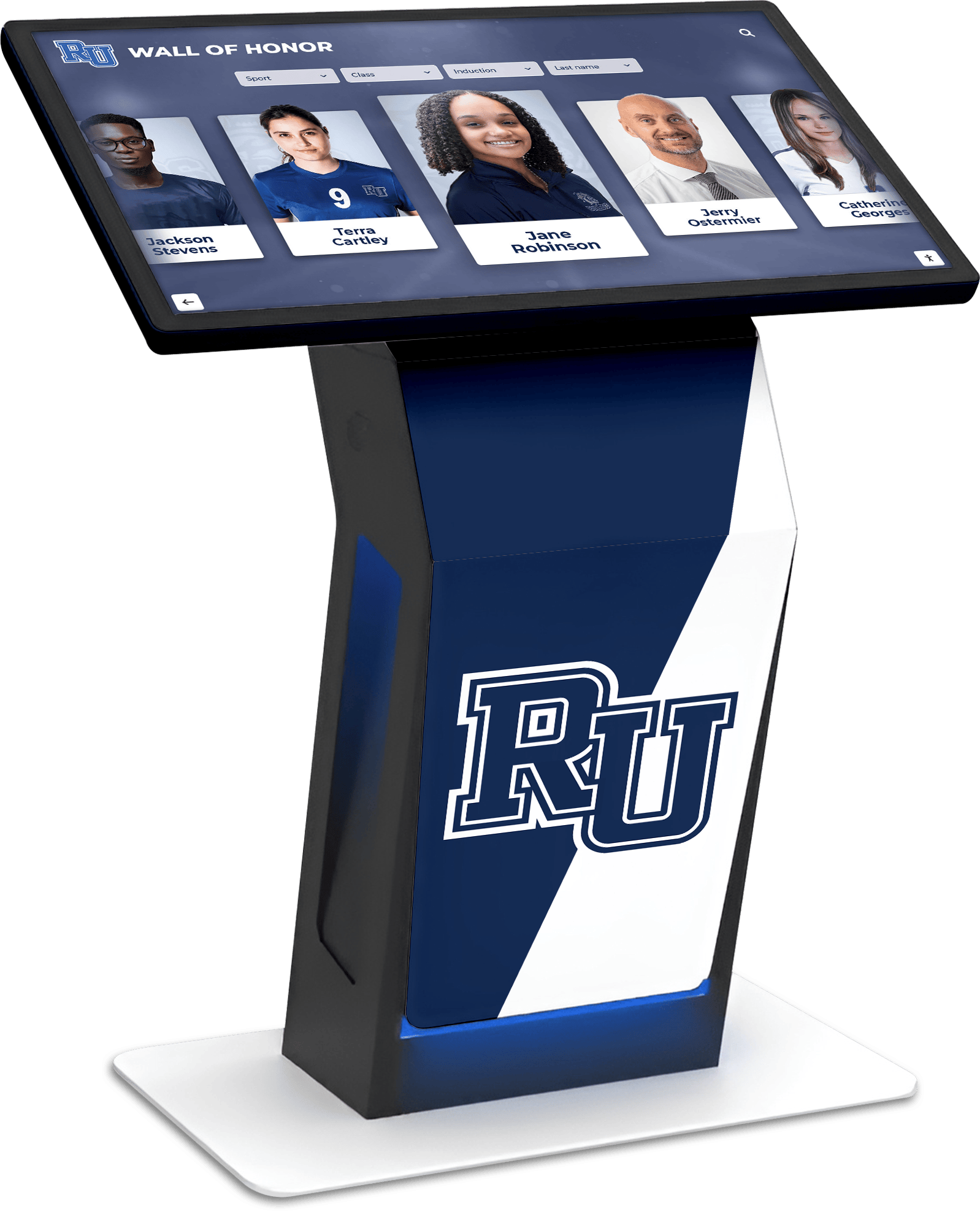
Common area interactive systems serve multiple patients simultaneously while facilitating social connection
Common Area Interactive Displays
Beyond bedside gaming, many hospitals install interactive touchscreen displays in waiting areas, playrooms, and common spaces serving multiple patients and families simultaneously.
Benefits of Shared Gaming Spaces
Common area gaming provides distinct advantages including social interaction opportunities reducing isolation, family participation enabling parents and siblings to engage in play with hospitalized children, entertainment during waiting periods in clinics and emergency departments, and demonstration effects where patients observe others enjoying gaming before trying themselves.
These shared spaces work particularly well for outpatient clinics, oncology centers with regular treatment visits, rehabilitation facilities where patients attend therapy sessions, and hospital playrooms where ambulatory patients gather.
Designing Engaging Common Area Experiences
Effective common area gaming requires thoughtful design considerations. Multiple simultaneous users need large touchscreen displays accommodating several children at once. Age-appropriate content needs quick-play games suitable for short sessions rather than long campaigns. Hygiene requires easily cleanable surfaces and equipment meeting hospital infection control standards. Noise management demands appropriate volume levels and headphone options. Accessibility needs lower mounting heights and wheelchair-accessible positioning.
Solutions like Rocket Alumni Solutions provide touchscreen display platforms adaptable to healthcare contexts, combining sophisticated interactive capabilities with user-friendly interfaces accessible to children with varying technological experience and physical abilities. Similar interactive display strategies used in educational settings for student recognition and engagement translate effectively to pediatric healthcare applications where interactive technology supports both entertainment and therapeutic goals.
Educational Gaming and Disease Management
Beyond entertainment and distraction, gaming serves important educational functions helping patients understand and manage their medical conditions.
Disease Education Through Gaming
Serious games designed specifically for health education help children understand complex medical concepts through interactive gameplay. Educational gaming addresses medication management and adherence teaching when and how to take medications, disease process education explaining conditions like diabetes or asthma, symptom monitoring and reporting helping patients recognize important changes, lifestyle management teaching nutrition, exercise, and self-care, and procedure preparation reducing anxiety through understanding.
Research demonstrates that children who play disease-specific educational games show better understanding of their conditions, improved treatment adherence, and greater confidence in disease self-management compared to peers receiving traditional education materials alone.
Cognitive Therapy and Skill Development
For patients with cognitive challenges, brain injuries, or developmental needs, therapeutic gaming provides structured cognitive therapy including memory training through gameplay requiring recall, attention and focus development via games demanding sustained concentration, problem-solving skill building, spatial reasoning and visual processing training, and fine motor control rehabilitation through controller use.
These cognitive benefits prove particularly valuable for patients recovering from traumatic brain injury, managing ADHD during extended hospitalizations, or facing cognitive impacts from cancer treatment and other intensive medical interventions.
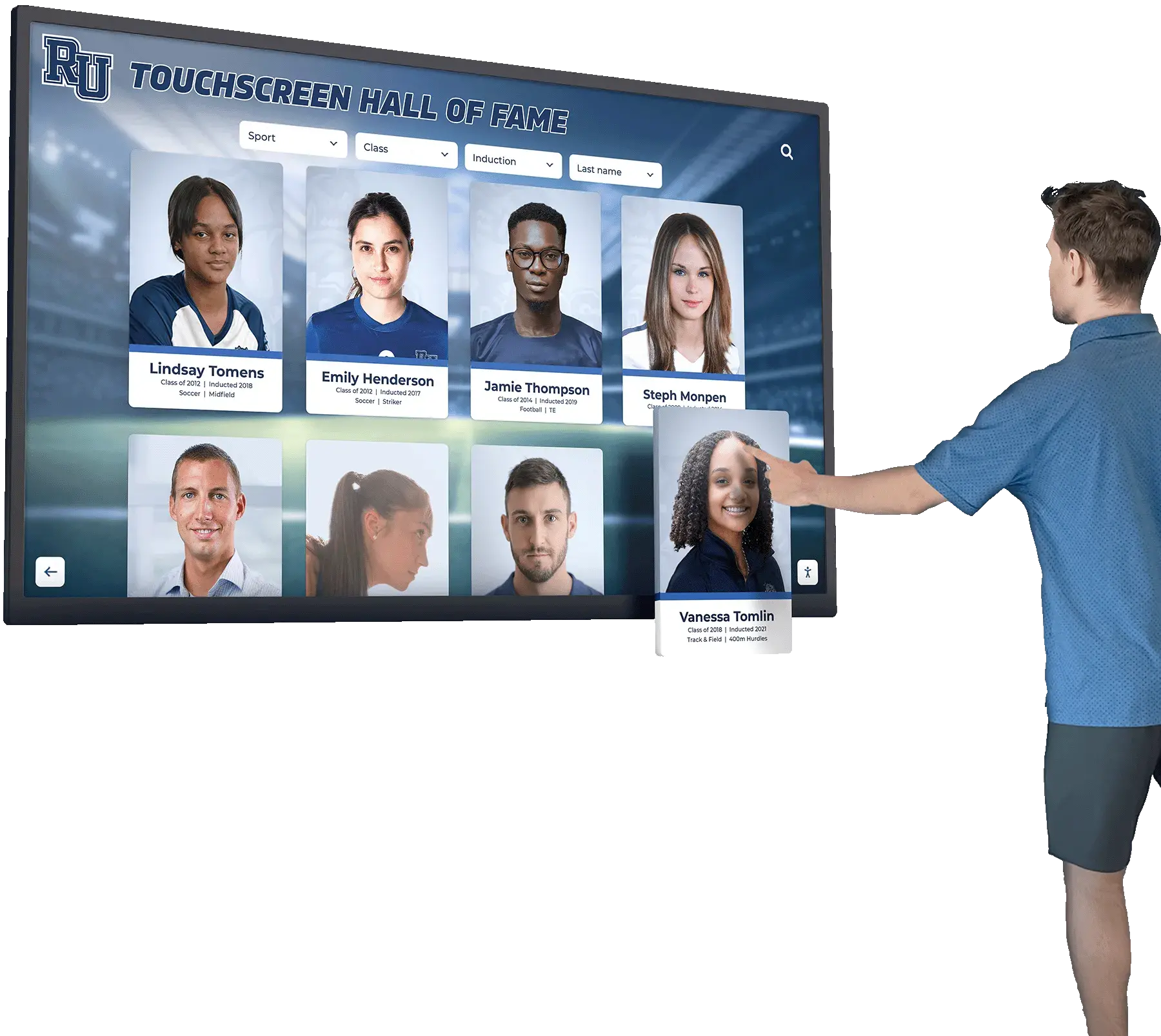
Lobby installations create welcoming environments while providing valuable information and entertainment
Implementing Therapeutic Gaming Programs in Children’s Hospitals
Successful therapeutic gaming implementation requires systematic planning addressing staffing, technology selection, clinical integration, and sustainable operations.
Program Planning and Needs Assessment
Before launching gaming initiatives, hospitals should carefully assess specific needs, available resources, and desired outcomes to ensure programs address actual patient populations and operational contexts.
Identifying Target Patient Populations
Key planning considerations include which departments and units would benefit most from therapeutic gaming, what age ranges and developmental stages require accommodation, what specific medical conditions and treatment challenges gaming might address, what existing gaps in patient experience and emotional support need attention, and how gaming fits within current child life services and entertainment offerings.
Most hospitals begin with pilot programs in one or two departments—commonly oncology, burn units, or long-term care areas—demonstrating value before expanding to broader implementation. This phased approach enables learning and refinement while building organizational support through demonstrated results.
Establishing Program Goals and Success Metrics
Clear objectives ensure program alignment with hospital priorities. Goals might include reducing patient anxiety during specific procedures, decreasing pharmaceutical pain medication usage, improving physical therapy adherence rates, enhancing patient and family satisfaction scores, creating differentiation in competitive pediatric healthcare markets, or reducing behavioral challenges during extended hospitalizations.
Defining measurable outcomes enables program evaluation demonstrating gaming’s impact through quantifiable metrics that justify ongoing investment and potential expansion.
Staffing and Expertise Development
Effective therapeutic gaming requires dedicated staff with appropriate expertise bridging gaming knowledge, child development understanding, and healthcare contexts.
Patient Gaming Specialist Roles
Leading children’s hospitals employ dedicated patient gaming specialists or therapeutic gaming coordinators whose responsibilities include assessing individual patient needs and preferences, selecting and configuring appropriate games and technology, training medical staff and child life specialists on gaming integration, managing gaming equipment inventory and maintenance, coordinating with IT departments about network and security requirements, and tracking outcomes and gathering data about gaming’s impact.
According to reporting from Children’s Hospital Association, the field has grown significantly—from about five people working as patient gaming specialists formally in 2018 to an estimated 60 worldwide currently, reflecting the expanding recognition of gaming’s clinical value.
Training Medical and Child Life Staff
Even hospitals with dedicated gaming specialists benefit from broader staff education about therapeutic gaming applications. Training topics include which games work best for different therapeutic purposes, how to introduce gaming to hesitant patients or families, appropriate timing for gaming during care routines, monitoring patient responses and adjusting approaches, and documentation requirements for therapeutic interventions.
This broad-based training ensures gaming integration throughout patient care rather than limiting interventions to moments when gaming specialists are available.
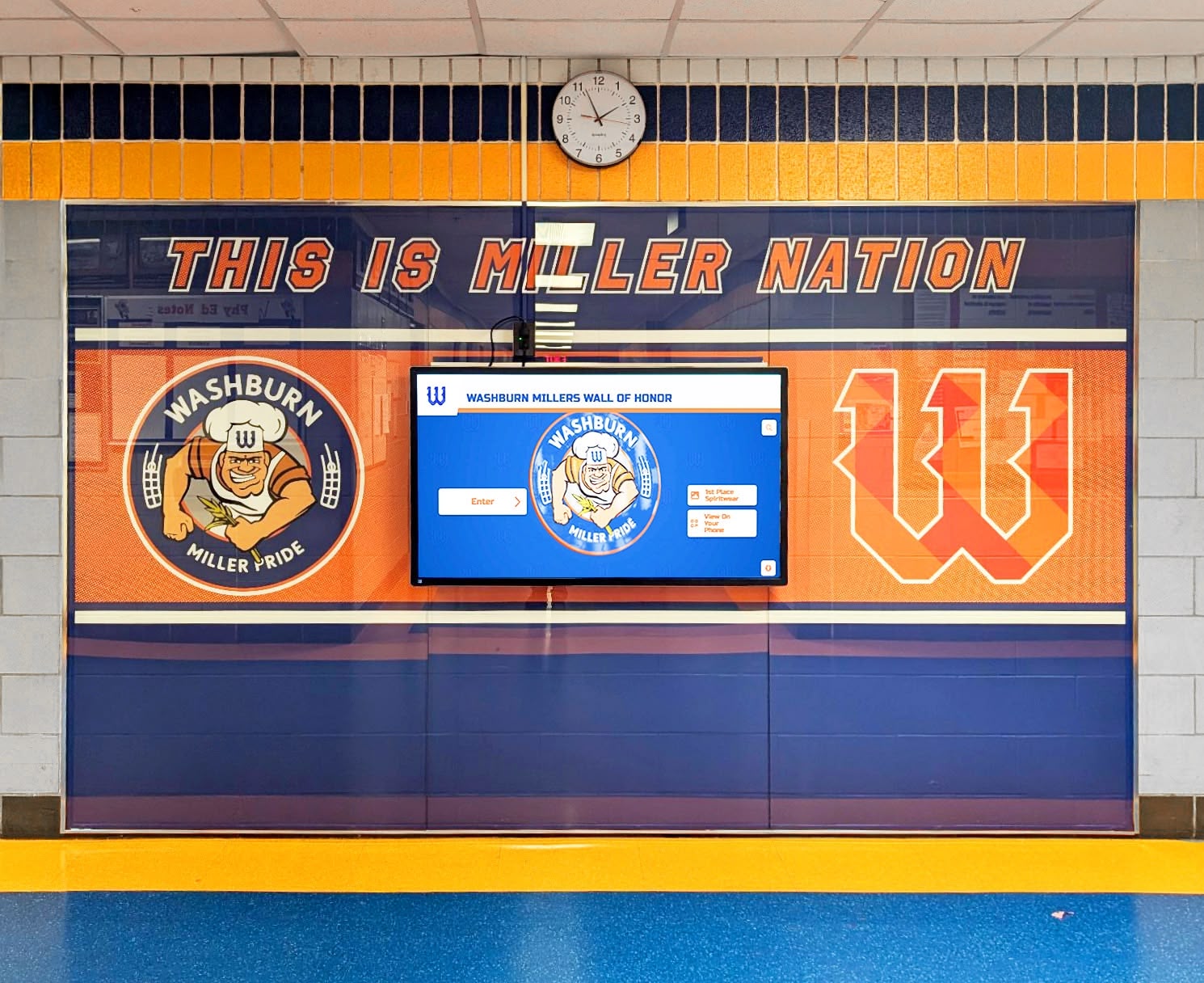
Strategic placement in high-traffic corridors ensures maximum visibility and patient access
Technology Selection and Infrastructure
Choosing appropriate gaming technology and ensuring adequate infrastructure requires balancing clinical effectiveness, operational sustainability, and budget realities.
Gaming Platform Considerations
Hospital gaming programs typically include multiple platform types serving different needs. Major gaming consoles including PlayStation 5, Xbox Series X/S, and Nintendo Switch provide comprehensive gaming libraries with age-appropriate content. VR systems like Meta Quest, PlayStation VR, or specialized medical VR platforms deliver immersive experiences for distraction therapy. Mobile devices and tablets offer portable solutions for bedside entertainment. PC gaming systems enable access to educational games and specialized therapeutic software. Cloud gaming services like Xbox Game Pass provide extensive content libraries without individual game purchases.
Platform selection depends on patient populations served, staff technical expertise, existing IT infrastructure and network capabilities, budget available for initial investment and ongoing content, and space availability for equipment storage and use.
Infrastructure Requirements
Gaming programs require supporting infrastructure including robust Wi-Fi networks handling streaming and online gaming, adequate electrical power in patient rooms and gaming spaces, secure storage for equipment preventing theft and damage, infection control protocols for equipment cleaning between patients, and technical support for troubleshooting and maintenance.
Hospitals should involve IT departments early in planning, ensuring network capacity and security requirements receive adequate attention before equipment purchases.
Clinical Integration and Workflow Development
Technology and equipment alone don’t create therapeutic gaming programs—systematic clinical integration ensures gaming becomes routine rather than exceptional.
Integrating Gaming into Care Plans
Effective programs incorporate gaming documentation into patient care plans specifying therapeutic goals gaming addresses, which games and technology prove most effective for individual patients, timing and duration of gaming sessions, and evaluation criteria determining whether gaming achieves intended outcomes. This documentation ensures all care team members understand gaming’s therapeutic role rather than viewing it as optional entertainment.
At Mary Bridge Children’s Hospital, staff describe gaming not as distraction from treatment but as integral to the treatment itself—a mindset shift that elevates gaming’s perceived importance and ensures consistent application.
Workflow and Procedure Integration
Gaming becomes most effective when integrated into standard procedures and routines. Hospitals develop protocols for pre-procedure gaming starting 10-15 minutes before scheduled interventions, during-procedure VR distraction for burns, wound care, and imaging, post-procedure gaming as reward and emotional recovery, therapy session gaming making physical and occupational therapy more engaging, and extended stay gaming schedules providing structure and anticipation during long hospitalizations.
These standardized approaches ensure gaming availability remains consistent rather than dependent on which staff members happen to be working during particular shifts.

Themed installations complement facility identity while serving functional purposes
Content Selection and Age-Appropriate Gaming
Therapeutic effectiveness depends heavily on appropriate content selection matching patient developmental stages, interests, and therapeutic needs.
Age-Appropriate Content Guidelines
Different age groups require distinctly different gaming content and interaction approaches.
Preschool and Early Elementary (Ages 3-7)
Young children benefit from simple mechanics requiring minimal complex input, bright, colorful visuals with familiar characters, short play sessions matching limited attention spans, educational content supporting early learning, and parent/caregiver co-play opportunities. Popular choices include Nintendo’s family-friendly franchises, educational games teaching letters and numbers, creative play experiences like drawing and building games, and simple rhythm and music games.
Gaming specialists emphasize that very young children often prefer adult participation, making gaming social rather than solitary—an important consideration for hospital programs where family engagement strengthens therapeutic value.
Middle Childhood (Ages 8-12)
School-age children engage with more complex gameplay including adventure and exploration games, creative building and design experiences, age-appropriate competitive gaming, cooperative multiplayer games, and sports and activity simulations. These children typically have stronger gaming skills and preferences, making patient input about game selection important for engagement and therapeutic effectiveness.
Adolescents (Ages 13-18)
Teenagers require content respecting their maturity while remaining age-appropriate in hospital settings. Suitable options include story-driven adventure and role-playing games, competitive multiplayer games enabling social connection, creative and artistic expression platforms, challenging puzzle and strategy games, and sports simulations and racing games.
Adolescents particularly value autonomy and control in gaming choices—gaming specialists describe assessment processes where teens actively participate in selecting games and experiences rather than having choices imposed by adults, creating investment in gaming interventions.
Clinical Appropriateness and Contraindications
Beyond age considerations, clinical factors influence content selection and gaming appropriateness.
Content Considerations for Medical Contexts
Hospitals establish guidelines about appropriate content avoiding games featuring graphic violence or gore particularly inappropriate for trauma patients, medical themes that might trigger anxiety or trauma associations, flashing lights and rapid visual changes that could trigger seizures, physically demanding games beyond patients’ current capabilities, and anxiety-inducing content like horror games during stress management.
Gaming specialists undergo training recognizing when patients need calming versus engaging content, when competitive gaming might frustrate rather than motivate, and when social gaming helps versus when patients need solitary decompression time.
When Gaming May Not Be Appropriate
While therapeutic gaming benefits most pediatric patients, certain situations require alternative approaches including acute neurological concerns where screens might worsen symptoms, severe nausea where visual stimulation could increase distress, patients requiring complete rest without cognitive stimulation, extreme photosensitivity from medications or conditions, and patient or family preference against electronic entertainment.
Thoughtful programs respect these limitations while offering alternative engagement approaches ensuring all patients receive appropriate support regardless of whether gaming fits their needs.
Similar considerations about content appropriateness and accessibility in interactive technology appear in educational contexts implementing digital recognition displays and interactive student engagement systems, where diverse user populations require thoughtful content selection ensuring universal benefit rather than interventions serving only certain groups.

Multi-purpose digital systems serve information, recognition, and engagement functions simultaneously
Accessibility and Inclusive Gaming
Ensuring therapeutic gaming serves all patients regardless of physical, cognitive, or sensory differences requires proactive accessibility planning.
Physical Accessibility Adaptations
Many pediatric patients face temporary or permanent physical limitations affecting standard gaming controller use.
Adaptive Gaming Hardware
Modern adaptive gaming technology includes large-button controllers for patients with limited dexterity, one-handed controller configurations, mouth-operated controllers for patients with paralysis or severe motor impairment, eye-tracking systems enabling gaming through gaze direction, and voice-activated gaming controls. These adaptations ensure patients with cerebral palsy, spinal cord injuries, muscular dystrophy, temporary limb immobilization, and stroke-related paralysis can fully participate in therapeutic gaming.
Gaming specialists trained in adaptive technology assess individual patient capabilities and configure appropriate input devices, often working with occupational therapists to ensure gaming setups also provide therapeutic value for motor skill development.
Positioning and Physical Setup
Beyond controllers, physical gaming setup requires attention to appropriate bed positioning enabling comfortable viewing and interaction, adjustable display positioning accommodating various positions and medical equipment, wireless controllers preventing cord entanglement in medical lines, and easy-reach equipment placement for patients with limited mobility.
These seemingly minor considerations profoundly impact whether patients can actually access gaming despite availability—equipment present but physically inaccessible provides no therapeutic value.
Cognitive and Developmental Accessibility
Patients with developmental disabilities, cognitive impairments, or brain injuries require gaming content matching their functional abilities rather than chronological ages.
Simplified Gaming Experiences
For patients with intellectual disabilities or severe cognitive impairment, appropriate gaming includes cause-and-effect games with immediate feedback, simple touchscreen experiences requiring minimal complex input, music and sound-based games, repetitive games with predictable patterns, and sensory experiences emphasizing visual and auditory stimulation over complex objectives.
Gaming specialists emphasize that “age-appropriate” means developmentally appropriate rather than chronologically appropriate—a 14-year-old with significant cognitive impairment might engage meaningfully with games designed for much younger children, requiring staff to balance developmental needs with dignity and respect for chronological age.
Cognitive Support Features
Many modern games include accessibility settings supporting cognitive differences such as adjustable difficulty levels matching current capabilities, slower gameplay speeds accommodating processing delays, simplified control schemes reducing cognitive load, clear visual markers and indicators preventing confusion, and optional tutorials and assistance features. Gaming specialists help patients and families enable these features, ensuring gaming provides appropriate challenge without overwhelming frustration.
Sensory Accessibility for Vision and Hearing Impairments
Children with visual or hearing impairments require specific accommodations enabling full gaming participation.
Visual Accessibility
For patients with vision impairments, gaming accommodations include high-contrast visual modes, adjustable text sizes and interface scaling, audio description features narrating visual content, haptic feedback providing tactile gaming information, and screen reader compatibility for menu navigation. Some games specifically designed for blind players use audio cues exclusively, enabling full participation without visual information—an important option for pediatric ophthalmology patients and children with congenital visual impairments.
Hearing Accessibility
For patients with hearing impairments or those in environments where audio proves impractical, accommodations include comprehensive subtitle and caption systems, visual indicators replacing audio cues, sign language instruction videos for game tutorials, and visual narrative elements reducing dependence on audio storytelling. Many games now include robust accessibility menus enabling players to customize experiences matching specific accessibility needs—a development that significantly expands therapeutic gaming’s reach to diverse patient populations.
For healthcare facilities exploring comprehensive approaches to accessible interactive technology, frameworks used in creating inclusive digital recognition systems and universally accessible touchscreen interfaces provide valuable guidance ensuring technology serves all users regardless of ability differences.

Clear visual organization and intuitive navigation support accessibility across diverse user populations
Measuring Therapeutic Gaming Program Effectiveness
Demonstrating gaming programs’ value through systematic evaluation justifies ongoing investment while identifying improvement opportunities.
Clinical Outcome Metrics
Quantifiable clinical metrics demonstrate gaming’s impact on treatment and recovery.
Pain Management Outcomes
Valuable measurement approaches include patient-reported pain scores before, during, and after gaming interventions, opioid medication doses required comparing gaming versus non-gaming patients, procedure completion rates and patient cooperation, and time required for procedures when gaming distraction is utilized. These metrics provide concrete evidence of gaming’s pain management effectiveness, supporting expansion of distraction therapy protocols.
Anxiety and Emotional Wellbeing Measures
Hospitals track pre-procedure anxiety scores, behavioral incident rates during hospitalizations, patient mood and affect assessments, sleep quality and rest during extended stays, and emotional regulation during challenging treatments. Improvements in these measures demonstrate gaming’s emotional support value beyond entertainment.
Rehabilitation and Recovery Indicators
Physical rehabilitation metrics include physical therapy attendance and participation rates, range of motion improvements and functional gains, treatment adherence percentages, length of stay and readmission rates, and time to discharge following surgery or injury. Gaming’s motivational impact on rehabilitation often produces measurably faster recovery and better functional outcomes compared to patients receiving traditional therapy alone.
Patient and Family Experience Data
Beyond clinical metrics, patient satisfaction and family perspectives provide essential program evaluation information.
Patient Satisfaction Surveys
Key questions explore how gaming affected the hospital experience, whether gaming helped patients cope with anxiety or pain, favorite gaming experiences and suggestions for additions, perceived fairness in gaming access across patients, and overall satisfaction comparing hospitals with and without gaming programs. Pediatric patients increasingly cite gaming availability as significant factors in hospital experience ratings—a consideration for hospitals operating in competitive pediatric healthcare markets.
Family Feedback and Observations
Parent perspectives offer unique insights into gaming’s impact including observations about children’s mood and anxiety levels, family member ability to participate in gaming with patients, appreciation for distraction enabling difficult conversations or procedures, concerns about screen time or content appropriateness, and suggestions for program improvements. Family satisfaction often increases substantially when gaming provides positive experiences helping children cope with hospitalization—an important factor for family-centered care models.
Program Utilization and Operational Metrics
Understanding how programs operate day-to-day enables continuous improvement and resource optimization.
Usage Statistics and Patterns
Valuable operational data includes number of gaming sessions per day/week/month, average session duration by patient type and game, most frequently requested games and platforms, equipment utilization rates and potential shortages, and technician response times for troubleshooting and support. These metrics identify popular content warranting expanded offerings while revealing underutilized equipment that might redeploy to higher-demand areas.
Cost-Effectiveness Analysis
Demonstrating return on investment helps justify ongoing funding including cost per patient gaming session, pharmaceutical cost savings from reduced pain medication, length of stay reductions attributable to gaming interventions, staff time efficiency gains during procedures with gaming distraction, and patient satisfaction improvements and potential competitive advantages. Many hospitals find therapeutic gaming programs achieve positive ROI within 2-3 years through combined clinical benefits, operational efficiencies, and patient experience differentiation.
Evaluation frameworks used in measuring impact of technology interventions in educational settings, such as those assessing digital engagement systems and interactive display effectiveness, provide useful models for healthcare facilities establishing gaming program assessment protocols.
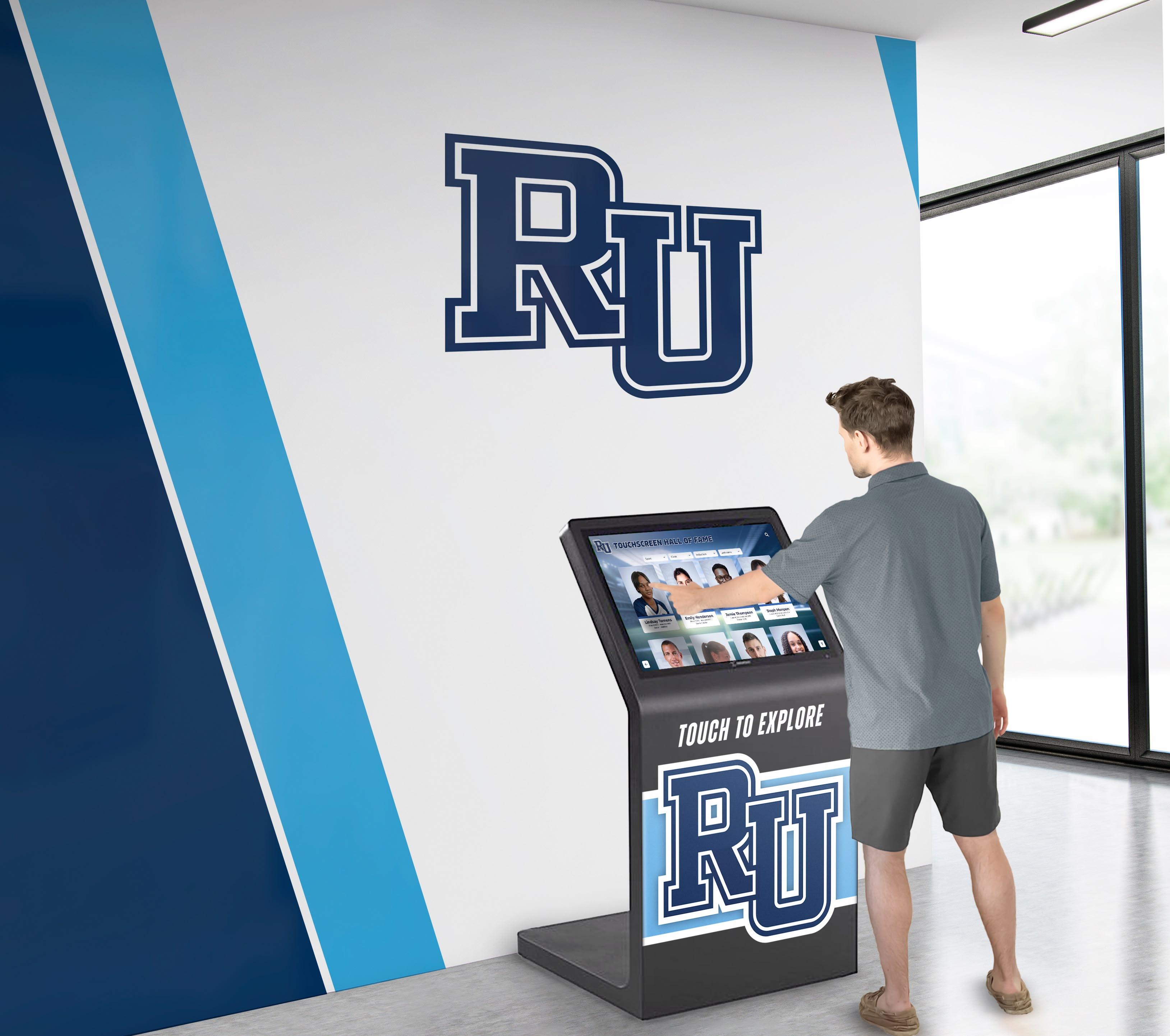
Lobby installations create welcoming first impressions while providing functional value
Overcoming Implementation Challenges
While therapeutic gaming offers tremendous benefits, hospitals should anticipate and proactively address common implementation challenges.
Budget Constraints and Funding Strategies
Gaming program costs—including initial equipment investment, ongoing content licensing, dedicated staffing, and technical infrastructure—can strain pediatric budgets.
Phased Implementation Approaches
Rather than comprehensive deployment immediately, hospitals can start with pilot programs in single departments, prove value through measurable outcomes and stakeholder satisfaction, expand strategically to additional units as budgets allow, and include ongoing expansion in multi-year strategic plans. This incremental approach builds organizational support while distributing costs across multiple budget cycles.
Alternative Funding Sources
Beyond operating budgets, gaming programs often benefit from charitable donations through hospital foundations, grants from technology companies and gaming industry organizations, corporate philanthropy from local businesses, volunteer organization fundraising including parent groups and auxiliaries, and memorial giving programs where donors fund gaming equipment honoring loved ones. Organizations like Gamers Outreach specifically support hospital gaming programs through donated equipment and implementation assistance.
Creative funding approaches succeed when hospitals clearly articulate how gaming directly improves patient outcomes and experience—messages that resonate with donors seeking meaningful impact.
Infection Control and Equipment Hygiene
Healthcare-associated infections represent serious concerns requiring robust equipment cleaning protocols.
Cleaning and Disinfection Procedures
Gaming equipment used by multiple patients requires hospital-grade disinfection between users, antimicrobial controller covers and protective cases, UV sanitization for equipment that cannot withstand chemical cleaning, single-patient assignment for immunocompromised populations, and regular inspection for damage compromising cleanability. Hospitals partner with infection prevention teams developing cleaning protocols meeting both equipment manufacturer specifications and hospital infection control standards.
Equipment Selection for Healthcare Environments
Some gaming equipment better suits hospital environments than others. Prioritize smooth, non-porous surfaces that clean easily, wipeable controllers and accessories without fabric or complex geometry, waterproof or water-resistant options when appropriate, and commercially available protective cases and covers. Gaming specialists learn to balance infection control requirements with equipment functionality, sometimes making compromises that prioritize safety over ideal gaming experiences.
Managing Screen Time and Gaming Content Concerns
Some families and healthcare providers express concerns about screen time and gaming content in medical contexts.
Addressing Screen Time Concerns
While screen time guidelines suggest limiting recreational technology use, therapeutic gaming operates under different considerations. Hospitals address concerns by explaining gaming’s clinical purposes beyond entertainment, emphasizing active gaming’s movement and engagement benefits, noting that hospitalized children face different considerations than healthy children, discussing how gaming prevents boredom and emotional distress during extended stays, and respecting family preferences while offering alternative engagement when gaming doesn’t fit values.
Most families appreciate transparency about gaming’s therapeutic applications and understand that hospital contexts warrant different approaches than home environments.
Content Appropriateness and Family Values
Hospitals develop clear content guidelines respecting diverse family values while ensuring age-appropriate options including ratings systems restricting mature content, multiple gaming options accommodating different family preferences, parent preview opportunities for content before child access, opt-out procedures for families declining gaming participation, and alternative entertainment ensuring all patients receive appropriate support. These proactive approaches prevent conflicts while demonstrating respect for family autonomy in healthcare decision-making.
Similar challenges around technology integration, content appropriateness, and stakeholder concerns appear in educational contexts implementing interactive technology, where schools address parent concerns about digital displays and interactive systems through transparent communication and opt-out accommodations.

Professional installations demonstrate institutional commitment to innovation and patient experience
Future Trends in Hospital Gaming and Interactive Technology
Therapeutic gaming continues evolving with emerging technologies that will further enhance pediatric healthcare.
Artificial Intelligence and Personalized Gaming
Future systems will leverage AI for personalized game recommendations based on patient preferences, therapeutic needs, and clinical conditions, adaptive difficulty adjusting automatically to patient capabilities, mood and stress detection through gameplay patterns triggering appropriate interventions, and predictive analytics identifying patients who would benefit most from specific gaming interventions. These AI capabilities will make gaming programs more effective while reducing specialist workload through automation of routine assessment and recommendation tasks.
Extended Reality and Immersive Experiences
Beyond current VR applications, augmented reality and mixed reality technologies will create new therapeutic possibilities including AR games overlaying digital content on physical hospital environments transforming spaces, mixed reality social experiences connecting hospitalized children with friends and family, virtual hospital tours reducing anxiety before admissions, and therapeutic AR applications for rehabilitation and physical therapy. These immersive technologies will blur boundaries between physical and digital experiences, creating more engaging interventions.
Telehealth Gaming and Remote Therapeutic Support
As telehealth expands, gaming will increasingly support remote care including home-based gaming therapy for chronic condition management, remote gaming sessions with hospital specialists supporting outpatients, multiplayer gaming connecting homebound children with hospital-based peers, and therapeutic gaming integrated into telehealth platforms. This remote expansion will extend hospital gaming programs’ reach beyond physical facilities, supporting patients throughout their care journeys.
Biofeedback Gaming and Physiological Integration
Emerging gaming systems integrate biofeedback sensors creating physiologically responsive experiences including heart rate and breathing monitoring triggering relaxation interventions when stress increases, games that progress only as players practice breathing exercises or meditation, pain level reporting integrated into gameplay for real-time intervention adjustment, and physiological data collection during gaming providing clinical insights. These biofeedback integrations will transform gaming from purely behavioral interventions to sophisticated physiologically-responsive therapeutic tools.
Similar technology evolution patterns observed in educational interactive technology, including the development of sophisticated touchscreen platforms and comprehensive digital engagement systems, suggest that healthcare gaming will continue emphasizing personalization, accessibility, and evidence-based outcomes as technology capabilities expand.
Conclusion: Transforming Pediatric Healthcare Through Therapeutic Gaming
Video games and interactive technology represent transformative advances in pediatric healthcare—not merely entertainment but evidence-based therapeutic interventions that measurably improve clinical outcomes, reduce suffering, accelerate recovery, and fundamentally enhance the hospital experience for children facing medical challenges. By reducing pain perception and pharmaceutical medication requirements, decreasing anxiety and emotional distress during procedures and extended stays, motivating rehabilitation participation and improving treatment adherence, providing cognitive stimulation and educational opportunities, and creating normalcy and control during situations that feel overwhelming and frightening, therapeutic gaming delivers comprehensive benefits addressing the holistic needs of pediatric patients and families.
Transform Your Healthcare Facility Patient Experience
Discover how interactive technology and digital engagement platforms can enhance your healthcare environment. Rocket Alumni Solutions offers comprehensive touchscreen display systems adaptable to healthcare contexts that strengthen patient engagement while improving facility experiences.
Explore Interactive Healthcare SolutionsThe most successful therapeutic gaming programs begin with clear clinical and emotional support objectives, secure dedicated staffing with appropriate gaming and child life expertise, select age-appropriate, therapeutically effective gaming content and technology, integrate gaming systematically into clinical workflows and care plans, and maintain ongoing evaluation demonstrating measurable impact on patient outcomes and experience.
Whether implementing distraction therapy programs reducing procedural anxiety, rehabilitation gaming increasing physical therapy motivation, extended stay entertainment preventing boredom and emotional decline, or comprehensive initiatives addressing multiple patient needs simultaneously, therapeutic gaming provides proven interventions that strengthen pediatric healthcare across clinical effectiveness, patient satisfaction, and operational efficiency dimensions.
Children’s hospitals investing in therapeutic gaming programs demonstrate commitment to innovative, evidence-based care that recognizes young patients’ unique developmental needs and emotional experiences. These programs serve as powerful tools enhancing—not replacing—the compassionate human connection at the heart of pediatric healthcare, creating operational capacity for staff to focus on direct patient support while technology provides consistent therapeutic interventions improving outcomes and experiences.
Ready to explore interactive technology for healthcare environments? Learn more about touchscreen games and interactive displays, discover interactive church and community displays demonstrating similar technology applications in mission-focused contexts, and explore assisted living digital display strategies showing how interactive technology transforms healthcare and care environments across diverse populations.
Sources:
- Seattle Children’s Therapeutic Gaming Program
- Children’s Hospital Association: Therapeutic Gaming Boosts Patient Experience
- Mary Bridge Children’s: Gaming Program Levels Up Hospital Stays
- Child’s Play Charity
- OHSU: Video Games Support Young Patients’ Social, Emotional Health
- Starlight Children’s Foundation: Gaming in Hospitals
- C.S. Mott Children’s Hospital: Therapeutic Gaming and Digital Technology
- Gamers Outreach: Our Mission
- American Psychological Association: Video Games in Health Care