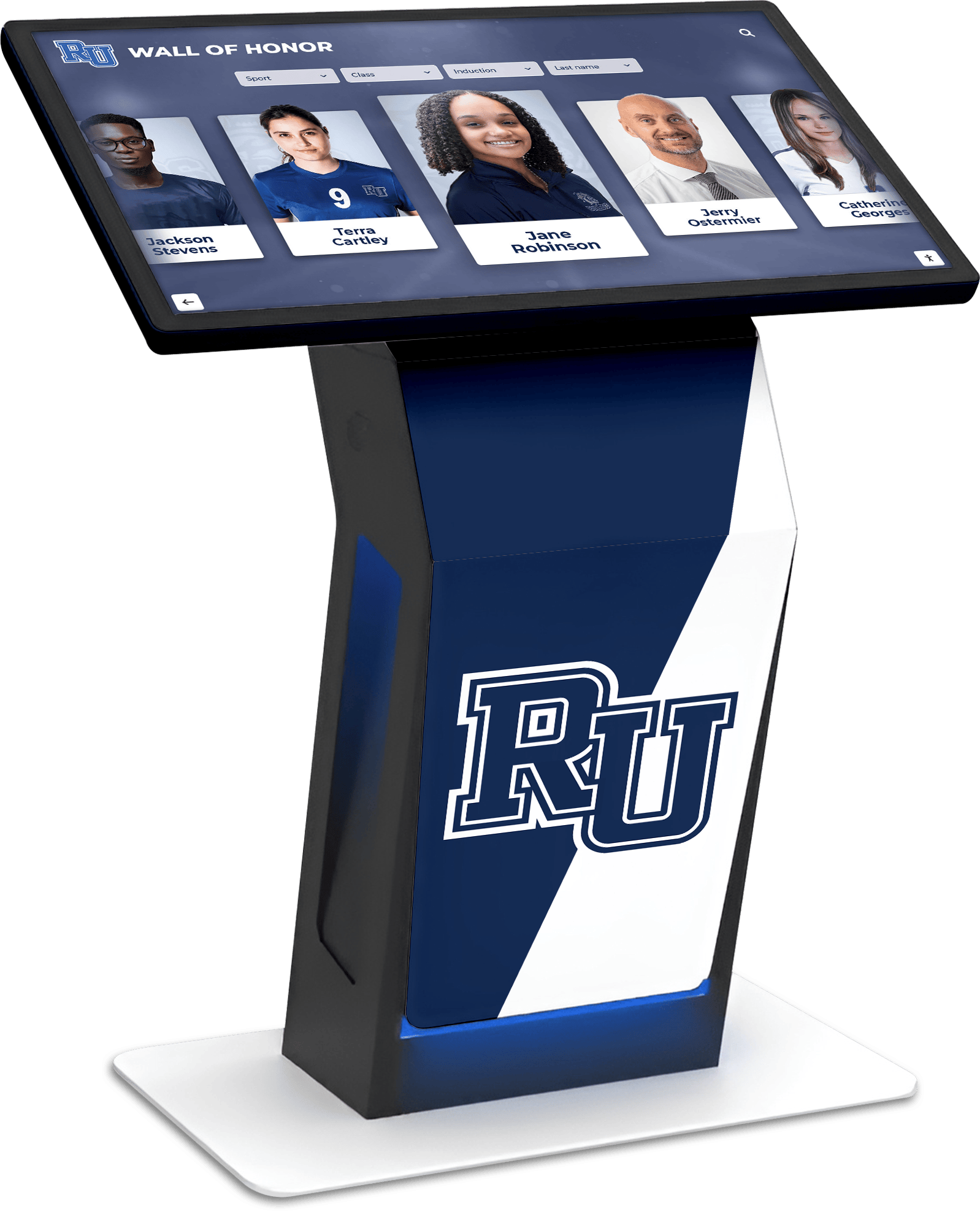




Intent: Demonstrate the design elements, platform capabilities, and implementation strategies that create exceptional virtual hall of fame experiences through interactive touchscreen technology and cloud-based digital recognition systems.
A virtual hall of fame represents more than digitized plaques—it’s a comprehensive interactive experience combining touchscreen displays, web-based access, multimedia storytelling, and cloud content management that transforms how organizations celebrate achievement. Unlike traditional physical recognition constrained by wall space and static presentation, virtual platforms provide unlimited capacity, instant updates, engaging user experiences, and worldwide accessibility that honor excellence while inspiring future achievement.
The challenge facing institutions with growing recognition needs involves selecting platforms and technologies that deliver professional experiences, remain manageable without extensive technical expertise, scale affordably as programs expand, and create genuine engagement rather than becoming digital billboards that visitors ignore. Poor platform selection leads to abandoned systems, wasted investment, and recognition programs that fail to achieve their potential impact.
This comprehensive guide explores the best virtual hall of fame platforms available in 2025, comparing interactive touchscreen systems, cloud software architectures, content management approaches, and implementation strategies. You’ll discover actionable frameworks for evaluating solutions, understanding what distinguishes exceptional platforms from limited alternatives, and creating recognition experiences that engage audiences while honoring the achievements these systems celebrate.
Organizations implementing well-designed virtual hall of fame platforms report dramatic engagement improvements—visitors spend 5-10 minutes exploring interactive content compared to 30-second glances at traditional plaques. This increased engagement translates to stronger alumni connections, enhanced institutional pride, more effective donor recognition, and recognition programs that genuinely inspire rather than simply document achievement.

Virtual hall of fame platforms combine commercial-grade touchscreen hardware with cloud-based software enabling unlimited recognition capacity and worldwide accessibility
Understanding Virtual Hall of Fame Platforms: Core Components and Capabilities
Before comparing specific vendors and technologies, understanding what constitutes a complete virtual hall of fame platform and the value it delivers helps institutions make informed selection decisions aligned with strategic recognition priorities.
What Defines a Virtual Hall of Fame Platform?
Virtual hall of fame platforms integrate multiple technologies creating complete recognition ecosystems rather than isolated displays. The most effective solutions combine several essential components working together seamlessly.
Interactive Touchscreen Display Systems
Physical touchscreen installations provide high-visibility recognition in lobbies, athletic facilities, donor centers, and other strategic locations where audiences naturally encounter institutional heritage. Commercial-grade displays ranging from 43 to 86 inches feature capacitive multi-touch capability enabling intuitive smartphone-like navigation, kiosk mode interfaces designed specifically for public interaction rather than desktop computing, attract loop displays drawing attention when idle, and integration with content management systems enabling remote updates without technical site visits.
Cloud-Based Content Management
Modern virtual hall of fame platforms operate through cloud architectures eliminating local server infrastructure and technical complexity. Web-based administrative interfaces enable authorized staff to add new honorees, upload photos and videos, organize content by categories or years, schedule content publication, and manage entire recognition programs from any internet-connected device without requiring specialized software installation or IT expertise.
Cloud systems provide automatic backup protecting content, seamless software updates without manual intervention, multi-user collaboration with role-based permissions, and reliability exceeding what most organizations achieve with locally hosted alternatives.
Web Portal and Mobile Access
Complete platforms extend recognition beyond physical displays through responsive web portals enabling global access. Alumni living worldwide can search for their recognition, explore institutional heritage, share specific profiles via social media, and engage with content from smartphones, tablets, and desktop computers rather than requiring campus visits to see their honors.
This accessibility dramatically expands recognition reach—thousands of alumni browse online platforms monthly compared to hundreds encountering physical displays, multiplying program impact and engagement.
Multimedia Content Support
Virtual platforms enable rich storytelling impossible with traditional plaques through high-resolution photo galleries, embedded video content including interviews and highlight reels, audio recordings preserving oral histories, scanned historical documents and newspaper articles, and interactive timelines connecting individual achievements to broader institutional narratives.
This multimedia depth creates emotional engagement transforming recognition from documentation to compelling heritage preservation.
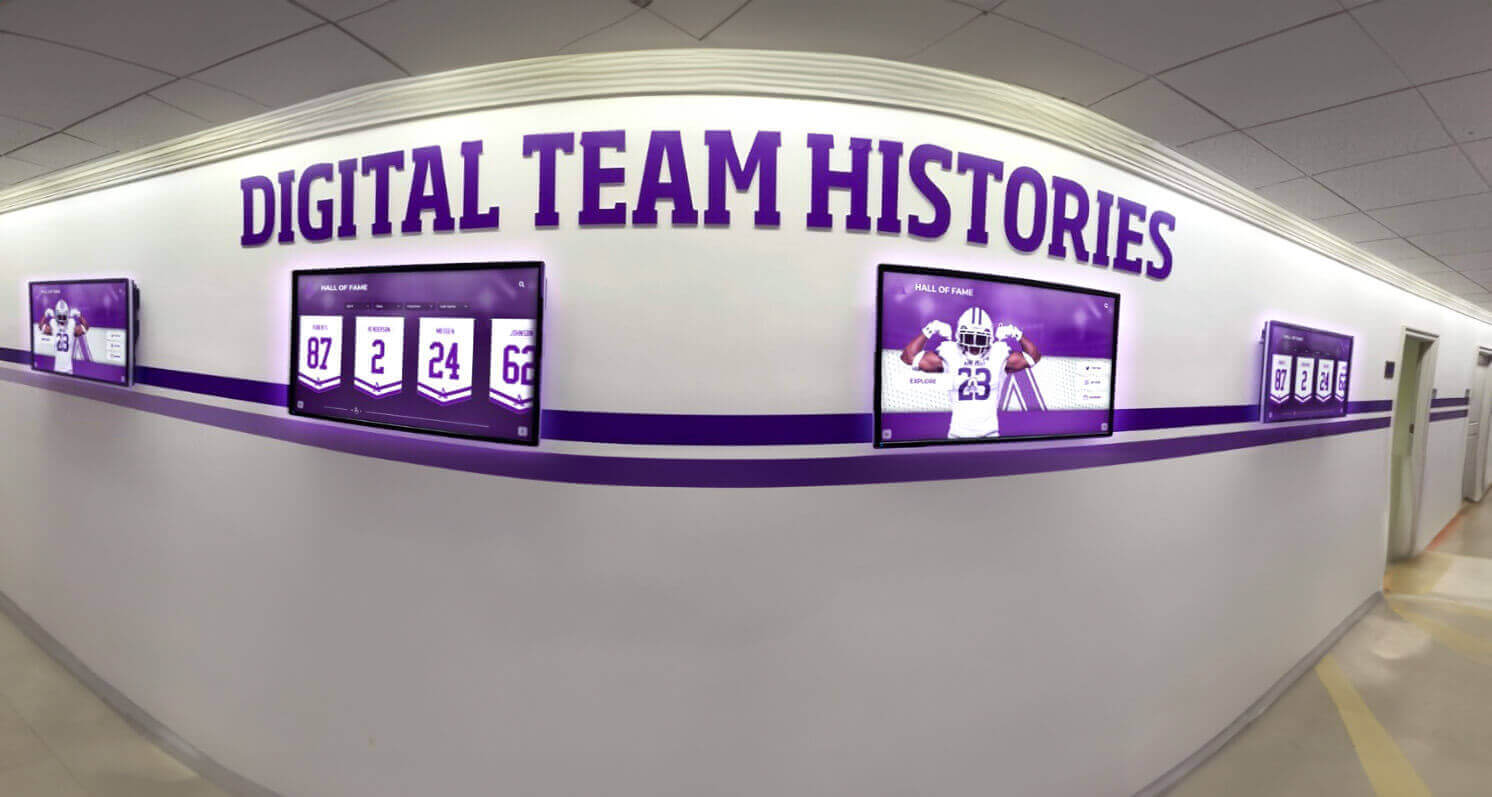
Scalable platforms support multiple displays across campuses, each showcasing different content while managed through unified cloud systems
Why Traditional Recognition Approaches Fall Short
Understanding limitations of traditional methods helps clarify value that virtual platforms deliver across multiple dimensions.
Physical Space Constraints
Traditional halls of fame built on wall-mounted plaques inevitably exhaust available space. A high school inducting five hall of fame members annually fills 100 linear feet of wall space within 20 years—far exceeding what most facilities allocate for recognition. This space limitation forces painful decisions about whose achievements remain visible and whose get removed or stored in filing cabinets.
Virtual platforms eliminate this mathematical impossibility, accommodating thousands of honorees without ever running out of capacity. A single touchscreen display can showcase unlimited recognition, and web portals provide access to complete institutional heritage spanning decades or centuries.
Update Delays and Logistical Complexity
Adding new inductees to traditional displays requires plaque manufacturing, shipping, installation scheduling, and often physical reorganization of existing arrangements—processes taking weeks or months. These delays mean ceremonies occur before recognition becomes visible, diminishing psychological impact and creating periods where displays remain incomplete.
Virtual systems enable instant updates through cloud content management. When boards vote to induct new honorees, administrators publish recognition within minutes rather than waiting months for physical production. New inductees see themselves honored immediately, and ceremony attendees explore complete updated content that same day.
Limited Storytelling and Minimal Information
Engraved plaques provide perhaps 50-100 words of information at most—name, year inducted, basic achievement category. Visitors learn someone earned recognition but gain little understanding of who they were, what they accomplished specifically, or why their achievements mattered. This minimal storytelling reduces recognition to lists of names failing to inspire emotional connection or preserve meaningful heritage.
Virtual platforms transform recognition into comprehensive storytelling through 300-500 word biographical narratives, photo galleries showing honorees throughout their involvement, video interviews capturing personal reflections, statistical achievements and records with full context, and connections to related honorees and teams providing broader perspective.
Accessibility Limited to Physical Presence
Traditional displays serve only those who can visit specific locations during building access hours. Alumni living across the country or around the world cannot access recognition they earned during their school or organizational involvement. Families wanting to revisit memories must make special trips to campus. And prospective members evaluating institutions during decision processes may never encounter recognition displays demonstrating organizational excellence and tradition.
Web-based virtual platforms extend access globally—alumni browse from anywhere, families share achievements with distant relatives, and prospective members research institutional heritage thoroughly during evaluation. This expanded accessibility multiplies recognition impact beyond the hundreds encountering physical displays to thousands engaging online.
Essential Features Distinguishing Superior Virtual Hall of Fame Platforms
Evaluating platform options requires understanding which capabilities matter most and how different solutions address organizations’ specific needs and constraints.
Intuitive Content Management Systems
The most technically sophisticated platform delivers limited value if administrators cannot easily maintain content without extensive training or ongoing technical support.
User-Friendly Administrative Interfaces
Exceptional platforms provide:
- Visual editors similar to word processors avoiding HTML or coding requirements
- Template-based content entry guiding users through required fields for profiles
- Drag-and-drop photo and video upload with automatic optimization
- Preview functionality showing exactly how content will appear before publishing
- Bulk editing capabilities updating multiple items efficiently
- Role-based permissions enabling distributed content management across departments
Administrative complexity directly determines long-term program sustainability—platforms requiring specialized expertise create bottlenecks where only one or two staff members can maintain content, risking program stagnation when those individuals become unavailable or leave positions.
Import and Integration Capabilities
Efficient platforms support:
- CSV import accepting content from spreadsheets avoiding tedious individual entry
- Bulk photo upload with automated metadata extraction
- Integration with existing databases (alumni systems, athletic statistics, student information)
- API access enabling custom integrations when needed
- Export functionality for backup and data portability
These capabilities dramatically reduce initial implementation effort and enable ongoing efficiency. Schools and organizations with hundreds or thousands of historical honorees cannot afford manual one-by-one profile creation—bulk import tools reduce implementation from months to weeks.
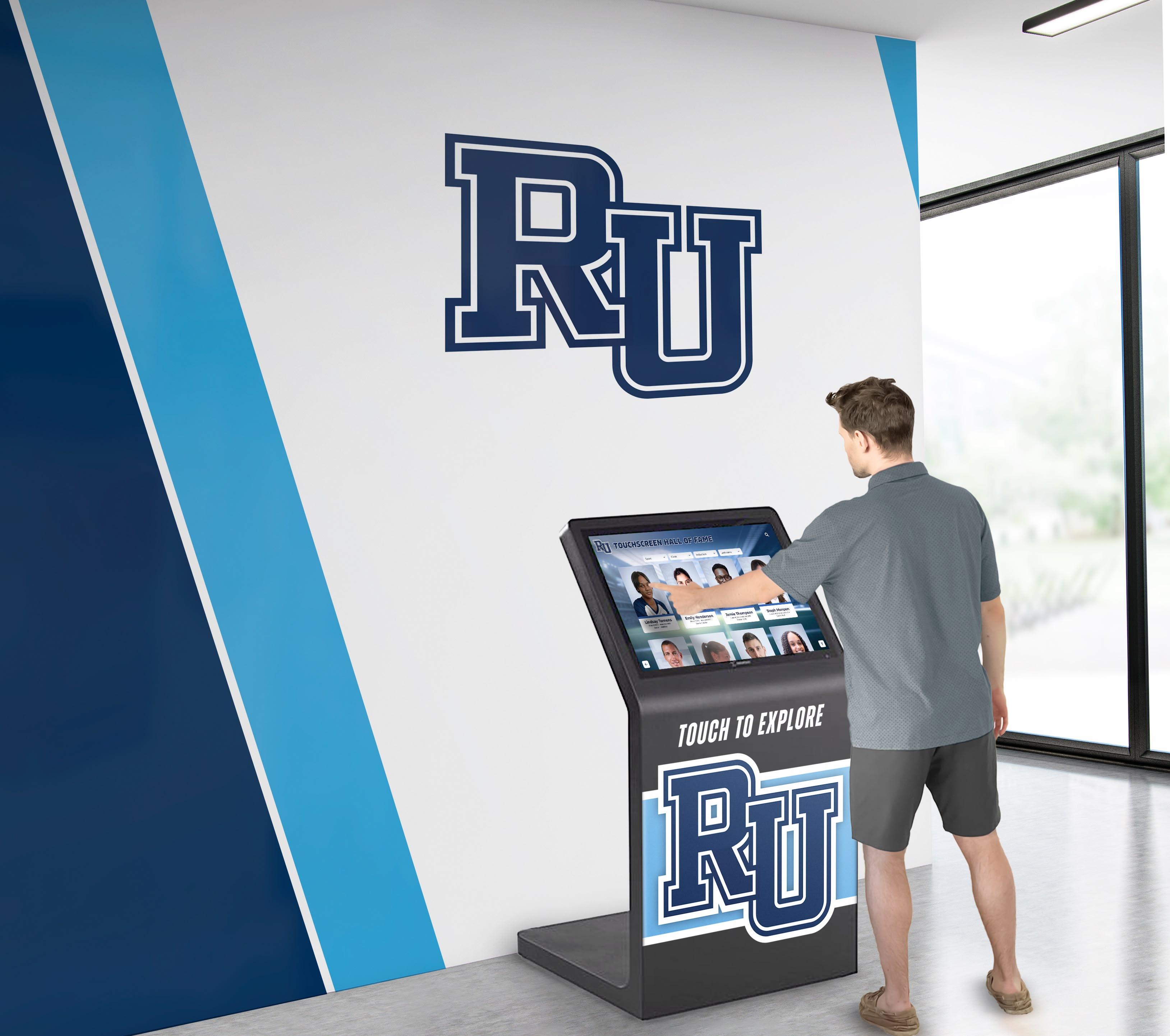
Cloud-based platforms enable non-technical administrators to manage recognition programs from any device without specialized software or IT expertise
Interactive Touchscreen Display Excellence
Physical displays serve as primary public-facing interfaces where first impressions determine engagement success or failure.
Kiosk Mode and Touch-Optimized Navigation
Purpose-built platforms provide:
- Interfaces designed specifically for vertical touchscreen displays rather than horizontal desktop monitors
- Touch-friendly buttons and controls sized appropriately for finger interaction
- Intuitive gesture support including swipe, pinch-to-zoom, and tap
- Attract loop displays drawing attention during idle periods with compelling content
- Session timeout automatically returning to home screen after inactivity
- Lock-down mode preventing access to underlying operating systems or unauthorized content
Generic websites or applications adapted for touchscreen use rarely deliver satisfactory experiences—purpose-built kiosk interfaces dramatically outperform repurposed solutions in usability testing and actual visitor engagement.
Search and Discovery Capabilities
Effective navigation enables self-service exploration:
- Powerful search functionality finding individuals by name instantly across thousands of profiles
- Filtering options organizing content by year, category, achievement type, or program area
- Alphabetical directories enabling systematic browsing
- Featured content spotlights highlighting significant achievements or recent additions
- Related content recommendations encouraging serendipitous discovery
- Multiple browsing paths accommodating different user preferences and discovery patterns
Navigation quality determines whether visitors successfully explore content or abandon displays after failing to find what they seek. Exceptional platforms make discovery effortless regardless of collection size or organizational complexity.
Multimedia Presentation and Storytelling
Engaging displays leverage rich media:
- High-resolution photo galleries with smooth scrolling and pinch-to-zoom capability
- Embedded video content with touch-friendly playback controls
- Audio recordings including speeches, interviews, and oral histories
- Scrolling timelines presenting institutional evolution chronologically
- Individual profile pages providing comprehensive honoree information
- Dynamic layouts adapting to different content types and display orientations
Presentation quality directly impacts engagement duration—compelling multimedia storytelling keeps visitors interacting for 5-10 minutes rather than dismissing displays after 30-second glances.
Web Portal and Online Access
Complementing physical displays, web-based access extends virtual halls of fame to worldwide audiences unable to visit campus or organizational facilities.
Responsive Design Across All Devices
Modern platforms must function effectively across diverse screen sizes:
- Desktop browser optimization providing full-featured exploration on large monitors
- Tablet interfaces adapted for touch interaction on iPads and similar devices
- Mobile phone layouts optimized for smaller screens while maintaining core functionality
- Consistent experience across iOS, Android, Windows, and Mac platforms
- Fast loading times essential for mobile users on cellular connections
- Progressive web app capability enabling app-like experiences without requiring downloads
Mobile access increasingly dominates usage patterns—platforms requiring desktop computers exclude majority of potential users who primarily interact via smartphones.
Social Features and Community Engagement
Strong platforms facilitate interaction and sharing:
- Direct sharing of specific profiles or achievements to Facebook, Twitter, LinkedIn, and other social networks
- Email sharing enabling content distribution to contacts not on social media
- QR codes on physical displays linking to specific online profiles for immediate mobile access
- Comment or guest book features allowing visitors to contribute memories and reactions when appropriate
- Alumni contribution portals where graduates submit updated information or historical materials from personal collections
Social features transform passive archives into active communities where alumni regularly check platforms for newly added content and classmate updates. Understanding approaches to digital hall of fame implementation helps organizations maximize storytelling impact.
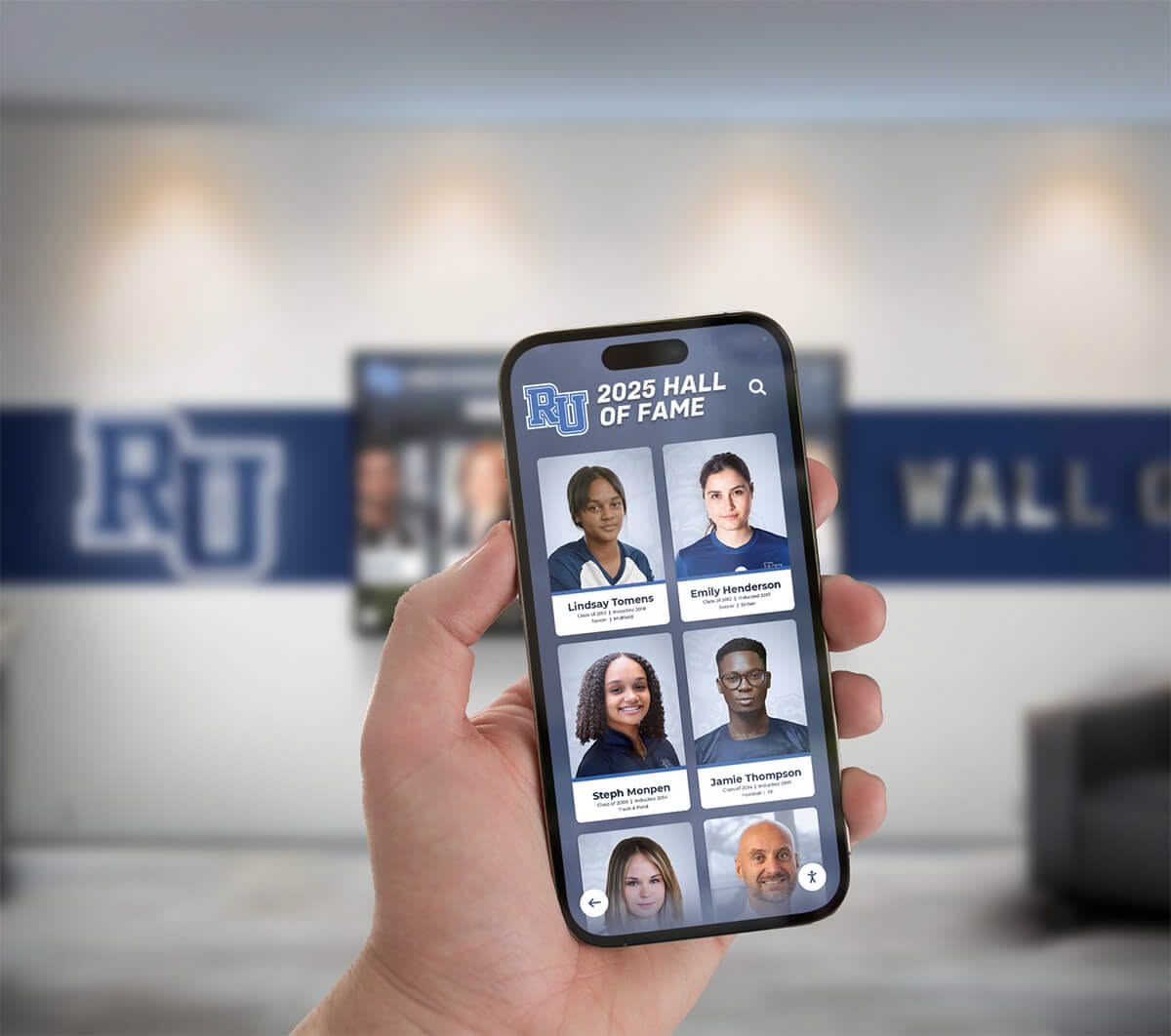
Synchronized mobile and physical experiences enable visitors to continue exploring content beyond initial touchscreen interaction
Analytics and Engagement Measurement
Understanding how audiences interact with virtual halls of fame informs continuous improvement and demonstrates program value to stakeholders.
Comprehensive Usage Tracking
Quality platforms provide:
- User analytics showing traffic patterns, session counts, and duration metrics
- Content popularity rankings revealing most-viewed profiles and categories
- Search query logs highlighting what visitors seek and content gaps
- Device analytics showing desktop versus mobile usage patterns
- Geographic data indicating where online visitors access content globally
- Time-based patterns identifying peak engagement periods
Analytics distinguish what organizations assume people want from what they actually engage with—data-driven decisions improve platforms more effectively than intuition alone.
Demonstrating Recognition Program Value
Metrics help justify investment and secure ongoing support:
- Engagement rates comparing interactions to foot traffic or alumni population
- Growth trends showing increasing or declining usage over time
- Content ROI indicating which recognition categories generate strongest engagement
- Alumni participation rates measuring community activation
- Social sharing metrics demonstrating content reach beyond direct platform access
Quantifiable impact data supports budget requests and demonstrates recognition program value to boards, leadership, and funding sources.
Scalability and Long-Term Sustainability
Recognition programs require sustained commitment across years or decades—platform selection should emphasize long-term viability rather than only initial capabilities.
Growth Accommodation
Scalable solutions support:
- Unlimited content capacity accommodating growing recognition collections indefinitely
- Additional display deployment without architectural limitations or costly upgrades
- User growth handling increased administrative staff and public visitors seamlessly
- Feature expansion adding capabilities as organizational needs evolve
- Integration flexibility connecting with additional systems over time
Organizations commonly start with focused recognition programs then expand scope as success demonstrates value—platforms that cannot scale affordably create future migration challenges.
Vendor Stability and Support
Long-term platform viability depends on vendor sustainability:
- Company longevity and financial stability suggesting continued operation
- Customer base size indicating established market presence
- Regular product updates demonstrating ongoing development investment
- Responsive technical support providing timely assistance when issues arise
- Training resources and documentation supporting staff onboarding and transitions
- Migration assistance if organizational needs eventually outgrow platform capabilities
Recognition programs involve multi-decade commitments—vendor selection should emphasize partners likely to support systems throughout extended timeframes rather than startups that may not survive challenging market conditions.
Comparing Virtual Hall of Fame Platform Providers
Understanding the competitive landscape helps institutions evaluate options systematically rather than selecting the first vendor encountered or cheapest alternative.
Purpose-Built Recognition Platforms
Several companies specialize specifically in digital recognition and virtual hall of fame applications, developing purpose-built solutions rather than adapting generic technologies.
Rocket Alumni Solutions
Solutions like Rocket Alumni Solutions provide comprehensive platforms designed specifically for educational institutions, athletic programs, and community organizations combining interactive touchscreen displays, cloud-based content management, web portal access, multimedia support, and integrated services including content digitization and installation coordination.
These all-in-one approaches eliminate complexity of coordinating multiple vendors for hardware, software, installation, content services, and ongoing support. Organizations work with single providers handling complete implementations from initial design through long-term maintenance.
Key Advantages
Purpose-built recognition platforms excel when organizations want turnkey solutions minimizing technical complexity, vendors understanding educational and nonprofit contexts, proven implementations at similar institutions, integrated support eliminating finger-pointing between hardware and software providers, and continuous improvement benefiting from specialized focus rather than divided attention across multiple product lines.
Implementation Considerations
Organizations should evaluate total cost of ownership including initial investment and ongoing subscription or licensing fees, customization flexibility balancing ease of use with ability to adapt to unique institutional needs, content migration assistance when transitioning from existing systems, training comprehensiveness for administrative staff, and vendor stability suggesting continued long-term support. Exploring comprehensive digital hall of fame design approaches provides frameworks for evaluating complete solutions.
Digital Signage Platforms Adapted for Recognition
Some organizations consider repurposing digital signage systems originally designed for announcements and advertising to serve virtual hall of fame applications.
Generic Digital Signage Limitations
Digital signage platforms like Scala, Brightsign, or ScreenCloud can display recognition content but typically lack:
- Interactive touchscreen capability beyond basic slideshow advancement
- Search functionality enabling visitors to find specific individuals
- Individual profile pages with comprehensive biographical information
- Web portal integration extending access beyond physical displays
- Purpose-built content management for recognition-specific workflows
These limitations mean generic signage serves passive display purposes but cannot deliver interactive exploration experiences that distinguish effective virtual halls of fame.
When Signage Approaches Might Work
Digital signage may suffice for:
- Limited recognition programs with small honoree collections (fewer than 50 individuals)
- Organizations prioritizing passive display over interactive exploration
- Budget-constrained implementations where touchscreen interactivity is unaffordable
- Situations where existing signage infrastructure can be repurposed without additional investment
However, engagement research consistently shows interactive platforms dramatically outperform passive displays—the additional investment in purpose-built recognition systems typically justifies costs through superior outcomes.
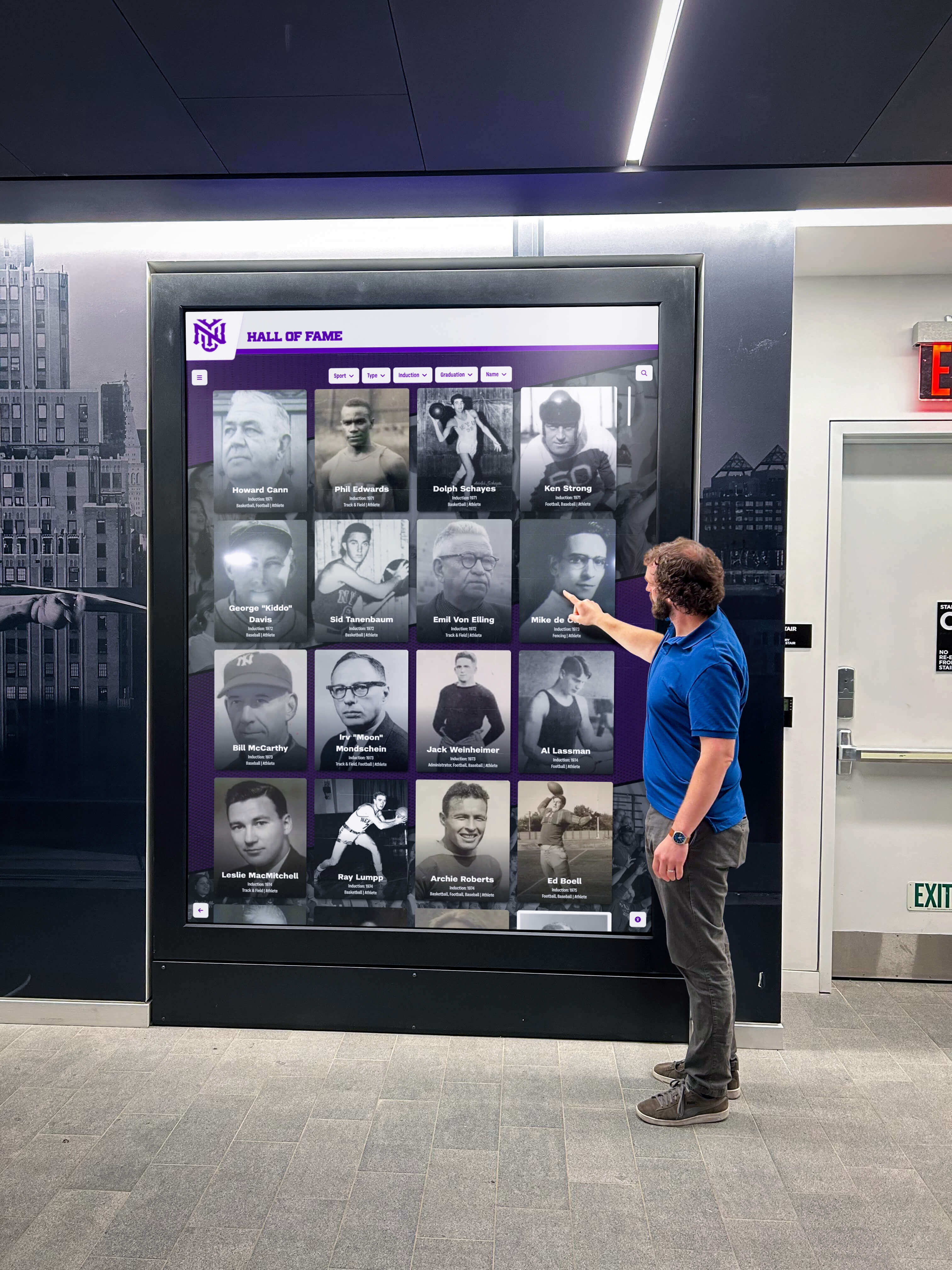
Interactive exploration creates active engagement that passive displays cannot match, with visitors spending significantly longer exploring content they control
Custom Development Versus Commercial Platforms
Organizations with internal technical capabilities sometimes consider custom-building virtual hall of fame systems rather than purchasing commercial platforms.
Custom Development Considerations
Building proprietary systems offers:
- Complete control over features, design, and functionality
- No recurring vendor licensing or subscription fees
- Integration flexibility matching specific institutional systems
- Absence of vendor dependency for updates or support
However, custom development involves:
- Substantial upfront investment in design, development, and testing
- Ongoing maintenance and support responsibilities requiring permanent technical staff
- Feature development competing with other IT priorities
- Security and compliance management as sole organizational responsibility
- No benefit from continuous improvement other customers drive at commercial vendors
When Commercial Platforms Prove Superior
Most educational institutions and nonprofit organizations lack technical resources justifying custom development. Commercial platforms provide:
- Immediate availability without months or years of development time
- Proven reliability through deployments at hundreds or thousands of similar organizations
- Continuous improvement as vendors enhance platforms for all customers
- Professional support from specialists focusing exclusively on recognition technology
- Predictable costs through defined pricing rather than unpredictable internal development expenses
Unless organizations possess unusually sophisticated in-house technical teams and unique requirements commercial platforms cannot address, commercial solutions typically deliver superior value. Resources on school history software selection provide detailed evaluation frameworks.
Implementation Strategies for Virtual Hall of Fame Success
Selecting appropriate platforms represents only the first step—successful implementation requires strategic planning, systematic execution, and sustained organizational commitment.
Planning and Needs Assessment
Thoughtful planning before technology procurement prevents costly mistakes and false starts that derail recognition initiatives.
Define Clear Objectives and Success Criteria
What outcomes should virtual halls of fame achieve?
Different objectives suggest different implementation priorities:
- If engaging alumni and building connections is primary, emphasize social features, mobile accessibility, and personalized discovery
- If preserving at-risk heritage is most urgent, prioritize digitization services and archival storage
- If enhancing organizational pride and culture is key, focus on prominent physical displays and student-friendly interfaces
- If supporting development and fundraising is critical, emphasize donor recognition integration and impact storytelling
Clear objectives enable focused evaluation—no platform excels at everything, but specific solutions may perfectly address particular institutional priorities.
Assess Current Recognition Approaches and Gaps
Understanding existing programs shapes realistic implementation scopes:
- Inventory current recognition (physical plaques, trophy cases, printed directories)
- Evaluate gaps and limitations in existing approaches
- Document historical materials requiring digitization (yearbooks, photos, documents)
- Identify stakeholder priorities across different constituencies
- Determine available budget for initial investment and ongoing operation
This assessment reveals project scale, helping distinguish achievable initial implementations from comprehensive long-term visions requiring phased approaches across multiple years or budget cycles.
Establish Realistic Timelines and Resource Commitments
Virtual hall of fame projects typically unfold across months rather than weeks:
- Platform selection and procurement: 1-3 months researching options and negotiating contracts
- Content digitization and organization: 2-6 months depending on collection size and chosen approaches
- Platform setup and configuration: 1-2 months for initial implementation
- Hardware procurement and installation: 1-2 months for physical touchscreen displays when applicable
- Training and change management: 1 month ensuring staff can effectively manage systems
- Soft launch and refinement: 1-2 months addressing issues before major promotion
Rushed implementations typically produce poor outcomes—allowing adequate time for proper execution delivers superior long-term results. Understanding athletic hall of fame implementation demonstrates systematic approaches to successful program launches.
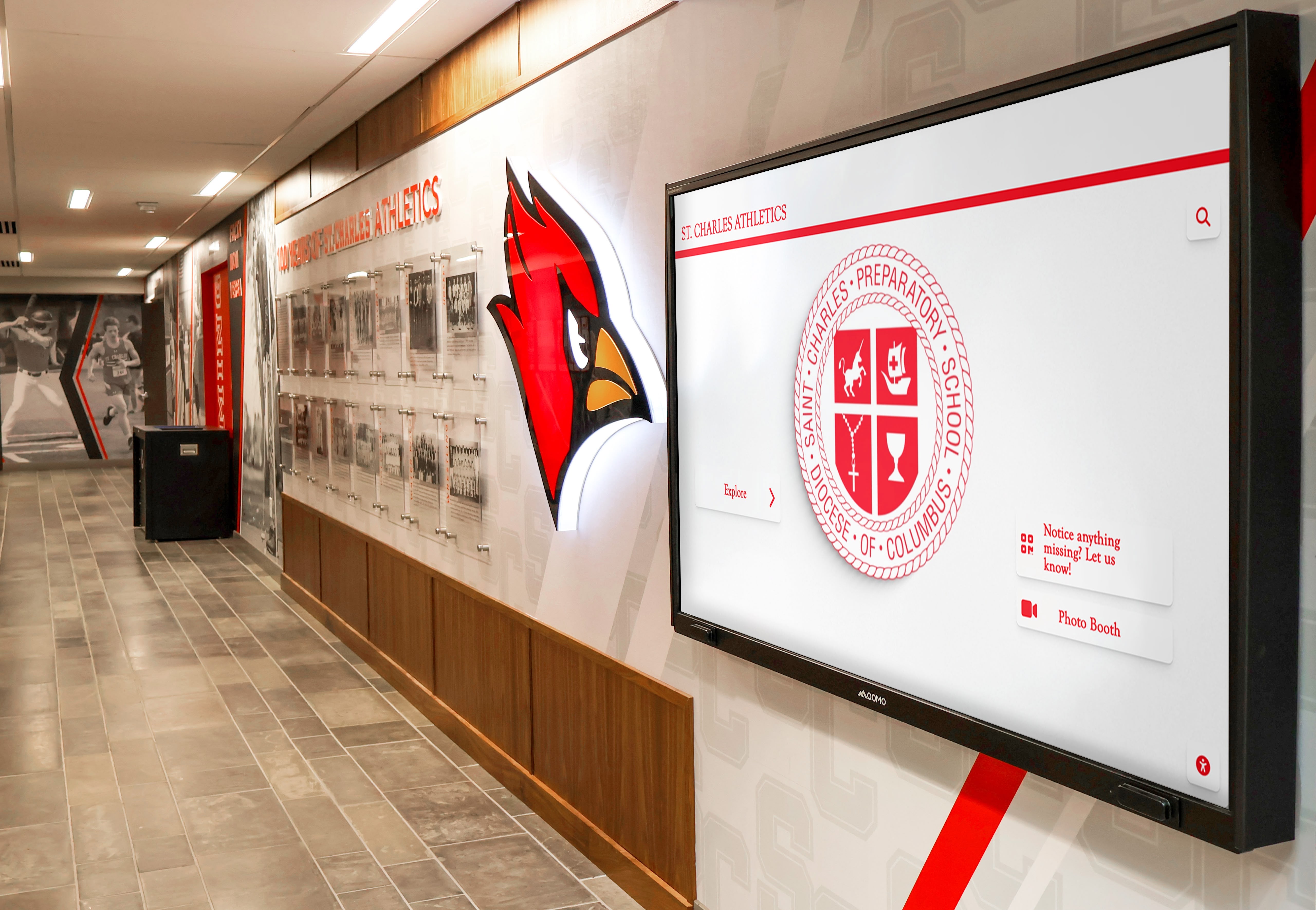
Strategic placement in high-traffic locations maximizes visibility while integration with existing aesthetics creates cohesive environments
Content Development and Digitization
Virtual platform value depends entirely on quality content celebrating achievements comprehensively rather than simply listing names and dates.
Systematic Content Collection
Effective approaches include:
- Starting with current recognition for immediate relevance, then expanding to recent years
- Establishing content standards for profile length, photo requirements, and information accuracy
- Creating submission workflows where honorees or families contribute biographical information
- Digitizing historical materials through professional services or systematic volunteer projects
- Conducting oral history interviews capturing memories before they’re lost
- Organizing content logically by categories, years, or achievement types
Content development represents substantial work—organizations should establish realistic scopes acknowledging available resources rather than pursuing unachievable comprehensive coverage that never launches.
Professional Versus DIY Digitization
Organizations face choices about content digitization approaches:
Professional Services provide expert scanning at archival quality, advanced OCR achieving high accuracy rates, experienced handling protecting fragile materials, rapid processing of large collections, and delivered organized files ready for platform import. Costs typically run $50-$150 per yearbook and $0.50-$2 per photo depending on service levels and volumes.
DIY Approaches reduce costs through consumer scanners, free OCR software, and volunteer labor but require substantially more time, typically achieve lower quality, and risk damaging irreplaceable materials through inexperienced handling.
Hybrid strategies often work well—professional digitization for most fragile or important materials, DIY for simpler recent content. Resources on digitizing yearbooks provide detailed guidance for different approaches.
Writing Compelling Recognition Narratives
Transform facts into engaging stories:
Rather than stating “Hall of Fame Inductee - Class of 2020,” comprehensive recognition includes:
- Opening hooks capturing defining achievements or memorable moments
- Background context establishing honoree journeys to excellence
- Specific accomplishments with statistics and comparative context
- Impact and legacy explaining significance beyond raw achievements
- Current status providing updates when available
- Personal quotes or testimonials adding authentic voice
This storytelling approach creates emotional engagement transforming recognition from directories into compelling heritage preservation that inspires current participants and honors past excellence meaningfully.
Hardware Selection and Physical Installation
When implementing touchscreen displays, appropriate hardware selection and professional installation ensure reliable operation and positive user experiences.
Commercial-Grade Display Specifications
Touchscreen installations require:
- 55-86 inch displays depending on installation locations and viewing distances
- Commercial panels rated for 16-24 hour daily operation versus consumer TVs designed for a few hours daily
- Capacitive multi-touch capability supporting intuitive gesture navigation
- Minimum 1920x1080 Full HD resolution (4K preferred for larger screens and closer viewing)
- 350-700 nit brightness ensuring visibility in various lighting conditions
- 3-5 year commercial warranties typical versus 1-year consumer warranties
Consumer televisions adapted for continuous touchscreen use typically fail within 1-2 years—initial savings disappear through replacement costs and downtime disrupting recognition programs.
Strategic Placement Considerations
Display effectiveness depends significantly on location:
- Main entrance lobbies welcoming all visitors immediately upon arrival
- Athletic facilities surrounding current athletes with program tradition
- Cafeterias and student centers where people gather during breaks
- Hallways connecting high-traffic areas capturing movement
- Administrative areas visited during tours and recruitment processes
- Alumni centers serving returning graduates and donors
Professional installation ensures proper mounting supporting display weight safely, appropriate viewing heights for accessibility, adequate electrical and network connectivity, clean cable management, and protection from environmental factors like direct sunlight causing glare.
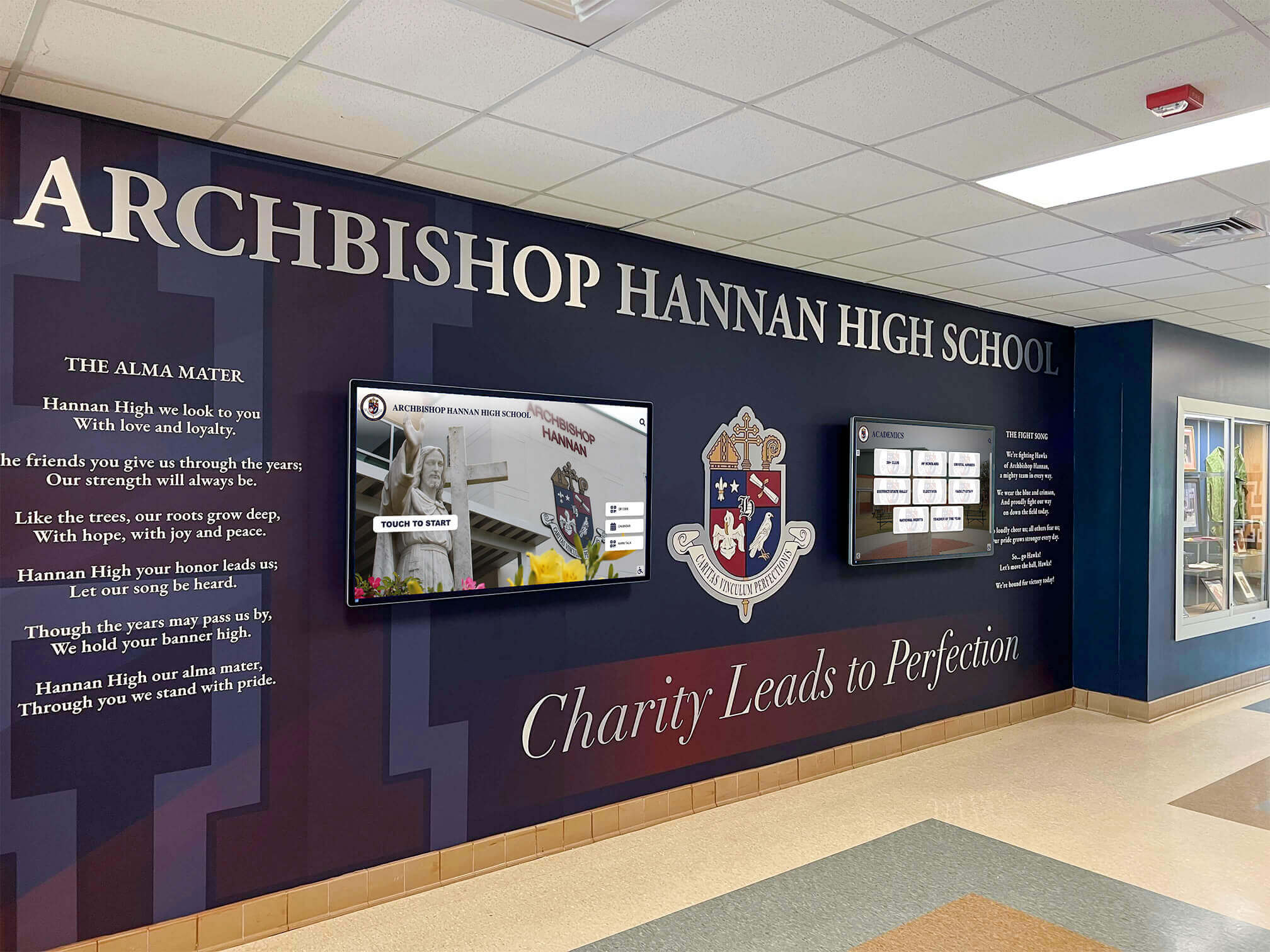
Scalable implementations deploy multiple displays throughout facilities, each highlighting different recognition categories while maintaining visual consistency
Training and Change Management
The best technology implementations fail without adequate training and organizational adoption support.
Administrator Training Programs
Content managers need comprehensive preparation:
- Hands-on workshops walking through all common content management tasks
- Written documentation and video tutorials providing reference materials
- Sandbox environments enabling practice without affecting public-facing content
- Clear support contacts for questions and troubleshooting
- Periodic refresher training as features are added or staff turnover occurs
Insufficient training creates bottlenecks where only one or two staff members can manage content—cross-training multiple people ensures continuity when individuals are unavailable or leave positions.
Community Awareness and Promotion
Even excellent platforms require promotion generating awareness:
- Launch events celebrating new displays and online portal availability
- Email campaigns informing alumni about new exploration opportunities
- Social media content highlighting interesting historical discoveries
- Integration with orientation programs introducing students to institutional heritage
- Alumni magazine or newsletter articles explaining platform features
Ongoing content additions and regular promotional reminders sustain long-term engagement beyond initial curiosity spikes. Understanding donor recognition best practices demonstrates comprehensive promotion strategies.
Establishing Sustainable Workflows
Long-term success requires systematic management:
- Designate responsible staff members with clear content management expectations
- Create regular schedules for content additions (weekly, monthly, or quarterly)
- Establish processes for community members to contribute historical materials
- Implement quality control reviews ensuring accuracy before publication
- Document procedures enabling continuity during staff transitions
The most common reason recognition initiatives lose momentum is lack of clear responsibility and accountability for ongoing management—explicit assignments and expectations prevent this failure pattern.
Special Applications and Use Cases
While athletic recognition and alumni halls of fame represent common applications, virtual platforms serve diverse institutional needs across multiple contexts.
Athletic Excellence and Championship Recognition
Athletic programs benefit tremendously from virtual hall of fame technology enabling comprehensive coverage across all sports regardless of prominence.
Comprehensive Sport Recognition
Digital platforms enable systematic celebration of:
- Hall of fame inductees from all sports and eras, not just high-profile programs
- Championship teams with complete rosters, season documentation, and highlight videos
- Individual athletes achieving conference, state, regional, or national honors
- School or organizational records with athlete names and performance details
- Coaching legends who built programs across decades
This comprehensive approach ensures athletes from all sports receive appropriate recognition rather than limiting celebration to football and basketball while Olympic sports, women’s athletics, and emerging programs remain invisible. Resources on high school wall of fame design provide detailed athletic recognition frameworks.
Interactive Record Boards
Beyond individual profiles, virtual platforms serve as interactive record boards enabling:
- Browsing school records by sport with athlete names and achievement dates
- Year-by-year progression showing record evolution over time
- Filtering capabilities enabling analysis by decade, gender, or specific events
- Video highlights preserving record-setting performances
- Current season leaderboards motivating ongoing achievement
Interactive record displays serve dual purposes of recognition and motivation—current athletes see standards to pursue while past record-holders receive permanent acknowledgment.
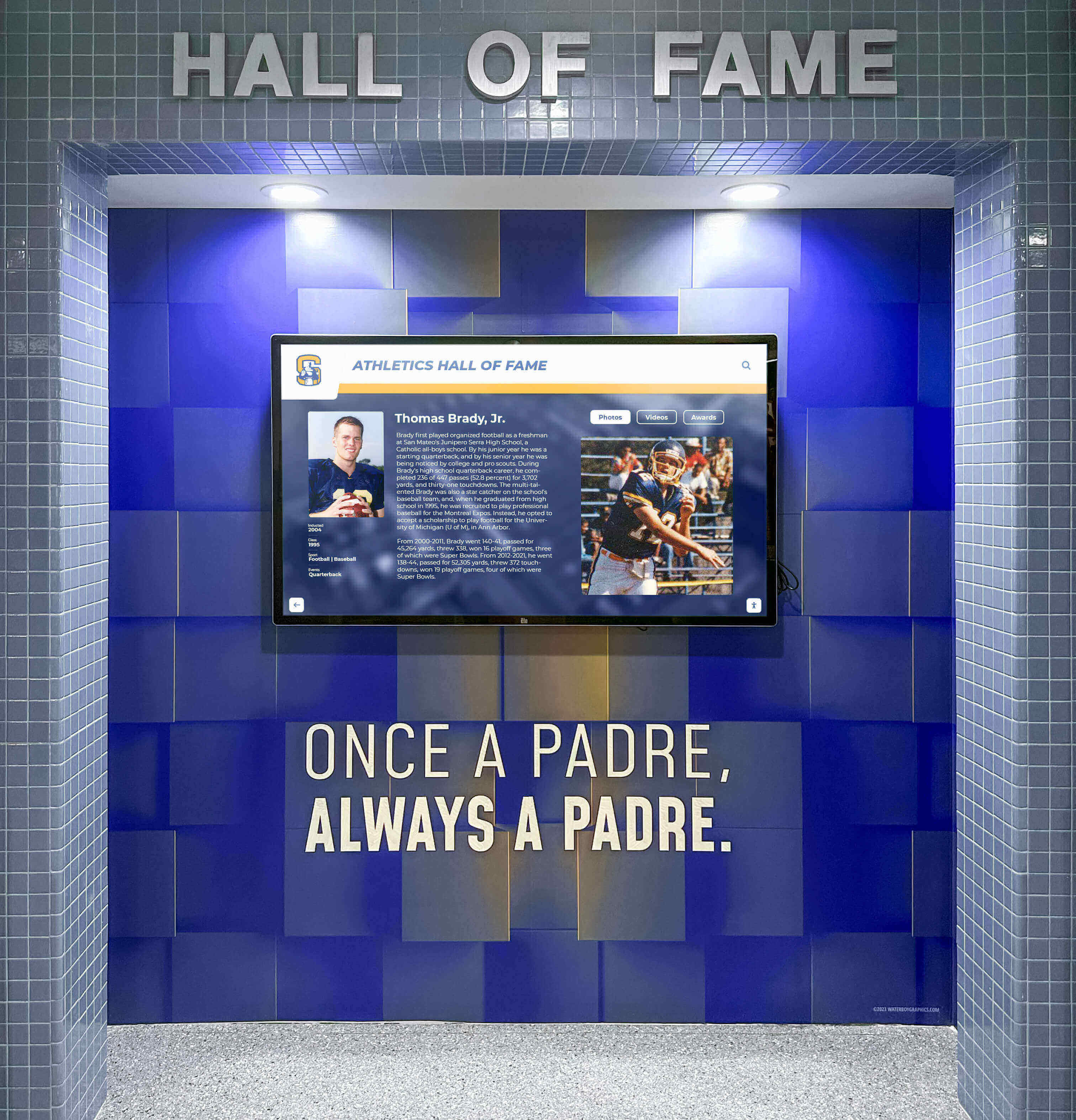
Athletic facility placement surrounds current athletes with program heritage during daily training, reinforcing tradition and inspiring excellence
Academic Achievement and Scholar Recognition
Academic excellence deserves visibility equal to athletic achievement—virtual platforms enable comprehensive intellectual recognition that strengthens academic culture.
Multi-Dimensional Academic Recognition
Digital systems can showcase:
- Valedictorians and salutatorians across graduating classes
- National Merit Scholars and academic competition winners
- Students achieving exceptional standardized test scores
- Academic honor society members and leadership
- Prestigious scholarship recipients (Rhodes, Fulbright, etc.)
- Subject-specific achievement in STEM, humanities, and arts disciplines
Academic recognition through prominent displays communicates that intellectual achievement receives institutional priority equal to athletic success—motivating students to pursue challenging coursework and competitive academic opportunities. Guidance on academic recognition programs demonstrates systematic approaches honoring diverse intellectual excellence.
Distinguished Alumni and Career Achievement
Alumni recognition connects current students with institutional legacy while celebrating graduates’ accomplishments and contributions.
Diverse Alumni Excellence Categories
Virtual halls of fame can feature:
- Professional achievement and career success across industries
- Community service and philanthropic leadership
- Creative accomplishment in arts, entertainment, and media
- Academic achievement including advanced degrees and research contributions
- Entrepreneurial success and business leadership
- Athletic achievement beyond school competition levels
This recognition validates that diverse paths lead to distinguished alumni status—success takes many forms rather than following single templates. Students see alumni excelling in fields matching their own interests, making excellence feel achievable through varied routes. Resources on alumni recognition strategies provide comprehensive program development frameworks.
Donor Recognition and Philanthropic Appreciation
Virtual platforms transform donor acknowledgment beyond traditional walls, creating dynamic recognition that honors generosity while encouraging additional support.
Comprehensive Donor Recognition Tiers
Digital systems enable:
- Major gift profiles with photos, biographical content, and impact stories
- Leadership circle members organized by giving levels
- Cumulative giving societies recognizing lifetime contributions
- Campaign-specific recognition celebrating particular initiatives
- Memorial giving honoring individuals through named funds
- Sponsor recognition when appropriate for events or programs
Virtual donor recognition provides flexibility traditional walls cannot match—adding new donors happens instantly, recognition remains current and accurate, and impact storytelling demonstrates how philanthropy creates tangible outcomes. Organizations should integrate donor recognition with broader digital donor wall strategies ensuring philanthropic appreciation receives appropriate visibility and sophistication.

Donor recognition displays honor philanthropic support while demonstrating institutional appreciation through professional multimedia presentation
Measuring Success and Demonstrating Value
Assessing virtual hall of fame impact and optimizing performance requires appropriate metrics, qualitative feedback, and continuous improvement approaches.
Key Performance Indicators
Different objectives suggest different success measures organizations should track systematically.
Engagement Metrics
For platforms emphasizing community connection:
- Physical display interaction counts and average session durations
- Online platform unique visitors and page views
- Search queries indicating what visitors seek
- Most-viewed profiles revealing community interests
- Social sharing frequency demonstrating content reach
- Return visitor rates showing sustained engagement
These quantitative metrics reveal usage patterns informing content priorities and optimization opportunities.
Preservation Outcomes
For heritage-focused implementations:
- Historical items digitized and safely archived
- Yearbook collection percentage converted to searchable format
- Oral history interviews recorded and preserved
- At-risk materials protected before deterioration or loss
- Backup and redundancy systems ensuring content security
Preservation metrics demonstrate heritage protection value justifying investment even when direct engagement proves difficult to quantify.
Institutional Impact Indicators
For strategic implementations supporting broader organizational goals:
- Alumni engagement increases correlated with platform launches
- Recruitment tour feedback mentioning recognition displays
- Donor satisfaction with recognition approaches
- Media coverage of historical milestones and discoveries
- Community pride indicators from surveys and stakeholder feedback
These outcomes connect recognition programs to strategic institutional priorities, demonstrating value to leadership and budget authorities.
Continuous Improvement Strategies
Virtual halls of fame should evolve continuously rather than remaining static after initial implementation.
Content Expansion and Enrichment
Systematic development maintains engagement:
- Regular addition of newly digitized historical materials
- Current year content ensuring platforms remain relevant beyond historical focus
- Featured content rotations highlighting different eras or themes
- Enhanced metadata adding detail making items more discoverable
- Multimedia supplementation adding video and audio to photo-based content
Many organizations establish annual cycles where specific historical eras receive focused attention, systematically building comprehensive coverage over time.
User Experience Optimization
Analytics and feedback reveal improvement opportunities:
- Navigation improvements addressing common confusion patterns
- Search refinements responding to frequent unsuccessful queries
- Featured content adjustments highlighting valuable but underutilized sections
- Performance optimization ensuring fast loading and responsive interaction
- Accessibility enhancements serving users with disabilities
Regular user testing with actual students, alumni, and families identifies issues designers and administrators overlook. Understanding touchscreen UX design principles informs systematic experience improvement.
Intuitive interfaces enable all age groups to explore recognition content without instructions, demonstrating effective user experience design
Common Implementation Challenges and Solutions
Understanding typical obstacles helps organizations prepare effective responses and avoid common pitfalls that derail recognition initiatives.
Budget Constraints and Funding Strategies
Comprehensive virtual hall of fame implementations represent significant investment, but creative approaches make projects financially feasible.
Phased Implementation Approaches
Rather than attempting complete implementations immediately:
- Start with online web portal before investing in physical touchscreen displays
- Implement single prominent display initially with expansion plans for future phases
- Begin with basic recognition content then add multimedia enhancements over time
- Focus on specific achievement categories (athletics, academics, leadership) before comprehensive coverage
- Pursue pilot programs demonstrating value before requesting larger budgets
Successful initial phases build institutional support and justify expanded investment more effectively than comprehensive proposals requiring large upfront commitments.
Alternative Funding Sources
Beyond operating budgets, explore:
- Alumni association fundraising campaigns dedicated to heritage preservation
- Class reunion giving opportunities where milestone classes fund recognition projects
- Booster organization support from athletic or arts boosters valuing recognition
- Grant applications to local foundations supporting educational or cultural heritage
- Corporate sponsorships from businesses valuing community engagement and visibility
- Naming opportunities where donors fund displays honoring themselves or loved ones
Many organizations fund recognition initiatives entirely through external sources, avoiding competition with operating budget priorities while building stakeholder investment in project success.
Staff Capacity and Technical Expertise
Limited staff time and technical expertise challenge implementation and ongoing management, particularly at smaller organizations.
Leveraging Turnkey Solutions
When internal expertise is limited:
- Select platforms with vendor-provided implementation services
- Use professional content digitization rather than DIY approaches requiring internal labor
- Engage student technology clubs or classes as implementation partners
- Partner with local universities whose students need service learning projects
- Hire retired staff or community members with relevant skills for part-time project work
Organizations shouldn’t attempt complex technical projects exceeding actual staff capabilities—simpler platforms maintained consistently outperform sophisticated systems languishing from neglect.
Building Sustainable Workflows
Efficient processes reduce ongoing effort:
- Templates and standardized formats accelerating content entry
- Batch processing capabilities handling multiple items simultaneously
- Student volunteer programs providing content entry and digitization labor
- Community contribution portals where alumni submit information directly
- Scheduled maintenance routines preventing overwhelming accumulated work
The key is establishing manageable ongoing effort levels rather than intensive periodic campaigns that burn out responsible staff members. Resources on digital recognition maintenance provide systematic operational frameworks.
Content Gaps and Historical Research
Organizations often discover significant gaps in historical records complicating comprehensive heritage coverage.
Research and Recovery Strategies
Fill content gaps through:
- Alumni outreach campaigns requesting donation of personal photos and memorabilia
- Local newspaper archives research finding coverage of achievements and milestones
- Historical society partnerships accessing community collections
- Social media campaigns where alumni share memories and information
- Oral history projects capturing memories from longtime community members
Many organizations are surprised by stakeholder enthusiasm for contributing to heritage preservation projects—simply asking often yields substantial donated materials and information that significantly expands available content beyond what organizational archives contain.
Accepting Strategic Incompleteness
Perfect comprehensive historical coverage remains impossible for most organizations:
- Focus efforts on eras and content areas where materials exist rather than obsessing over gaps
- Clearly acknowledge known gaps rather than presenting incomplete coverage as comprehensive
- Establish processes for incorporating newly discovered materials as they emerge
- Prioritize recent decades where stakeholders remain engaged before addressing distant historical periods
- Accept that some history is irretrievably lost and cannot be recovered regardless of effort
Organizations paralyzed by pursuit of perfect historical completeness often accomplish less than those accepting partial coverage and starting where they can, then systematically expanding as additional materials and information become available over time.

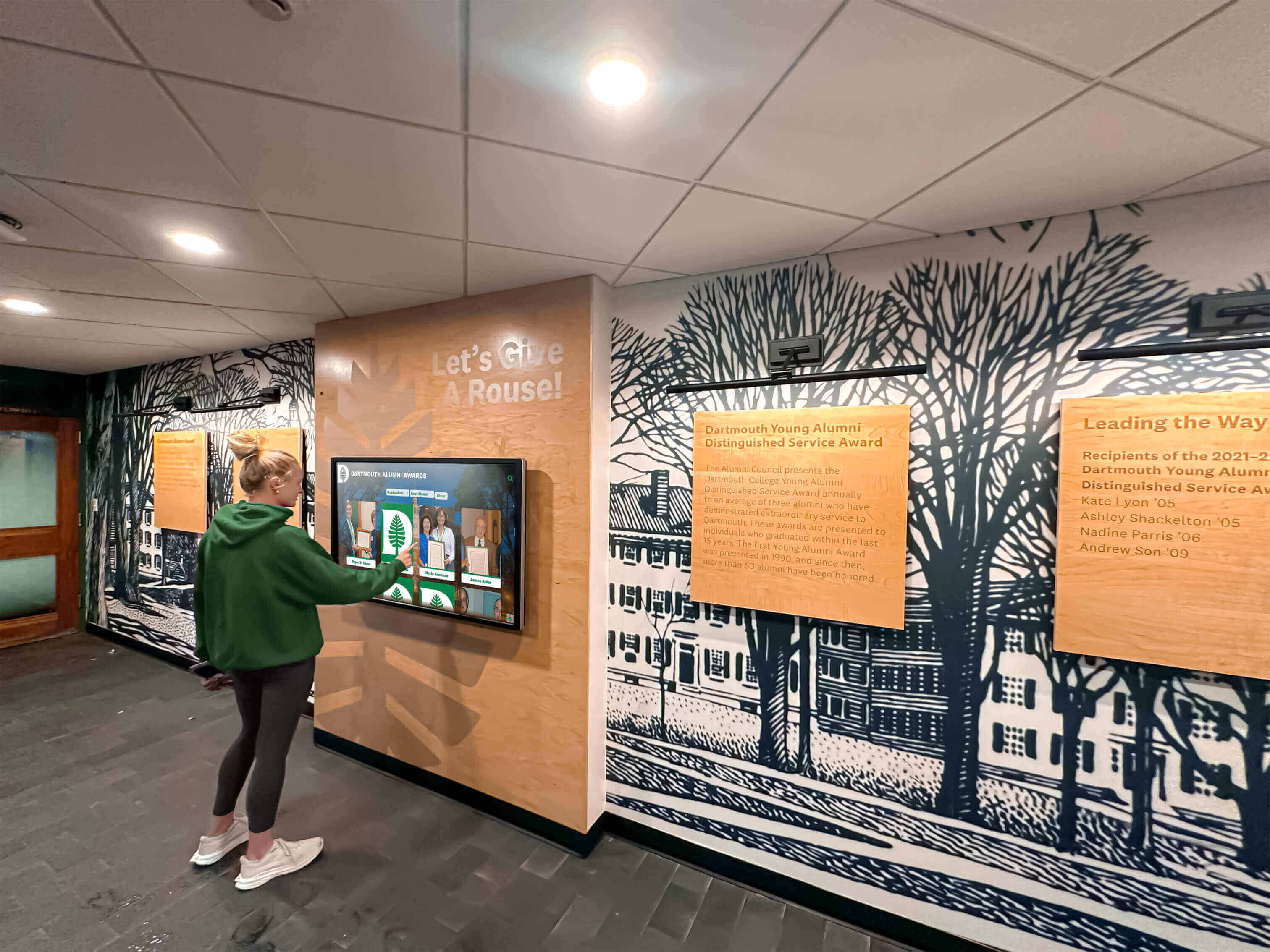
Successful implementations blend digital technology with traditional design elements, honoring institutional heritage while embracing modern capabilities
Future Trends in Virtual Hall of Fame Technology
Understanding emerging capabilities helps organizations make forward-looking platform selections and plan future enhancements that will keep recognition programs current.
Artificial Intelligence and Machine Learning
AI capabilities increasingly enhance virtual hall of fame platforms through automation and improved discovery.
Automated Content Processing
AI-powered features include:
- Facial recognition identifying individuals across thousands of photos, reducing manual tagging effort
- Natural language processing enabling conversational search (“show me all basketball championships in the 1990s”)
- Automated content recommendations surfacing related materials visitors might find interesting
- Smart metadata generation suggesting tags and classifications based on image and text analysis
- OCR accuracy improvements enabling searchability of historical handwritten documents
These capabilities transform labor-intensive manual tasks into automated processes while improving discovery and engagement through intelligent content relationships.
Enhanced Personalization and Discovery
Advanced platforms increasingly personalize experiences based on user characteristics and behavior.
Adaptive User Experiences
Personalization features include:
- Individual user profiles remembering preferences and previous exploration
- Personalized content recommendations based on graduation year, activities, or viewing history
- Social connection suggestions helping alumni find and reconnect with classmates
- Customized navigation prioritizing content categories matching user interests
- Predictive engagement modeling informing content development priorities
Personalization transforms generic archives into individualized discovery experiences more likely to sustain ongoing engagement beyond initial curiosity.
Augmented and Virtual Reality Applications
Immersive technologies create new heritage experience possibilities that will become increasingly accessible.
AR and VR Recognition Experiences
Emerging applications include:
- AR mobile apps overlaying historical photos onto current campus locations during tours
- VR recreations of historical spaces or facilities no longer existing
- 360-degree video enabling virtual visits to heritage locations
- Interactive historical timeline experiences where visitors “step into” different eras
- Mixed reality exhibits combining physical artifacts with digital contextual information
While currently limited to well-funded institutions and experimental projects, these technologies will become increasingly accessible as costs decrease and development tools simplify. Understanding emerging digital recognition trends helps organizations anticipate future platform evolution.
Integration and Ecosystem Development
Isolated platforms give way to integrated ecosystems connecting recognition with broader institutional systems.
Cross-System Integration
Future platforms will provide:
- Student information system integration automatically populating profiles
- Athletic statistics platform connections incorporating performance data
- Alumni management system integration unifying heritage and advancement functions
- Social media integration enabling automatic content distribution
- CRM connections supporting donor recognition and fundraising workflows
Integrated platforms deliver more value with less administrative effort than isolated systems requiring manual data transfer between applications, enabling recognition to serve multiple institutional priorities simultaneously rather than functioning as isolated programs.
Conclusion: Creating Recognition Experiences That Inspire and Endure
The best virtual hall of fame platforms don’t simply digitize traditional plaques—they transform institutional recognition from space-constrained documentation into unlimited, accessible, engaging experiences that honor past achievement while inspiring future excellence and strengthening organizational culture across generations.
Virtual halls of fame eliminate physical space constraints that force painful decisions about whose achievements remain visible, enable instant updates maintaining current and accurate recognition, create interactive experiences that engage audiences far more effectively than static displays, incorporate rich multimedia storytelling impossible with traditional plaques, extend accessibility to worldwide audiences rather than limiting visibility to physical locations, and provide analytics demonstrating recognition program value and informing continuous improvement.
Get Your Custom Touchscreen Mock-Up
Discover how purpose-built virtual hall of fame platforms can transform recognition for your school, university, athletic program, or organization. Rocket Alumni Solutions creates interactive displays and cloud-based systems that celebrate achievement while engaging modern audiences through thoughtful design and proven technology.
Schedule Your Design ConsultationThe most successful virtual hall of fame implementations start with clear recognition goals understanding what achievements deserve celebration and what stories matter most to communities. They select purpose-built platforms designed specifically for recognition rather than generic digital signage or custom development exceeding organizational capabilities. They develop thoughtful content strategies honoring individuals through comprehensive profiles rather than minimal name listings. And they position displays strategically in locations where target audiences naturally encounter recognition throughout daily activities and special events.
Whether implementing athletic recognition that inspires current competitors with program heritage, academic displays celebrating intellectual achievement across all performance levels, alumni halls of fame demonstrating institutional impact through graduate success, donor recognition acknowledging philanthropic support that enables organizational mission, or comprehensive systems honoring achievement across all dimensions, virtual hall of fame platforms provide proven solutions that strengthen organizational culture while giving every deserving individual the permanent recognition their accomplishments merit.
Organizations investing in well-designed virtual halls of fame demonstrate commitment to celebrating all deserving individuals rather than limiting acknowledgment to those who fit within arbitrary physical space constraints. This comprehensive approach communicates institutional values while building cultures where excellence across all dimensions receives systematic celebration creating motivation, pride, and lasting connection between individuals and the organizations that shaped their development and success.
Ready to explore virtual hall of fame solutions for your institution? Learn more about interactive touchscreen software design, discover digital trophy wall strategies, explore comprehensive hall of fame creation approaches, understand athletic recognition best practices, and review digital recognition buyer guidance that will help you select platforms delivering lasting value for your organization’s unique recognition needs and priorities.































