



Volleyball matches are won and lost at the net. While defensive consistency and smart setting create scoring opportunities, it’s the hitter’s ability to execute proper volleyball spike technique that ultimately determines offensive efficiency and match outcomes. Teams with attackers who consistently generate powerful, well-placed spikes force opponents into defensive desperation, create scoring runs, and control match momentum in ways that no other skill can replicate.
Yet despite spiking’s central role in competitive success, many developing hitters struggle with fundamental technique errors that limit power generation, reduce accuracy, and increase hitting errors. Poor approach timing, incorrect arm swing mechanics, inconsistent contact points, and weak core engagement transform potential kills into easily defended attacks or unforced errors that surrender momentum to opponents.
Elite volleyball programs approach spike development systematically, breaking down the complete attacking motion into teachable components that progress from basic footwork patterns through advanced tactical shot selection. This comprehensive guide provides a step-by-step breakdown of proper volleyball spike technique, covering approach fundamentals, arm swing mechanics, contact point optimization, finishing techniques, and common technical errors with proven correction strategies that transform developing attackers into dominant offensive weapons.

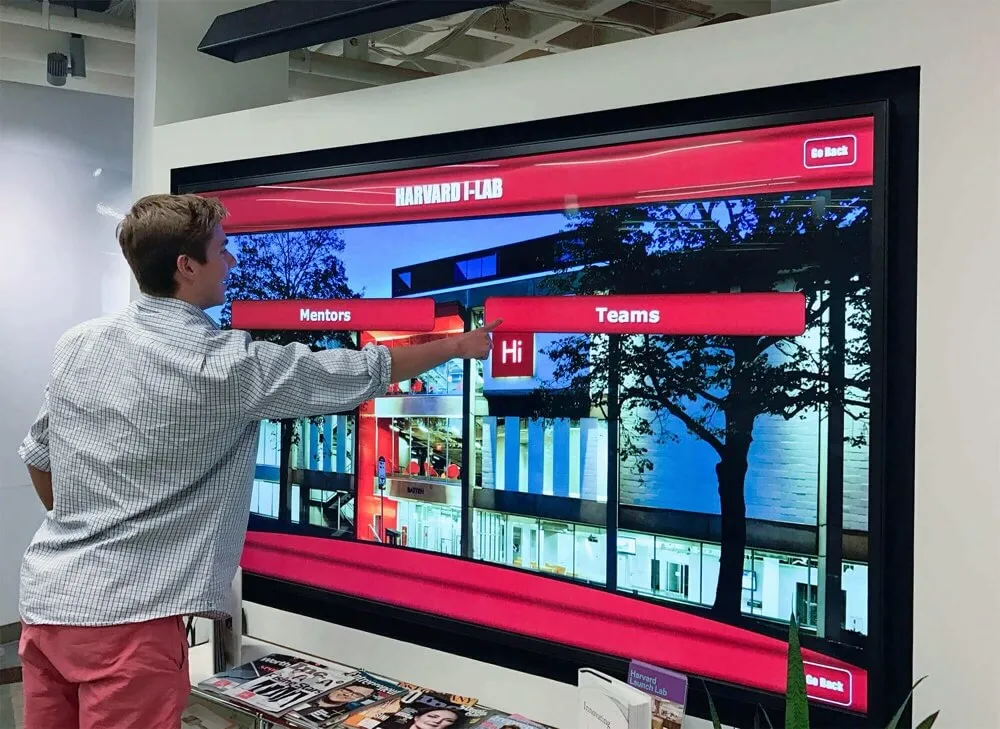
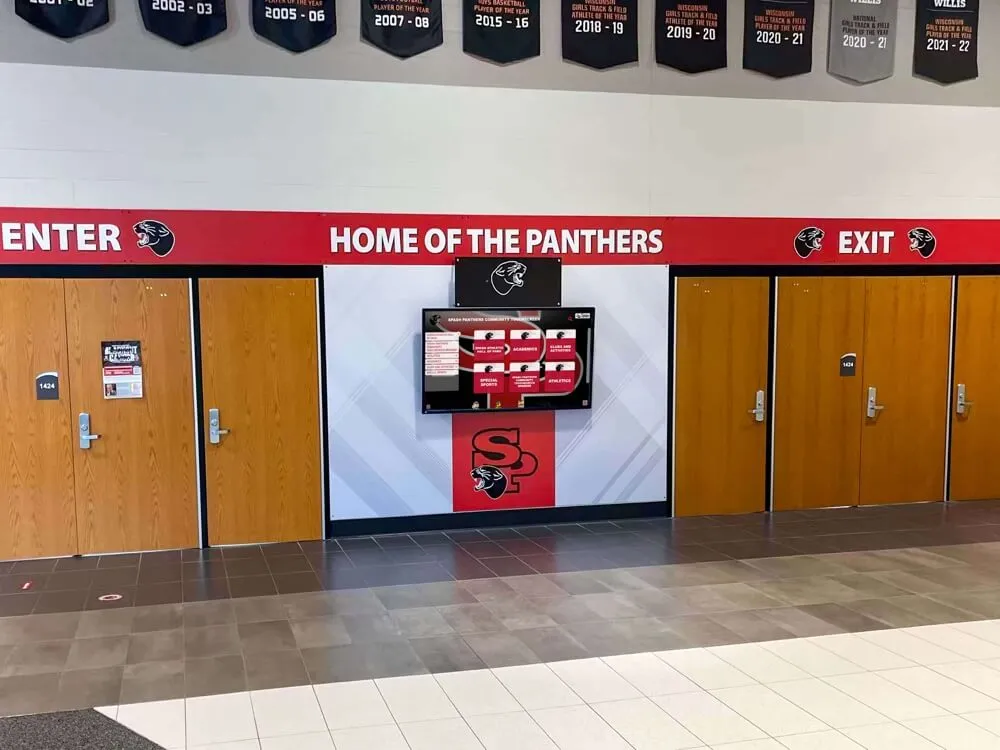
Championship volleyball programs celebrate offensive excellence through recognition systems showcasing attack leaders, kill totals, and hitting efficiency records
Understanding the Complete Spiking Motion: Breaking Down the Attack Sequence
Before mastering individual components, hitters must understand how the complete spiking motion integrates multiple technical elements into one fluid attacking sequence. Effective spike technique combines approach timing, explosive jumping mechanics, coordinated arm swing, precise ball contact, and controlled landing in a sequence lasting approximately two seconds from first step to court landing.
The Four Phases of Elite Spike Technique
Championship-level attacking breaks down into four distinct phases, each requiring specific technical execution and proper timing relative to the setter’s delivery.
Phase 1: The Approach (Generating Momentum and Positioning)
The approach establishes the foundation for everything that follows. Proper approach footwork accomplishes three critical objectives: building horizontal momentum that converts into vertical jump height, positioning the body optimally relative to the set, and timing the jump to meet the ball at ideal contact height.
For right-handed hitters using the standard four-step approach, the sequence follows a specific rhythm: a slow first step with the left foot, a longer second step with the right foot building momentum, a quick third step with the left foot beginning the brake and conversion from horizontal to vertical momentum, and a final explosive step where the right foot closes to the left foot preparing for the two-foot jump.
The approach should create a J-shaped or curved path rather than a straight line toward the net. This curved approach accomplishes several technical advantages including opening the hitter’s shoulders to the court for better shot angle availability, creating separation from the middle blocker, allowing the hitter to see both the set and the defensive formation, and enabling more powerful shoulder rotation during the arm swing.
Left-handed hitters reverse this footwork pattern but maintain the same rhythm and technical principles. The timing relationship between approach and set remains consistent: elite hitters begin their approach as the ball leaves the setter’s hands, adjusting speed and step length based on set quality rather than using fixed approach timing regardless of the set.
Phase 2: The Jump and Arm Preparation (Creating Attack Platform)
The transition from approach to jump represents the critical moment separating powerful attacks from weak swings. As the final approach step plants, several simultaneous technical actions occur: both arms swing backward then explosively upward providing lift, the hips load by sitting back slightly then explode upward and forward, the core engages creating body tension that enables power transfer, and the legs drive powerfully off both feet converting horizontal momentum into maximum vertical height.
During the upward flight, the hitting arm prepares for the swing through a specific sequence. As the body rises, both arms reach upward together initially, then the non-hitting arm remains up pointing toward the ball while the hitting arm draws back with the elbow high (above shoulder level) and the hand positioned near the ear creating a bow-and-arrow position.
This arm positioning is critical. Hitters who drop the elbow below shoulder level or fail to achieve full extension during the preparation phase dramatically reduce power generation and create predictable, easily blocked swing paths.
Phase 3: The Arm Swing and Ball Contact (Power Generation and Direction)
The arm swing converts the body’s upward momentum and rotational power into ball velocity and direction. Elite arm swing technique follows specific mechanical principles that maximize power while maintaining control.
The swing initiates with hip and shoulder rotation, not with the arm. As the hitter reaches peak height, the hips begin rotating toward the target followed immediately by the shoulders. This rotational sequence creates a kinetic chain where power transfers from the lower body through the core and into the arm. The elbow leads the swing motion, staying high and moving forward before the hand accelerates. The hand snaps forward making contact above and slightly in front of the hitting shoulder, and the wrist flexes at contact, creating topspin that drives the ball downward into the opponent’s court.
Contact point location determines both shot power and placement options. Contacting the ball too far behind the body reduces power and limits cross-court angles. Contact too far forward creates down balls with limited power. Optimal contact occurs at or slightly in front of the hitting shoulder with the arm fully extended, enabling maximum power transfer and complete shot selection.
The hand contact should strike the upper-back portion of the ball when generating topspin for power attacks. Hitting different ball locations enables shot variety: contacting the right side of the ball (for right-handed hitters) creates cut shots angling cross-court, contacting the left side creates line shots, and contacting lower on the ball creates off-speed shots that arc over or around the block.
Phase 4: The Follow-Through and Landing (Finishing and Safety)
The swing continues after ball contact, with the hitting arm following through across the body rather than stopping immediately. This complete follow-through ensures maximum power transfer and reduces shoulder strain from abrupt deceleration. The landing completes the attacking sequence and requires specific attention to both performance and safety considerations.
Proper landing technique involves landing on both feet simultaneously or with the hitting-side foot slightly ahead, bending the knees to absorb landing impact and reduce joint stress, maintaining balance without stumbling backward into the net or sideways into teammates, and staying alert for immediate defensive transition if the ball returns.
Hitters who land on one foot, lock their knees, or fall backward after attacks increase injury risk while also compromising transition speed into defensive positioning. Programs that emphasize complete athletic development understand that proper finishing technique contributes to both immediate performance and long-term player health.

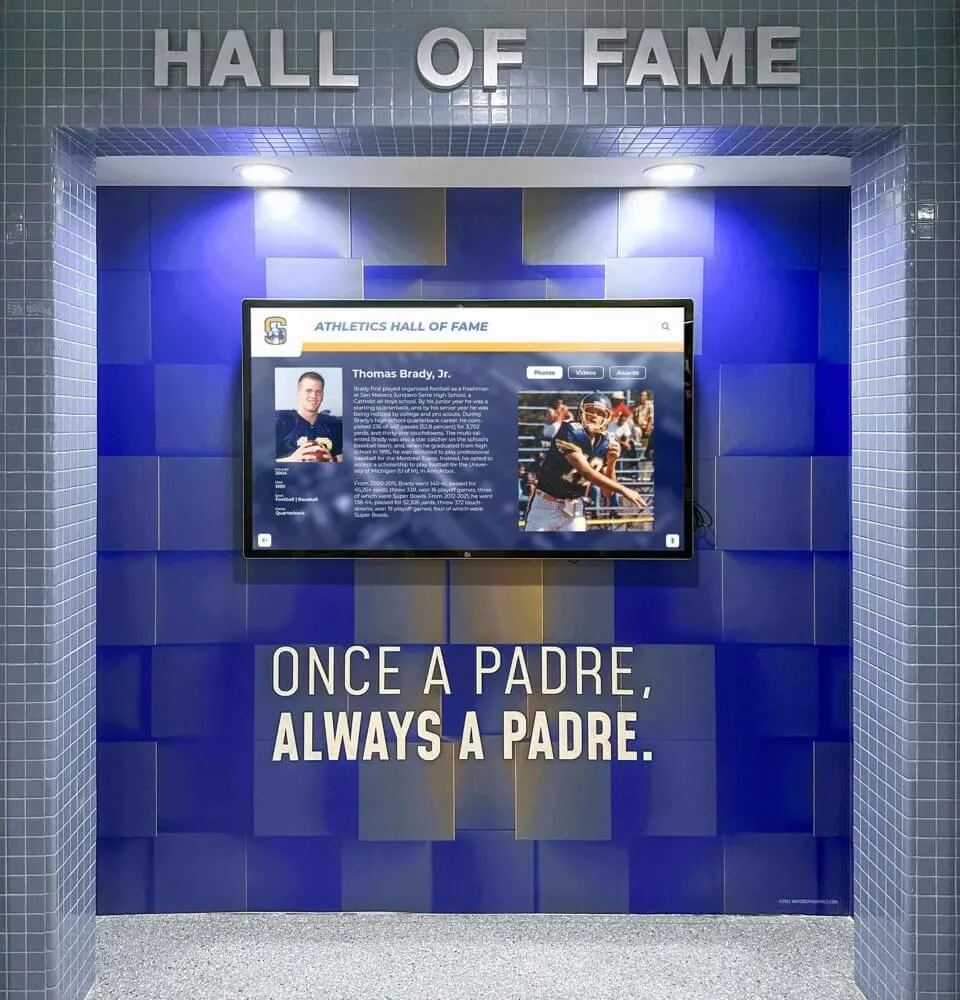
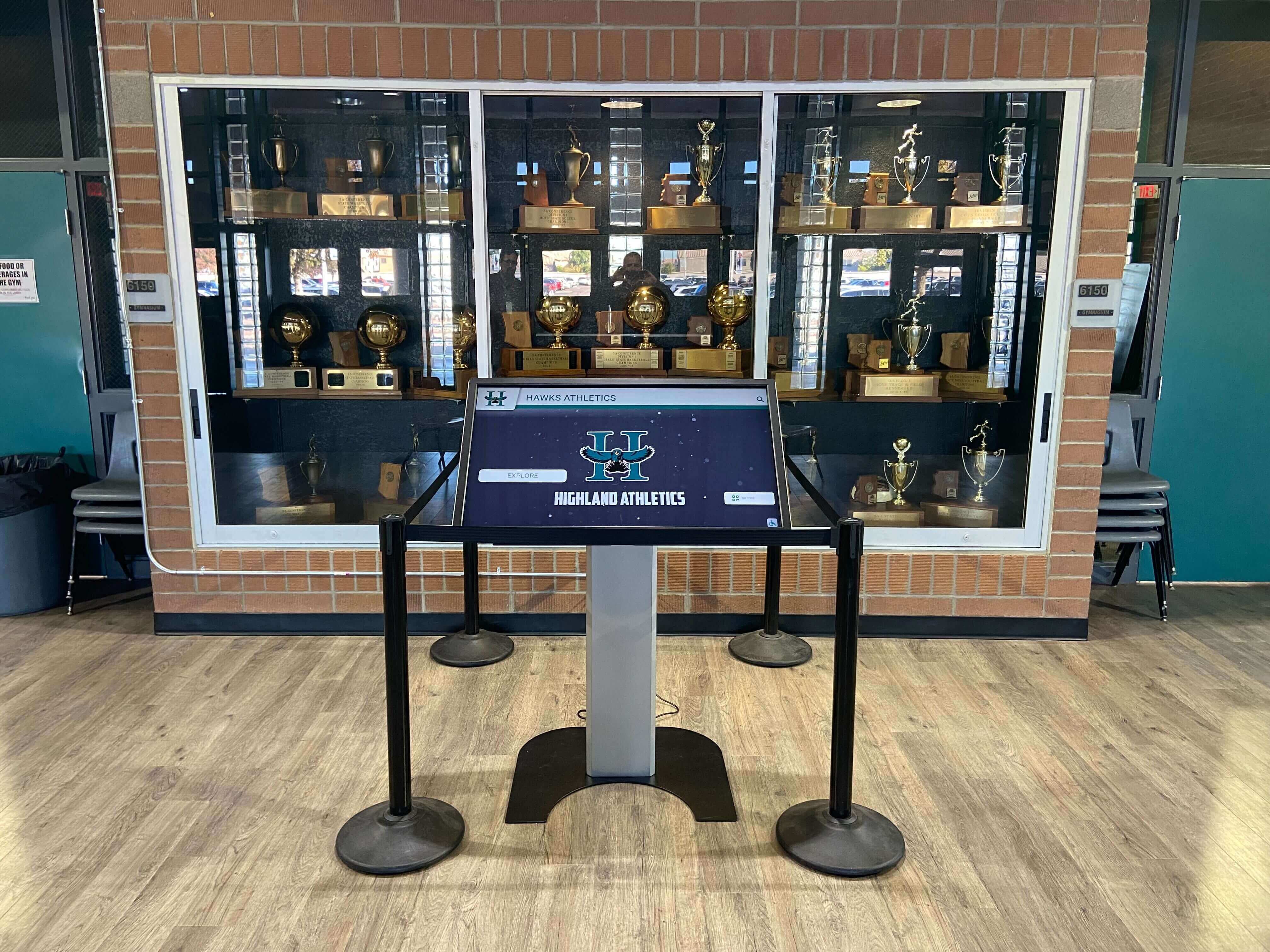
Comprehensive athletic displays document attacking statistics including career kills, single-match records, and hitting efficiency percentages celebrating offensive excellence
Step-by-Step Breakdown: Mastering the Four-Step Approach
The approach represents the foundation enabling all subsequent attacking technique. Mastering approach footwork, timing, and positioning creates the platform from which powerful, accurate spikes become possible.
The Geometry of Effective Approach Angles
Approach angle dramatically impacts hitting effectiveness, yet many developing players approach straight toward the net rather than using optimal angles that maximize attacking options.
Outside Hitter Approach Angles
Outside hitters (left-side attackers for right-handed players) should begin their approach 10-15 feet off the net and 8-12 feet inside the left sideline. The approach path creates a shallow J-curve, starting perpendicular to the net then curving toward a contact point approximately 3-4 feet inside the left antenna.
This curved approach opens the hitter’s body to the entire court, enabling shots down the line, sharp cross-court angles, and cut shots into the middle. Hitters who approach parallel to the sideline close their body to the court, eliminating angle options and becoming predictable targets for smart blockers.
Middle Hitter Approach Angles
Middle attackers face unique approach challenges because sets arrive quickly with minimal reaction time. Effective middle approaches typically use a three-step pattern rather than four steps, prioritizing explosive quickness over approach length.
The approach begins just behind the attack line (10-foot line) and drives forward toward the net on a path angled slightly toward the setter’s platform position. This angle enables the middle to attack both in front of the setter and behind the setter on slide routes, creating offensive versatility that stresses opposing middle blockers.
Right-Side Hitter Approach Angles
Right-side attackers (opposite hitters) often receive sets traveling away from the setter, requiring adjustments in approach timing and angle. Effective right-side approaches begin 10-15 feet off the net and 10-15 feet inside the right sideline, following a path that mirrors the outside hitter’s J-curve but in reverse.
Right-handed hitters playing right side must master approaching and hitting with the set traveling away from them—a more challenging coordination task than hitting balls set in the same direction as the approach. This complexity makes approach angle and timing even more critical for right-side success.
Approach Timing Relative to Set Quality
The most common approach error among developing hitters involves using identical approach timing regardless of set quality, resulting in early or late jumps that compromise contact height and power.
Timing for Perfect Sets
When sets reach the intended target height and location, hitters should initiate the approach as the ball leaves the setter’s hands. This timing allows the four-step sequence to complete as the ball peaks, enabling contact at optimal height during the hitter’s hang time at peak jump height.
Adjustments for Off-Target Sets
Sets deviating from the intended location require immediate approach adjustments. Sets traveling too far off the net require slower approaches with delayed jumps, maintaining contact point relationship to the shoulder. Sets too tight to the net need faster approaches reaching the ball before it drops into the net’s plane. Low sets require abbreviated approaches with quick two or three-step patterns, prioritizing speed over momentum generation. Sets traveling behind the hitter’s intended position require deeper starting positions or circular approaches coming around the ball.
Elite hitters develop the reading and adjustment capability to modify approach timing and path within the first step, turning imperfect sets into scoring opportunities while less experienced attackers watch poor sets fall without proper adjustment. Programs focused on developing complete offensive players often celebrate this adaptability through recognition systems showcasing both statistical production and technique mastery.
Footwork Drills for Approach Mastery
Consistent approach footwork develops through specific progressive drills emphasizing rhythm, timing, and body control.
Drill 1: Stationary Approach Pattern
Without a ball or jump, practice the four-step footwork pattern focusing on rhythm and positioning. Execute 20-30 repetitions emphasizing: proper step sequence (left-right-left-right for right-handed hitters), gradual acceleration from slow first step through explosive final steps, arms swinging naturally with approach rhythm, and final two feet landing together in parallel position ready for jump.
This drill isolates footwork from all other variables, enabling complete focus on step sequence and rhythm until the pattern becomes automatic.
Drill 2: Approach with Timed Jump
Add the jumping motion to the approach footwork. On coach’s command or self-initiated, execute full four-step approach culminating in maximum vertical jump. Focus on the transition from the last step to the jump, ensuring both feet plant together and arms drive upward providing lift. Execute 15-20 repetitions until approach flows smoothly into explosive jump without stuttering or adjustment steps between the approach and jump initiation.
Drill 3: Approach to Tossed Ball
Introduce ball contact by having a coach or teammate toss balls to the antenna height. Execute full approach, jump, and contact the ball at peak height. Focus on timing the approach to meet the ball at optimal contact point rather than jumping early and waiting or jumping late and reaching. Execute 30-40 repetitions with varying toss heights and locations, developing the adjustment capability essential for game situations.
Arm Swing Mechanics: Generating Power and Controlling Direction
While approach and jump create the attack platform, the arm swing determines shot power, placement, and effectiveness against blocking. Proper arm swing mechanics involve specific sequencing, positioning, and movement patterns that many developing hitters execute incorrectly.
The High-Elbow Position: Creating Power and Avoiding Injuries
The preparatory position of the hitting arm during the upward flight determines both power potential and shoulder health. Elite hitters maintain a high elbow position (elbow at or above shoulder level) as the hitting arm draws back, creating the bow-and-arrow position that enables powerful, shoulder-safe swings.
Why High Elbow Matters for Power Generation
The high elbow position creates several mechanical advantages. It maximizes shoulder rotation range of motion, enabling greater rotational power transfer. A high elbow creates proper kinetic chain sequencing where the elbow leads the hand during the swing. It positions the hand to contact the ball at maximum height with full arm extension. The bow-and-arrow position loads the shoulder muscles optimally for explosive contraction during the forward swing.
Hitters who drop the elbow below shoulder level during the preparation phase reduce power dramatically while also increasing shoulder impingement risk. This common technical flaw typically results from insufficient core strength to maintain body tension during the jump or from poor motor pattern development during initial spike training.
Correction Strategies for Low Elbow Position
Coaches observing hitters with low elbows should implement specific correction approaches. Use standing ground attacks where hitters stand on boxes hitting balls at net height, isolating arm swing from jumping variables and enabling focused elbow position feedback. Implement exaggerated preparation drills where hitters freeze in the bow-and-arrow position with the elbow high and hand near the ear, holding this position for 3-5 seconds to develop body awareness. Execute arm swing shadow drills without balls where hitters practice the complete arm motion emphasizing high elbow preparation, elbow-leads-hand sequencing, and full extension at imaginary contact point. Video analysis showing hitters their own swings compared to elite attackers often creates the awareness needed for self-correction.
Rotational Power: Using the Entire Body for Maximum Velocity
The most common power generation error involves swinging with arm strength alone rather than utilizing full-body rotation. Elite spikes generate ball velocities approaching 80 MPH not through arm strength but through coordinated kinetic chain sequencing transferring power from legs through core and into the arm.
The Kinetic Chain Sequence for Maximum Power
Effective power generation follows a specific sequence initiating from the ground up. As the hitter reaches peak jump height, the sequence begins with hip rotation starting toward the target, followed immediately by shoulder rotation lagging slightly behind hip rotation, then elbow drives forward staying high with the hand trailing, and finally hand accelerates through contact with wrist snap creating topspin.
This sequential activation creates a whip-like effect where each body segment accelerates the next segment, culminating in maximum hand speed at ball contact. Hitters who initiate the swing with arm motion alone eliminate the lower body and core power contribution, dramatically reducing shot velocity while increasing shoulder strain.
Developing Rotational Power Through Specific Drills
Building rotational awareness and power requires drills emphasizing full-body coordination. Seated hitting drills where hitters sit on the court and attack balls tossed to their hitting zone force exclusive reliance on core rotation since legs cannot contribute, developing awareness of trunk power. Medicine ball explosive rotation throws where players explosively rotate and throw medicine balls using the same movement pattern as the hitting motion build rotational power and reinforce proper sequencing. Partner resistance drills where teammates provide light resistance against the hitter’s shoulder rotation during the swing motion strengthen core muscles while reinforcing the rotation-initiates-swing pattern.
Athletes who develop complete attacking skills often receive recognition not just for statistical production but for technical excellence. Programs implementing comprehensive student achievement recognition celebrate both performance outcomes and the skill mastery that produces those outcomes.
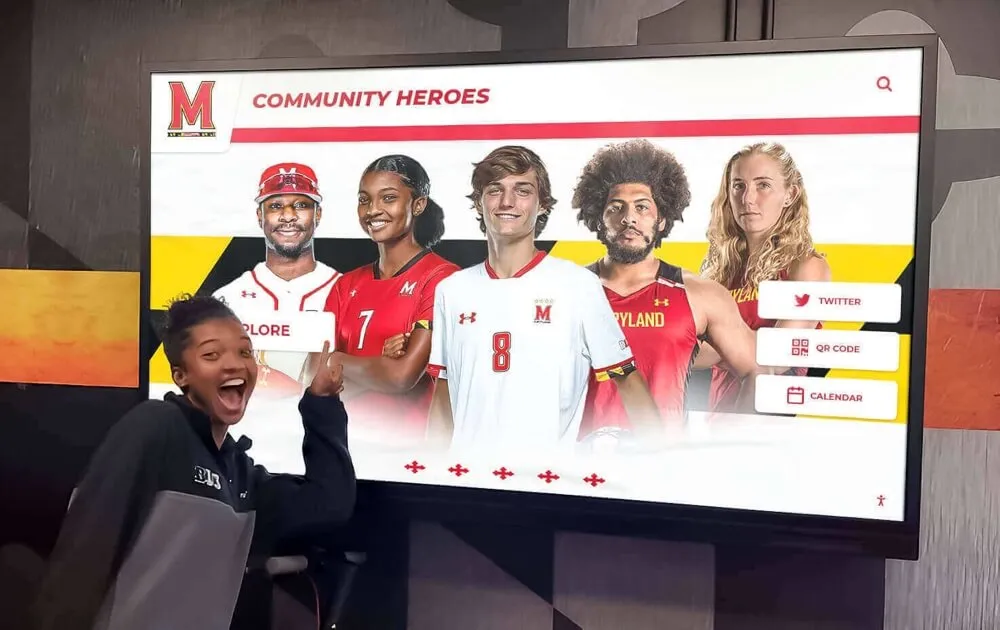
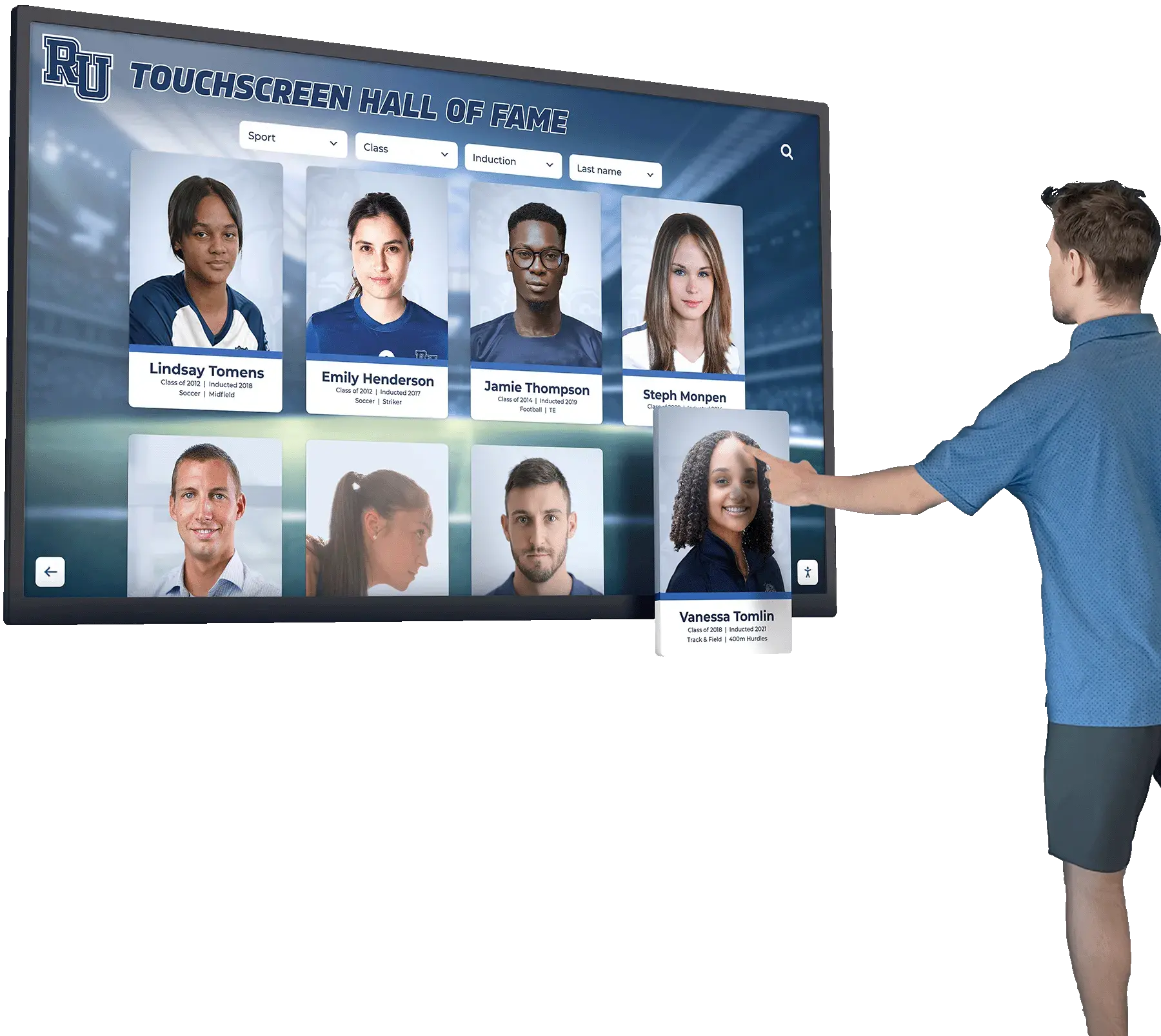
Digital recognition displays enable programs to showcase attacking statistics, technique milestones, and offensive achievements with engaging multimedia presentations
Contact Point Optimization: Where and How to Strike the Ball
Contact point location and hand position at the moment of ball impact determine shot direction, velocity, and effectiveness. Mastering contact point optimization enables hitters to execute the complete offensive arsenal from power kills to strategic placement shots.
The Optimal Contact Zone for Maximum Power
For generating maximum power on standard attacks, optimal contact occurs at a specific location relative to the hitter’s body position in space.
Vertical Contact Point
Contact should occur at or very slightly past the peak of the jump when the hitter has achieved maximum height but maintains upward momentum and body control. Contacting too early on the upward flight reduces power since the body hasn’t reached maximum velocity. Contacting during the downward descent after peak height sacrifices contact height and limits shot angles.
The arm should be fully extended at contact, meaning the ball meets the hand when the arm reaches maximum length from the shoulder. Bent-arm contact indicates the ball location doesn’t match the jump timing or approach positioning, forcing the hitter to reach early or late rather than meeting the ball at the optimal point.
Horizontal Contact Point Relative to Body
The ideal horizontal contact point occurs at or slightly in front of the hitting shoulder, not directly above the head or behind the shoulder line. This forward contact position enables several technical advantages including full power transfer through complete shoulder rotation, maximum hand snap and wrist flex generating topspin, unrestricted arm swing without hitting the head or non-hitting shoulder, and complete court vision enabling shot placement decisions through contact.
Hitters contacting the ball too far behind their shoulder (reaching backward) reduce power dramatically and limit themselves to hitting straight ahead with no angle options. Contact too far forward in front of the body creates weak down balls that arc into the net or land short in the opponent’s court.
Wrist Snap and Topspin Generation
The hand action at contact determines whether the ball rockets downward into the opponent’s court or floats in an arc that allows defensive recovery time.
Mechanics of Effective Wrist Snap
Elite hitters generate severe topspin through rapid wrist flexion at the moment of contact. As the hand approaches the ball, the wrist extends backward slightly (cocked position), then flexes forward rapidly at contact, striking the upper-back portion of the ball and continuing downward through the contact. This wrist action imparts forward spin that creates the Magnus effect, where spinning balls experience downward force causing rapid descent.
The difference in trajectory between balls hit with topspin versus balls hit flat (no spin) is dramatic. A spike traveling 70 MPH with strong topspin peaks approximately 2-3 feet above the net then drops sharply into the court within 15-20 feet of landing. The same shot with no topspin travels in a flatter arc that either clears the back line or must be hit downward from well above the net to land in bounds.
Training Wrist Snap Through Progressive Drills
Developing powerful wrist snap requires specific motor pattern training. One-arm pepper drills where players pass balls to themselves using only the hitting hand, emphasizing wrist snap on each contact builds wrist strength and snap reflex. Standing attacks against a wall where hitters stand close to a wall and attack balls downward, listening for the sharp sound indicating solid wrist snap and topspin provides immediate auditory feedback. Resistance band wrist flexion exercises strengthen the forearm and wrist muscles responsible for the snapping action.
Shot Placement Through Contact Point Manipulation
While power attacks aim for maximum velocity and sharp angles, effective offensive players master shot variety by manipulating contact points and hand positions to create placement shots that exploit defensive positioning.
Cut Shots (Sharp Cross-Court Angles)
To execute cut shots angling sharply cross-court, hitters adjust contact point and hand angle. Contact slightly on the right side of the ball (for right-handed hitters) rather than straight on, angle the hand across the ball rolling fingers from outside to inside during contact, follow through across the body emphasizing the cutting angle, and maintain full arm extension and wrist snap despite the altered hand angle.
Cut shots effectively attack the seam between blockers or angle around the block into undefended court areas, making them essential weapons against strong blocking teams.
Line Shots (Attacking Down the Sideline)
Line shots require different contact adjustments to direct the ball down the sideline rather than cross-court. Contact the ball more toward the inside (left side for right-handed hitters) guiding it toward the line. Keep the hitting shoulder oriented toward the target line rather than rotating fully toward the cross-court angle. Use a straighter arm swing path rather than the sweeping cross-body follow-through of power attacks. Maintain high elbow position and full extension to prevent the ball from hooking wide of the sideline.
Line shots attack the most direct path to the opponent’s back corner, exploiting blockers who cheat toward cross-court positioning or defensive players who overreact to cross-court tendencies.
Off-Speed Shots and Roll Shots
Changing attack velocity creates timing problems for blockers and defenders conditioned to react to maximum-power swings. Off-speed execution requires contact point adjustments including contacting the ball lower (more toward the equator or bottom) to create upward arc over the block, reducing wrist snap and arm swing velocity intentionally, following through with abbreviated motion rather than full extension across the body, and using the same approach and jump timing as power attacks to disguise the off-speed intention until contact.
Elite programs developing complete offensive systems often showcase the statistical impact of shot variety through recognition displays tracking not just kills but also aces, assists, and strategic contributions that demonstrate complete player development.
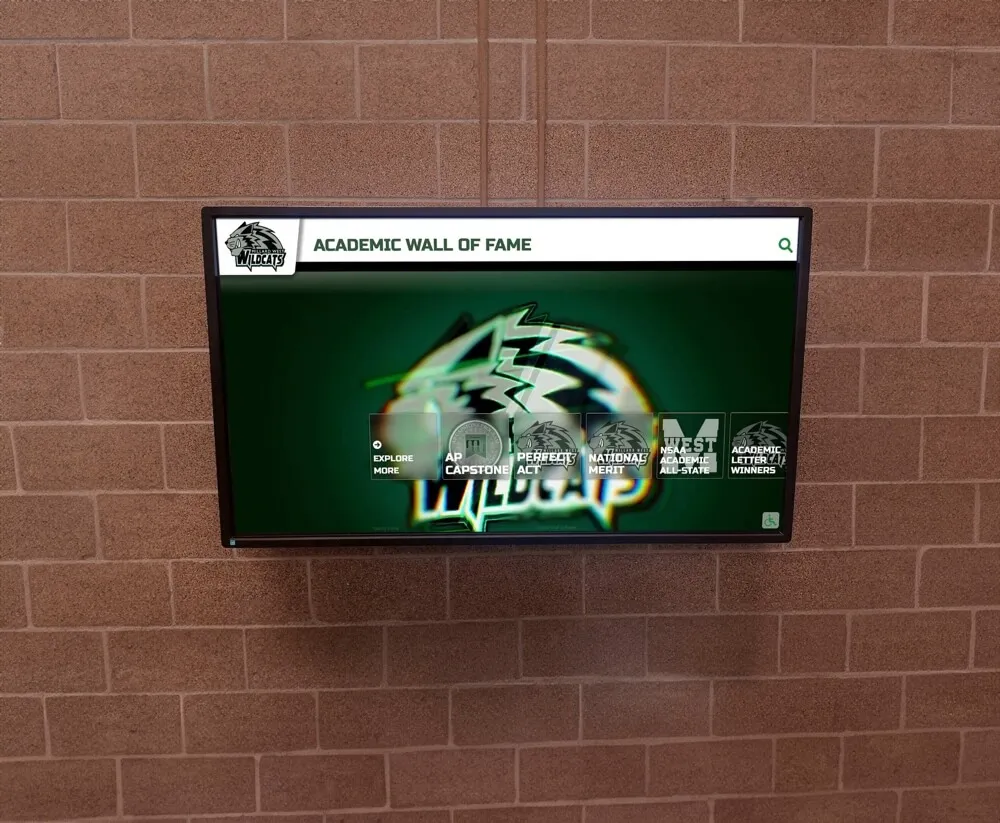
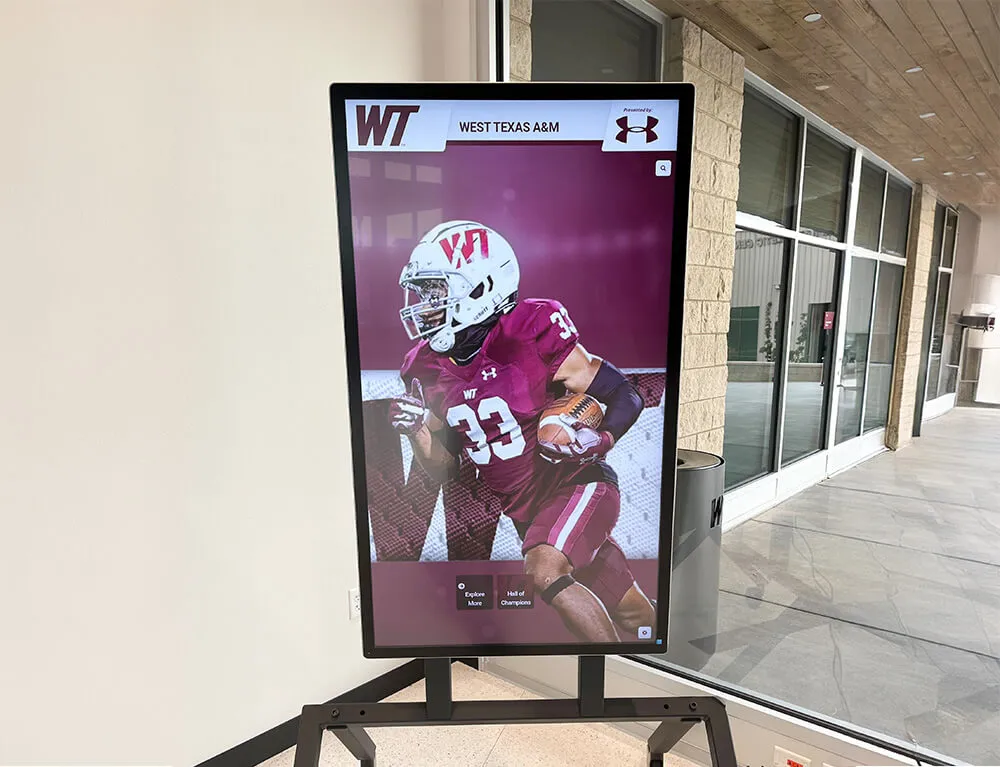
Interactive touchscreen displays enable programs to present detailed attacking statistics including hitting percentage, kills per set, and career totals with engaging athlete profiles
Common Spike Technique Errors and Correction Strategies
Even experienced hitters develop technical flaws that limit effectiveness. Identifying and correcting these common errors elevates offensive performance significantly.
Error 1: Approaching Too Close to the Net
Many hitters habitually approach too close to the net, leaving no margin for error and limiting power generation options.
Why This Error Occurs
New hitters often fear being too far from the net and missing attacks long, leading to gradually closer approaches over time. Sets drifting off the net train hitters to move closer rather than adjusting approach angles. Lack of vertical jump height creates compensation by moving closer to reduce ball travel distance. Insufficient arm extension and reach cause hitters to close distance rather than developing proper technique.
Performance Impact
Approaching too close creates multiple problems. Increased net violation risk during landing, limited shoulder rotation range due to net proximity, reduced power generation from abbreviated arm swing, elimination of sharp angle shots that require space between hitter and net, and greater vulnerability to blockers who can penetrate over the net.
Correction Strategy
Address this error through specific interventions. Use tape marks or cones indicating proper contact point distance from net (3-5 feet depending on player height and jumping ability). Execute shadow approaches without balls, freezing at the jump point to evaluate net distance. Review video showing net violations or cramped swings resulting from excessive closeness. Practice attacking balls set intentionally off the net, developing comfort with longer reaches and full arm extension.
Error 2: Contacting the Ball Behind the Body
Reaching backward to contact balls positioned behind the shoulder represents another common technical flaw severely limiting power and placement options.
Root Causes
This error typically results from approach timing problems where hitters jump too early relative to the set, poor court awareness causing approach angles that don’t match set location, insufficient arm reach and extension forcing adjustments to contact balls within reduced reach radius, or inadequate core strength to maintain body position in the air enabling ball-to-body positioning drift.
Correction Approaches
Fixing backward contact requires addressing both timing and positioning. Delay approach initiation by one count, practicing starting the approach slightly later relative to the set. Adjust approach angles to intersect the ball’s flight path rather than approaching perpendicular to net regardless of set location. Strengthen core through planks, medicine ball rotations, and stability exercises enabling better body control in the air. Execute toss-to-self attacks where players throw balls to themselves then approach and attack, developing improved ball-body relationship awareness.
Error 3: Insufficient Wrist Snap and Topspin
Hitting with a flat hand and minimal wrist flexion creates floating shots that give defenders easy reaction time and often result in balls traveling out of bounds.
Identifying the Problem
Coaches can recognize insufficient wrist snap through visual cues including arm swing that stops abruptly at contact rather than following through, balls traveling in flat arcs without visible rotation, and attacks that frequently land out of bounds when hit with power or drop short when hit with reduced power to keep balls in play.
Developing Wrist Snap Through Targeted Training
Building wrist snap capability requires progressive strengthening and motor pattern development. Seated wrist snap drills where players sit on the floor and attack balls using only wrist motion without arm swing isolate and develop wrist strength. Standing close-range wall attacks where hitters stand 5-10 feet from walls and attack balls sharply downward, generating maximum topspin build snap reflex. Resistance band strengthening targeting wrist flexors develops the muscular capacity for powerful snap. Video feedback showing the hitter’s hand action at contact compared to elite attackers creates awareness enabling self-correction.
Error 4: One-Footed Landing Creating Injury Risk
Landing on one foot after attacks increases ankle and knee injury risk while also compromising transition speed into defensive positioning.
Why Single-Foot Landing Occurs
Single-foot landing typically develops from approach timing errors creating off-balance jump positions, asymmetric jump technique using one leg more than the other, mid-air body rotation during the swing that changes landing orientation, or simple bad habits developed without coaching correction over time.
Implementing Safer Landing Technique
Correcting landing habits requires deliberate attention and practice. Video analysis showing the hitter their landing pattern creates awareness of the problem. Execute approach and jump drills without balls, focusing exclusively on landing technique and achieving simultaneous two-foot contact. Practice attacks from boxes or platforms where the takeoff is stable and controlled, isolating landing from approach variables. Incorporate agility and balance training improving overall body control and coordination.
Programs committed to long-term athlete development recognize that technical excellence protects player health while enhancing performance. Schools implementing comprehensive volleyball recruitment pathways understand that proper technique development in high school creates the foundation for continued success at the collegiate level.
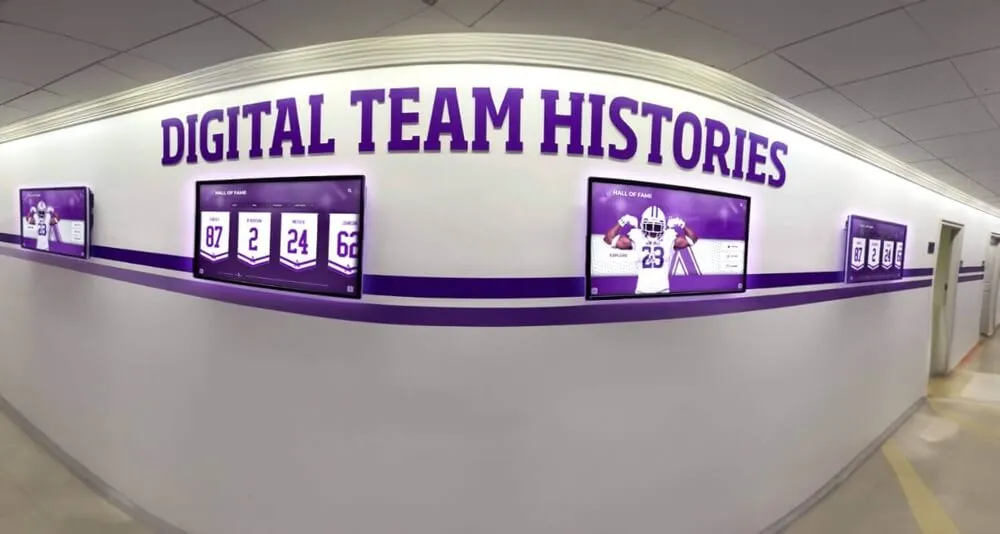
Multi-display installations enable programs to present comprehensive team histories including season-by-season statistics, championship achievements, and individual record progressions
Advanced Spike Techniques: Elevating Attacking Arsenal
Once hitters master fundamental spike technique, advanced variations and tactical approaches separate good attackers from elite offensive weapons.
Slide Attacks and Back-Row Approaches
Diversifying attack locations and approaches creates offensive unpredictability that stresses defensive systems.
The Middle Slide Attack
Slide attacks involve middle hitters approaching behind the setter and attacking sets delivered backward over the setter’s head. This advanced technique requires modified approach mechanics including a longer, lower approach trajectory building horizontal momentum, a one-foot jump (typically the right foot for right-handed hitters) enabling lateral movement during the flight, mid-air body rotation to face the court while traveling parallel to the net, and contact at maximum reach extension while body moves laterally.
Slide attacks create significant problems for opposing middles who must track hitters moving across their vision field while also reading the setter’s intentions. Championship programs often feature versatile middles who execute both quick attacks in front of the setter and slide attacks behind the setter, creating unpredictable offensive systems.
Back-Row Attacks
Back-row hitters attacking from behind the 10-foot line provide additional offensive options without requiring front-row eligibility. Effective back-row attacking requires longer approach runs generating maximum horizontal momentum for conversion to vertical jump height, jump initiation from behind the attack line while understanding the legal contact zone, higher set trajectory giving back-row attackers time to reach contact height, and additional power generation since the longer distance from net to attack line reduces angle options.
Back-row attacks prove especially valuable in rotation positions where teams lack three front-row attackers or when setter dumps and tips become too predictable without back-row threat.
Reading Blockers and Shot Selection
Technical execution provides the capability to hit various shots, but tactical awareness determines which shot to execute in specific game situations.
Pre-Approach Block Reading
Elite hitters read blocking formations before beginning their approach, processing information that influences shot selection. During the opponent’s serve reception and set, observe which blockers respond to the set location, identify seams or gaps in the blocking formation, note blocker starting positions and movement tendencies, and recognize defensive rotation patterns revealing vulnerable court areas.
This pre-approach reading enables hitters to make shot selection decisions before jumping rather than improvising mid-air when time for processing is minimal.
Mid-Air Adjustment Capability
Even with pre-approach reads, blockers sometimes make unexpected moves requiring mid-air adjustments. Developing the capability to change shot selection during the approach and jump provides significant offensive advantages. This advanced skill requires exceptional body control and court awareness but separates elite attackers from those who execute only predetermined shots regardless of defensive adjustments.
Shot Selection Based on Game Situations
Beyond reading specific defensive positioning, effective shot selection considers game context. Early in sets when establishing offensive rhythm, attack high-percentage shots building confidence and momentum. In close games requiring sideouts, prioritize placement and consistency over maximum power. When trailing and needing momentum shifts, execute aggressive attacks even with moderate hitting-error risk. Late in sets protecting leads, emphasize placement shots keeping balls in play rather than risky line shots or maximum-power swings.
Programs building complete offensive systems recognize diverse attacking contributions beyond pure kill totals. Schools implementing creative recognition programs celebrate not just statistical leaders but also the tactical intelligence and shot variety that make offensive systems effective.
Tool Shots and Block Contact Tactics
Sometimes the best spike isn’t a clean kill but rather a strategic tool shot off the blocker’s hands creating extended rallies or block rebounds out of bounds.
Executing Effective Tool Shots
Tool shots intentionally contact the blocker’s outside hand, deflecting balls out of bounds for points or creating uncontrolled rebounds that defensive players cannot pursue. Effective tool shot execution requires identifying which blocker hand presents the outside edge vulnerability, adjusting shot angle to direct the ball off the outside hand rather than the center of the blocker, maintaining full swing speed to generate deflection velocity that carries balls out of bounds, and recognizing when blockers position hands poorly creating tool opportunities.
High-Off-the-Block Attacks
When blockers penetrate well over the net eliminating down-angle attack options, hitting high off the block creates deep rebounds that stress defensive coverage. This tactical shot requires contacting the ball with normal power and wrist snap but aiming for the top of the blocker’s hands or fingertips rather than attempting to hit around or over the block, following through completely despite knowing block contact will occur, and immediately transitioning to defense since high blocks often return quickly.
Progressive Training Plan for Spike Development
Systematic spike technique development follows a structured progression from fundamental mechanics through advanced tactical execution.
Phase 1: Foundation Building (Weeks 1-3)
Initial training emphasizes fundamental mechanics without game pressure or complex variables.
Week 1: Approach Footwork and Body Positioning
Execute approach pattern drills without balls or jumps, focusing exclusively on footwork sequence, rhythm, and body positioning. Repeat 50-75 approach patterns daily until the four-step sequence becomes automatic. Add jumping mechanics to approaches, executing 30-40 full approaches with jumps emphasizing explosive two-foot takeoffs and proper arm preparation during flight.
Week 2: Arm Swing Mechanics and Contact Point
Introduce ball contact through controlled tossing situations. Execute standing attacks from boxes or platforms with balls tossed to optimal contact points, isolating arm swing mechanics from jumping variables. Focus on high elbow position, rotational power generation, wrist snap at contact, and complete follow-through. Execute 75-100 attacks daily emphasizing technical precision over power.
Week 3: Integration and Timing
Combine approach, jump, and arm swing into complete spike sequences. Use coach or teammate tosses at antenna height, executing full approaches to timed jumps meeting balls at optimal contact points. Emphasize smooth integration of all technical components rather than focusing on any single element. Execute 60-80 complete spike sequences daily.
Phase 2: Refinement and Power Development (Weeks 4-6)
With fundamental mechanics established, training emphasizes power generation, consistency, and initial shot variety.
Progressive Contact Drills
Transition from tossed balls to set balls delivered from setter positions. Execute attacks from each position (outside, middle, right side) developing position-specific approach angles and timing. Add target requirements, hitting to designated court zones building placement consistency. Increase set variation including different heights, distances from net, and trajectory angles requiring adjustment capability.
Power Development Focus
Implement rotational power drills emphasizing full-body coordination and kinetic chain sequencing. Execute medicine ball explosive rotations, partner resistance training, and maximum-effort spike sequences. Track ball velocity using radar or velocity assessment apps, providing objective feedback on power development progression.
Phase 3: Tactical Development and Game Application (Weeks 7-12)
Advanced training integrates technical skills with tactical decision-making and game-situation execution.
Shot Variety Development
Systematically develop complete shot arsenal including power kills, cut shots, line shots, off-speed attacks, and tool shots. Execute controlled repetitions of each shot type until comfortable execution in game situations. Create shot selection scenarios where coaches call specific shots that hitters must execute from varied set qualities.
Blocking Integration
Add blockers to attacking drills, creating game-realistic situations requiring shot selection based on block positioning. Practice reading blockers, identifying seams, executing tool shots, and adjusting mid-air based on blocker movements. Progress from stationary blockers to moving blockers simulating game movements.
Scrimmage Application
Execute learned techniques in controlled scrimmage situations with point scoring. Emphasize shot selection, tactical awareness, and execution under competitive pressure. Review video identifying situations where technique broke down or tactical decisions could improve.
Championship programs that develop complete attacking systems often showcase technical development alongside competitive results. Modern gymnasium display solutions enable programs to celebrate both statistical achievements and the technical milestones that produce those achievements.

Recognition banner systems celebrate individual attacking excellence while inspiring developing players to master techniques that produce championship-level performance
Measuring Spike Technique Development and Progress
Systematic assessment provides objective feedback guiding continued technical refinement and documenting player development.
Key Performance Metrics for Spiking Effectiveness
Tracking specific metrics reveals technical progress and identifies areas requiring continued attention.
Hitting Efficiency/Percentage
Hitting percentage measures overall attacking effectiveness using the formula: (Kills - Errors) / Total Attempts. This comprehensive metric accounts for both successful attacks and errors, providing clearer effectiveness measurement than kill totals alone. Elite high school hitters achieve hitting percentages above .300, while collegiate starters typically maintain percentages above .250 in competitive matches.
Kill Per Set Averages
Total kills divided by sets played provides rate-based productivity measurement enabling comparison across players with different playing time. Outside hitters typically generate 3-5 kills per set, middles 2-3 kills per set, and right sides 2-4 kills per set depending on offensive system and set distribution.
Attack Attempts and Set Distribution
Tracking total attack attempts reveals offensive involvement and setter trust. Significant attempt volume combined with strong hitting percentage indicates elite offensive production. Low attempt totals may indicate insufficient offensive opportunities or setter perception that the hitter represents low-percentage options.
Error Rate by Shot Type
Breaking down errors by shot type (line shots, cut shots, power kills, tool shots) identifies specific technical weaknesses requiring targeted training. Hitters with high error rates on specific shots should implement focused training addressing those weaknesses.
Video Analysis for Technical Assessment
Regular video review enables objective technical evaluation impossible through real-time observation alone.
Key Technical Elements to Assess
Focus video analysis on specific technical checkpoints including approach path, angle, and footwork consistency, jump timing relative to set delivery, elbow position during arm preparation phase, contact point location relative to shoulder position, wrist snap and follow-through completion, and landing technique and balance.
Create side-by-side comparisons showing the player’s current technique alongside elite attackers demonstrating proper mechanics. This visual comparison often creates awareness that verbal coaching cannot achieve.
Progress Documentation Through Video Libraries
Build video libraries documenting technical development over time. Recording monthly attacking sequences provides objective documentation of technical improvement, motivates continued training by showing visible progress, identifies persistent technical issues requiring intervention, and creates valuable content for college recruiting profiles and highlight videos.
Programs committed to documenting achievement and progress often implement comprehensive digital recognition systems that celebrate both competitive success and the technical development journey leading to that success.
Building Championship Offensive Culture Through Recognition and Celebration
Volleyball programs achieve sustained offensive excellence not just through technical training but by creating cultures that celebrate attacking achievement and inspire continued development.
Recognizing Diverse Offensive Contributions
Championship cultures celebrate complete offensive performance beyond just kill leaders.
Statistical Recognition Categories
Effective recognition systems track and celebrate kills leaders (total kills and per-set averages), hitting efficiency champions (players maintaining highest percentages), versatility awards (players demonstrating complete shot variety and tactical awareness), clutch performance recognition (kills and efficiency in close sets and elimination matches), and improvement awards (players showing greatest technical development throughout the season).
This comprehensive recognition approach ensures that players at all skill levels find meaningful goals and receive acknowledgment for contributions that statistical kill leaders might overshadow.
Modern Recognition Systems for Volleyball Achievement
Today’s athletic programs have access to recognition technologies that previous generations could never imagine, creating opportunities to celebrate volleyball achievement in engaging, accessible formats.
Traditional static displays like championship banners and record boards provide important physical presence in gymnasiums but face inherent limitations. They accommodate limited information before becoming cluttered, require physical updating for new achievements, present static information without context or storytelling capability, and deteriorate over time requiring replacement and maintenance.
Modern digital recognition systems complement traditional displays while addressing these limitations. Interactive touchscreen displays enable programs to present comprehensive attacking statistics including career progression, season-by-season performance, and historical comparisons. These systems accommodate unlimited athletes and statistics without space constraints, update instantly as new achievements occur, incorporate photos and video highlights bringing achievements to life, and provide accessible browsing enabling athletes, families, and community members to explore volleyball history and achievements.
Schools implementing these recognition technologies report significant benefits including enhanced program pride and tradition, increased athlete motivation and goal-setting, improved family and community engagement with volleyball programs, and elevated recruiting effectiveness showcasing program excellence to prospective players.
Athletic directors and coaches seeking to transform how their programs celebrate volleyball achievement can explore how Rocket Alumni Solutions creates engaging touchscreen recognition experiences specifically designed for high school and college athletic programs. These systems enable programs to showcase attacking excellence, document program history, and inspire future generations of elite hitters through accessible, engaging digital displays that complement traditional recognition while providing capabilities that static displays cannot match.
Transform your volleyball program’s recognition and celebration of attacking excellence. Rocket Alumni Solutions specializes in creating engaging touchscreen recognition displays that showcase volleyball achievements, inspire continued development, and build championship program culture. Our systems enable you to present comprehensive attacking statistics, career progressions, and program histories through interactive experiences that engage athletes, families, and your entire volleyball community. Discover how digital recognition can elevate your volleyball program.