



Air traffic controllers perform one of the most demanding and critical jobs in aviation, managing the safe movement of thousands of aircraft daily while maintaining split-second decision-making under intense pressure. These professionals ensure millions of passengers reach their destinations safely, prevent potentially catastrophic collisions, and coordinate complex operations across congested airspace—yet their contributions often remain invisible to the traveling public and broader community.
Recognition of air traffic controller excellence represents both an ethical imperative and practical necessity. These dedicated professionals work rotating shifts including nights, weekends, and holidays, maintain unwavering focus during hours-long sessions monitoring multiple aircraft simultaneously, and bear enormous responsibility for human lives with every decision. Meaningful recognition programs acknowledge these sacrifices while building morale, reducing burnout in high-stress environments, and strengthening the professional culture essential for maintaining safety standards.
This comprehensive guide explores evidence-based strategies for recognizing air traffic controllers through formal awards programs, workplace appreciation initiatives, community engagement efforts, and modern digital recognition displays that celebrate their indispensable contributions to aviation safety and operational excellence.
Effective air traffic controller recognition extends beyond generic employee appreciation—it requires understanding the unique challenges, exceptional skills, and profound responsibilities these professionals shoulder daily. Organizations excelling at controller recognition create systematic approaches honoring individual excellence, team achievements, career milestones, and extraordinary actions, while building cultures where safety-critical work receives the visibility and appreciation it deserves.

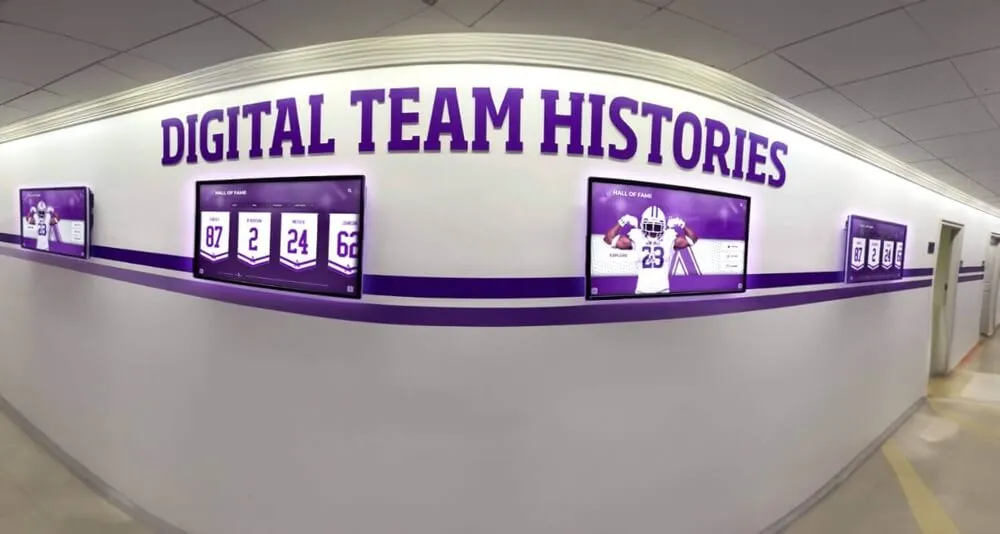
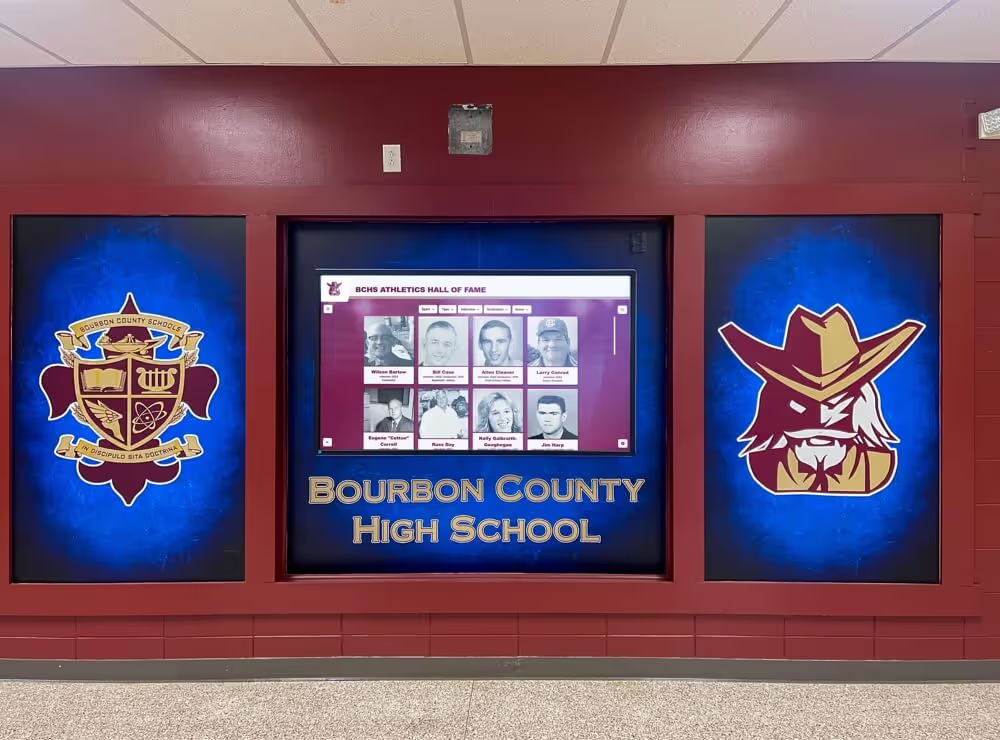
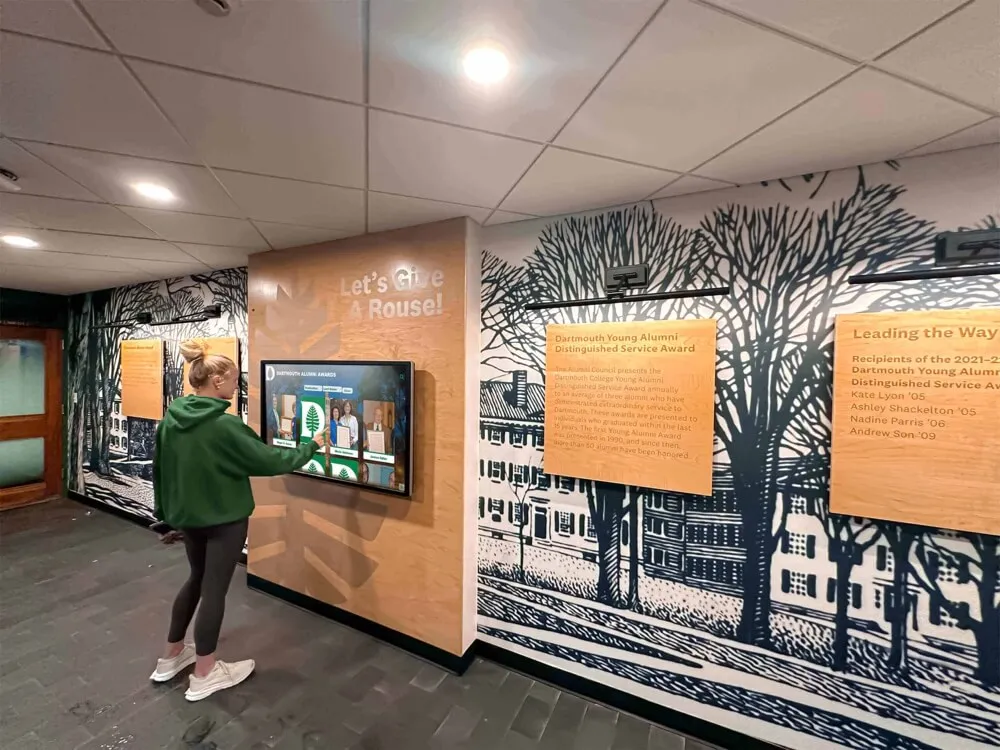
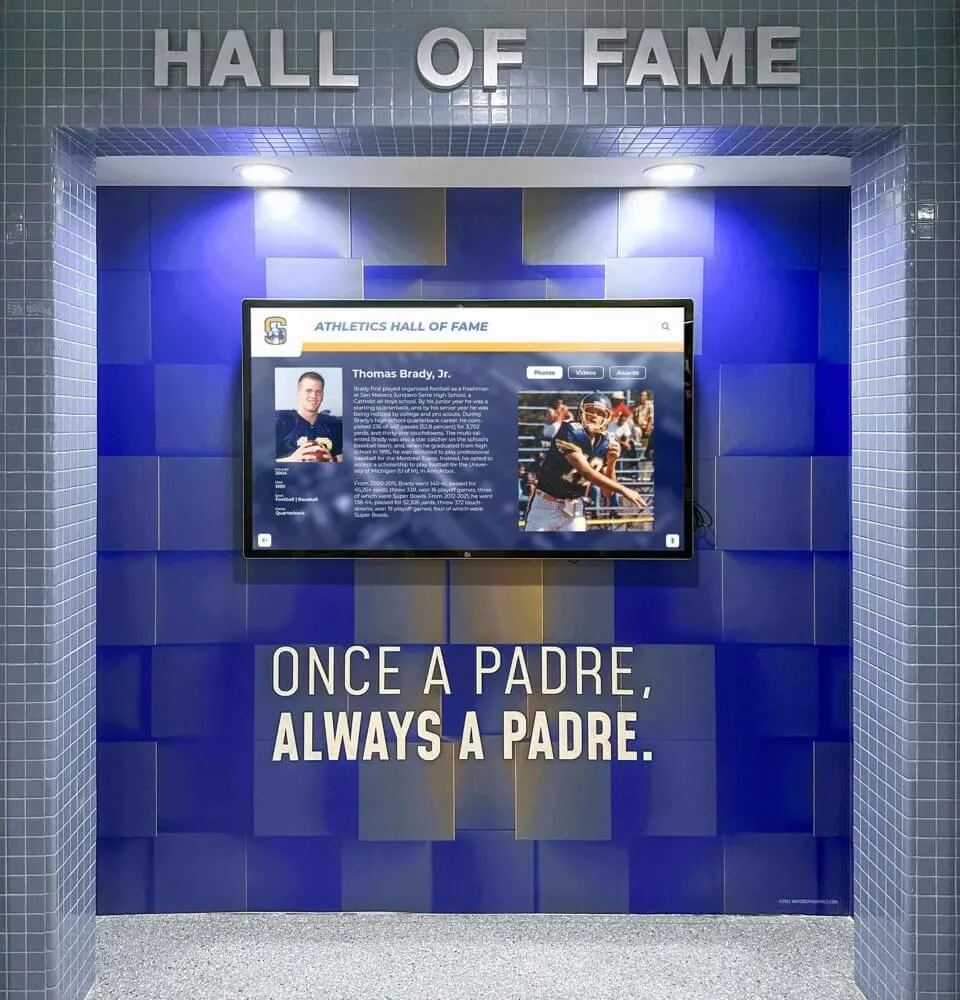
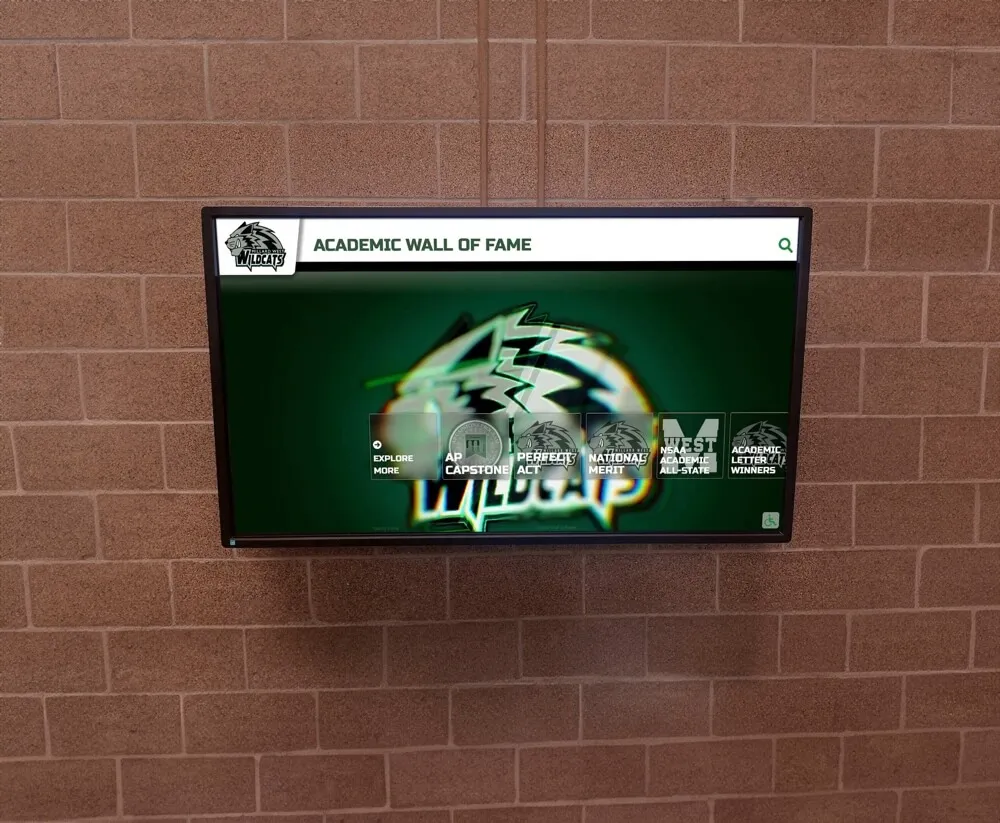
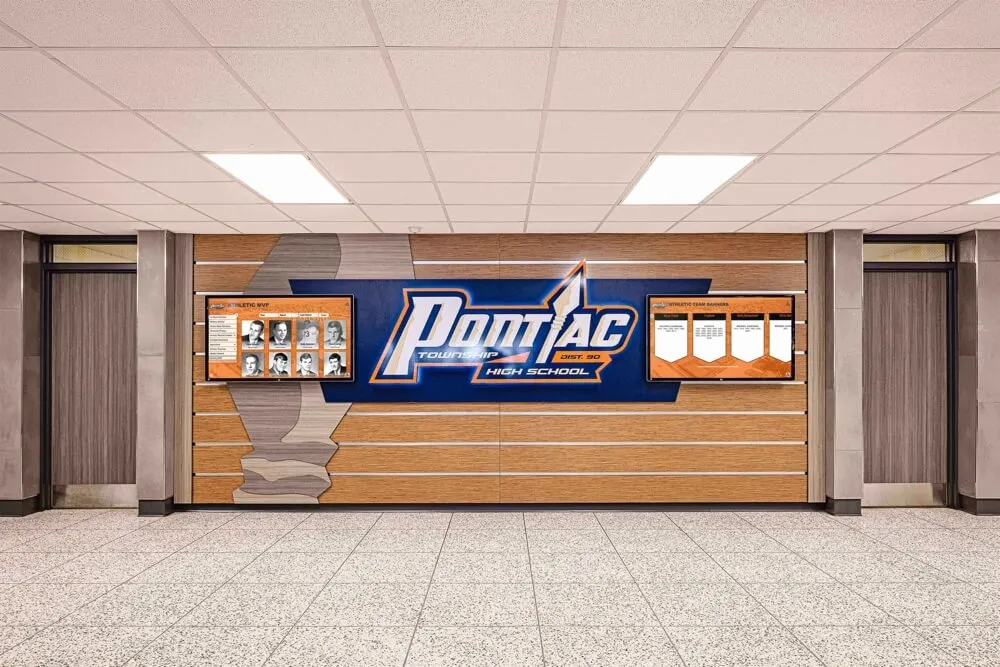
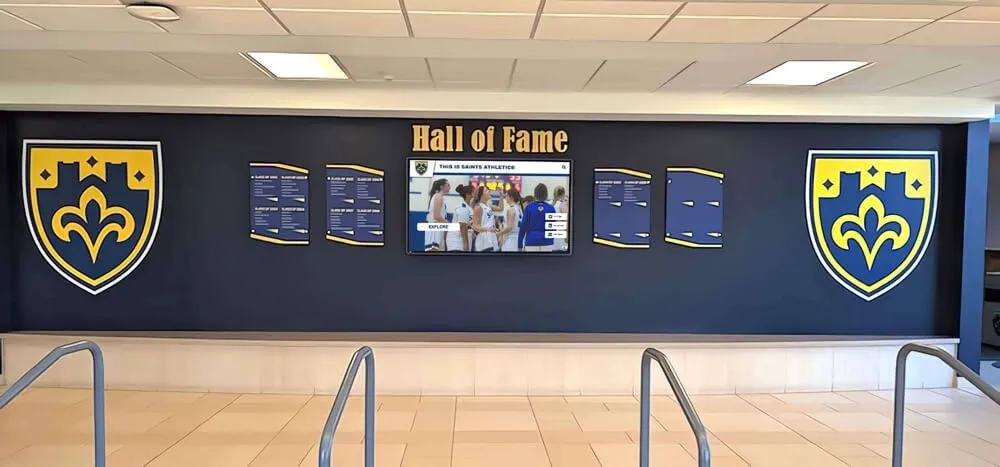
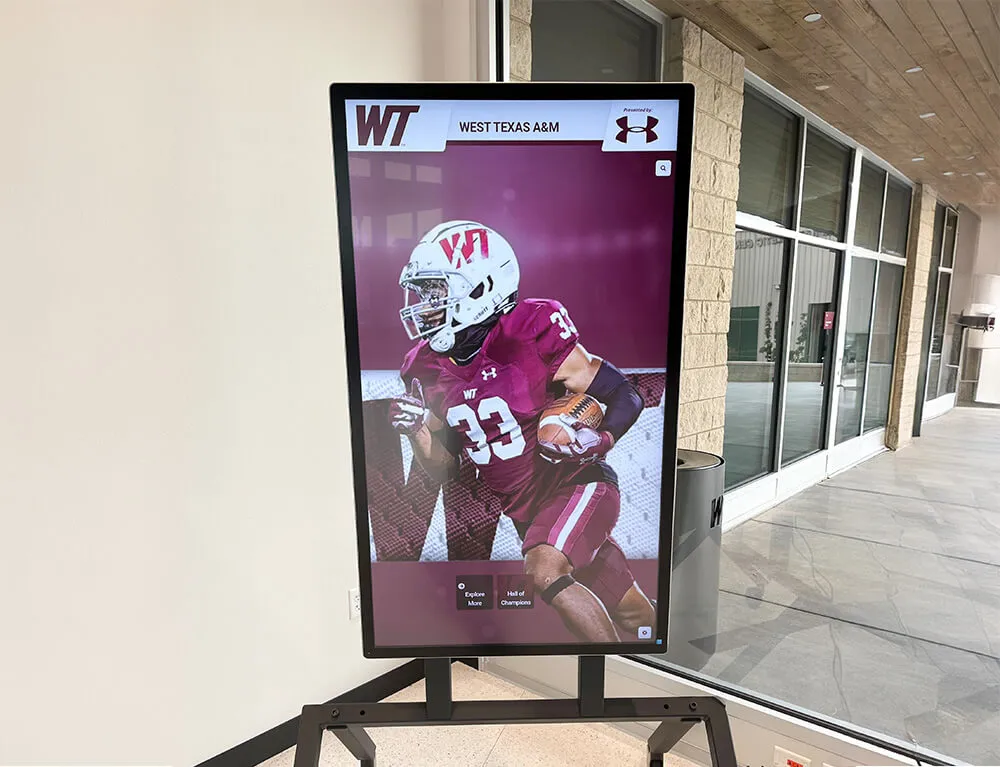
Digital recognition systems transform how organizations celebrate air traffic controller achievements and contributions
Understanding Air Traffic Controller Contributions and Challenges
Before implementing recognition programs, organizations benefit from deeply understanding what air traffic controllers accomplish, the extraordinary demands they face, and why systematic recognition proves essential for workforce sustainability and operational excellence.
The Critical Role of Air Traffic Controllers
Air traffic controllers serve as the backbone of aviation safety, performing complex coordination that enables modern air travel.
Core Responsibilities and Functions
Controllers manage multiple simultaneous responsibilities requiring intense concentration:
- Monitoring and directing aircraft through assigned airspace sectors
- Maintaining safe separation between aircraft during all phases of flight
- Coordinating departures, arrivals, and ground movements at airports
- Communicating critical information to pilots regarding weather, traffic, and runway conditions
- Making rapid decisions during emergency situations and equipment failures
- Managing traffic flow during peak periods and challenging weather conditions
- Coordinating with adjacent control facilities for seamless handoffs
- Ensuring compliance with complex regulations and safety protocols
According to the Federal Aviation Administration, air traffic controllers manage over 45,000 flights daily across U.S. airspace, guiding more than 2.9 million passengers safely to their destinations each day.
Specialized Skills and Expertise
Controller excellence requires remarkable capabilities:
- Three-dimensional spatial awareness tracking multiple aircraft simultaneously
- Exceptional communication skills conveying critical information clearly and concisely
- Rapid mental calculation determining safe separation and optimal routing
- Pattern recognition identifying potential conflicts before they develop
- Stress management maintaining composure during emergencies
- Team coordination working seamlessly with other controllers and aviation professionals
- Continuous learning mastering new technologies, procedures, and airspace changes
The Unique Demands and Pressures of Air Traffic Control
Understanding the extraordinary pressures controllers face helps organizations design recognition that authentically acknowledges their sacrifices and dedication.
High-Stress Work Environment
Air traffic control consistently ranks among the most stressful occupations:
- Constant awareness that mistakes could result in loss of life
- Sustained focus during hours-long shifts monitoring multiple aircraft
- Pressure to maintain efficiency during traffic delays and disruptions
- Rapid decision-making with incomplete information during emergencies
- Responsibility for aircraft carrying hundreds of passengers simultaneously
- Managing pilot personalities and communication styles under pressure
- Balancing safety with operational efficiency and airline schedule demands
Challenging Work Schedules
Controllers work demanding schedules that strain personal and family life:
- Rotating shifts including overnight and early morning assignments
- Weekend and holiday work when aviation demand remains high
- Irregular sleep patterns affecting health and well-being
- Limited flexibility due to staffing requirements and 24/7 operations
- Mandatory overtime during understaffing situations
- Shift changes disrupting circadian rhythms and family routines
Career-Long Training and Certification Requirements
Professional development never stops throughout controller careers:
- Years-long initial training before full certification
- Facility-specific qualification for each new assignment location
- Recurrent training and testing maintaining proficiency
- Adaptation to new technologies, procedures, and systems
- Physical and mental health examinations ensuring fitness for duty
- Continuous skill maintenance preventing capability degradation
Research from the National Air Traffic Controllers Association indicates that becoming fully certified can take several years of intensive training, with controllers investing thousands of hours mastering their craft before working independently.
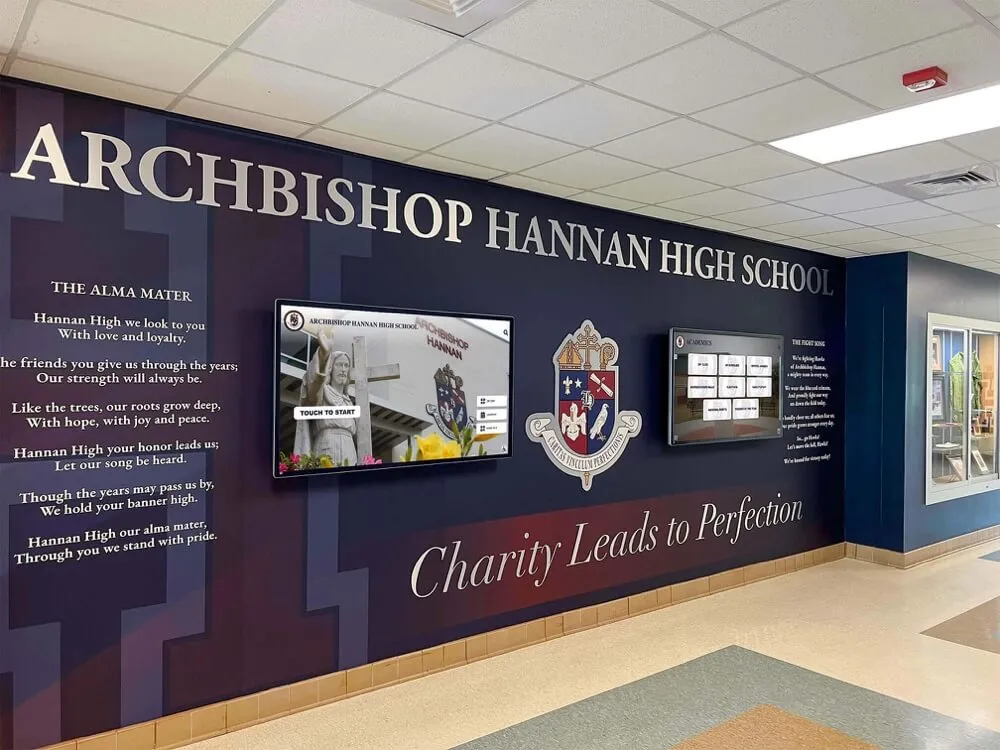
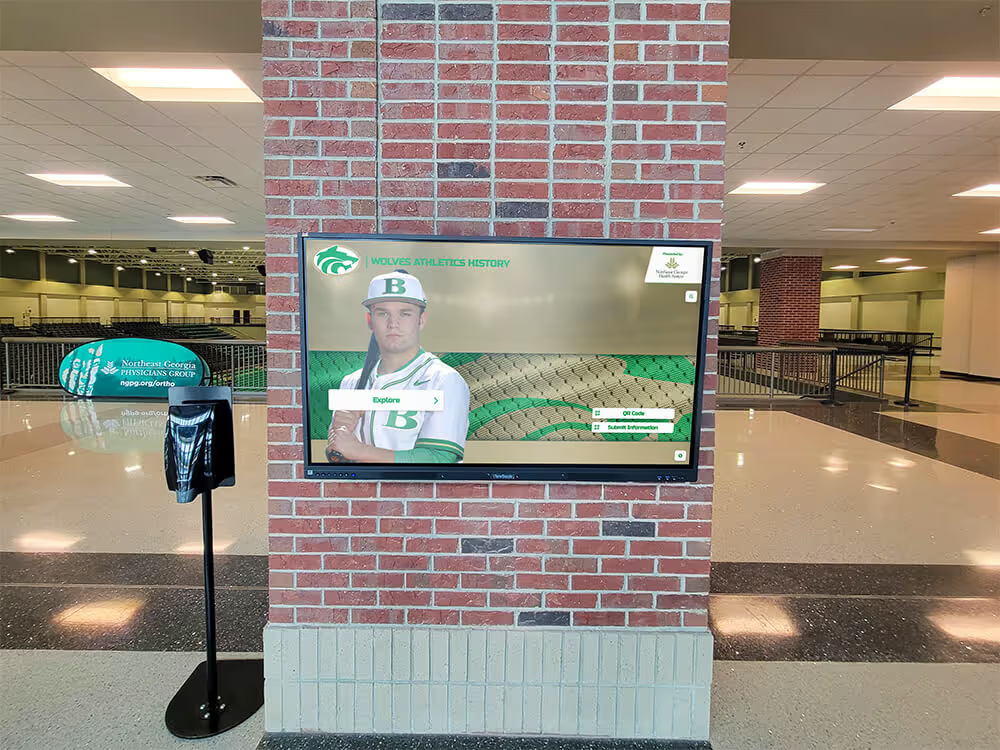
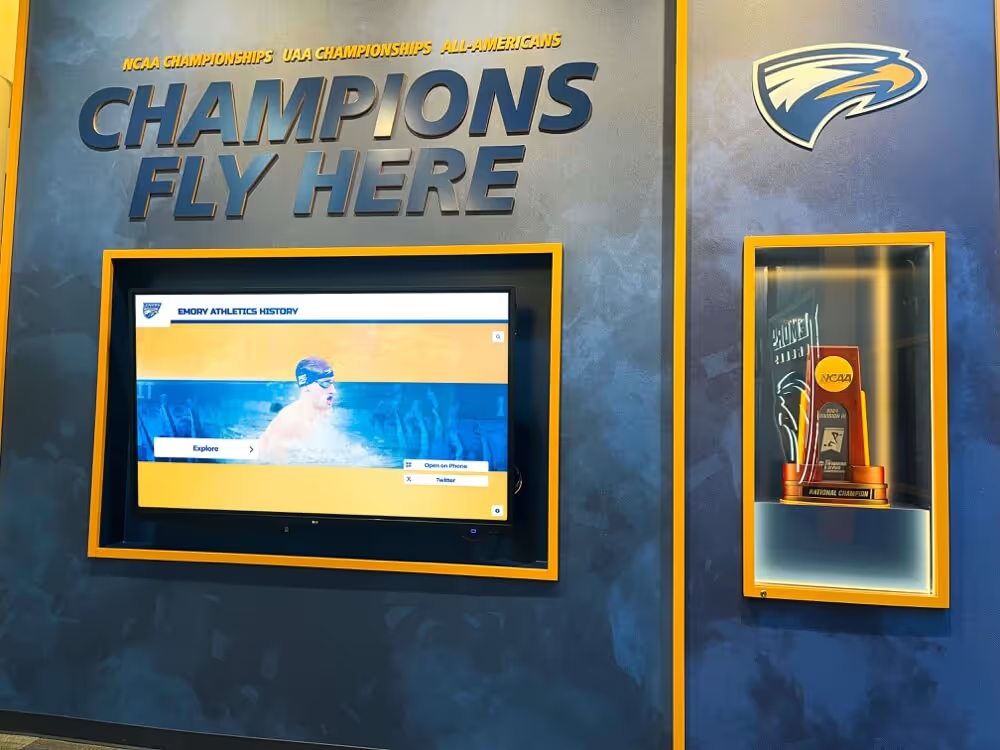
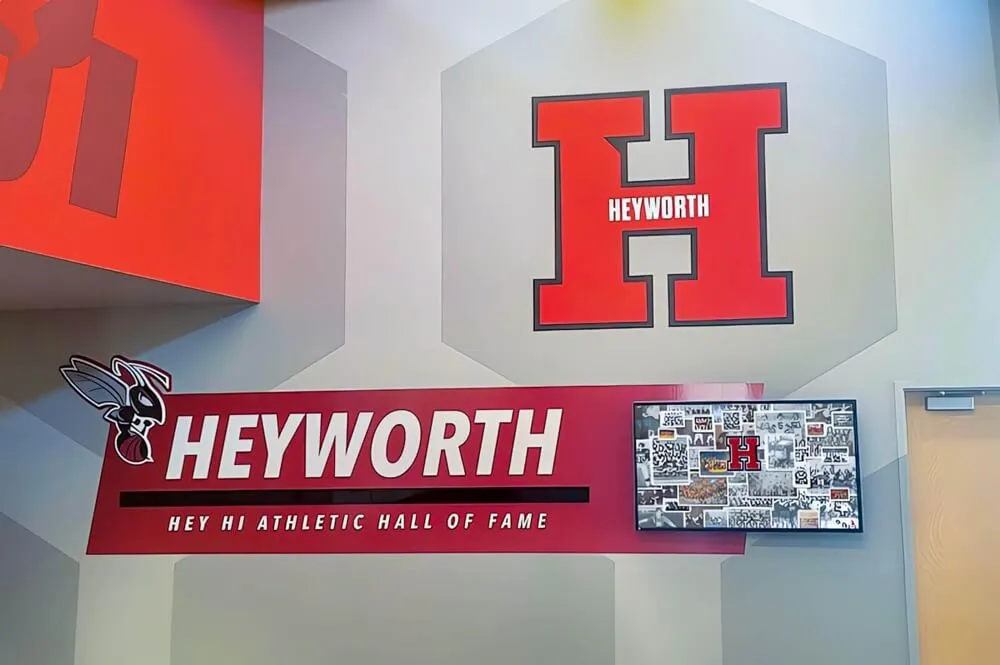
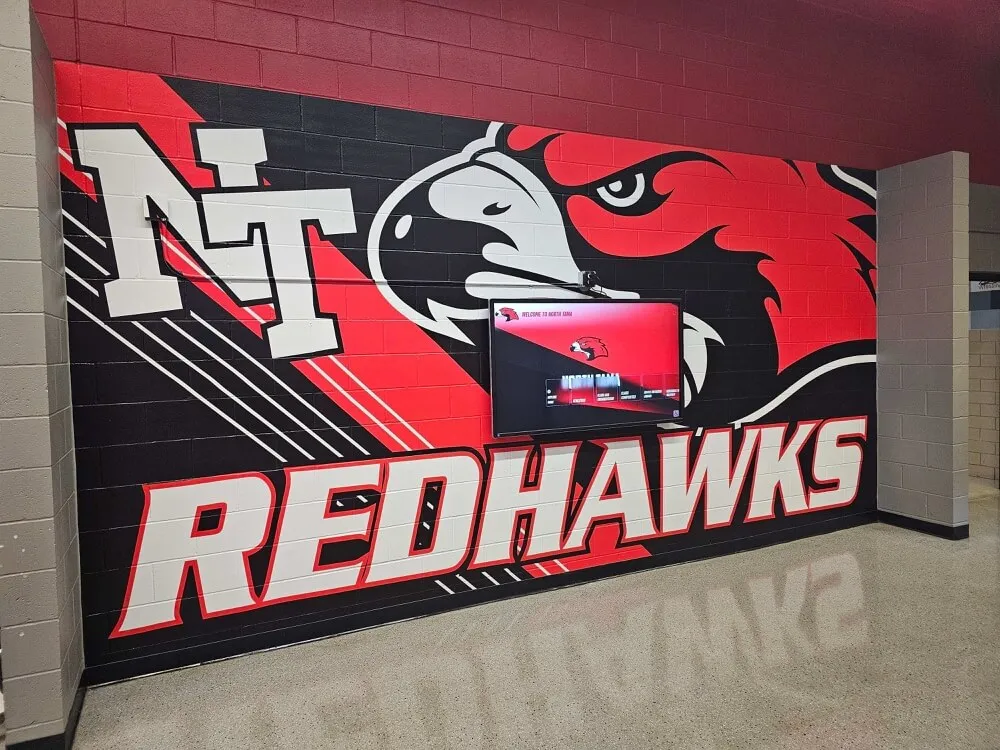
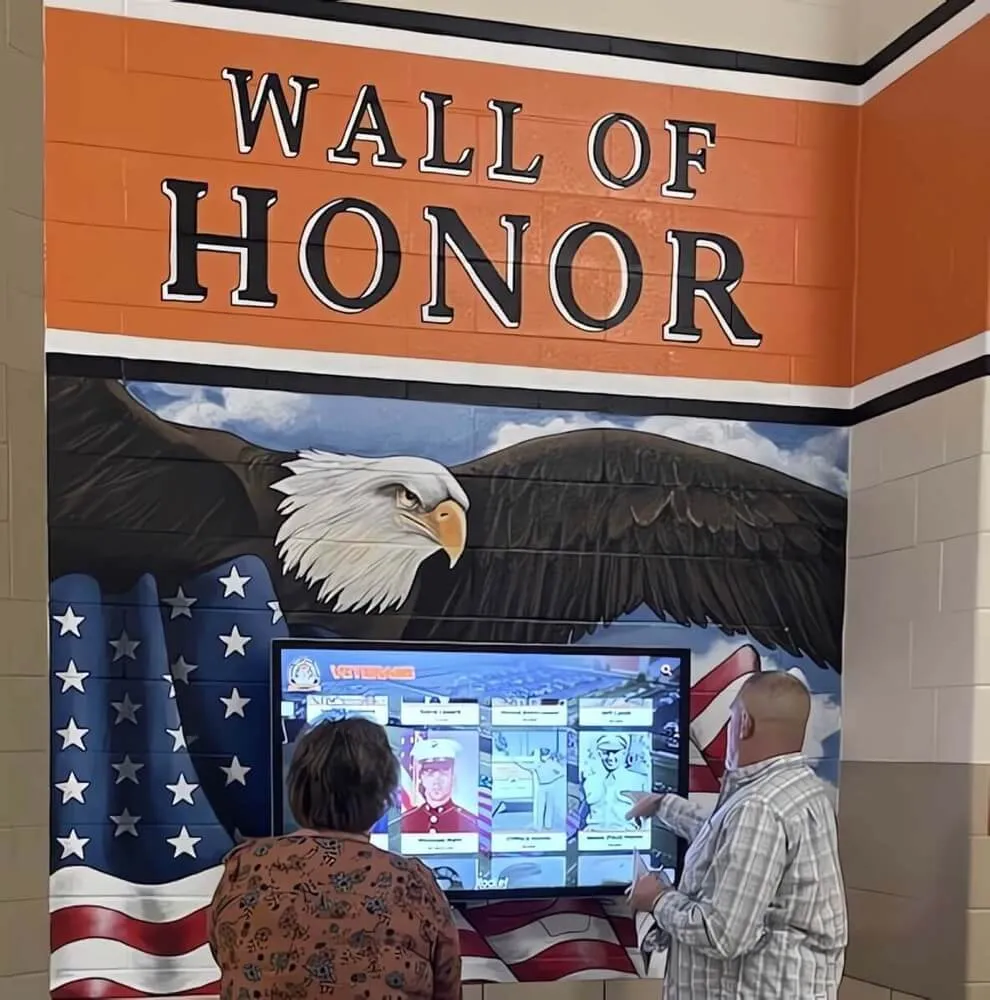
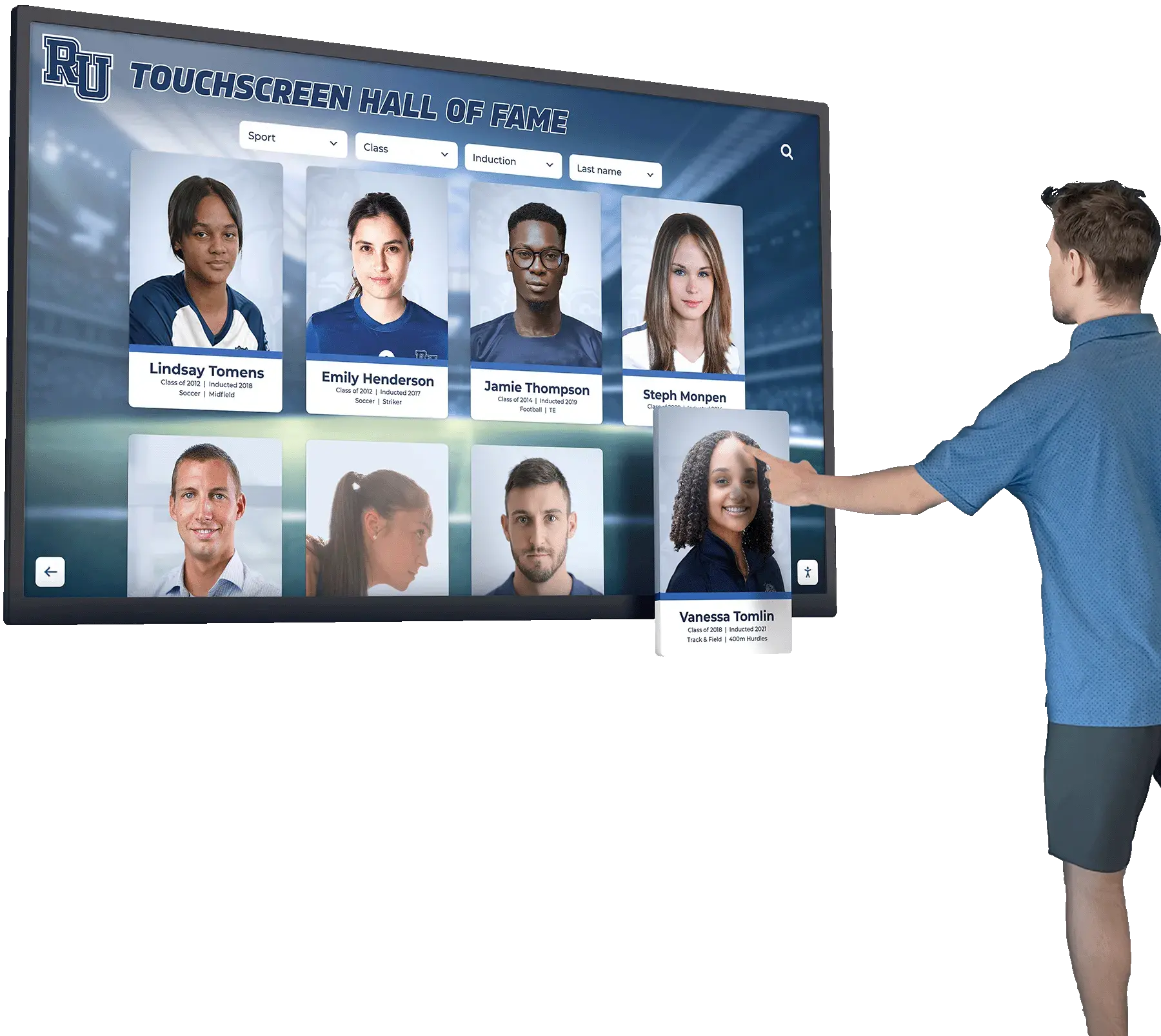
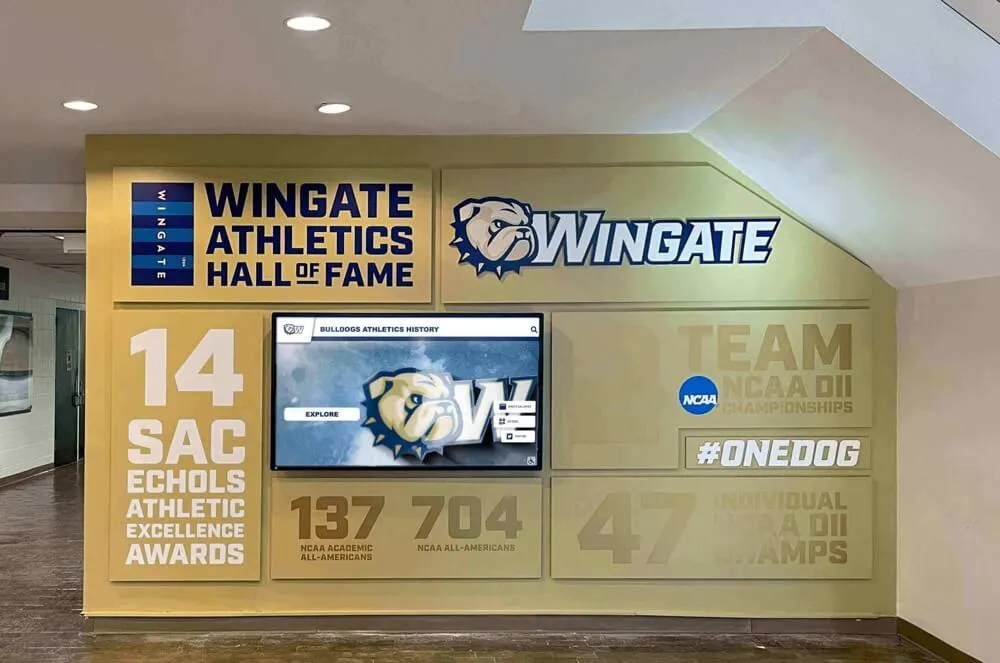
Permanent recognition displays demonstrate organizational commitment to honoring professional contributions
Formal Air Traffic Controller Awards and Recognition Programs
Systematic awards programs provide structured frameworks for celebrating controller excellence across multiple dimensions while creating aspirational goals inspiring professional development.
National and Industry Recognition Programs
Several established organizations offer prestigious awards recognizing exceptional air traffic controller performance and contributions to aviation safety.
Air Traffic Control Association (ATCA) Awards
The Air Traffic Control Association operates a comprehensive awards program honoring diverse excellence categories. According to their awards program information, ATCA recognizes outstanding achievement across multiple areas:
ATCA Award Categories:
- President’s Award recognizing extraordinary leadership and contributions
- Award for Exceptional Service honoring sustained excellence
- Annual Airway Transportation Systems Specialist of the Year Award
- Annual Team Award for Outstanding Achievement
- Military Air Traffic Controller of the Year Award
- Military Air Traffic Control Technician of the Year Award
- Outstanding Military Air Traffic Control Manager of the Year Award
- Outstanding Civilian ATC Manager of the Year Award
Nominations typically open in summer months, with winners announced and honored at ATCA’s annual conference. These awards carry significant prestige within the air traffic control community, providing national recognition of professional excellence.
Archie League Medal of Safety Awards (NATCA)
Named after the first air traffic controller, the Archie League Medal of Safety Awards represent the National Air Traffic Controllers Association’s premier recognition program. These awards specifically honor controllers who demonstrate exceptional skill during critical situations.
The program recognizes standout “saves” from each NATCA region—situations where controllers’ quick thinking, professional expertise, and decisive action prevented potential accidents or helped pilots overcome dangerous circumstances. The most distinguished recipient from each region may receive the President’s Award, recognizing the year’s most exceptional controller action.
These awards not only honor individual excellence but also document and share critical lessons from challenging situations, contributing to broader aviation safety knowledge.
Military Air Traffic Control Recognition
Military branches operate specialized recognition programs for service members performing air traffic control duties:
The Air Force Cyberspace and Air Traffic Control Association (AFCATCA) presents awards including the Maj Gen Van C. Doubleday Air Traffic Control Enlisted Manager of the Year Award and the CMSgt Walter D. McLain Air Traffic Controller of the Year Award. Winners receive trophies, association membership, certificates, and recognition at annual conventions.
The Army Aviation Association of America offers the Air Traffic Control Controller of the Year Award for military or civilian nominees actively involved in Army Aviation ATC, recognizing outstanding performance supporting military aviation operations.
Facility-Level Excellence Awards
While national awards provide prestigious recognition, facility-specific programs create more frequent acknowledgment opportunities accessible to broader controller populations.
Controller of the Month/Quarter Programs
Regular recognition cycles celebrate consistent excellence:
- Monthly or quarterly nomination and selection processes
- Peer and supervisor nomination enabling multiple perspectives
- Recognition of technical proficiency, teamwork, safety consciousness, and professionalism
- Certificates, plaques, or other tangible awards
- Featured recognition in facility communications and displays
- Prime parking spaces or other practical perks
- Professional development opportunities or training preferences
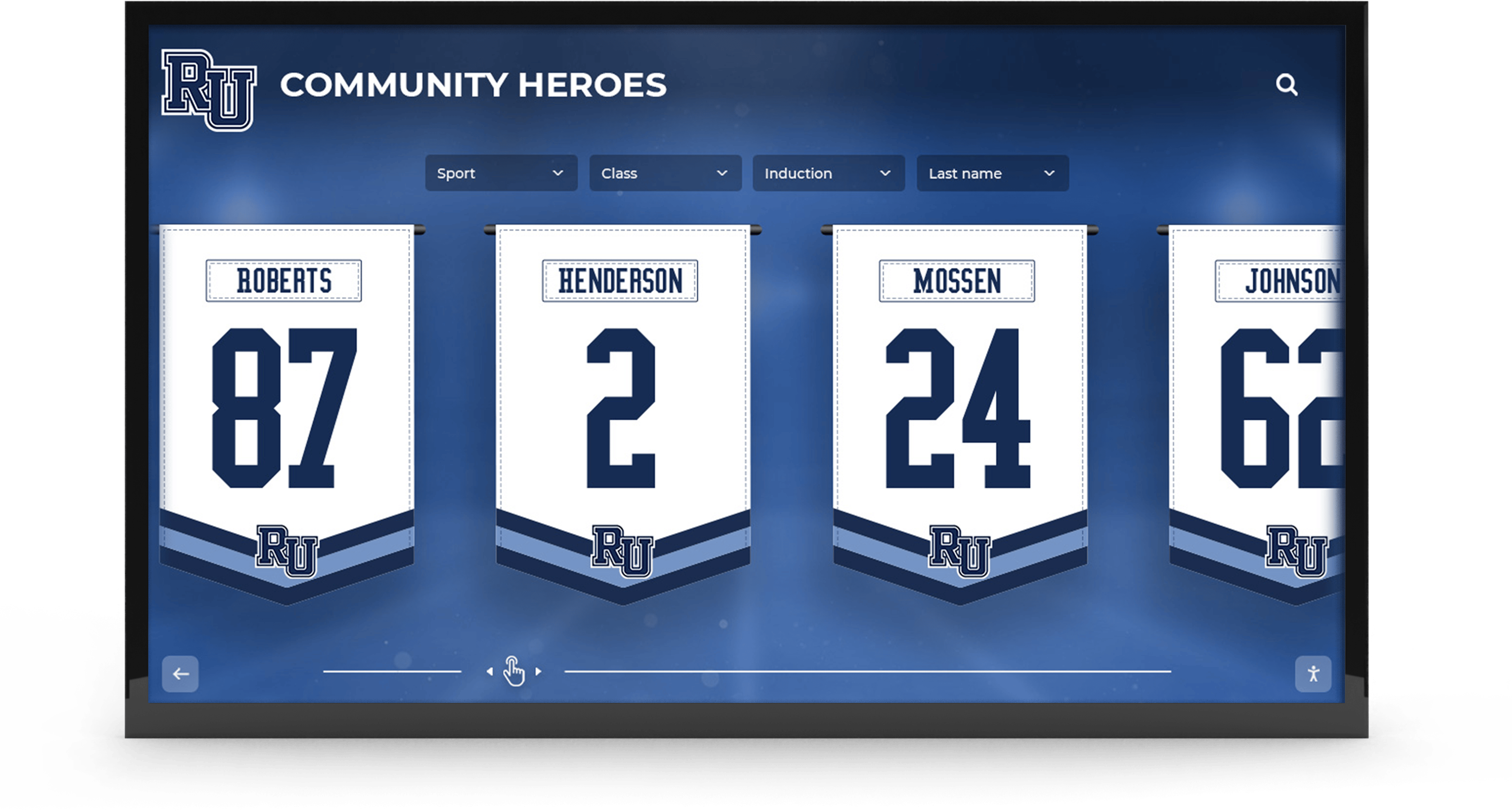
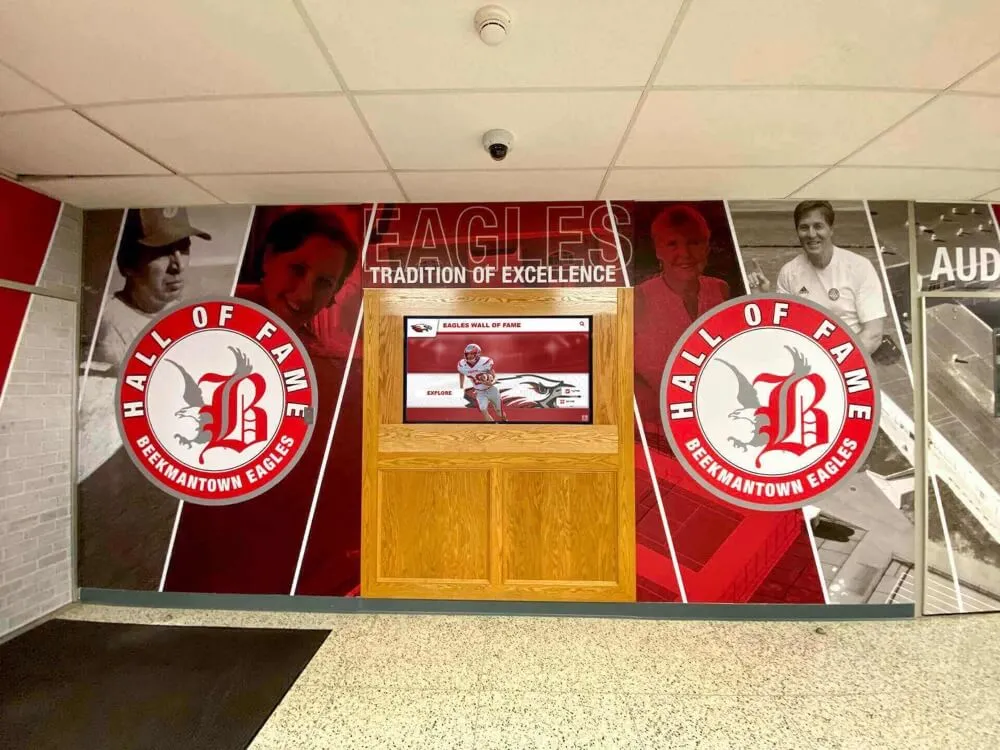
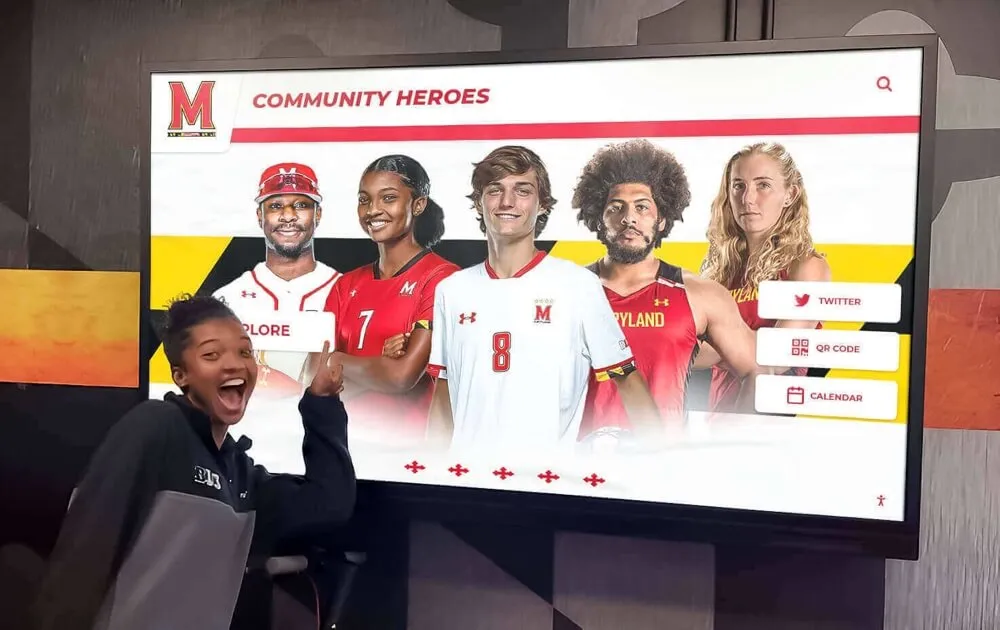
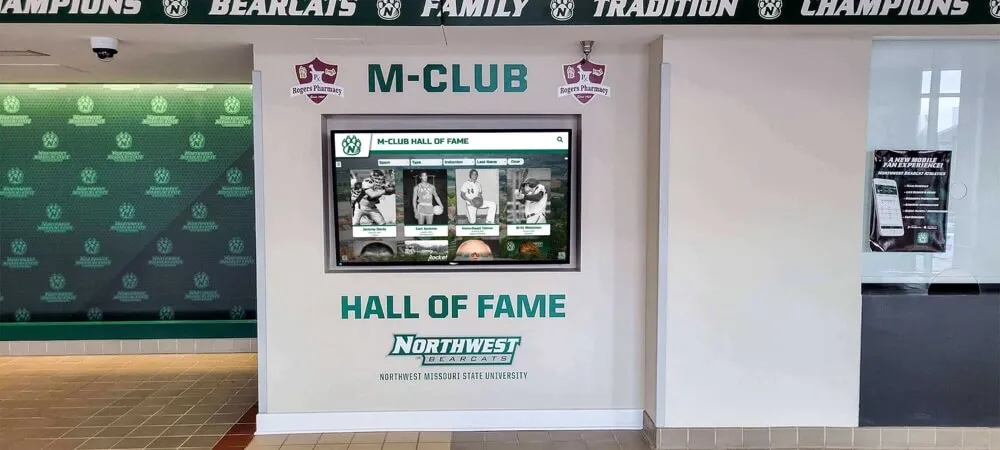
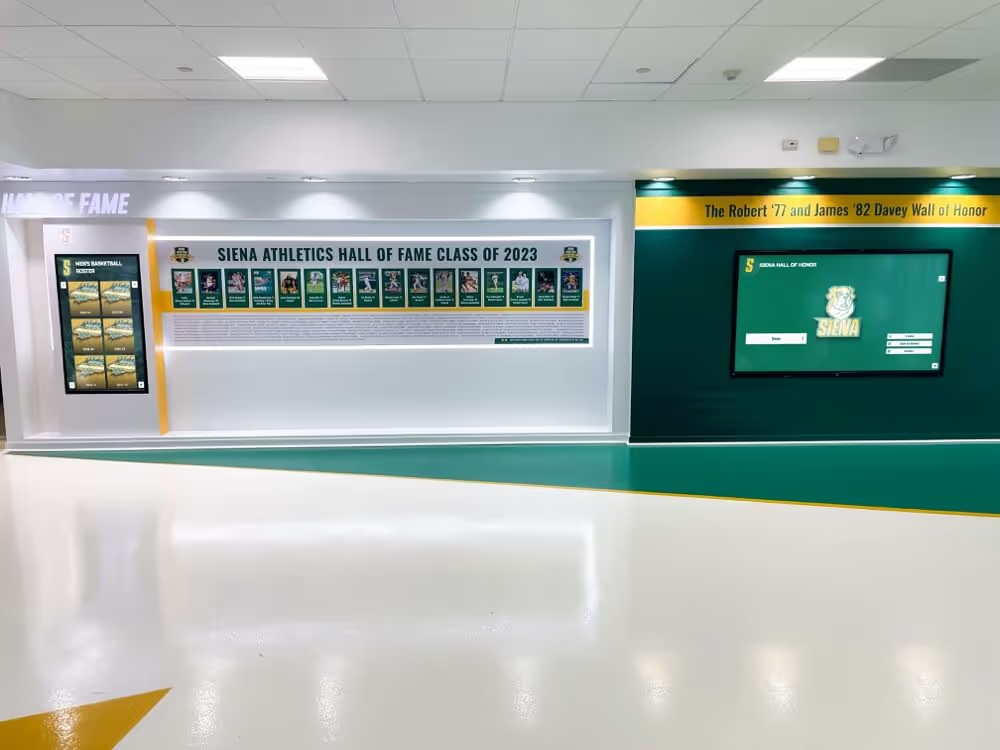
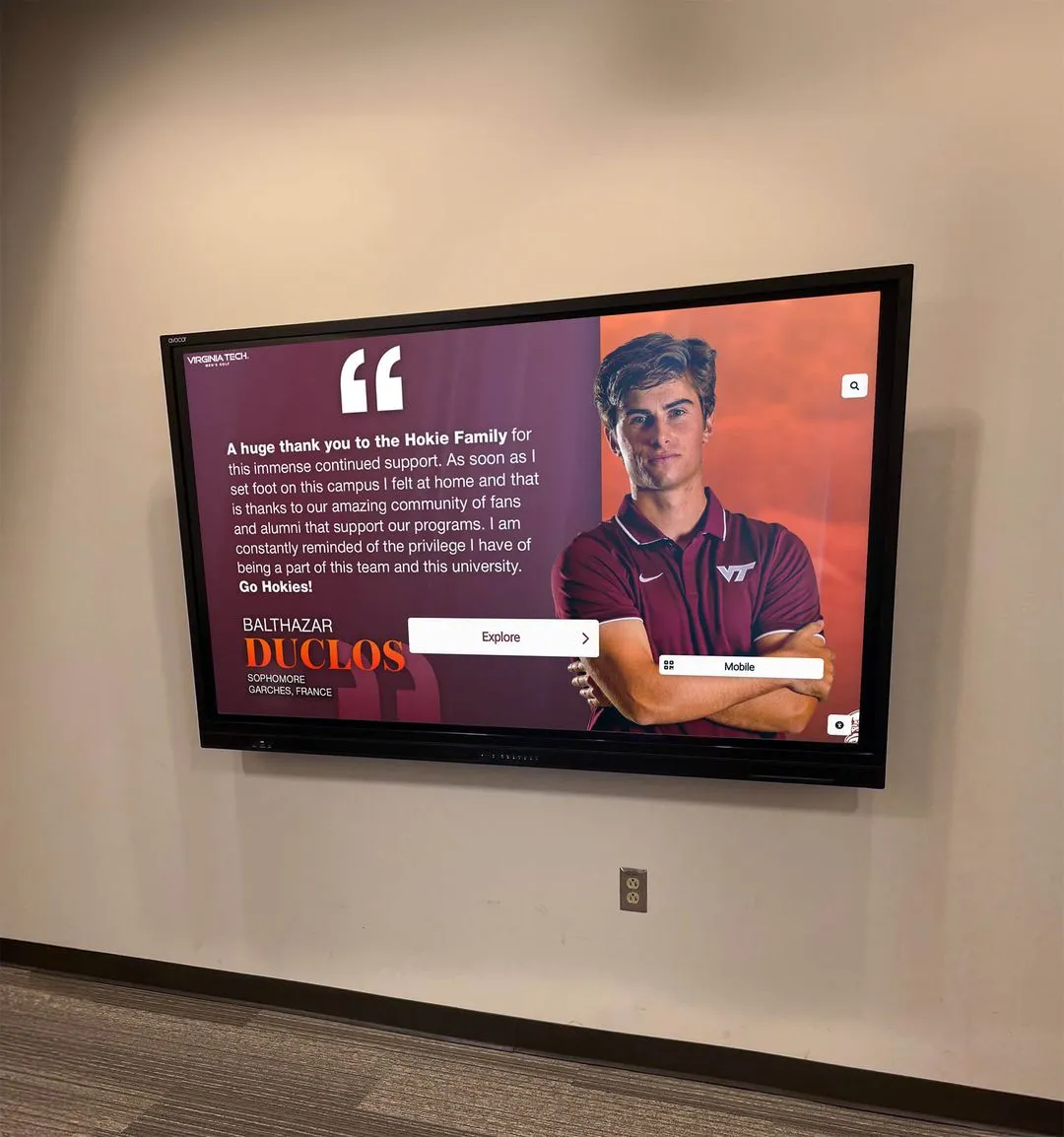
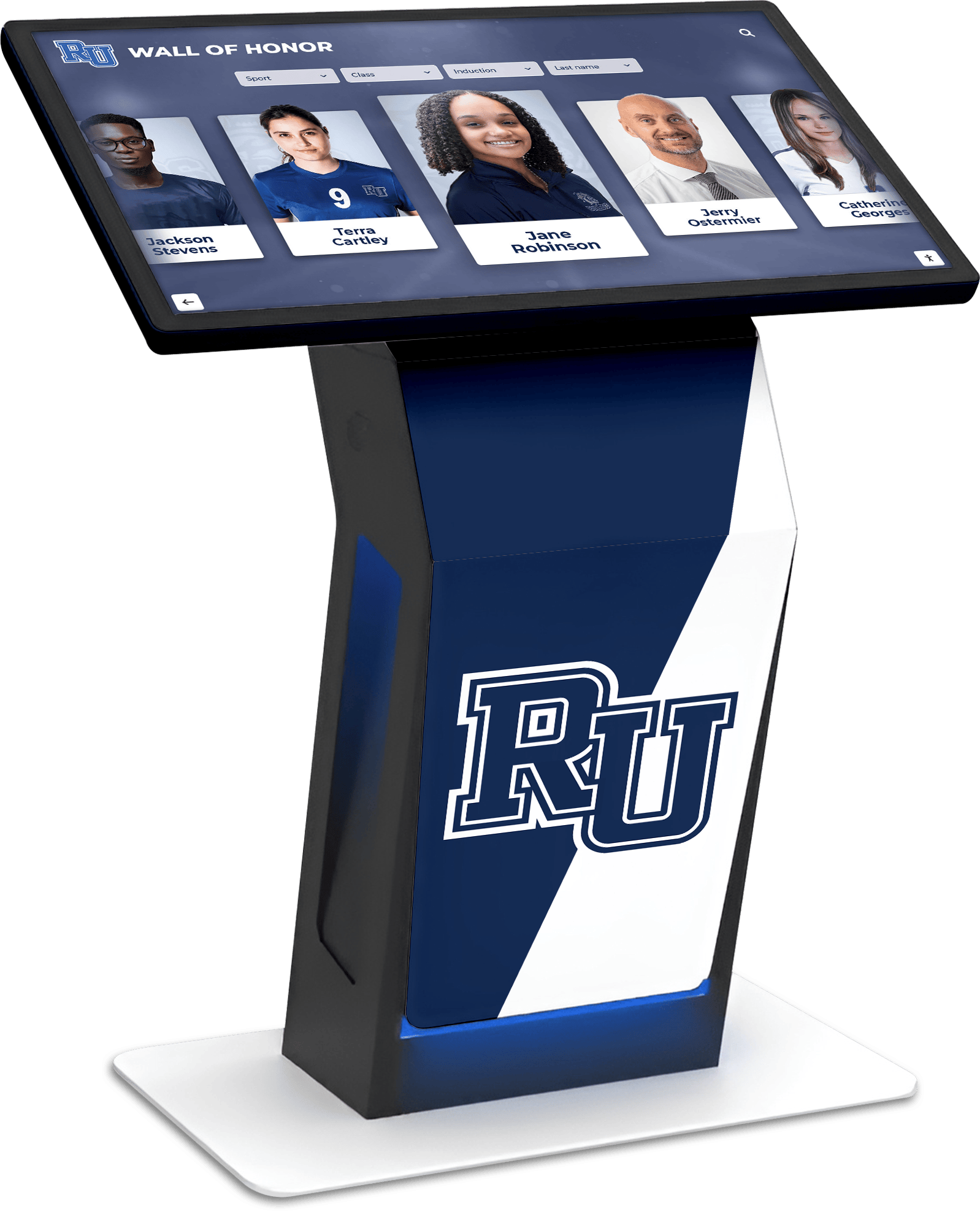
Modern recognition platforms accommodate both team and individual achievements
Career Milestone Recognition
Long-term service deserves systematic celebration:
- Certification anniversaries acknowledging training completion milestones
- Years-of-service recognition at 5, 10, 15, 20+ year intervals
- Retirement celebrations honoring complete careers
- Accumulated hours worked or aircraft safely guided
- Facility record achievements and longest tenure recognition
- Progression through positions from developmental to fully certified to instructor
Safety Excellence Recognition
Given the safety-critical nature of air traffic control work, celebrating safety performance reinforces organizational priorities:
- Error-free operation periods for individuals or teams
- Identification of potential safety issues before incidents occur
- Participation in safety reporting systems and improvement initiatives
- Mentoring developmental controllers in safety practices
- Implementation of safety enhancement recommendations
- Participation in accident investigation or safety analysis
Explore approaches used for recognizing outstanding students on honor walls that can inform professional recognition program design.
Team and Facility Achievement Recognition
Air traffic control excellence depends on coordinated teamwork, making team recognition essential alongside individual honors.
Shift Team Excellence Awards
Controllers work closely with specific shift teams, creating natural units for collective recognition:
- Zero-incident operations during challenging weather or traffic conditions
- Successful coordination during major events or special operations
- Effective training and integration of new controllers
- Outstanding teamwork during emergency situations
- Process improvements benefiting facility operations
- Highest efficiency or on-time performance metrics
Facility-Wide Accomplishments
Broader organizational achievements warrant comprehensive celebration:
- National performance ranking improvements
- Safety record milestones or consecutive days without incidents
- Successful technology implementations or system upgrades
- Training program excellence and certification success rates
- Community engagement and public education initiatives
- Operational efficiency improvements and delay reduction
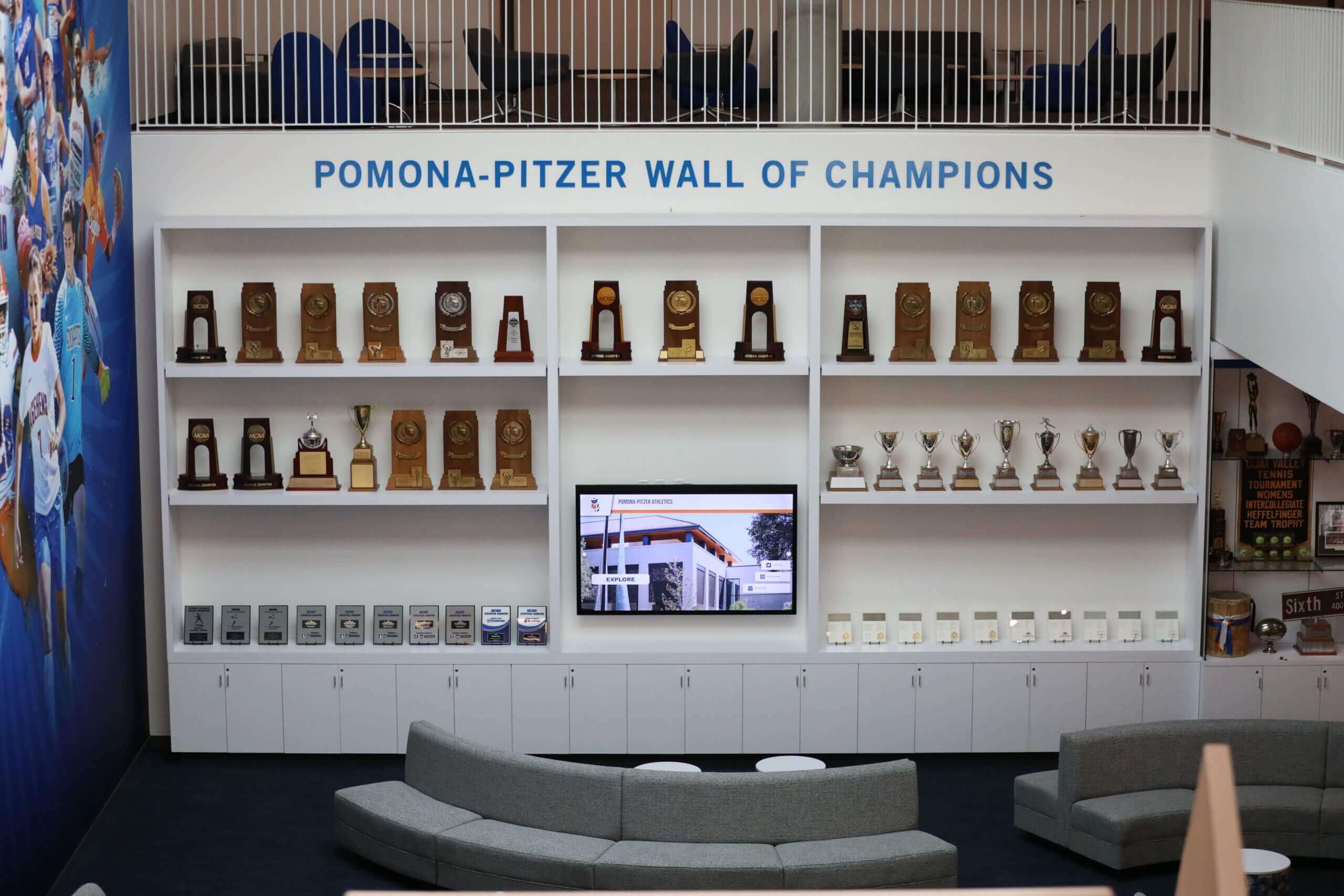
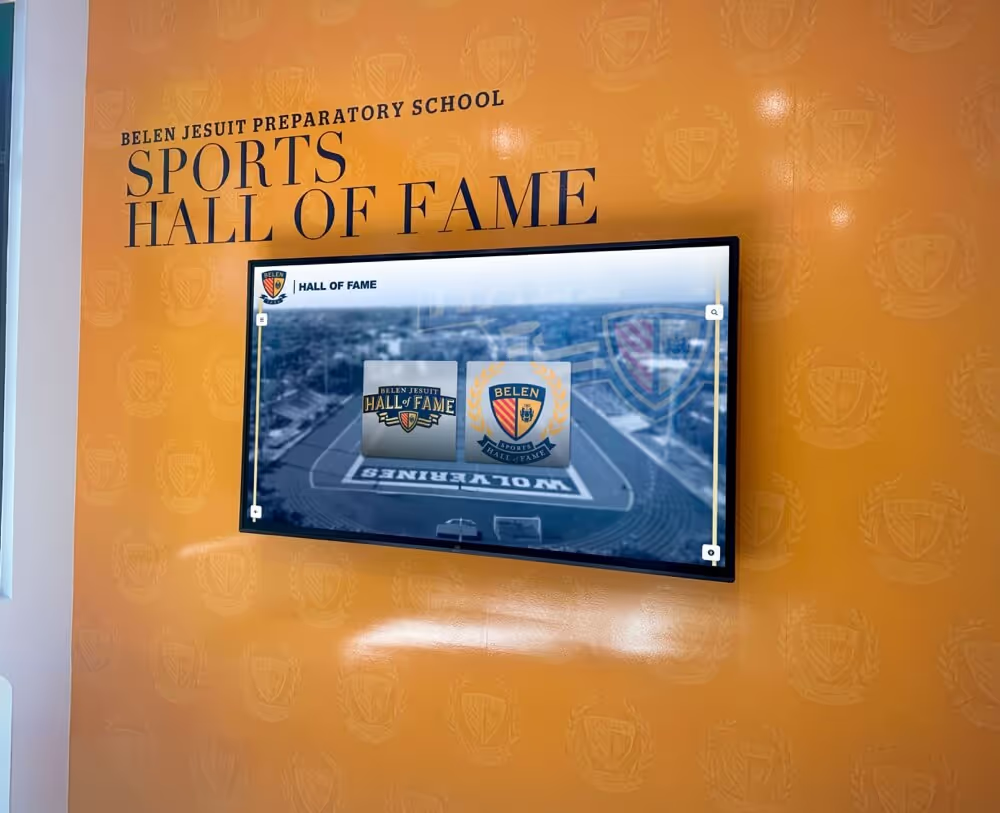
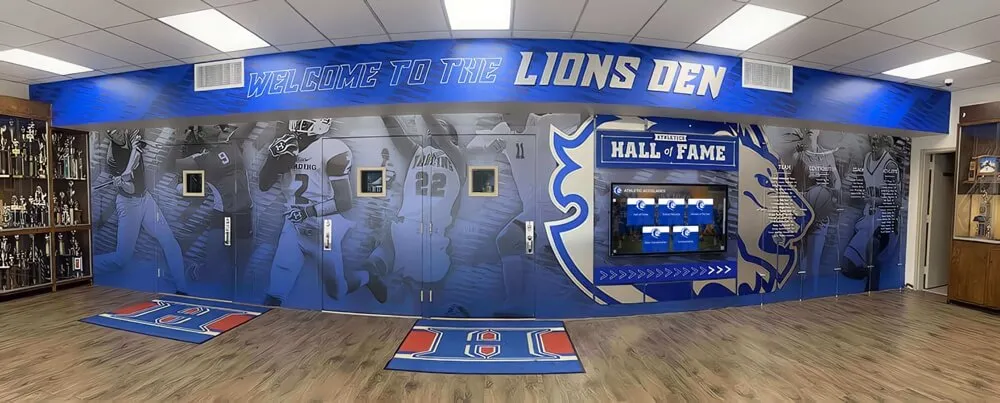
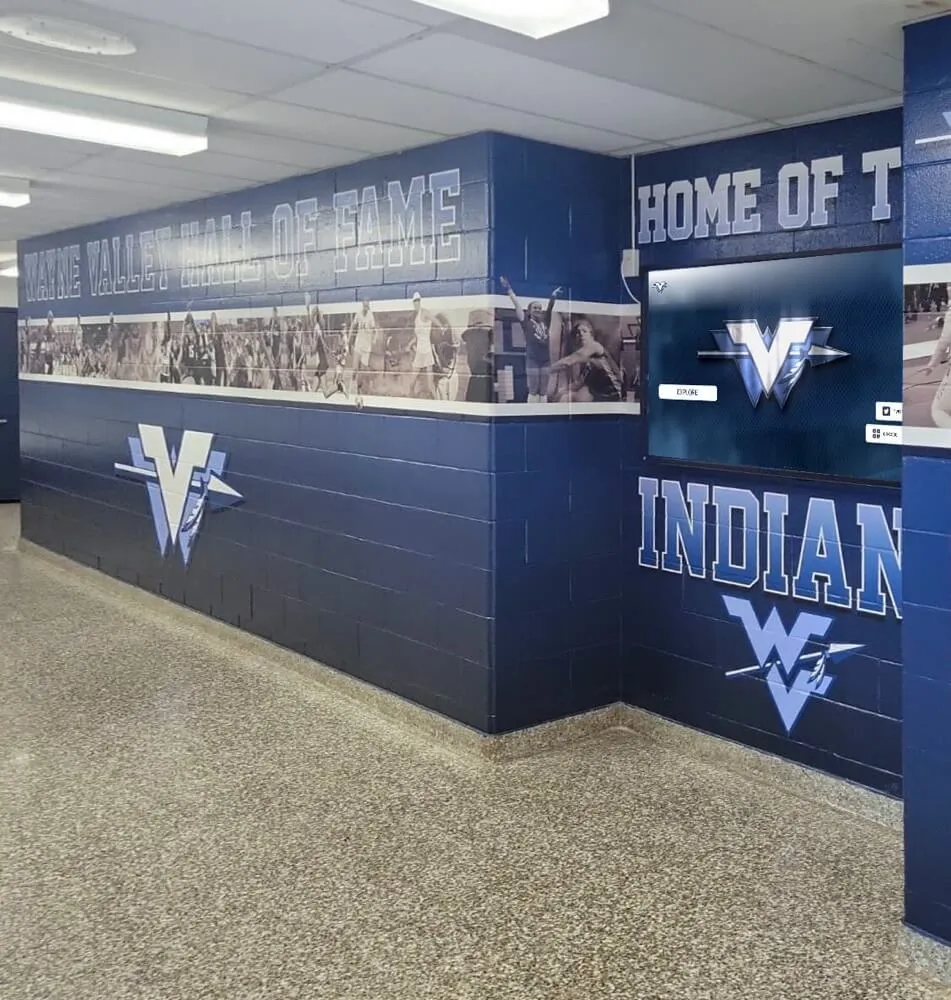
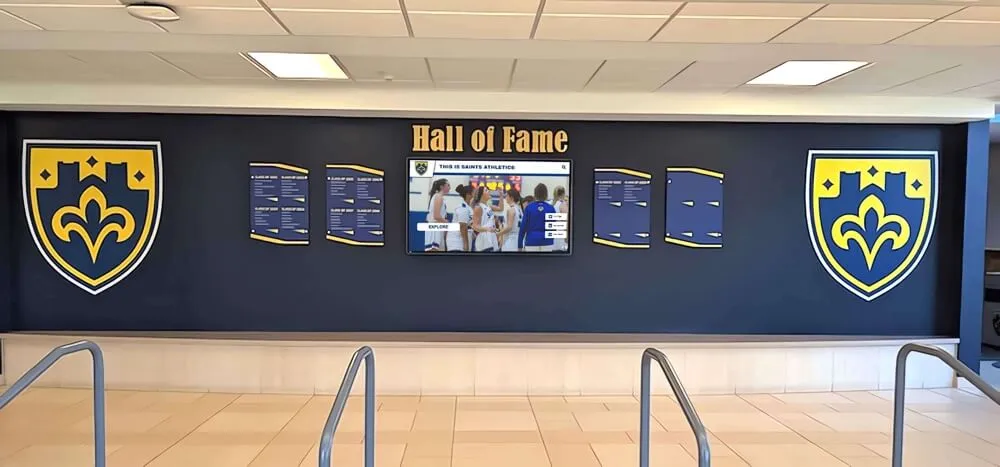
Recognition lounges provide spaces where controllers can reflect on professional achievements and history
Workplace Appreciation Initiatives and Daily Recognition
Beyond formal awards, effective recognition includes regular appreciation integrated throughout workplace culture, creating environments where controller contributions receive consistent acknowledgment.
Leadership-Driven Recognition Practices
Management commitment to appreciation sets organizational tone and demonstrates genuine valuing of controller work.
Regular Verbal Recognition and Feedback
Simple appreciation delivered consistently creates powerful impact:
- Supervisors acknowledging excellent performance during or after shifts
- Specific feedback identifying exactly what the controller did well
- Public recognition during shift briefings or facility meetings
- Management facility walk-throughs engaging with controllers directly
- Recognition of extra efforts during challenging situations
- Acknowledgment of mentoring and peer support activities
Research consistently demonstrates that timely, specific recognition from leadership significantly impacts employee engagement, motivation, and job satisfaction—particularly important in high-stress occupations like air traffic control.
Written Commendations and Letters of Appreciation
Documented recognition carries additional weight and permanence:
- Formal letters acknowledging exceptional performance or specific achievements
- Commendations filed in personnel records supporting career advancement
- Recognition letters from facility leadership or higher headquarters
- Documentation of extraordinary actions during emergencies
- Letters shared with broader leadership ensuring visibility beyond immediate supervisors
- Copies provided to controllers for personal retention and pride
Quality of Work Life Initiatives
Sometimes the best recognition involves improving working conditions that demonstrate organizational care:
- Break room upgrades creating comfortable rest spaces
- Facility improvements enhancing work environment quality
- Schedule flexibility accommodating personal circumstances when possible
- Professional development funding supporting career advancement
- Equipment upgrades and technology improvements making work more efficient
- Wellness programs addressing stress management and health
Learn about comprehensive approaches to employee recognition programs applicable across professional contexts.
Peer Recognition Programs
Controllers often best understand the exceptional nature of colleagues’ performance, making peer recognition particularly meaningful.
Peer Nomination Systems
Enable controllers to recognize each other:
- Structured nomination processes for awards and recognition
- Anonymous or attributed peer recognition cards or messages
- Digital platforms enabling easy peer appreciation submission
- Recognition boards displaying peer acknowledgments
- Team voting for monthly excellence awards
- Shift-level peer recognition integrated into daily operations
Mentorship Recognition
Experienced controllers training developmental personnel deserve special acknowledgment:
- Formal recognition of instructor controller roles and contributions
- Awards honoring excellence in training and mentorship
- Acknowledgment of patience and dedication developing new controllers
- Recognition when developmental controllers successfully certify
- Veteran controller recognition programs honoring knowledge sharing
- Instructor of the year awards celebrating training excellence
Collaboration and Teamwork Appreciation
Outstanding coordination deserves celebration:
- Recognition of controllers who consistently support teammates
- Acknowledgment of effective communication and coordination
- Celebration of controllers going above and beyond helping colleagues
- Recognition of positive attitude and team spirit contributions
- Appreciation for flexibility covering shifts or accommodating schedule changes
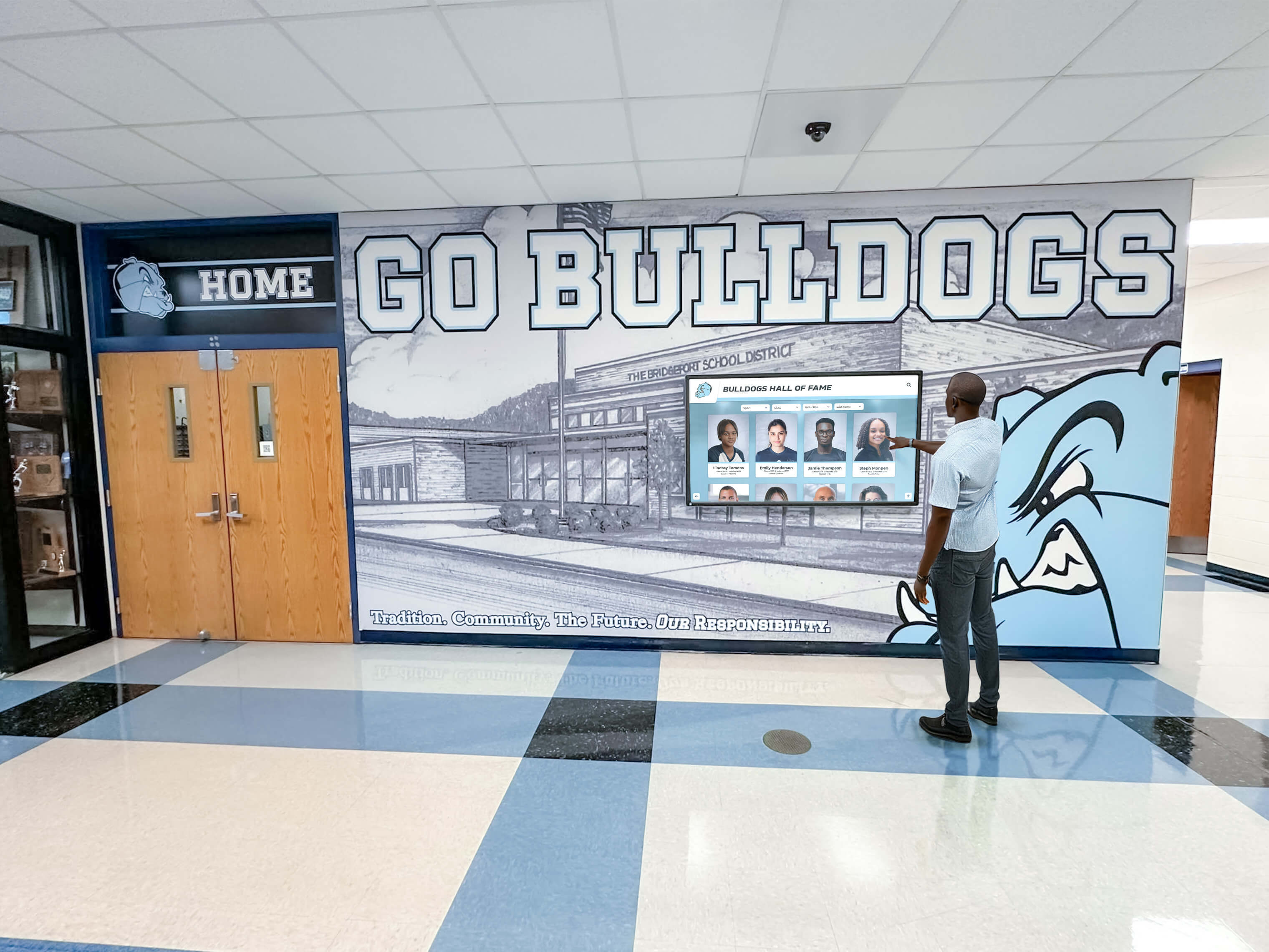
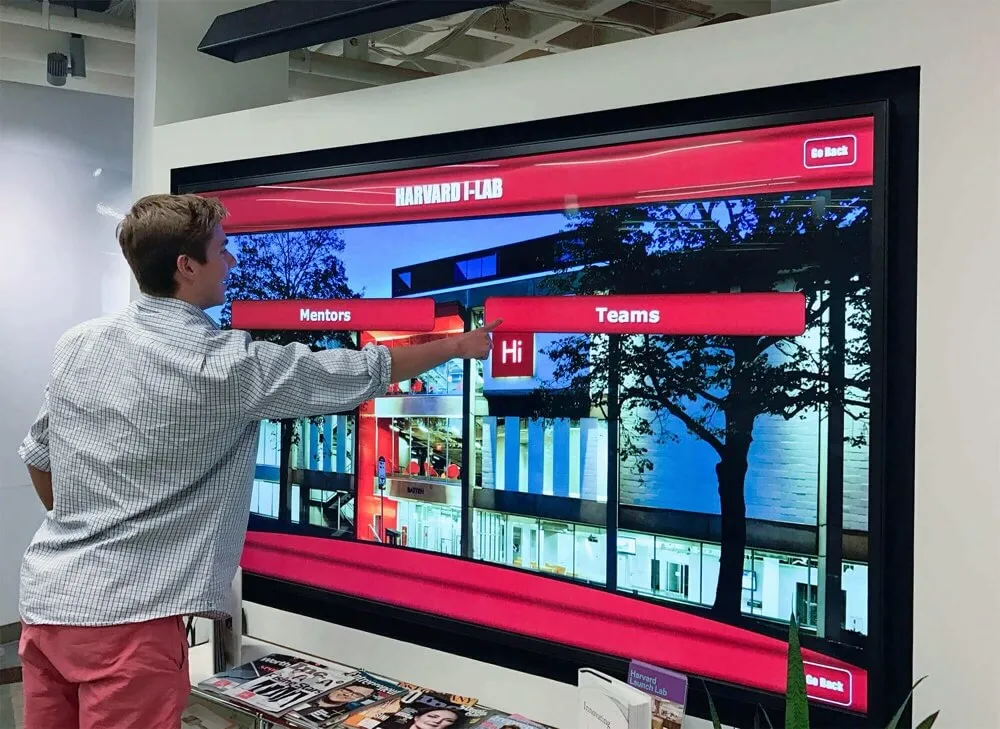
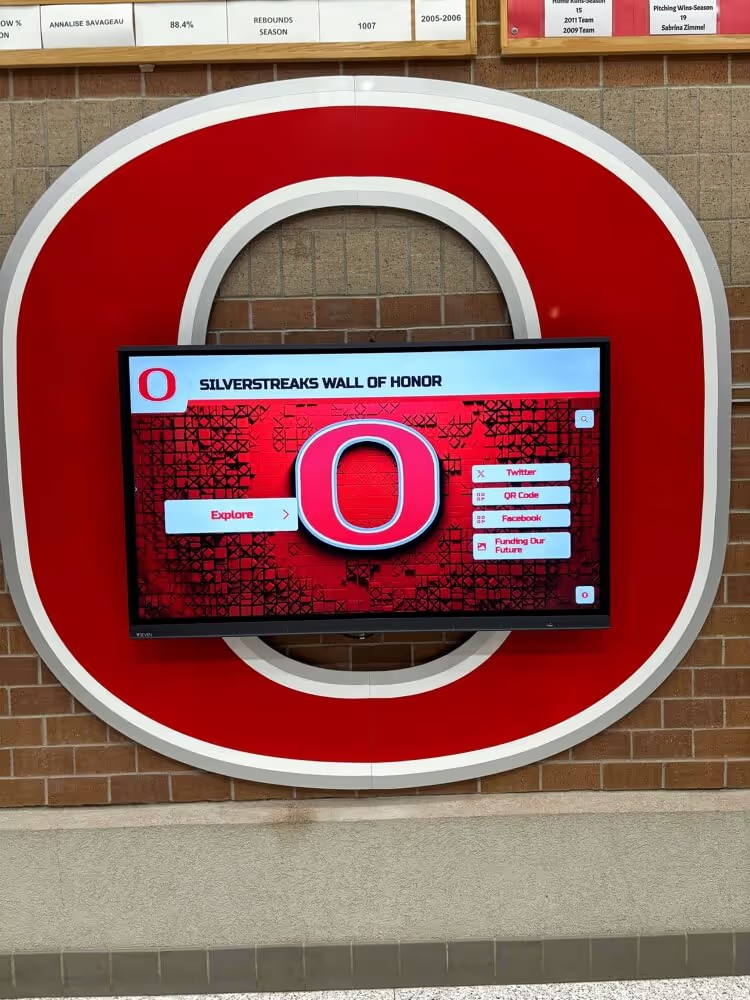
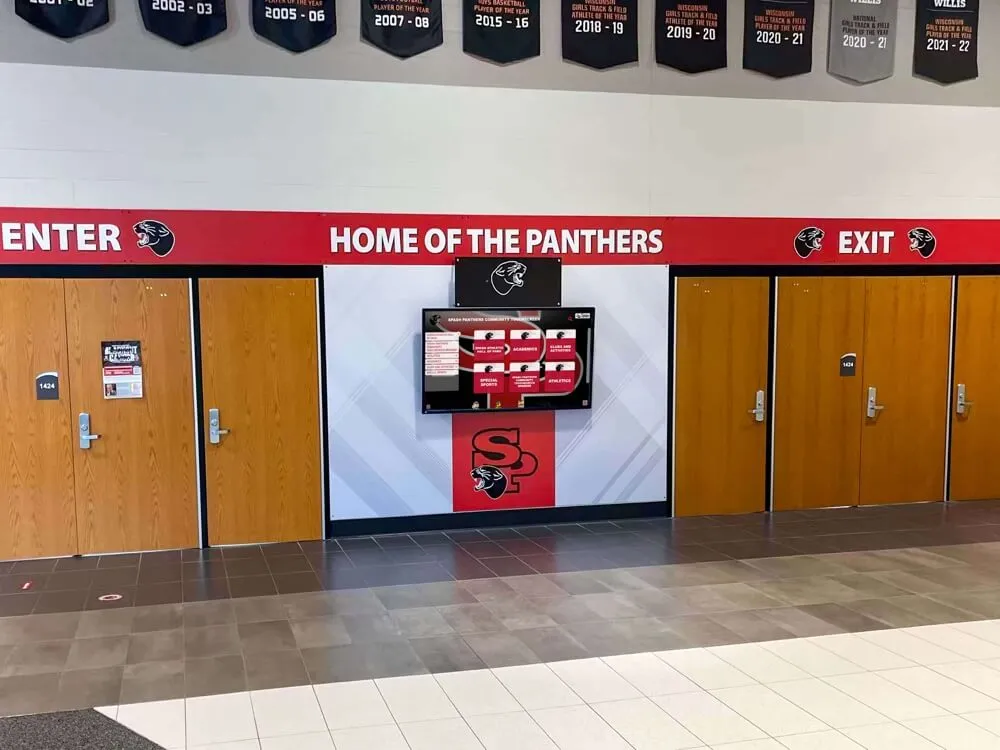
Touchscreen systems allow personnel to explore colleague achievements and facility history
Community and Public Recognition Initiatives
Expanding recognition beyond internal audiences helps broader communities understand and appreciate air traffic controller contributions while building professional pride.
National Air Traffic Control Day and Awareness Events
Designated observances create opportunities for focused recognition and public education.
July 6: National Air Traffic Control Day
This annual observance recognizes controllers’ contributions to aviation safety. According to National Today, this day commemorates the work of controllers who keep the skies safe.
Organizations can mark this occasion through:
- Special recognition events at facilities honoring local controllers
- Media outreach educating communities about controller work
- Social media campaigns highlighting controller contributions
- Public tours or open houses when security permits
- Proclamations from local government officials
- Partnership with aviation organizations for coordinated celebration
- Internal celebrations with special meals or facility events
October 20: International Day of the Air Traffic Controller
This international observance provides another recognition opportunity, celebrating controllers worldwide. Global coordination creates opportunities for:
- Sharing recognition across international boundaries
- Highlighting controller cooperation in global aviation system
- Cultural exchange and learning from international controller practices
- Social media solidarity using common hashtags
- Facility exchanges and visits when geography permits
Media Recognition and Public Relations
Strategic media engagement builds community awareness and appreciation.
Local Media Features and Human Interest Stories
Controllers have compelling stories worth sharing:
- Media interviews highlighting controller roles and responsibilities
- Human interest features profiling individual controllers
- Behind-the-scenes facility tours for journalists
- Coverage of recognition events and awards presentations
- Controller guest columns or articles explaining aviation topics
- Radio or podcast appearances discussing air travel safety
- Television segments during busy travel periods explaining controller work
Social Media Recognition Campaigns
Digital platforms enable broad recognition reach:
- Regular posts celebrating individual controller achievements
- Team recognition highlighting collaborative excellence
- Educational content helping public understand controller work
- Video tours providing inside looks at control facilities
- Controller profiles and career journey stories
- Recognition of milestones and anniversaries
- User engagement inviting public appreciation comments
Airport and Travel Hub Displays
Recognition placed where travelers congregate builds public appreciation:
- Information displays in airport terminals explaining controller work
- Recognition boards featuring local controller achievements
- Video displays showing control tower operations
- Educational exhibits about air traffic control history
- Interactive displays allowing travelers to learn about controller roles
Discover effective approaches for creating digital art galleries in schools that translate to professional recognition contexts.
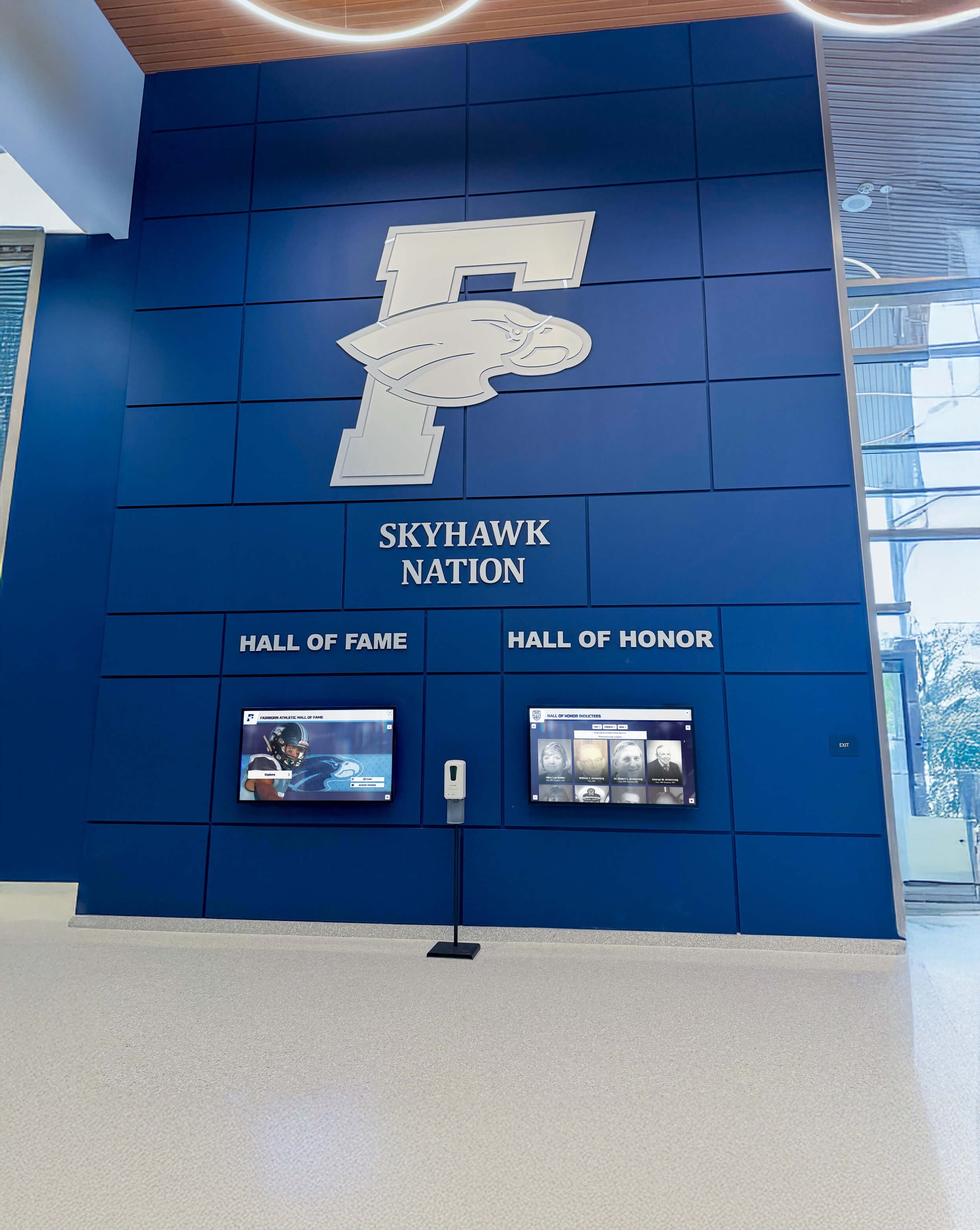
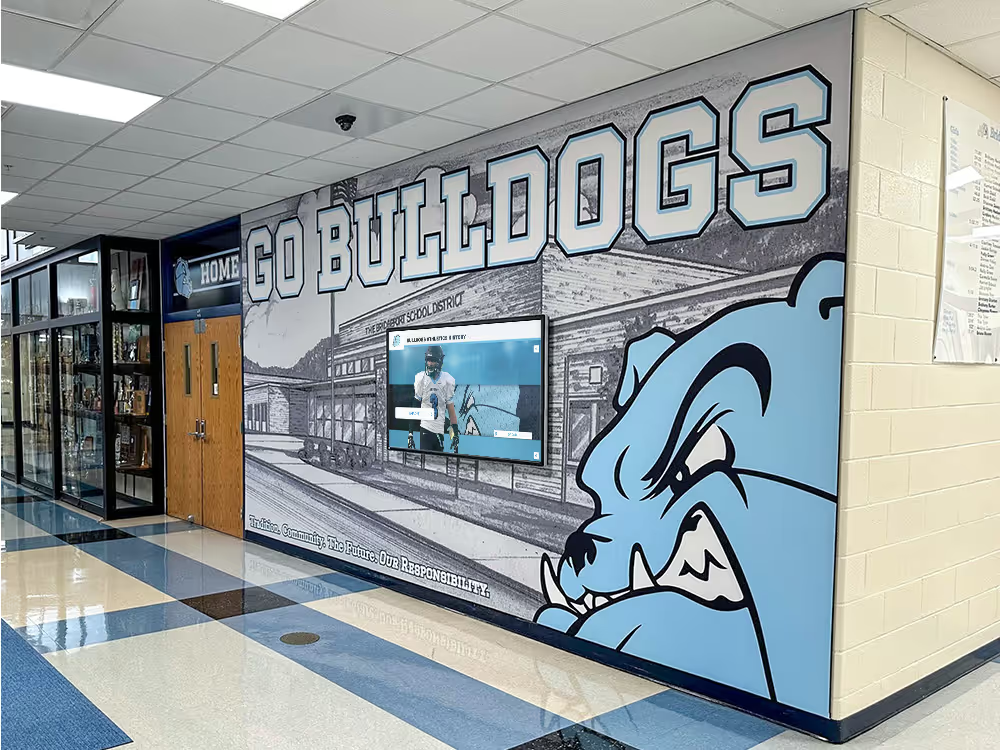
Recognition displays in public spaces build community awareness and professional pride
Modern Digital Recognition Display Solutions
Contemporary technology transforms how organizations recognize air traffic controllers, overcoming limitations of traditional approaches while creating engaging, comprehensive celebration of professional excellence.
Interactive Touchscreen Recognition Systems
Digital platforms like those from Rocket Alumni Solutions provide sophisticated recognition capabilities specifically valuable for professional environments.
Comprehensive Professional Profiles
Digital systems enable rich storytelling impossible with traditional plaques:
- Detailed biographical information and career histories
- Professional photographs and action images from control facilities
- Career milestone documentation tracking progression and achievements
- Award and recognition histories preserving complete records
- Video interviews where controllers share experiences and insights
- Specialized training and certification documentation
- Facility assignment histories for controllers who transferred
- Retirement tributes celebrating complete careers
Unlimited Recognition Capacity
Digital displays eliminate space constraints limiting traditional recognition:
- Single display accommodates unlimited controller recognition
- No need to remove historical honorees when adding new recognition
- Comprehensive archives preserving facility history indefinitely
- Equal visibility for all controllers regardless of when recognized
- Multiple recognition categories without space competition
- Accommodation of growing workforce without display expansion
Engaging Interactive Features
Touchscreen functionality creates active rather than passive recognition:
- Search capabilities enabling visitors finding specific controllers instantly
- Filtering by award category, years of service, certification dates, or other criteria
- Timeline views showing facility history and controller progression
- Achievement galleries documenting awards and special recognition
- Facility statistics and operational accomplishments
- Historical photos and memorabilia preservation
Learn about ultra-responsive touchscreens that enhance recognition display engagement.
Cloud-Based Content Management Benefits
Modern recognition platforms eliminate administrative burdens while providing powerful capabilities.
Simple Remote Administration
- Updates from any internet-connected device without facility visits
- Role-based permissions enabling appropriate staff access
- Bulk import tools for award data and recognition information
- Scheduled publishing aligned with recognition events
- Drag-and-drop interfaces requiring minimal technical expertise
- Mobile-responsive management allowing updates from any device
Instant Updates and Corrections
Digital systems enable immediate changes physical displays cannot match:
- New recognition appears on displays within minutes
- Corrections implemented immediately without reprinting
- Seasonal or themed content rotations for sustained engagement
- Real-time synchronization across multiple facility displays
- Automated backup systems preventing data loss
Facilities report 80-90% reduction in administrative time maintaining recognition displays after implementing digital systems compared to traditional approaches requiring physical material creation and installation.
Web-Based Recognition Extensions
Comprehensive recognition extends beyond physical displays through web-accessible platforms:
Online Recognition Portals
Web accessibility amplifies recognition impact:
- Controllers and families access recognition from anywhere
- Retirees view updated displays remaining connected to facilities
- Social sharing capabilities enabling professional network celebration
- Mobile optimization ensuring accessibility from smartphones
- Integration with facility websites and communication platforms
- Search engine visibility increasing organizational reputation
Multi-Channel Communication Integration
Systematic communication ensures maximum recognition visibility:
- Email announcements when controllers receive recognition
- Newsletter features highlighting recent honorees
- Social media posts celebrating achievements with permissions
- Internal communication system integration
- Collaboration with aviation industry publications
Explore comprehensive touchscreen digital signage software applicable to professional recognition.
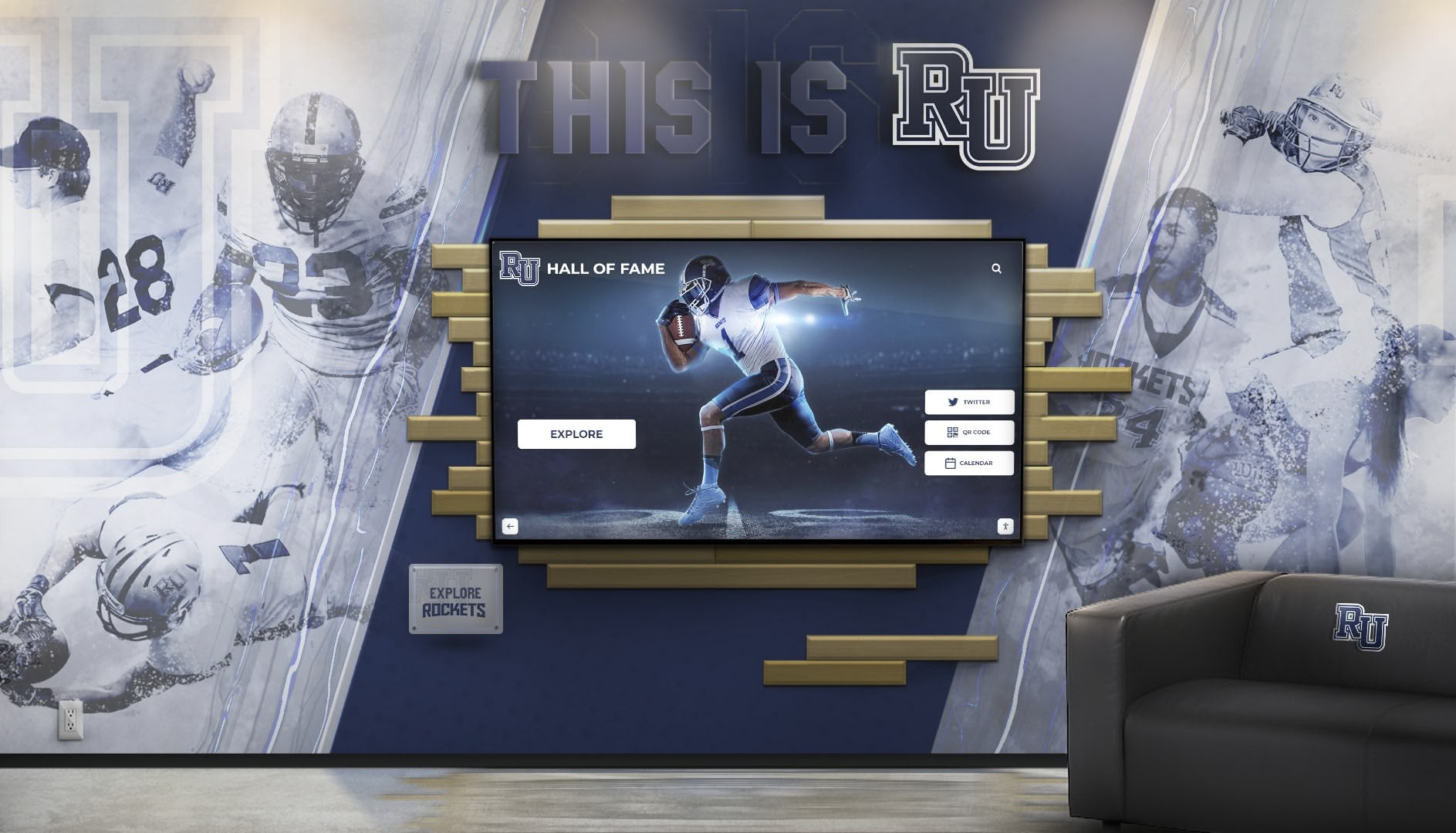
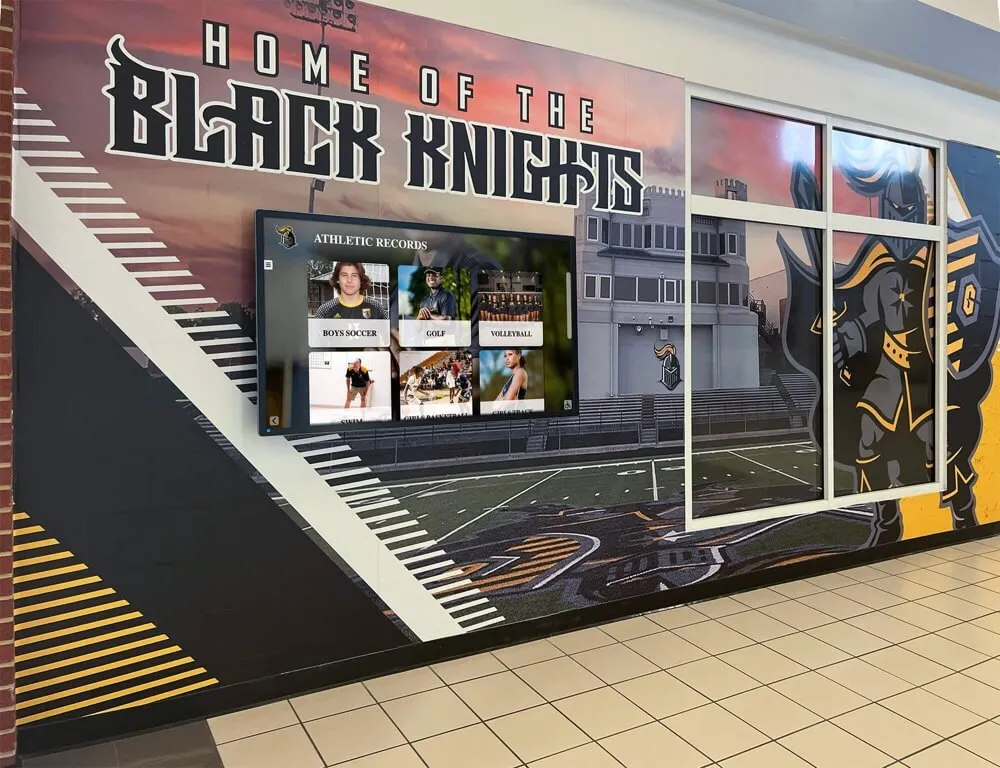
Digital recognition displays integrate with facility design creating professional, engaging celebration spaces
Implementing Effective Controller Recognition Programs
Successful recognition requires systematic planning, thoughtful implementation, and sustained management ensuring programs remain meaningful and impactful over time.
Planning and Program Development
Thorough preparation establishes foundations for recognition success.
Needs Assessment and Stakeholder Input
Begin by understanding current state and desired outcomes:
- Survey controllers about recognition preferences and what feels meaningful
- Gather management perspectives on strategic recognition objectives
- Review existing recognition practices identifying strengths and gaps
- Benchmark other facilities or organizations for proven approaches
- Consider budget realities and resource availability
- Assess facility space and display location options
- Evaluate technological capabilities and infrastructure
Clear Criteria Development
Transparent standards ensure perceived fairness:
- Define specific criteria for each award category
- Document nomination and selection processes
- Establish review committees with diverse representation
- Create scoring rubrics for objective evaluation
- Set frequency and timing for various recognition programs
- Clarify eligibility requirements for different awards
- Develop appeals or reconsideration processes if needed
Program Communication and Launch
Effective rollout builds awareness and participation:
- Comprehensive communication explaining new recognition programs
- Town halls or facility meetings introducing initiatives
- Written materials documenting criteria and processes
- Nomination form templates and submission procedures
- Timeline communication for selection and announcement
- Launch events generating excitement and setting tone
Recognition Event Planning and Execution
Ceremonies and events create memorable experiences maximizing recognition impact.
Formal Awards Ceremonies
Special events honor recipients while bringing facilities together:
- Annual or quarterly recognition ceremonies for major awards
- Invitation of family members and guests when appropriate
- Leadership remarks connecting recognition to organizational values
- Recipient speeches or testimonials sharing perspectives
- Certificate, plaque, or trophy presentations
- Reception enabling personal congratulations and celebration
- Photography and videography documenting events
Integration with Existing Events
Leverage established gatherings to amplify recognition:
- Recognition components within facility meetings
- Awards presentations during holiday celebrations
- Milestone recognition during shift change briefings
- Retirement ceremonies incorporating career recognition
- Safety stand-downs featuring safety excellence awards
- Professional development events highlighting achievement
Learn about approaches for senior class awards displays that inform professional recognition event planning.
Measurement and Continuous Improvement
Regular assessment ensures programs achieve intended goals while identifying enhancement opportunities.
Quantitative Success Metrics
Track measurable indicators demonstrating program reach:
- Number of controllers recognized across various programs
- Distribution of recognition across demographics and roles
- Award nomination rates indicating engagement
- Recognition event attendance
- Digital display interaction rates and usage patterns
- Web platform traffic to online recognition pages
- Social media engagement with recognition content
Qualitative Feedback
Gather stakeholder perspectives revealing program impact:
- Controller surveys assessing recognition meaningfulness
- Focus groups exploring recognition program perceptions
- Exit interviews with departing controllers about recognition experiences
- Management observations about culture and morale changes
- Family feedback about recognition visibility and impact
- Suggestion collection for recognition improvements
Regular assessment enables continuous improvement ensuring recognition remains meaningful, motivating, and aligned with organizational culture while demonstrating program value justifying resource investment.
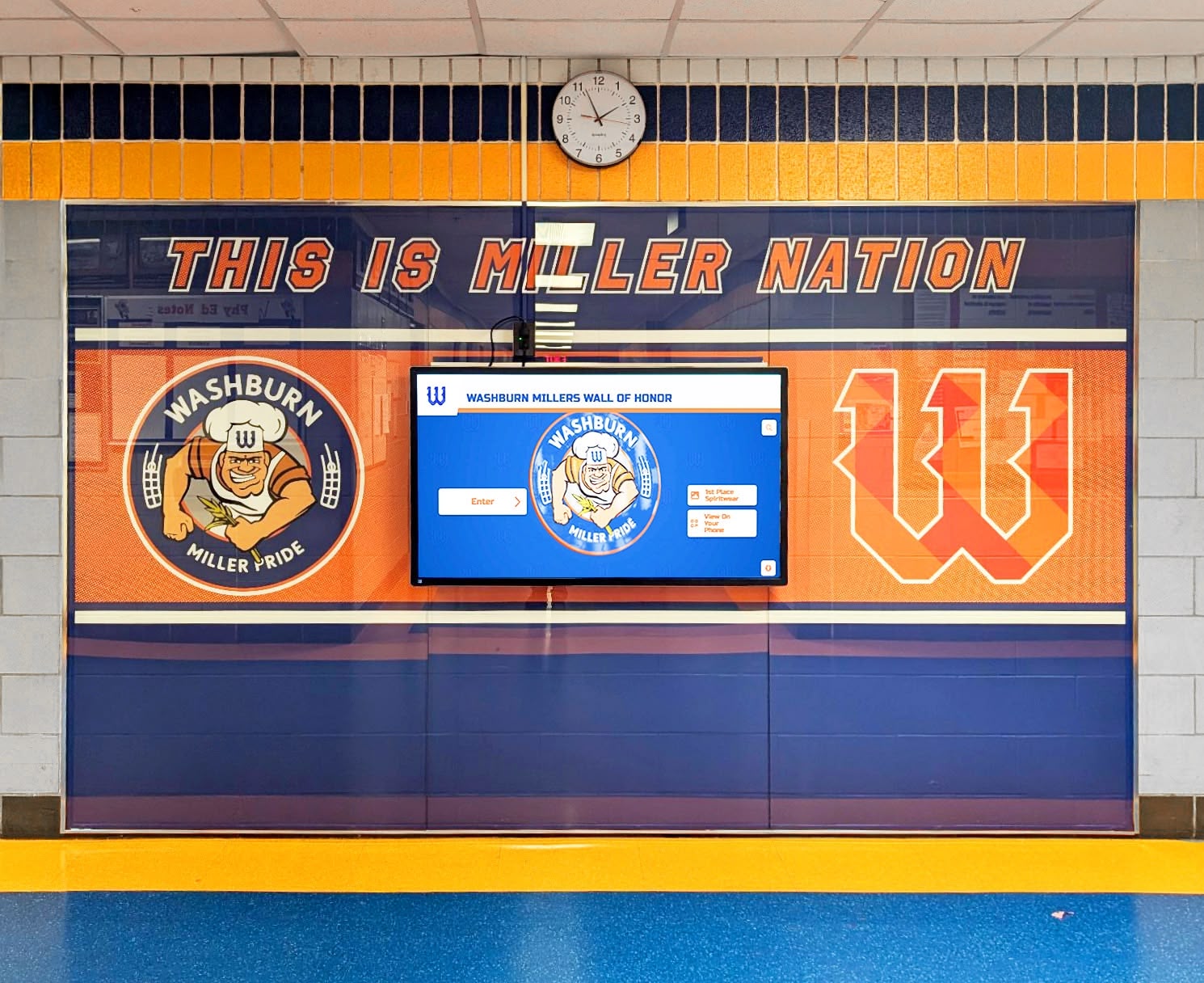
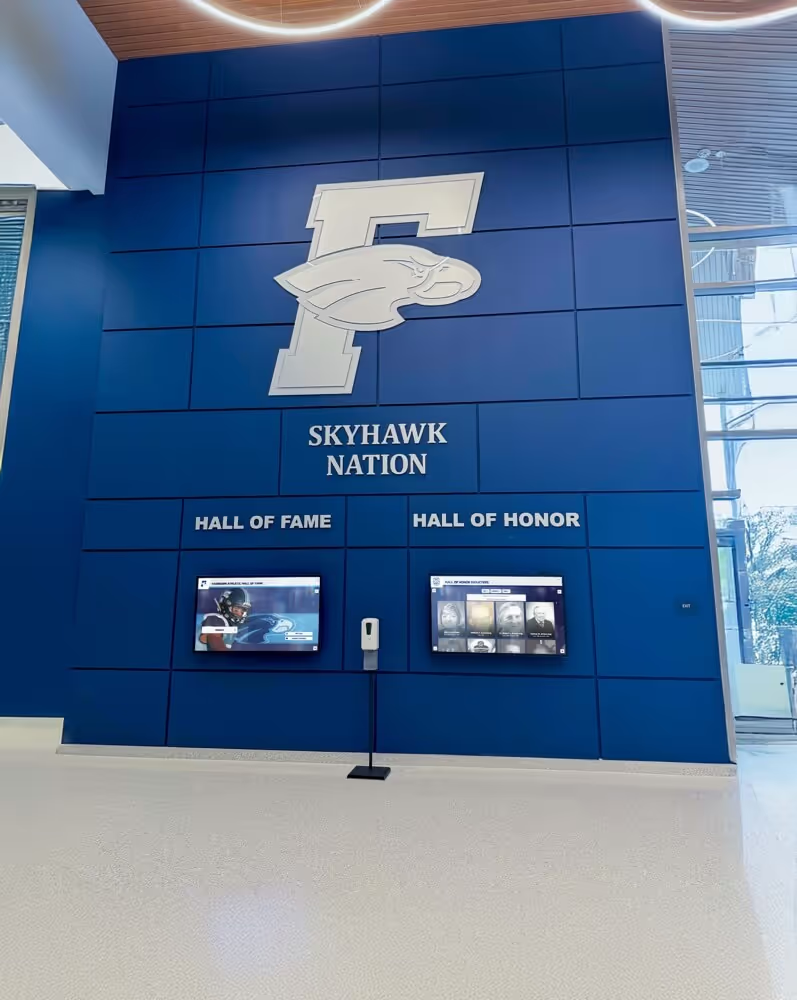
Strategic placement in high-traffic areas maximizes recognition visibility and impact
Special Recognition Considerations for Air Traffic Control
Certain aspects unique to air traffic control merit specific attention when designing recognition programs.
Security and Operational Constraints
Recognition must balance visibility with operational requirements:
- Security clearances and facility access limitations affecting public events
- Operational tempo considerations timing recognition to minimize disruption
- Photography restrictions in certain control facility areas
- Public information limitations protecting sensitive operational details
- Safety culture preservation ensuring recognition doesn’t incentivize risk-taking
- Appropriate recognition of classified or sensitive accomplishments
Shift Work and Schedule Diversity
Controller schedules complicate recognition logistics:
- Recognition timing ensuring honorees can attend ceremonies
- Multiple ceremony options accommodating different shift personnel
- Recording events for controllers unable to attend
- Shift-specific recognition enabling peer attendance
- Flexibility in recognition delivery methods
- Digital recognition accessible regardless of shift assignment
Union Considerations and Labor Relations
Recognition programs should align with labor-management relationships:
- Consultation with union representatives during program development
- Ensuring recognition doesn’t violate collective bargaining agreements
- Avoiding recognition perceived as favoritism or discrimination
- Balanced recognition across different controller positions and roles
- Transparency in selection processes building trust
- Recognition complementing rather than replacing compensation discussions
Mental Health and Wellness Context
Recognition should support rather than increase pressure:
- Avoiding recognition approaches that increase stress or competition
- Celebrating work-life balance and self-care practices
- Recognizing seeking help as strength not weakness
- Acknowledging mental health awareness and peer support
- Recognition of controllers supporting colleague wellness
- Balanced messaging about excellence not perfection
Discover approaches for recognizing perfect attendance that balance celebration with wellness considerations.
Conclusion: Building Appreciation Cultures That Sustain Aviation Excellence
Effective air traffic controller recognition represents strategic investment in workforce morale, professional culture, and ultimately aviation safety itself. When organizations systematically celebrate controller excellence across individual achievement, team performance, career dedication, and extraordinary actions—they create environments where demanding work receives the appreciation it deserves, where professionals feel valued for their sacrifices, and where safety-critical organizational culture strengthens through visible demonstration of what the organization values.
The strategies explored in this guide provide comprehensive frameworks for building recognition systems that honor air traffic controller contributions while remaining practical, sustainable, and aligned with operational realities. From prestigious national awards programs that celebrate exceptional performance to daily appreciation practices integrated throughout workplace culture, from community engagement initiatives building public awareness to modern digital recognition displays eliminating traditional limitations, contemporary approaches transform recognition from occasional gestures to systematic cultural foundations.
Transform Your Professional Recognition Programs
Discover how modern digital recognition solutions can help you celebrate every professional achievement and build thriving cultures where critical work receives the appreciation it deserves.
Explore Recognition SolutionsModern digital platforms like those from Rocket Alumni Solutions make comprehensive recognition achievable across unlimited professionals and achievement categories, while systematic approaches ensure consistent implementation reaching all deserving individuals throughout their careers. Digital systems overcome traditional limitations through unlimited capacity accommodating decades of recognition growth, instant updates enabling timely celebration while accomplishments remain fresh, rich multimedia content bringing achievement stories to life, interactive exploration engaging visitors actively, web accessibility extending recognition beyond facility boundaries, and comprehensive analytics demonstrating program effectiveness and community engagement.
Building effective recognition programs requires moving beyond limiting assumptions about budget constraints and recognition formats. Start where you are with recognition practices you can implement immediately—whether creating focused displays for recent achievements, developing comprehensive programs celebrating excellence across categories and career stages, or designing inclusive systems acknowledging diverse contributions. Each enhancement honors professional dedication more effectively while demonstrating organizational commitment to appreciating the exceptional individuals whose work keeps aviation safe.
Air traffic controllers perform invisible yet absolutely critical work ensuring aviation safety every single day. Their contributions deserve recognition equal to any profession—celebration that honors individual excellence while inspiring peers and building professional cultures where demanding work receives authentic appreciation. With thoughtful planning, appropriate technology through solutions like digital recognition platforms, attention to unique operational considerations, and systematic implementation, organizations can create recognition systems that celebrate every achievement while building positive, motivating professional environments where all controllers thrive and aviation excellence continues.
Ready to begin? Explore comprehensive professional recognition wall approaches that can inform controller recognition implementation, or learn more about digital recognition display solutions perfect for showcasing professional achievement. Discover how historical timeline approaches can celebrate facility history and controller contributions, creating lasting connections between operational excellence traditions and accomplished professionals who continue demonstrating outstanding performance throughout their careers.