



Academic All-State is an honor awarded by state athletic or activities associations—and in some cases by independent organizations—to high school student-athletes who meet a combined standard of competitive athletic participation and high academic achievement, typically a minimum GPA of 3.5 or higher on a 4.0 scale. What does academic all state mean in practical terms? It means a student competed at the varsity level in a recognized sport while earning grades that place them among the top academic performers in the state, and that a selection body—usually composed of coaches, athletic directors, or association administrators—formally identified and announced them as honorees. The designation exists separately from all-state athletic honors, which recognize on-field performance alone, and is designed to highlight the full profile of student excellence: disciplined competition paired with rigorous academics.
Schools that understand what academic all state means are better positioned to recognize these students appropriately, update their record boards promptly, and preserve the achievement for future audiences—from incoming recruits to alumni revisiting campus decades later.

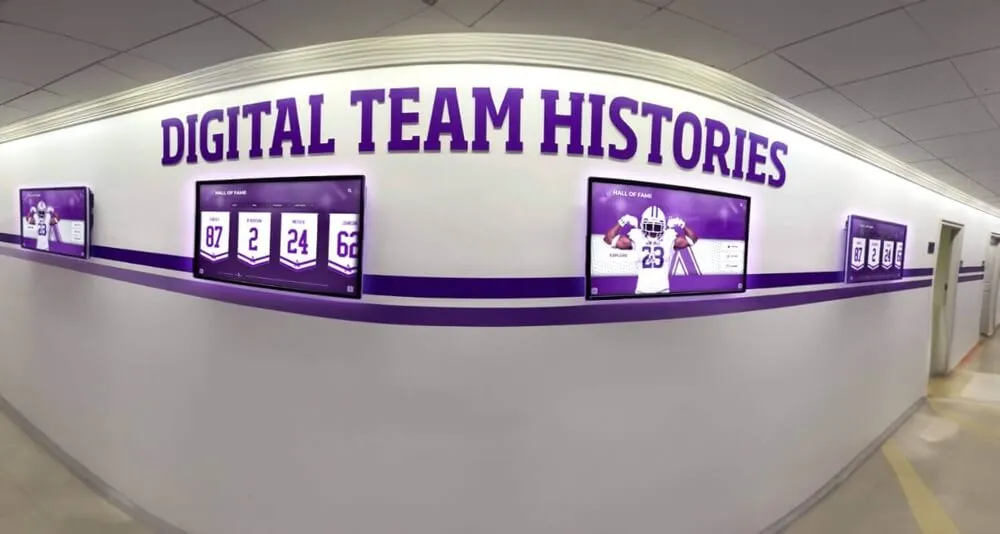
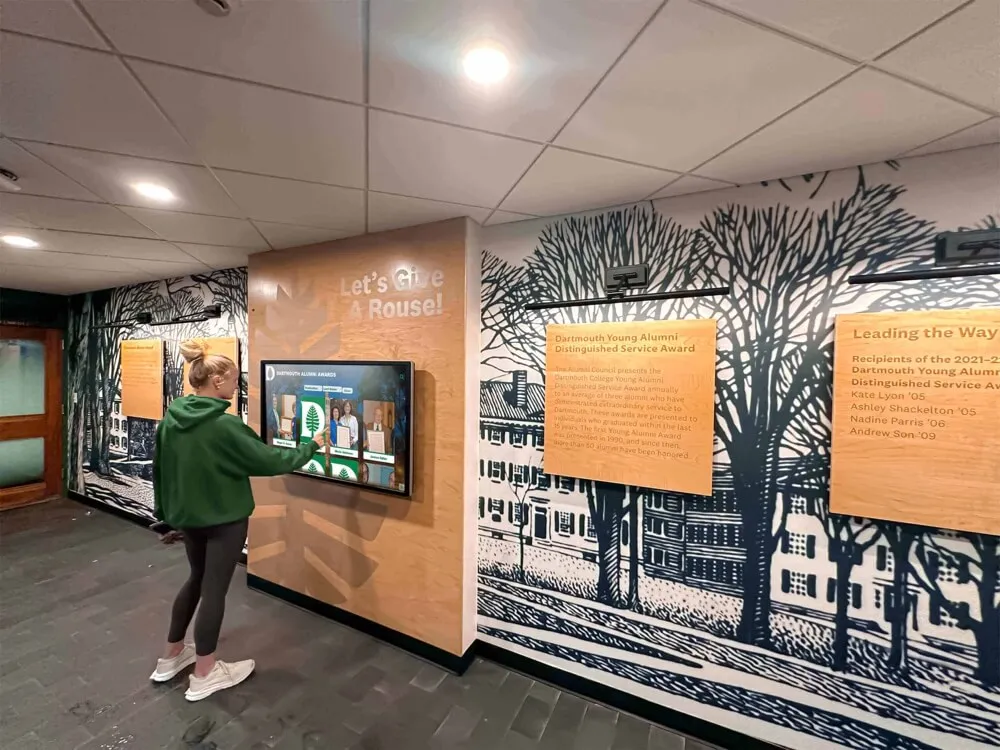
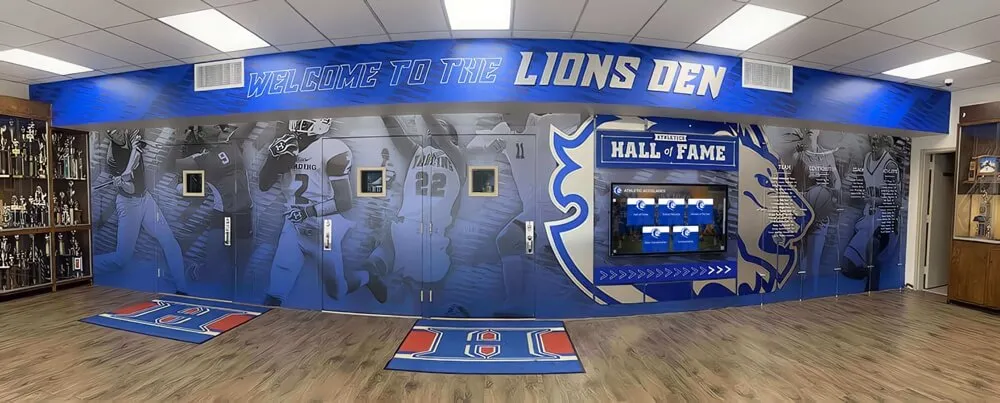
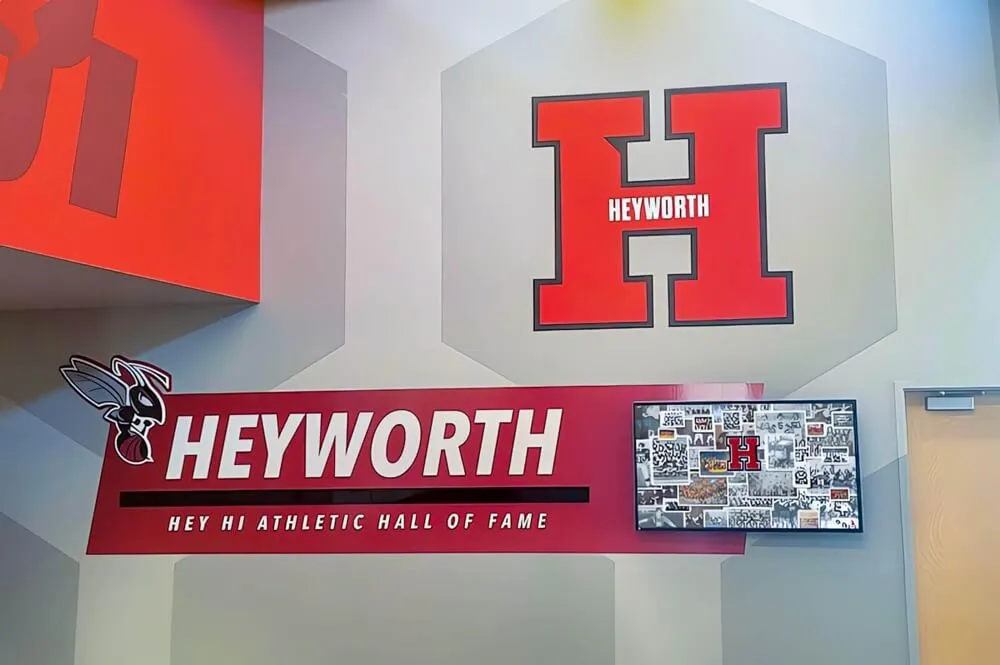
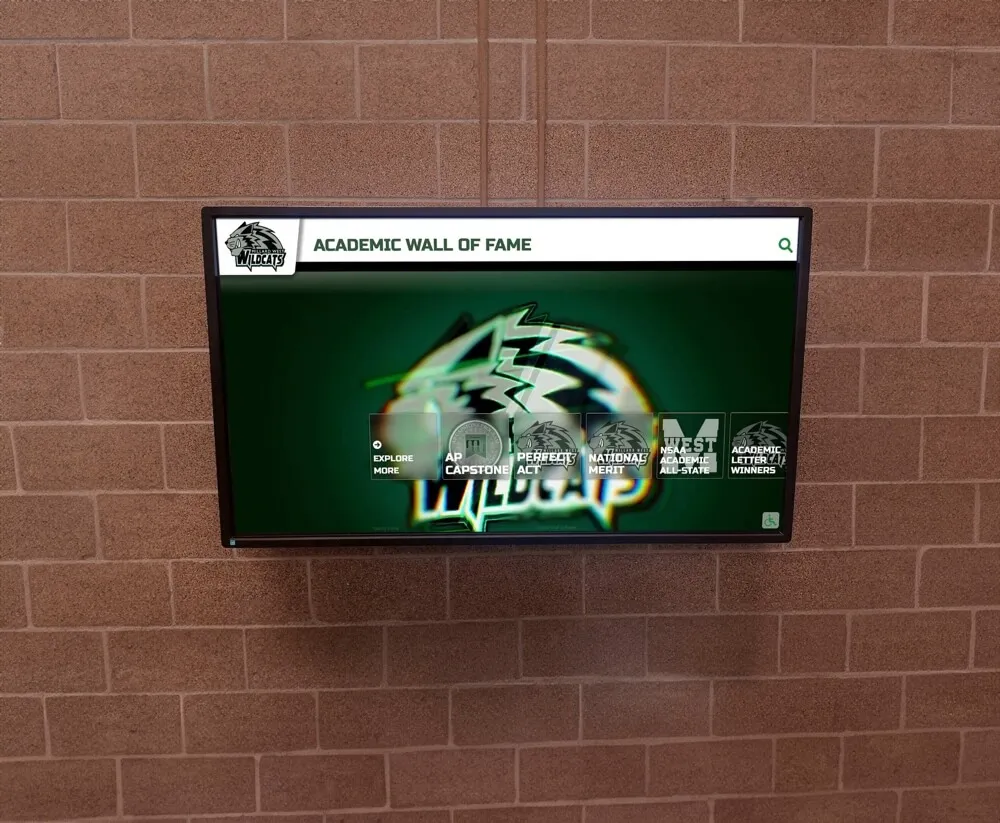
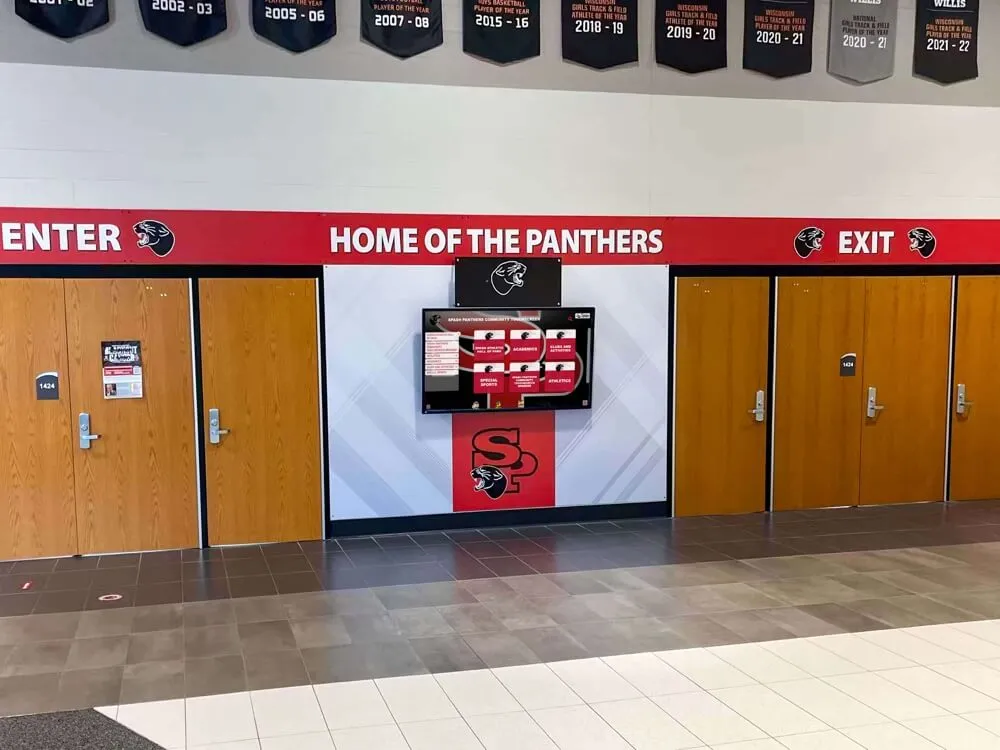
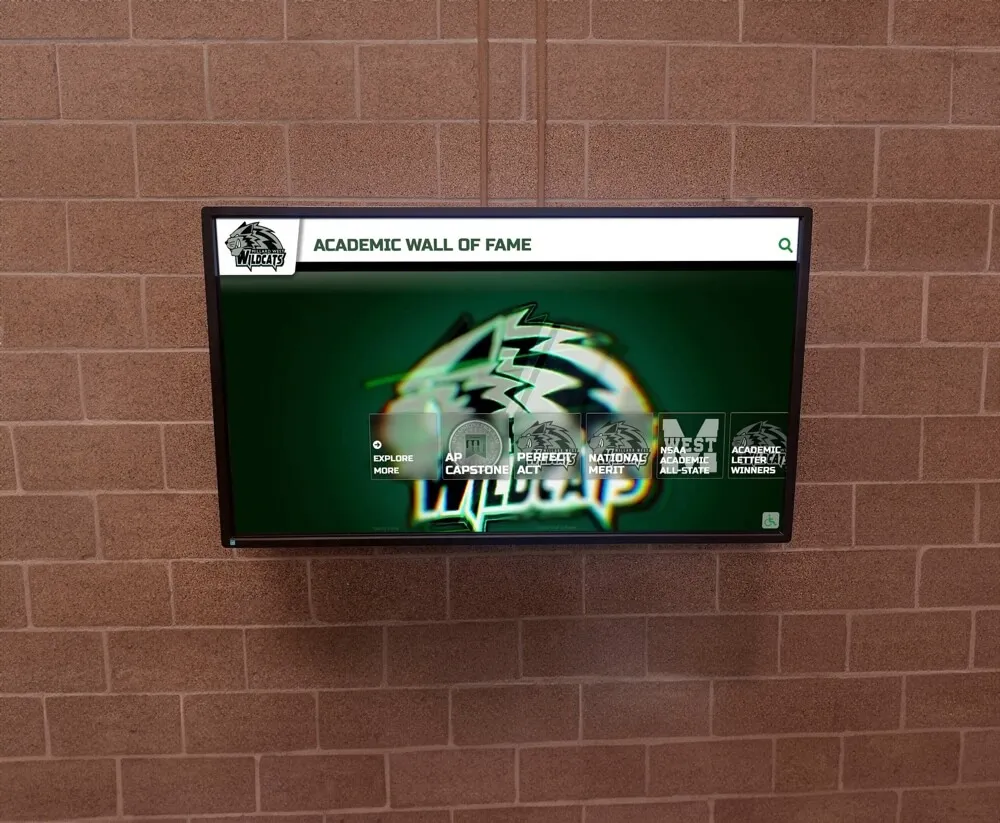
A dedicated academic wall of fame creates a permanent, visible home for academic all-state honors in the school community
Common Display Fields for Academic All-State Honorees
When schools update recognition displays, record boards, or digital platforms after an academic all-state announcement, these are the data fields typically needed for each recipient:
| Field | Description | Example |
|---|---|---|
| Student Name | Full legal name as it should appear on permanent records | Jordan M. Williams |
| Sport | The varsity sport through which eligibility was established | Women’s Cross Country |
| School Year / Grade | Year honoree was recognized | Senior, 2025–26 |
| GPA | Cumulative or weighted GPA at time of selection | 3.94 / 4.0 |
| Selection Tier | First Team, Second Team, or Honorable Mention | First Team |
| Awarding Body | State association or organization granting the designation | State Athletics Association |
| Announcement Date | Date the honor was formally announced | October 2025 |
| Photo | Headshot or action photo for display profiles | Portrait file |
| Post-Graduation Plans | Optional; enriches narrative for long-term displays | Attending State University |
| Coach / Nominator | Staff member who submitted the nomination | Coach Sarah Lee |
Keeping these fields organized from the moment the award is announced makes it far easier to load profiles into digital recognition systems or update physical honor boards without scrambling for missing data later in the season.
How Academic All-State Selection Works
The selection process varies by state, but most follow a consistent structure built around nominations submitted by coaches or athletic directors.
Nomination and Eligibility
Coaches or school administrators submit nominations through their state athletic or activities association portal before a stated deadline. Eligibility typically requires:
- Active participation in a varsity sport recognized by the state association during the current season
- A minimum cumulative GPA—most states set this between 3.5 and 4.0
- No active academic or athletic disciplinary suspensions
- Enrollment at the nominating school for the full academic year, or at least a minimum number of semesters
Some associations segment their academic all-state pools by sport so that a school can have nominees across multiple teams simultaneously. Others run a single unified pool for all sports each semester. Athletic directors navigating multiple simultaneous nominations benefit from understanding how their state’s particular structure works before deadlines arrive. An athletic director transition plan that documents state deadlines and nomination workflows is one of the most practical investments a program can make.
Selection and Announcement
After nominations close, a review committee—often composed of coaches, administrators, or association staff—evaluates submissions against published criteria. Many states rank nominees by GPA within sport-specific pools and select a fixed number of first- and second-team honorees. Some associations publish a unified Honorable Mention list for students who met the GPA threshold but were not selected for a named team.
Announcement timing varies widely. Fall sport academic all-state lists often publish in late winter after first-semester grades are finalized. Spring sport honorees may be announced the following school year. Athletic directors who monitor the association calendar and build display updates into their seasonal workflow avoid the common problem of recognizing students months after the honor was announced.
Tiered Recognition Structures
Most state programs recognize honorees at multiple levels:
- First Team Academic All-State: Highest tier; typically the top GPA performers among all nominees in a given sport
- Second Team Academic All-State: Strong performers recognized just below first-team thresholds
- Honorable Mention: Broader acknowledgment for students who met all eligibility criteria and were nominated but not named to a specific team
Understanding the tier structure matters when designing recognition displays—first-team honorees generally warrant prominent placement or a distinct visual treatment to communicate the relative prestige of their achievement.
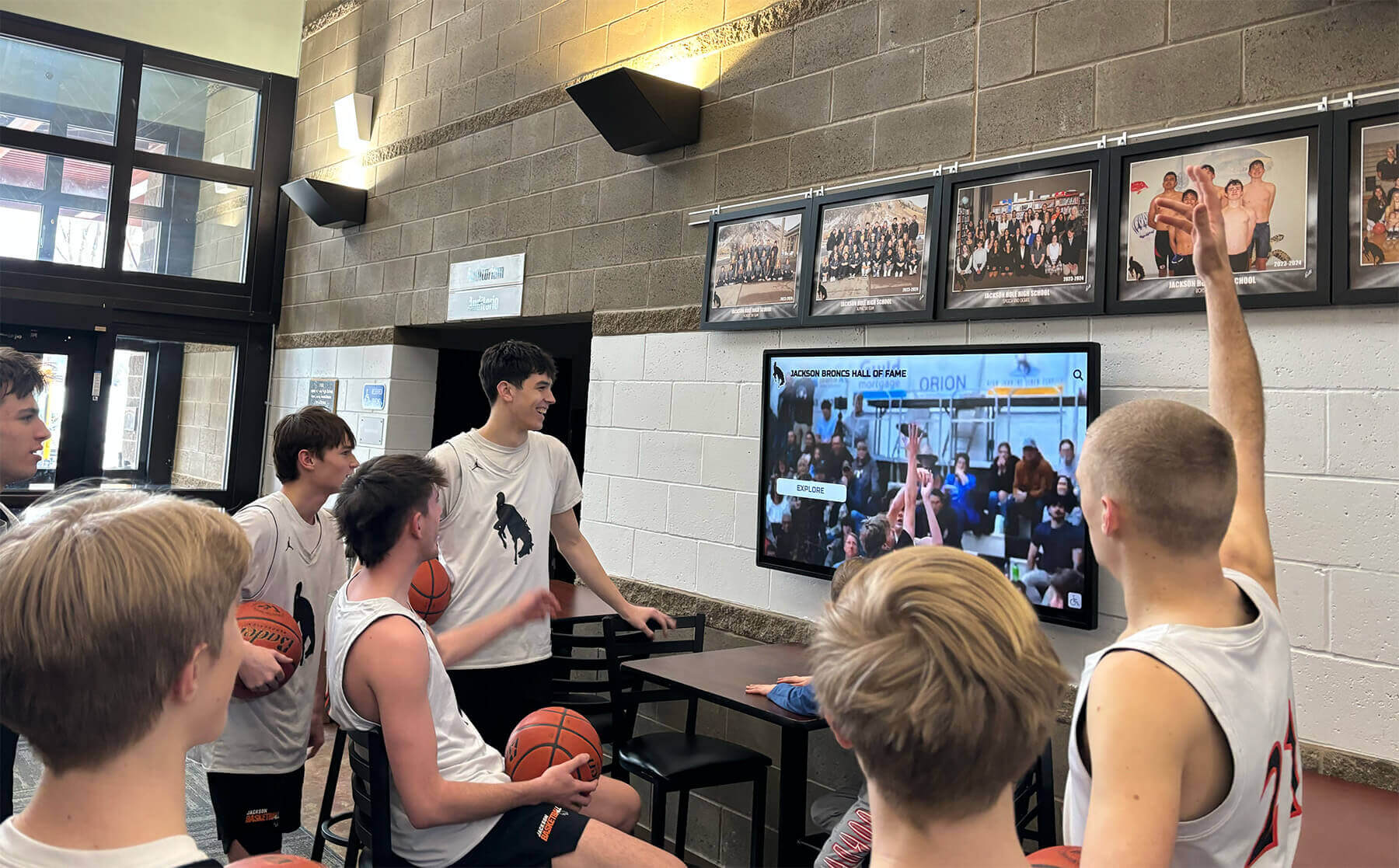
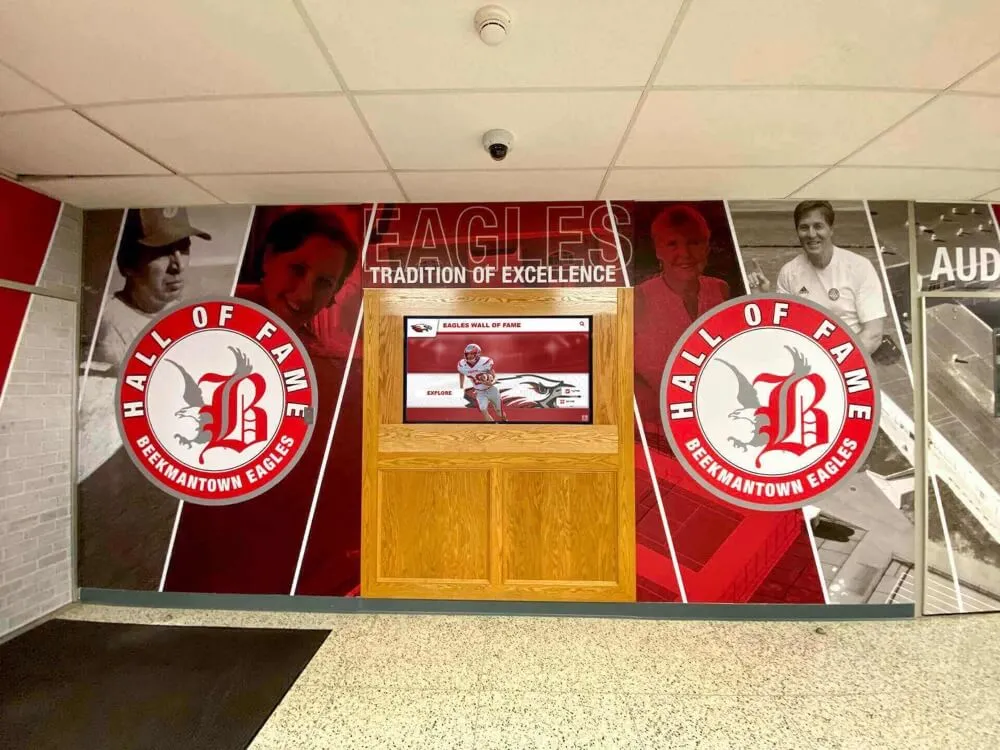
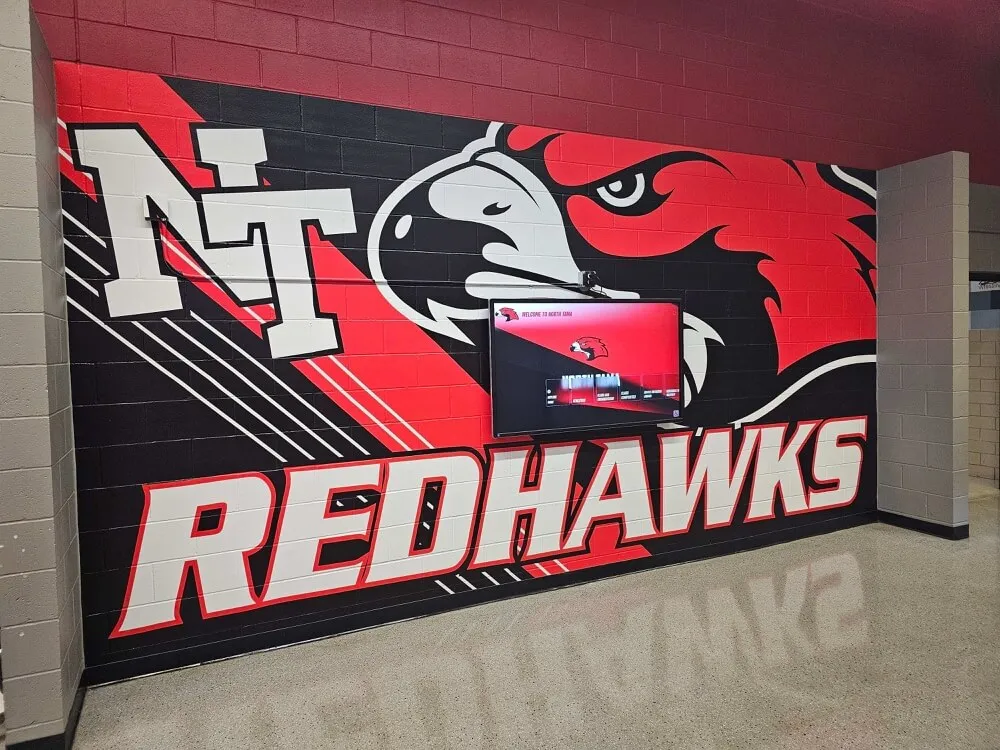
Recognition placed in high-traffic lobby spaces ensures academic all-state honorees are seen by the entire school community, not just teammates
What Academic All-State Means for Student-Athletes
The honor carries weight beyond the school hallway in several concrete ways.
College Recruitment Profiles
College coaches reviewing prospects increasingly look for signals that a recruit can handle academic pressure alongside athletic commitment. An academic all-state designation on a recruiting profile communicates that the student performed at an elite academic level during their most competitive athletic seasons—not just during an off-season when time management pressures ease. This is especially meaningful in Division III and NAIA recruiting, where athletic scholarships are limited and academic merit aid is the primary lever for affording tuition.
Families and counselors helping students build recruiting profiles should list academic all-state recognition explicitly, including the awarding body, sport, year, and tier. Vague references (“academic honors”) carry less weight than specific, verifiable designations tied to a state association. For a broader look at how these honors fit into the academic achievement landscape, academic achievement award recognition at the high school level offers useful context on how colleges interpret various designations.
Scholarship Applications
Some scholarship programs—particularly those run by booster clubs, civic organizations, and memorial funds—prioritize or exclusively serve academic all-state recipients. School counselors and athletic directors should maintain a list of local and regional scholarships with this eligibility requirement, then proactively inform students as soon as the honor is announced. The scholarship opportunity window often closes before students know to apply.
Long-Term Legacy and Alumni Engagement
Academic all-state honors have a long shelf life as legacy recognitions. Alumni returning for reunions, prospective families touring the building, and current underclassmen walking past a display board all encounter these names. Comprehensive academic recognition programs that preserve contextual details—sport, GPA tier, year, post-graduation path—create richer records than simple name-and-year plaques. That depth of context is what turns a recognition board from a static list into a living tribute.
How Schools Recognize Academic All-State Recipients
Recognition approaches range from immediate in-the-moment celebration to permanent archival displays. Strong programs use both.
Immediate Acknowledgment
When the state association publishes the academic all-state list, schools should respond within days with announcements across multiple channels:
- Morning announcements that explain what academic all state means and why it is significant—not all students and families will already know
- Social media posts featuring each honoree’s photo and specific achievement (sport, GPA range if publicly appropriate, tier)
- Athletic program emails to current team rosters, coaching staff, and booster organizations
- Personal notification to the student’s family before any public announcement where possible
Speed and specificity matter. A generic “Congratulations to our academic all-state honorees” post creates far less community impact than individual spotlight content that names the sport, tier, and context. For ideas on how to build out year-round sports award programming, youth sports awards approaches covers a wide range of immediate and lasting recognition formats.
Formal Ceremonies and Events
Many schools incorporate academic all-state recognition into existing athletic banquets, end-of-season celebrations, or dedicated academic awards nights. Presenting certificates or plaques in a ceremonial setting gives the honor weight that a bulletin post cannot replicate. When multiple team members earn the designation in the same year, a group photo with coaching staff and the award documentation becomes a historical record worth archiving.
Physical Display Boards
Traditional honor boards and trophy case inserts remain valuable for permanent, visible recognition that does not require electricity to operate. The practical challenge is space: as programs age and honoree lists grow, physical boards reach capacity. Many schools solve this by maintaining a “current year” display that rotates into an archival section annually—either a binder-based archive kept in the athletic office or a dedicated secondary hallway display for historical honorees.

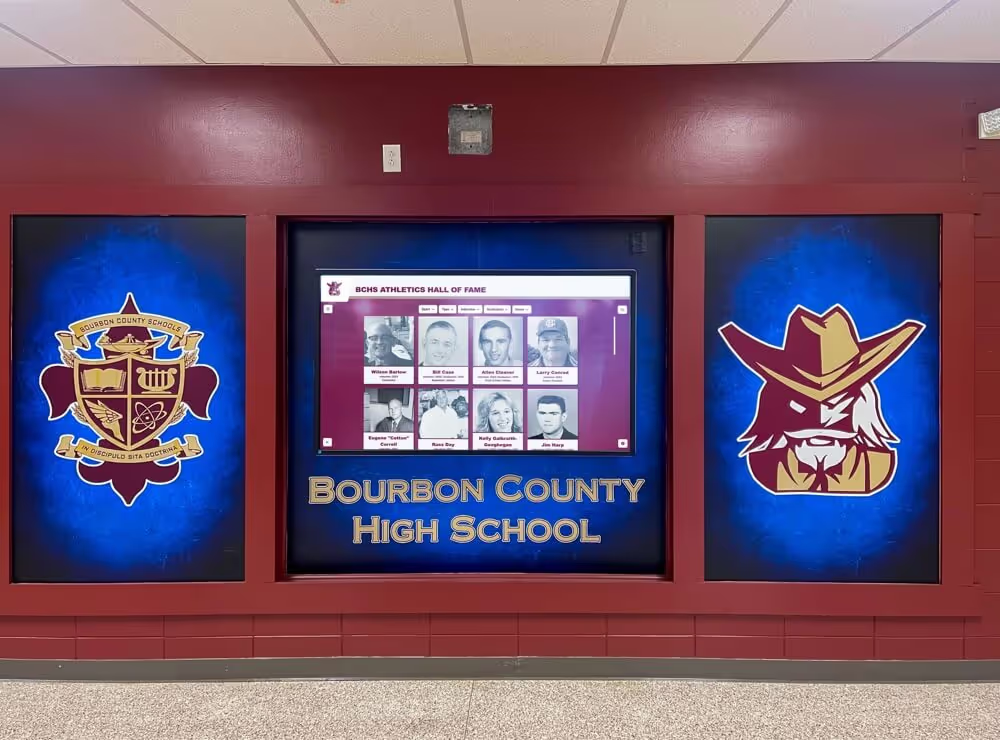
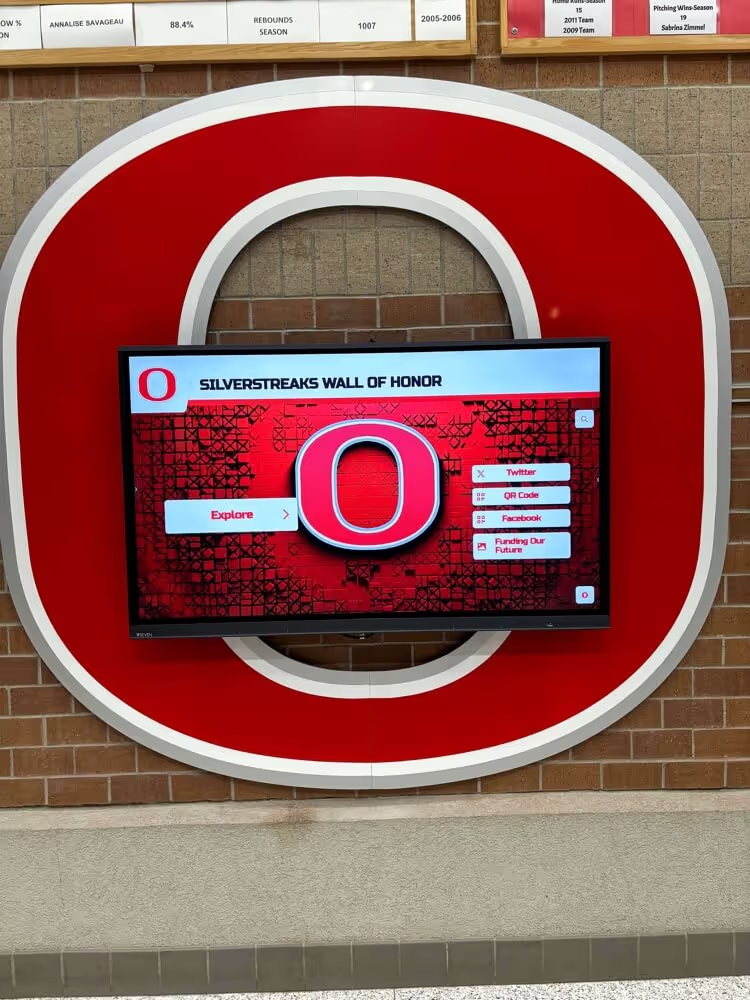
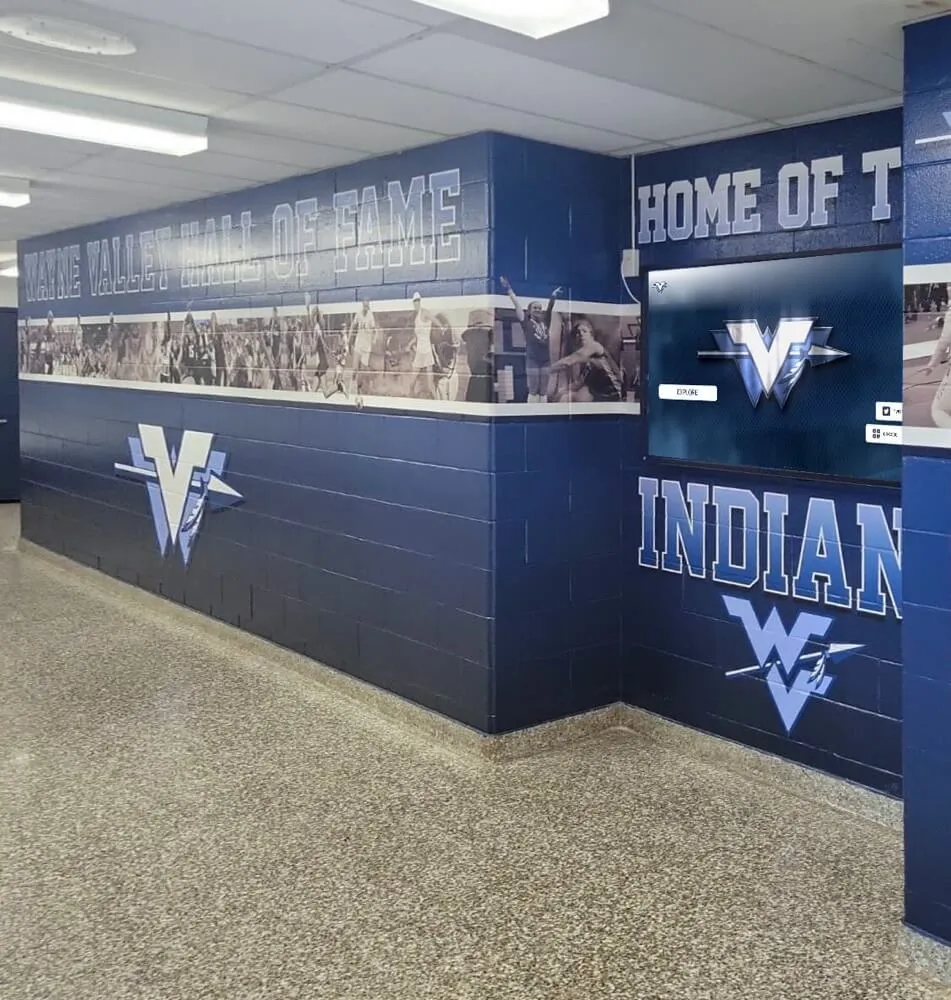
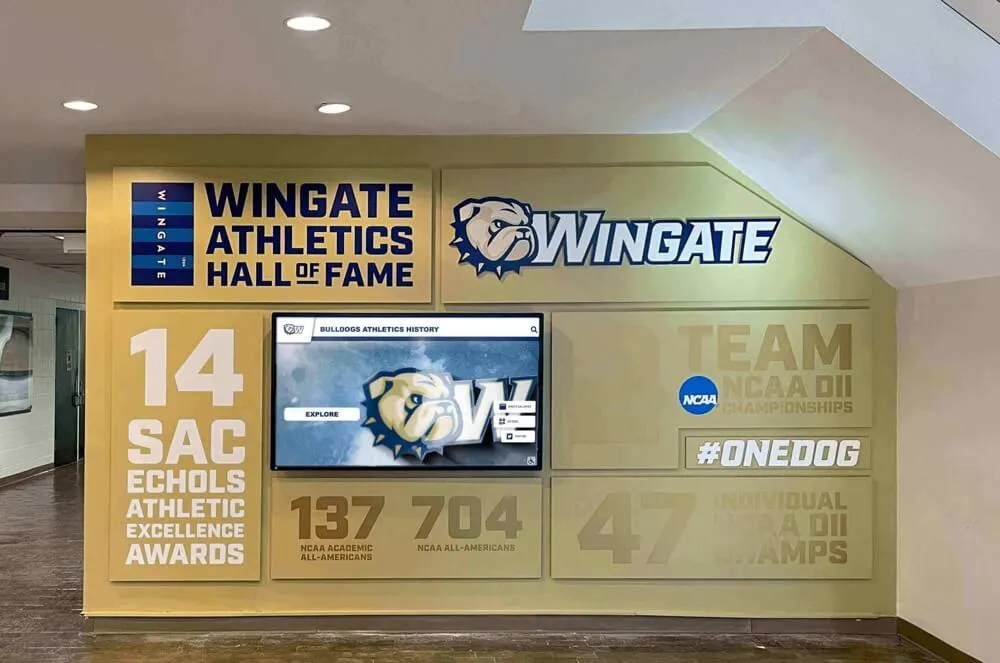
A well-organized hallway honor wall gives academic all-state honors prominent, permanent placement in the daily path of students and visitors
Displaying Academic All-State Honors in Digital Recognition Systems
Digital recognition platforms address the space and flexibility limitations of physical displays while adding capabilities—searchability, multimedia profiles, instant updates—that static boards cannot provide.
What a Digital Academic All-State Profile Should Include
A thorough digital profile for an academic all-state honoree typically includes the fields from the table above plus:
- A short narrative (2–4 sentences) describing what made this student exceptional—their sport, academic focus, community involvement, or future plans
- An action photo from competition alongside a formal portrait
- Links or references to other honors earned (all-conference athletic selection, honor roll, AP Scholar, etc.)
- Graduation year and post-graduation path when available
Well-structured profiles serve multiple audiences simultaneously: current students looking for role models, coaches pointing recruits toward examples of dual excellence, and alumni reconnecting with their school’s history. How schools define, display, and preserve student honors is a practical resource for athletic directors building out profile standards.
Touchscreen Kiosks and Interactive Displays
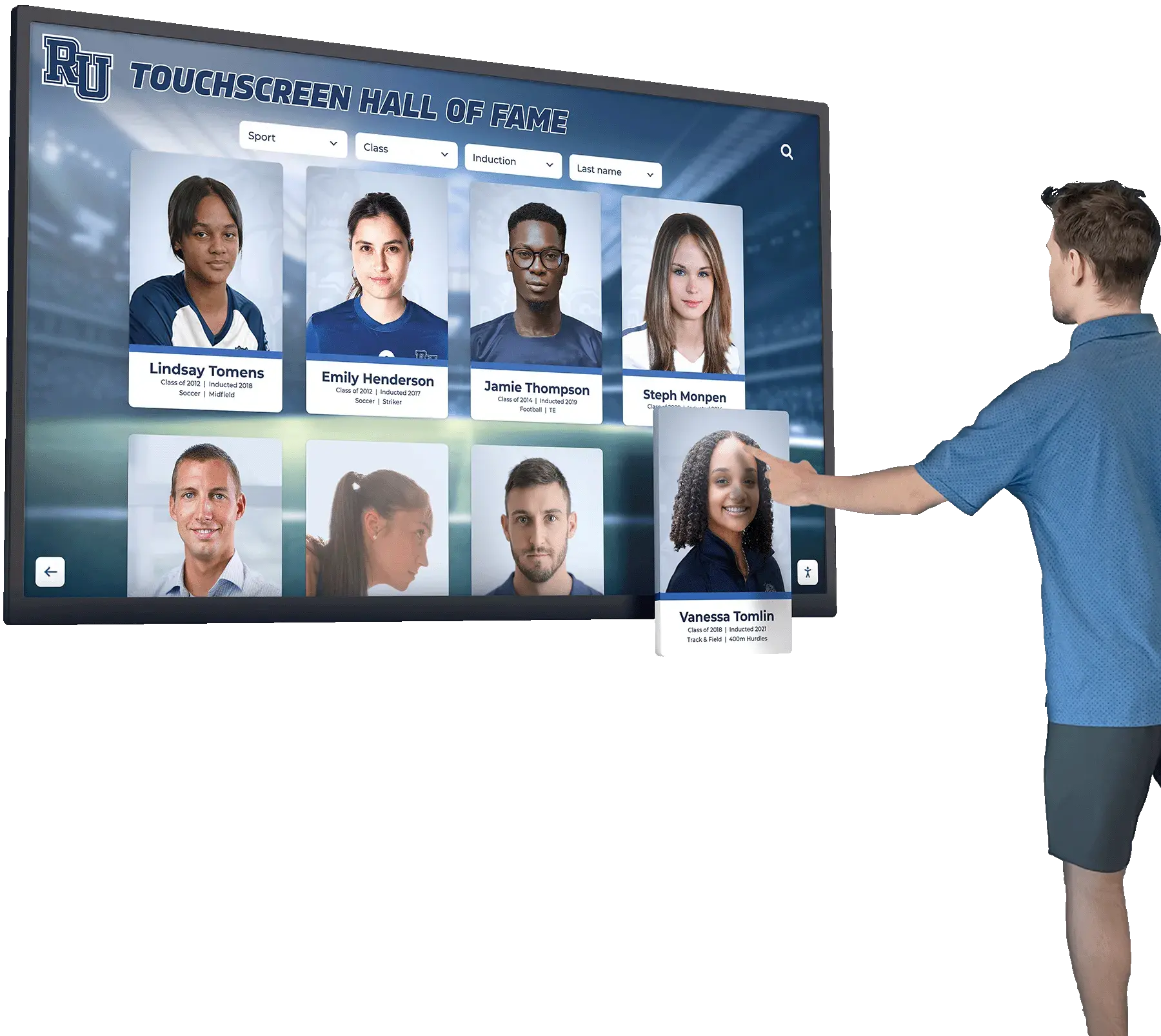
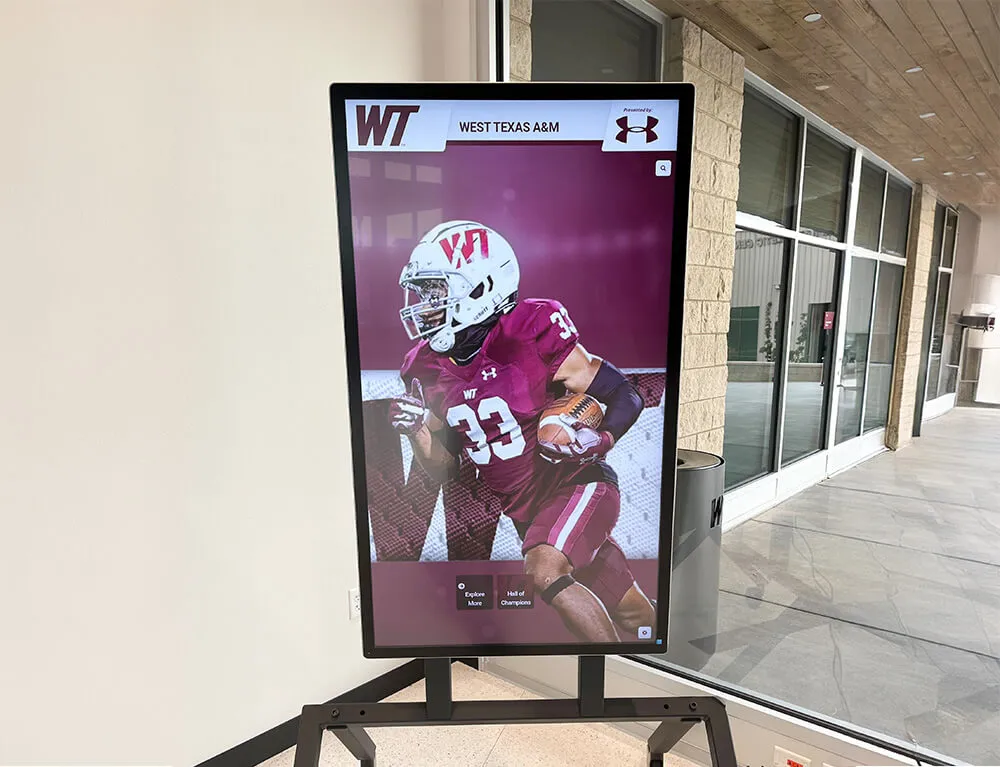
Interactive touchscreen displays installed in school lobbies, athletic facilities, and gymnasiums allow visitors to search by sport, year, or name—turning a historical archive into an active discovery experience. A family touring the building before enrollment can find relevant honorees from their sport of interest within seconds. A coach showing a prospective recruit the program’s academic culture can demonstrate the school’s history of dual excellence in real time.
A day in the life of school digital displays illustrates how these systems integrate into the daily rhythm of a school building—morning attractions, visitor interactions, and coaching staff use cases that static boards cannot support.
For administrators evaluating platform options, hall of fame tools for athletics, donors, arts, and history reviews leading digital recognition systems with side-by-side feature comparisons useful for budget planning and stakeholder presentations.
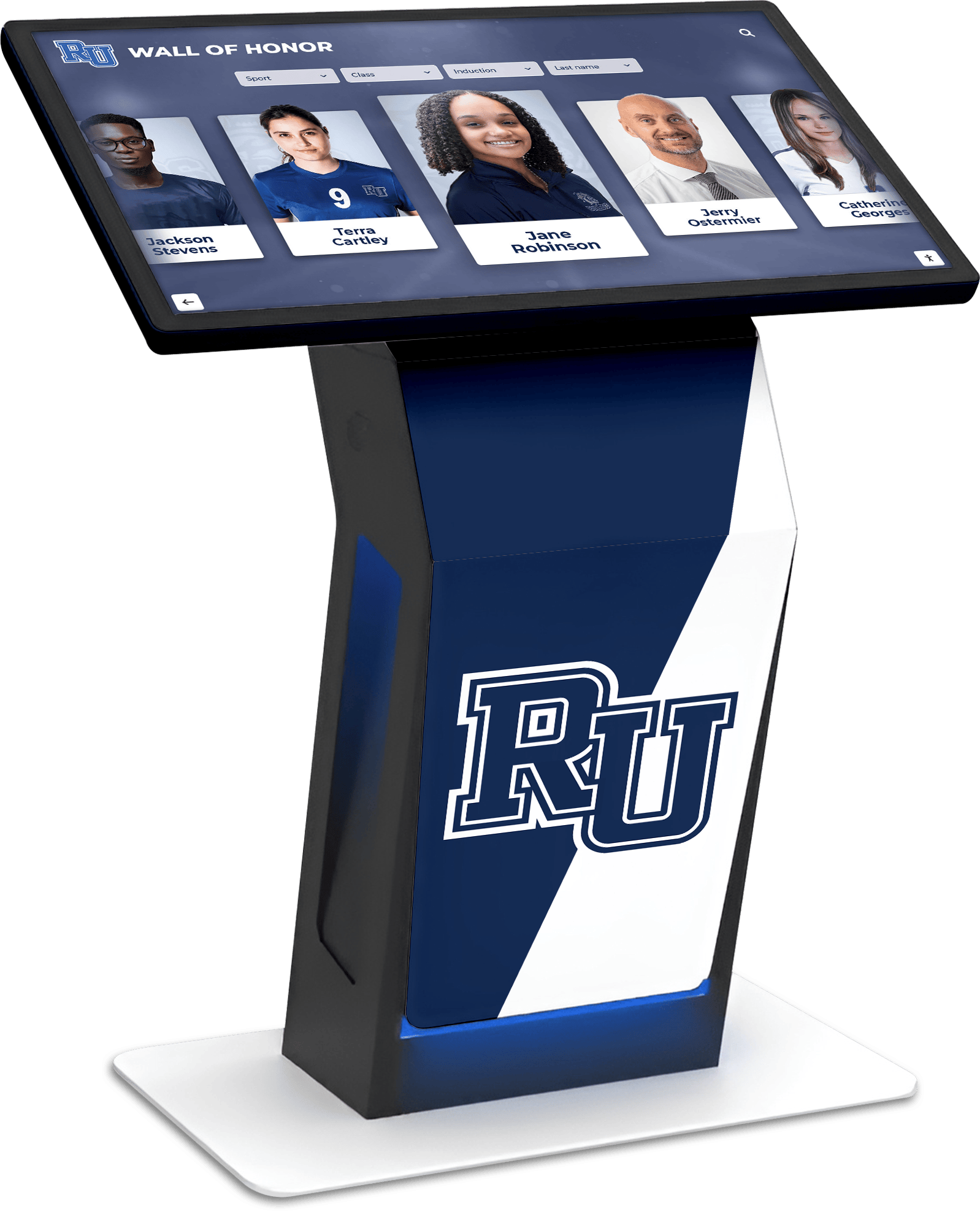
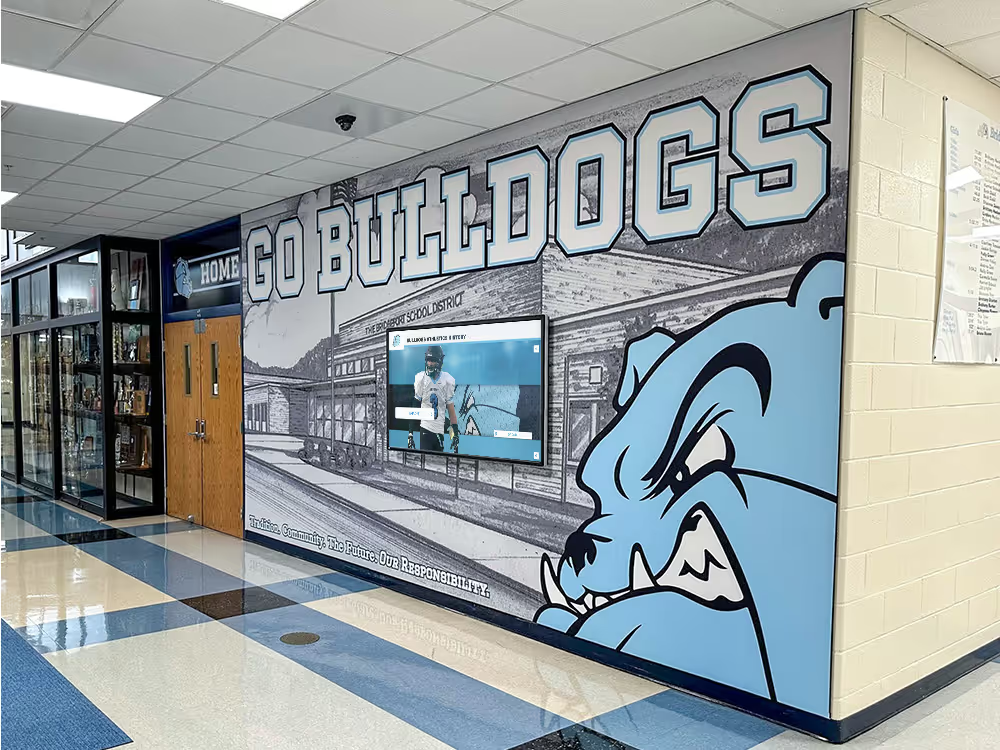
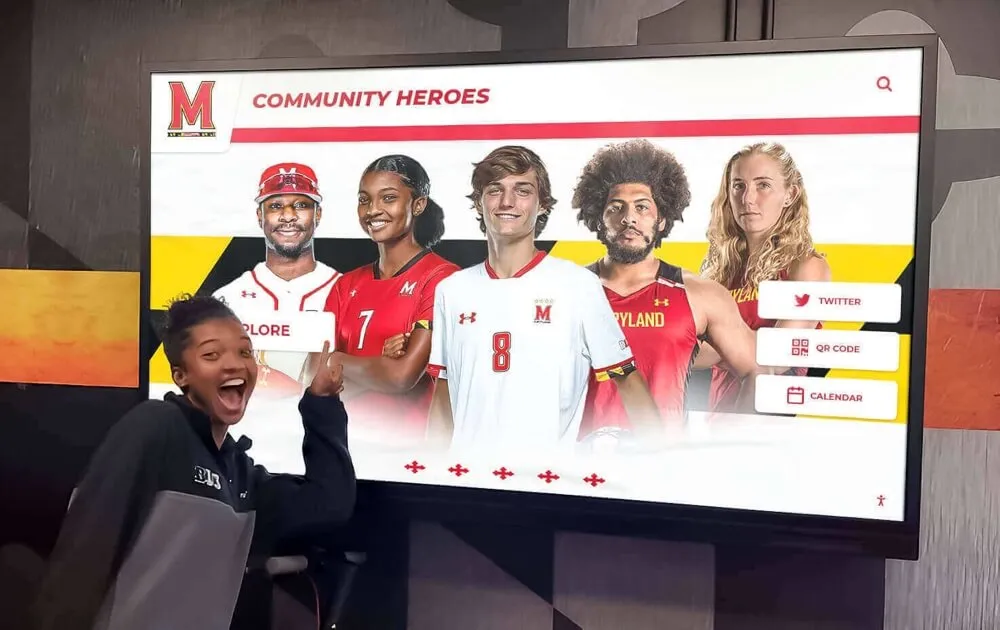
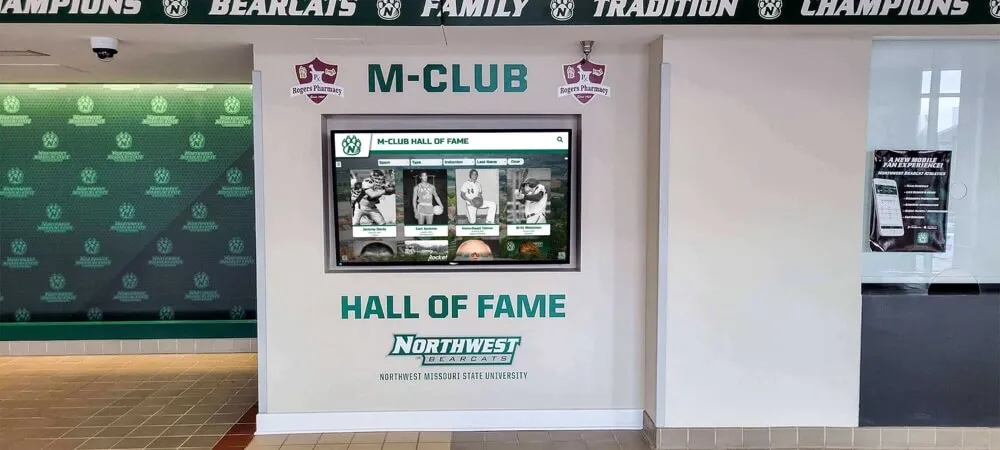
Interactive kiosks let visitors search academic all-state honorees by sport, year, or name—bringing recognition archives to life
Keeping Records Current After Each Announcement
One of the most common gaps in academic all-state recognition programs is the lag between when the state association publishes the honoree list and when the school’s displays are updated. Best practice is to assign a specific staff member—usually the athletic director or an assistant—as the owner of post-announcement updates, with a target of completing digital profile additions within two weeks of each announcement.
Building this into the seasonal calendar—not just the end-of-year checklist—prevents the recognition backlog that accumulates when updates are deferred. A backlog of five or six years of unprocessed academic all-state honorees is not uncommon in programs that lack a defined owner for this workflow.
Comparing Academic All-State to Related Honors
Schools and families frequently encounter related designations and ask how they compare. Understanding the distinctions helps communicate value accurately.
| Honor | Awarding Body | Primary Criterion | Athletic Requirement |
|---|---|---|---|
| Academic All-State | State athletic association | GPA + varsity participation | Yes—must compete in a recognized sport |
| Academic All-American | National organization (e.g., NFHSA, CoSIDA) | GPA + national-level criteria | Yes—typically post-secondary or elite HS |
| Academic All-Conference | Conference office or coaches association | GPA + conference participation | Yes—must compete in a recognized conference |
| Honor Roll | School administration | GPA threshold only | No |
| National Merit Scholar | College Board / NMSC | PSAT score + academic record | No |
The Academic All-American award criteria provides a detailed breakdown of how the national designations are structured—a useful reference when explaining to families why academic all state and academic all-american are distinct honors with different pathways.
Building a Sustainable Academic All-State Recognition Program
Recognition that gets created once and rarely maintained loses impact over time. A sustainable program has three components: a clear workflow, a data retention standard, and a display infrastructure that scales.
Workflow: From Nomination to Display
A reliable nomination-to-display workflow looks like this:
- Calendar the nomination deadline at the start of each season and assign a coach or athletic staff member to submit nominations for each sport
- Track GPA data in coordination with the registrar’s office to verify eligibility before submitting
- Monitor the state association’s publication calendar so display updates begin immediately after the announcement
- Complete profile data collection within two weeks of the announcement while information is fresh and students are still easily contactable
- Update all display systems—physical boards, digital platforms, school website—in sequence with a documented checklist
- Archive prior-year records systematically so they are accessible for future audits, alumni requests, or historical research
Data Retention Standards
Academic all-state records should be retained permanently. Unlike game statistics that may be selectively archived, honor designations are part of a student’s official achievement record and may be referenced in alumni bios, memorial tributes, and program histories decades later. Digital platforms that export data in standard formats (CSV, PDF) provide a hedge against software changes or vendor transitions.
Scaling the Display Infrastructure
Schools early in their recognition program development often start with a simple honor board and grow into digital systems as their honoree lists expand and stakeholder expectations rise. The transition becomes easier when core data has been collected consistently from the start. Programs that build out structured profiles for each honoree—including all the fields from the table earlier in this article—find that migrating to a digital platform is largely a data import exercise rather than a complete rebuilding effort.
Frequently Asked Questions
Is academic all state different from honor roll? Yes. Honor roll is a school-administered recognition based on GPA alone. Academic all state requires both a qualifying GPA and documented varsity athletic participation, with selection administered by a state association rather than the school itself.
Does every state have an academic all-state program? Most states with organized high school athletic associations offer some form of academic all-state or scholar-athlete recognition, though the specific name, criteria, and structure vary significantly. Some programs are administered by independent sport-specific associations rather than a unified state body.
Can a student earn academic all state in multiple sports? Yes, if the student competes in multiple varsity sports and the state association allows nominations across sports. Some programs track multi-sport academic all-state honorees explicitly; others simply list each nomination independently.
How should schools display academic all state alongside athletic all-state honors? Most programs benefit from a unified scholar-athlete recognition section that places both honors in context—either adjacent panels or integrated digital profiles that list all varsity honors together. Separating academic and athletic recognition in completely different areas of the building can inadvertently suggest they are unrelated, when in fact the academic all-state designation specifically requires athletic participation.
What happens if a student’s GPA changes after nomination? Selection committees typically verify GPA at a specific point in the academic calendar. Once an honor is formally awarded and announced by the state association, it stands as a permanent recognition regardless of subsequent grade fluctuations.
Academic all-state recognition deserves display infrastructure that matches the permanence and prestige of the honor itself. Schools that invest in organized, current, and searchable recognition systems—whether through updated physical boards, digital platforms, or both—give their honorees lasting visibility while building program cultures where academic excellence is celebrated alongside athletic achievement.
See How Schools Display Academic All-State Honors
Rocket Alumni Solutions builds interactive recognition platforms that make academic all-state honorees searchable, shareable, and permanently preserved—from the announcement date through every alumni reunion after.
Request a Demo