



Intent: Demonstrate how athletic directors function as the central decision-makers behind school athletic programs—and why recognition technology investments align directly with their core responsibilities.
Ask a first-year athletic director what the job entails and you’ll hear something like “everything.” That answer is only a slight exaggeration. What does an athletic director do? In practice, the role spans financial oversight, compliance management, facilities coordination, staff supervision, event logistics, community engagement, and student-athlete development—all simultaneously, often with a lean staff and tighter budget than most people assume. Athletic directors are, functionally, the CEOs of their school’s athletic department.
For vendors, administrators, and school board members evaluating major purchases—particularly in recognition technology like digital walls of fame, touchscreen displays, and interactive donor boards—understanding who the athletic director is and what pressures they operate under is essential. Purchase decisions for these platforms almost always flow through or directly to the AD’s desk, making this role the most important audience for institutions investing in how they celebrate athletic excellence.
This guide unpacks the full scope of what athletic directors do, how their responsibilities shape their purchasing priorities, and what recognition technology they’re most likely to champion when it demonstrably serves their program’s goals.
Athletic directors manage programs ranging from a few hundred students at small private schools to tens of thousands of participants across dozens of sports at large universities. The scale differs dramatically, but the fundamental accountability structure remains constant: the AD is ultimately responsible for everything that happens under the banner of their school’s athletic programs.

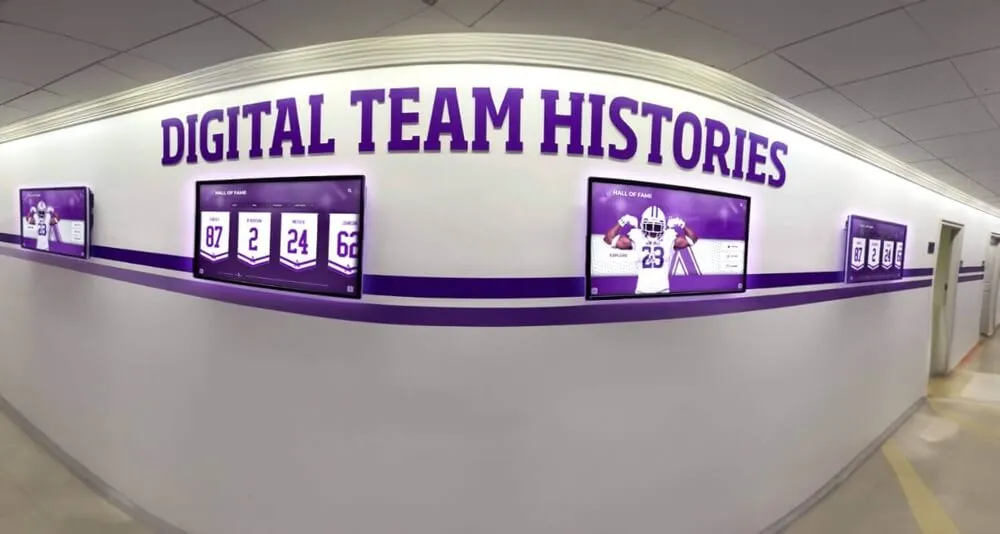
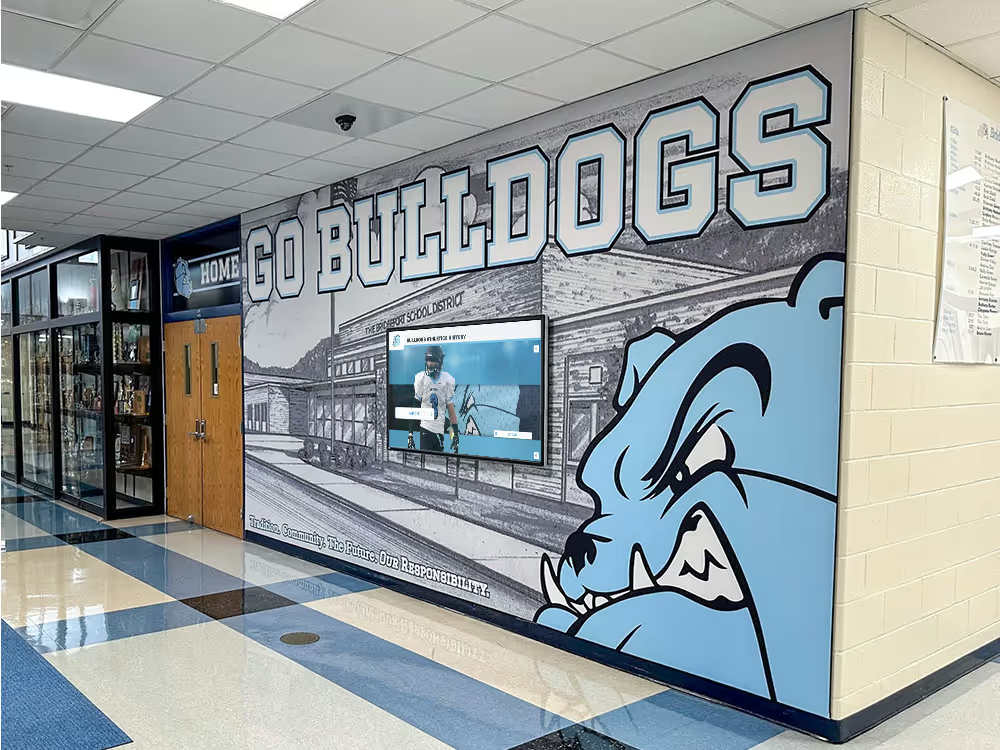
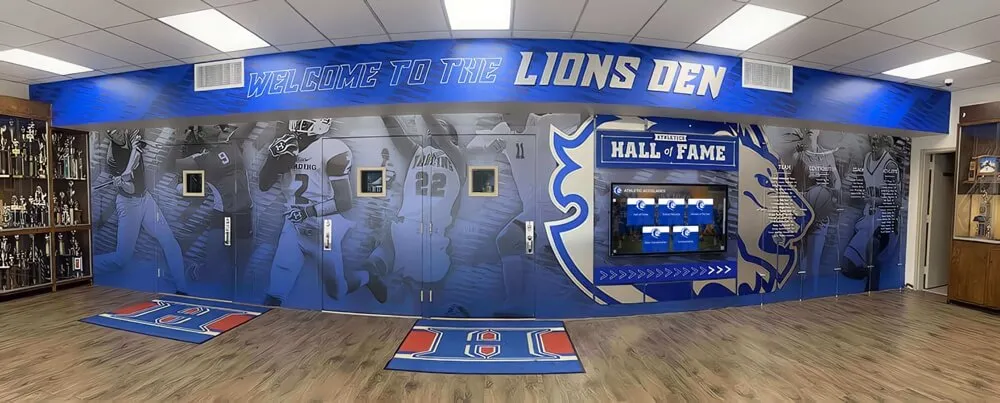
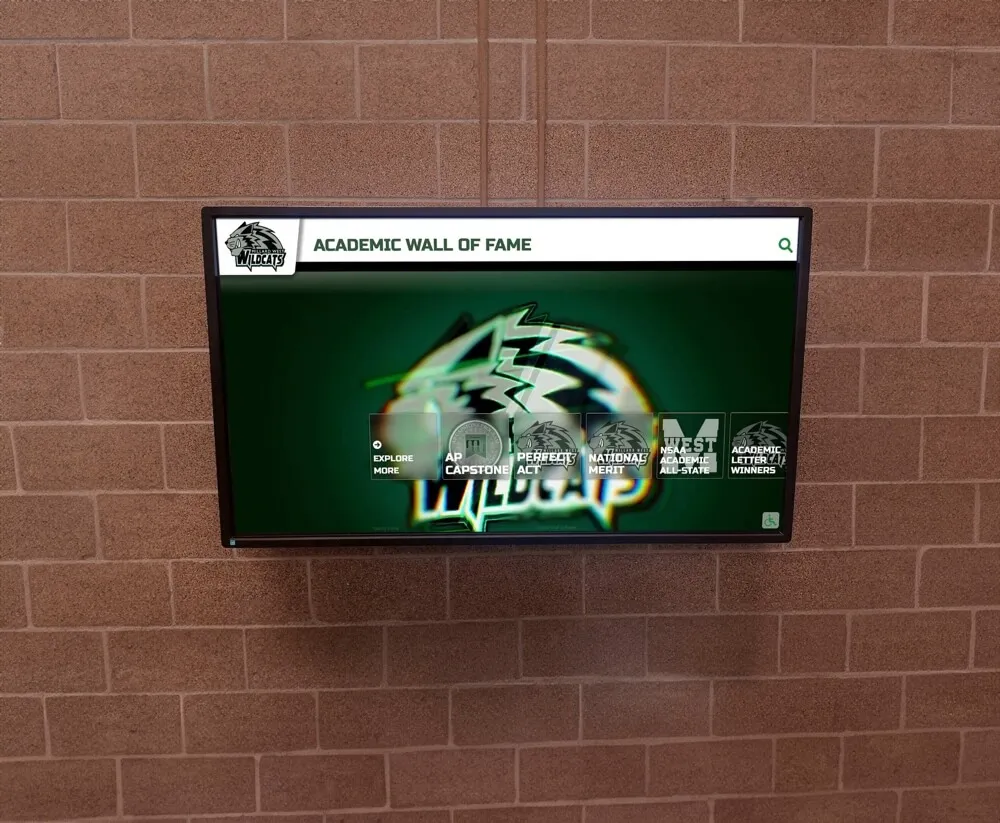
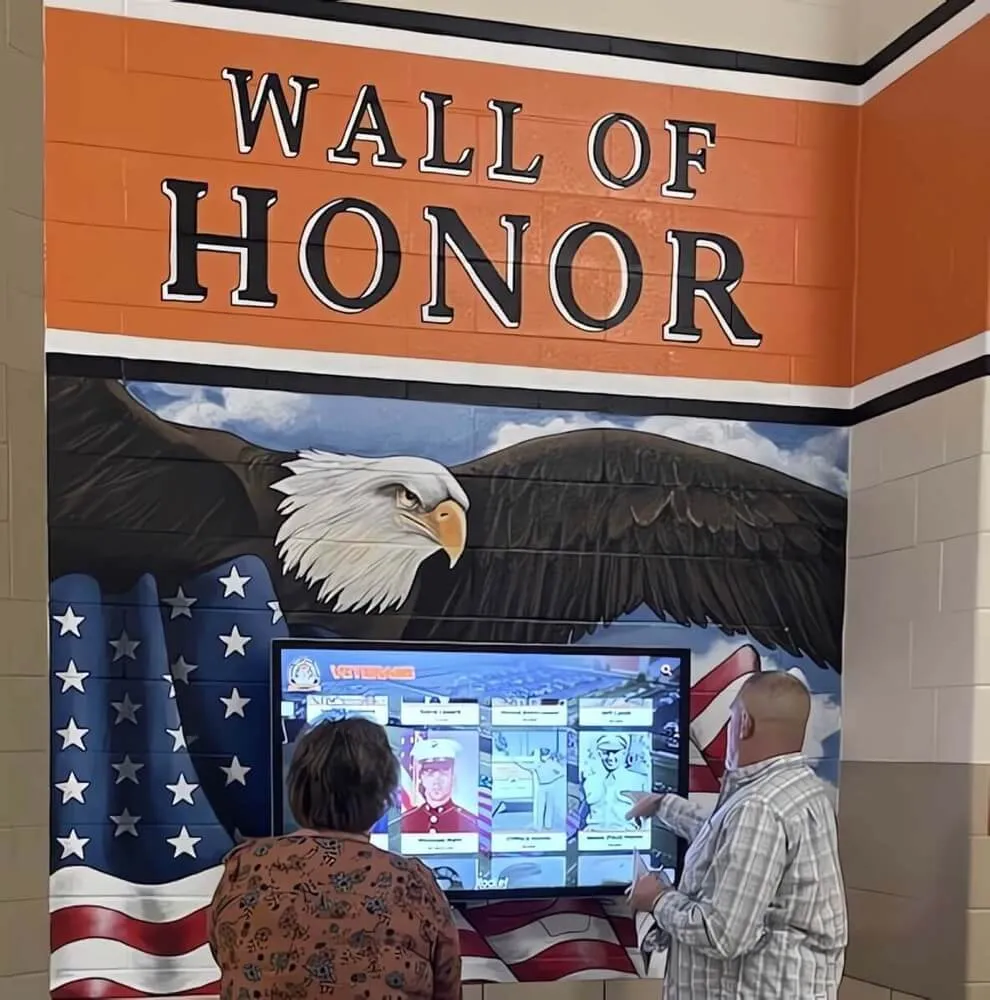
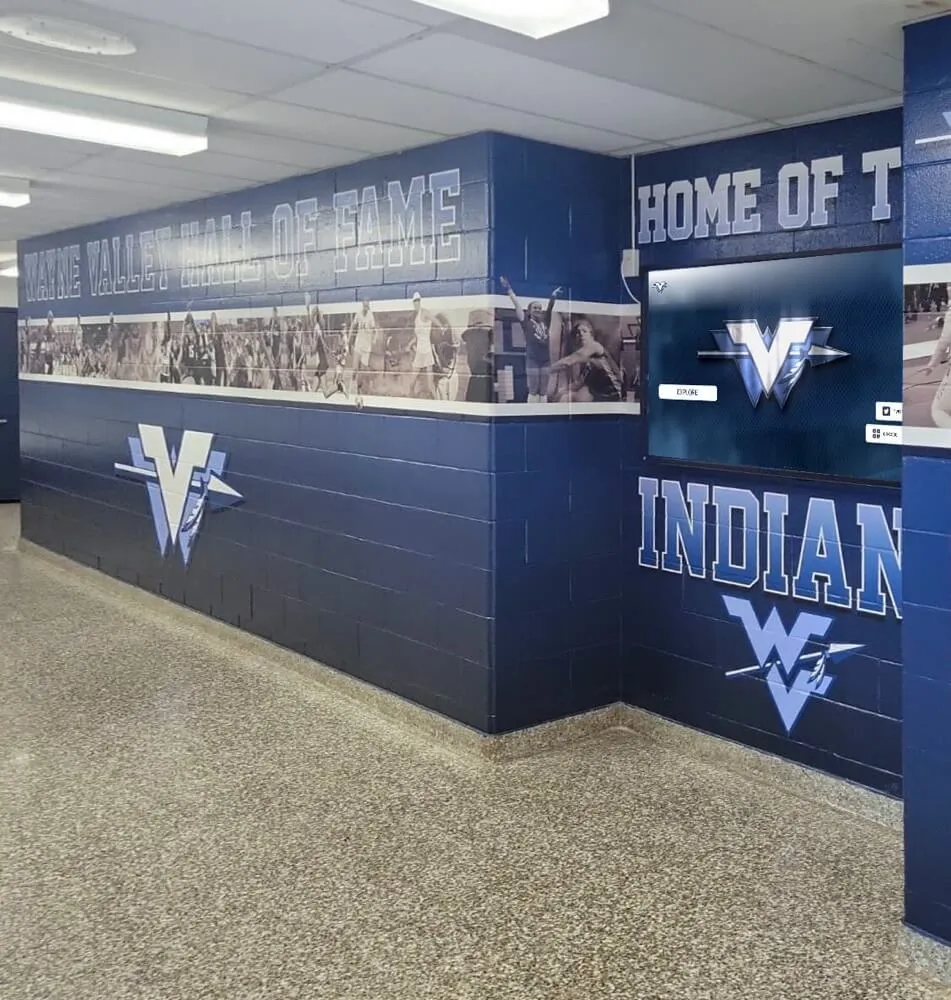
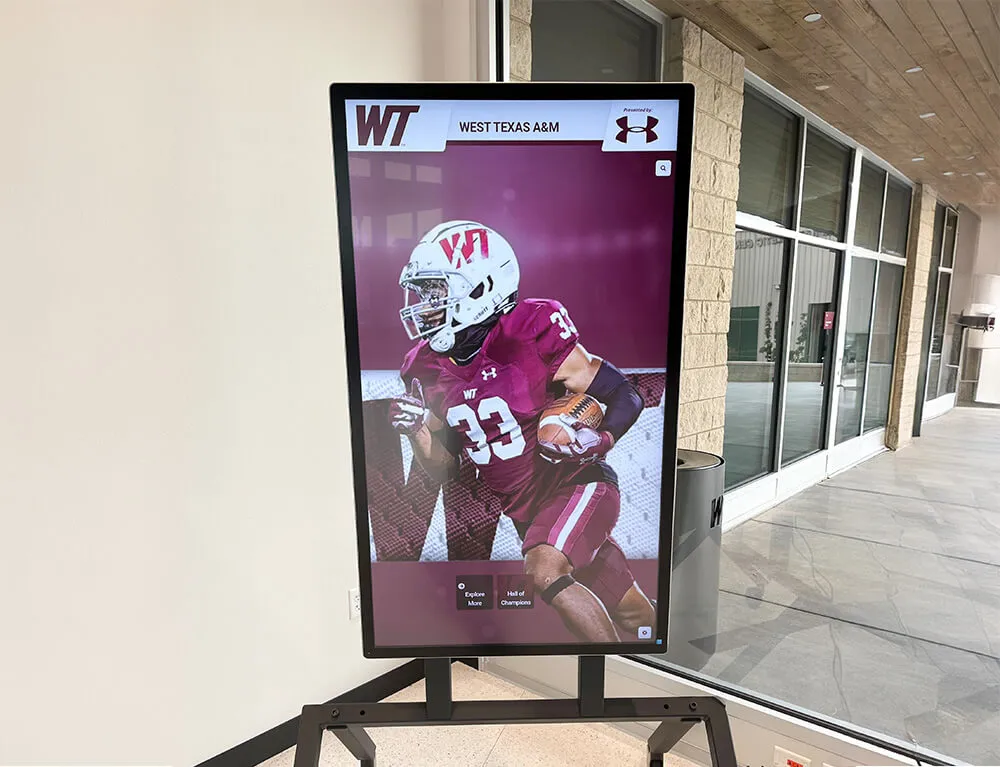
Athletic directors are typically the key decision-makers who greenlight recognition display installations in athletic facilities
The Core Responsibilities of an Athletic Director
Before exploring how athletic directors approach technology decisions, it’s worth mapping the full scope of their role. The position is far broader than game-day oversight.
Program Administration and Staff Supervision
Athletic directors hire, supervise, and evaluate coaches across every varsity and junior varsity sport offered by the school. This responsibility extends to assistant coaches, athletic trainers, equipment managers, and administrative support staff. At larger schools, the AD may oversee twenty or more head coaches simultaneously, each leading separate programs with distinct budgetary needs, scheduling demands, and competitive goals.
Staff supervision includes performance evaluation cycles, professional development coordination, policy enforcement, and in difficult cases, employment terminations. ADs must balance loyalty to coaches who’ve built strong programs with accountability to institutional standards around conduct, compliance, and student welfare.
Beyond direct reports, athletic directors navigate relationships with the principal or president, board members, booster club leadership, and parent organizations—each constituency bringing different expectations and competing demands on limited resources.
Budget Management and Financial Oversight
Most athletic directors operate within a defined budget covering everything from equipment purchases and travel to coaching salaries and facility maintenance. Budget management is one of the highest-stakes aspects of the role. When funds run short mid-year—a not-uncommon situation given volatile gate receipts, changing enrollment, and unpredictable facility costs—the AD must make difficult trade-off decisions about which programs or investments receive priority.
Technology purchases, including recognition platforms, almost always require AD authorization. Even when principals or business offices hold final approval authority, the AD typically initiates the request, defends the investment, and is responsible for outcomes. This dynamic makes ADs the primary decision-making audience for recognition technology vendors and for school administrators evaluating new platform purchases.
Understanding how to build a compelling business case matters significantly here. For context on funding strategies that ADs frequently work with, resources covering how to start a booster club detail how programs secure supplemental funding outside general operating budgets—a common pathway for recognition technology capital campaigns.
Compliance and Eligibility Management
Athletic directors bear primary responsibility for ensuring their programs comply with governing body rules at every level—state high school athletic associations, the NCAA, NAIA, NJCAA, or other governing organizations depending on institutional type. Eligibility verification, transfer portal management, recruiting compliance, and Title IX equity analysis all land squarely within the AD’s compliance mandate.
Compliance failures carry serious consequences: program sanctions, scholarship reductions, postseason bans, and reputational damage that can take years to repair. ADs invest significant administrative time in compliance documentation, staff education, and process development ensuring programs operate within rules that change regularly and vary in complexity across sports and competitive levels.
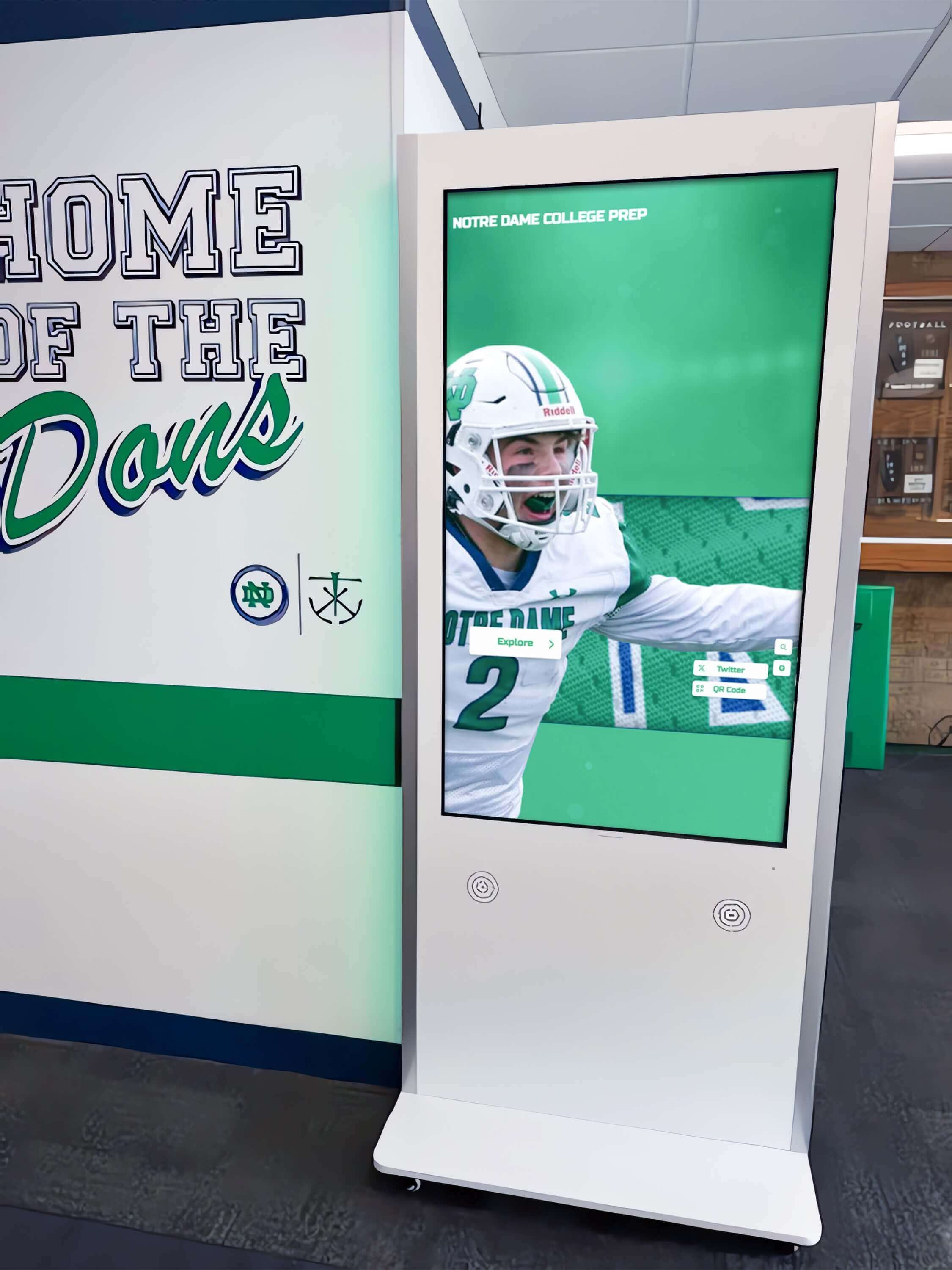
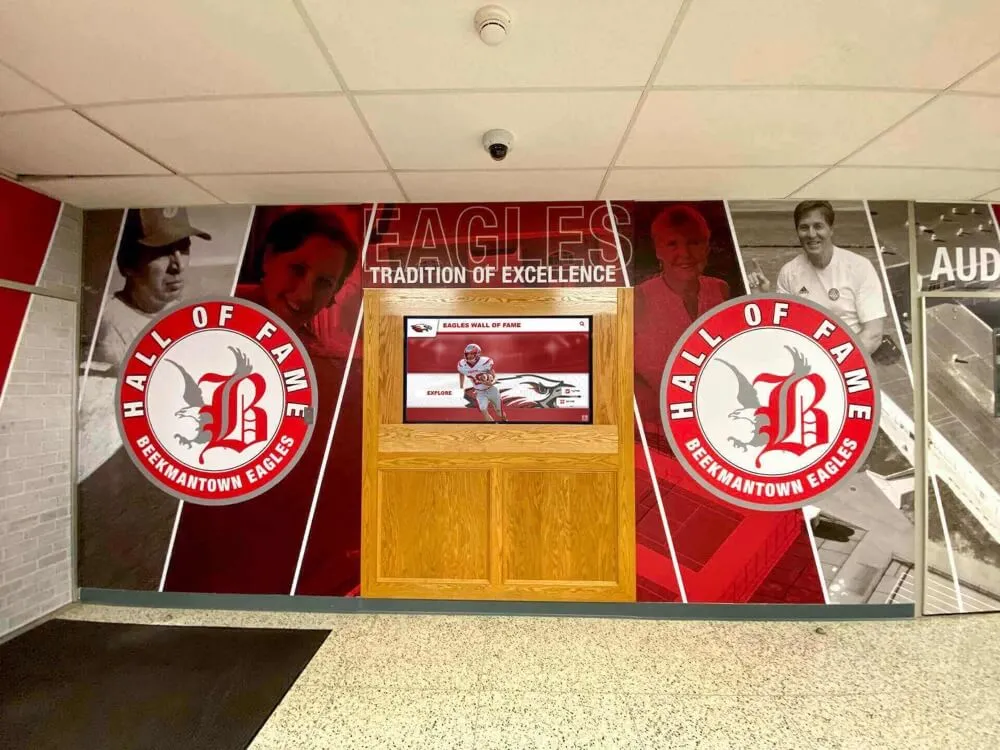
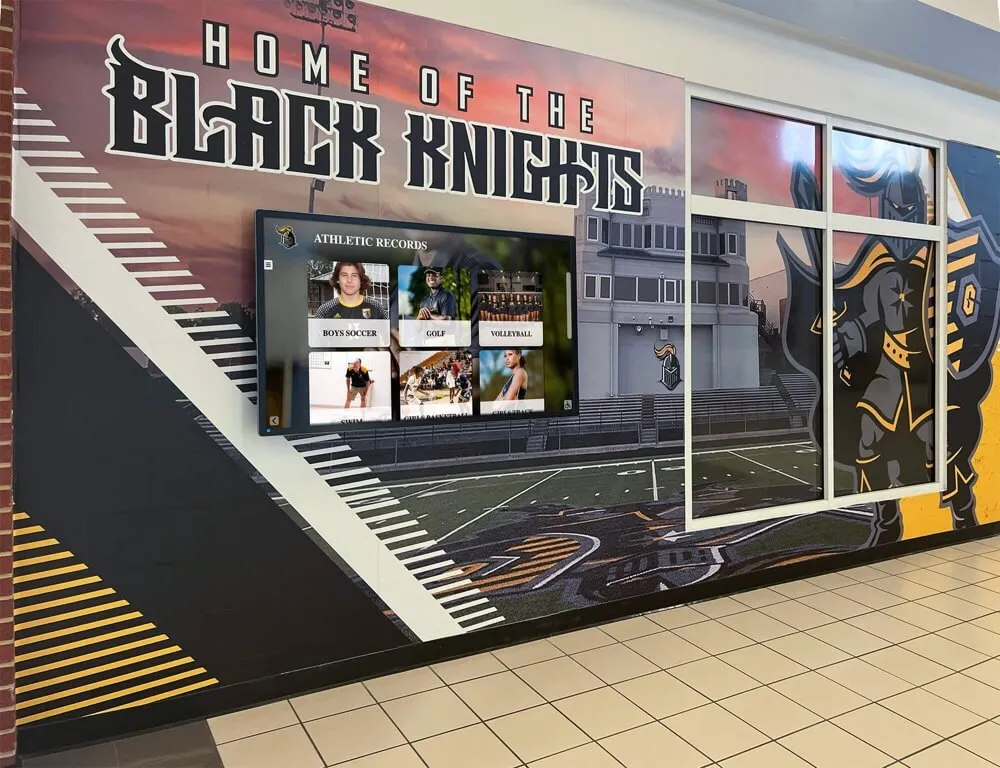
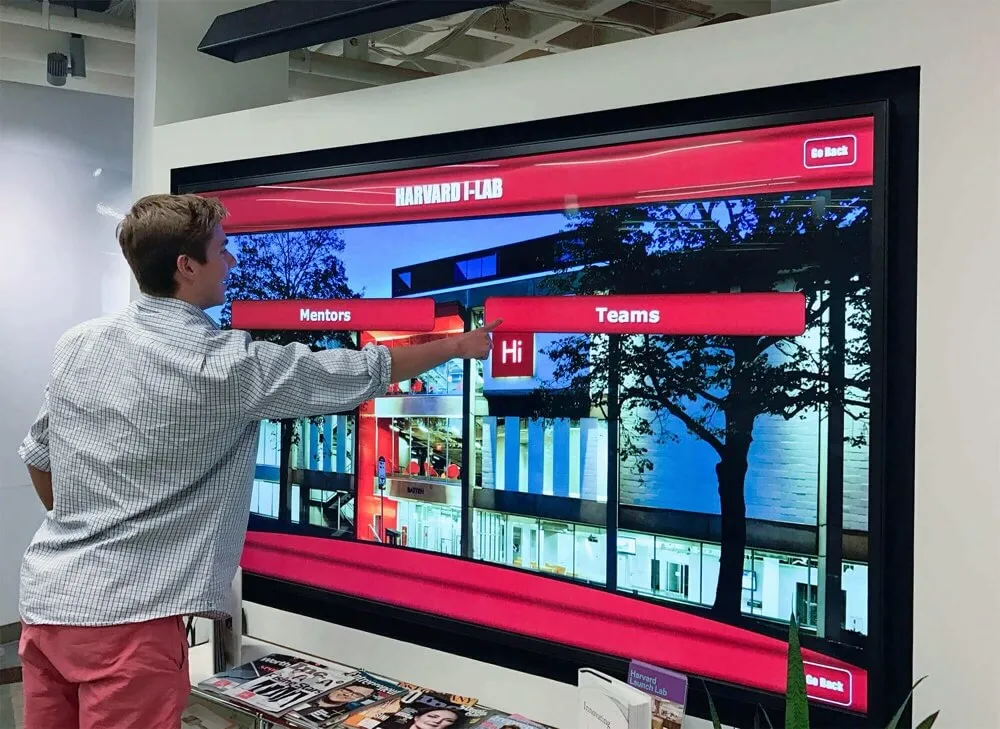
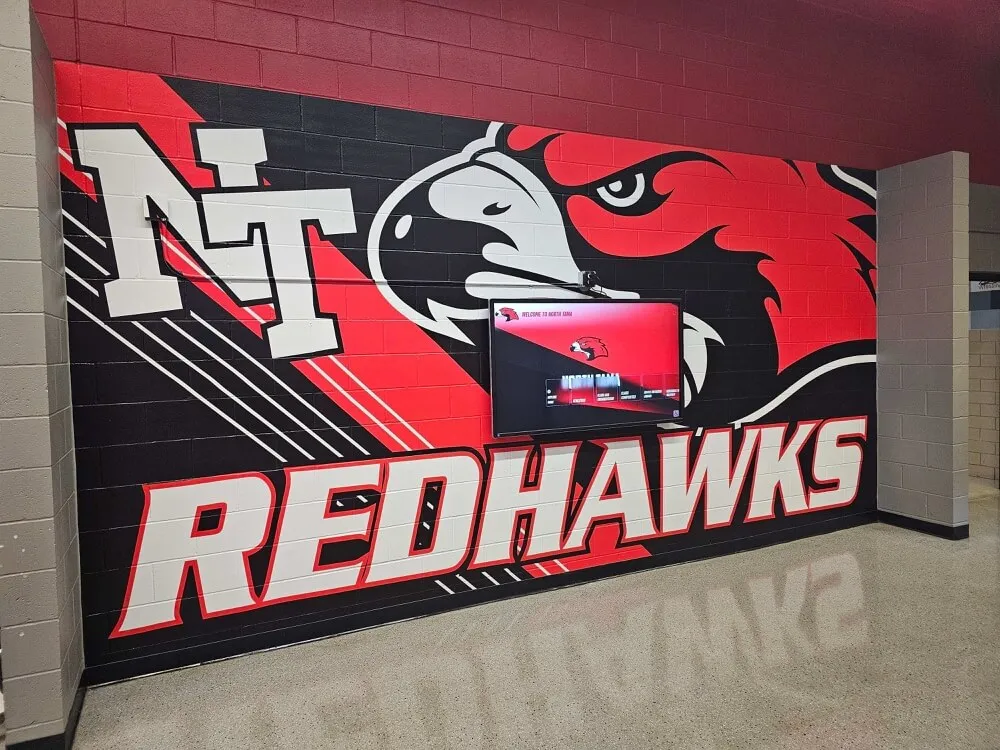
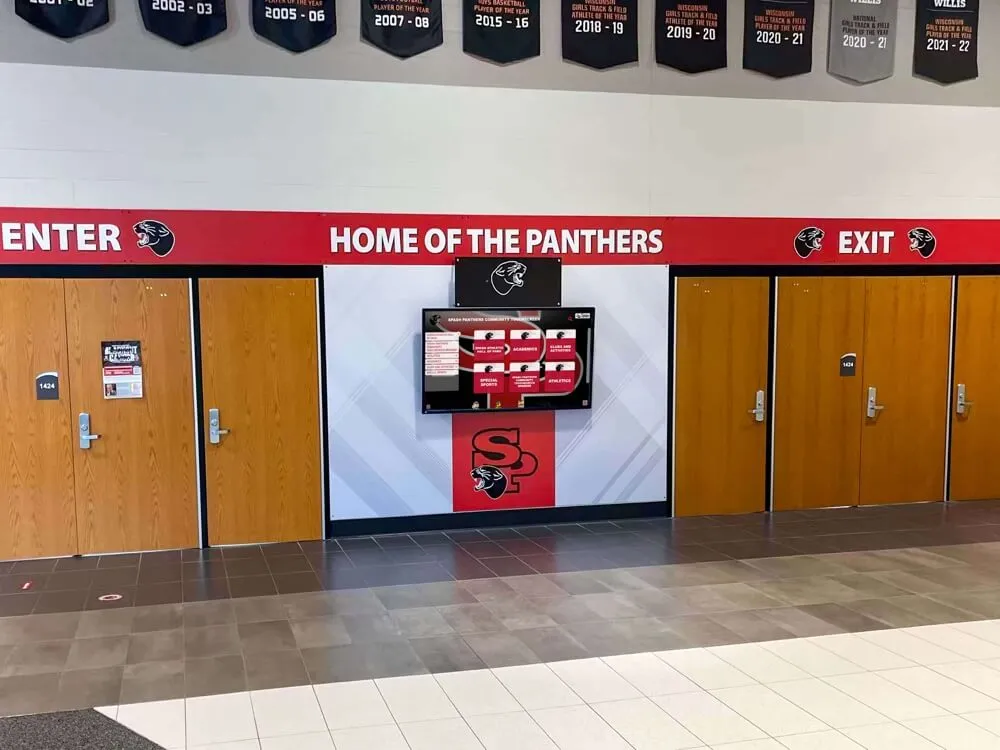
Recognition kiosks in athletic hallways serve the dual purpose of honoring past achievement and motivating current student athletes every day
Facilities and Event Management
Scheduling, maintaining, and managing athletic facilities represents a substantial operational workload for most athletic directors. Game scheduling must coordinate with opponent availability, officiating assignments, transportation logistics, concessions staffing, and security arrangements. Facility maintenance requires working with operations staff on field conditions, locker room upkeep, equipment inventory, and capital improvement planning.
Event-day responsibilities include ensuring ADA compliance for spectator access, managing crowd safety, supervising ticketing operations, coordinating broadcast or livestreaming when applicable, and ensuring visiting teams receive appropriate hospitality according to conference standards.
Facility aesthetics matter more than many realize. The visual environment of athletic spaces—hallways, gymnasiums, weight rooms, and gathering areas—communicates program identity and institutional values to visiting recruits, prospective families, and alumni. ADs who understand this dynamic view recognition displays not as decorative additions but as functional infrastructure shaping program perception.
Student-Athlete Development and Welfare
Athletic directors are increasingly responsible for comprehensive student-athlete welfare programs extending well beyond competitive performance. Mental health resources, academic support coordination, leadership development programming, community service requirements, and career readiness initiatives all fall within the contemporary AD’s portfolio at progressive programs.
This responsibility connects directly to recognition philosophy. ADs who’ve built strong developmental cultures tend to view recognition technology as a tool for reinforcing values—demonstrating that academic achievement, character, and community contributions receive acknowledgment alongside athletic statistics. Programs exploring academic recognition displays understand how broadening the scope of visible recognition shapes student-athlete culture.
Community Relations and Alumni Engagement
Athletic programs are often the highest-visibility public face of educational institutions. Local news covers games. Community members attend events who have no other connection to the school. Alumni return for homecoming and reunion weekends centered around athletic tradition.
Athletic directors manage this public presence deliberately, working to maintain positive community relationships through accessible leadership, responsive communication, and thoughtful stakeholder engagement. Strong community relations translate directly into fundraising success, volunteer support, and political goodwill with school board members and municipal leaders whose budget decisions affect athletic programs.
Recognition technology serves this community relations function concretely. A well-designed digital wall of fame running in the athletic lobby during an evening event tells visitors something immediate and powerful about how the institution values its history and people. That impression matters to the AD’s broader community engagement agenda.
How Athletic Directors Evaluate Technology Investments
When athletic directors consider major purchases like recognition platforms, several consistent evaluation criteria shape their decision-making process.
Return on Investment Across Multiple Dimensions
ADs rarely evaluate technology through a single ROI lens. The question isn’t simply “does this save money”—it’s “does this investment deliver value across enough areas to justify the budget request?” Recognition technology typically gets evaluated against several simultaneous benefit categories:
Alumni engagement and fundraising impact. Recognition platforms that help graduates reconnect with their program history support annual fund campaigns, capital projects, and endowment development. ADs understand that engaged alumni give more frequently and at higher levels than disengaged ones.
Recruiting differentiation. Prospective student athletes and their families visit dozens of campuses. Facilities that visually communicate program pride, historical excellence, and institutional investment in athletics leave stronger impressions than comparable programs that haven’t invested in their physical environment. Recognition wall approaches that strategically use hallway and lobby space understand this recruiting dynamic.
Current athlete motivation. Visible recognition of past excellence creates aspirational benchmarks for current athletes. When students walk past a digital wall of fame every day, they internalize the standard the program expects—a motivational dynamic that costs nothing after installation but delivers ongoing cultural value.
Staff and coach retention. Coaches want to work at institutions that take their program’s legacy seriously. Recognition infrastructure signals institutional investment that resonates with experienced coaches evaluating employment decisions.
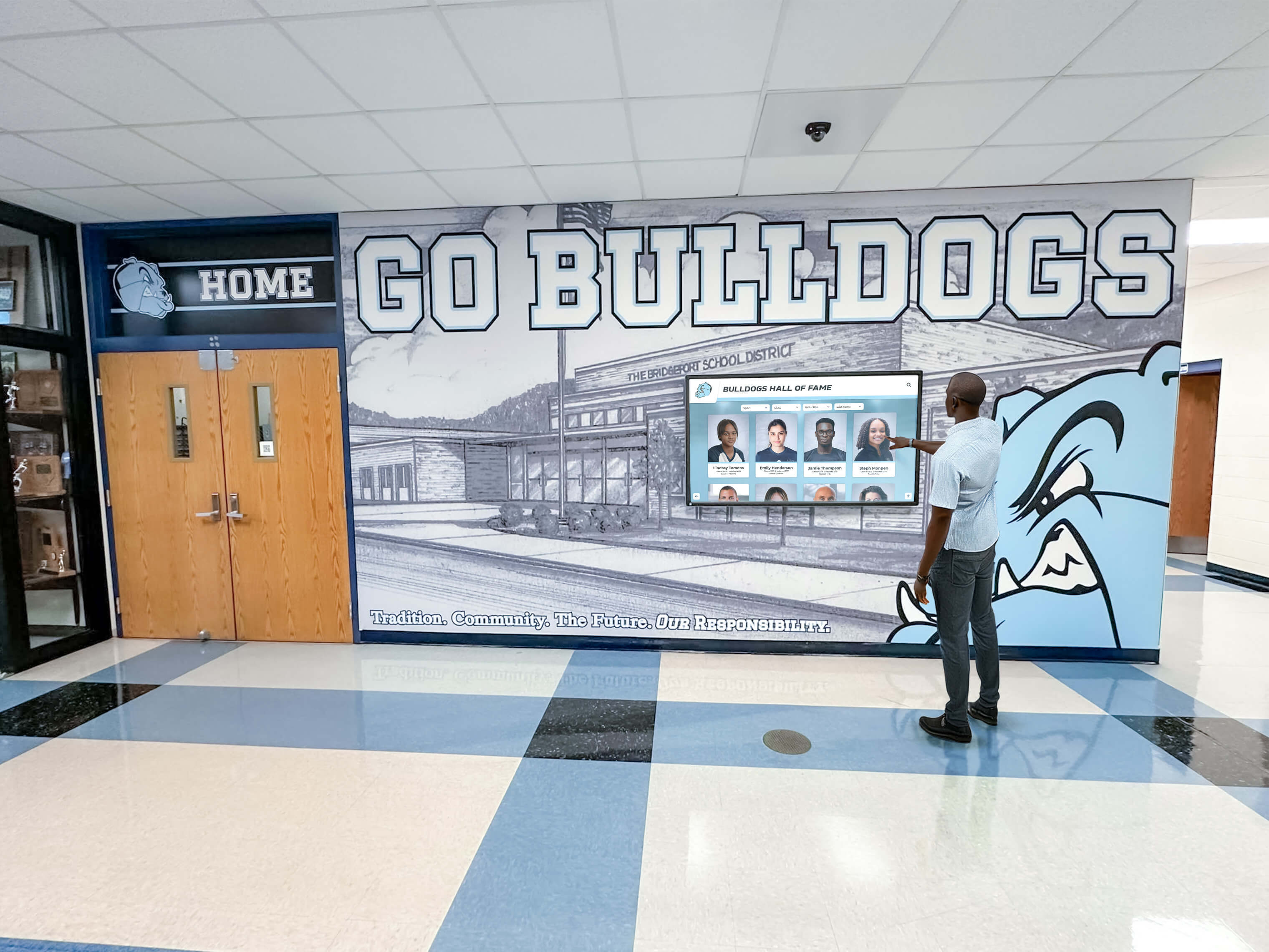
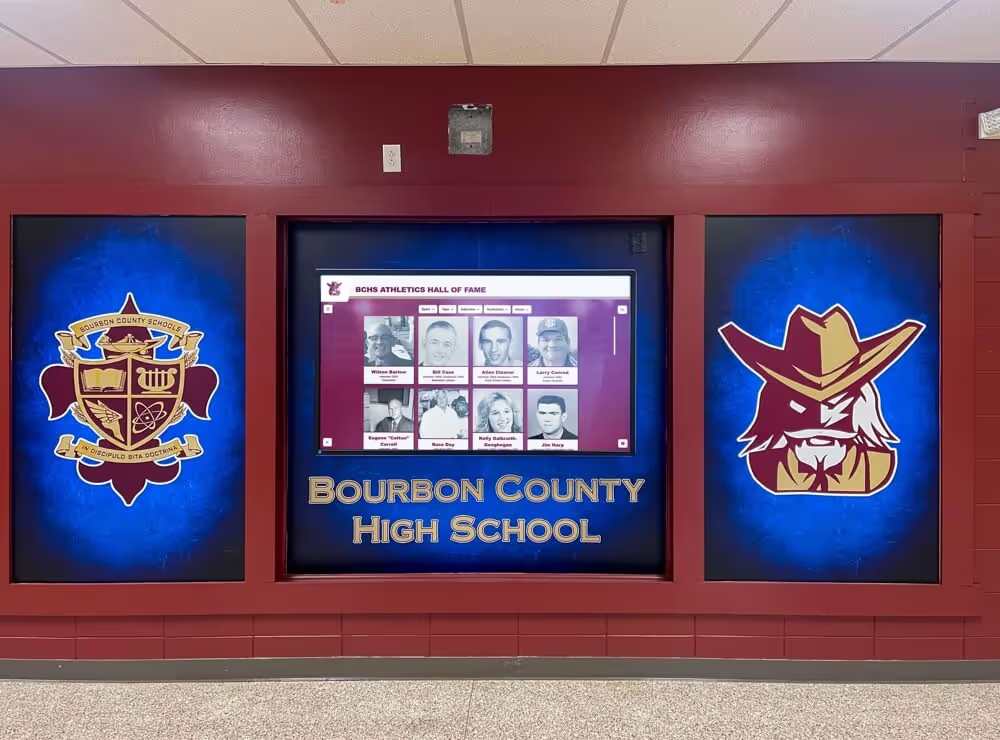
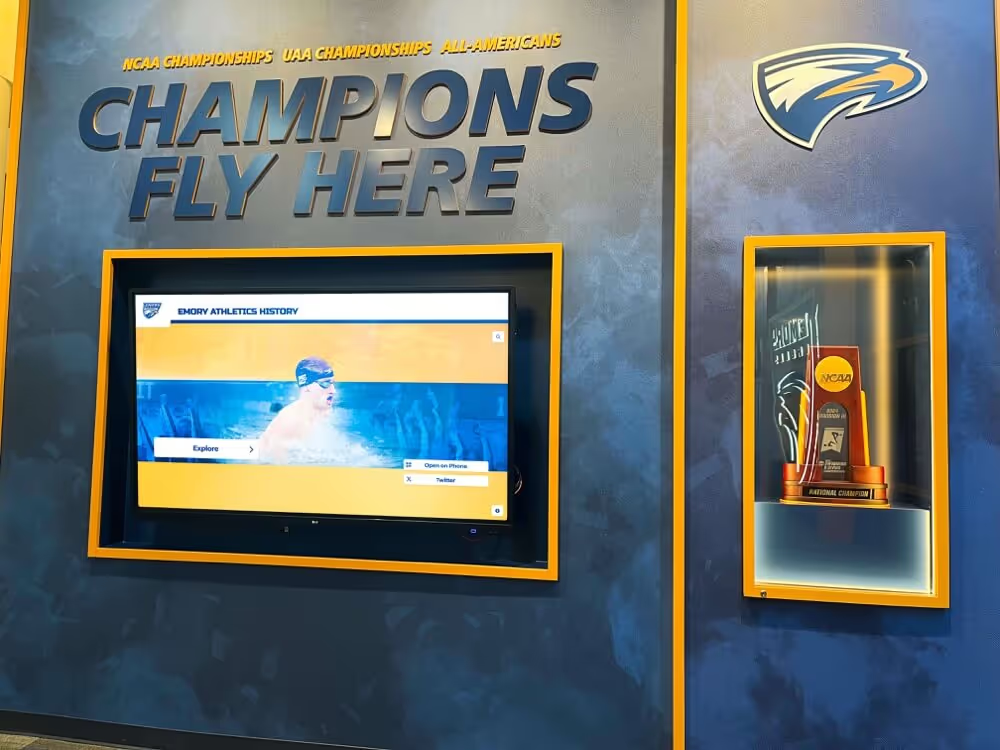
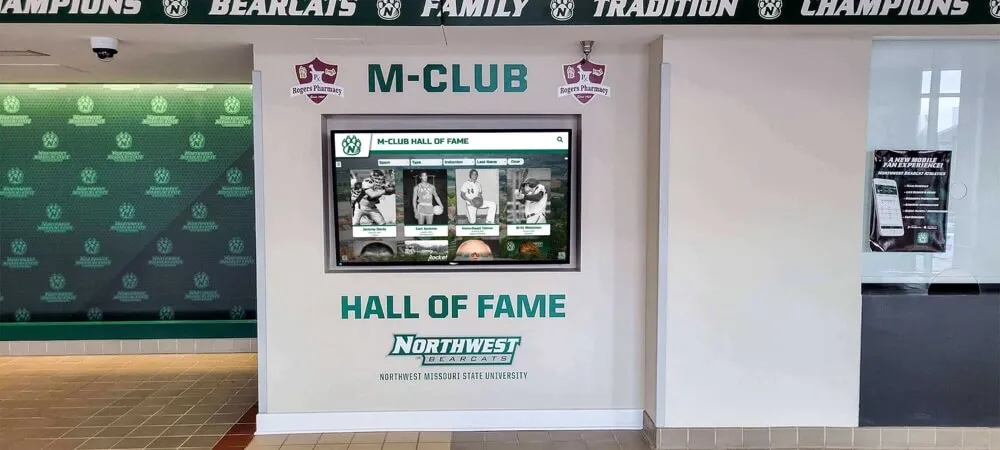
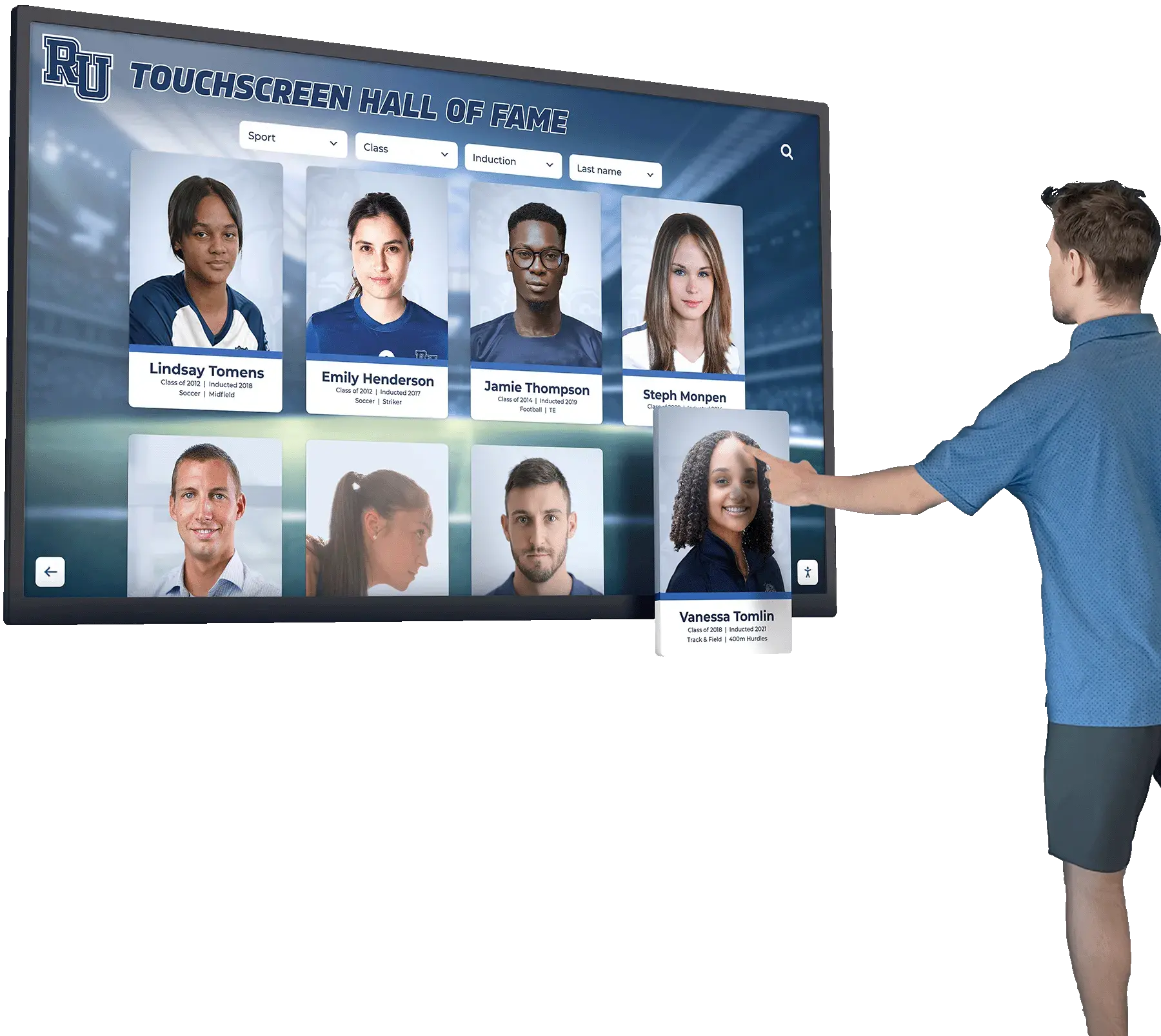
Interactive displays invite genuine exploration from alumni, recruits, and community visitors—extending recognition beyond a single ceremony or static plaque
Total Cost of Ownership vs. Upfront Price
Athletic directors with financial experience look past sticker prices to understand true five-year or ten-year costs. Recognition technology evaluated purely on upfront cost often leads to poor decisions—choosing inexpensive consumer hardware that fails quickly, or selecting platforms with hidden subscription fees that balloon total expenditure well beyond initial estimates.
Experienced ADs ask questions like:
- What are the annual software licensing or maintenance fees?
- What happens to content access if we switch providers?
- What’s the expected hardware lifespan, and what does replacement cost?
- How much internal staff time will this require to maintain?
- Does the vendor provide implementation support or does that cost extra?
Understanding the difference between digital hall of fame displays and traditional trophy cases in terms of long-term costs helps ADs build accurate business cases that survive budget scrutiny.
Ease of Administration
Athletic directors are busy people managing complex programs with limited administrative staff. Recognition technology that requires significant ongoing technical expertise, constant vendor interaction for routine updates, or complex content management workflows will be deprioritized or neglected after initial launch—eliminating the investment’s value.
The most successful recognition implementations combine commercial-grade hardware with genuinely simple content management. An AD should be able to add a new inductee, update a record, or publish a new photo gallery in minutes without IT support. This ease-of-use criterion is often the deciding factor when comparing platforms with similar features.
Compliance and Accessibility
ADA compliance is non-negotiable for athletic directors who’ve spent careers navigating disability access requirements. Interactive displays must meet WCAG accessibility standards, provide appropriate mounting heights for wheelchair users, and offer sufficient contrast and text scaling for visitors with visual impairments. ADs who’ve navigated accessibility complaints about facilities understand exactly how expensive non-compliance can become—and evaluate recognition technology vendors on accessibility documentation before finalizing purchases.
The Athletic Director’s Role in Recognition Culture
Recognition isn’t just a nice addition to athletic programs—it’s a foundational element of how strong programs build and maintain competitive culture.
Building Institutional Memory
Athletic programs span generations. Coaches change. Players graduate. School leadership turns over. Without systematic recognition infrastructure, institutional memory erodes—and with it, the program traditions, achievement benchmarks, and competitive standards that define program identity.
Athletic directors who prioritize recognition understand that they’re stewards of something larger than the current season’s results. They’re maintaining continuity between past excellence and future aspiration. Digital platforms purpose-built for athletics recognition at the college and university level demonstrate how institutions with long program histories use technology to make that history accessible and inspiring rather than buried in filing cabinets.
Honoring More Than Statistics
Contemporary athletic directors increasingly recognize that traditional recognition approaches—plaques listing statistics and all-state honors—miss significant portions of what makes an athlete worth celebrating. Leadership contributions, academic excellence, community impact, and character under pressure all matter. Recognition platforms that can surface these dimensions create richer, more complete pictures of athletic excellence that resonate with broader audiences.
Comprehensive approaches to honoring community accomplishments show how institutions expand recognition frameworks beyond narrow statistical achievement to capture the full human story of athletic programs.
Supporting Equity and Inclusion
Title IX compliance requires equitable recognition for male and female athletic programs. ADs who’ve navigated equity audits understand that recognition infrastructure must visibly celebrate women’s athletics with the same prominence and production quality as men’s programs. Digital platforms enable equitable presentation naturally—every sport and every athlete receives the same quality of profile, searchability, and multimedia depth regardless of program size or historical funding disparities.
Athletic directors at schools working to address historical recognition gaps find modern platforms significantly easier to use for equity correction than physical systems requiring new wall space or expensive fabrication for historically underrepresented programs.

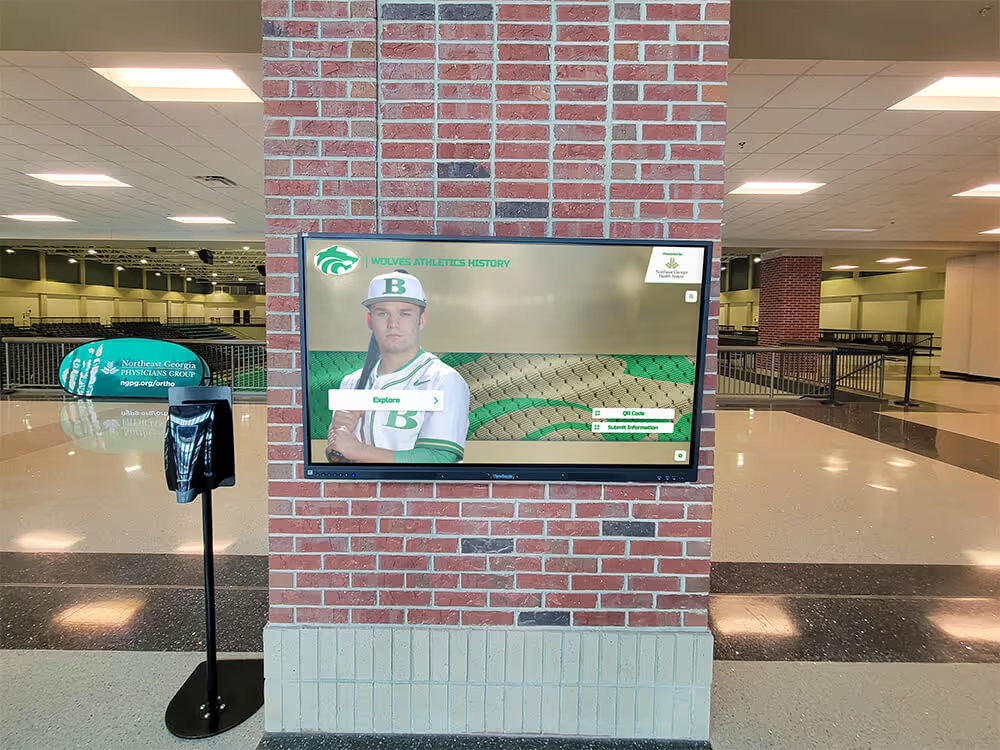
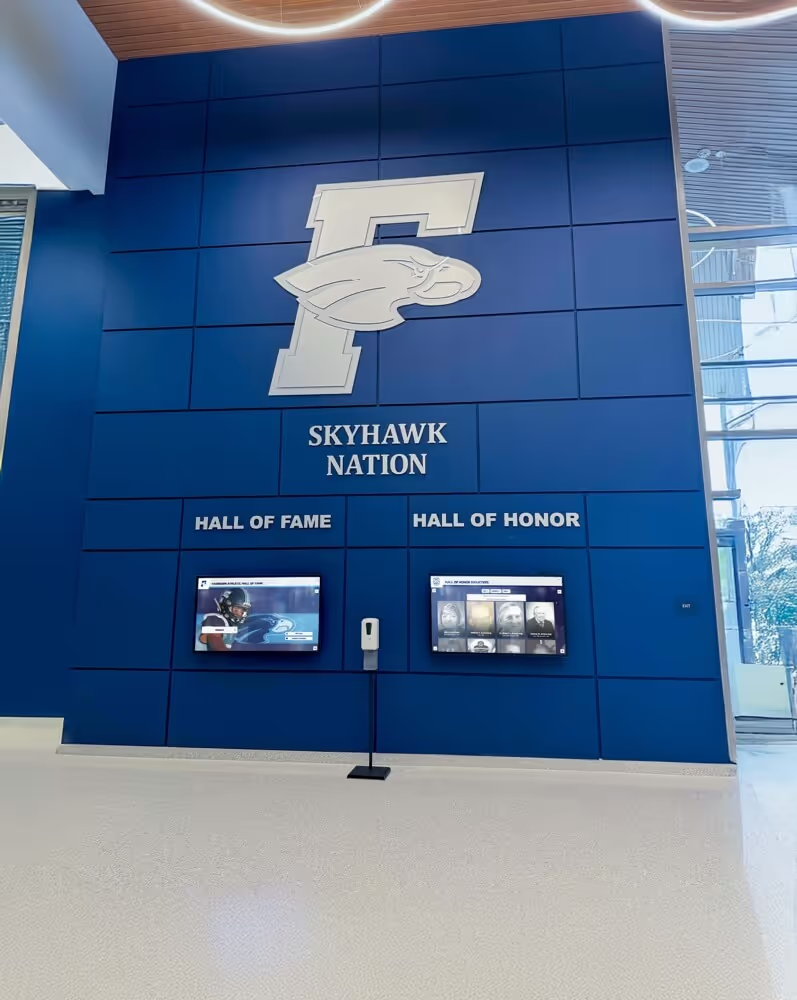
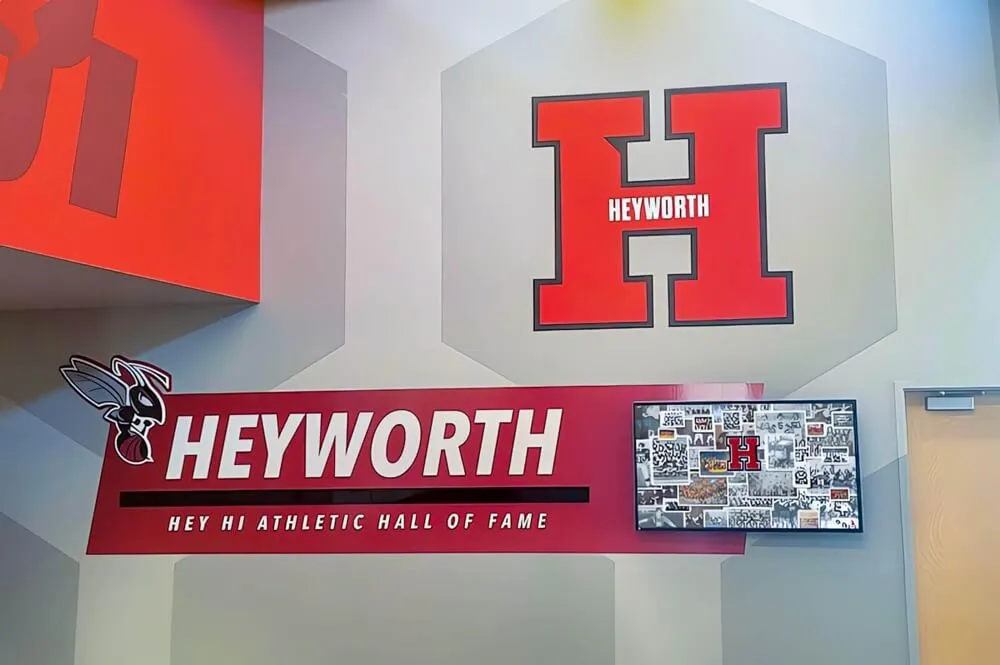
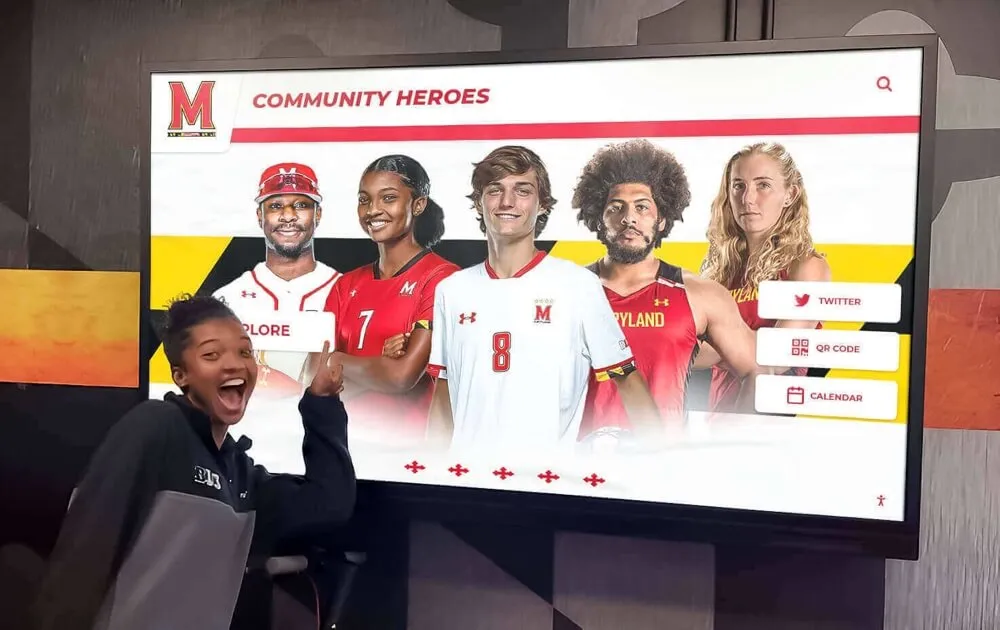
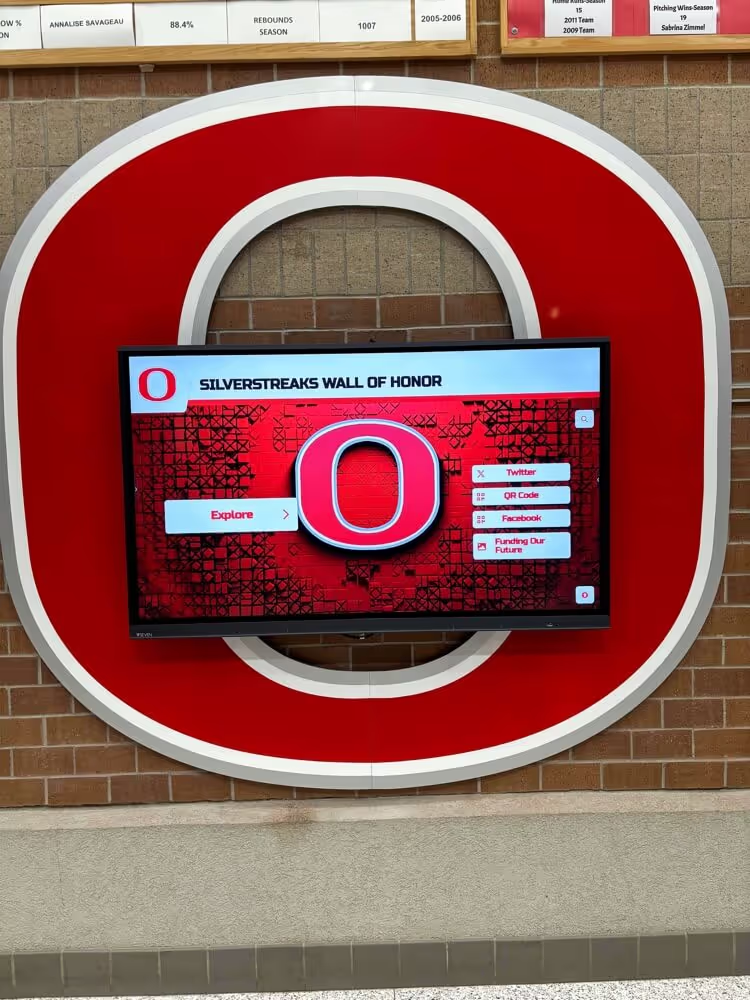
Profile-based digital recognition systems allow athletic directors to honor athletes from every sport and era with consistent quality and depth
What Athletic Directors Want from Recognition Technology Vendors
Understanding the AD’s professional context reveals what makes recognition technology conversations productive rather than frustrating.
Lead With Their Problems, Not Your Features
Athletic directors are problem-solvers. They respond to conversations that start with their challenges—limited wall space, growing inductee lists that no longer fit physical displays, outdated recognition that embarrasses the program, difficulty maintaining physical trophy cases, or recruiting visits where facilities don’t compete visually with peer institutions.
Leading with features (“our platform supports 4K video”) before establishing relevance to actual problems is a reliable way to lose an AD’s attention quickly. The most effective conversations start by asking what recognition challenges exist today and how the program currently handles them.
Demonstrate Long-Term Support
Athletic directors have almost certainly bought technology that worked great for eighteen months and then became a maintenance headache when the vendor went quiet, discontinued a product line, or required expensive upgrades to maintain basic functionality. Demonstrating company stability, an active customer support structure, and a clear product development roadmap addresses the skepticism earned by those past experiences.
Make the Business Case Easy to Carry Upward
Even when the AD is sold on a platform, they typically need to bring the investment case to a principal, superintendent, or board. Recognition technology vendors who provide clear ROI frameworks, comparison data against alternatives, and implementation success summaries give athletic directors the materials they need to advocate effectively without having to construct the entire justification from scratch.
For ADs managing facilities with significant historical records, exploring digital trophy wall options gives concrete comparison points useful for internal proposal development.
Connect Recognition to Fundraising
Recognition technology that can be positioned within a capital campaign or fundraising initiative shifts from discretionary spend to strategic investment. Athletic directors with active booster club relationships or alumni giving programs understand that recognition infrastructure strengthens the case for donor contributions—and that some funders will specifically support recognition projects in ways they won’t fund general operating budgets.
The overlap between recognition technology and interactive donor display solutions shows how institutions connect recognition investment to broader development goals—a connection athletic directors can leverage when building investment cases with development staff and major gift officers.
See How Rocket Alumni Solutions Supports Athletic Directors
Rocket Alumni Solutions builds purpose-designed touchscreen recognition platforms for schools, universities, and athletic programs. Explore how ADs across the country use our system to honor their program's history, engage alumni, and inspire current athletes—with content management designed for busy administrators without IT support.
Explore Recognition SolutionsThe Evolution of the Athletic Director Role
The athletic director position has changed substantially over the past two decades, and understanding that evolution clarifies why recognition technology has become a more prominent priority.
From Administrator to Strategic Leader
Older conceptions of the athletic director focused almost entirely on operational management—scheduling games, managing equipment, coordinating transportation. While those responsibilities remain, the contemporary AD role has expanded into strategic leadership encompassing program culture, community positioning, brand management, and institutional reputation.
This shift toward strategic leadership changes the calculus on recognition investment. For an operationally-focused AD, recognition was a facilities problem—where do the trophies go? For a strategically-focused AD, recognition is a brand asset—how does the program communicate identity and values to every audience that interacts with athletic spaces?
Increasing Accountability for Non-Athletic Outcomes
Modern athletic directors are frequently evaluated on outcomes well beyond win-loss records: academic progress rates for student athletes, athlete graduation rates, community service program participation, mental health resource utilization, and alumni giving from athletic program graduates. These non-athletic accountability metrics align directly with recognition philosophy—programs that celebrate the whole student-athlete rather than only competitive performance tend to perform better on these institutional measures.
Athletic directors who’ve built strong cultures around academic and character recognition understand recognizing student athletes for achievement beyond sports statistics as a cultural investment that pays dividends across multiple program dimensions.
Technology Fluency as a Core Competency
Today’s athletic directors are expected to understand and evaluate technology solutions across scheduling software, athletic management platforms, recruiting databases, video analysis tools, and—increasingly—recognition and engagement technology. Those who entered the profession without significant technology backgrounds have largely developed fluency through necessity.
This increasing technology competency means ADs engage with recognition platform evaluations more sophisticatedly than a decade ago. They ask better questions, request technical demos, consult peer networks about implementation experiences, and bring more critical evaluation frameworks to vendor conversations.

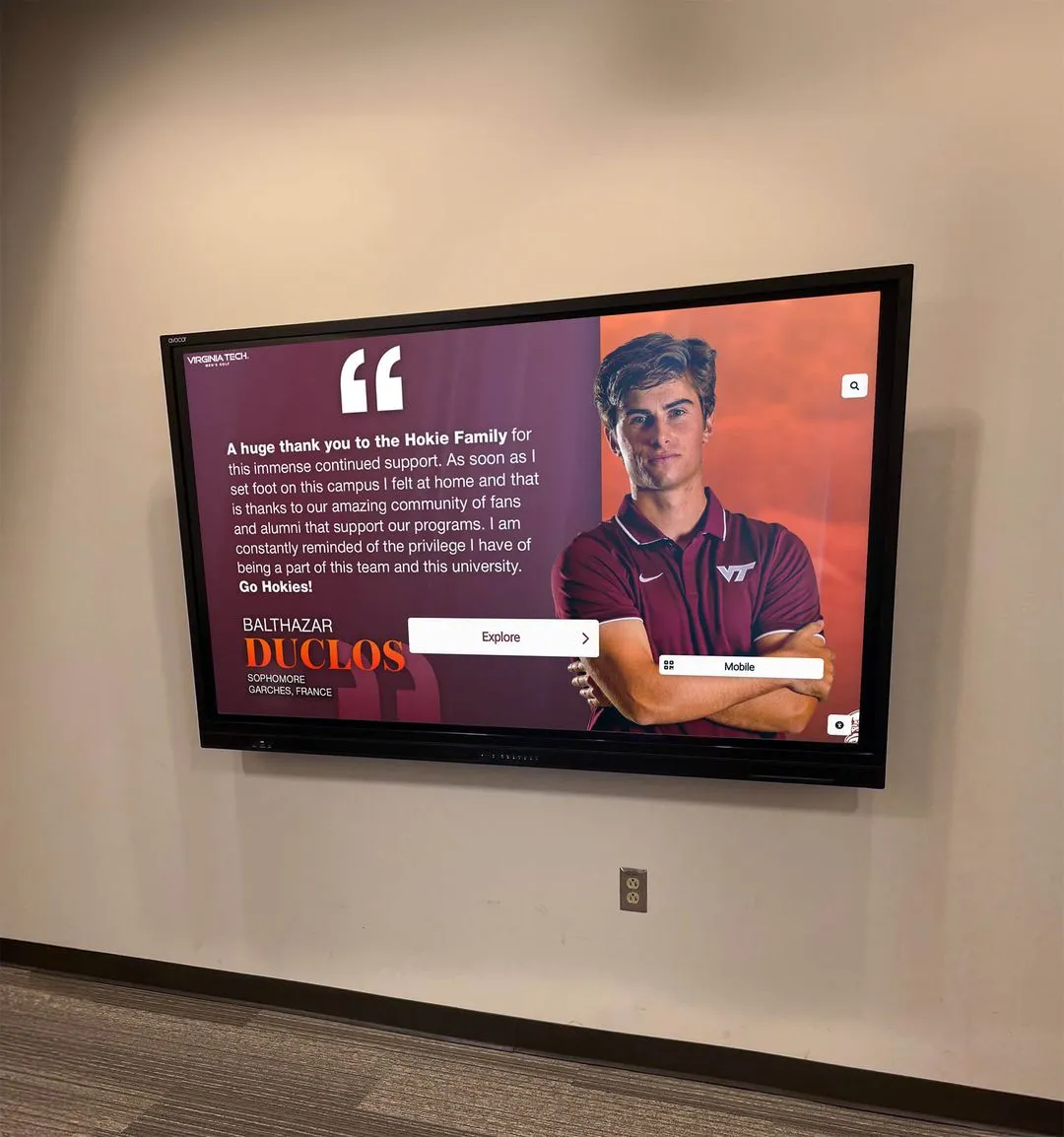
Modern recognition platforms put content management in the hands of athletic department staff without requiring IT expertise or vendor dependency for routine updates
Practical Guidance for Schools Evaluating Recognition Technology
Whether you’re an athletic director building a recognition investment case or a school administrator trying to understand what your AD needs, several practical considerations shape successful recognition technology decisions.
Start With Program History Assessment
Before evaluating any platform, conduct an honest assessment of what recognition assets the program currently has and what’s missing. How many inductees exist across all sports and eras? What’s the physical display capacity, and is it already exhausted? How much historical content—photos, statistics, biographical narratives—is actually available? What’s the current cost and staff burden of maintaining existing recognition systems?
This assessment reveals the actual scope of the problem, prevents over-investing in platforms with more capacity than needed, and identifies content development requirements that affect total implementation cost and timeline.
Involve Coaches in the Process
Athletic directors who involve head coaches in recognition platform selection build broader program buy-in and surface practical requirements that AD-only evaluations miss. Coaches who’ve worked for years with traditional recognition systems often have specific requests—searchability by sport, easy video integration, quick profile updates following each season—that significantly shape platform selection.
Coach involvement also distributes content development workload following implementation. Coaches who participated in selection typically take more ownership of keeping their sport’s recognition content current rather than treating it as an administrative burden imposed from above.
Plan for Content Before Launch Day
Recognition technology investments frequently underperform because institutions focus entirely on hardware and software procurement without planning for content creation. A beautiful touchscreen displaying incomplete or outdated profiles creates a worse impression than no display at all.
Budget realistically for content development: photo scanning and restoration for historical eras, statistical research and verification, biographical writing and editing, and video compilation for inductees with available footage. This content investment often costs more than the technology itself but is what determines whether recognition displays create genuine engagement or gather dust in underutilized hallways.
Measure What Matters After Implementation
Athletic directors who successfully demonstrate recognition technology value to school leadership use data to make the case. Most modern platforms provide engagement analytics—session counts, average interaction time, most-viewed content, peak usage periods—that translate system usage into demonstrable program outcomes.
Establishing baseline measurement practices during implementation, then tracking engagement trends across semesters and years, creates the evidence base needed to justify technology maintenance costs, future upgrades, and expanded recognition infrastructure investments.
Conclusion: Athletic Directors as Champions of Recognition Excellence
Understanding what an athletic director does reveals why recognition technology investments resonate with this audience when positioned correctly. ADs manage complex programs where institutional memory, community engagement, recruiting effectiveness, and cultural development all compete for limited time and budget. Recognition technology that genuinely serves these priorities earns championship—not just budget approval—from the ADs who understand its potential.
The most successful recognition implementations happen when athletic directors move from approving a purchase to actively championing a program: sharing recognition content on social media, directing recruits to explore displays during campus visits, referencing inductees in team meetings, and using recognition infrastructure as evidence of institutional commitment when engaging alumni and donors.
For schools considering digital recognition platforms, purpose-built recognition technology that ADs can manage independently transforms static trophy cases and plaque hallways into living archives that grow more valuable with every passing season. The AD’s role is to build programs that endure—and recognition infrastructure, done well, is one of the most tangible ways they accomplish exactly that.
Explore how Rocket Alumni Solutions helps athletic directors build recognition programs that inspire athletes, engage alumni, and communicate program excellence to every visitor who walks through the gymnasium doors.