A capital campaign represents one of the most ambitious fundraising initiatives any school or nonprofit will undertake—a focused, time-limited effort to raise significant funds for specific major projects such as new facilities, building renovations, equipment purchases, endowment growth, or program expansion. Unlike annual giving campaigns that sustain ongoing operations, capital campaigns fund transformational investments that dramatically expand organizational capacity and impact for decades to come.
For educational institutions, capital campaigns might fund new science wings, athletic facilities, performing arts centers, technology infrastructure, or scholarship endowments. For nonprofits, campaigns support new program facilities, equipment acquisitions, capacity expansion, or reserve funds ensuring long-term sustainability. These campaigns typically raise anywhere from several hundred thousand dollars for small organizations to hundreds of millions for major universities and healthcare systems.
This comprehensive guide explores everything schools and nonprofits need to know about capital campaigns—from understanding what distinguishes them from other fundraising approaches through planning phases, solicitation strategies, donor recognition best practices, and measuring campaign success. Whether you’re considering your first capital campaign or seeking to improve results from previous efforts, you’ll discover frameworks for achieving ambitious goals while strengthening donor relationships that sustain your mission for generations.
Capital campaigns differ fundamentally from annual giving programs in their scope, timeline, methodology, and organizational impact. Understanding these distinctions helps institutions plan appropriately and set realistic expectations about what successful campaigns require.

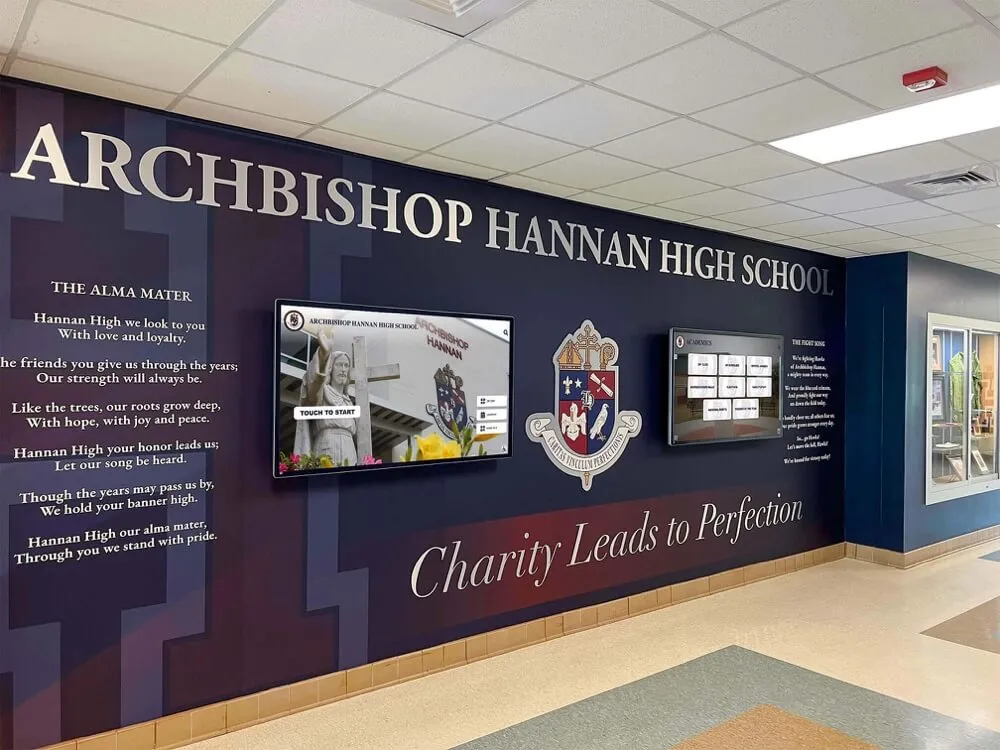
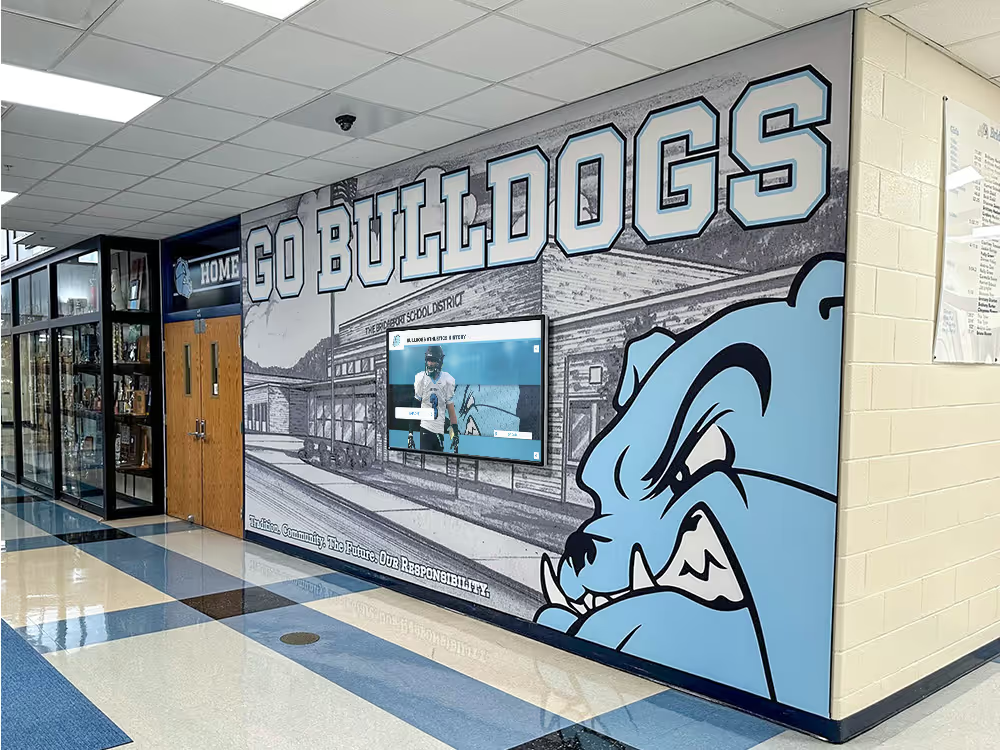
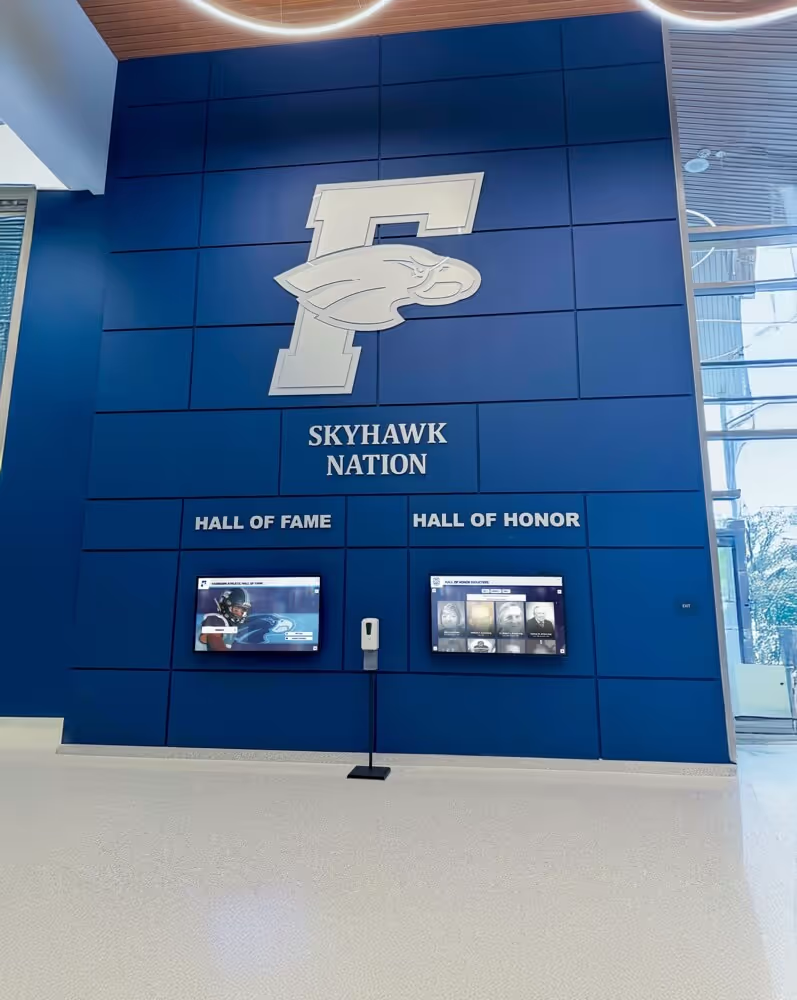
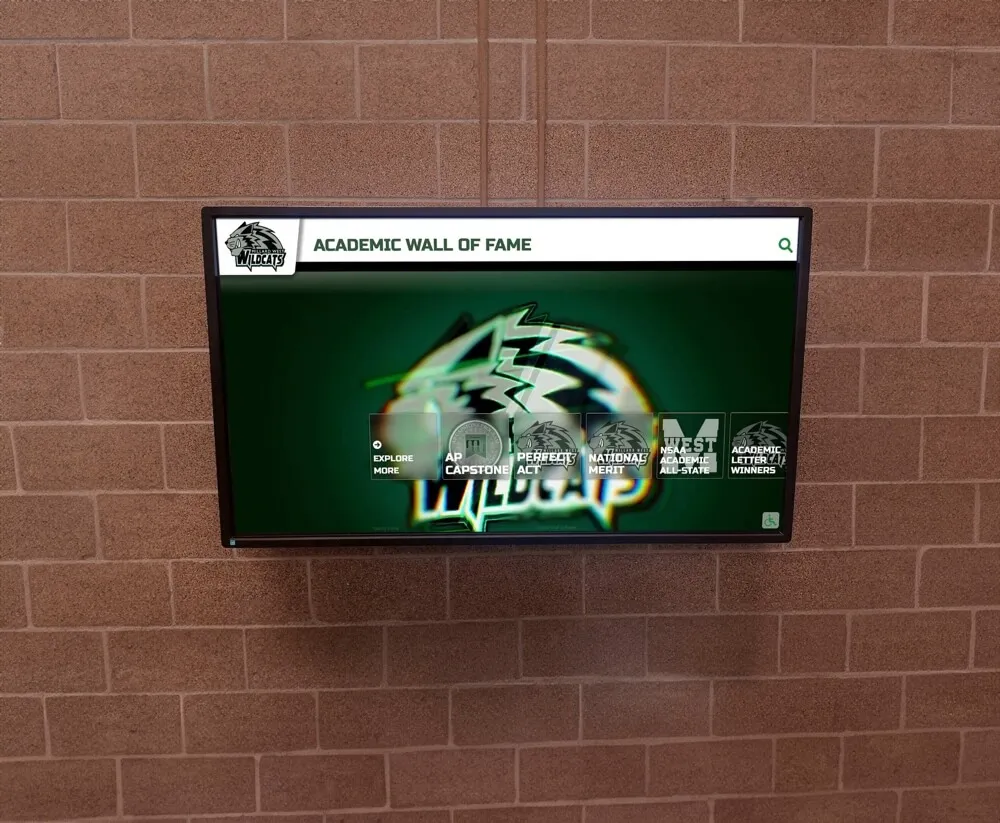
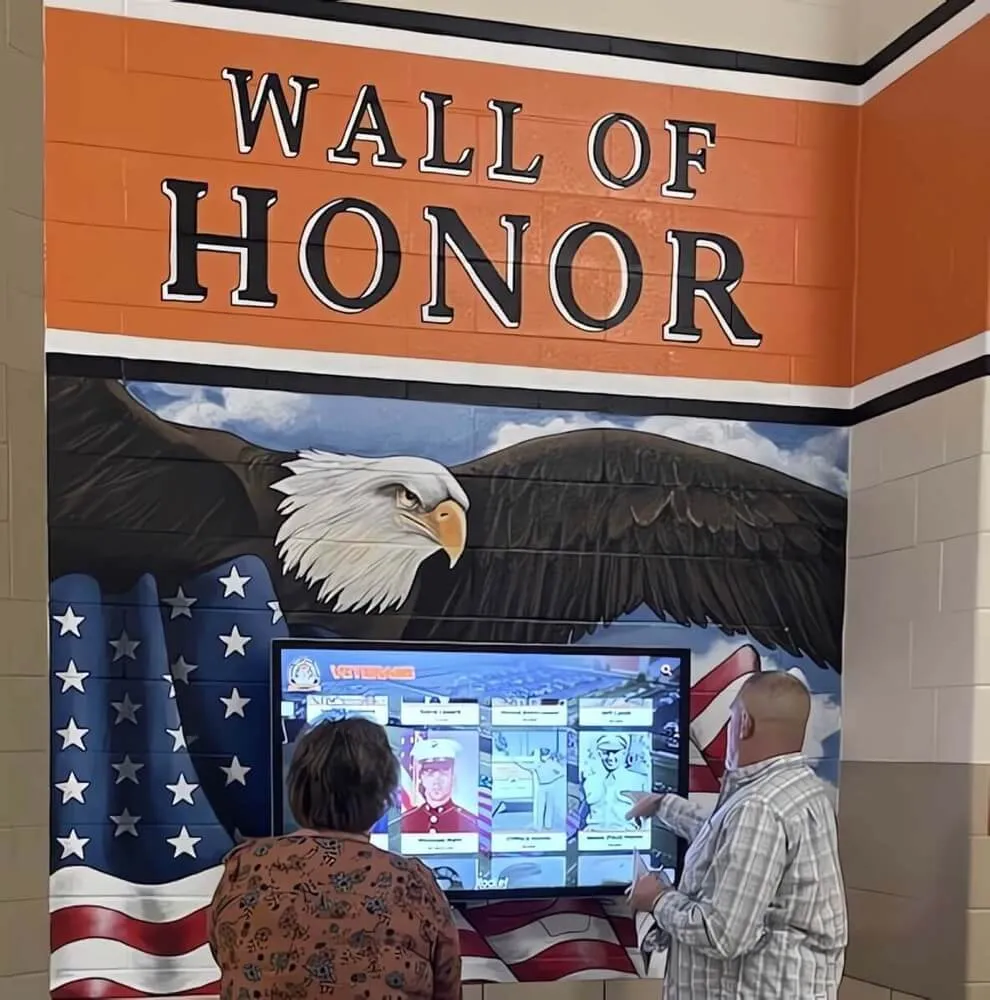
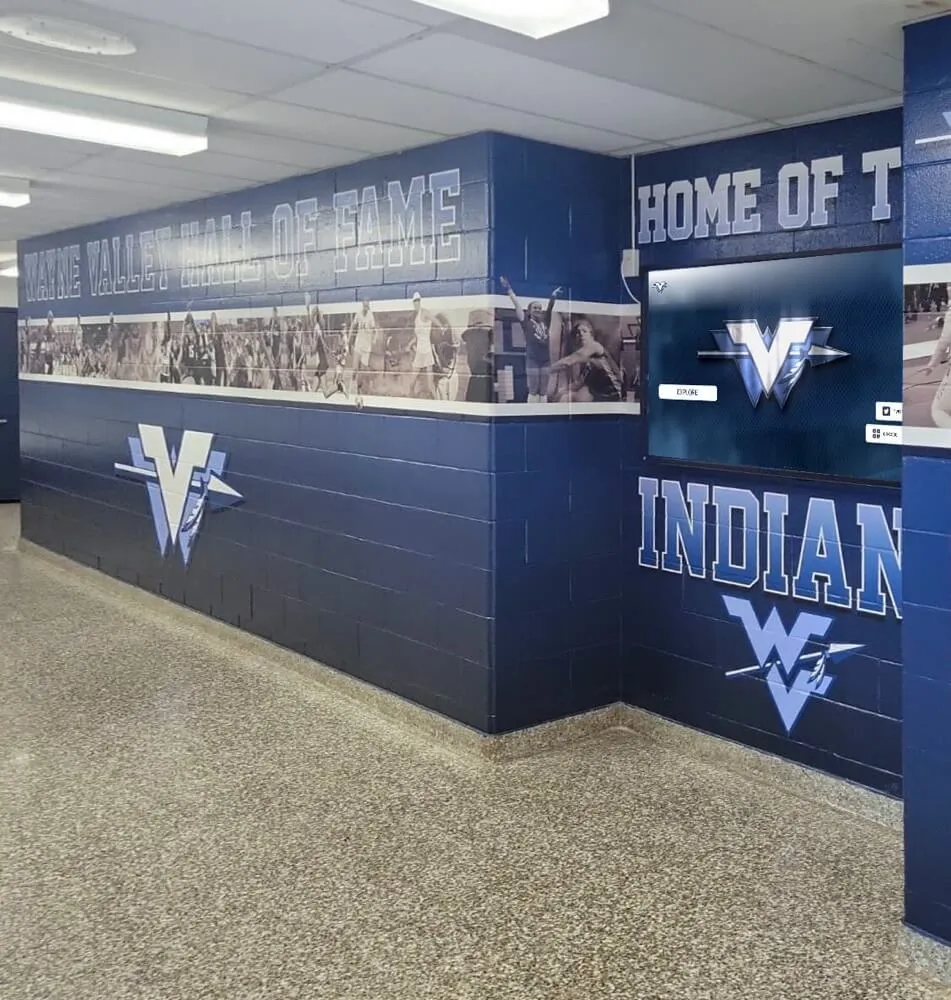
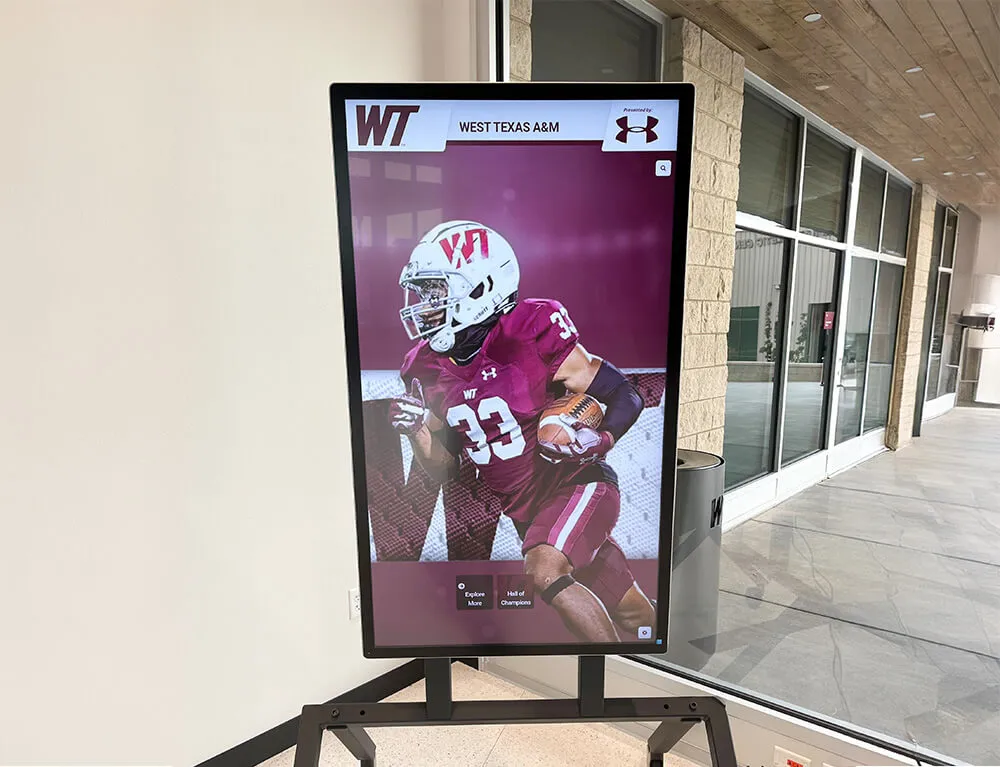
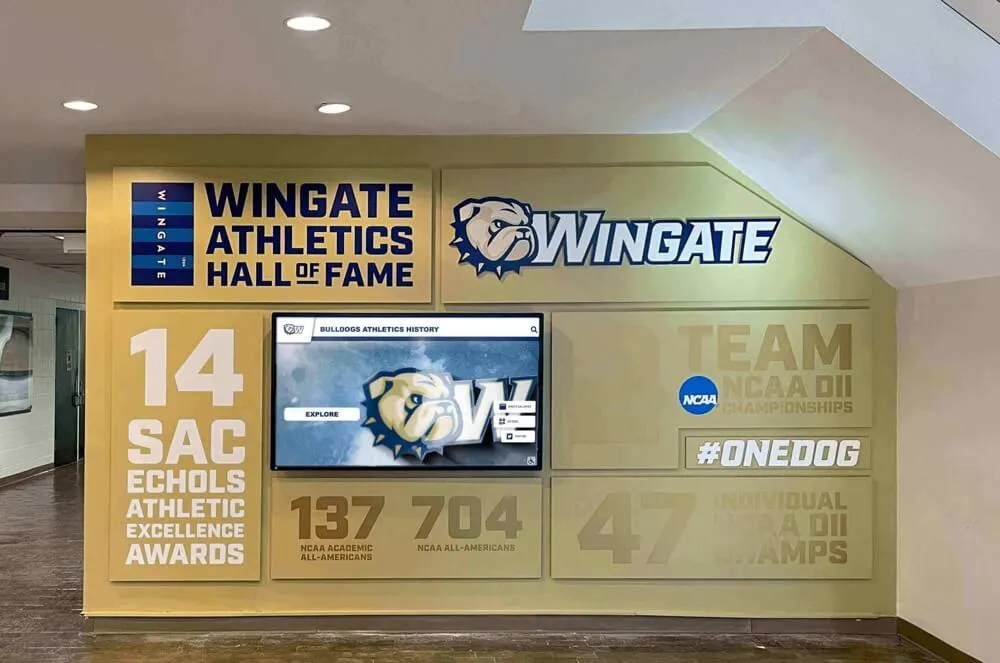
Capital campaigns often fund major facility projects that organizations commemorate through comprehensive donor recognition honoring transformational gifts
Understanding Capital Campaigns: Definition and Purpose
Capital campaigns serve distinct purposes within comprehensive development programs, addressing funding needs that annual giving cannot realistically meet.
What Makes Capital Campaigns Different
Capital campaigns embody several characteristics distinguishing them from other fundraising approaches:
Finite Timeframes with Defined Endpoints
Unlike annual giving programs operating continuously year after year, capital campaigns run for fixed periods—typically 3-7 years depending on campaign size and complexity. Organizations announce specific start and end dates, creating urgency and momentum that annual programs lack. This finite nature enables concentrated effort and celebratory conclusions when goals are achieved.
Specific, Tangible Goals and Purposes
Capital campaigns raise funds for precisely defined projects rather than general operations. Donors understand exactly what their contributions will build, purchase, or endow. This tangible specificity creates emotional connection and giving motivation that abstract operational support often lacks. When donors can envision specific facilities bearing their names or scholarships supporting identifiable students, philanthropy feels more meaningful and impactful.
Multi-Year Pledge Commitments
Capital campaigns typically solicit pledges payable over 3-5 years rather than single-year gifts. This extended timeframe enables donors to make significantly larger commitments than annual capacity allows—a donor giving $1,000 annually might pledge $25,000 over five years to a capital campaign. These multi-year commitments dramatically expand giving potential while remaining financially manageable for supporters.
Emphasis on Major Gifts from Leadership Donors
While capital campaigns welcome gifts at all levels, success depends heavily on major gifts from leadership donors. The fundraising principle of proportional giving suggests that the top 10-15 donors typically contribute 50-60% of campaign totals, with the top 100 donors often accounting for 80-85% of funds raised. This pyramid structure requires sophisticated major gift cultivation and solicitation rather than mass marketing approaches driving annual funds.
Comprehensive Recognition Programs
Capital campaigns implement recognition programs significantly more elaborate than annual giving acknowledgment. Organizations offer naming opportunities for facilities, spaces, and programs; create permanent donor walls celebrating campaign supporters; establish giving societies with special benefits; and develop multilevel recognition tiers differentiating various contribution levels. These comprehensive programs honor transformational generosity appropriately while inspiring continued major gift philanthropy.
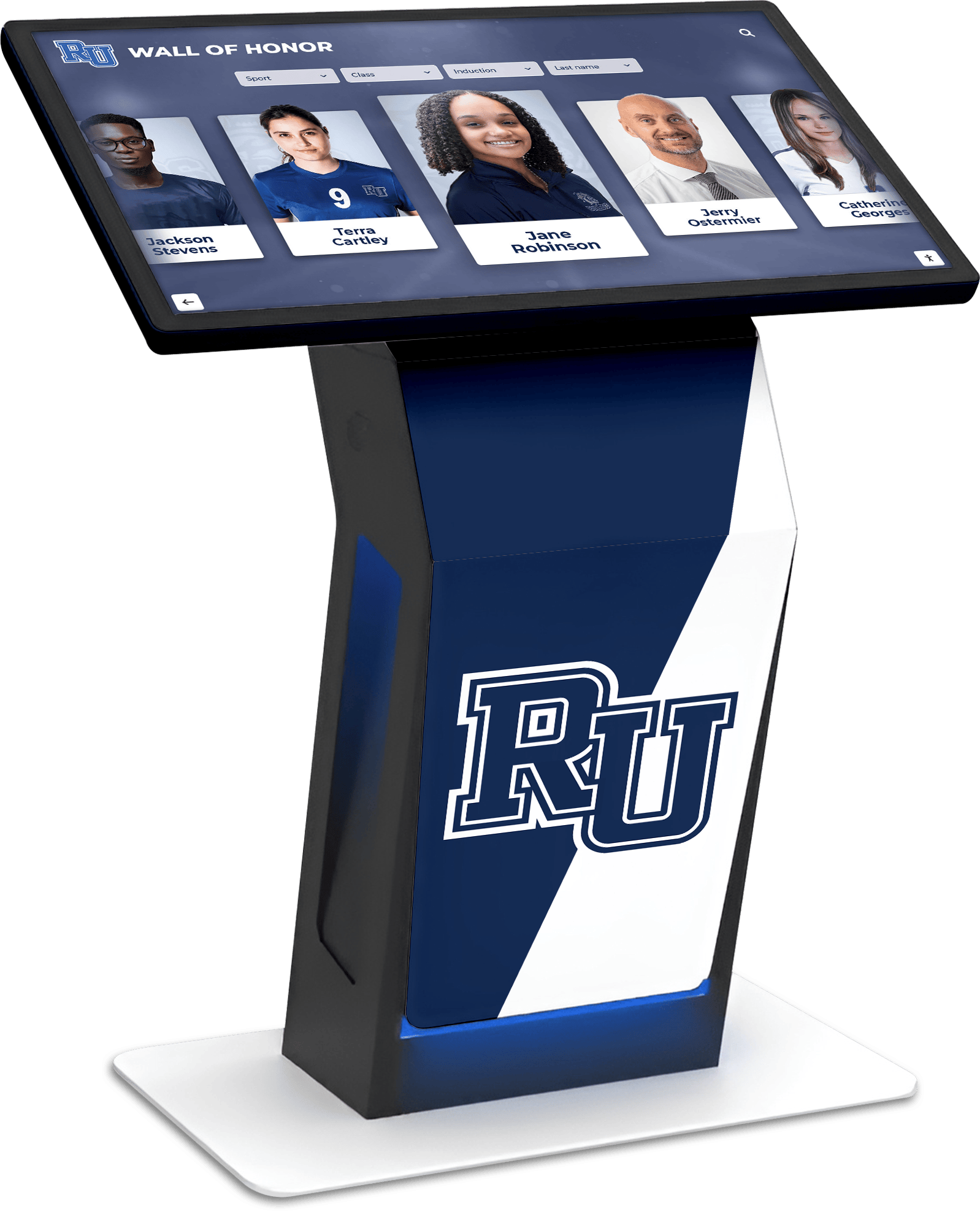
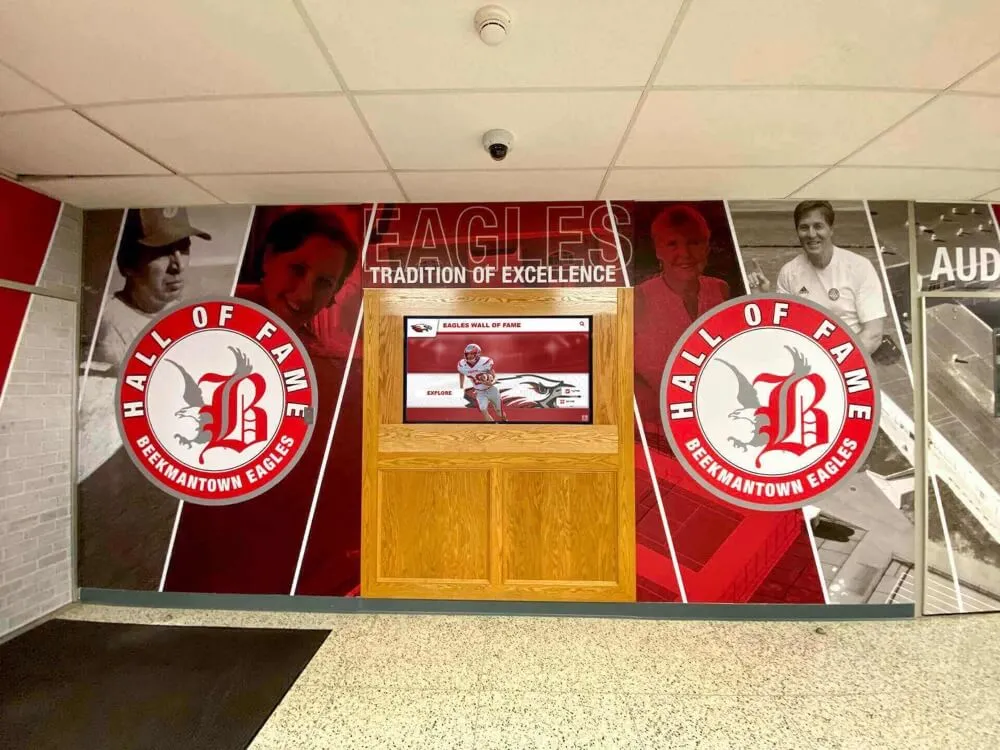
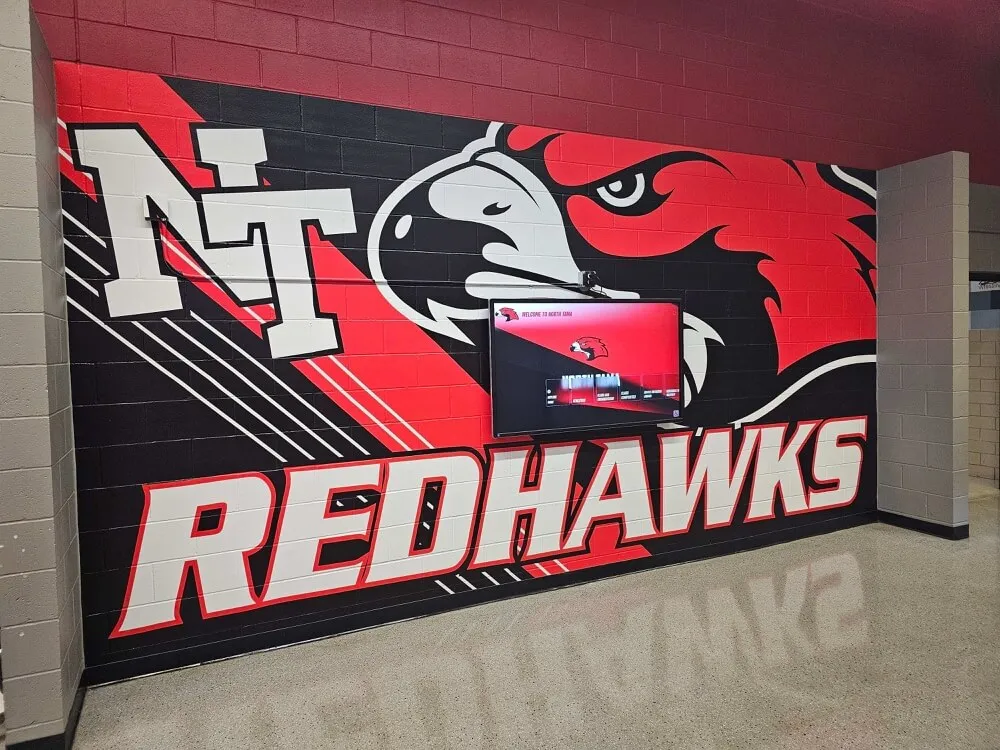
Modern capital campaigns increasingly leverage digital recognition displays providing unlimited capacity and rich storytelling impossible with traditional plaques
Common Capital Campaign Purposes
Educational institutions and nonprofits conduct capital campaigns for several primary purposes:
Facility Construction and Renovation
New building construction represents the most common capital campaign focus—new academic buildings, athletic facilities, performing arts centers, student unions, libraries, administrative spaces, or program facilities. For schools, this might mean science wings, gymnasiums, auditoriums, or classroom expansions. For nonprofits, facility campaigns fund program spaces, community centers, clinics, shelters, or administrative headquarters.
Building renovation campaigns modernize aging facilities through infrastructure upgrades, accessibility improvements, technology integration, energy efficiency enhancements, or space reconfigurations adapting facilities to contemporary program needs. These renovation campaigns often cost less than new construction while dramatically improving functionality and user experience.
Endowment Growth and Financial Sustainability
Endowment campaigns build permanent funds generating investment returns supporting operations perpetually. Educational institutions create scholarship endowments ensuring access for students with financial need, professorship endowments attracting exceptional faculty, program endowments sustaining specific academic departments or initiatives, and general endowments providing unrestricted support addressing emerging priorities.
Nonprofit endowments function similarly—funding core programs, supporting operational capacity, ensuring service continuity during economic downturns, and enabling long-term planning free from year-to-year fundraising pressures. While endowment campaigns lack the tangible visibility of building projects, they create lasting sustainability and programmatic strength.
Equipment and Technology Acquisitions
Some capital campaigns fund major equipment purchases or technology infrastructure beyond annual budget capacity. Schools might campaign for athletic equipment, music instruments, laboratory apparatus, computers and tablets, or specialized learning technology. Healthcare nonprofits campaign for medical equipment, diagnostic technology, or treatment systems. Arts organizations seek performance equipment, sound systems, lighting, or production technology.
Technology campaigns fund comprehensive infrastructure including network upgrades, cybersecurity systems, learning management platforms, or enterprise software systems. These campaigns ensure organizations maintain contemporary capacity matching user expectations and programmatic requirements.
Program Expansion and Capacity Building
Rather than physical facilities, some capital campaigns fund programmatic expansion—launching new educational programs, expanding service capacity, developing new initiatives, creating research centers, or building organizational infrastructure. These campaigns might support program development costs, initial operating funds bridging to self-sustainability, staff expansion, or planning and feasibility studies preceding full implementation.
Organizations increasingly recognize that sustainable program expansion requires capital investment beyond annual operating budgets—justifying campaign approaches for major programmatic initiatives with transformational potential.
The Case for Capital Campaigns: Strategic Benefits
Beyond meeting immediate funding needs, well-executed capital campaigns deliver strategic advantages strengthening organizations far beyond specific projects funded.
Donor Engagement and Relationship Deepening
Capital campaigns create intensive engagement opportunities transforming transactional annual donors into invested institutional partners:
Major Gift Cultivation and Solicitation
Campaign environments justify the comprehensive cultivation work major gifts require—extended relationship building, leadership involvement, facility tours, impact demonstrations, and personal solicitations. Annual fund timelines rarely permit this depth of engagement, but multi-year campaigns create space for developing transformational gift relationships. Development staff learn major gift fundraising through campaign experience, building capacity benefiting all future development work.
Increased Giving Capacity Realization
The multi-year pledge structures capital campaigns employ enable donors to give at levels annual capacity cannot support. A supporter capable of $5,000 annually might commit $50,000 over five years when inspired by compelling campaign vision. This expanded giving capacity doesn’t diminish annual support—research shows capital campaign participants often increase annual giving simultaneously as campaign involvement deepens institutional connection and philanthropic identity.
Leadership and Volunteer Engagement
Capital campaigns mobilize volunteer leadership through campaign committees, steering groups, and peer solicitation teams. These volunteer structures engage influential community members and major donors in campaign success, creating ownership and accountability that staff-driven fundraising alone cannot achieve. Campaign volunteers often become lifelong institutional advocates whose influence extends far beyond immediate fundraising impact.
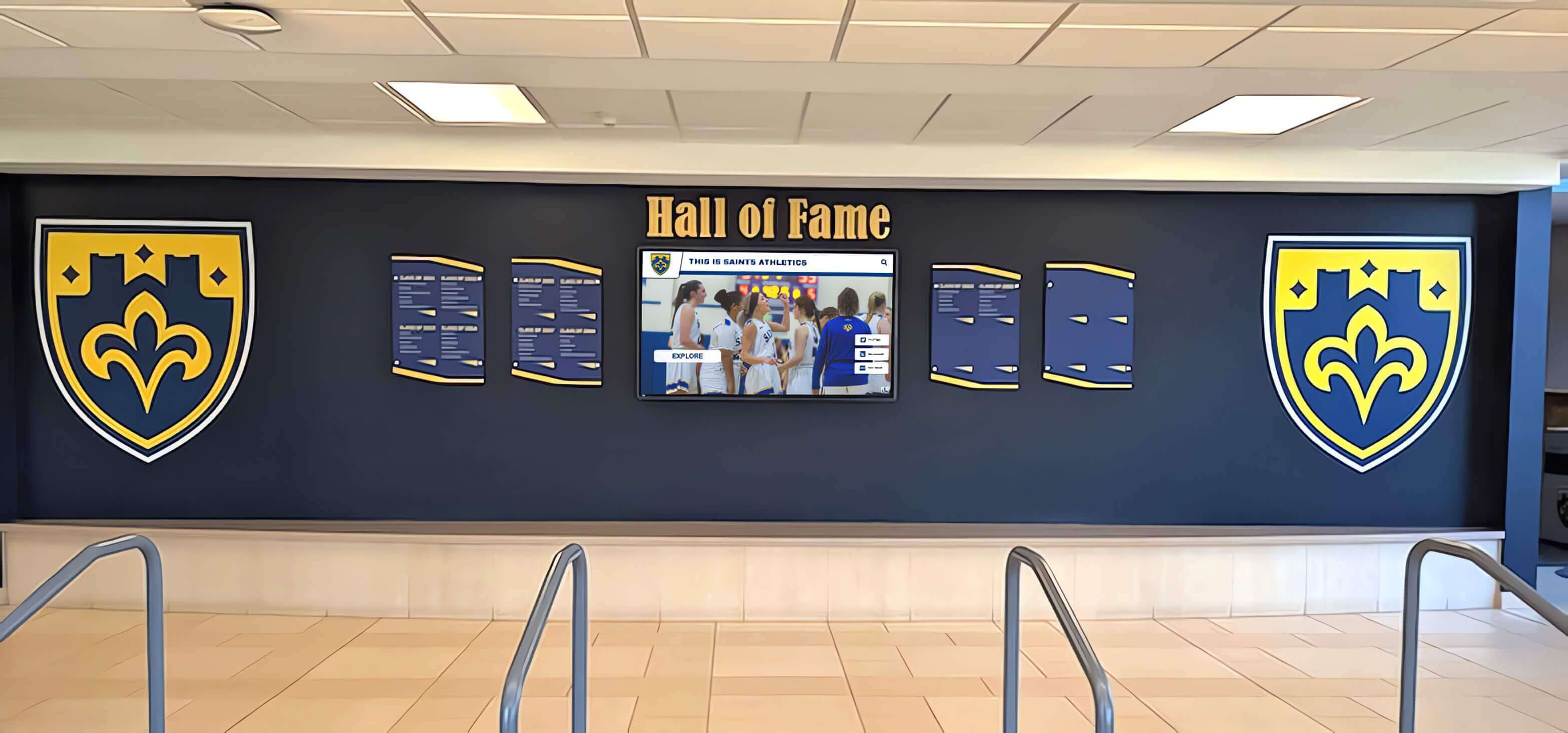
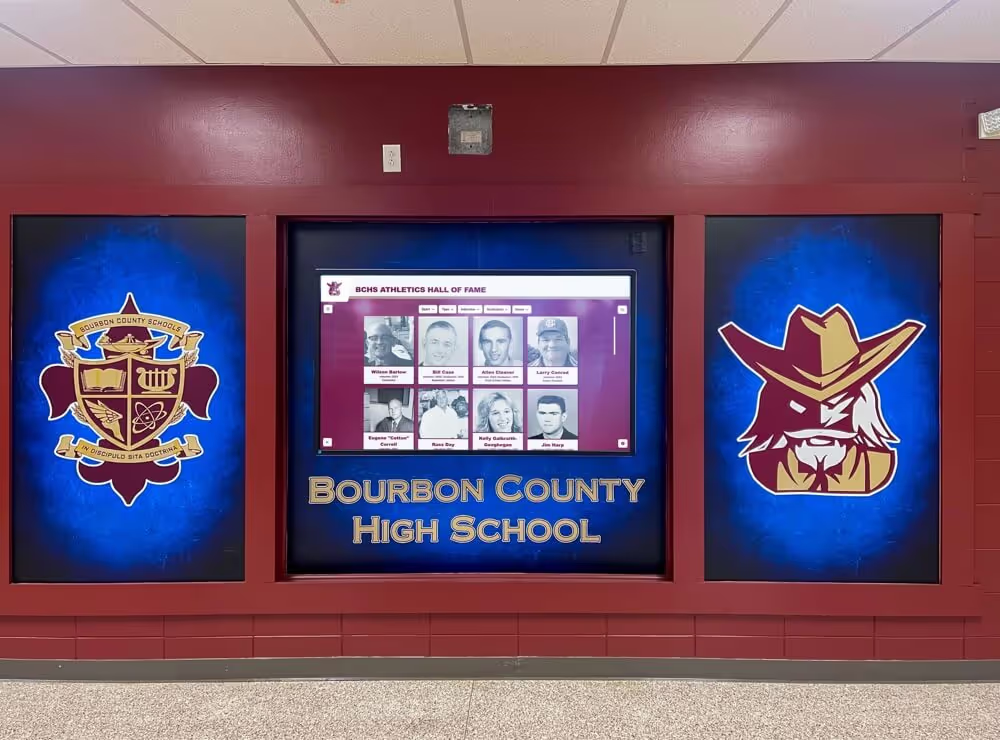
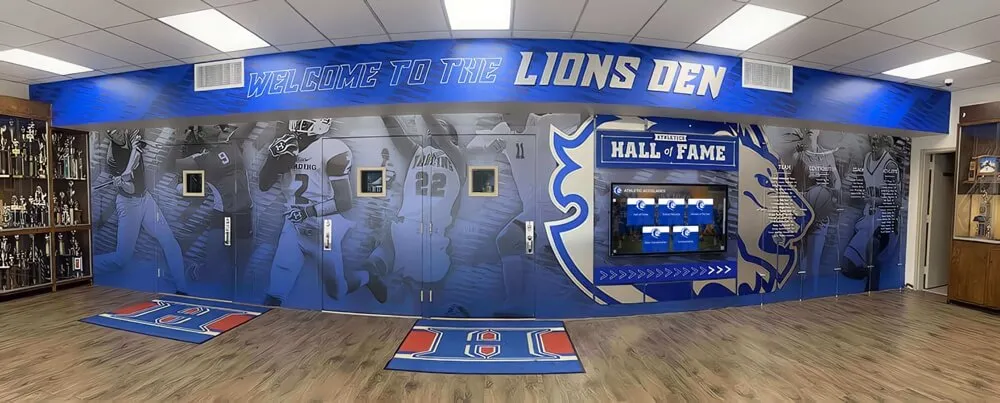
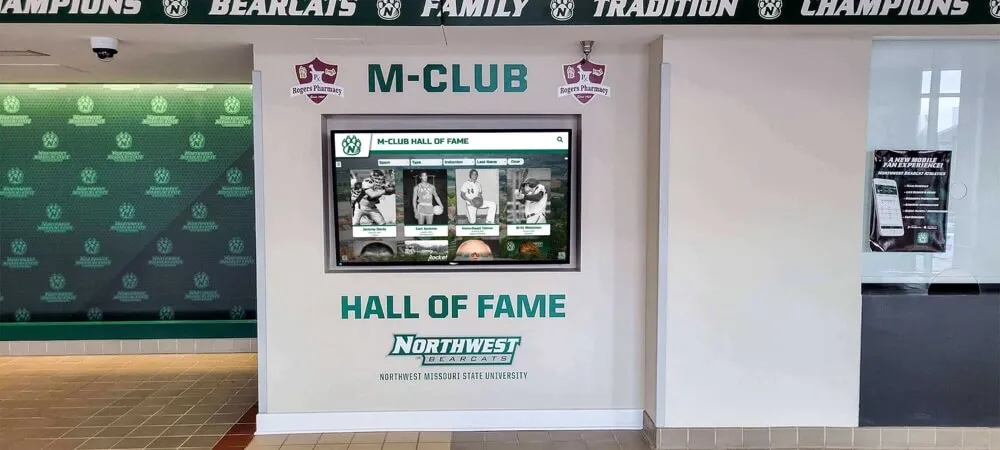
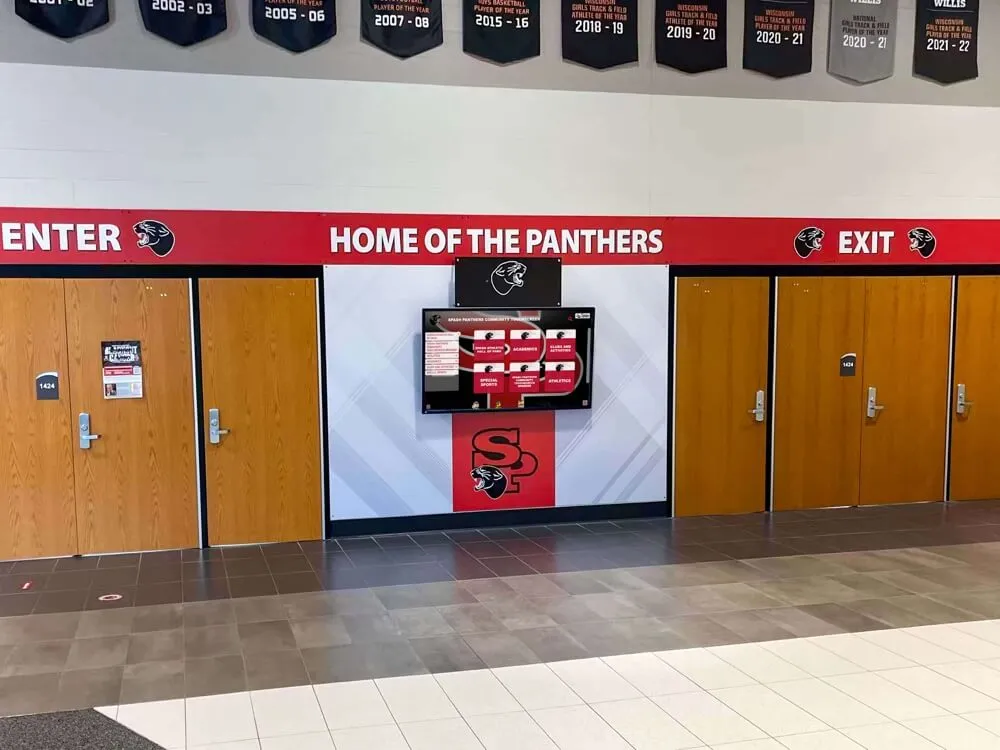
Strategic placement of recognition displays in high-traffic institutional spaces celebrates capital campaign success while inspiring continued philanthropic culture
Organizational Visibility and Community Profile
Capital campaigns create visibility opportunities annual programs rarely generate:
Media and Public Attention
Campaign launches, major gift announcements, groundbreaking ceremonies, and goal achievements provide newsworthy events attracting media coverage and community attention. This visibility raises organizational profile, demonstrates community confidence and support, attracts new donors discovering organizations through campaign coverage, and reinforces institutional strength and forward momentum.
Local media typically covers capital campaign milestones extensively—particularly for educational institutions and community-serving nonprofits whose success matters broadly to stakeholders. This coverage represents valuable marketing that organizations could never afford purchasing directly.
Stakeholder Pride and Confidence
Successful capital campaigns demonstrate organizational strength, community support, effective leadership, and forward-thinking vision. Students, families, staff, volunteers, and community members take pride in institutions undertaking ambitious campaigns and achieving transformational goals. This pride translates into enhanced recruitment, retention, advocacy, and continued support across all constituencies.
Conversely, failed or struggling campaigns can damage organizational credibility and stakeholder confidence—underscoring the importance of thorough planning and realistic goal-setting before public launches.
Long-Term Capacity and Impact Expansion
Beyond immediate funding, capital campaigns create lasting organizational transformation:
Facilities and Infrastructure Improvements
New or renovated facilities serve organizations for 50+ years, supporting programs, attracting students or participants, enabling service delivery, and creating environments where missions flourish. The infrastructure capital campaigns fund becomes the physical foundation organizational work requires—benefits compounding annually across decades of use.
For schools, new science labs enable contemporary STEM education, performing arts centers support comprehensive arts programs, and athletic facilities serve student-athlete development. For nonprofits, program facilities enable service delivery, community spaces foster belonging and engagement, and improved infrastructure enhances operational effectiveness.
Endowment Income Streams
Endowment growth creates permanent income supporting operations perpetually. A $10 million endowment generating 4% returns provides $400,000 annually forever—support continuing long after campaign donors have passed. This perpetual funding enables program sustainability, reduces dependence on annual fundraising and uncertain revenue streams, permits long-term planning and investment, and provides cushion during economic downturns or unexpected challenges.
Educational institutions with substantial endowments weather financial storms, maintain program quality despite enrollment fluctuations, compete for exceptional students and faculty through scholarship and compensation strength, and invest in innovation and excellence others cannot afford.
Enhanced Fundraising Capacity
Organizations completing successful capital campaigns build lasting development capacity through donor database expansion, major gift expertise development, volunteer leadership cultivation, systems and infrastructure improvements, and confidence and momentum supporting future initiatives. Many institutions conduct capital campaigns every 7-10 years as core development strategy rather than one-time exceptional efforts—treating campaigns as periodic major gift focuses within comprehensive ongoing programs.
The digital donor recognition solutions implemented during capital campaigns continue honoring supporters and inspiring philanthropy long after campaigns conclude, creating permanent recognition celebrating transformational generosity.
Capital Campaign Phases: From Planning Through Completion
Successful capital campaigns follow structured phases ensuring thorough planning, effective execution, and celebratory conclusions.
Phase 1: Pre-Campaign Planning and Feasibility Assessment
Before publicly announcing campaigns, organizations invest 6-18 months in comprehensive planning:
Feasibility Study Conduct
Feasibility studies assess whether proposed campaigns can realistically achieve goals. Organizations hire external consultants conducting confidential interviews with 30-75 major donor prospects, board members, and community leaders exploring campaign receptivity, goal appropriateness, leadership willingness, case statement resonance, and potential gift capacity.
Feasibility findings reveal whether proposed campaigns should proceed as planned, require goal adjustments, need timeline modifications, or should be postponed until conditions improve. While studies cost $15,000-$50,000+ depending on complexity, they prevent far costlier mistakes of launching campaigns lacking adequate support or attempting goals exceeding realistic capacity.
Studies also identify potential campaign leaders, preview major gift prospects, test messaging and positioning, and surface concerns requiring attention before public launches.
Case Statement Development
Campaign case statements articulate compelling justifications for support—explaining what campaigns will accomplish, why projects matter urgently, how initiatives advance organizational missions, what impact contributions will create, and why supporters should give now rather than later or not at all.
Effective case statements balance emotional appeal with factual substance, connect projects to beneficiary needs rather than institutional wants, demonstrate planning thoroughness and financial stewardship, address potential donor concerns or objections, and inspire philanthropic imagination about transformational possibilities.
Organizations develop various case statement formats—comprehensive printed documents, executive summaries, video presentations, website content, and presentation decks—ensuring consistent messaging across all campaign communications.
Campaign Leadership Recruitment
Campaign success requires volunteer leadership championing efforts through personal influence, major gift commitments, peer solicitation, and strategic guidance. Organizations recruit campaign chairs (often board members or major donors), steering committee members overseeing campaign divisions or sectors, and solicitation volunteers conducting peer-to-peer major gift asks.
Leadership recruitment begins during feasibility phases and continues throughout campaigns as needs evolve. The most effective campaign leaders combine personal financial capacity and commitment, broad community networks and influence, credibility and respect among peer groups, available time and energy, and genuine passion for campaign purposes.
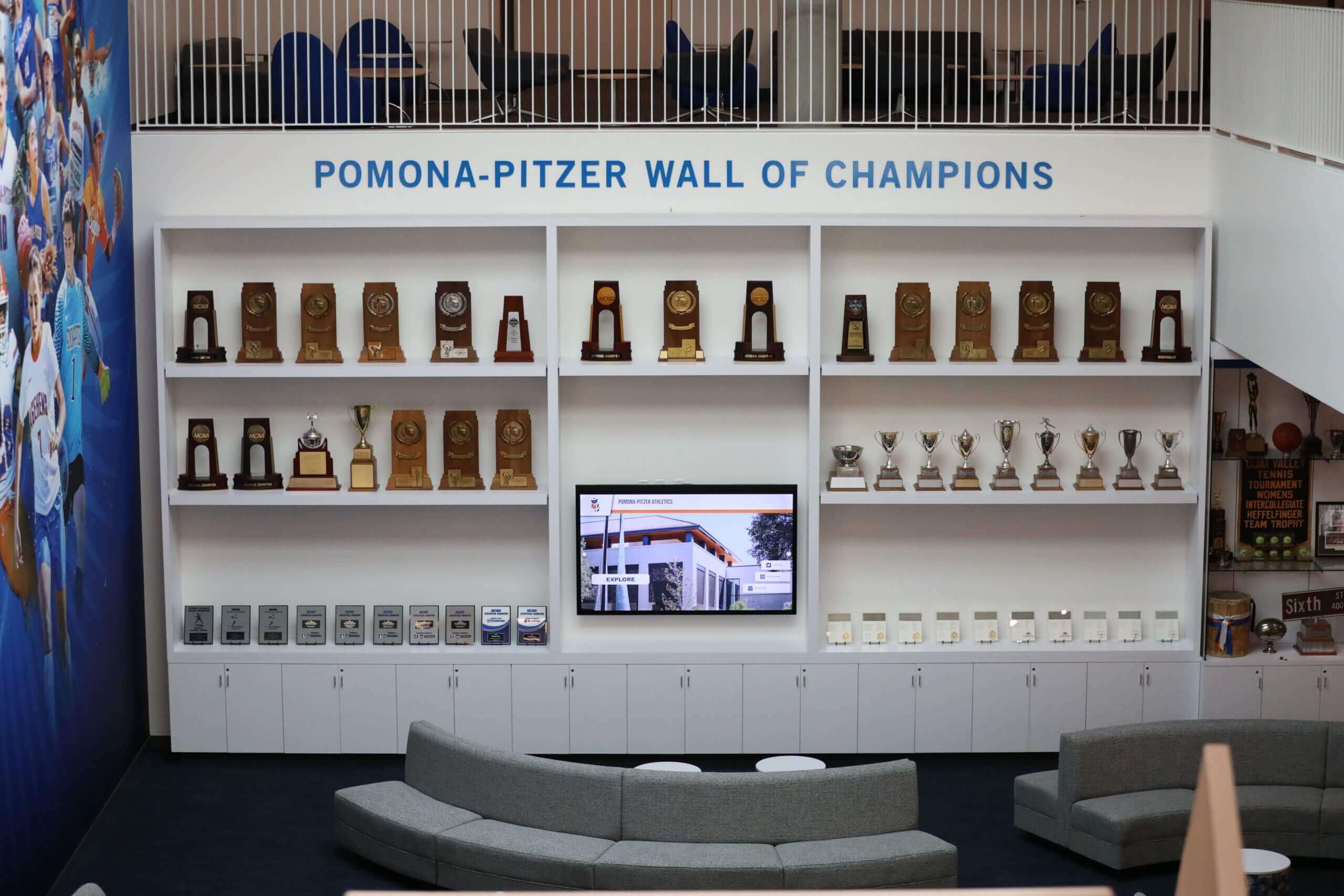
Creating comfortable recognition spaces with seating encourages extended engagement with campaign donor stories and organizational impact narratives
Phase 2: Quiet Phase and Leadership Gift Solicitation
Capital campaigns begin with confidential “quiet phases” lasting 12-36 months before public announcements:
Securing Leadership Gifts
Quiet phases focus exclusively on leadership gift solicitation from top prospects capable of largest commitments—typically 10-25 donors providing 40-60% of campaign goals. Organizations identify and prioritize these prospects, develop customized cultivation plans, engage organizational leadership in relationship building, and execute personalized solicitations seeking transformational commitments.
Best practices recommend securing 50-70% of campaign goals during quiet phases before public launches. This “money in the bank” creates momentum, demonstrates feasibility to subsequent prospects, provides cushion against public phase challenges, and enables confident public announcements of campaigns well underway toward success.
Leadership gifts often come from board members, major donors with long giving histories, grateful beneficiaries or their families, corporate partners, and foundations with aligned missions. These early commitments set giving standards influencing subsequent donor decisions throughout campaigns.
Establishing Campaign Infrastructure
Quiet phases build operational infrastructure campaigns require: gift processing and pledge management systems, campaign tracking and reporting dashboards, stewardship and recognition program development, volunteer recruitment and training, marketing materials and messaging refinement, and event planning for public launch and subsequent milestones.
Organizations also plan donor recognition programs during quiet phases—defining recognition societies and benefit levels, designing donor walls or recognition displays, establishing naming opportunity policies and pricing, and creating stewardship communication plans. Sophisticated planning ensures prompt, meaningful recognition as gifts arrive rather than scrambling to acknowledge supporters after commitments are secured.
Phase 3: Public Phase and Broad Community Solicitation
Public campaign launches mark transitions from confidential leadership solicitation to broad community engagement:
Campaign Kickoff Events and Announcements
Organizations host campaign launch events celebrating accumulated quiet phase success, publicly announcing campaign goals and progress, recognizing leadership donors inspiring campaigns, engaging broader communities in campaign vision, and creating excitement and momentum supporting subsequent solicitation.
Launch events might include groundbreaking ceremonies for building projects, celebration galas recognizing early supporters, community open houses showcasing campaign vision, media events generating publicity, or donor recognition unveilings celebrating leadership gifts. The specific format matters less than creating memorable celebrations that energize campaigns and honor early supporters.
Segmented Solicitation by Giving Capacity
Public phases employ systematic solicitation strategies addressing prospects by giving capacity: major gift prospects ($50,000+) receive continued personal solicitation by staff and volunteers, leadership annual donors ($5,000-$50,000) are cultivated for campaign upgrades through personal outreach, mid-level prospects ($1,000-$5,000) receive personalized digital communication and event invitations, and broad constituencies are engaged through direct mail, email campaigns, and online giving.
This segmented approach ensures solicitation methods match gift potential—investing extensive personal attention in top prospects while reaching broader audiences efficiently through scaled communication.
Volunteer Peer Solicitation
Public phases leverage volunteer networks conducting peer-to-peer solicitation—board members soliciting fellow board members and community leaders, committee volunteers soliciting professional peers and business associates, alumni reaching out to classmates, and parents connecting with other families. Peer solicitation proves far more effective than institutional staff requests as personal relationships create accountability and gifts feel like community investment rather than institutional fundraising.
Organizations train volunteers in solicitation best practices, provide talking points and materials, establish clear asks and target amounts, and support volunteers through coaching and accompaniment. The development staff manages strategy and logistics while volunteers provide relationship access and peer influence.
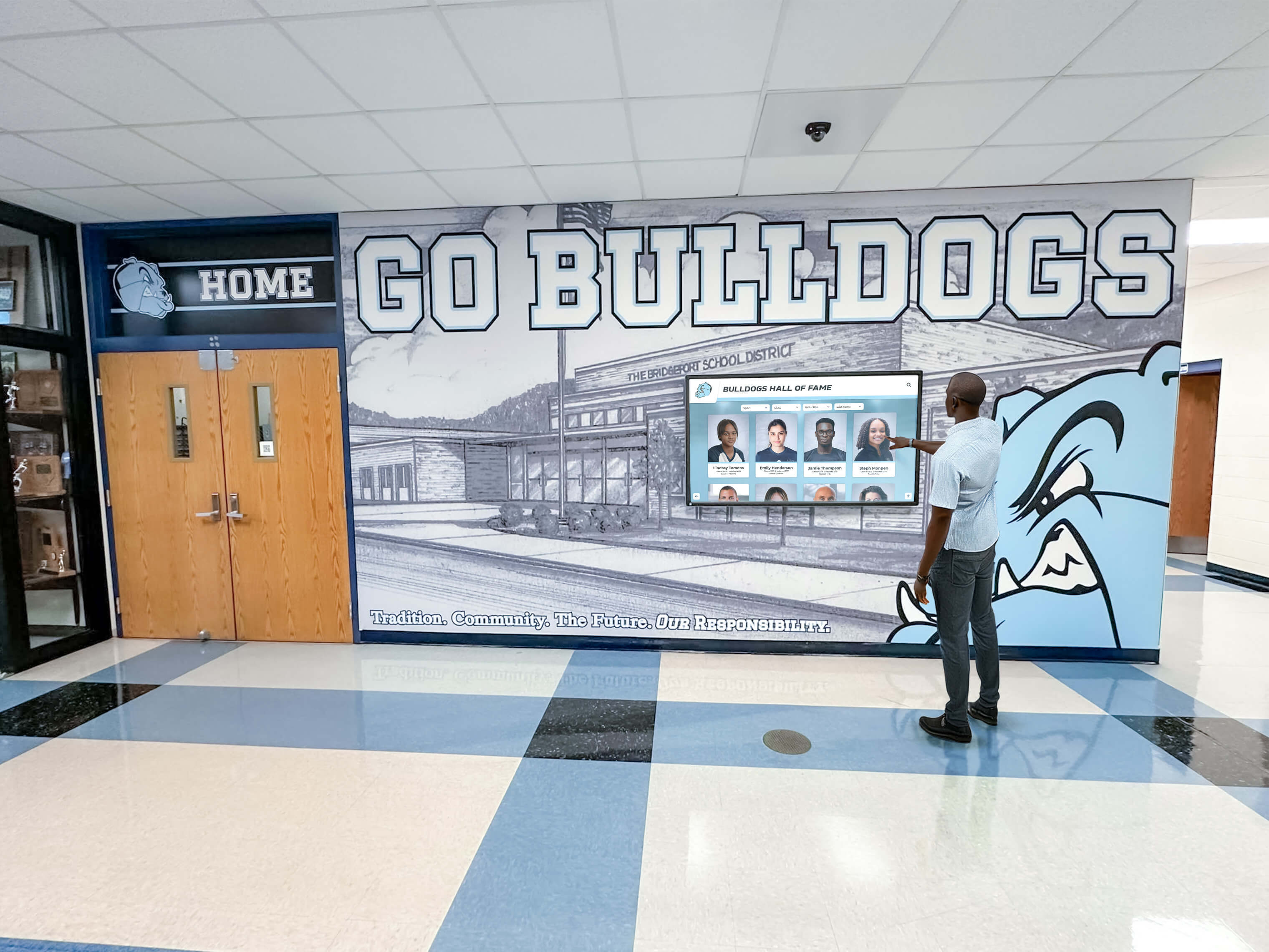
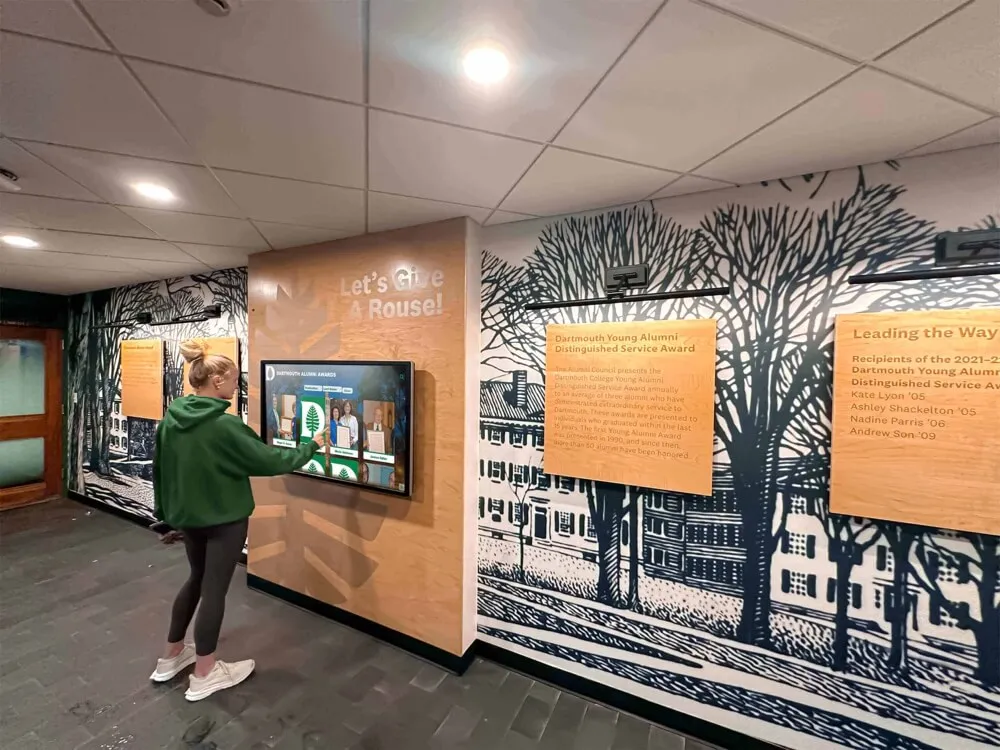
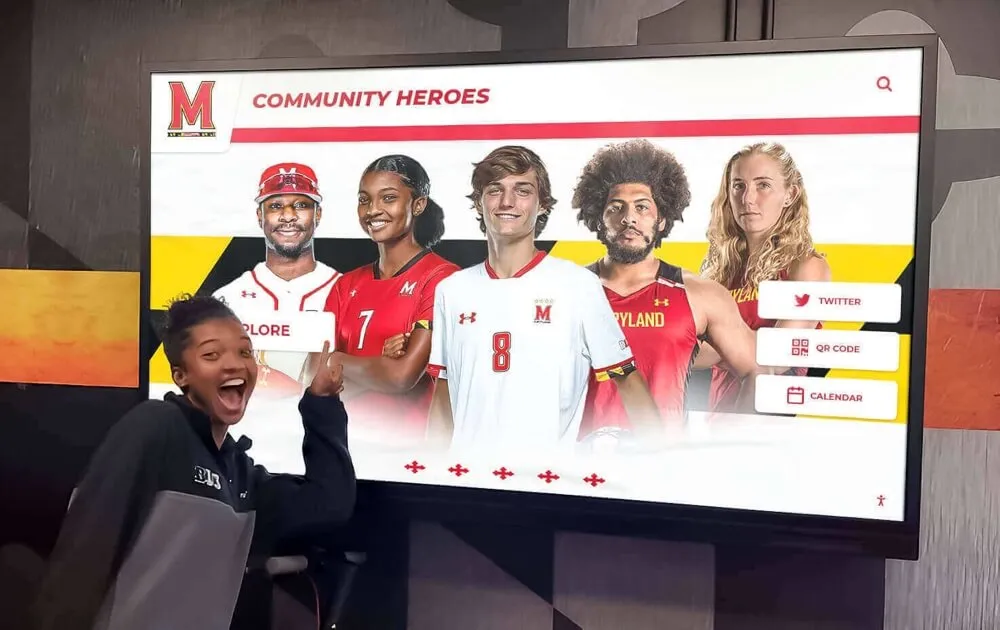
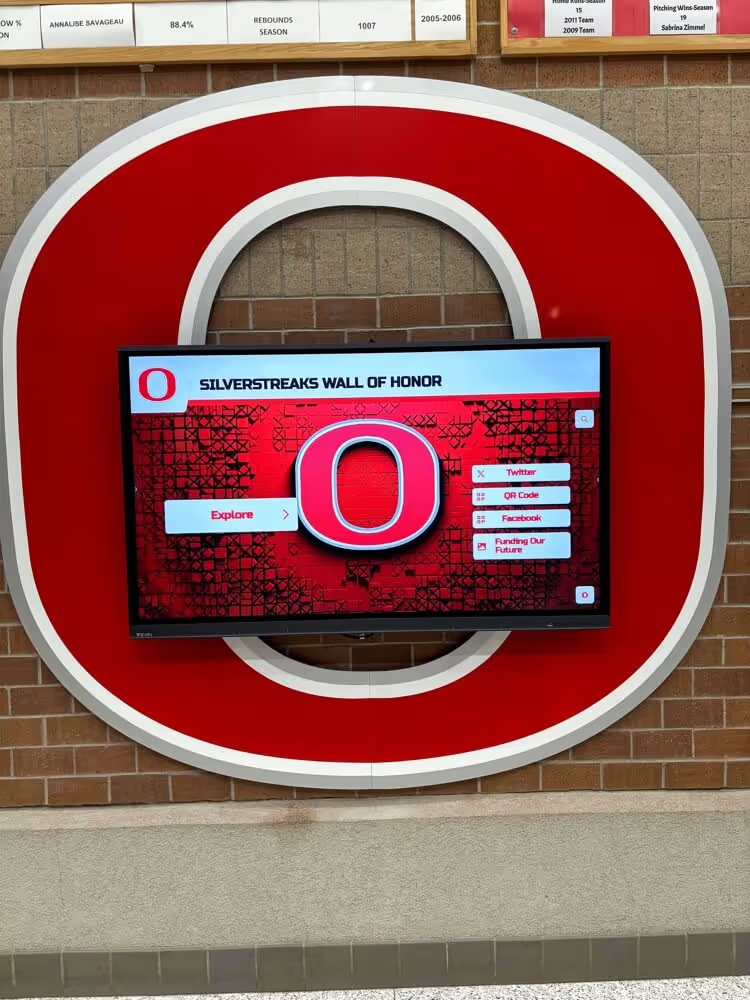
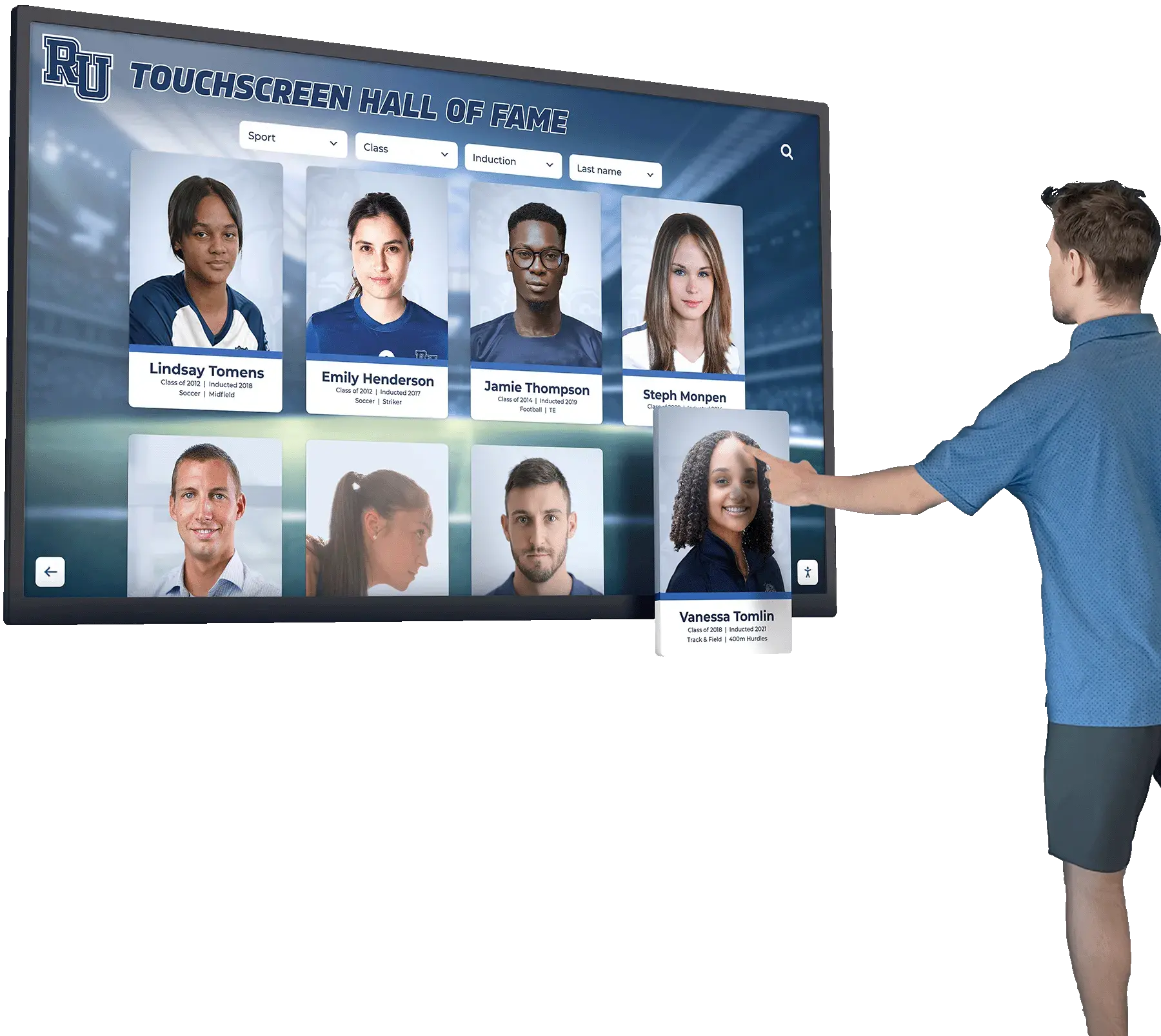
Interactive displays enable visitors to explore campaign donor profiles, search for supporters, and engage deeply with recognition content and impact stories
Phase 4: Campaign Conclusion and Celebration
As campaigns near goals, organizations shift toward conclusion and celebration:
Final Push and Goal Achievement
Campaign final months intensify activity pushing toward goals through renewed solicitation of unconverted prospects, challenge gifts leveraging remaining needs into urgency, deadline emphasis creating commitment motivation, leadership gift solicitation for goal-exceeding stretch commitments, and creative recognition highlighting opportunities for late-joining supporters.
Many campaigns set stretch goals beyond initial targets—providing continued motivation even after original goals are achieved and enabling additional investment in campaign purposes when success exceeds expectations.
Victory Celebrations and Donor Recognition
Campaign conclusions deserve celebrations commensurate with achievement significance: dedication ceremonies for completed facilities, recognition events honoring all campaign supporters, final reports documenting campaign impact and acknowledging contributors, permanent donor recognition installation, and communications celebrating success across all stakeholder groups.
These celebrations provide closure acknowledging extraordinary community effort, honor philanthropic generosity appropriately, demonstrate stewardship and accountability to all donors, create positive memories associated with campaign experiences, and set foundations for future fundraising by demonstrating organizational capability and donor appreciation.
Organizations implementing digital recognition displays benefit from immediate recognition capability as campaigns conclude rather than waiting months for traditional plaque manufacturing—ensuring timely acknowledgment while enthusiasm remains strong.
Developing Compelling Campaign Cases
Capital campaign success depends fundamentally on developing compelling cases for support that inspire philanthropic investment.
Articulating Urgent Organizational Needs
Effective campaign cases emphasize genuine organizational needs rather than institutional wants:
Program Limitations Current Facilities Create
Schools might describe how outdated science labs prevent hands-on STEM learning, inadequate gymnasiums force multi-school facility sharing limiting athletic programs, insufficient performance spaces restrict arts program development, or overcrowded classrooms compromise educational quality. Nonprofits articulate how current facility limitations reduce service capacity, prevent program expansion meeting community needs, or create accessibility barriers excluding populations organizations aim to serve.
These need statements help donors understand how current limitations restrict mission fulfillment and how campaign projects will expand organizational impact dramatically.
Market and Competitive Positioning
Educational institutions often emphasize competitive positioning—how facility improvements attract and retain students, how technology upgrades match expectations of contemporary learners, or how program enhancements position institutions competitively within educational markets. Nonprofits might describe how expanded capacity enables addressing urgent community needs currently unmet or how improved facilities enhance organizational credibility attracting additional funding and partnerships.
Positioning arguments prove especially powerful in competitive environments where stakeholders compare institutions directly or where organizational reputation influences recruitment and retention.
Beneficiary Impact and Life Transformation
The most compelling campaign cases center on beneficiary impact—how improved facilities enhance student learning and achievement, how expanded programs serve more community members in greater need, how enhanced capacity creates opportunities transforming lives, or how organizational growth advances missions creating meaningful community benefit.
Donors give to impact, not buildings—so effective cases consistently connect physical projects to human outcomes and life transformation that philanthropy enables.
Demonstrating Financial Planning and Sustainability
Beyond need, campaign cases must demonstrate sound planning and long-term sustainability:
Comprehensive Budget Development
Detailed campaign budgets show donors that organizations have planned thoroughly, thought carefully about all project costs, developed realistic financial projections, and can deliver proposed projects within stated fundraising goals. Budgets should include construction or equipment costs, professional fees for architecture and engineering, contingency reserves for unforeseen expenses, campaign costs and fundraising overhead, and opening or implementation expenses launching completed projects.
Transparency about full project costs builds donor confidence while preventing unpleasant surprises requiring additional fundraising after campaigns conclude.
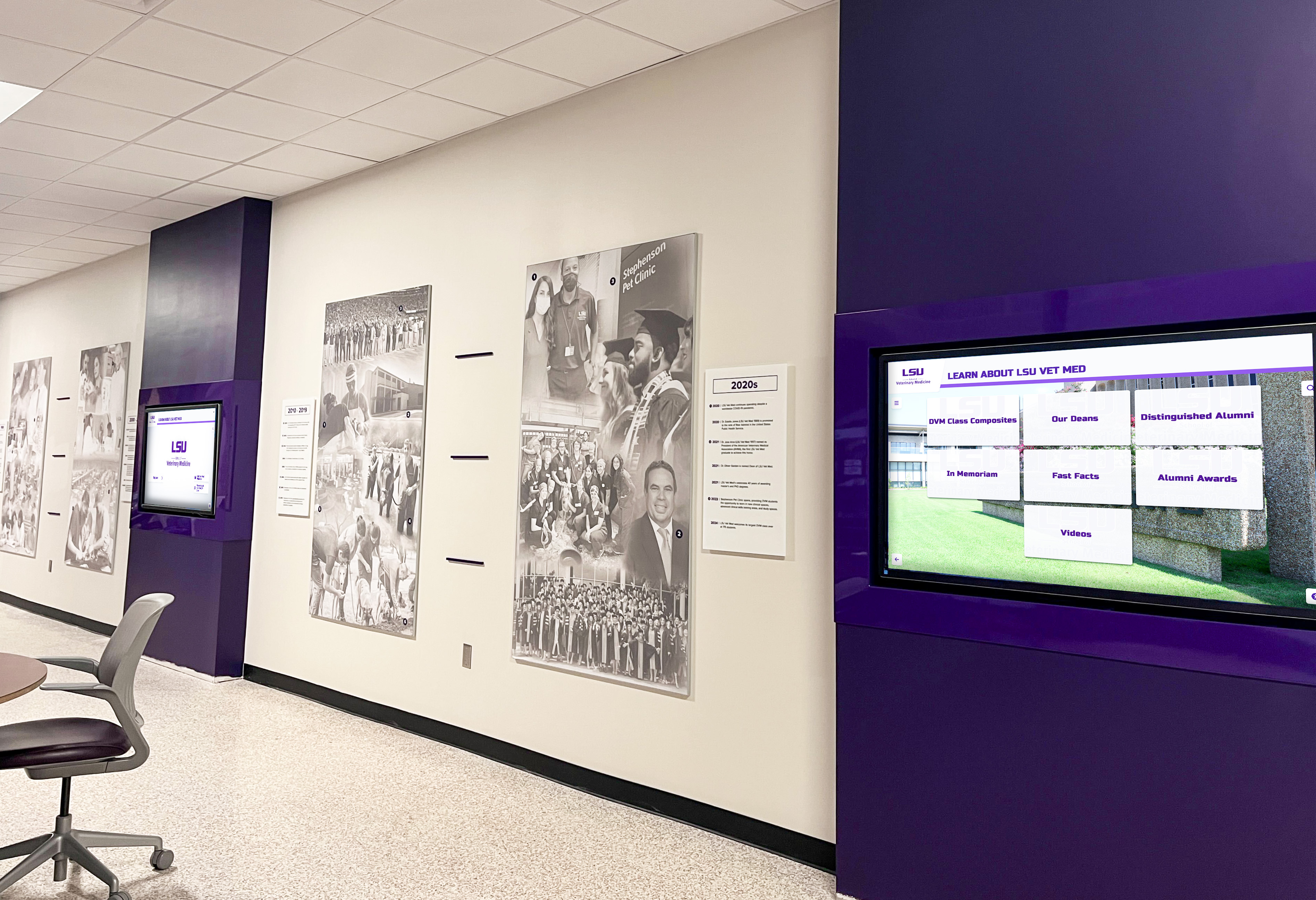
Large institutions often implement multiple coordinated displays throughout facilities ensuring recognition reaches diverse audiences across campuses
Operating Budget Impact Consideration
Capital projects create ongoing operating costs—facility maintenance and utilities, equipment replacement and technology upgrades, additional staff operating new programs or managing expanded facilities, and increased insurance and risk management expenses. Responsible campaign planning addresses these ongoing costs explicitly, demonstrating either how existing budgets accommodate additions, how campaign includes operational endowments generating income covering expenses, or how expanded capacity generates revenue offsetting operational costs.
Donors worry about organizations raising capital funds without capacity to sustain operations long-term—clear planning addressing sustainability concerns builds confidence in campaign investments.
Institutional Commitment Demonstration
Campaign cases strengthen when organizations demonstrate significant institutional investment through board giving participation at meaningful levels, organizational budget allocations supporting projects, administrative commitment reflected through leadership time and energy, and deferred discretionary spending redirected toward campaign priorities.
When institutions invest substantially themselves, donors feel greater confidence and responsibility to participate—viewing campaigns as shared community efforts rather than purely external fundraising.
Capital Campaign Recognition and Stewardship
Sophisticated recognition and stewardship programs honor campaign donors appropriately while maintaining engagement throughout multi-year pledge periods and beyond.
Recognition Society Structures
Capital campaigns typically establish tiered recognition societies differentiating giving levels:
Common Recognition Tier Structures
Most campaigns implement recognition tiers based on total pledge amounts:
- Transformational Society ($1,000,000+): Visionary donors making campaign-defining commitments
- Leadership Circle ($500,000-$999,999): Significant major gifts demonstrating exceptional support
- Benefactor Society ($250,000-$499,999): Substantial commitments enabling major campaign elements
- Patron Circle ($100,000-$249,999): Major gifts representing meaningful campaign contributions
- Founder’s Society ($50,000-$99,999): Significant leadership gifts
- President’s/Director’s Circle ($25,000-$49,999): Strong leadership commitments
- Builder’s Circle ($10,000-$24,999): Important campaign contributors
- Supporter Circle ($5,000-$9,999): Meaningful campaign participants
- Friend’s Circle ($1,000-$4,999): Community supporters
- Campaign Contributors (Under $1,000): All campaign participants
These tiers provide clear giving pathways while ensuring all donors receive appropriate recognition regardless of capacity. Organizations adjust tier structures based on campaign goals, community capacity, and institutional culture.
Society Benefits and Recognition Elements
Recognition societies typically offer differentiated benefits across tiers: prominent naming opportunities for top-tier donors, comprehensive biographical profiles on donor walls, exclusive events with organizational leadership, priority communications and impact reporting, society membership materials and credentials, and public recognition in campaign materials and communications.
Higher tiers receive enhanced benefits befitting gift significance while ensuring all contributors experience meaningful acknowledgment. Explore donor recognition best practices that apply across recognition programs.
Naming Opportunities and Legacy Recognition
Transformational gifts often include naming opportunities creating permanent legacy recognition:
Facility and Space Naming
Organizations offer naming rights for entire buildings, classrooms and labs, performance halls and auditoria, athletic facilities and fields, outdoor spaces and courtyards, program centers and wings, and endowed positions and programs. Naming opportunity minimums typically equal 50-100% of specific space costs—a $20 million building might have naming rights set at $10-15 million, while individual $500,000 labs might be named for $250,000-$500,000 contributions.
Clear naming policies established before campaigns launch prevent misunderstandings and ensure consistent, fair treatment across all opportunities.
Endowment Naming Conventions
Endowed funds carry donor or honoree names perpetually: scholarship funds supporting students with financial need, professorship chairs attracting exceptional faculty, program endowments sustaining specific initiatives, research funds supporting scholarly investigation, and general endowments providing unrestricted organizational support.
Endowment minimums vary widely—from $25,000 for named scholarship funds at small schools to $1 million+ for endowed chairs at universities. The investment returns these funds generate create lasting impact while permanent naming honors donor generosity forever.
Memorial and Honorary Recognition
Many capital campaign gifts honor deceased loved ones or celebrate living individuals through memorial recognition acknowledging gifts given “in memory of” departed family or community members, honorary recognition celebrating living individuals’ contributions and impact, tribute opportunities enabling multiple donors to contribute collectively toward named recognition, and legacy recognition connecting multi-generational family giving.
These recognition options create emotional giving motivation beyond supporting organizational needs alone—enabling donors to honor relationships, celebrate legacies, and create permanent remembrance through meaningful philanthropy.

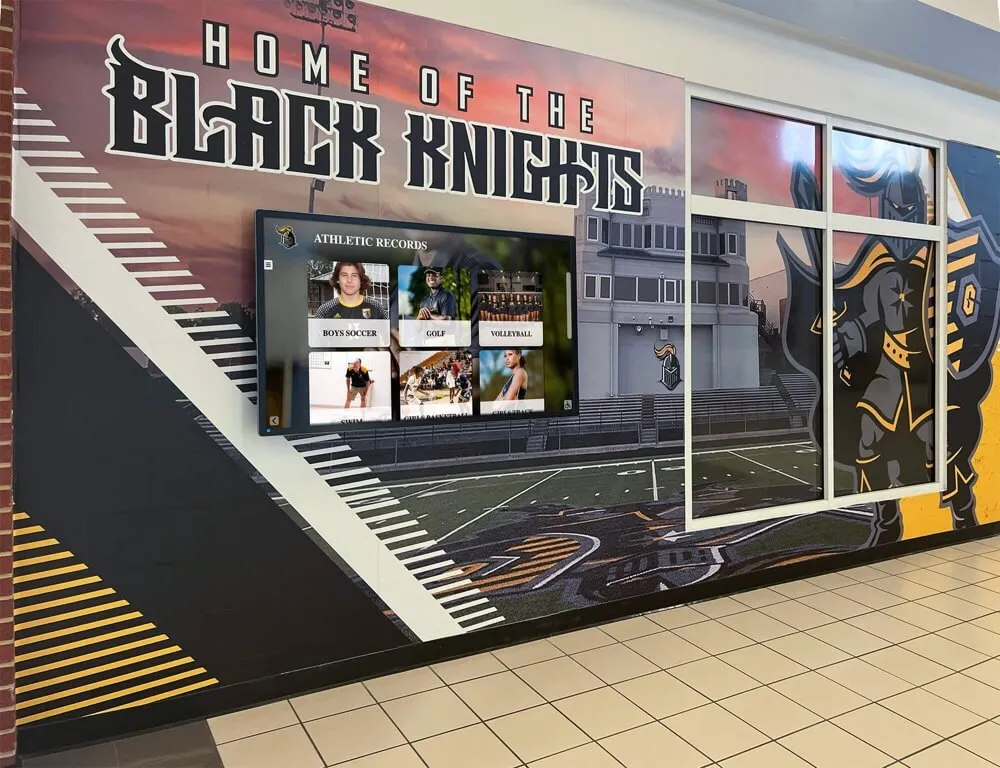
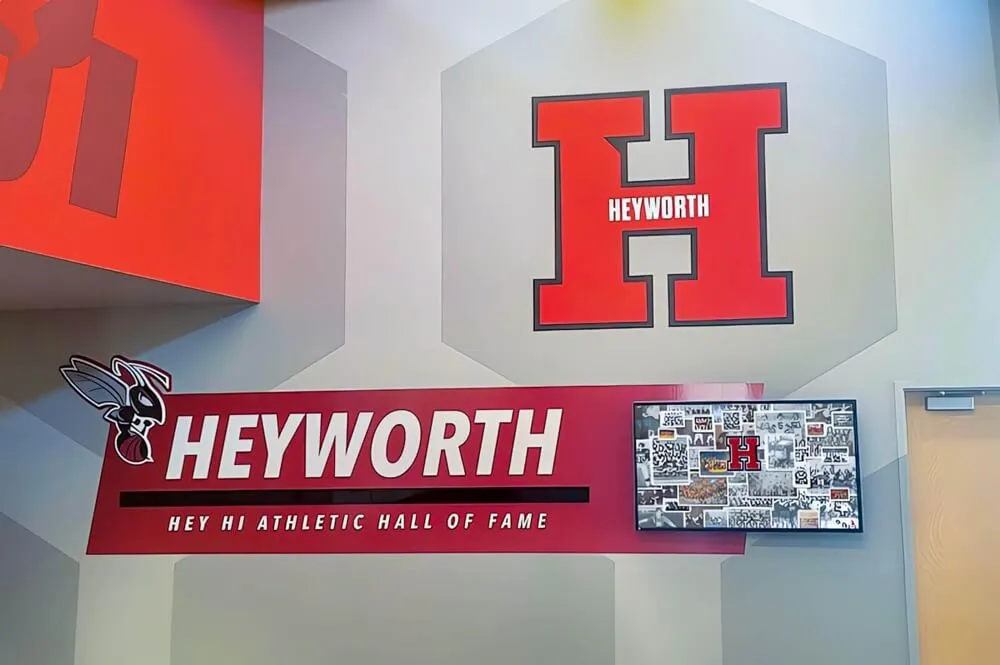
Athletic facility campaigns often incorporate comprehensive recognition spaces celebrating donors alongside athletic achievement and program history
Modern Digital Recognition Solutions
Capital campaigns increasingly leverage digital recognition technology addressing traditional donor wall limitations:
Unlimited Recognition Capacity
Traditional donor walls accommodate limited names before exhausting physical space—creating difficult decisions about which supporters receive visibility as campaigns grow successful. Digital recognition solutions provide unlimited capacity showcasing thousands of donor profiles without space constraints, ensuring every contributor receives appropriate acknowledgment regardless of campaign success.
Instant Updates and Corrections
Adding donors to traditional walls requires plaque manufacturing (6-10 weeks) and installation scheduling (2-4 weeks)—creating 3-6 month delays undermining recognition impact. Digital platforms enable updates within hours through cloud-based management systems, ensuring timely acknowledgment while donor enthusiasm remains strong. Corrections require simple edits rather than expensive plaque replacement.
Rich Multimedia Storytelling
Traditional plaques convey minimal information beyond names and giving levels. Digital profiles include biographical narratives explaining donor motivations, professional photography showing supporters engaged with organizations, impact stories demonstrating outcomes gifts enable, video testimonials capturing authentic donor voices, and historical context connecting individual gifts to broader campaign stories.
This storytelling capability creates emotional engagement traditional lists cannot match—transforming recognition from name-reading into compelling exploration of philanthropic community.
Searchable, Interactive Engagement
Touchscreen interfaces enable visitors to search for specific donors, filter by recognition society or campaign designation, browse by giving year or commitment size, explore related family giving, and discover impact stories and testimonial content. These discovery features transform passive acknowledgment into engaging exploration encouraging extended interaction and creating memorable recognition experiences.
Organizations implementing digital recognition report engagement metrics showing visitors spend 5-10 minutes exploring campaign donor content compared to 30-60 seconds glancing at traditional plaques—dramatically deeper engagement strengthening donor relationships and inspiring continued support.
Campaign Challenges and Success Factors
Understanding common challenges helps organizations plan proactively and implement strategies maximizing campaign success.
Common Capital Campaign Challenges
Donor Fatigue and Competing Priorities
Organizations conducting frequent campaigns risk donor fatigue as supporters feel perpetually solicited for extraordinary gifts beyond annual commitments. Economic downturns create competing household priorities reducing giving capacity. Local philanthropic environments with multiple organizations campaigning simultaneously dilute available funding and volunteer leadership.
Successful organizations space campaigns adequately (7-10 years minimum), time campaigns to favorable economic conditions when possible, differentiate campaign purposes clearly from annual giving, and ensure compelling cases justifying requests despite competing demands.
Board and Leadership Engagement Gaps
Campaigns require substantial volunteer leadership time and energy—board participation in planning and solicitation, steering committee members guiding campaign strategy, and volunteer solicitors conducting peer-to-peer asks. Inadequate leadership engagement undermines campaigns through insufficient fundraising volunteer capacity, lack of peer solicitation credibility, limited major gift prospect access, and visible leadership ambivalence signaling institutional uncertainty.
Organizations ensure campaign success by recruiting committed leaders before launching, providing appropriate support and training, setting clear expectations and accountability, and recognizing volunteer contributions meaningfully.
Case Statement Weakness or Unclear Priorities
Poorly articulated campaign cases confuse potential donors about what campaigns will accomplish, why projects matter urgently, or how gifts create meaningful impact. Multiple competing priorities within single campaigns dilute messaging and weaken focus. Donors struggling to understand campaign purposes or perceive urgent need give less enthusiastically or not at all.
Effective campaigns develop focused, compelling cases through stakeholder engagement and testing, emphasize one-to-three clear priorities rather than lengthy project lists, connect tangible projects to emotional beneficiary impact, and communicate consistently across all campaign touchpoints.

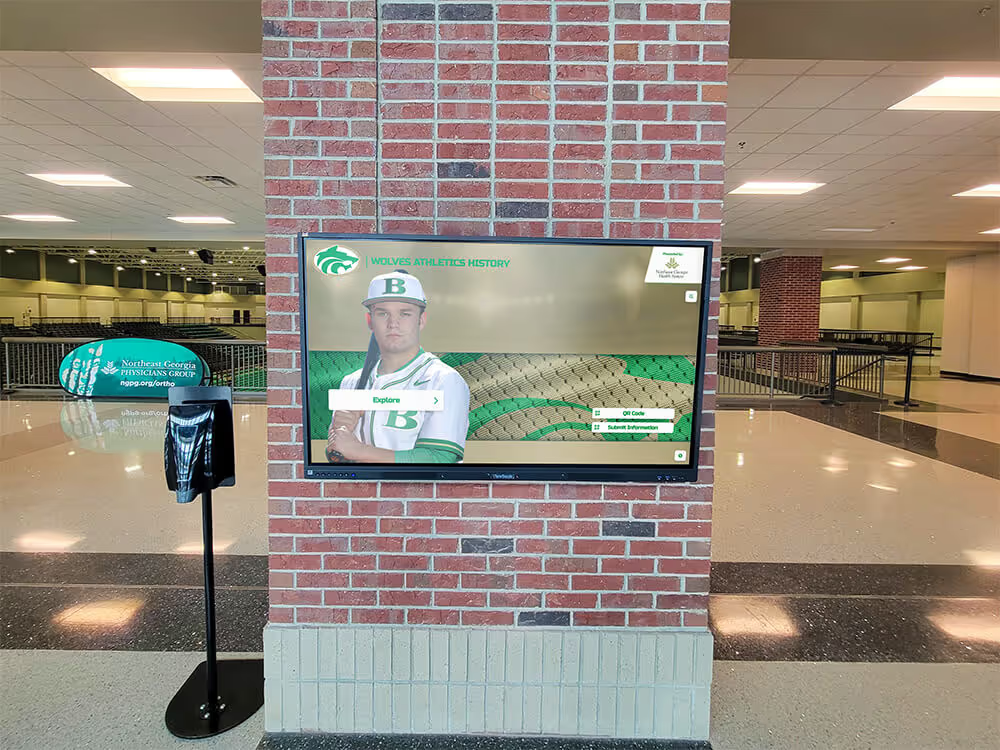
Strategic kiosk placement in campus lobbies and high-traffic corridors ensures maximum recognition visibility and community engagement
Critical Success Factors
Thorough Pre-Campaign Planning
Organizations achieving exceptional campaign results invest 12-18 months in pre-campaign planning: conducting feasibility studies assessing goal appropriateness and community receptivity, developing compelling case statements tested with stakeholders, recruiting committed volunteer leadership, identifying and cultivating major gift prospects, building campaign infrastructure and systems, and creating realistic timelines and milestone targets.
This upfront investment prevents far costlier mistakes of launching campaigns lacking adequate preparation or attempting goals exceeding realistic capacity.
Strong Organizational Leadership Engagement
Campaign success requires visible leadership commitment from executive directors and board chairs personally soliciting major gifts, trustees making leadership commitments themselves, senior administrators dedicating time to cultivation and stewardship, and organizational leaders championing campaigns internally and externally.
When leadership demonstrates genuine enthusiasm and meaningful personal investment, donors feel confidence and responsibility to participate. Conversely, ambivalent leadership signals institutional uncertainty undermining donor confidence regardless of campaign quality.
Systematic Prospect Research and Cultivation
Successful campaigns identify major gift prospects years before solicitation through wealth screening and capacity analysis, relationship mapping revealing personal connections, documented giving history to organizations and peer institutions, engagement tracking showing institutional involvement, and qualification research determining philanthropic interests and priorities.
Multi-year cultivation builds relationships and philanthropic motivation before solicitation through facility tours demonstrating needs and opportunities, impact demonstrations showing organizational effectiveness, leadership meetings developing personal connections, strategic communications maintaining engagement, and volunteer involvement creating ownership and investment.
Comprehensive Stewardship and Recognition
Capital campaigns require sustained stewardship across multi-year pledge fulfillment periods and beyond campaign conclusions: timely acknowledgment of all gifts and pledges, regular impact reporting connecting contributions to outcomes, personal gratitude from beneficiaries and leadership, recognition honoring commitments appropriately, and ongoing engagement maintaining relationships beyond transactional giving.
Organizations implementing comprehensive recognition programs strengthen donor relationships while inspiring continued support long after campaigns conclude.
Technology and Tools for Campaign Management
Modern capital campaigns leverage technology streamlining operations and enhancing effectiveness:
Campaign Management and Tracking Systems
Sophisticated campaigns require robust technology infrastructure:
Advancement Database and CRM Systems
Comprehensive databases track donor relationships, giving history, and engagement: prospect identification and qualification, contact and interaction logging, gift processing and pledge management, recognition society assignment, and stewardship communication tracking.
Leading advancement databases include Raiser’s Edge, Salesforce Nonprofit Cloud, Blackbaud CRM, and DonorPerfect—providing centralized data management supporting campaign operations.
Campaign Dashboards and Reporting
Real-time dashboards enable campaign leaders to monitor progress against goals by campaign division or priority, track pipeline of prospects in various cultivation stages, measure volunteer solicitation activity and success rates, analyze giving patterns and donor behavior, and generate reports for leadership and volunteer committees.
Visual dashboards transform complex campaign data into accessible insights informing strategy adjustments and maintaining momentum throughout multi-year campaigns.
Online Giving and Pledge Management
Digital giving platforms enable convenient online gift processing, recurring payment scheduling for multi-year pledges, mobile-optimized giving experiences, and integration with advancement databases eliminating duplicate data entry. Modern donors expect seamless online giving options—campaigns without robust digital infrastructure risk losing support from supporters preferring online transactions.
Digital Recognition and Stewardship Platforms
Technology enhances campaign recognition and ongoing stewardship:
Interactive Digital Donor Walls
Purpose-built recognition platforms like Rocket Alumni Solutions provide touchscreen displays with unlimited donor capacity, cloud-based content management enabling instant updates, comprehensive profiles with photos and biographical content, video and multimedia storytelling capabilities, searchable databases enabling easy discovery, and analytics tracking engagement and informing optimization.
Digital recognition solves persistent traditional limitations while creating engaging experiences that honor campaign supporters appropriately and inspire continued philanthropic culture.
Virtual Recognition Portals
Web-accessible donor walls extend recognition beyond physical locations through 24/7 accessibility from anywhere worldwide, social media integration enabling sharing through donor networks, mobile-responsive design ensuring access across devices, searchability supporting quick donor discovery, and reduced implementation costs compared to physical installations.
Many organizations implement hybrid approaches combining physical touchscreen displays with online portals—ensuring comprehensive reach while maintaining prestigious on-site recognition.
Automated Stewardship Communications
Email marketing and automation platforms enable systematic stewardship at scale: triggered acknowledgment emails immediately following gift processing, drip campaigns maintaining engagement throughout pledge periods, personalized impact reports connecting gifts to outcomes, recognition society communications with exclusive content, and segmented messaging tailored to donor interests and giving levels.
Automation ensures consistent stewardship across large donor populations while freeing development staff for high-touch relationship cultivation with major gift prospects.

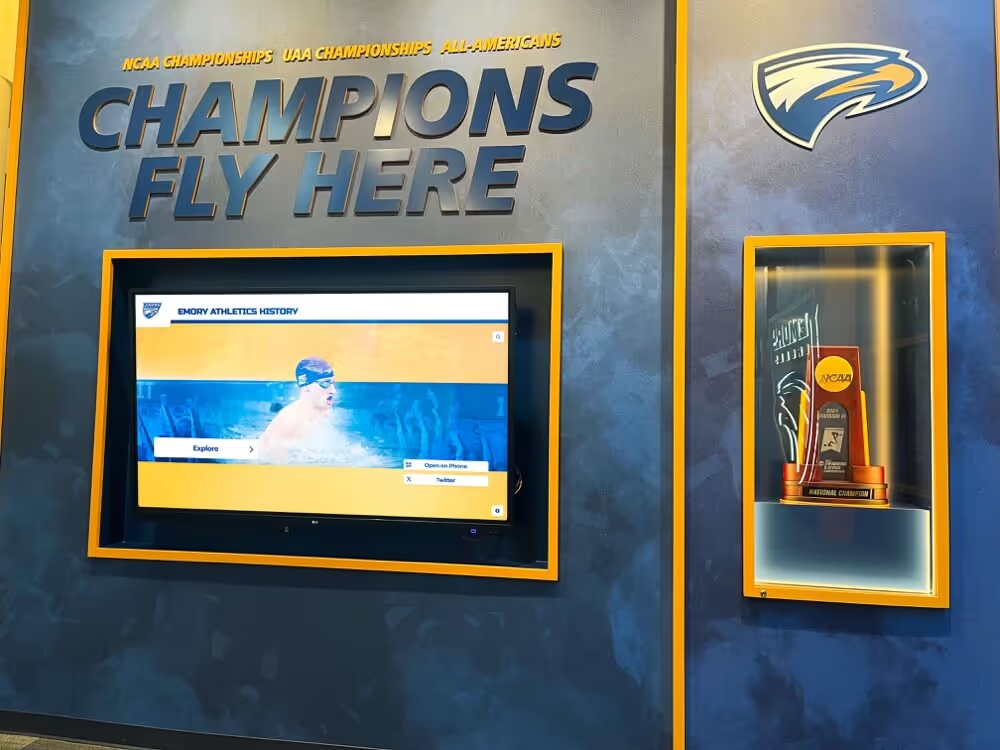
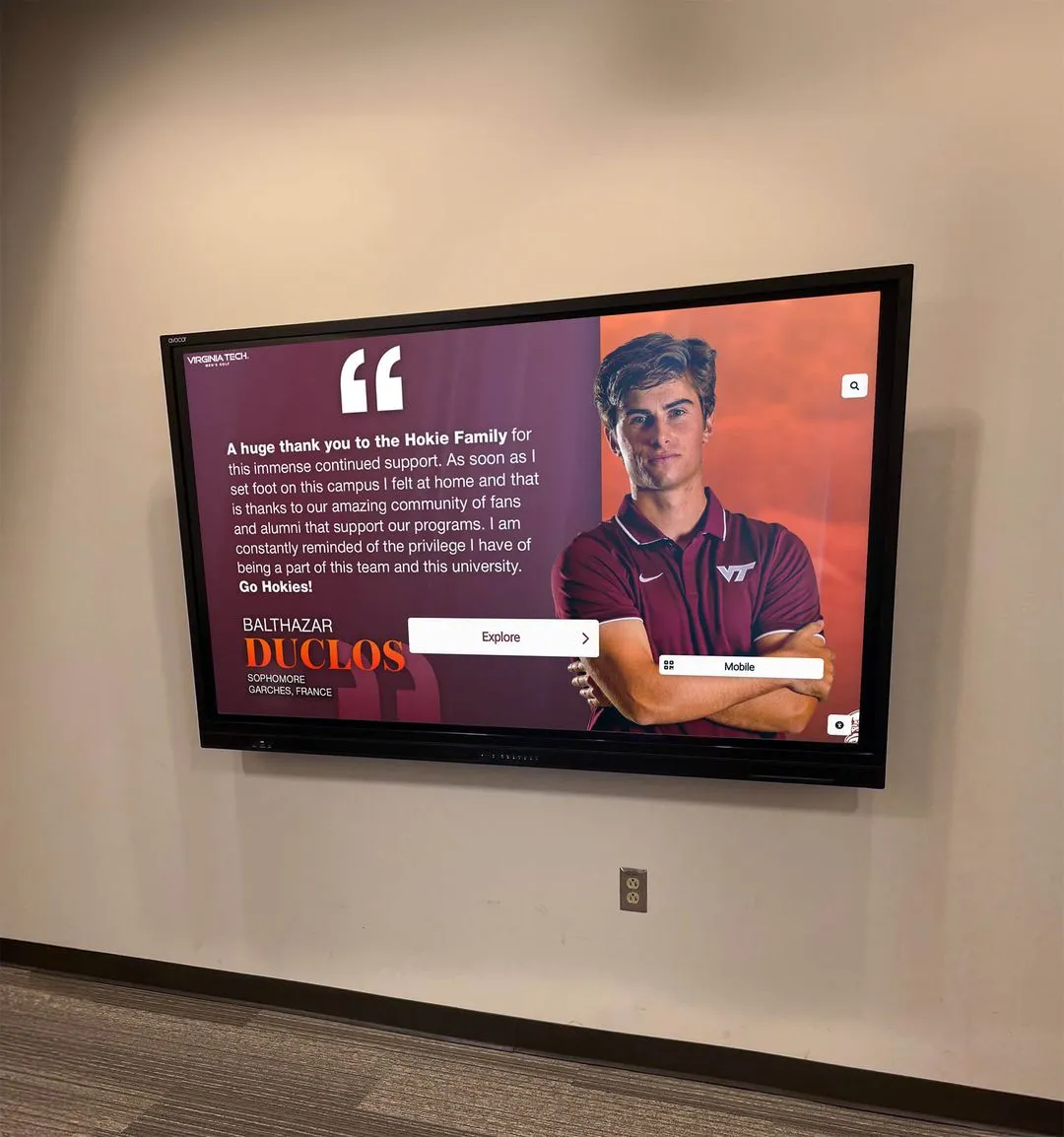
Effective campaign recognition blends traditional design elements with modern digital displays honoring heritage while embracing contemporary engagement capabilities
Measuring Capital Campaign Success
Beyond goal achievement, comprehensive evaluation measures broader campaign impact and informs future fundraising:
Financial Metrics and Goal Achievement
Total Funds Raised and Goal Attainment
Primary success metrics include total campaign revenue against stated goals, actual timeline compared to planned duration, donor participation rates across constituencies, and comparison to feasibility study projections. While goal achievement matters most visibly, broader context—economic conditions, competitive environment, organizational circumstances—influences performance interpretation.
Organizations should celebrate goal achievement while analyzing performance drivers informing future campaign planning.
Gift Distribution and Pyramid Analysis
Examine giving patterns revealing campaign dynamics: major gift concentration analyzing percentage from top 10-25 donors, broad-base participation measuring donor counts at various levels, average gift size trends, and upgrade patterns showing annual donors increasing campaign commitments.
Healthy campaigns show appropriate major gift concentration (top 10 donors providing 40-60% of totals) while maintaining broad participation creating inclusive philanthropic culture. Gift distribution analysis reveals whether campaigns over-depend on few donors or successfully engage broad communities.
Pledge Fulfillment and Revenue Realization
Multi-year campaigns create pledge receivables requiring management across fulfillment periods: pledge fulfillment rates tracking payment completion, payment timing and cash flow management, write-off rates for unfulfilled pledges, and actual revenue realization compared to pledge commitments.
Strong fulfillment (90%+ of pledges completed) indicates realistic pledge solicitation and effective stewardship maintaining donor commitment throughout payment periods.
Donor Relationship and Organizational Impact
Donor Retention and Continued Engagement
Campaign participation should strengthen rather than exhaust donor relationships. Track whether campaign donors maintain annual giving during and after campaigns, increase subsequent annual giving levels, make additional major gifts in years following campaigns, and provide planned giving commitments.
Strong post-campaign retention and giving increases indicate effective stewardship and meaningful donor experiences. Declining engagement suggests campaign implementation damaged rather than strengthened relationships—requiring examination of stewardship practices and donor communication strategies.
Volunteer and Leadership Development
Successful campaigns build lasting organizational capacity through volunteer leaders becoming ongoing institutional advocates, campaign committee members joining boards or continuing other leadership roles, major donors increasing institutional involvement beyond giving, and development staff gaining major gift expertise benefiting future fundraising.
These relationship and capacity outcomes often prove as valuable as immediate financial success—creating foundations for sustained organizational strength and future development effectiveness.
Mission and Program Impact
Ultimate campaign success appears in mission advancement: facilities completed on schedule and budget, programs launched serving intended beneficiaries, endowments generating planned income supporting operations, and organizational capacity expanded enabling greater impact.
Regular impact reporting connecting campaign investments to mission outcomes demonstrates accountability to donors while documenting organizational achievement justifying extraordinary community support.
Plan Your Capital Campaign Recognition
Discover how modern recognition solutions can help you honor every campaign supporter while building lasting relationships that sustain your mission for decades to come.
Explore Recognition SolutionsConclusion: Building Campaigns That Transform Organizations
Capital campaigns represent extraordinary opportunities to advance institutional missions through transformational investments that annual giving cannot realistically support. When planned thoughtfully, executed effectively, and stewarded comprehensively, campaigns fund facilities serving organizations for generations, build endowments providing perpetual mission support, create recognition programs honoring philanthropic generosity appropriately, and strengthen donor relationships sustaining fundraising long after campaigns conclude.
The most successful campaigns share common characteristics regardless of organizational size or campaign scope. They invest adequate time in pre-campaign planning and feasibility assessment before public launches. They develop compelling cases connecting tangible projects to emotional beneficiary impact and mission advancement. They recruit committed volunteer leadership providing peer influence and community credibility staff alone cannot achieve. They secure substantial leadership gifts during quiet phases before broad public solicitation. They implement comprehensive recognition honoring all supporters appropriately while differentiating transformational gifts meaningfully.
Organizations considering capital campaigns should begin with honest capacity assessment and thorough planning. Engage feasibility consultants evaluating goal appropriateness and community receptivity. Develop focused cases emphasizing one-to-three clear priorities rather than diffuse project lists. Build campaign infrastructure and volunteer structures before public launches. Plan sophisticated recognition programs honoring supporters throughout multi-year pledge periods and beyond campaign conclusions.
The recognition displays and stewardship systems you implement during campaigns will serve your organization for decades—celebrating philanthropic culture, inspiring continued generosity, and demonstrating the accountability and gratitude donors deserve. Solutions like digital recognition platforms provide unlimited capacity, instant updates, and rich storytelling impossible with traditional approaches—ensuring every supporter receives meaningful acknowledgment regardless of campaign success.
Your organization’s mission depends on philanthropic support that capital campaigns mobilize. Supporters whose generosity funds transformational investments deserve thoughtful recognition honoring their commitment while deepening connections to your cause. With strategic planning, compelling cases, committed leadership, and comprehensive stewardship, you can conduct campaigns that not only achieve ambitious goals but strengthen your institution’s philanthropic culture and fundraising capacity for generations to come.
Ready to learn more about implementing recognition solutions for your capital campaign? Explore interactive kiosk solutions that transform visitor experiences through touch technology, discover digital signage content ideas for effective campaign communications, or learn about gala planning for fundraising events celebrating campaign milestones and honoring supporters.