



Making the honor roll represents a significant academic achievement that students across the country strive to earn each semester. Whether you’re a student wondering what it takes to qualify, a parent seeking to understand your child’s academic progress, or an educator looking to implement effective recognition programs, understanding honor roll requirements and benefits helps everyone appreciate this important milestone in a student’s educational journey.
Yet honor roll criteria, recognition levels, and GPA thresholds vary significantly between schools, creating confusion for students transferring between districts, families comparing academic standards, and educators designing recognition programs. Some schools offer multiple honor roll tiers with distinct names and requirements, while others maintain simpler single-level systems. Meanwhile, the way schools celebrate honor roll achievement ranges from printed lists to sophisticated digital recognition displays that create lasting visibility.
This comprehensive guide explores everything students and families need to know about honor roll achievement—from specific GPA requirements and recognition levels to the college application benefits, motivation strategies, and modern recognition methods that help schools celebrate academic excellence effectively.
Understanding honor roll achievement matters for multiple reasons beyond simple academic acknowledgment. It provides clear performance targets motivating consistent effort throughout school years, creates documented evidence of sustained achievement valuable for college applications, builds confidence and positive academic identity during formative educational periods, offers recognition that encourages continued intellectual development, and helps schools create cultures where academic excellence receives celebration equal to athletic and artistic accomplishments.

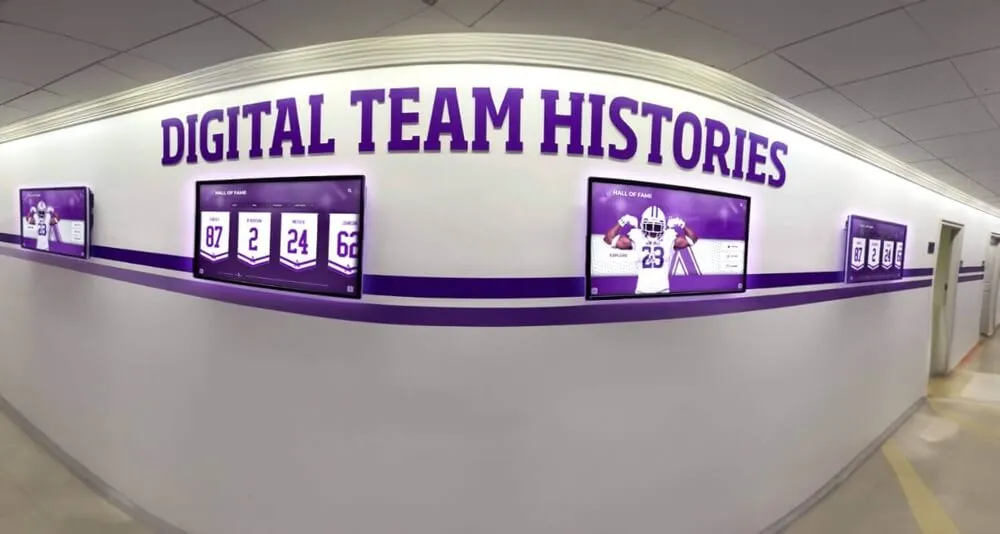
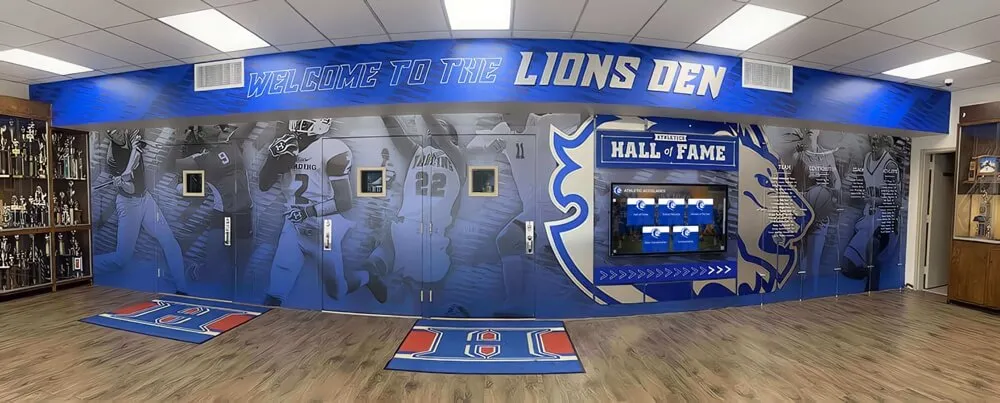
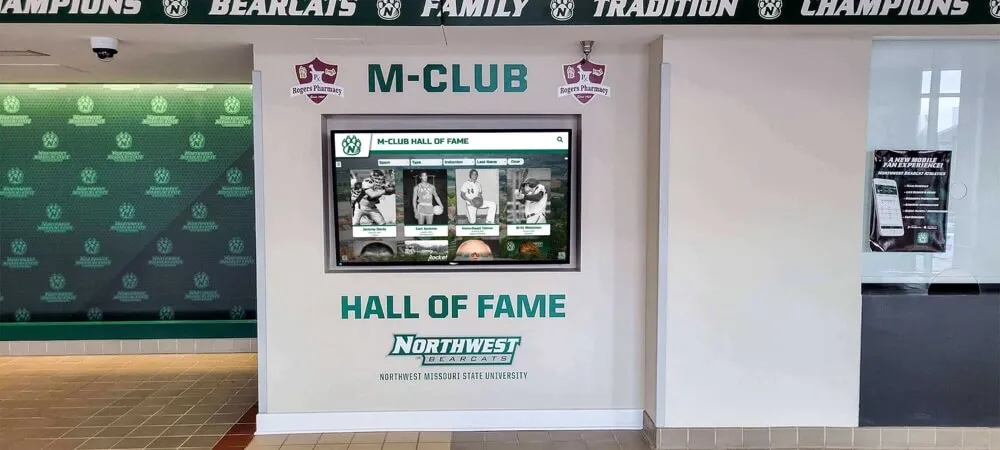
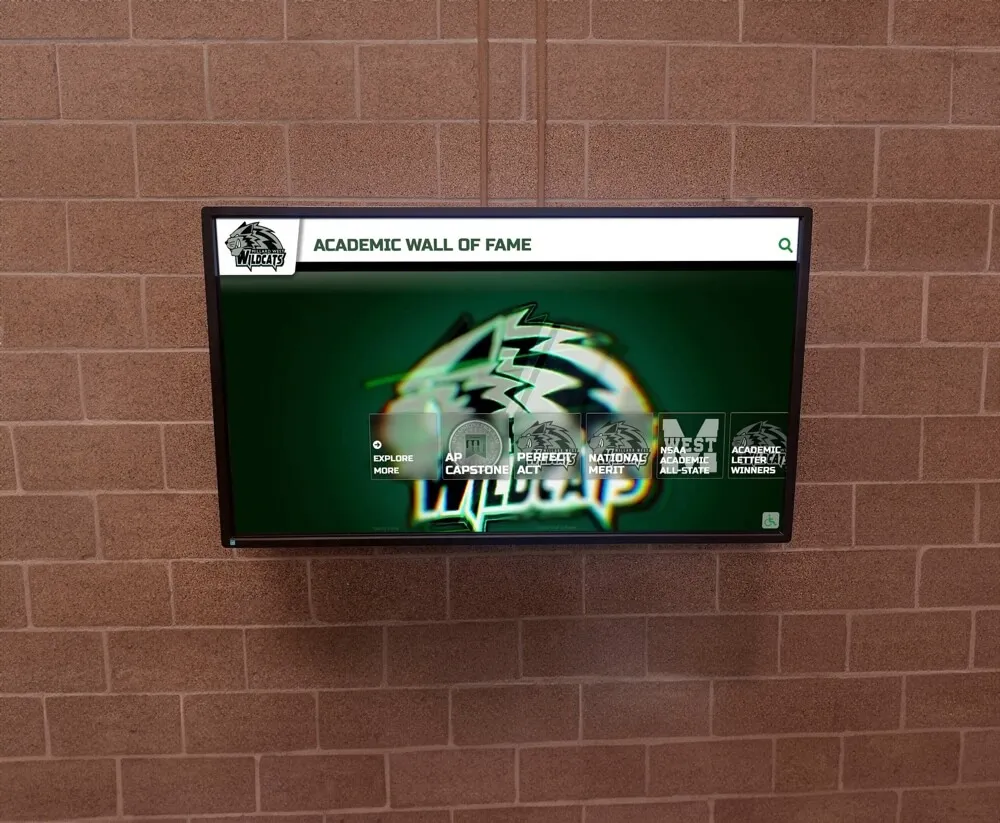
Modern digital displays transform honor roll recognition from temporary announcements into permanent celebrations of academic excellence
What is Honor Roll? Definition and Basic Requirements
The honor roll represents a school’s formal acknowledgment of students who achieve specified academic performance standards during a particular grading period—typically a semester, trimester, or quarter. Rather than recognizing only the single highest-performing student, honor roll systems create opportunities for multiple students to receive recognition when they meet established criteria, making academic excellence feel attainable and encouraging broader participation in rigorous academic work.
Core Honor Roll Concept and Purpose
Honor roll serves multiple essential educational purposes:
Student Motivation Enhancement
- Provides tangible achievement targets students can work toward throughout each grading period
- Creates positive reinforcement for academic effort and effective study habits
- Offers recognition accessible to students across various achievement levels
- Encourages consistent performance rather than sporadic exceptional work
- Builds momentum where students meeting honor roll criteria once strive to maintain qualification
Academic Culture Development
- Normalizes academic achievement as desirable and celebrated within school communities
- Creates peer recognition for intellectual accomplishment comparable to athletic success
- Provides conversation starters about academic strategies and study approaches
- Demonstrates institutional values prioritizing learning and educational excellence
- Establishes clear performance expectations communicating academic standards
Students who earn consistent honor roll recognition throughout their school years develop stronger academic identities, demonstrate reliability in meeting challenging standards, build portfolios of documented achievement valuable for college applications, and establish work habits and self-discipline that support success in higher education and professional contexts.

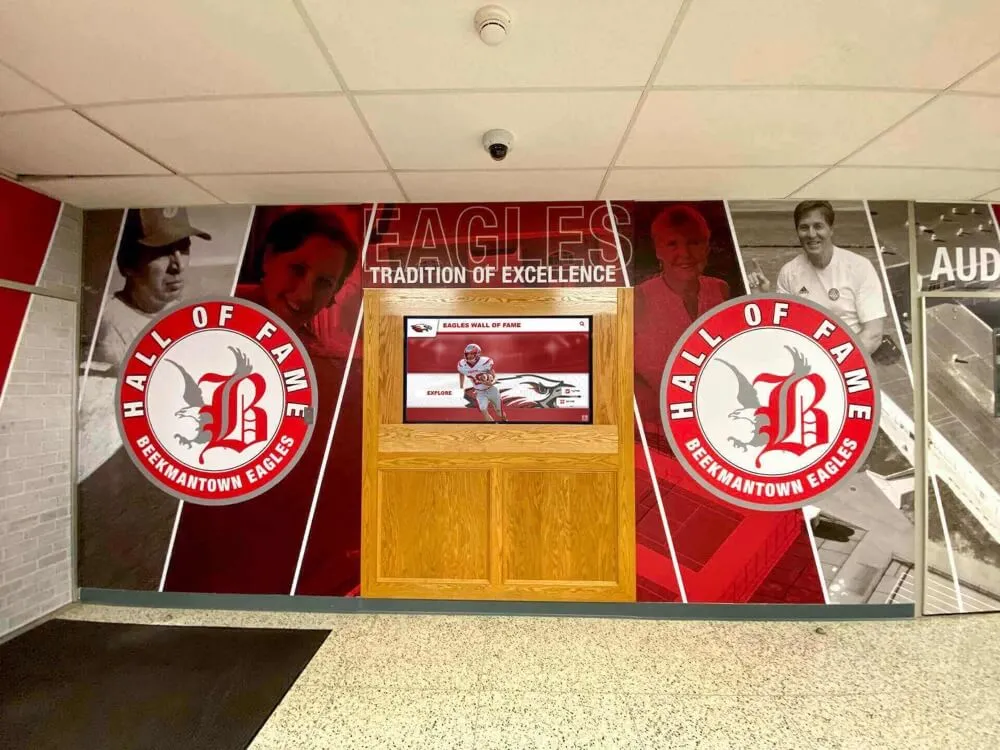
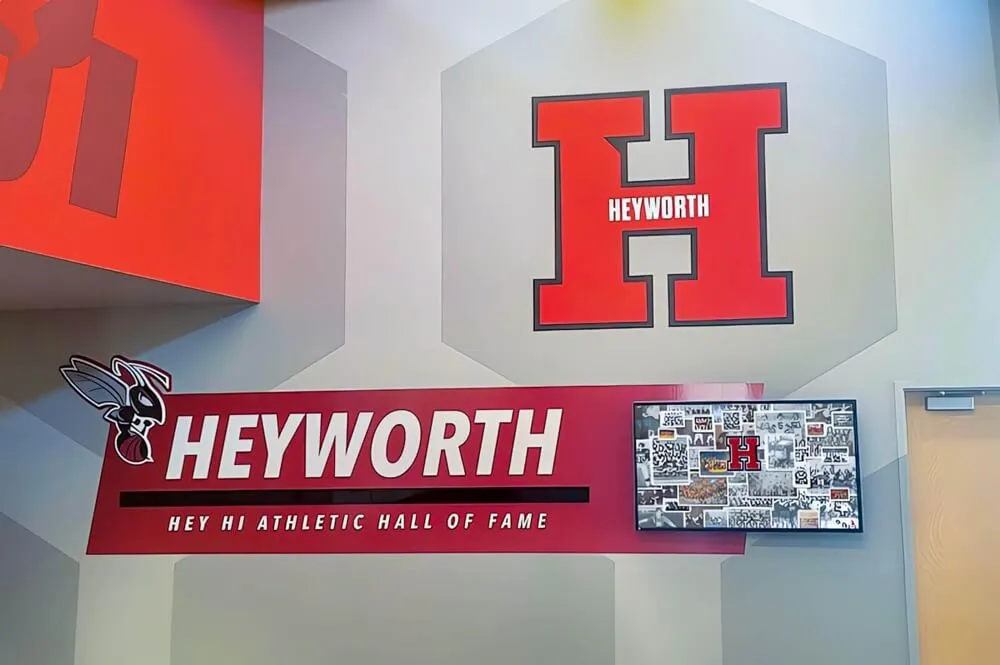
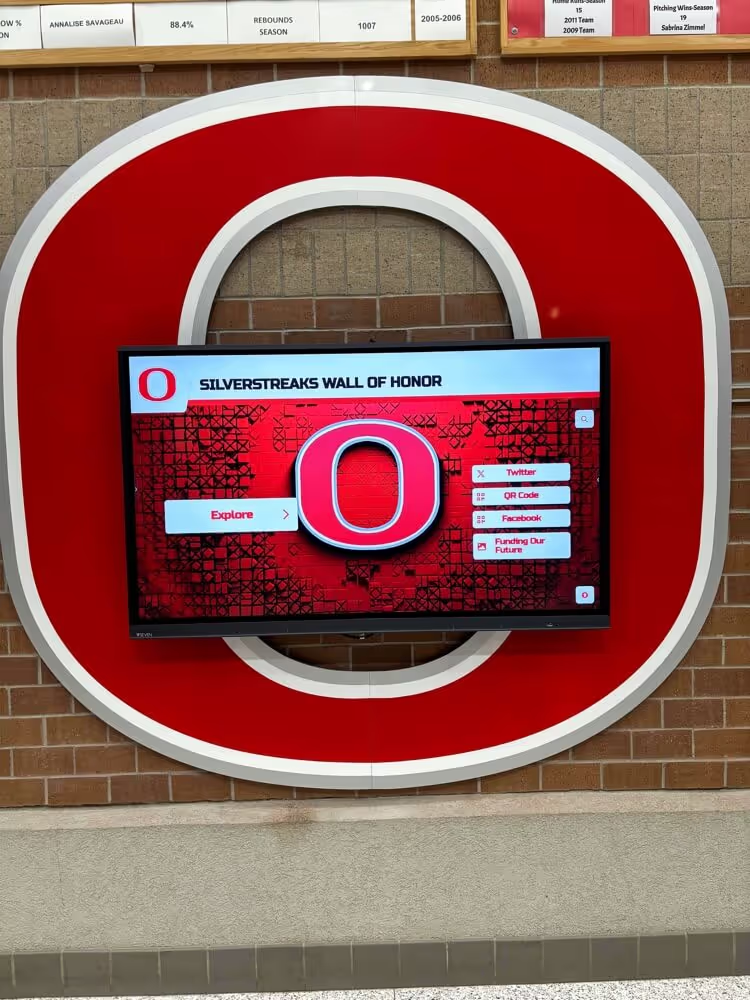
Comprehensive recognition systems celebrate individual achievement stories rather than simple name lists
Standard Honor Roll GPA Requirements
While specific requirements vary between institutions, most schools establish honor roll qualification around grade point average thresholds that represent strong but achievable academic performance:
Typical Honor Roll Requirements:
Regular Honor Roll
- GPA requirement: 3.0 to 3.49 (B average or higher)
- Represents solid academic performance across all coursework
- Demonstrates consistent effort and effective study habits
- Shows capability to handle standard academic expectations successfully
- Requires earning primarily B grades with few C grades if any
High Honor Roll
- GPA requirement: 3.5 to 3.79 (B+ to A- average)
- Indicates excellence across most or all subject areas
- Demonstrates strong mastery of academic content and skills
- Reflects consistent high-quality work with few exceptions
- Typically requires primarily A grades with occasional B grades
Principal’s List / Highest Honors
- GPA requirement: 3.8 to 4.0+ (straight A average)
- Represents exceptional academic achievement across all courses
- Demonstrates mastery in all subject areas simultaneously
- Reflects sustained excellence throughout entire grading period
- Requires earning A grades in virtually all classes
Some schools calculate honor roll qualification using unweighted GPAs that treat all courses equally, while others employ weighted GPA systems that give additional credit for advanced coursework like honors, Advanced Placement, or International Baccalaureate classes—allowing students taking more challenging courses to receive appropriate recognition even if slightly lower percentage grades result from increased difficulty.
Learn more about comprehensive approaches to academic recognition programs that celebrate achievement across multiple dimensions beyond GPA alone.
Different Honor Roll Levels: Understanding the Hierarchy
Many schools implement tiered honor roll systems with multiple recognition levels acknowledging different achievement thresholds. Understanding these distinctions helps students set appropriate goals while appreciating the significance of various recognition levels they might earn.
Three-Tier Honor Roll Systems Explained
Honor Roll (Third Tier)
This foundational recognition level celebrates students demonstrating solid academic performance indicating capability and consistent effort across their coursework:
- Typical GPA Range: 3.0 to 3.49
- Grade Equivalent: Primarily B grades with occasional A or C grades
- Student Profile: Demonstrates competent understanding and consistent work completion across subjects
- Recognition Value: Shows colleges and employers that students meet academic expectations reliably
- Accessibility: Achievable for motivated students willing to apply consistent effort and utilize available resources
High Honor Roll (Second Tier)
This intermediate level recognizes students achieving excellence in most subject areas while demonstrating strong academic capability:
- Typical GPA Range: 3.5 to 3.79
- Grade Equivalent: Primarily A grades with occasional B grades
- Student Profile: Demonstrates strong mastery with minimal performance gaps across curriculum
- Recognition Value: Signals to colleges strong preparation and intellectual capability for rigorous programs
- Accessibility: Requires strong study skills, time management, and sustained focus throughout grading periods
Learn about effective ways to showcase these achievements through honor roll certificate programs that provide tangible recognition students can display proudly.
Principal’s List / Highest Honors (First Tier)
The highest recognition tier acknowledges exceptional students achieving excellence across all subject areas simultaneously:
- Typical GPA Range: 3.8 to 4.0+
- Grade Equivalent: Straight A or A- performance across all courses
- Student Profile: Demonstrates comprehensive mastery in all subject areas without significant weaknesses
- Recognition Value: Highly impressive to selective colleges indicating readiness for most rigorous programs
- Accessibility: Requires exceptional academic capability, outstanding work habits, and effective time management
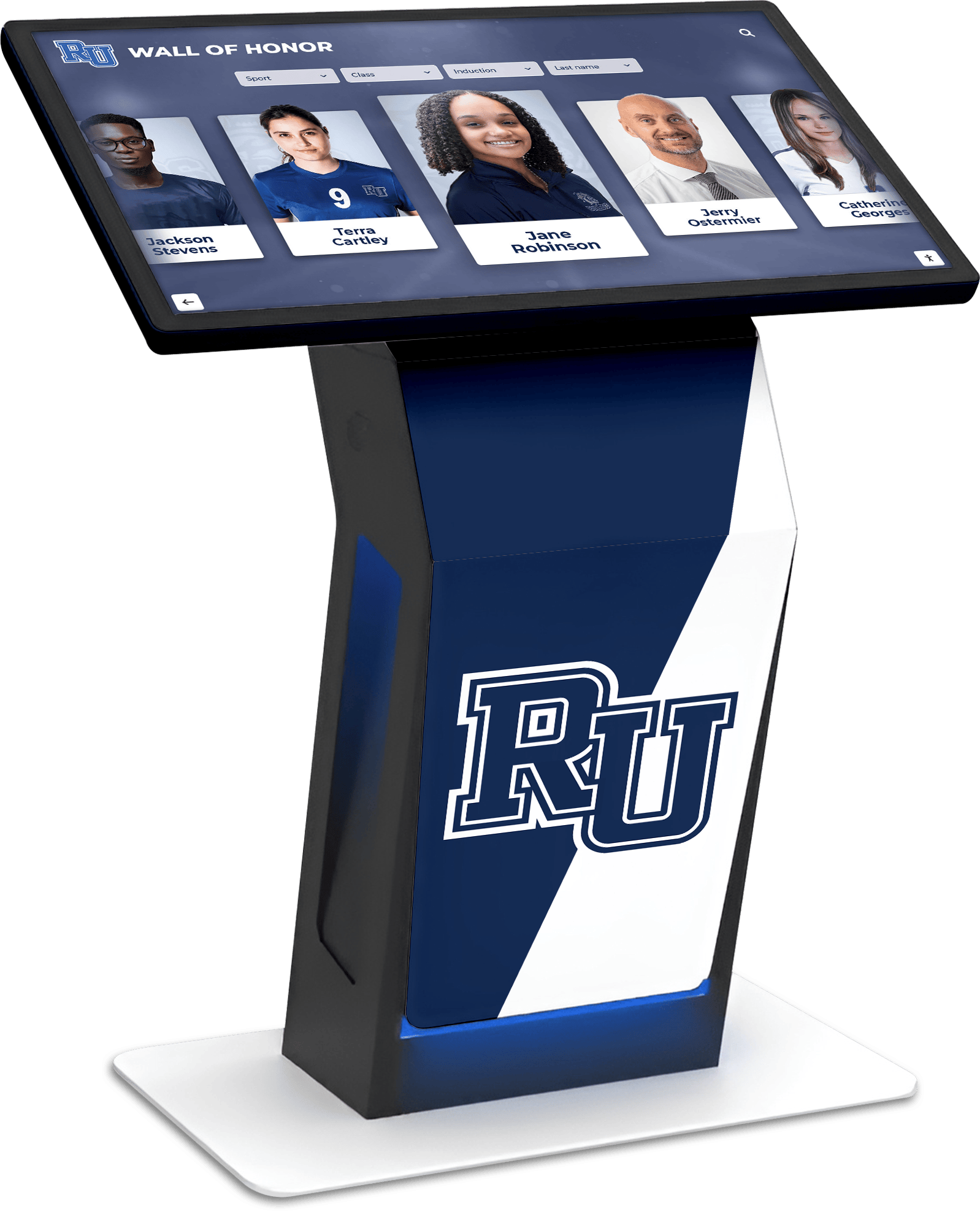
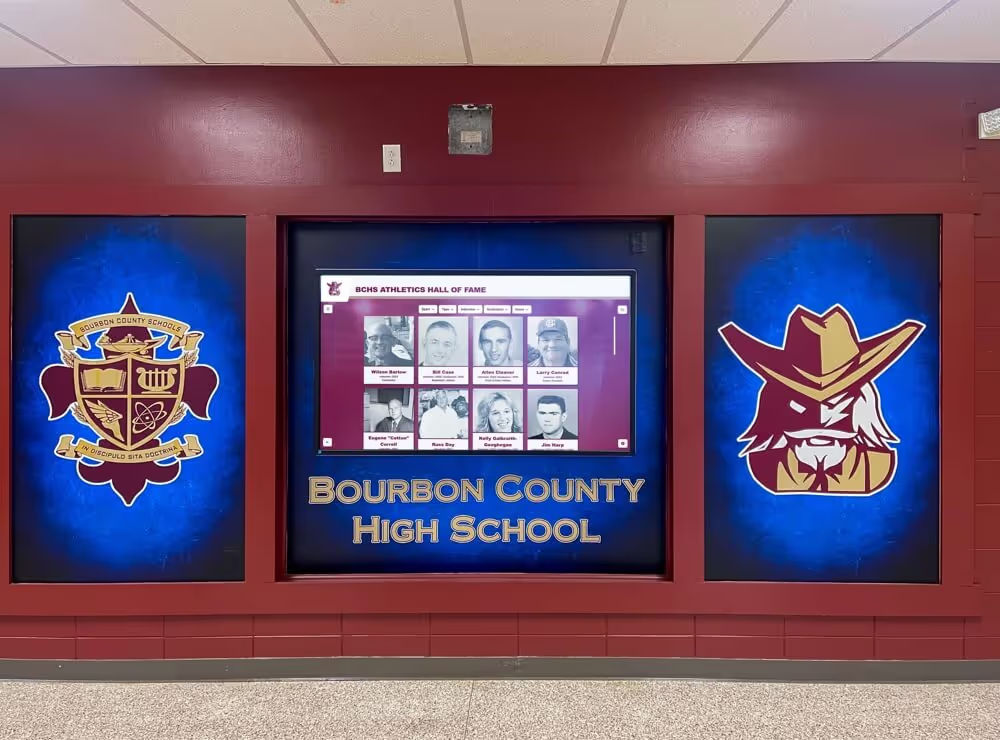
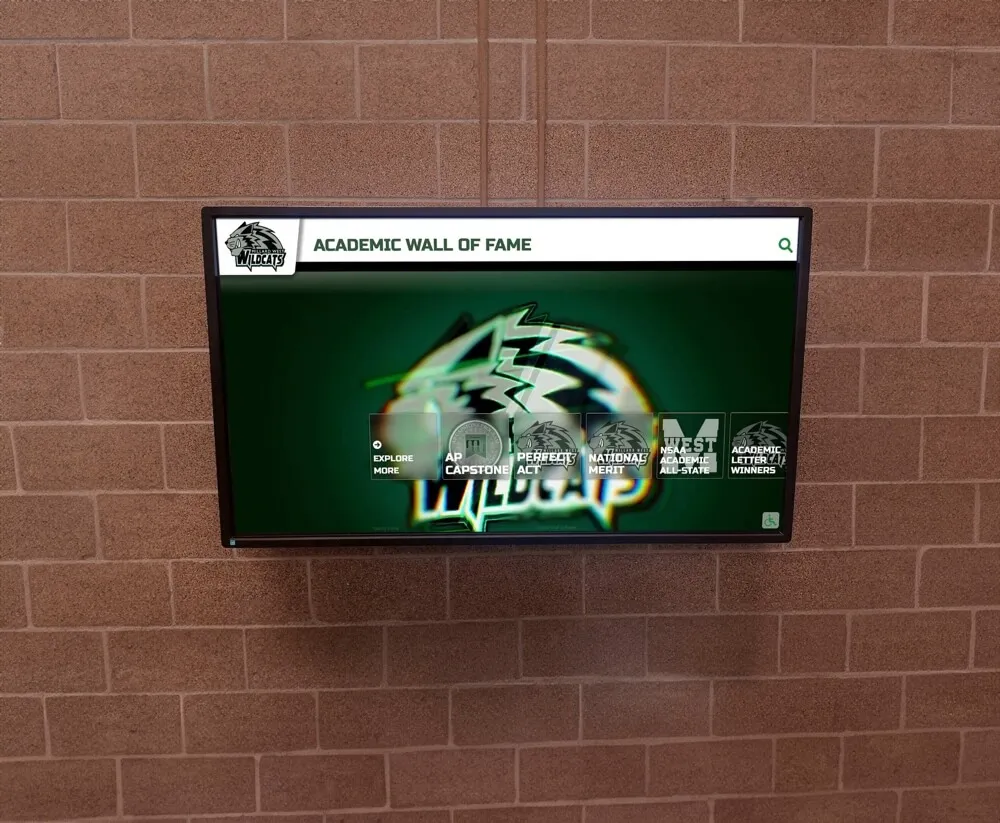
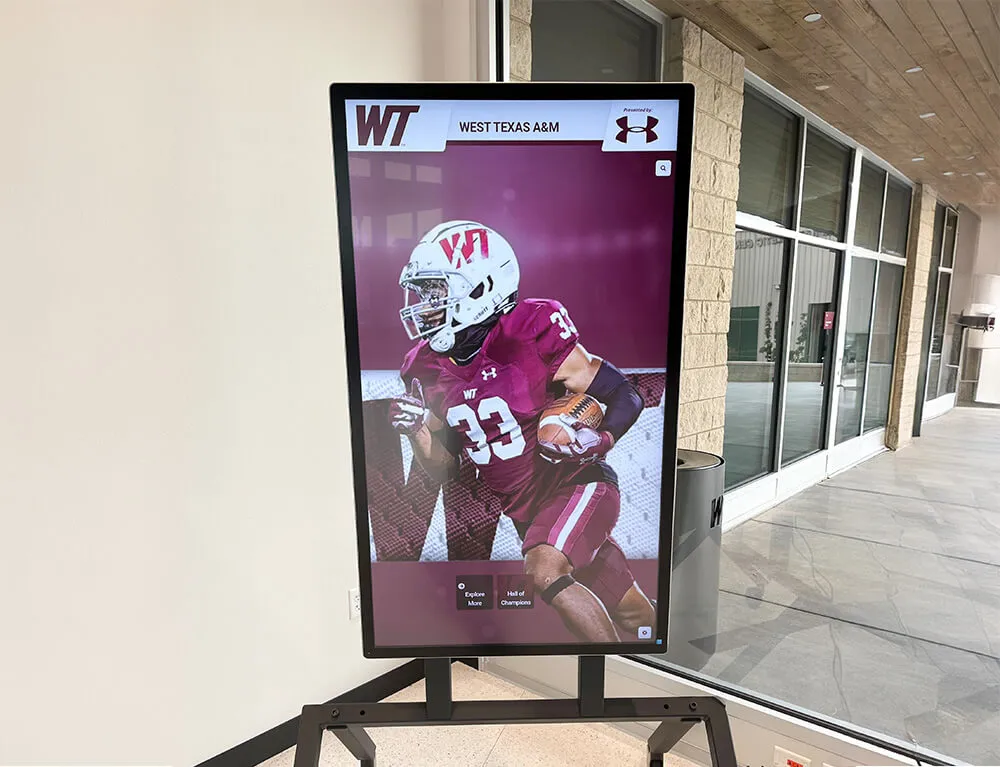
Interactive systems enable students to explore honor roll achievements and understand qualification pathways
Alternative Honor Roll Naming Conventions
Schools use various naming conventions for honor roll tiers, sometimes creating confusion when students transfer between districts or families compare recognition between institutions:
Common Alternative Names:
For Basic Honor Roll:
- Honor Roll
- Merit Roll
- Academic Achievement List
- Honor Student Recognition
- Scholar List
For High Honor Roll:
- High Honor Roll
- Honor Roll with Distinction
- Distinguished Scholar
- Academic Excellence List
- Superior Achievement
For Highest Honor Roll:
- Principal’s List
- Headmaster’s List
- President’s List (colleges)
- Highest Honors
- Academic All-Stars
- Distinguished Honor Roll
Regardless of naming conventions, schools typically maintain consistent criteria year-over-year, document requirements clearly in student handbooks, and communicate thresholds transparently so students understand exactly what performance levels qualify for each recognition tier.
How Honor Roll GPA is Calculated
Understanding how schools calculate GPA for honor roll qualification helps students monitor their progress accurately, identify courses requiring additional focus, and plan course loads balancing rigor with realistic achievement possibilities given their current capabilities and circumstances.
Weighted vs. Unweighted GPA Systems
Schools employ different GPA calculation methods that significantly affect honor roll qualification, particularly for students taking advanced coursework:
Unweighted GPA Calculation (4.0 Scale)
Unweighted systems treat all courses equally regardless of difficulty level:
- A grade = 4.0 points
- B grade = 3.0 points
- C grade = 2.0 points
- D grade = 1.0 point
- F grade = 0.0 points
Example: A student earning five A grades (4.0 each) and one B grade (3.0) would calculate: (4.0 + 4.0 + 4.0 + 4.0 + 4.0 + 3.0) ÷ 6 courses = 23.0 ÷ 6 = 3.83 GPA
This straightforward system provides clarity but doesn’t differentiate between standard and advanced coursework difficulty levels.
Weighted GPA Calculation (5.0 or Higher Scale)
Weighted systems provide bonus points for advanced courses acknowledging increased rigor:
- Regular Courses: A=4.0, B=3.0, C=2.0, D=1.0, F=0.0
- Honors Courses: A=4.5, B=3.5, C=2.5, D=1.5, F=0.0
- AP/IB Courses: A=5.0, B=4.0, C=3.0, D=2.0, F=0.0
Example: A student earning three A grades in AP courses (5.0 each) and three B grades in regular courses (3.0 each) would calculate: (5.0 + 5.0 + 5.0 + 3.0 + 3.0 + 3.0) ÷ 6 = 24.0 ÷ 6 = 4.0 weighted GPA
Weighted systems encourage students to challenge themselves with rigorous coursework without fearing honor roll disqualification from slightly lower percentage grades resulting from increased difficulty.

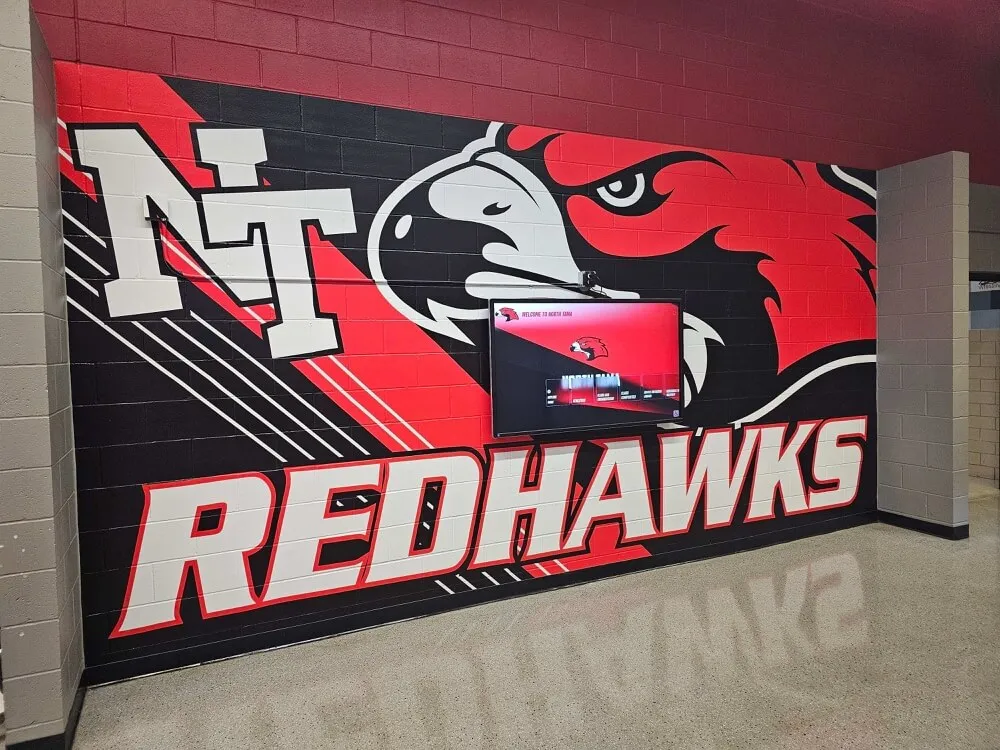
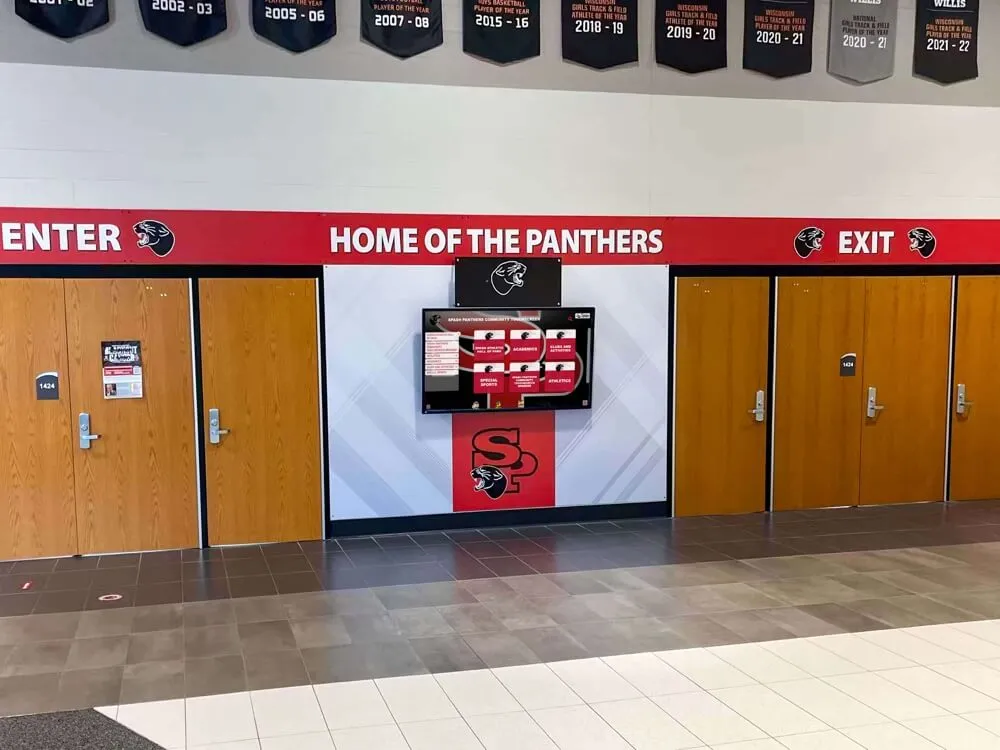
Prominent placement of honor roll recognition in high-traffic areas maximizes visibility and inspires achievement
Grade Period Calculation Considerations
Semester vs. Cumulative GPA for Honor Roll
Schools determine honor roll qualification using different GPA timeframes:
Semester-Based Honor Roll
- Qualification based exclusively on current semester performance
- Allows students fresh start opportunities each grading period
- Encourages recovery from previous challenging semesters
- Provides recognition for students demonstrating recent improvement
Cumulative GPA Honor Roll
- Qualification based on overall GPA across entire academic history
- Rewards sustained excellence rather than single strong semesters
- Creates higher bar requiring consistent long-term performance
- May discourage students who struggled initially from pursuing future excellence
Most middle and high schools use semester-based systems providing regular achievement opportunities while encouraging consistent effort across all grading periods rather than rewarding only long-term accumulation.
Additional Qualification Criteria Beyond GPA
Many schools implement supplementary requirements beyond GPA thresholds alone ensuring honor roll recognition reflects comprehensive academic citizenship:
Common Additional Requirements:
Attendance Standards
- Minimum attendance percentage (typically 90-95%)
- Limited unexcused absences (often 3 or fewer)
- Punctuality standards with tardy limits
Conduct and Behavior Requirements
- No major disciplinary infractions during grading period
- Acceptable behavior marks in all courses
- Positive classroom citizenship and participation
Grade Requirements
- No failing grades (F) in any course
- Minimum passing grades in all subjects
- Sometimes no grades below C even if overall GPA qualifies
Assignment Completion Standards
- All major assignments submitted on time
- Complete participation in required assessments
- No significant missing work impacting grades
These comprehensive criteria ensure honor roll recognition acknowledges students demonstrating excellence across academic performance, personal responsibility, and school citizenship rather than GPA alone.
For schools implementing comprehensive academic recognition display systems, clear qualification criteria communicated through interactive displays help students understand exactly what achievement levels earn recognition.
Benefits of Making Honor Roll
Honor roll achievement provides numerous concrete advantages extending beyond simple acknowledgment, affecting college admissions, scholarship opportunities, personal development, and long-term educational trajectories in meaningful ways that justify the effort required to meet qualification standards consistently.
College Application and Admissions Advantages
Documented Academic Consistency
Consistent honor roll achievement across multiple semesters demonstrates reliability and sustained performance valuable to college admissions officers reviewing thousands of applications from students with strong academic credentials. Rather than showing occasional excellence followed by performance drops, regular honor roll recognition indicates students maintain high standards consistently regardless of subject difficulty, scheduling challenges, or competing demands on their time and energy.
Competitive Differentiation in Selective Admissions
At selective colleges where most applicants present strong GPAs and test scores, honor roll recognition—particularly at highest honor levels—provides objective validation of excellence. Admissions officers value students who achieved recognition against institutional standards rather than simply within grade inflation contexts, especially when honor roll criteria include attendance, behavior, and comprehensive citizenship components beyond GPA alone.
Honors and Advanced Program Qualification
Many colleges use honor roll achievement as screening criteria for honors colleges, specialized programs, accelerated tracks, and competitive majors where capacity limitations require selection among many qualified applicants. Regular honor roll qualification signals readiness for challenging academic environments and intellectual engagement beyond minimum graduation requirements.
Learn about comprehensive approaches schools use to showcase academic achievement through outstanding students honor wall programs that create lasting recognition beyond transcript notations alone.
Scholarship and Financial Aid Opportunities
Merit-Based Scholarship Qualification
Many scholarship programs establish honor roll achievement as baseline eligibility requirements or competitive advantages in evaluation processes:
- Institutional Merit Scholarships: Universities often require minimum honor roll qualification for automatic merit aid consideration
- Local Community Scholarships: Civic organizations frequently specify honor roll achievement in selection criteria
- Corporate Scholarship Programs: Many businesses prioritize honor roll students demonstrating consistent academic excellence
- Professional Organization Awards: Discipline-specific groups often seek honor roll achievers showing sustained subject mastery
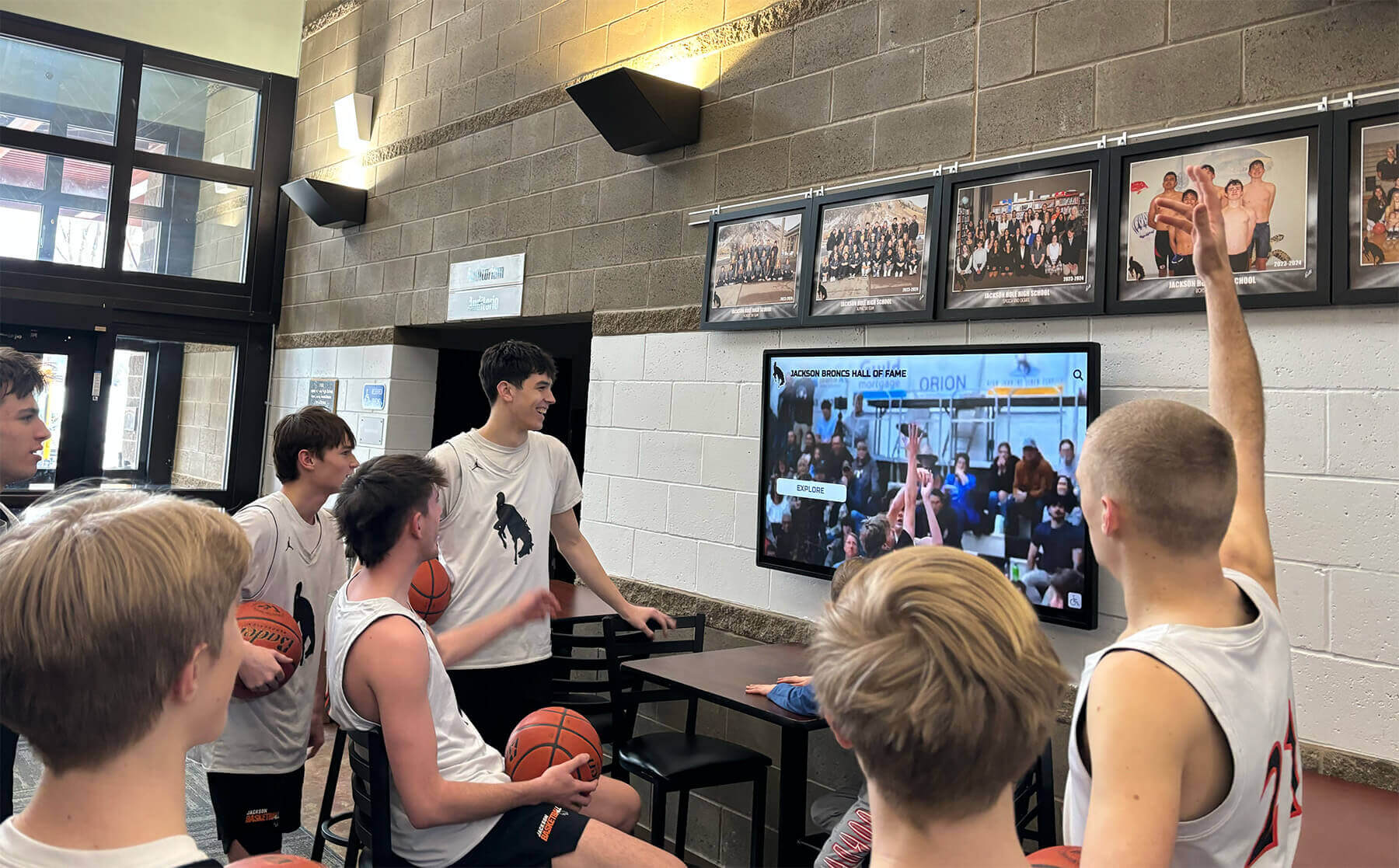
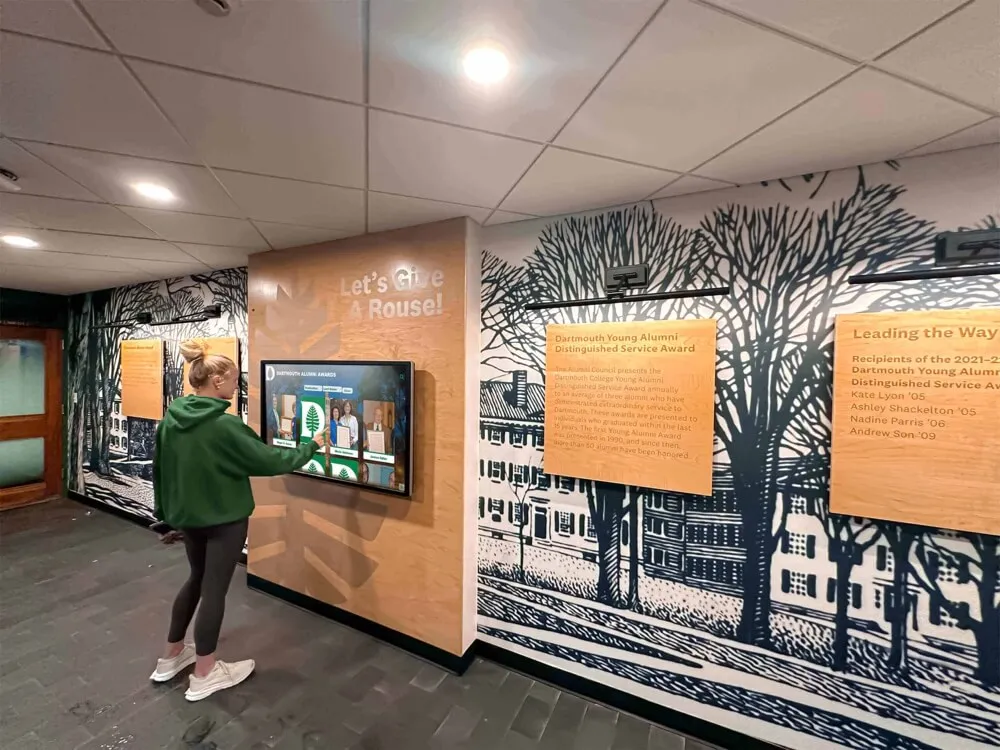
Engaging displays create opportunities for students to explore academic achievements and connect with school culture
Financial Value of Consistent Recognition
Students maintaining honor roll status throughout high school accumulate compelling applications for competitive scholarships where dozens or hundreds of qualified candidates compete for limited awards. The documented consistency honor roll provides helps selection committees identify students likely to sustain excellence in college programs where scholarship renewal often depends on maintaining specified GPA thresholds.
Personal Development and Confidence Building
Academic Identity Formation
Honor roll recognition during formative school years helps students develop positive academic identities and self-concepts as capable learners who successfully meet challenging standards. This identity becomes self-reinforcing as students who see themselves as high achievers naturally maintain habits and behaviors supporting continued excellence while gravitating toward intellectual challenges and academic opportunities.
Motivation and Goal-Setting Skills
Working toward honor roll qualification teaches valuable goal-setting, progress monitoring, and strategic planning skills transferable far beyond school contexts. Students learn to break long-term objectives into manageable actions, adjust strategies when approaches prove ineffective, seek help proactively when struggling, and persist through challenges rather than abandoning difficult pursuits prematurely.
Resilience Through Achievement Cycles
Honor roll systems providing fresh opportunities each semester teach students that past difficulties don’t determine future possibilities. Students who miss honor roll qualification one semester can analyze what went wrong, adjust their approaches, and successfully qualify in subsequent periods—building resilience through experiencing setbacks as temporary rather than permanent defining characteristics.
For more on how schools create comprehensive recognition systems, explore National Honor Society student recognition programs that build on honor roll foundations to acknowledge character and service alongside academic achievement.
Strategies for Making and Maintaining Honor Roll
Achieving honor roll qualification requires more than simply being intelligent or naturally talented at academics. Success demands consistent effort, effective strategies, strong organizational skills, and willingness to seek support when needed—capabilities students can develop systematically through proven approaches.
Time Management and Study Skills
Create Structured Study Schedules
Honor roll students typically maintain regular study routines rather than relying on last-minute cramming before exams:
- Dedicate specific time blocks to homework and studying each day
- Break large assignments into manageable daily portions
- Start projects immediately upon assignment rather than near deadlines
- Review material regularly throughout units rather than only before tests
- Maintain consistent sleep schedules supporting cognitive function and memory consolidation
Implement Effective Note-Taking Systems
Quality notes transform lectures and readings into study resources supporting comprehensive learning:
- Develop abbreviation systems enabling efficient information capture during lectures
- Organize notes by unit and topic for easy review during test preparation
- Highlight or annotate key concepts, definitions, and examples for quick reference
- Rewrite or summarize notes shortly after class reinforcing understanding and retention
- Create visual aids like diagrams, charts, or concept maps supplementing written notes
Utilize Active Learning Techniques
Passive reading proves less effective than active engagement approaches:
- Practice teaching concepts to others explaining material in your own words
- Create self-testing opportunities with flashcards or practice problems
- Connect new information to previously learned material building integrated understanding
- Apply concepts to real-world examples demonstrating practical relevance
- Form study groups where peers explain difficult concepts from different perspectives
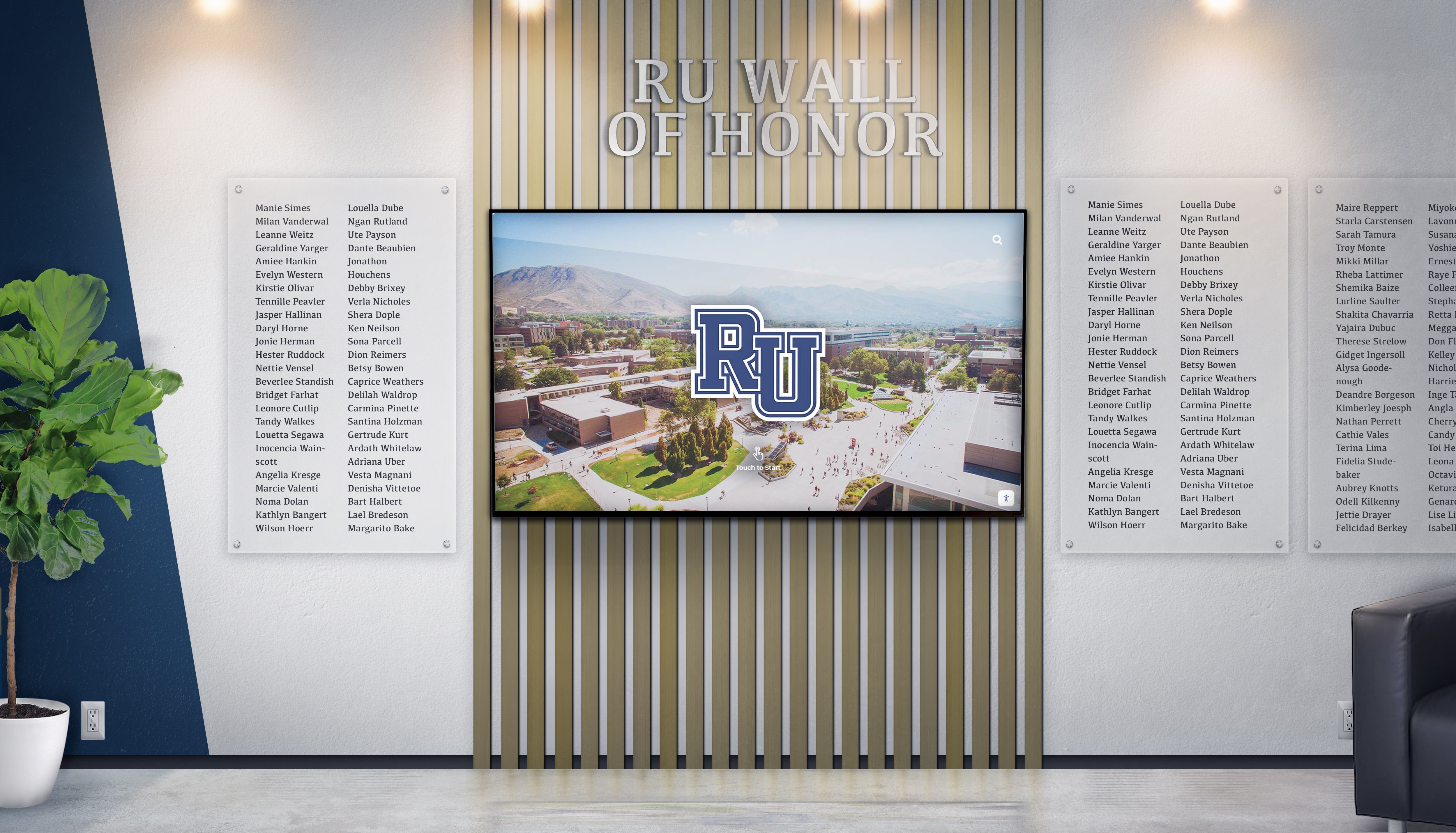
Integrated recognition systems combine digital and traditional elements creating comprehensive celebration spaces
Strategic Course Selection and Planning
Balance Rigor with Realistic Achievement Possibilities
Students should challenge themselves appropriately without creating course loads virtually guaranteeing honor roll disqualification:
- Consider taking 1-2 advanced courses while maintaining standard level in others initially
- Build advanced coursework gradually as study skills and time management improve
- Recognize that challenging yourself in subjects matching your strengths and interests increases success likelihood
- Understand that straight B grades in advanced courses often provide better college preparation than straight A grades in only standard courses
- Consult with guidance counselors about appropriate course rigor for your specific circumstances and goals
Identify and Address Weakness Areas Proactively
Rather than avoiding difficult subjects, successful honor roll students develop strategies for managing challenging material:
- Seek extra help immediately when concepts prove confusing rather than waiting until grades suffer
- Utilize available resources including tutoring, teacher office hours, online learning platforms, and peer study groups
- Consider strategic scheduling placing difficult courses during semesters with otherwise lighter academic loads
- Build strong foundations in prerequisite material supporting success in advanced courses
- Recognize that initial struggle in challenging subjects often leads to deeper understanding and stronger skills
Building Productive Relationships with Teachers
Demonstrate Engagement and Effort Consistently
Teachers notice and support students showing genuine commitment to learning:
- Participate actively in class discussions contributing meaningful questions and insights
- Complete assignments thoroughly showing effort beyond minimum requirements
- Attend consistently and arrive prepared with materials and completed homework
- Ask clarifying questions when confused rather than pretending to understand
- Show respect for learning process and willingness to accept constructive feedback
Seek Help Strategically and Proactively
Successful students ask for assistance before small difficulties compound into major problems:
- Visit teacher office hours or schedule individual conferences when concepts remain unclear
- Come prepared with specific questions showing you’ve attempted independent understanding first
- Ask about upcoming assignments and expectations clarifying requirements thoroughly
- Request feedback on practice work or draft assignments allowing improvement before final submission
- Express appreciation for teacher time and assistance building positive productive relationships
Schools can support these student strategies through comprehensive recognition programs that celebrate not only final achievement but also growth, improvement, and consistent effort across diverse student populations.
Modern Honor Roll Recognition Programs for Schools
Traditional honor roll recognition approaches—printed lists posted on bulletin boards or brief mentions in newsletters—often fail to create the sustained visibility and motivational impact these achievements deserve. Modern recognition systems transform how schools celebrate academic excellence through technology creating lasting, engaging displays that inspire current and future students.
Digital Recognition Display Solutions
Solutions like Rocket Alumni Solutions revolutionize honor roll recognition by eliminating traditional limitations while creating interactive experiences that honor achievement appropriately:
Unlimited Recognition Capacity
Digital displays overcome physical space constraints that force schools to choose whose accomplishments receive visibility:
- Single display showcases unlimited honor roll students across all recognition levels
- No need to remove historical achievements to accommodate current semester honorees
- Comprehensive archives preserve institutional academic traditions across decades
- All achievement tiers receive equal display capacity and professional presentation quality
- Growing honor roll participation never creates capacity concerns requiring selective exclusion
Rich Multimedia Student Profiles
Modern systems transform honor roll from simple name lists into compelling achievement stories:
- Professional photography creating personal connections and memorable recognition
- Detailed narratives explaining specific accomplishments, courses taken, and achievement context
- GPA statistics and academic trajectories showing performance consistency across time
- Student reflections about effective strategies and advice for peers pursuing honor roll qualification
- Teacher testimonials celebrating accomplishment, character, and classroom contributions
- Video integration opportunities adding dimension impossible with static displays
Interactive Exploration Features
Touchscreen interfaces create engagement traditional bulletin boards cannot match:
- Search functionality enabling students to find themselves, friends, and role models easily
- Filtering by achievement level, graduation year, grade level, and other custom criteria
- Sorting options showing highest GPAs, most consistent qualifiers, or recent inductees
- Detailed individual profile pages telling complete academic stories beyond basic listings
- Progress tracking across multiple semesters demonstrating sustained achievement patterns
Learn about comprehensive approaches through digital recognition display implementation guides showing how schools create engaging recognition programs.

Touchscreen honor roll displays enable intuitive exploration of student achievements inspiring peers through interactive storytelling
Web-Based Recognition Extensions
Physical recognition displays should extend into comprehensive digital ecosystems accessible anywhere:
Online Honor Roll Portals
Web-accessible platforms amplify recognition reach while providing convenience:
- Global viewing access from any internet-connected device enabling family members worldwide to celebrate achievement
- Mobile-responsive designs ensuring quality experiences across smartphones, tablets, and computers
- Social sharing capabilities enabling students to share recognition through personal networks
- Permanent archives surviving building renovations or campus infrastructure changes
- Alumni access enabling former honor roll students to find their historical records from any location
Communication Integration Strategies
Digital systems enable systematic multi-channel recognition communication:
- Automated email notifications to families when students earn honor roll recognition
- Social media posts celebrating individual and collective achievement with proper permissions
- Newsletter features highlighting honor roll students and their success strategies
- Morning announcement integrations providing daily acknowledgment and inspiration
- Graduation program integration documenting sustained honor roll achievement across school years
Strategic Placement and Visibility Optimization
Recognition display effectiveness depends significantly on thoughtful location selection:
High-Traffic Area Placement
- Main entrance lobbies ensuring visitor exposure immediately upon campus arrival
- Cafeteria and common areas where students congregate daily providing repeated exposure
- Library and academic center locations reinforcing intellectual achievement focus
- Athletic facility integration demonstrating academic excellence receives equal prominence
- Administrative office areas where prospective families tour and community members visit
Accessibility and Inclusion Considerations
- ADA-compliant mounting heights enabling wheelchair users to interact comfortably with touchscreens
- Adequate lighting ensuring display visibility throughout operating hours
- Appropriate volume levels for audio content not disrupting surrounding spaces
- Screen reader compatibility and high-contrast viewing modes supporting visual accessibility
- Multiple language options for diverse communities when appropriate
Schools implementing recognition programs can explore Team GPA leaderboard display systems that extend honor roll recognition to athletic teams and extracurricular organizations creating comprehensive academic recognition cultures.
Creating Effective Honor Roll Recognition Programs
Schools implementing or enhancing honor roll recognition should follow systematic approaches ensuring programs achieve intended goals while remaining sustainable, equitable, and impactful across years of operation and changing institutional circumstances.
Program Planning and Design
Establish Clear Qualification Criteria
Transparent standards ensure students understand exactly what performance levels earn recognition:
- Document specific GPA thresholds for each honor roll tier in student handbooks
- Clarify whether weighted or unweighted GPAs determine qualification
- Specify any additional requirements beyond GPA (attendance, behavior, grade minimums)
- Explain calculation methods including which courses count and how semester versus cumulative GPA works
- Communicate criteria at the beginning of each school year through multiple channels ensuring awareness
Design Multi-Tier Recognition Systems
Multiple achievement levels ensure recognition opportunities exist for students at various performance levels:
- Create entry-level honor roll accessible to motivated students willing to apply consistent effort
- Establish intermediate high honor roll recognizing excellence in most subject areas
- Maintain highest honor tier (principal’s list) celebrating exceptional achievement across all courses
- Consider additional specialized categories like most improved GPA or subject-specific excellence
- Ensure naming conventions clearly communicate achievement hierarchy without creating confusion
Develop Sustainable Update Processes
Recognition programs fail when maintenance becomes overwhelming:
- Assign clear responsibilities for honor roll determination, data entry, and display updates
- Establish regular timelines for updates following each grading period consistently
- Create standardized procedures for photo collection, content development, and technical updates
- Provide adequate administrative support and resource allocation sustaining program quality
- Train multiple staff members ensuring program continuity despite personnel changes
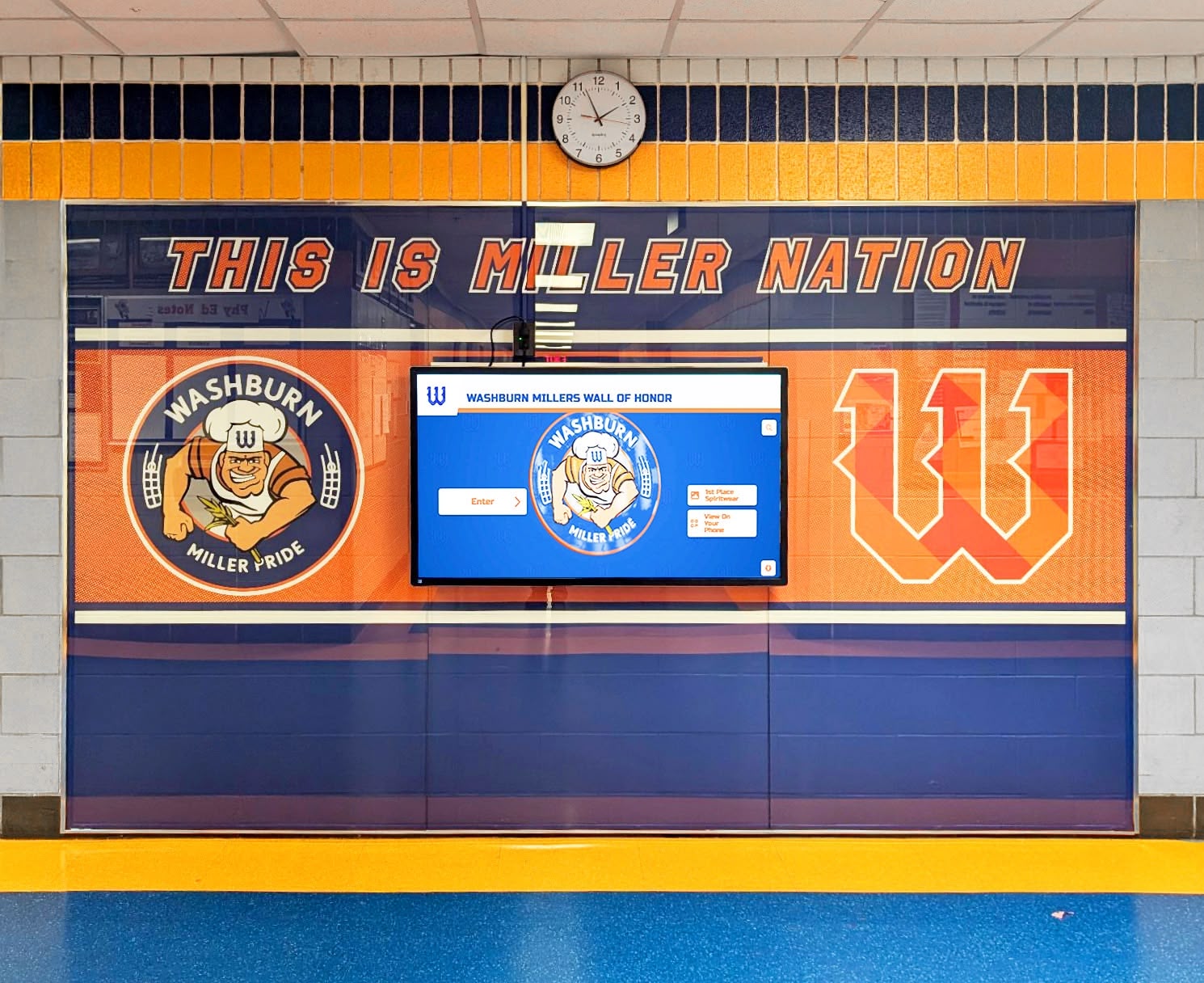
Strategic hallway placement ensures honor roll recognition receives daily visibility from entire school community
Ensuring Equity and Inclusion
Remove Barriers to Honor Roll Achievement
Recognition programs should exist within broader commitments ensuring all capable students can pursue qualification:
- Provide comprehensive academic support including tutoring, study skills workshops, and homework assistance
- Offer extra help opportunities accessible to all students regardless of schedule constraints or transportation
- Ensure course placement practices enable appropriately challenging coursework for students at all starting points
- Address systemic barriers that disproportionately affect certain student populations
- Monitor honor roll demographics identifying and addressing equity gaps proactively
Recognize Diverse Achievement Patterns
Inclusive programs acknowledge that students demonstrate excellence through various paths:
- Celebrate growth and improvement recognizing students showing significant GPA increases
- Acknowledge achievement starting from different baseline performance levels
- Honor students balancing significant family responsibilities, work commitments, or health challenges
- Recognize excellence in diverse subject areas beyond only traditional core academics
- Celebrate students overcoming obstacles including language barriers, learning differences, or limited resources
Accessible Recognition Communication
Ensure all families can access and celebrate their students’ achievements:
- Provide recognition information in multiple languages reflecting community demographics
- Offer both digital and printed communication options accommodating varying technology access
- Make honor roll displays accessible during extended hours not limited to school day only
- Provide web-based access enabling families without campus access to view recognition
- Communicate achievement through multiple channels ensuring all families receive notification
Assessment and Continuous Improvement
Track Participation and Impact Metrics
Regular assessment enables evidence-based program refinement:
- Monitor percentage of students qualifying for each honor roll tier over time
- Analyze demographic distribution ensuring equitable recognition opportunities
- Track honor roll consistency measuring how many students qualify across multiple consecutive semesters
- Correlate honor roll achievement with college admission outcomes and scholarship awards
- Measure community engagement with digital recognition displays through interaction analytics
Gather Stakeholder Feedback
Multiple perspectives provide nuanced understanding of program effectiveness:
- Survey honor roll students about recognition meaningfulness and motivational impact
- Collect input from students not qualifying about whether honor roll feels attainable with effort
- Seek family perspectives on recognition program visibility and communication effectiveness
- Gather teacher observations about motivation changes and academic culture shifts
- Obtain administrator assessment of program sustainability and resource requirements
Adjust Programs Based on Evidence
Use assessment data to drive continuous improvement:
- Modify GPA thresholds if qualification rates seem too high or too low
- Enhance support programs if equity gaps persist despite intervention efforts
- Expand recognition tiers if current system creates large gaps between levels
- Improve communication strategies if awareness remains low despite quality programs
- Upgrade technology platforms if engagement metrics suggest displays fail to capture attention
Schools can learn from comprehensive approaches described in elementary school recognition board guides that translate honor roll concepts appropriately for younger students building foundation academic habits.
Comparing Honor Roll to Other Academic Recognition Programs
Honor roll represents one component within comprehensive academic recognition systems. Understanding how it relates to other honors helps students, families, and schools appreciate each program’s distinct purpose and significance.
Honor Roll vs. Dean’s List
While similar in concept, honor roll and dean’s list serve different educational levels with distinct characteristics:
Honor Roll (K-12 Education)
- Recognizes elementary, middle, and high school students
- Calculated based on semester or quarter performance typically
- Primarily focuses on GPA thresholds with possible additional criteria
- Provides regular opportunities each grading period for fresh achievement
- Creates foundational habits supporting college academic success
Dean’s List (College/University)
- Recognizes undergraduate and sometimes graduate students
- Typically calculated on semester basis excluding summer in many institutions
- Often requires minimum credit hour enrollment (full-time status) for qualification
- May set minimum GPA thresholds higher than K-12 honor roll (often 3.5+)
- Appears on official transcripts and carries significant career and graduate school weight
Learn more about what is the Dean’s List and how college recognition builds on K-12 honor roll foundations.
Honor Roll vs. National Honor Society
These recognition programs serve complementary but distinct purposes:
Honor Roll Recognition
- Solely academic achievement focused on GPA performance
- Recognition earned each grading period independently
- No application process—automatic qualification based on grades
- No membership dues or ongoing participation requirements
- Primary function: acknowledge academic achievement publicly

Prominent lobby displays create powerful first impressions celebrating academic excellence for visitors and prospective families
National Honor Society
- Comprehensive evaluation including scholarship, service, leadership, and character
- Selective membership requiring application and teacher recommendations
- One-time induction typically during high school years
- Ongoing participation expectations and possible membership dues
- Primary function: recognize well-rounded excellence and provide leadership opportunities
Both programs provide valuable recognition, with honor roll offering frequent achievement acknowledgment while NHS recognizes comprehensive qualities beyond academics alone. Students can and should pursue both when eligible.
Honor Roll vs. AP Scholar Awards
These programs recognize different aspects of academic excellence:
Honor Roll
- Recognizes consistent performance across all enrolled courses
- Calculated from regular course grades throughout entire grading period
- Accessible to students not taking advanced coursework
- Provides recognition opportunities at multiple achievement levels
- Focuses on sustained performance rather than single high-stakes assessments
AP Scholar Awards
- Recognizes exceptional performance specifically on Advanced Placement examinations
- Based exclusively on AP exam scores rather than course grades
- Available only to students taking AP courses and examinations
- National standardized criteria applying equally across all schools
- Demonstrates college-level achievement validated through external assessment
Students can earn both recognitions simultaneously, with honor roll acknowledging overall academic performance while AP Scholar Awards validate specific advanced subject mastery. Learn more about AP Scholar Awards recognition programs schools implement.
Frequently Asked Questions About Honor Roll
What GPA do you need for honor roll?
Honor roll GPA requirements vary by school, but typical thresholds include:
- Regular Honor Roll: 3.0-3.49 GPA (B average)
- High Honor Roll: 3.5-3.79 GPA (B+ to A- average)
- Highest Honors/Principal’s List: 3.8-4.0+ GPA (straight A average)
Schools should communicate their specific requirements clearly through student handbooks and at the beginning of each academic year. Contact your school counselor for exact criteria applicable to your institution.
Is honor roll the same at all schools?
No—honor roll requirements, naming conventions, and recognition tiers vary significantly between schools and districts. Some schools maintain single-tier systems while others implement three or more distinct recognition levels. GPA thresholds, whether weighted or unweighted GPAs determine qualification, and additional criteria beyond grades all differ between institutions. Always verify your specific school’s honor roll policies rather than assuming standards from other schools apply.
Does honor roll appear on your transcript?
This varies by school policy. Some institutions include honor roll designation on official transcripts noting achievement each semester, while others maintain separate honor roll records but don’t include notation on transcripts. Even when not appearing on transcripts, students can list honor roll achievement on college applications, résumés, and scholarship applications as documented academic recognition. Check with your registrar about specific transcript notation policies.
Can you make honor roll with one C?
This depends on your school’s specific criteria and the number of courses you’re taking. With sufficient A grades balancing a single C grade, your overall GPA might still meet honor roll thresholds—particularly for basic honor roll rather than highest honors. However, some schools establish additional requirements prohibiting honor roll qualification with any grade below B regardless of overall GPA. Additionally, high honor roll and principal’s list typically require virtually all A grades, making a C grade disqualifying for top-tier recognition even if overall GPA remains strong.
How do colleges view honor roll achievement?
Colleges value consistent honor roll achievement as evidence of sustained academic performance and reliable work habits. While selective institutions expect applicant pools filled with honor roll students, the recognition still demonstrates capability to meet challenging standards consistently. Particularly valuable: honor roll qualification across consecutive semesters showing sustained excellence rather than sporadic achievement, honor roll recognition while taking rigorous advanced coursework demonstrating capability with challenging material, and improvement trajectories showing growth from initial non-qualification to consistent high honor roll recognition.
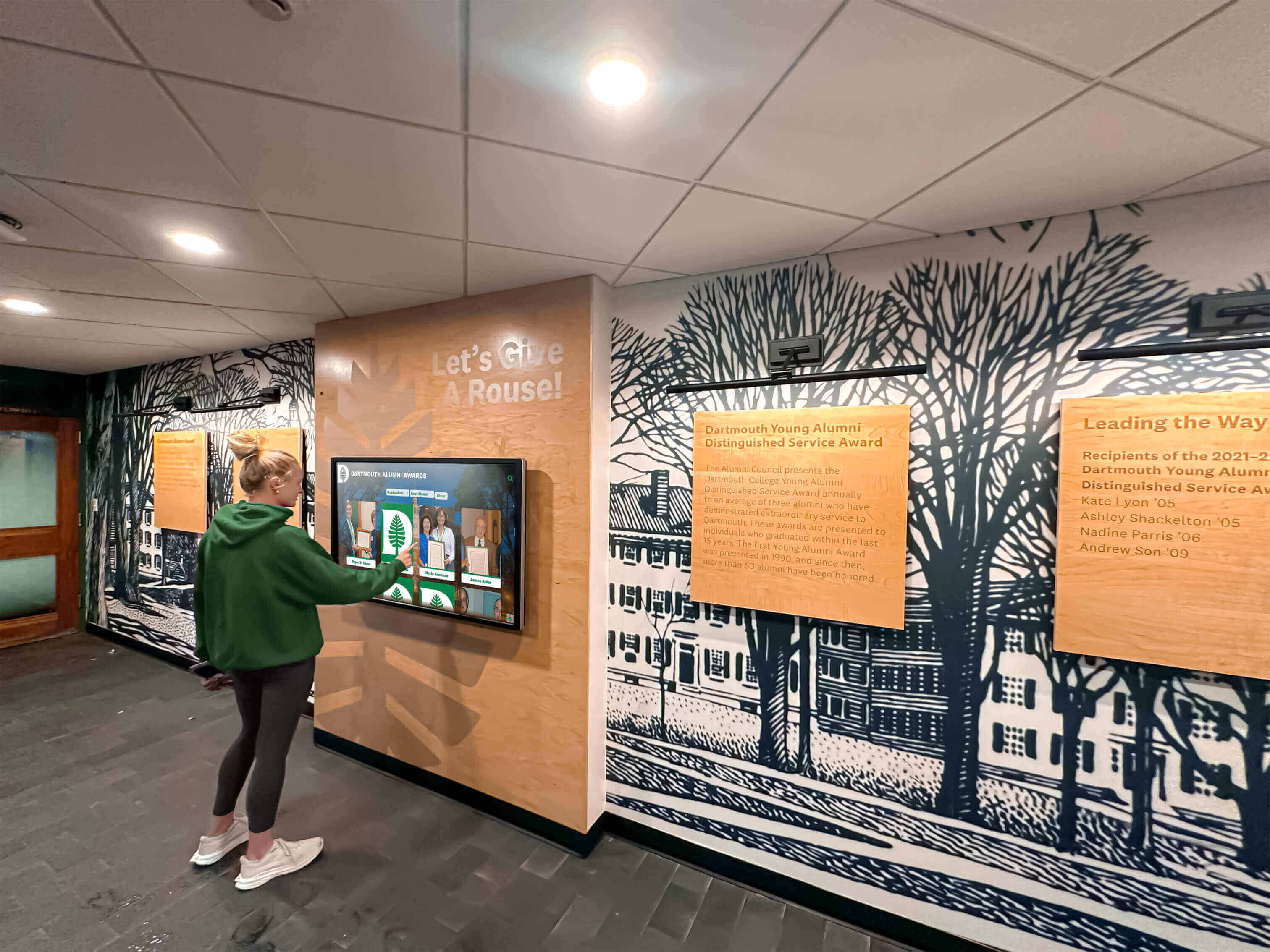
Interactive touchscreen displays encourage organic exploration and engagement with honor roll achievement stories
What’s the difference between honor roll and dean’s list?
Honor roll recognizes K-12 students typically based on semester GPA, while dean’s list acknowledges college students meeting specific semester GPA requirements (often 3.5+) while enrolled full-time. Dean’s list criteria typically prove more stringent than high school honor roll and appear on official college transcripts carrying significant weight for graduate school applications and career opportunities. Both serve similar purposes—recognizing academic excellence within their respective educational levels—but dean’s list represents the college equivalent of honor roll with generally higher standards.
Can you lose honor roll status after earning it?
Honor roll recognition typically applies to specific grading periods independently—you earn honor roll for individual semesters or quarters based on that period’s performance. Unlike revocable memberships, honor roll recognition for completed grading periods remains part of your academic record even if subsequent semester performance doesn’t meet qualification standards. However, you must continue meeting criteria each grading period to maintain consistent honor roll recognition. One challenging semester ending honor roll status doesn’t erase previous achievements, and you can re-qualify in future semesters by returning to performance levels meeting established thresholds.
Conclusion: The Lasting Value of Honor Roll Achievement
Honor roll recognition represents far more than simple acknowledgment of good grades earned during individual grading periods. This systematic celebration of academic achievement creates clear performance targets motivating consistent effort, documents sustained excellence valuable for college applications and scholarship opportunities, builds positive academic identities during formative educational years, provides recognition inspiring continued intellectual development, and helps schools establish cultures where academic accomplishment receives celebration equal to athletic and artistic success.
Whether you’re a student pursuing honor roll qualification for the first time, a parent supporting your child’s academic journey, or an educator designing recognition programs that genuinely motivate excellence, understanding honor roll requirements, benefits, and modern celebration approaches helps everyone appreciate these important milestones while maximizing their positive impact on student development and school culture.
Transform Your Academic Recognition Program
Discover how modern digital recognition solutions can help your school celebrate honor roll achievements through engaging displays that inspire excellence, preserve tradition, and build lasting academic culture across your entire educational community.
Explore Recognition SolutionsModern recognition platforms like Rocket Alumni Solutions eliminate traditional honor roll celebration limitations by providing unlimited display capacity accommodating growing programs without physical space constraints, creating rich multimedia student profiles telling complete achievement stories beyond simple name lists, enabling interactive touchscreen exploration engaging contemporary students effectively through intuitive interfaces, extending recognition reach globally through web and mobile platforms accessible anywhere, and simplifying content management through cloud-based systems requiring no technical expertise for regular updates.
For students pursuing honor roll achievement, success requires more than intelligence alone—consistent effort, effective time management, strategic course selection, strong relationships with teachers, and willingness to seek help proactively when encountering difficulties all contribute significantly to sustained academic excellence across consecutive grading periods. Understanding specific qualification criteria, implementing proven study strategies, and maintaining balanced approaches combining appropriate academic challenge with realistic achievement possibilities sets students up for consistent honor roll recognition throughout their educational journeys.
Your students’ academic achievements deserve celebration matching their accomplishment magnitude through prominent engaging recognition systems honoring individual excellence while inspiring younger students pursuing similar distinction. With thoughtful planning, modern technology platforms, and commitment to equitable access, schools can transform honor roll from perfunctory announcements into powerful tools building positive academic cultures where intellectual achievement flourishes and every student strives toward their highest potential.
Ready to enhance your school’s honor roll recognition? Explore comprehensive approaches through digital recognition board solutions creating engaging systems celebrating diverse achievements while inspiring future excellence throughout your educational community.