



Walk into almost any middle or high school in America and you will find a cluster of motivated students who have taken on something beyond homework and extracurriculars: the responsibility of representing their peers. These are student government members — elected or appointed officers who plan school events, advocate for student needs, bridge the gap between administration and the student body, and model civic participation at exactly the age when those lessons stick.
Yet for all the leadership development, community service, and school-shaping work student government officers perform, many schools still recognize them with a brief mention in the yearbook, a handshake at an awards assembly, and a plaque that may or may not make it onto a wall. The experience these students gain deserves something more lasting and more visible — a recognition strategy as intentional as the leadership they demonstrated.
This guide answers the foundational question — what is student government? — and then walks through practical, creative approaches for honoring student leaders through recognition walls, digital displays, yearbook features, and end-of-year banquets. Whether you’re a principal looking to build a stronger culture of recognition or an advisor thinking through your spring celebration, you’ll find concrete ideas here.
Student government is one of the clearest windows into a school’s civic identity. When officers are celebrated prominently — not just mentioned in passing — schools send a message to every student in the building: leadership here is valued, noticed, and remembered.

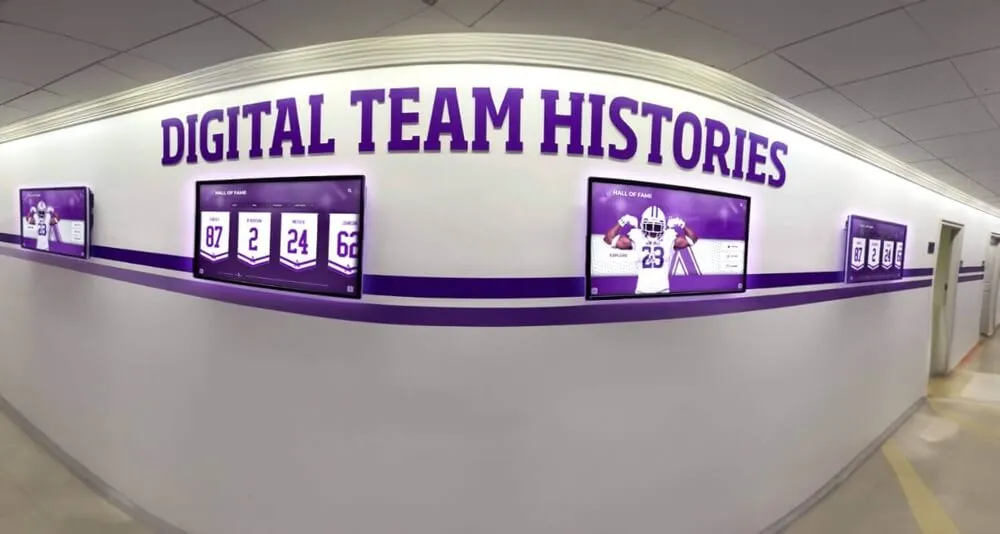
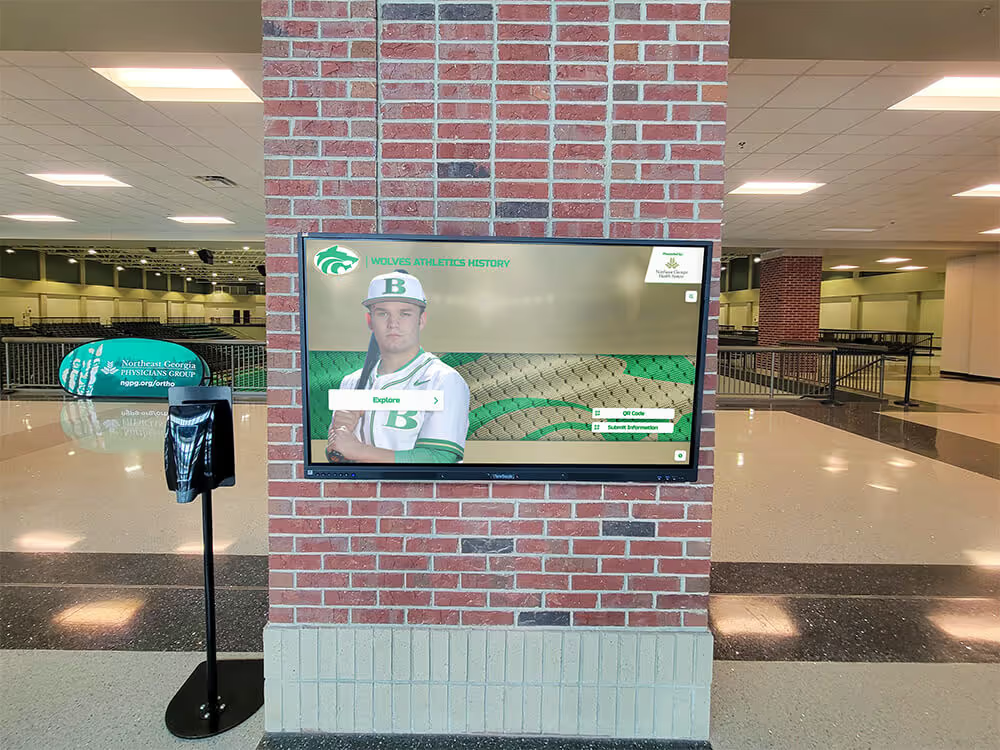
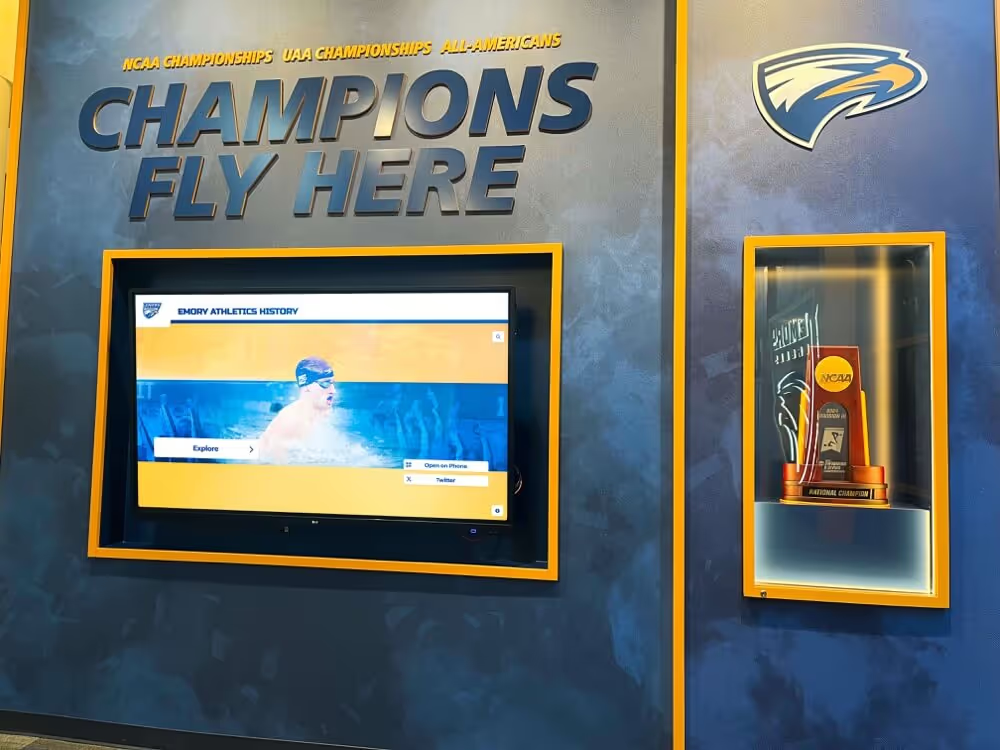
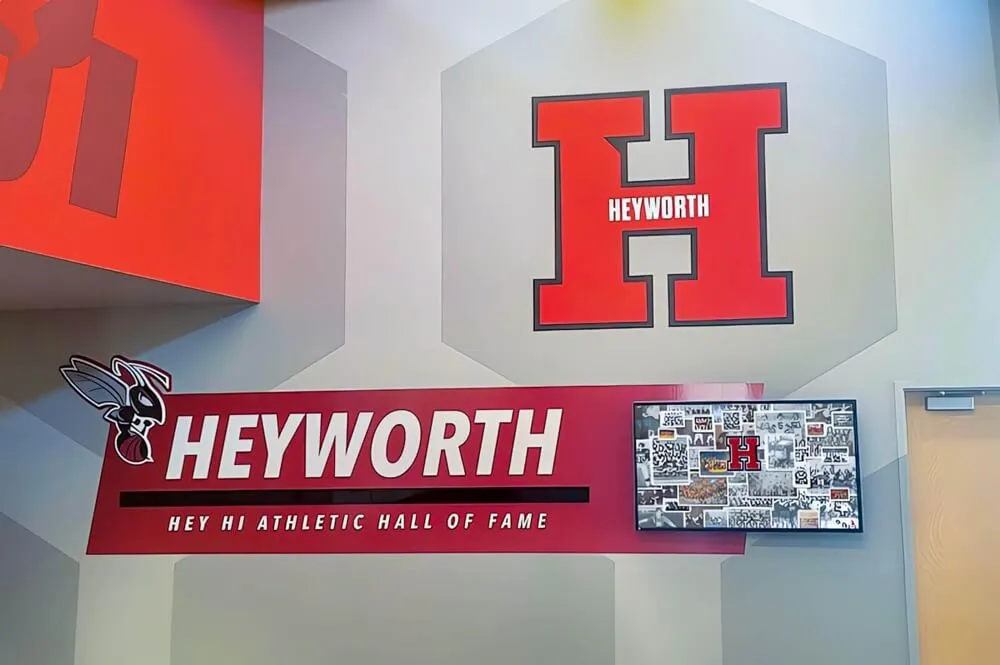
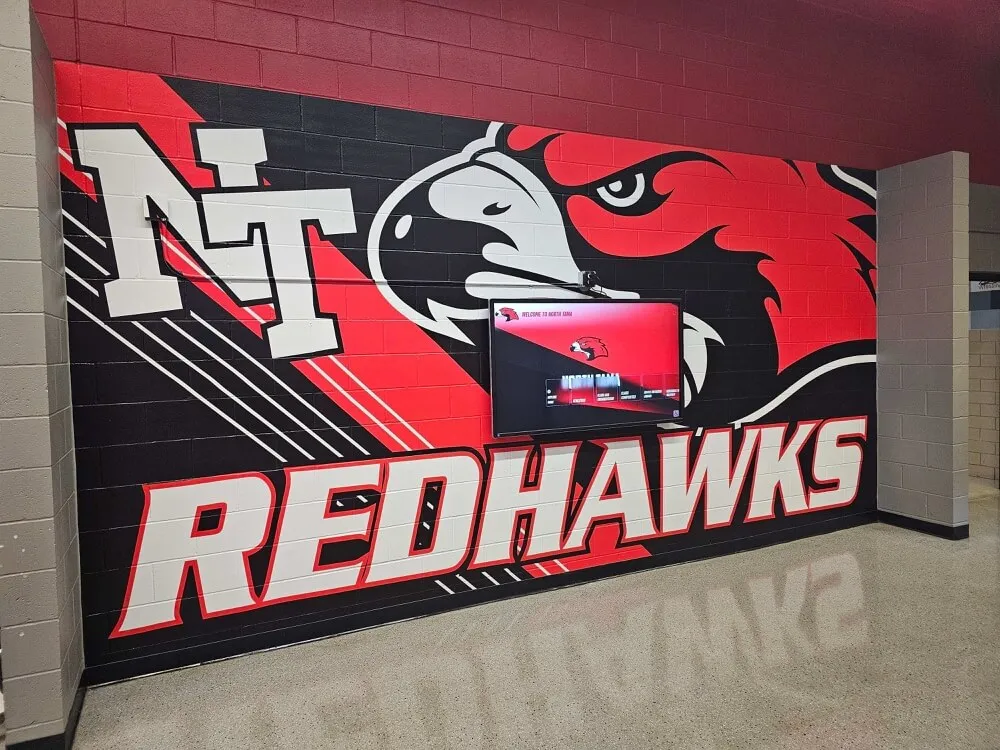
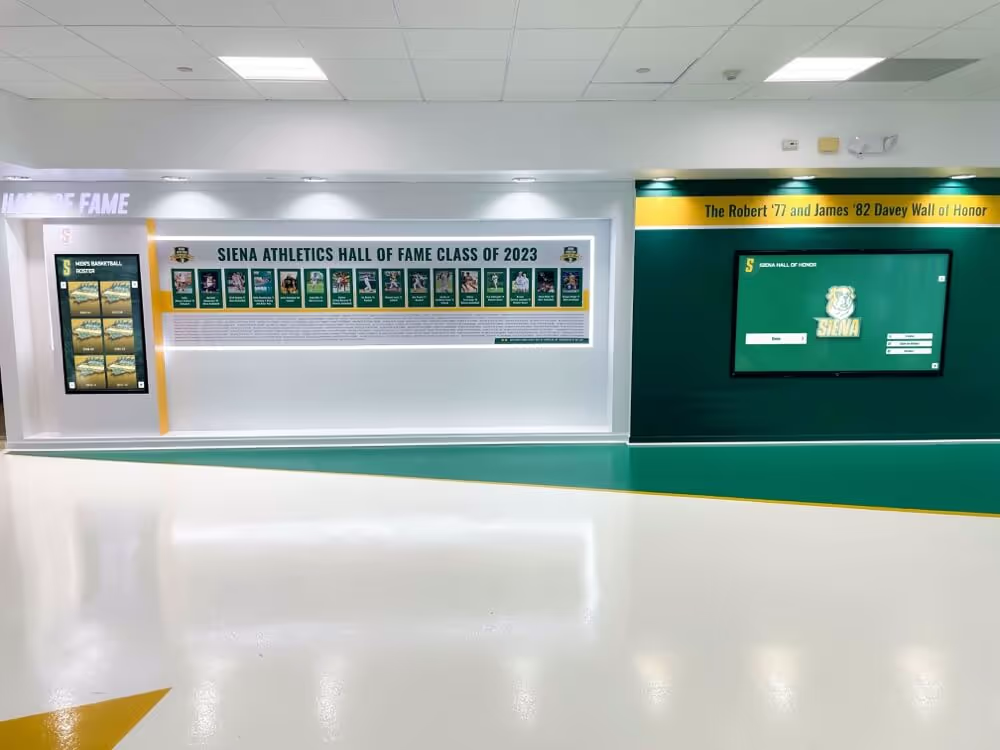
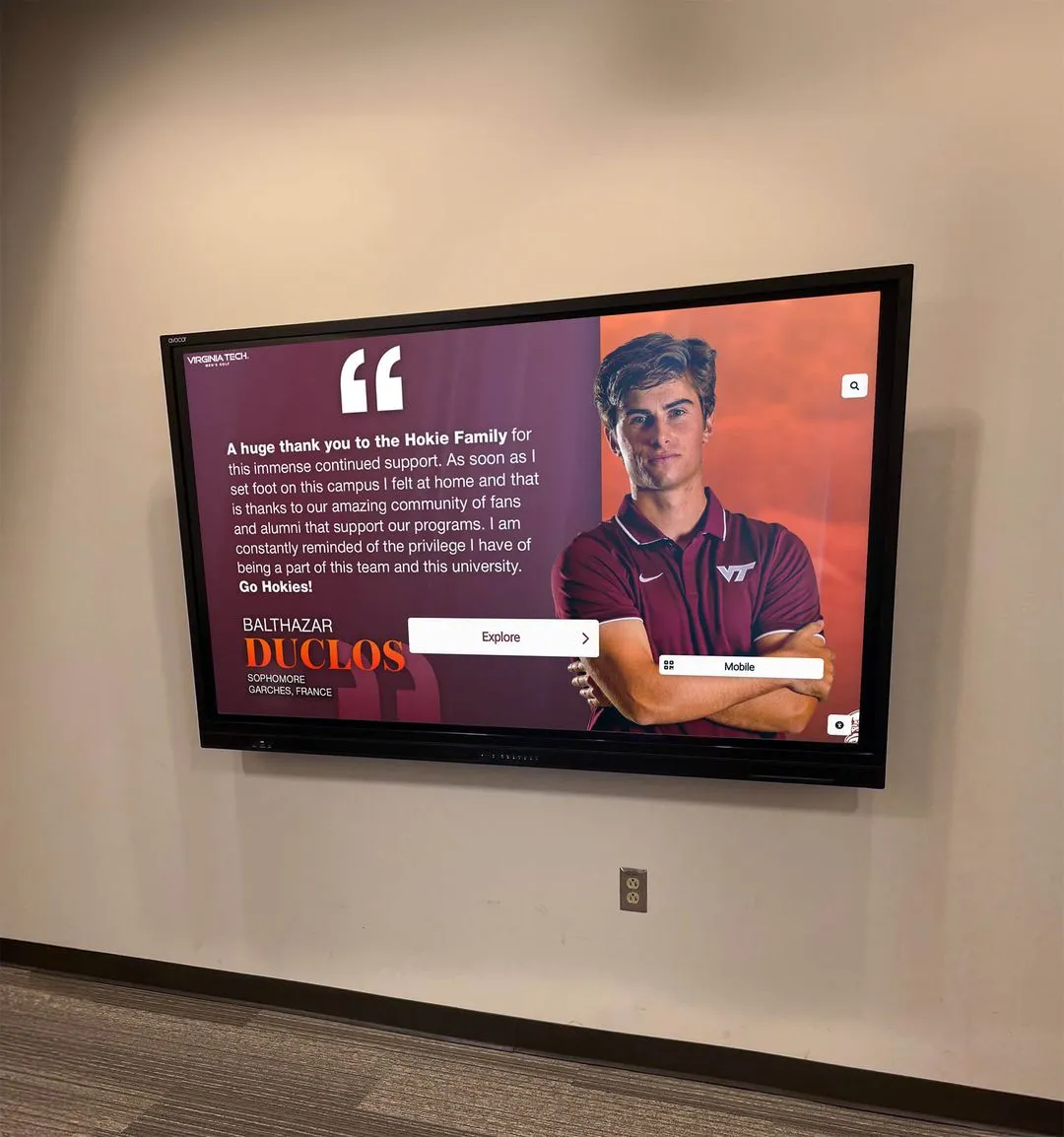
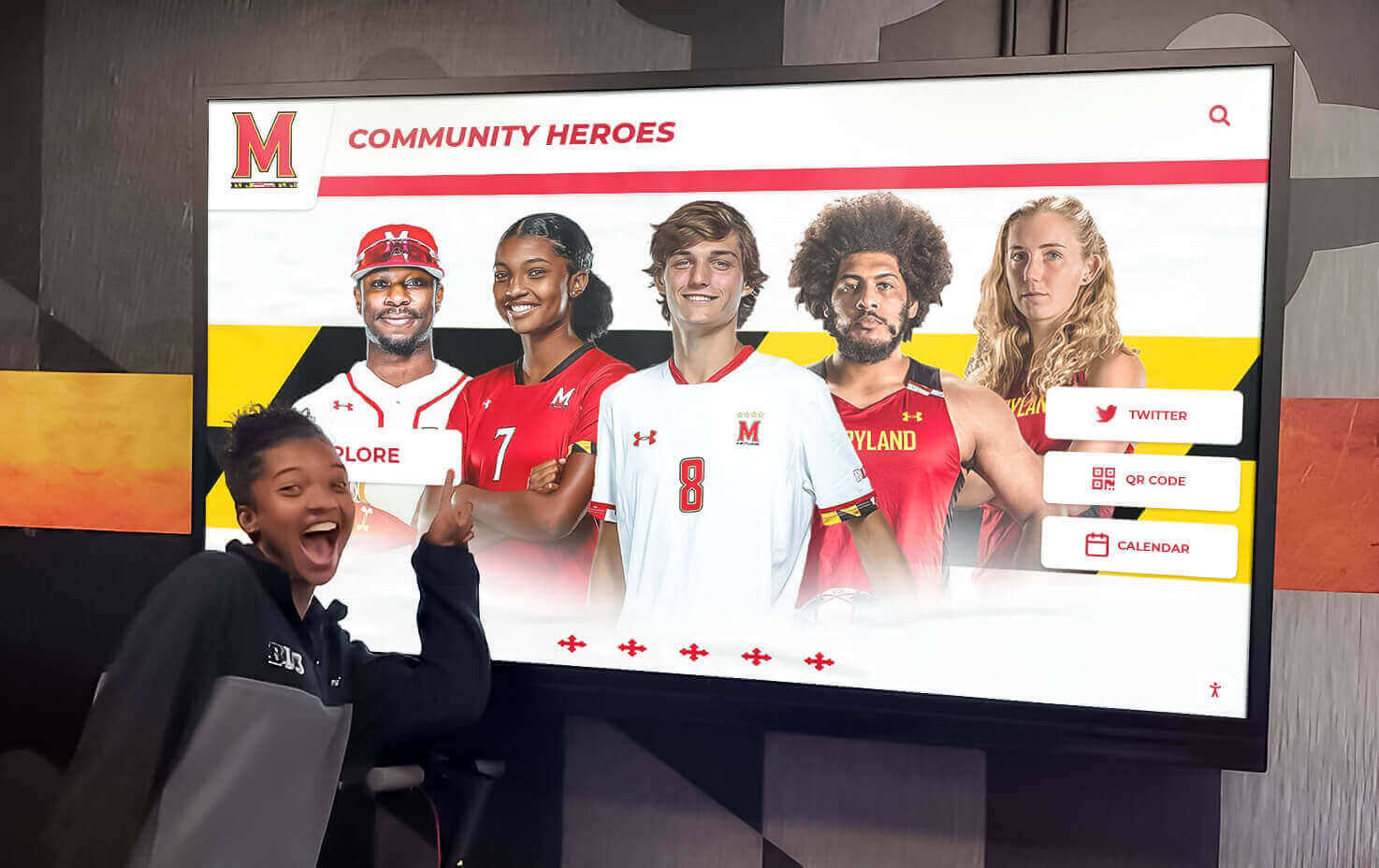
Prominent hallway displays that highlight student leaders create daily reminders that elected service is among a school's highest achievements
What Is Student Government?
Student government is the formal body through which students participate in the governance of their school. Depending on the institution, it may be called the Student Government Association (SGA), Student Council, Associated Student Body (ASB), Student Senate, or Class Council — the names vary, but the core purpose is consistent: to give students a structured voice in school decisions and a vehicle for organizing programs that serve the broader school community.
At its best, student government is not ceremonial. Officers work alongside administrators on policy discussions, manage budgets for student activities, organize fundraisers and community service drives, represent their class at school board meetings, and create the social fabric of the school year — from homecoming to graduation traditions.
Levels of Student Government
Most K-12 schools organize student government across two complementary structures:
School-Wide Student Government
- Typically includes a president, vice president, secretary, and treasurer elected by the entire student body
- Oversees school-wide programs, events, and budget
- May include a student representative to the school board or district advisory committee
- Serves as the primary liaison between students and school administration
Class Officers (Grade-Level Councils)
- Freshman, sophomore, junior, and senior class councils each elect their own president, VP, secretary, and treasurer
- Focus on grade-specific events (junior class prom planning, senior class gift, etc.)
- Feed talent into school-wide positions in subsequent years
- Create leadership pipelines that develop students over multiple years
Some districts also support student government at the middle school level, giving seventh and eighth graders formal experience with elected leadership before high school. For digital recognition ideas focused specifically on class officers, this guide on digital showcases for high school class officers offers valuable frameworks adaptable to any grade level.
Student Government Roles and Responsibilities
Understanding each officer’s role helps schools craft recognition content that is specific, meaningful, and accurate — because generic praise tells a less compelling story than a clear accounting of what each leader actually did.
President
The student body president is the most visible face of student leadership. Responsibilities typically include:
- Chairing student government meetings and setting agenda priorities
- Representing the student body at school board meetings and community events
- Collaborating with the principal on policies affecting student life
- Delivering speeches at assemblies, graduation, and other major school events
- Providing the leadership vision that drives the council’s annual program
Vice President
The vice president serves as the president’s primary partner and takes the lead in the president’s absence. Additional duties often include:
- Overseeing committee structure and ensuring projects stay on timeline
- Managing communication between school-wide government and class councils
- Leading specific initiatives delegated by the president
- Coordinating with club leaders and activity advisors on collaborative events
Secretary
Often the most administratively demanding role, the secretary is responsible for:
- Recording accurate minutes of every student government meeting
- Maintaining official correspondence with administration, community partners, and external organizations
- Managing the student government calendar and ensuring deadlines are communicated
- Distributing meeting notes and tracking action items to completion
Treasurer
The treasurer holds fiduciary responsibility for student funds, which in active programs can reach tens of thousands of dollars annually:
- Preparing and monitoring the annual student activities budget
- Processing reimbursements, purchase orders, and vendor payments
- Reporting financial status at each meeting and to school administration
- Ensuring all financial activities comply with district policy and audit requirements
Senators, Representatives, and Delegates
Many student government structures include broader representative bodies beyond the four core officers. These members attend meetings, vote on proposals, carry information back to their homerooms or grade levels, and serve on committees handling specific projects like community service, school spirit, or environmental sustainability.

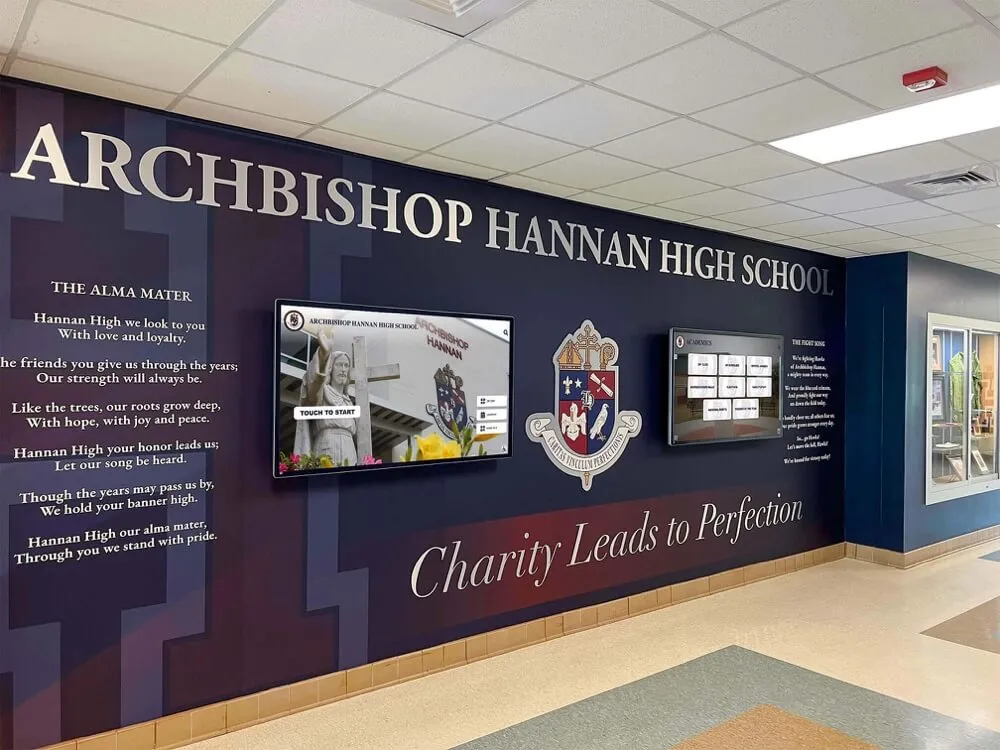
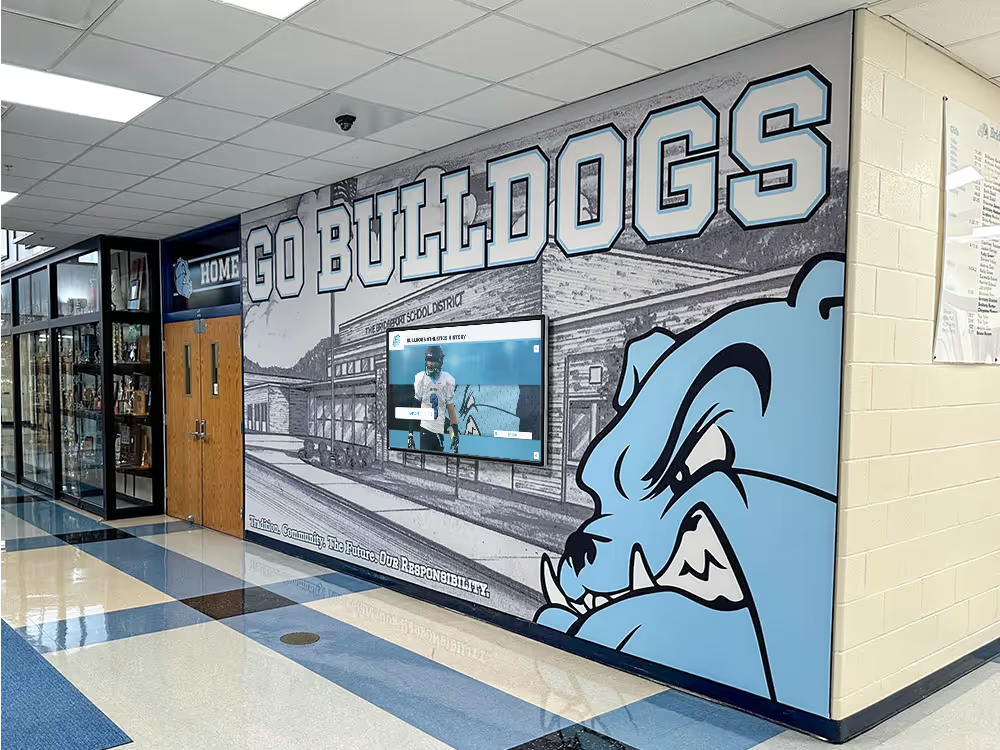
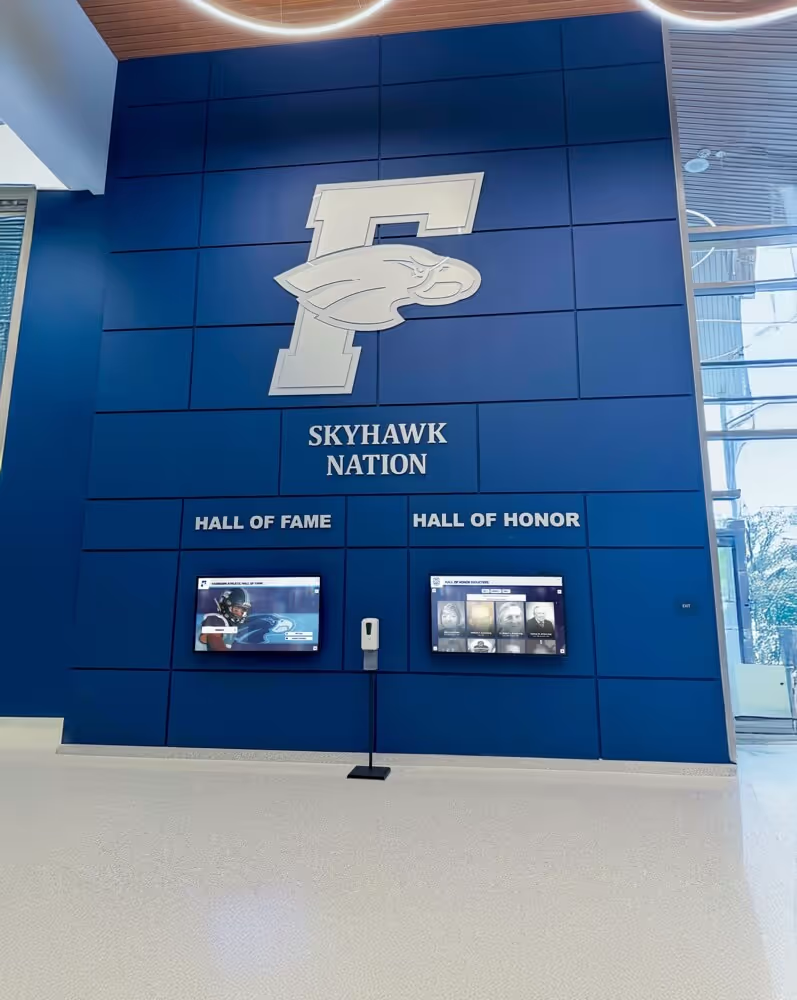
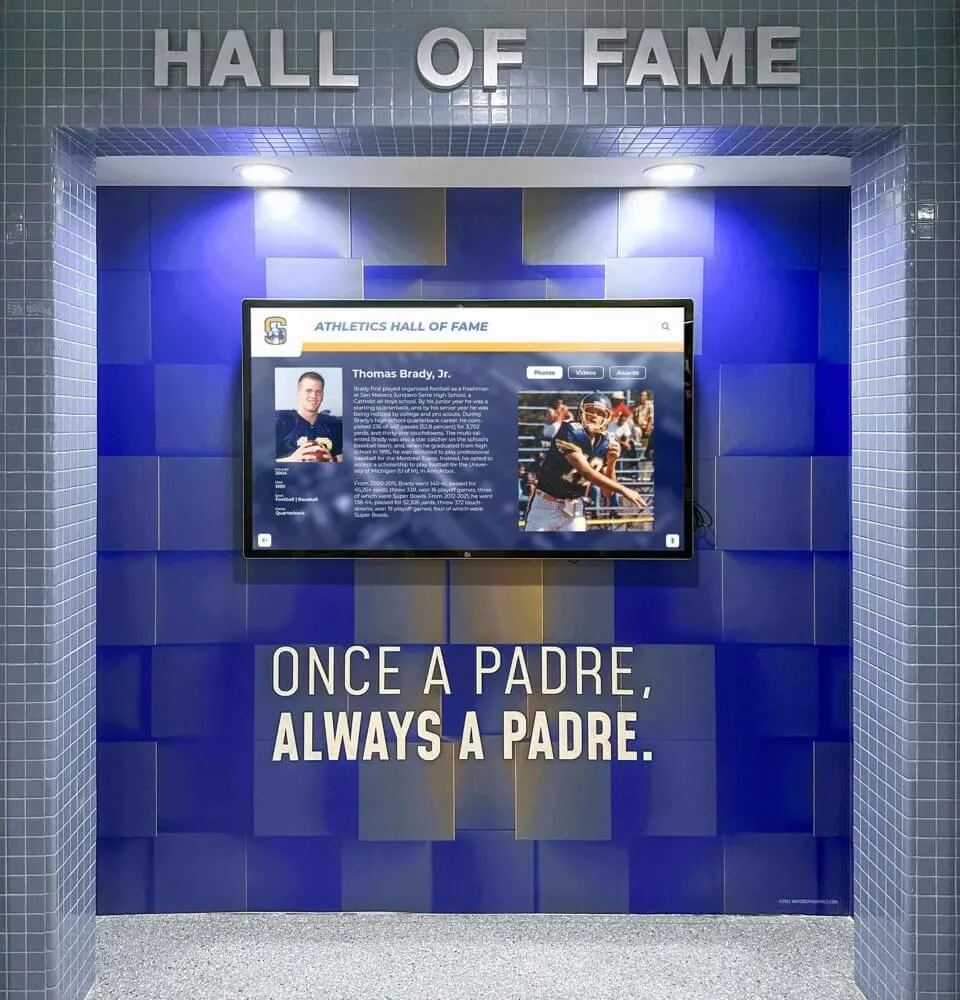
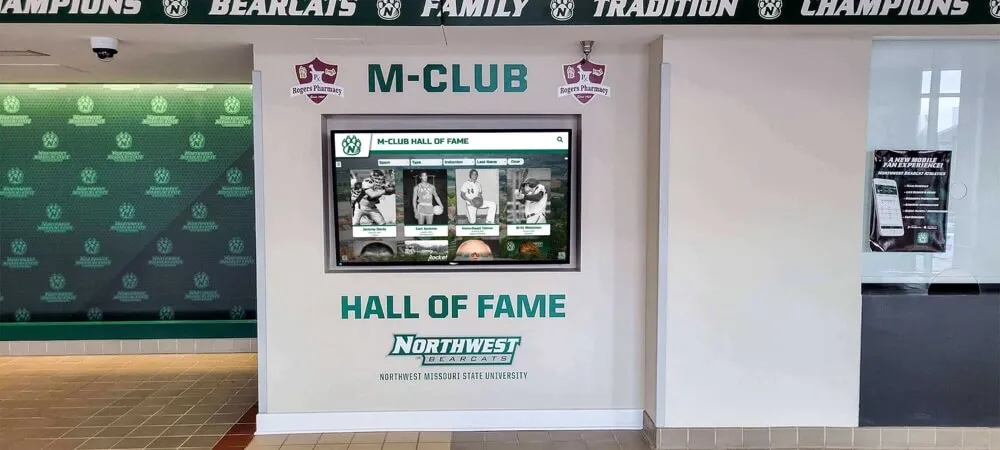
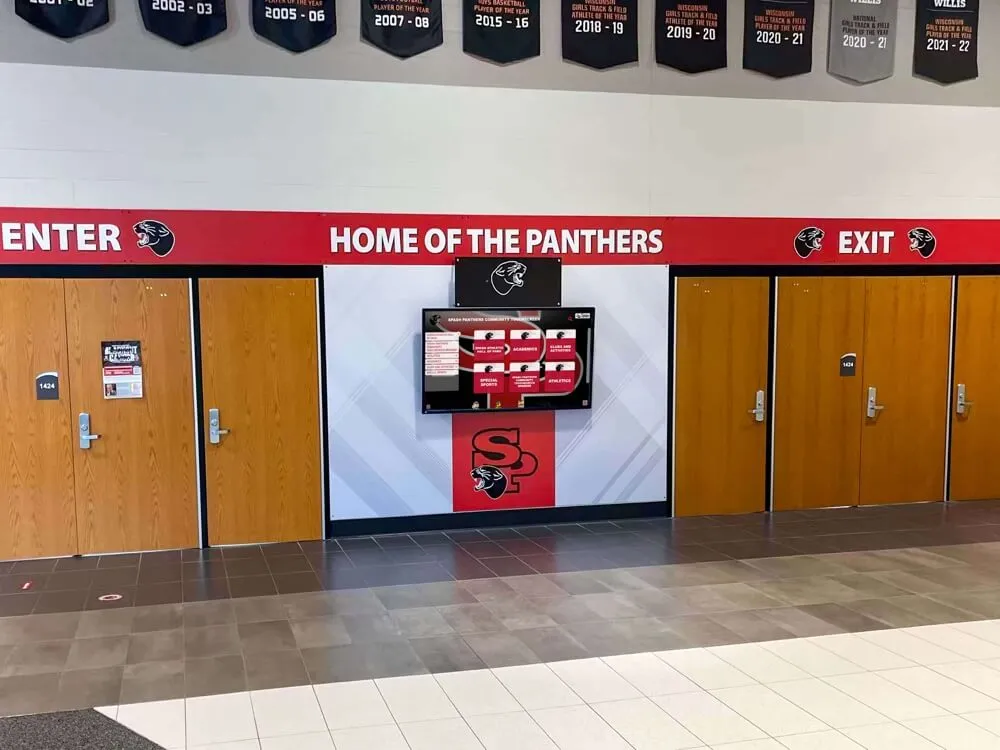
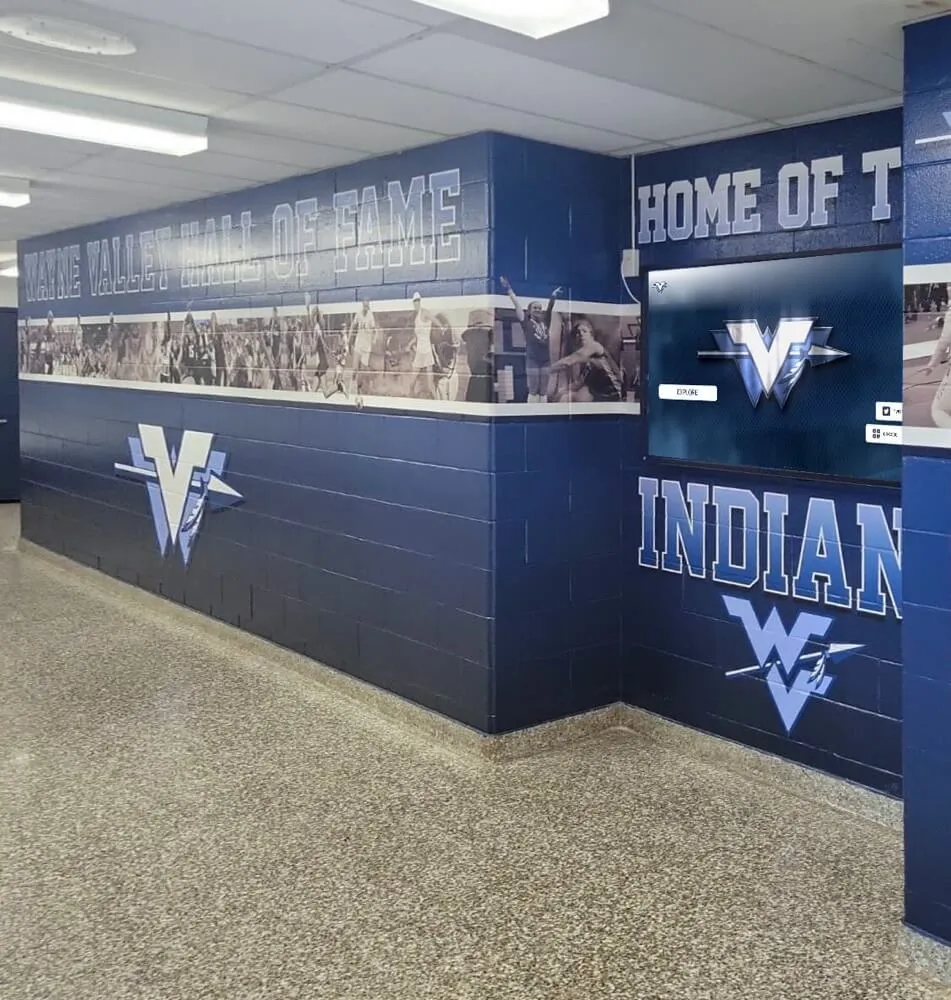
Modern recognition walls blend school identity with digital displays, creating permanent visual tributes to student leaders in high-traffic hallways
Why Student Government Matters — for Students and for Schools
The benefits of student government extend in two directions simultaneously: toward the individual students who serve, and toward the school communities that gain from their service.
For Student Leaders
Research on student participation in structured leadership programs consistently points to measurable long-term benefits:
Leadership Skill Development Officers develop skills that are difficult to teach in a classroom — public speaking, consensus building, budget management, project planning, and conflict resolution. These competencies translate directly to college success, internships, and professional environments.
Civic Preparation Participating in elected government at the school level introduces students to democratic processes: campaigns, voting, representation, deliberation, and accountability. Students who run for office practice making public commitments and then honoring them — a foundational civic skill.
College Application Strength Student government leadership is among the most recognizable extracurricular credentials in college admissions. Officers who can articulate what they built, changed, or organized during their tenure make compelling candidates. Recognizing this leadership formally — with a hall-of-fame entry, a yearbook feature, a digital profile — gives students documentation they can reference.
Network and Mentorship Access Officers interact regularly with school administrators, community leaders, and, in many districts, school board members. These relationships open doors to internships, letters of recommendation, and professional introductions unavailable to students outside structured leadership roles.
For Schools
When student government functions well and is recognized thoughtfully, the institutional benefits are substantial:
Stronger School Culture Schools where student leadership is visible and celebrated create environments where civic participation feels normal and aspirational. Younger students see officers recognized on hallway displays and begin to picture themselves in those roles.
Administrative Partnership Effective student government lightens the load on administrators by providing a structured student voice in decisions. This leads to better-received policies, more successful events, and a sense of shared ownership over school culture.
Alumni Identity Former student government officers often become among the most engaged alumni — returning for reunions, supporting fundraisers, and sending their own children to the same schools. Formal recognition creates a tradition of honoring leadership that strengthens alumni ties across generations.
For a broader look at how comprehensive recognition programs build school identity, the guide on club highlights and digital recognition displays explains how schools create cohesive recognition ecosystems that celebrate student organizations alongside athletic and academic achievement.
How Schools Traditionally Honor Student Government Officers
Before exploring modern approaches, it’s worth acknowledging what schools already do well — and where the gaps tend to appear.
Yearbook Features
The most universal form of student government recognition is the yearbook spread. Class officers appear in organized photo layouts, often with their names, positions, and sometimes a brief quote. This is meaningful — but it lives in a book that most students look at intensely for two weeks and then store on a shelf.
The gap: Yearbook recognition is fixed in time, limited in depth, and invisible to anyone who didn’t receive a copy. It tells the story of who served but rarely captures what was accomplished.
Awards Assemblies and Banquets
End-of-year assemblies and banquets provide a moment of live celebration — officers receive certificates, shake hands with the principal, and hear applause from their peers. These moments matter enormously to the students being honored.
The gap: The ceremony ends. Unless someone photographed or video-recorded the recognition, it exists only in memory. There is rarely a permanent physical or digital artifact that students can share with families, colleges, or future employers.
Bulletin Board Displays
Many student government advisors create bulletin board displays outside their classrooms or near the main office featuring officer photos and names. These are personal and visible — for the school year they’re posted.
The gap: Bulletin boards are temporary by nature. At the end of the year they come down, and the recognition disappears. There is no institutional archive connecting this year’s officers to the officers who served five or ten years ago.
Hallway Plaques
Some schools maintain permanent plaque systems listing student government officers by year. These are durable and formal — a student’s name in metal is genuinely meaningful.
The gap: Plaques are expensive to update, difficult to expand, and provide almost no biographical or programmatic context. A name and year tells almost no story.
What’s Missing Across All These Approaches
None of these traditional methods answer the questions that make recognition most powerful:
- What did this officer specifically accomplish during their term?
- What challenges did they navigate?
- What events did they organize, what policies did they shape, what was the school like because they served?
- How does this year’s leadership connect to the decades of student leadership that came before?
A recognition program that answers these questions creates something qualitatively different — it creates a narrative of leadership that speaks to current students, prospective families, and alumni alike.

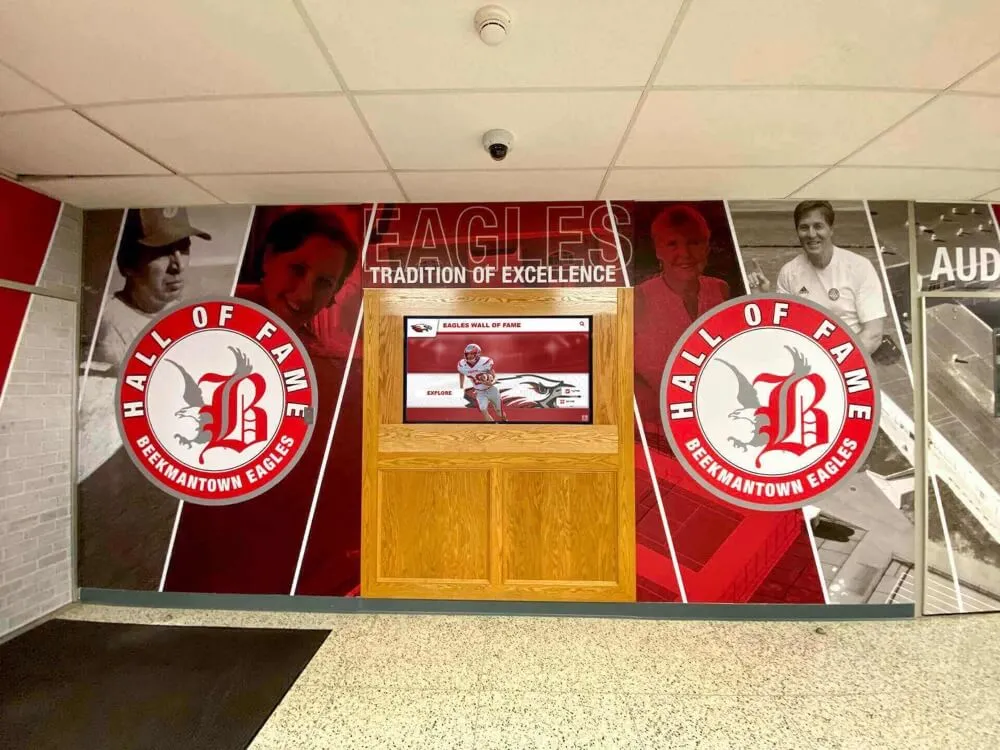
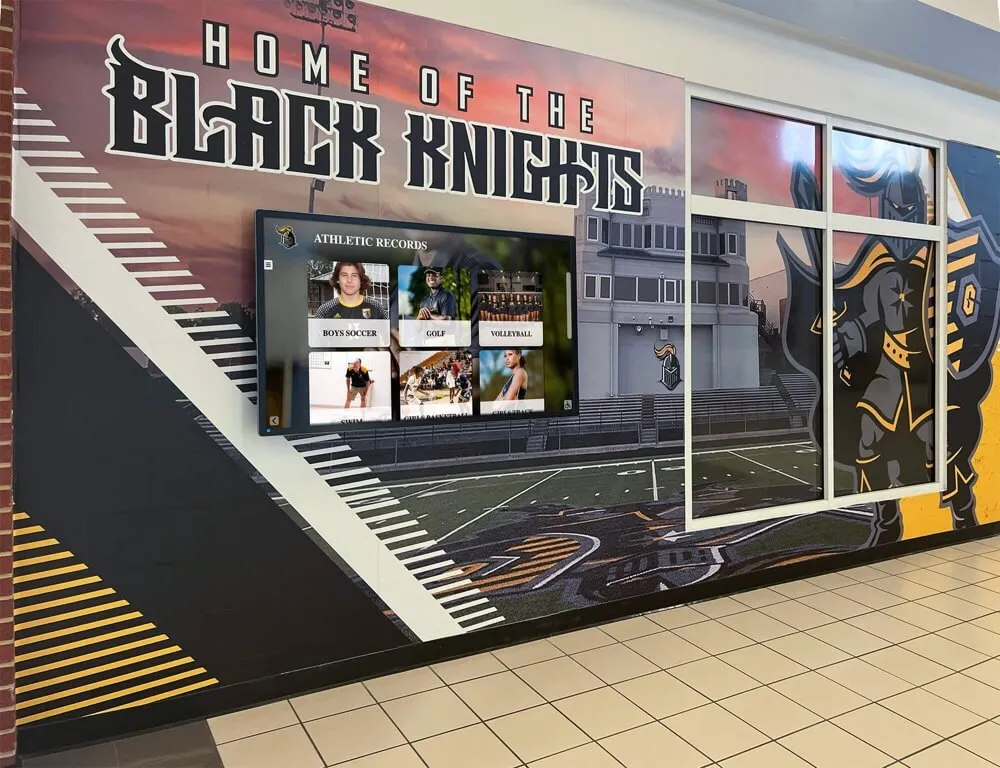
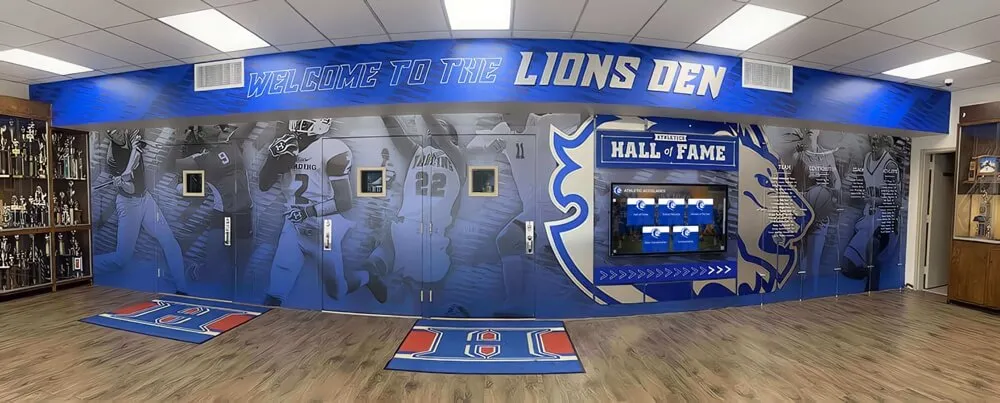
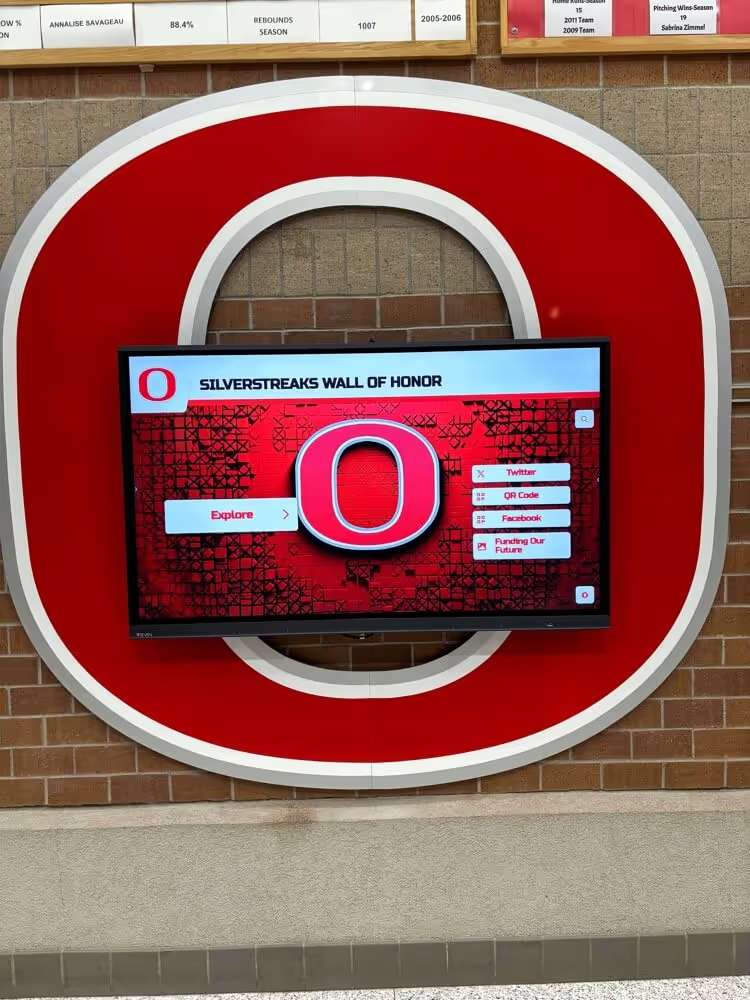
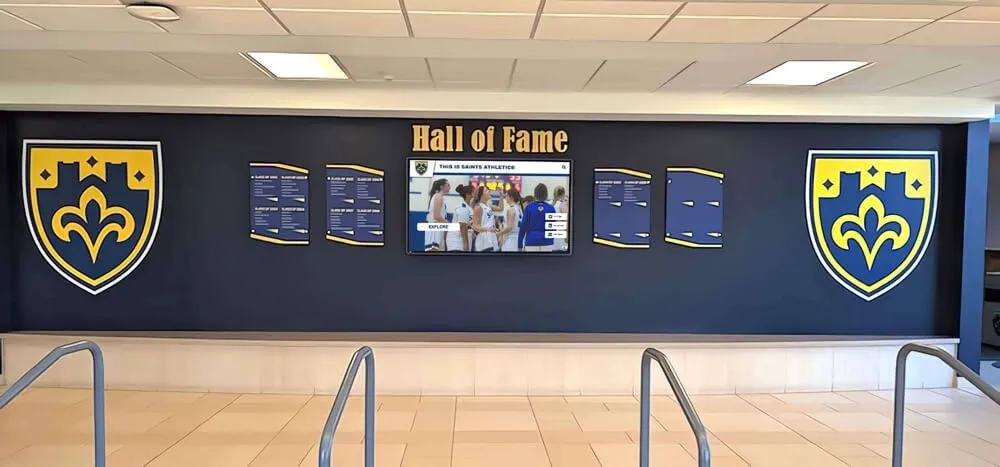
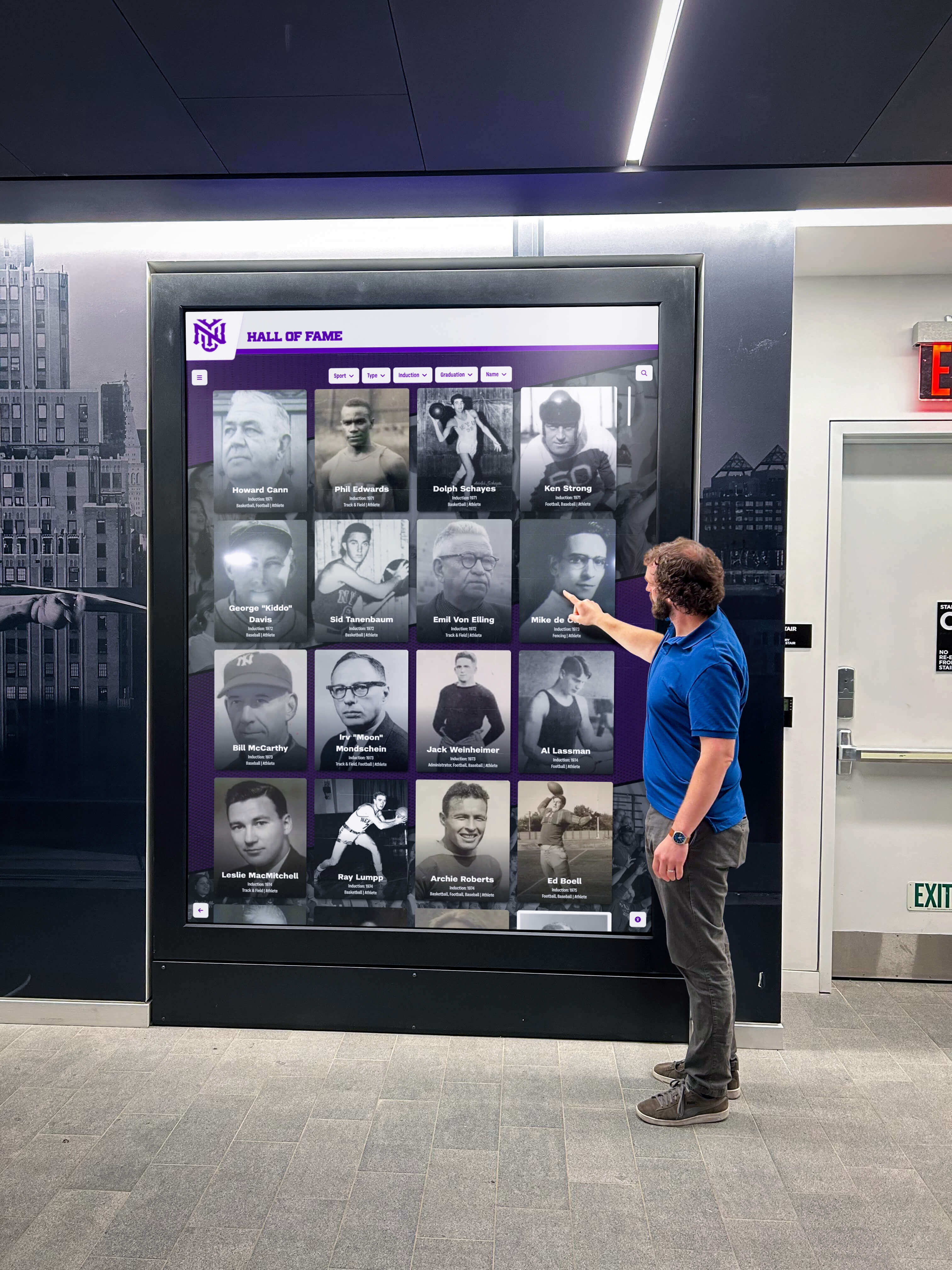
Hallway honor walls that combine visual branding with digital displays create lasting recognition spaces that tell richer stories than plaques alone
Building a Student Government Recognition Wall
A dedicated student government recognition wall transforms the lobby, main hallway, or student center into a permanent testament to elected leadership. Done well, it becomes one of the most visited spaces in the school — a place where current students see who served before them and aspire to join that tradition.
Choosing the Right Location
Location is the most consequential physical decision. The goal is maximum visibility for the people who matter most: current students who might aspire to leadership, prospective families touring the school, and alumni returning for reunions or events.
High-impact placement options:
- Main entrance lobby or foyer — captures every visitor immediately upon arrival
- Outside the principal’s or main office — signals that student leadership holds institutional standing
- Adjacent to the gymnasium or auditorium — reaches large student gatherings
- Near the student council meeting room — creates contextual pride in the space where governance happens
Avoid locations that feel like afterthoughts: back hallways, storage-adjacent spaces, or areas only navigated during class changes. The placement communicates the school’s regard for student leadership as clearly as any inscription.
Elements of an Effective Recognition Wall
A well-designed student government wall tells stories, not just names. Consider including:
Individual officer profiles with name, position, year served, and a brief description of key accomplishments during their term. What events did they organize? What policies did they advocate for? What changed?
Photographs that humanize the recognition. A professional-quality headshot transforms a name on a list into a person — and gives future students a face to associate with the achievement.
Class and organization context that connects individual officers to the broader student government structure. Recognizing the full council rather than only the president reflects the collaborative nature of elected governance.
Historical continuity that links current officers to the tradition going back years or decades. A recognition display that shows the full lineage of student leaders creates a powerful sense of institutional memory.
Election results or tenure highlights such as voter turnout, signature events organized, or budget figures managed — concrete details that give the recognition weight and specificity.
For schools considering how to digitize old yearbooks to populate historical recognition displays, there are clear step-by-step processes for incorporating archival photos and records into modern display systems.
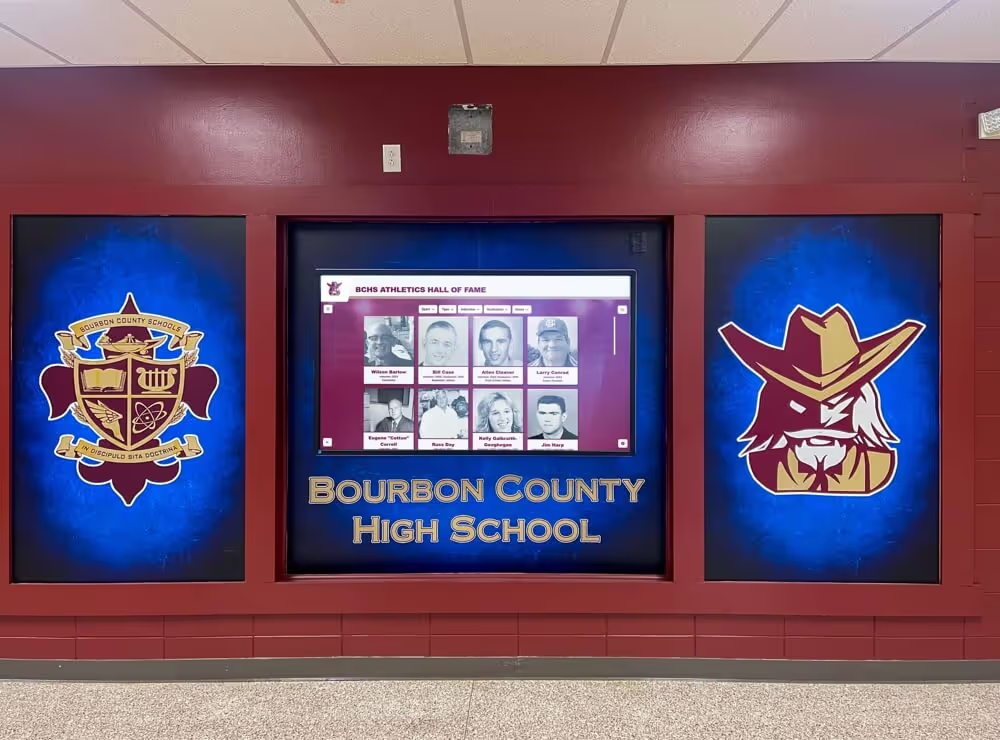
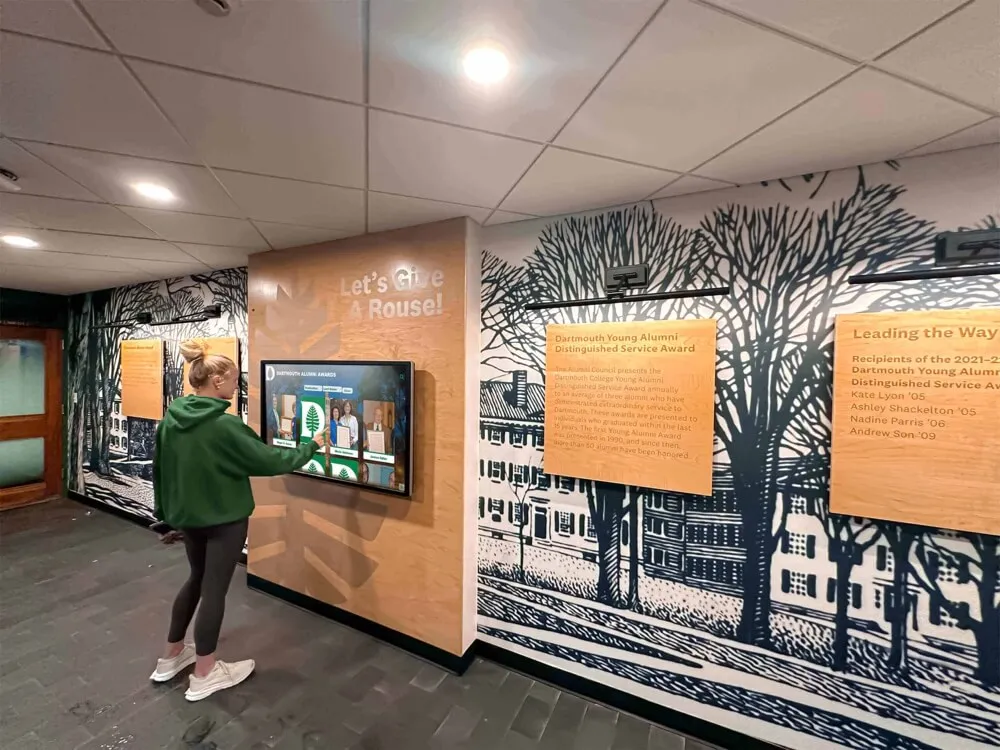
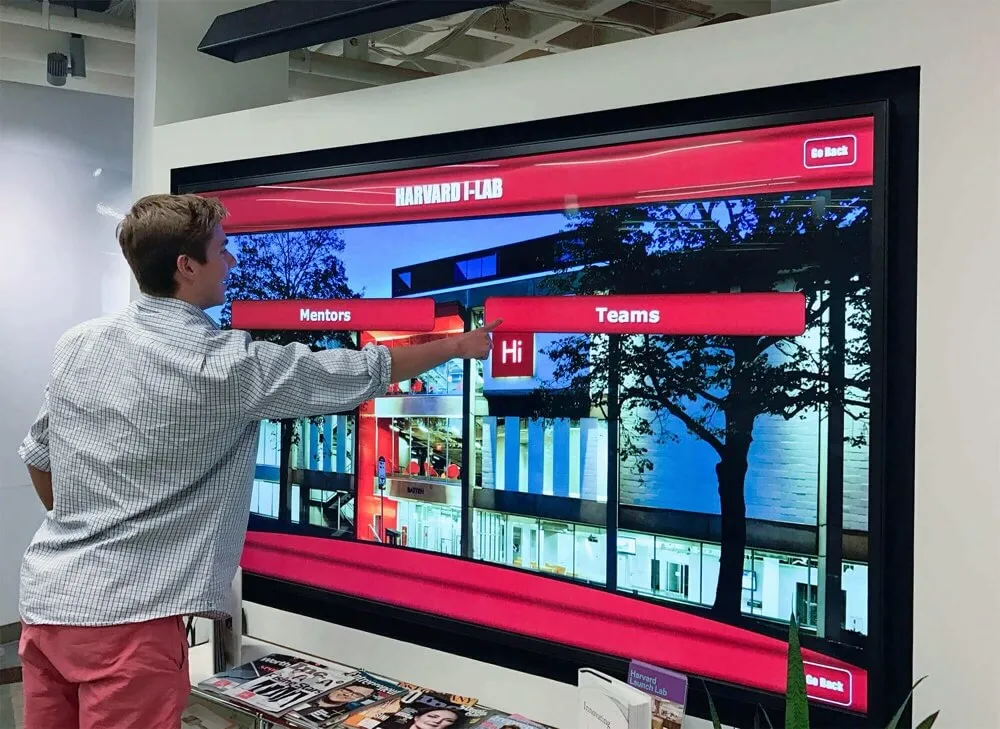
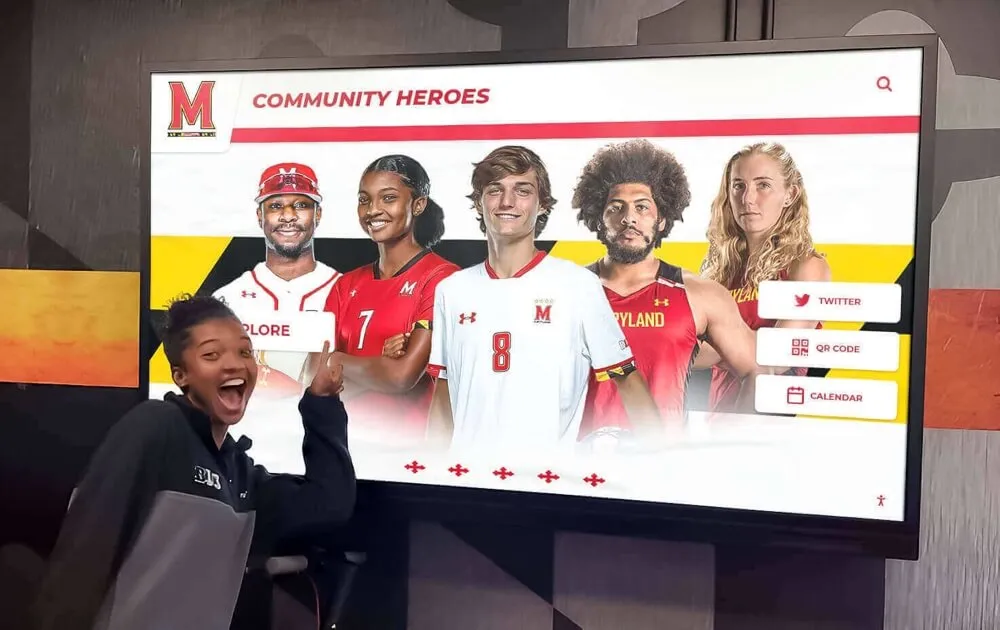
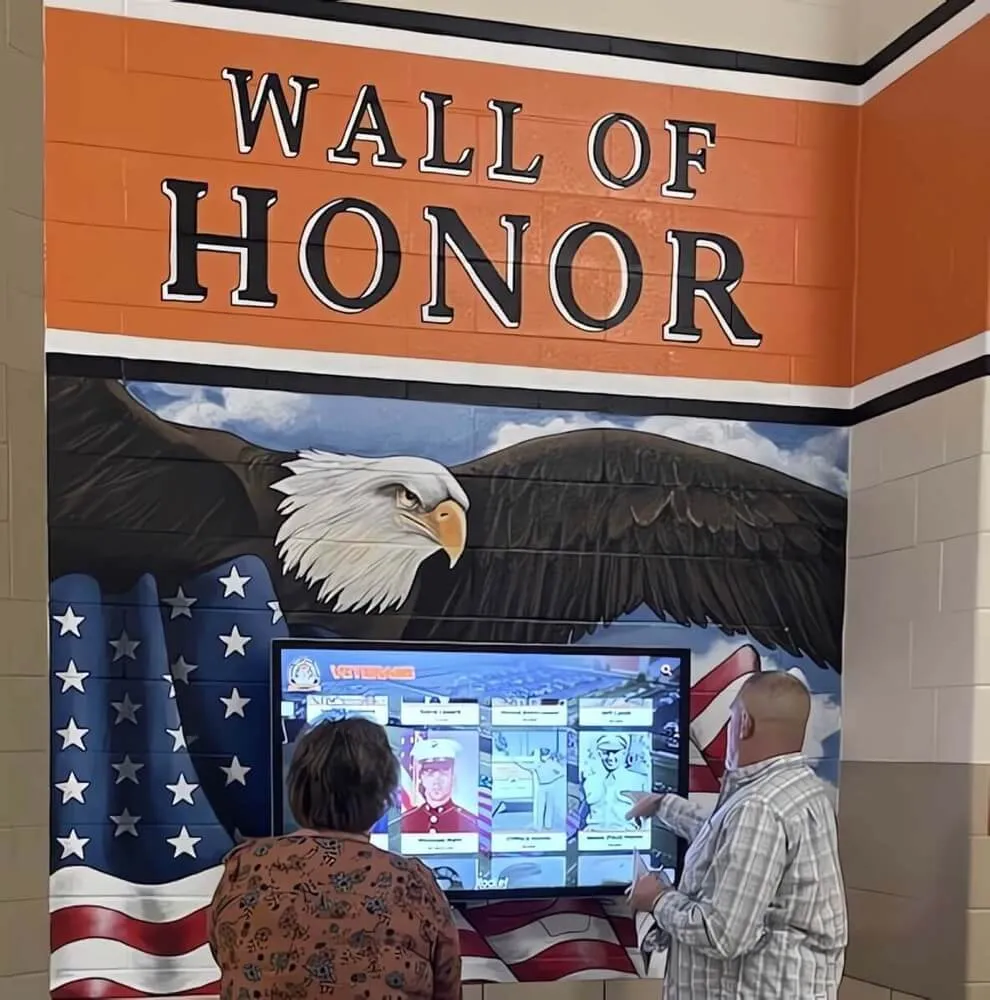
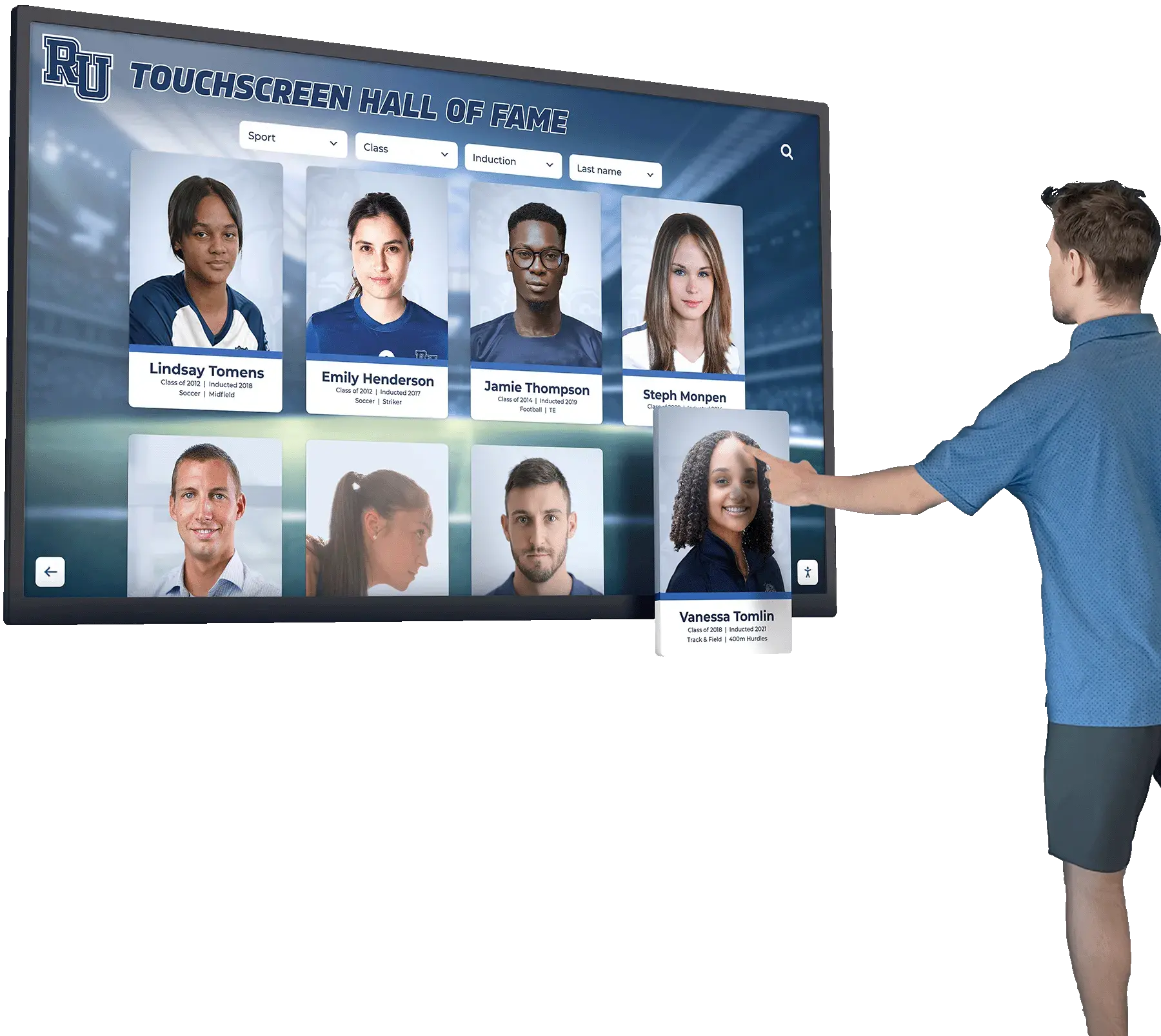
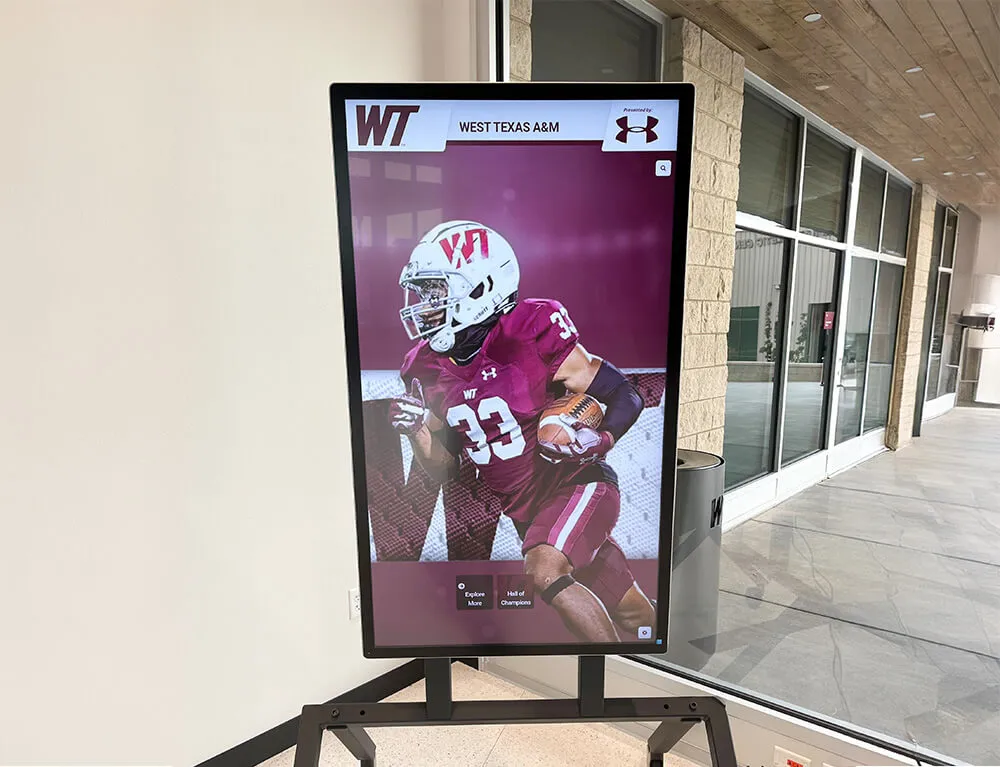
Interactive touchscreen displays invite exploration — visitors can search by year, position, or name to discover the full history of student leadership at a school
Digital Recognition Displays for Student Government Officers
The most significant evolution in school recognition over the past decade is the move from static physical displays toward interactive digital systems. For student government recognition specifically, digital displays solve nearly every limitation of traditional approaches.
What a Digital Student Government Display Can Do
Unlimited capacity without redesign. A traditional plaque wall eventually runs out of space. Digital displays hold the complete history of every officer who has ever served — organized, searchable, and expandable without any physical modification.
Rich profiles beyond names and dates. Each officer’s digital profile can include their photo, a biography, a list of accomplishments, quotes from teachers or peers, links to event photos or videos, and context about what was happening in the school during their term. This is the difference between a name on a wall and a story worth remembering.
Searchability and browsing. A touchscreen system lets current students search for their older sibling who served as class president three years ago, or browse all the treasurers who came before to understand the financial history of student activities. This exploratory quality makes recognition interactive rather than passive.
Annual updates in minutes, not months. Adding a new class of officers to a digital system takes a content update — no contractors, no physical plaques to engrave, no waiting. Schools can recognize students in the same week as end-of-year elections rather than months later.
Web accessibility for families and alumni. Digital systems with online portals mean that a grandparent in another state can see their grandchild’s officer profile and share it through social media. Recognition that travels matters more than recognition that stays on a wall.
For schools evaluating digital recognition options, the digital hall of fame buying guide for high schools walks through hardware specifications, software features, and evaluation criteria in accessible detail.
Integrating Student Government with Broader Recognition Systems
Student government recognition doesn’t need to live in isolation. The most effective school recognition programs integrate multiple achievement categories — academic, athletic, artistic, and leadership — into a cohesive system that reflects the full picture of what students accomplish.
A single interactive display can showcase:
- Student government officers organized by year and position
- National Honor Society inductees alongside class officers
- Academic award recipients and honor roll achievers
- Athletic hall of fame honorees and team champions
- Arts and performing arts standouts
This integration sends a powerful message: student success takes many forms, and all of them are worth celebrating permanently. Schools that have implemented these systems find that students visit the displays regularly — not just when their own class is featured, but to explore the full history of achievement at their school.
The guide on how to highlight student accomplishments covers frameworks for integrated recognition that applies directly to combining student government with other achievement categories.
See How Rocket Alumni Solutions Recognizes Student Leaders
Rocket's interactive touchscreen systems let schools create permanent, searchable, annually updated recognition displays for student government officers, class councils, and student organizations — with professional profiles that tell the full story of each leader's service.
Explore Student Recognition SolutionsDesigning Your Student Government Recognition Program
A recognition program is only as effective as the process behind it. Schools that sustain meaningful recognition over years build systems — not just one-off displays — with clear ownership, consistent workflows, and regular maintenance.
Decide What You’re Recognizing
Before designing a display, clarify what the program is meant to celebrate:
- All student government members, including senators and committee chairs — or only elected executive officers?
- Class councils separately from the school-wide government — or integrated into a single display?
- Accomplishments during the term, or simply the fact of election and service?
- Historical officers going back decades, or only recent years?
There are no universally right answers. A smaller school with a tightly organized council might feature every officer in a single cohesive display. A larger school with four class councils plus a school-wide SGA might need a more structured system with category navigation. Deciding the scope upfront prevents the program from feeling incomplete or inconsistent.
Develop a Content Collection Workflow
Recognition content doesn’t appear on its own. Someone needs to collect it consistently each year. Build a simple workflow into the student government calendar:
Photos: Schedule a formal photo session for all officers within the first month of the school year, while the academic year is still fresh. Professional or semi-professional quality photographs make a significant difference in how recognition feels.
Bios and accomplishments: Create a simple template that each officer completes at the end of their term — a paragraph about their role, their key project, a quote about their experience. This takes twenty minutes but creates content that will live in the display for decades.
Advisor review: The student government advisor or assistant principal reviews content for accuracy and tone before publication.
Annual update timeline: Build the recognition update into the end-of-year calendar so it happens as a matter of process, not as an afterthought during summer.
Physical and Digital Integration
Many of the most effective recognition programs combine physical and digital elements:
Physical layer: Custom murals or branded wall graphics that establish the visual identity of the recognition space — school colors, mascots, taglines, and design elements that signal “this space belongs to student leaders.”
Digital layer: Touchscreen displays mounted within or adjacent to the physical installation that carry the searchable, updatable content: officer profiles, photos, accomplishments, event archives, and historical records.
This combination gives schools the permanence and visual impact of a traditional wall of fame alongside the flexibility and depth of a digital system. For schools exploring this combination, the guide on digital school history timelines explains how schools integrate digital records with physical installations to create complete institutional memory spaces.
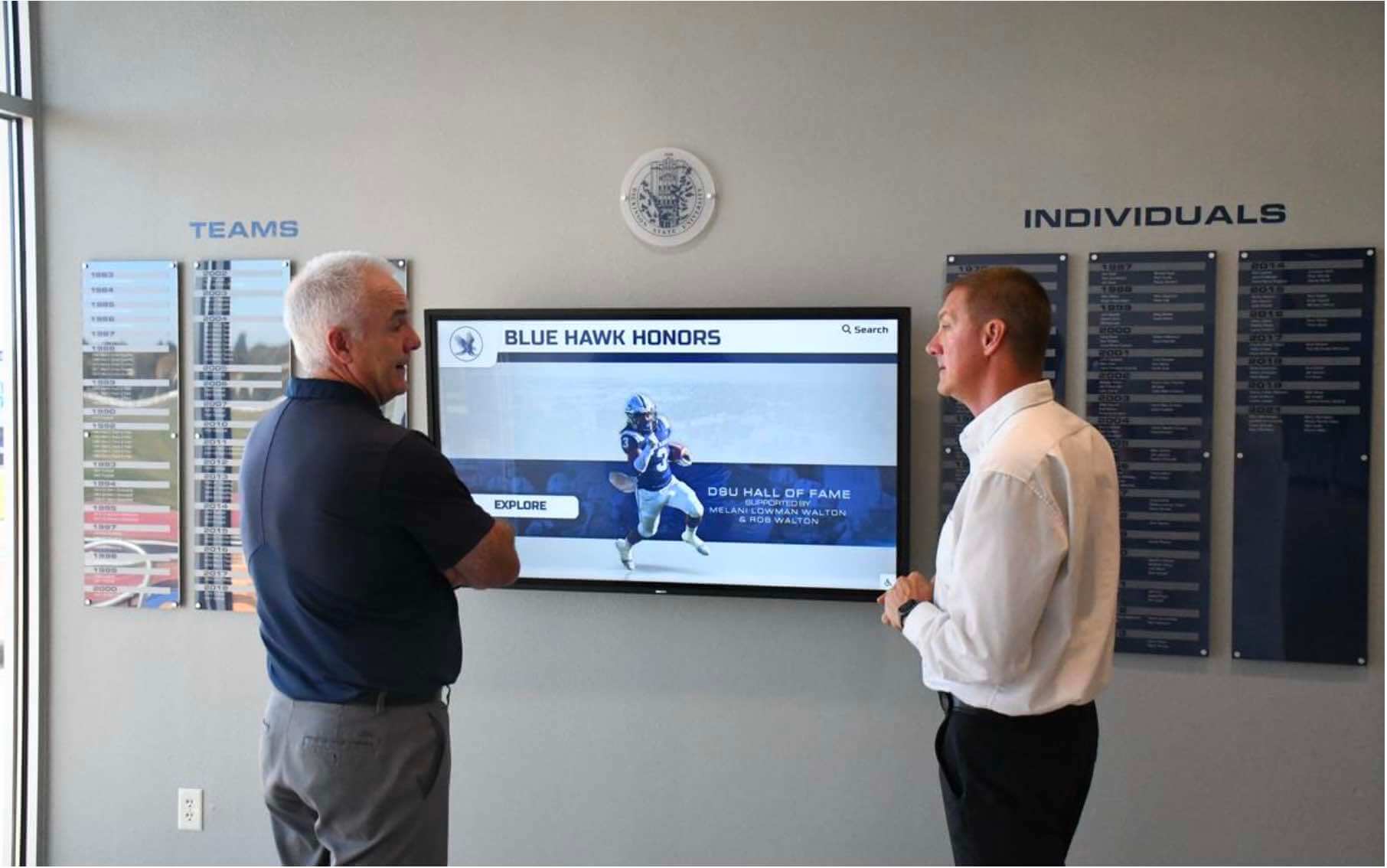
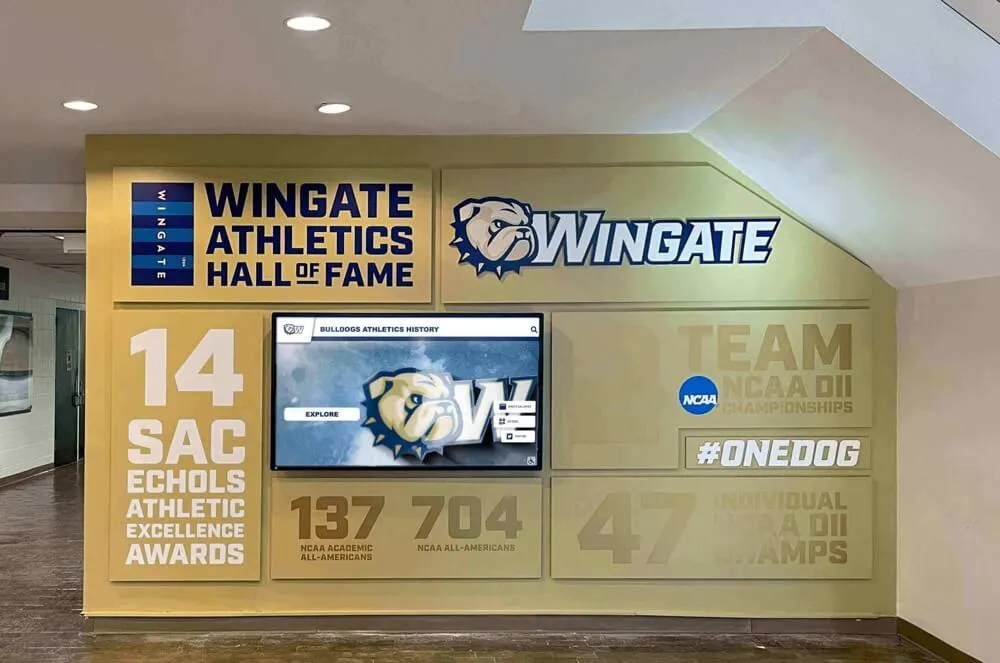
Digital displays invite organic browsing and conversation — visitors regularly spend multiple minutes exploring the full history of student leadership and achievement
End-of-Year Recognition Events for Student Government
The recognition wall is a permanent structure, but end-of-year events create the ceremonial moment when service is formally celebrated. These events — banquets, assemblies, induction ceremonies — matter as human experiences even when the physical display endures beyond them.
Elements of a Meaningful Recognition Ceremony
Personalization over generality. The difference between a meaningful ceremony and a forgettable one is specificity. Reading a generic officer’s name and position takes ten seconds. Sharing one moment from their term — an event they championed, a challenge they navigated, a quote from a peer or administrator — creates a memory.
Peer and advisor testimonials. Brief statements from classmates, the student government advisor, or the principal add dimension that self-reported accomplishments alone cannot. A peer saying “she turned a failed homecoming theme into the best event we’ve had in years” tells a more compelling story than any certificate.
Tangible recognition artifacts. Certificates, plaques, branded awards, or items specifically designed for the occasion give officers something to take home. For ideas on award designs and formats, the guide on academic recognition programs covers a range of recognition artifact formats schools can adapt.
Family inclusion. Inviting parents and guardians to end-of-year recognition events amplifies the celebration significantly. Officers who are recognized in front of their families remember the moment differently than those recognized only in front of peers.
Transition rituals. Some schools have outgoing officers formally pass their responsibilities to incoming ones — a symbolic transfer that dignifies both the departing and arriving leaders and reinforces the continuity of the student government tradition.
Connecting the Ceremony to the Permanent Display
The most effective schools create a direct link between the end-of-year ceremony and the permanent recognition display. At the ceremony, advisors can announce that all officers will be permanently featured on the school’s recognition wall — directing families and guests to visit the display after the event. This transforms a temporary ceremony into a gateway to permanent recognition.
Schools that use digital systems can go further: featuring officers in the digital display before the ceremony, so the recognition is live and searchable the day it’s celebrated. Families can pull up a grandchild’s profile on their phones during the banquet itself.
For complete banquet planning ideas that connect recognition events to year-round programs, the resource on end-of-season banquet ideas covers event elements applicable to both athletic and academic-leadership recognition contexts.
Connecting Student Government Recognition to School History
One of the most underutilized opportunities in student government recognition is the historical dimension. Current officers are part of a lineage — every school that has had student government for decades has a roster of former leaders who shaped what the school became.
Building an Archive of Student Leadership
Schools with digital recognition systems can build searchable archives of student government officers going back as far as records exist. This archive:
- Honors the service of alumni who were never formally recognized beyond their yearbook appearance
- Creates a compelling narrative of institutional history that prospective families find meaningful
- Gives current officers perspective on the tradition they’re joining — their place in a lineage rather than a standalone moment
- Provides alumni engagement opportunities as former officers reconnect with their school’s leadership history
Using Yearbooks and Historical Records as Sources
Many schools have complete yearbook archives going back fifty years or more. These records contain officer names, photos, and sometimes descriptions of annual programs. Digitizing these records and incorporating them into a recognition system creates historical depth that no new program can replicate immediately.
The resource on best school history software for managing alumni records addresses how schools build searchable alumni databases from historical records — a tool particularly well-suited for archiving student government officers across decades of institutional history.
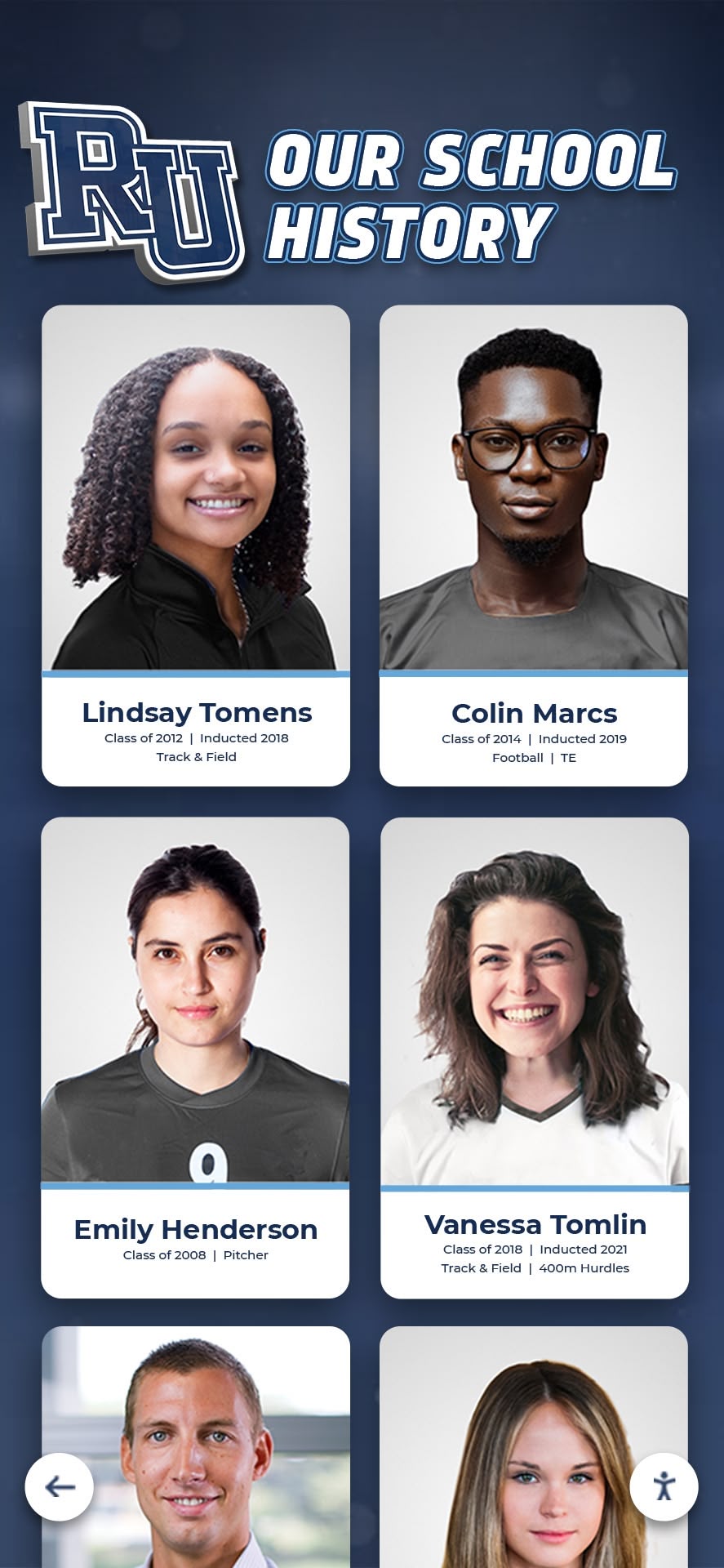
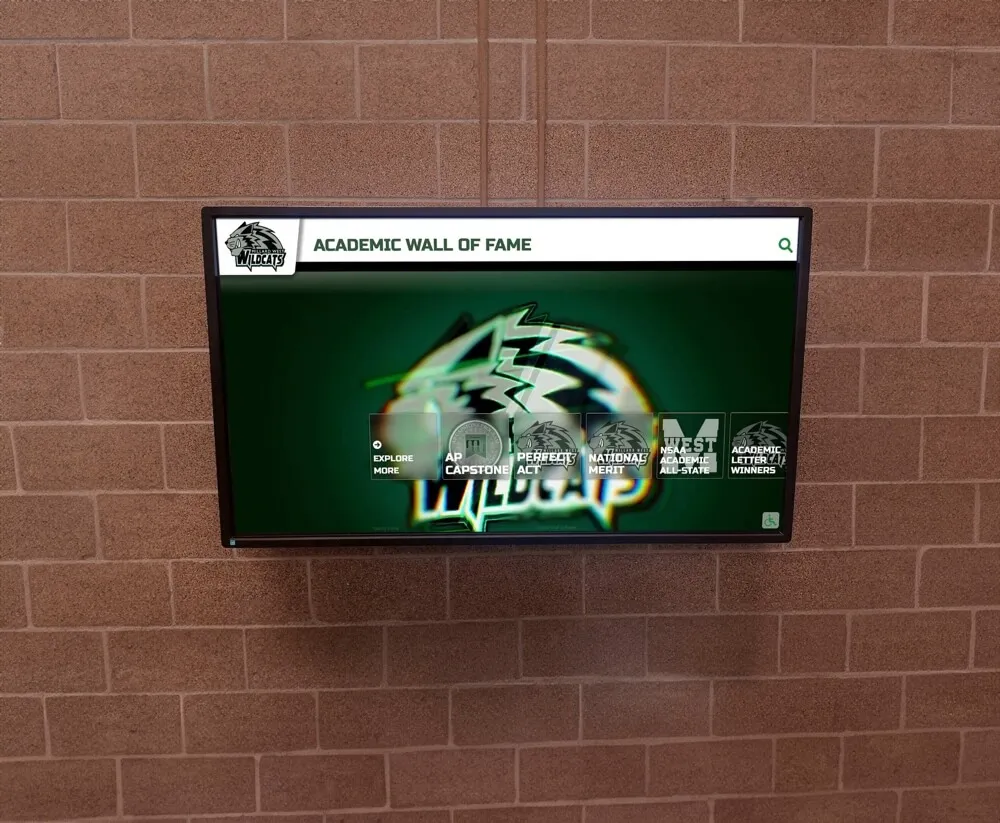
Portrait-style recognition cards organized by year create visual archives that connect current students with decades of school leadership history
Frequently Asked Questions About Student Government
What is the purpose of student government?
Student government exists to give students a formal, organized voice in decisions that affect their school experience, and to provide a structured vehicle for organizing student-led programs and events. It teaches democratic participation, develops leadership skills, and creates bridges between students and school administration. For schools, it distributes the work of student culture-building across a dedicated team rather than relying solely on administrators.
What positions are in student government?
The core positions in most student governments are president, vice president, secretary, and treasurer — elected by the student body at large. Many schools also include grade-level class officers (each grade elects its own set of the same four positions), senators or representatives who attend meetings and serve on committees, and committee chairs overseeing specific areas like community service, school spirit, or communications.
Is student government good for college applications?
Yes — student government leadership is widely recognized by college admissions offices as meaningful evidence of leadership capability, civic engagement, and peer trust. Officers can speak specifically to accomplishments during their term, making their applications more concrete and compelling. The benefit increases when officers can describe what they organized, changed, or built — which is why comprehensive recognition programs that document accomplishments serve students well beyond the school experience itself.
How does student government get funding?
Funding mechanisms vary by school and district. Common sources include: a portion of the general activity fee collected from students at enrollment, proceeds from school fundraisers organized by student government, proceeds from events (dances, spirit weeks, etc.), and in some cases district budget allocations specifically for student activities. The treasurer manages these funds according to district financial policy, typically with advisor oversight.
How should schools recognize student government officers?
The most effective approaches combine permanent recognition (a hallway display, digital profile, or yearbook feature that lasts beyond the school year) with ceremonial recognition (an end-of-year banquet, assembly, or awards event). The permanent record provides something officers can reference for years; the ceremony creates the human moment of celebration. Schools that do both create recognition experiences that are both meaningful in the moment and lasting in the record.
What’s the difference between student government and student council?
The terms are largely interchangeable and are used differently across regions and school levels. “Student council” is more common at the elementary and middle school levels; “student government” or “student government association (SGA)” is more common at high schools and colleges. Some schools use “associated student body (ASB)” in the western United States. The structures and purposes are similar across all naming conventions — a body of elected student representatives responsible for governance, events, and student advocacy.
How do digital recognition displays improve student government recognition?
Traditional recognition formats — plaques, bulletin boards, yearbook entries — are either temporary or provide very limited information per officer. Digital recognition displays allow schools to include photos, biographies, lists of accomplishments, event archives, and historical records in searchable profiles that can be updated annually without physical modification. They extend recognition online so families everywhere can access it, and they create historical archives connecting current officers to the full lineage of student leadership at the school.
Conclusion: Student Government Recognition That Matches the Work
Student government officers do serious work. They run campaigns, manage budgets, navigate disagreements, organize events that define school years, and spend hundreds of hours in service to communities that often don’t fully see what goes into those contributions. They deserve recognition that matches the seriousness of that service.
A well-designed recognition program for student government doesn’t require a major capital investment. It requires intentionality — a clear sense of what you’re celebrating, a consistent workflow for collecting content, and a display format that gives the recognition permanence. Whether that means a physical wall with updated panels, a digital touchscreen system with searchable profiles, or a combination of both, the goal is the same: make student leadership visible, specific, and lasting.
The school that maintains a searchable archive of every student government officer who has served over the past three decades is telling a story about what it values. The student who finds her mother’s officer profile from 1998 on a school hallway touchscreen is experiencing that story in a way that connects generations and deepens school identity. That’s what great recognition accomplishes.
For schools ready to build or upgrade their student government recognition programs, resources on digital trophy cases for schools, digital wall of fame systems, and turnkey digital display pricing provide starting points for planning a recognition strategy that does justice to elected student leaders.
Honor Your Student Leaders With a Recognition System Built to Last
Rocket Alumni Solutions builds interactive touchscreen recognition walls, digital displays, and web-accessible archives that permanently celebrate student government officers and class leaders. Annual updates take minutes. Profiles tell complete stories. And the recognition lives beyond any single school year.
Get a Custom Recognition Preview