



Every school administrator asks the same fundamental question: what makes a successful student? While test scores and GPAs provide measurable data points, truly successful students demonstrate a constellation of traits that extend far beyond academic metrics. These qualities—ranging from intellectual curiosity to collaborative skills to resilience in facing challenges—shape students who not only excel in classrooms but also become engaged citizens, effective professionals, and lifelong learners.
The challenge facing educators involves not just identifying these success traits but consistently reinforcing them through visible, meaningful recognition that motivates students to develop these characteristics throughout their educational journey. Many schools inadvertently emphasize narrow achievement measures like perfect attendance or honor roll status while overlooking equally important qualities such as creative problem-solving, ethical leadership, or growth mindset development.
This comprehensive guide identifies 12 essential traits that define student success from a school administrator’s perspective, then explores how recognition programs—particularly modern digital display systems—can celebrate and reinforce these characteristics campus-wide. By understanding what truly makes students successful and implementing strategic recognition approaches, schools create cultures where diverse forms of excellence receive the visibility and celebration they deserve.
Successful students demonstrate multifaceted excellence that transcends any single measure. Schools that recognize this complexity implement comprehensive recognition systems celebrating academic achievement alongside character development, creative contributions, leadership growth, and personal resilience. When institutions make these diverse success traits visible through strategic recognition programs, they send powerful messages about what the school community genuinely values.

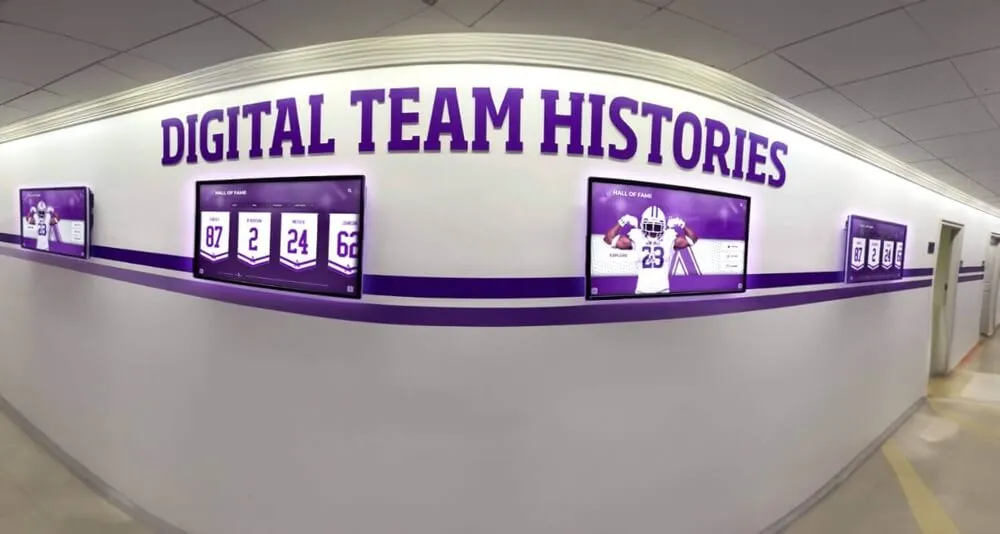
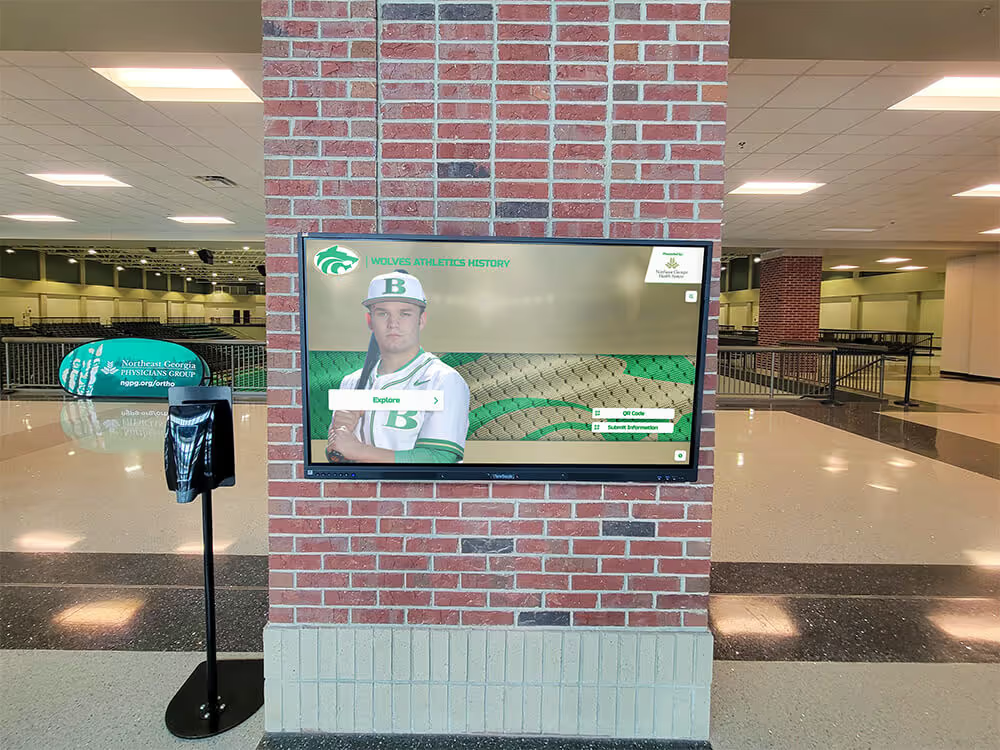
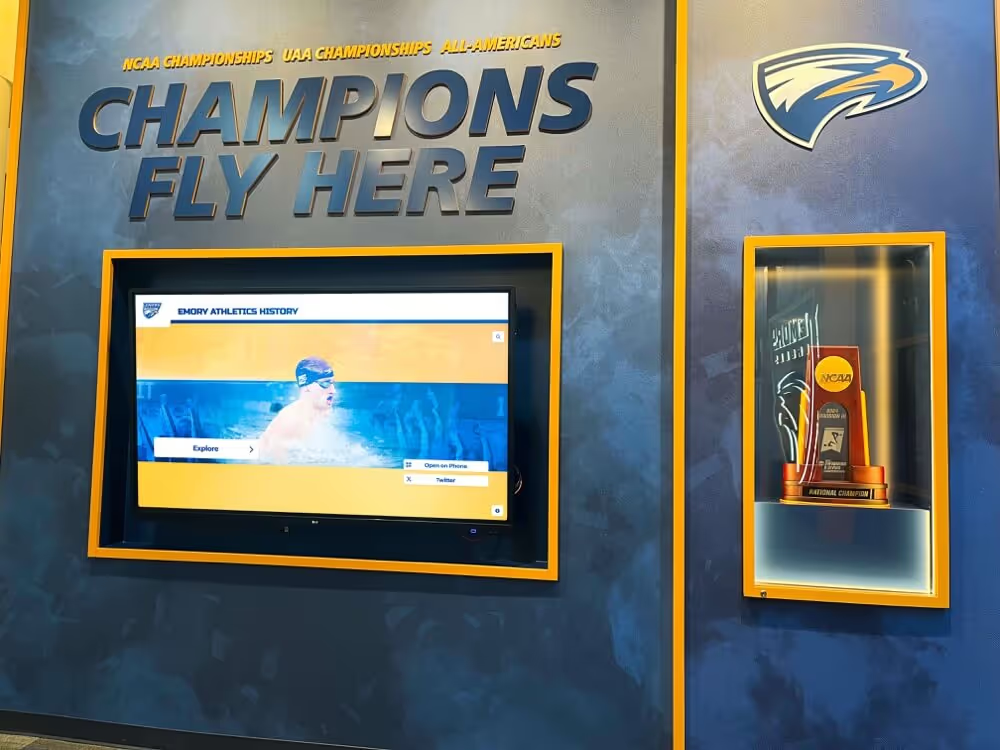
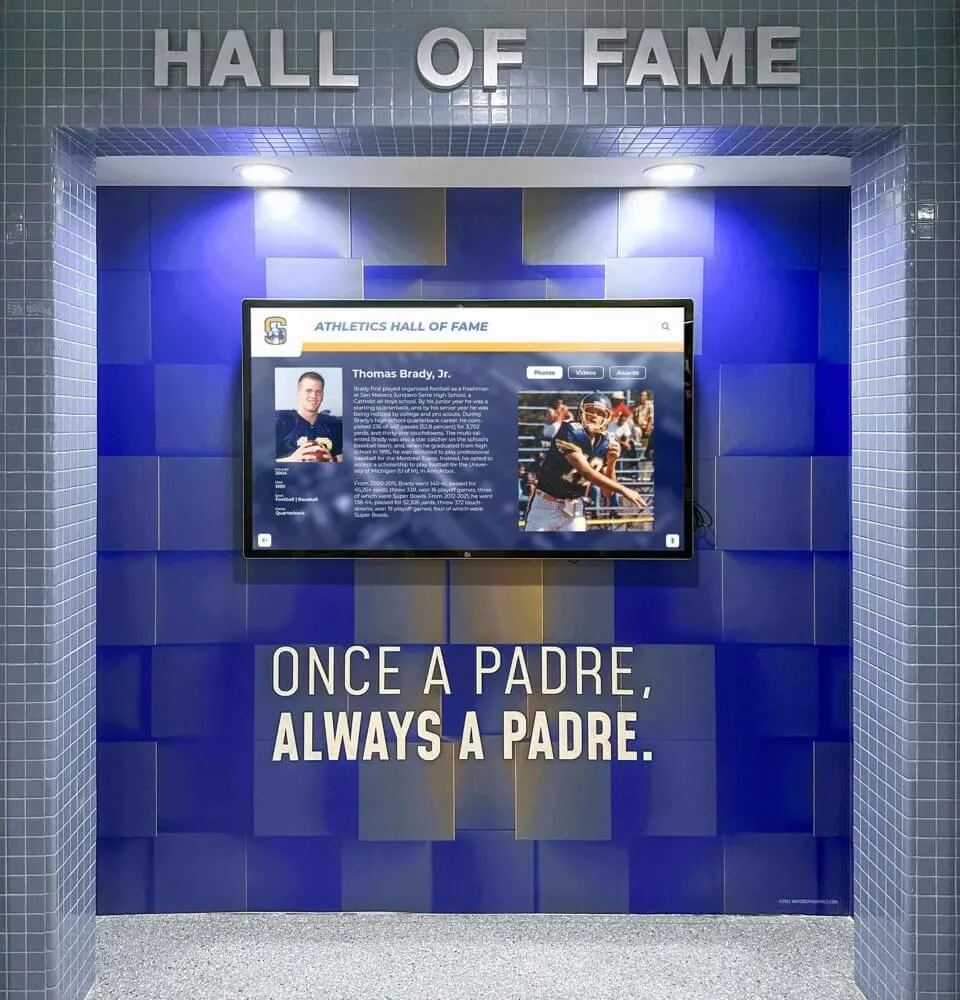
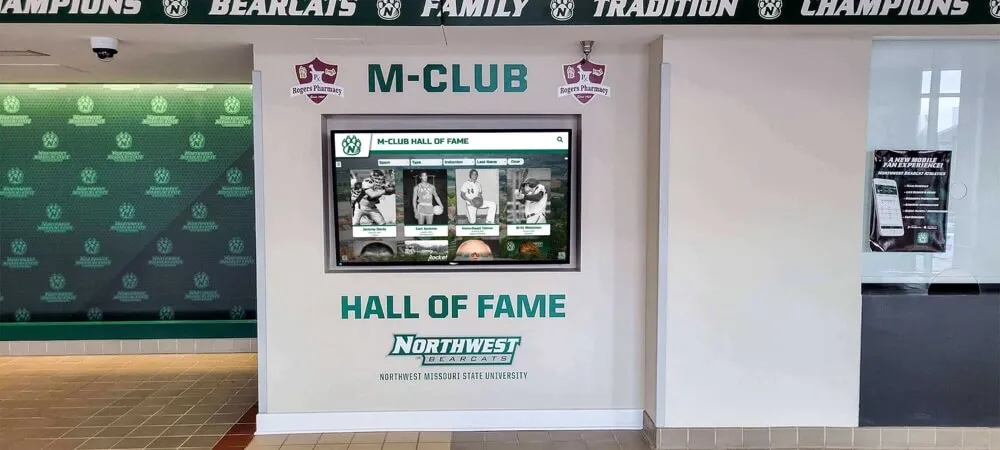
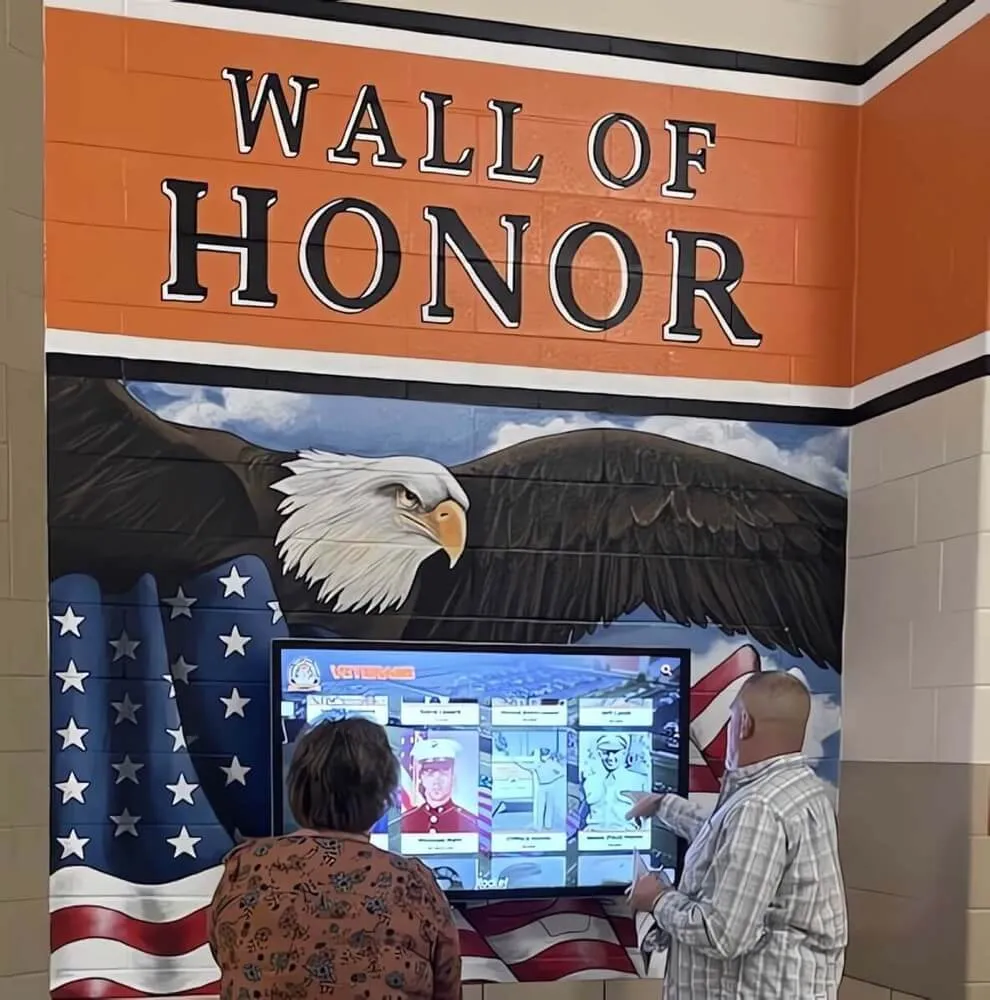
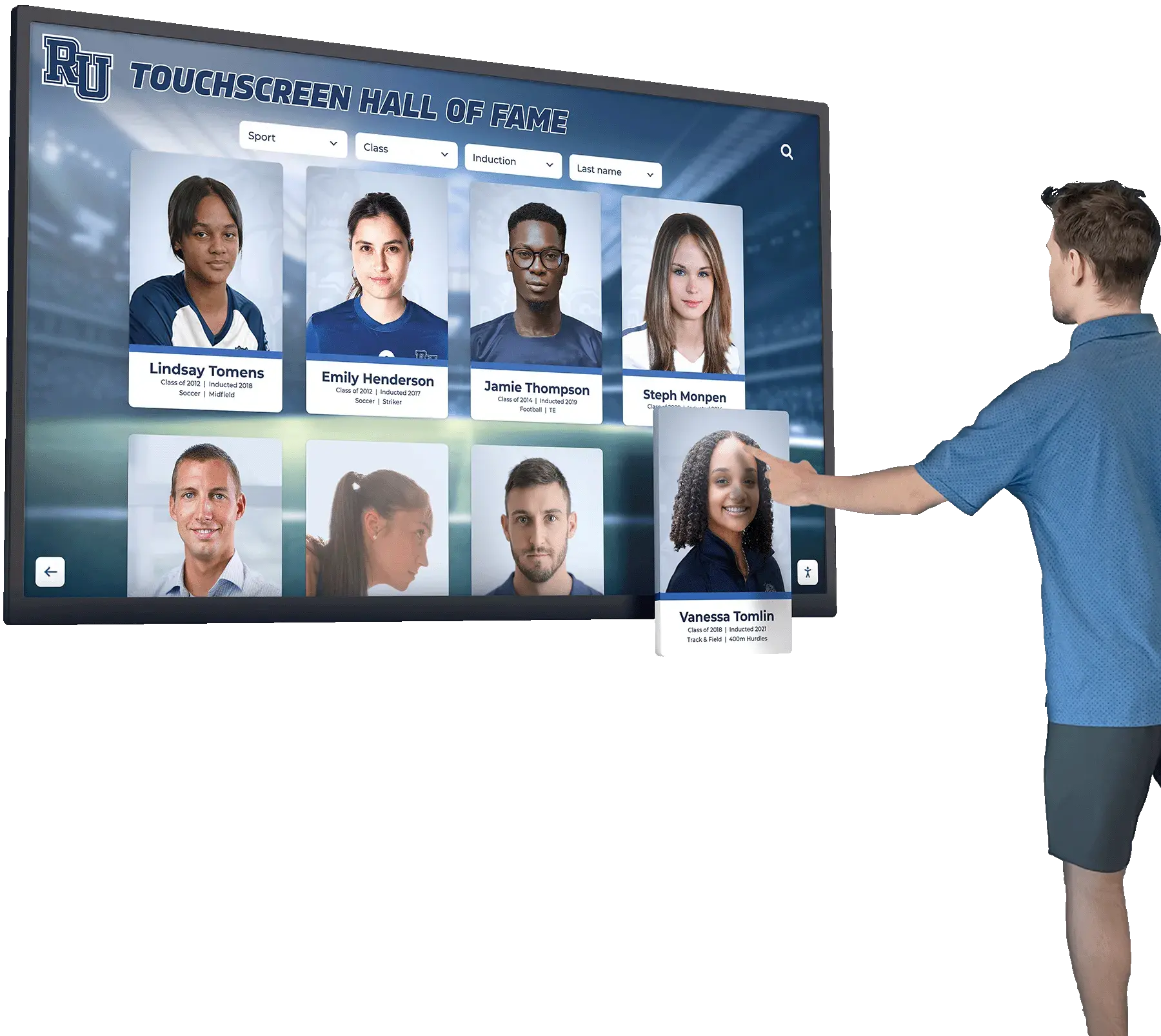
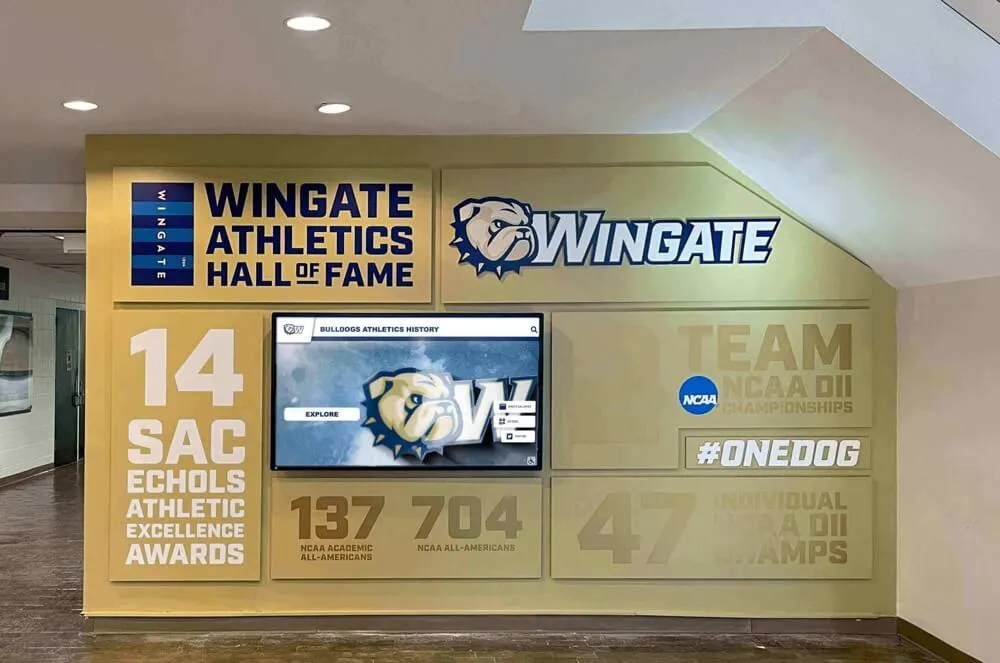
Modern recognition displays create gathering spaces where students see diverse forms of success celebrated, reinforcing the multifaceted nature of student achievement
1. Academic Excellence and Intellectual Curiosity
Academic achievement remains a cornerstone of student success, but the trait extends beyond grade accumulation to encompass genuine intellectual curiosity and love of learning.
Beyond GPA: Recognizing True Academic Engagement
Successful students don’t simply memorize information for tests—they ask probing questions, pursue knowledge beyond curriculum requirements, and demonstrate sustained engagement with challenging material. Schools can recognize this trait through multiple approaches:
Honor Roll and Academic Letter Programs celebrate students maintaining strong academic performance across multiple semesters. Unlike single-semester achievements, sustained excellence demonstrates genuine intellectual commitment. Many schools now implement academic letter awards parallel to athletic programs, sending clear messages that intellectual accomplishment deserves equivalent recognition.
Subject-Specific Excellence Awards honor students demonstrating exceptional mastery or passion within particular disciplines—mathematics, literature, science, history, or fine arts. Department awards celebrate depth of engagement alongside breadth of achievement.
Research and Innovation Recognition highlights students pursuing independent projects, science fair participation, academic competition achievements, or creative scholarship beyond standard coursework. These recognitions acknowledge that intellectual curiosity manifests through exploration and discovery.
Advanced Coursework Completion celebrates students challenging themselves through AP courses, dual enrollment programs, or honors curricula. Schools can recognize course completion, exam performance, and the cumulative achievement of earning AP Scholar designations.
Schools implementing comprehensive academic recognition understand that celebrating diverse forms of intellectual engagement—from perfect test scores to passionate research projects—creates cultures where learning itself becomes the reward.
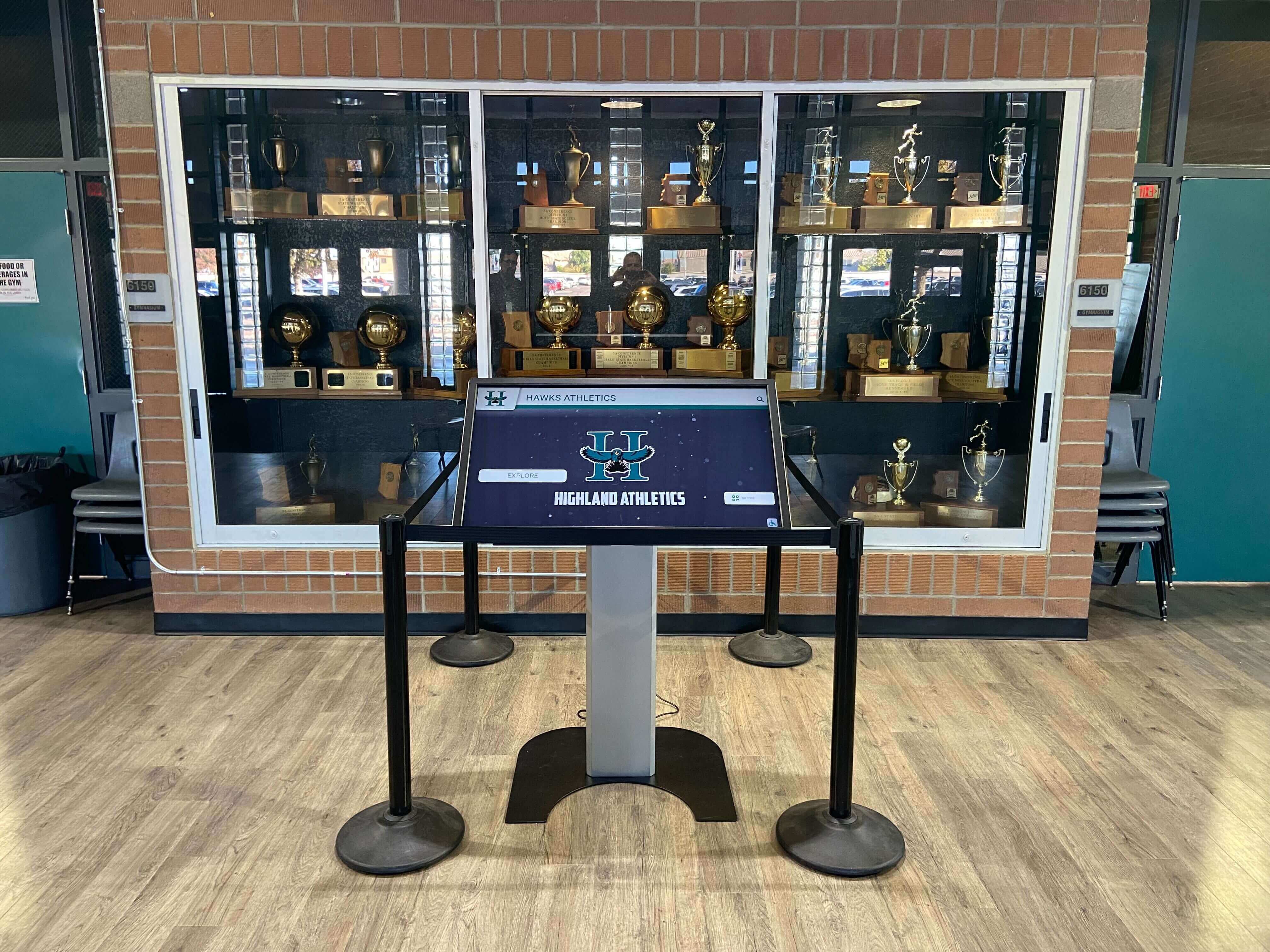
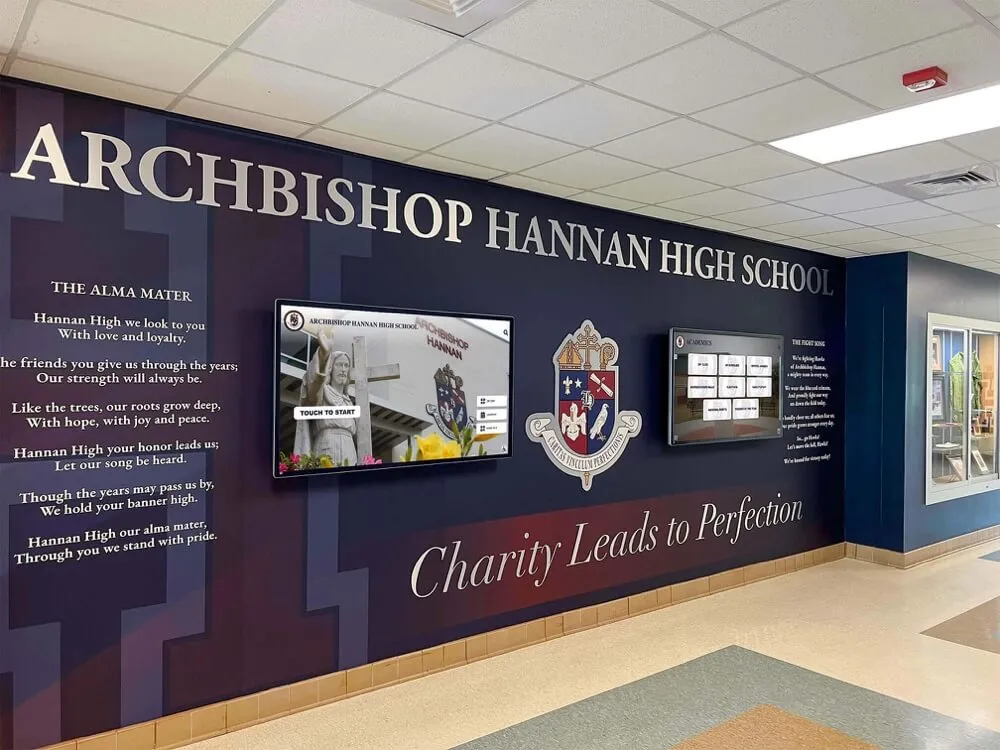
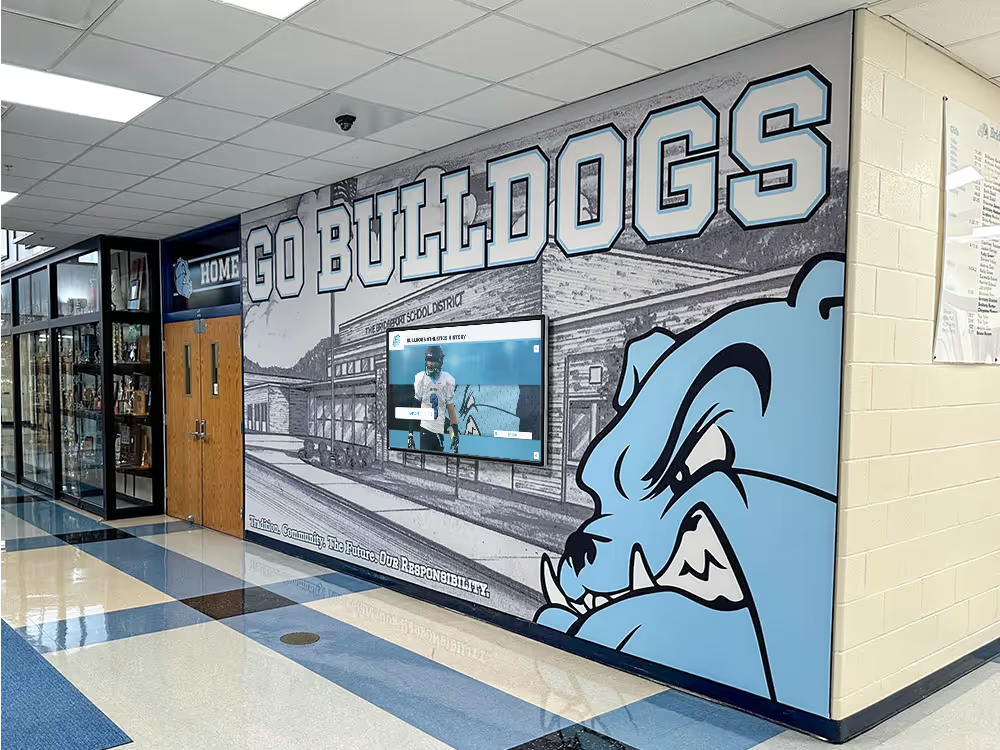
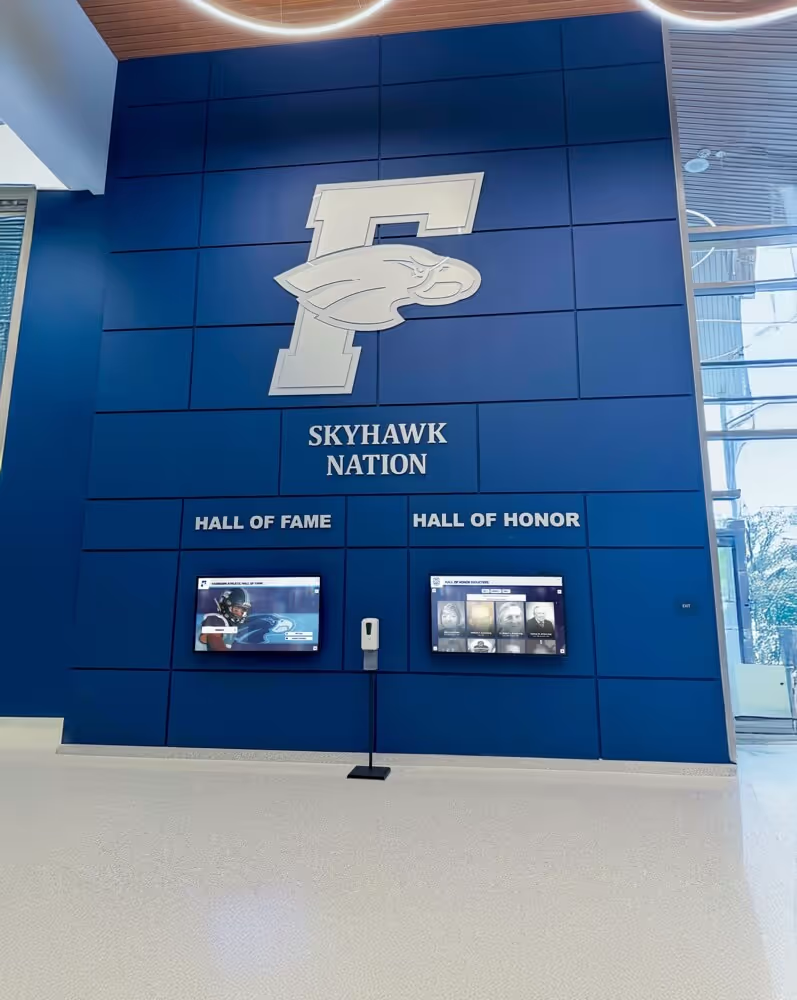
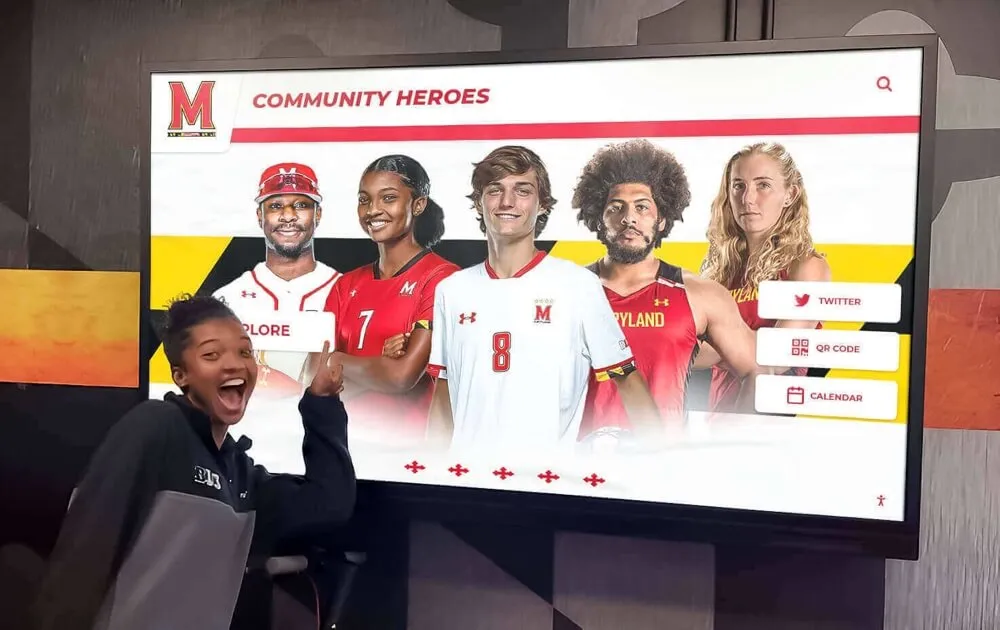
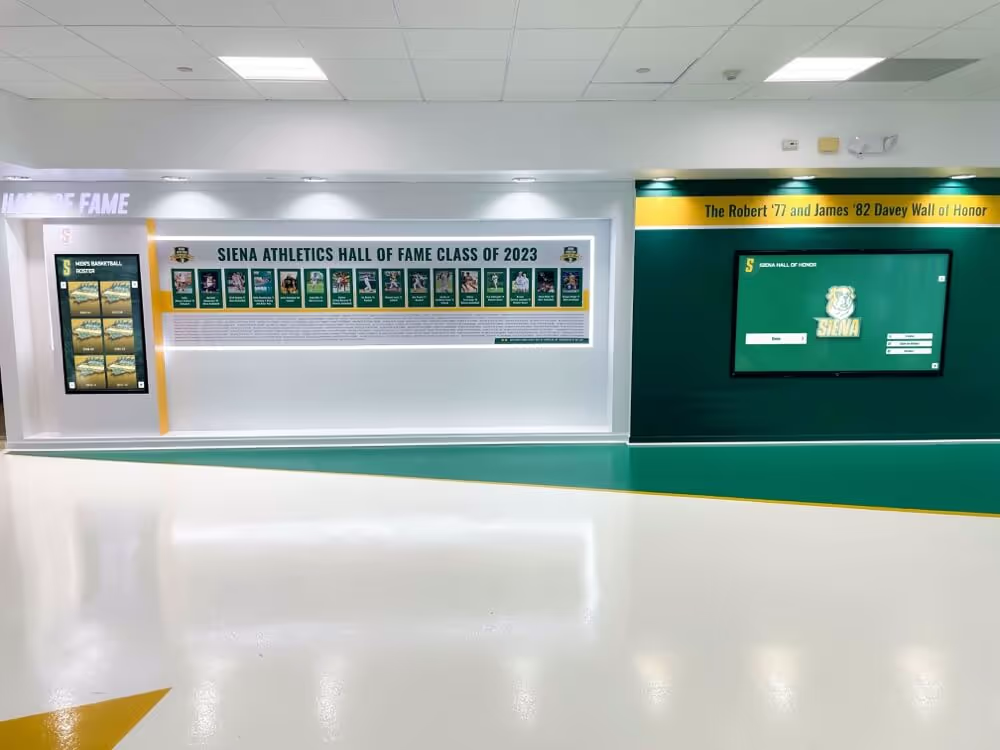
Interactive recognition displays allow schools to showcase academic achievers alongside athletic accomplishments, demonstrating institutional commitment to celebrating intellectual excellence
2. Consistent Effort and Strong Work Ethic
While natural ability contributes to student success, sustained effort and disciplined work habits ultimately determine achievement levels across educational careers.
Recognizing Process Over Outcome
Successful students understand that consistent daily effort produces results. They complete assignments thoroughly, prepare diligently for assessments, and maintain organized approaches to learning. Schools can celebrate work ethic through:
Most Improved Awards recognize students demonstrating significant academic growth, acknowledging that effort drives improvement. A student raising their GPA from 2.5 to 3.2 exhibits work ethic worthy of celebration alongside students maintaining 4.0 averages.
Perfect or Excellent Attendance Recognition celebrates the disciplined commitment to showing up consistently. While some critique attendance awards, regular presence in learning environments demonstrates personal responsibility and commitment to education.
Assignment Completion Honors acknowledge students consistently submitting quality work on time throughout grading periods. This recognition celebrates daily diligence rather than singular achievements.
Study Hall and Tutoring Participation honors students who proactively seek additional learning support, demonstrating self-awareness about knowledge gaps and commitment to addressing them through extra effort.
Digital recognition systems excel at showcasing growth trajectories and effort-based achievements, allowing schools to celebrate improvement narratives that inspire other students to embrace persistent effort as the path to success.
3. Collaboration and Teamwork Skills
Individual achievement matters, but successful students also excel at working effectively within teams—a skill essential for college success and professional careers.
Celebrating Collective Excellence
Schools recognize collaborative skills through programs highlighting group achievements and team contributions:
Group Project Recognition celebrates teams producing exceptional collaborative work, from science fair team entries to business plan competitions to theatrical productions. These awards acknowledge that success often requires coordinated effort.
Peer Tutoring and Mentoring Programs honor students who help classmates learn, demonstrating both mastery of content and commitment to collective success. Peer mentoring initiatives create cultures where knowledge sharing becomes valued practice.
Team Academic Competition Success recognizes students participating in Quiz Bowl, Science Olympiad, Math League, Debate, Mock Trial, or other collaborative intellectual pursuits. These programs celebrate both individual expertise and team synergy.
Collaborative Athletic Achievement honors scholar athletes who excel academically while contributing to team sports, demonstrating ability to balance individual academic goals with collective athletic objectives.
Schools implementing team-based recognition send messages that success involves both personal excellence and ability to elevate collective performance through effective collaboration.
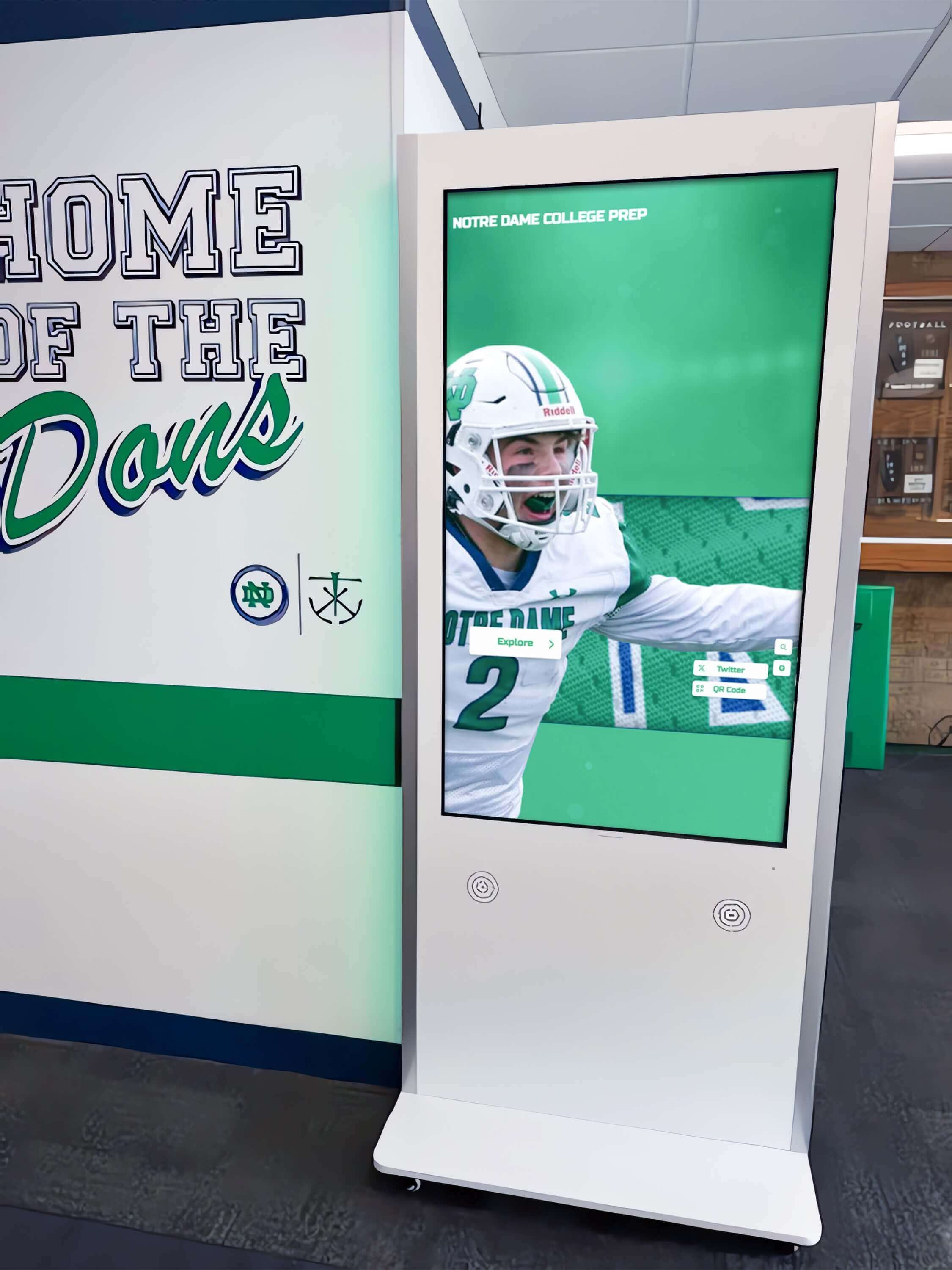
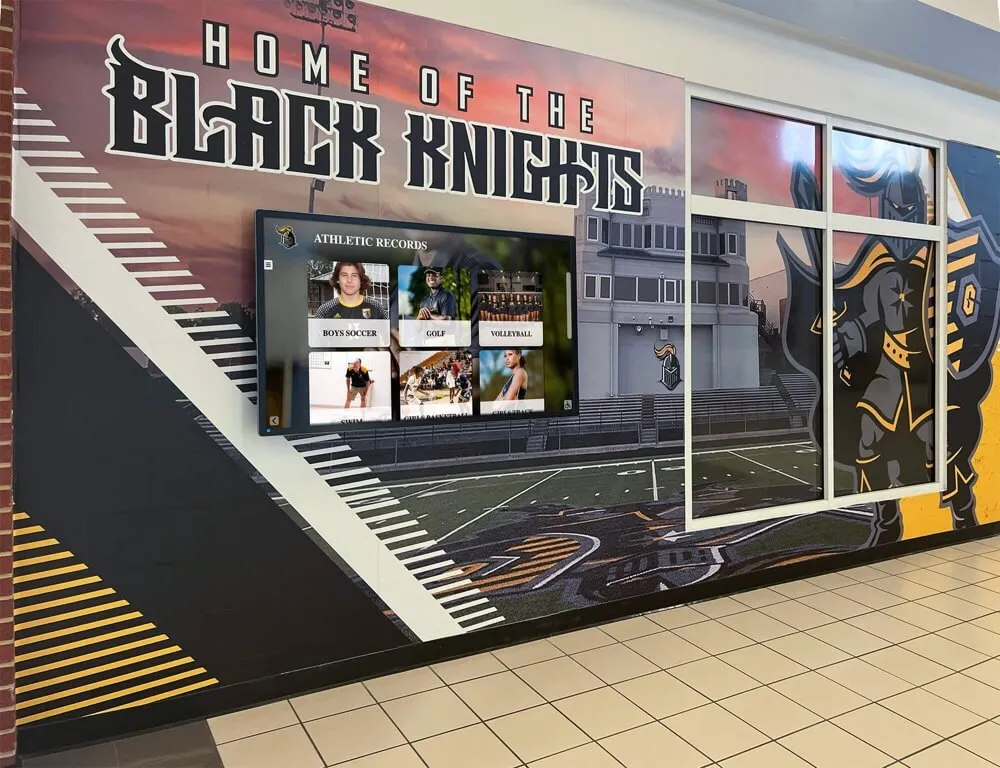
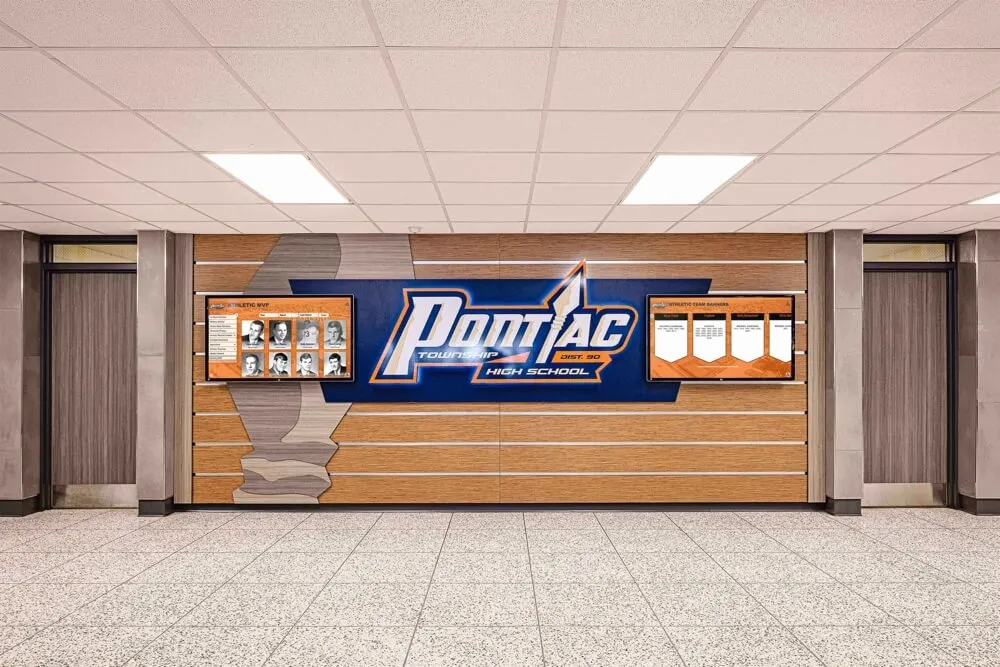
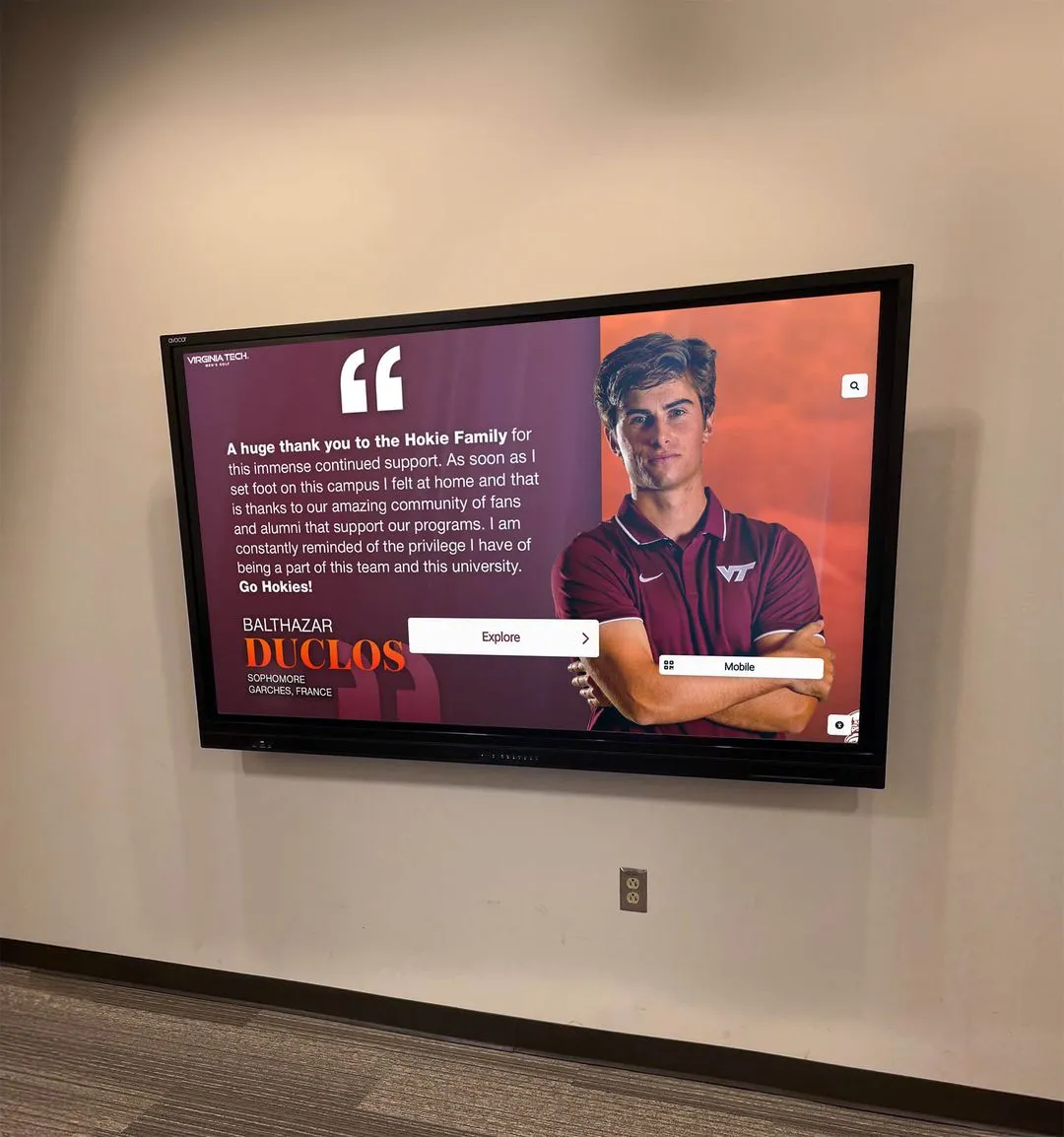
Recognition displays highlighting both individual and team achievements reinforce that student success encompasses personal excellence and collaborative contribution
4. Leadership and Initiative
Successful students don’t wait for opportunities—they create them. Leadership manifests through formal positions, informal influence, and willingness to take initiative in serving school communities.
Recognizing Diverse Leadership Forms
Leadership extends beyond student council presidents to encompass varied forms of positive influence:
Elected Position Recognition celebrates students serving in student government, class officer roles, or organizational leadership positions. These formal leadership roles demonstrate peer trust and willingness to serve.
Club Founder and Officer Awards honor students launching new organizations or leading existing clubs, demonstrating initiative to build communities around shared interests.
Project Leadership Recognition celebrates students spearheading service initiatives, fundraising campaigns, awareness efforts, or school improvement projects without formal titles or positions.
Captain and Team Leadership Honors recognize athletic captains and team leaders who demonstrate influence through example, communication, and commitment to team culture.
Peer Influence Awards acknowledge students who positively impact school culture through informal leadership—mentoring newcomers, defusing conflicts, or promoting inclusive behaviors.
Digital recognition systems allow schools to feature leadership stories that illustrate how students made specific impacts, providing concrete examples that inspire others to develop their own leadership capacities.
5. Resilience and Growth Mindset
Educational journeys include setbacks, failures, and challenges. Successful students demonstrate resilience in overcoming obstacles and maintain growth mindsets that view difficulties as learning opportunities.
Celebrating Perseverance Narratives
Schools can honor resilience through recognition programs acknowledging:
Academic Comeback Stories celebrate students who faced significant challenges—illness, family circumstances, learning difficulties—and persevered to achieve success. These narratives inspire others facing similar struggles.
Course Completion After Struggle recognizes students who initially failed courses but demonstrated determination to retake and master difficult material, showing that setbacks don’t define outcomes.
Extended Project Persistence honors students completing demanding long-term projects like senior theses, capstone research, or sustained creative works requiring months of dedicated effort despite obstacles.
Recovery from Academic Probation acknowledges students who faced academic difficulty but implemented strategies, sought support, and successfully returned to good standing.
Growth mindset recognition works particularly well when schools share student stories about specific challenges overcome, strategies employed, and lessons learned—providing roadmaps other students can follow when facing their own difficulties.
6. Creative and Critical Thinking
Successful students don’t simply accept information—they analyze it critically, make connections across disciplines, and apply creative approaches to problem-solving.
Honoring Intellectual Innovation
Schools celebrate thinking skills through programs recognizing:
Creative Competition Success honors students excelling in art shows, writing contests, design challenges, or innovation competitions requiring original thinking.
Interdisciplinary Project Recognition celebrates work connecting multiple subject areas, demonstrating ability to synthesize knowledge across traditional academic boundaries.
Problem-Solving Challenge Winners recognizes success in mathematics competitions, engineering challenges, or logic puzzles requiring analytical thinking.
Original Research and Scholarship honors students conducting independent investigations, formulating hypotheses, and drawing evidence-based conclusions—the essence of critical thinking.
Innovative Solution Recognition celebrates students who devise creative approaches to school challenges, from improved recycling systems to peer conflict resolution strategies to accessibility improvements.
Recognition displays can showcase student innovations through images, videos, and detailed explanations that make creative thinking visible and valued throughout school communities.
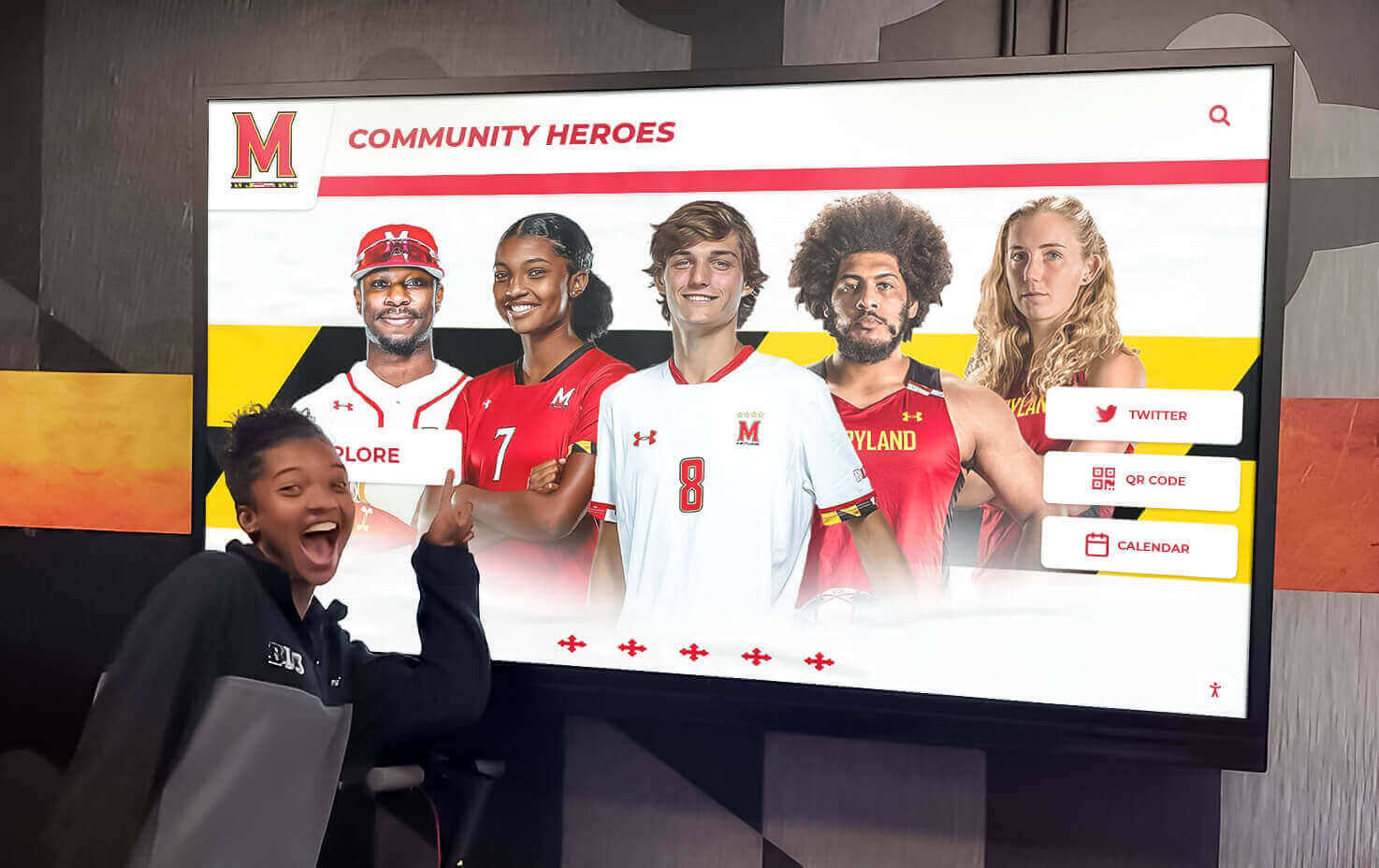
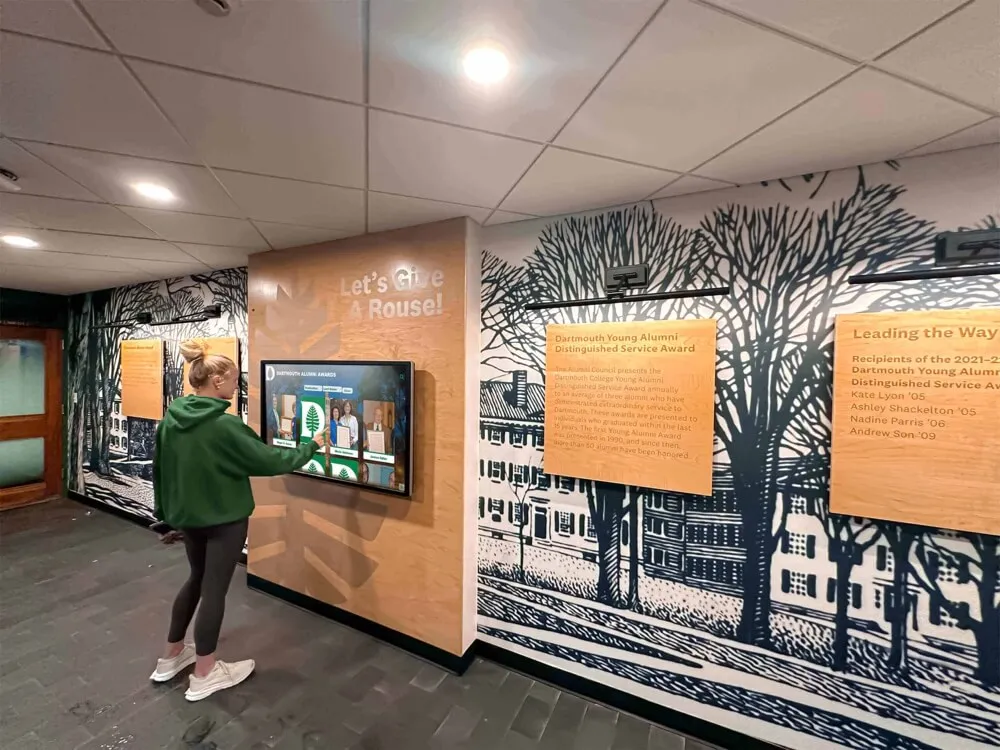
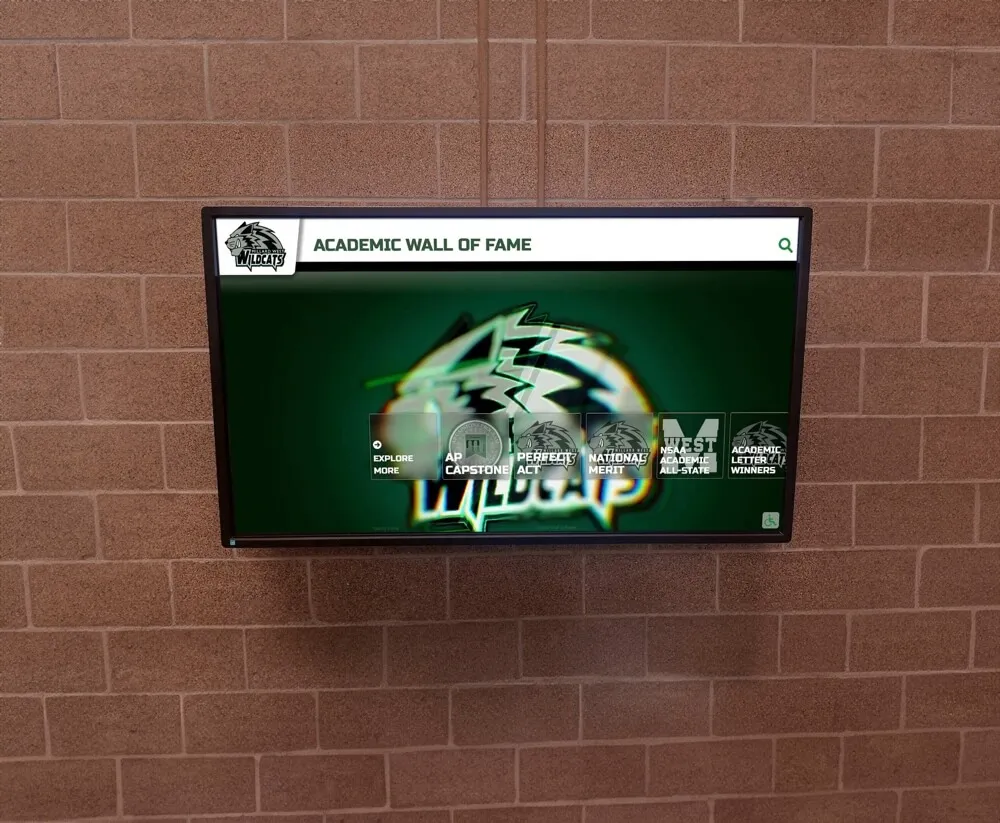
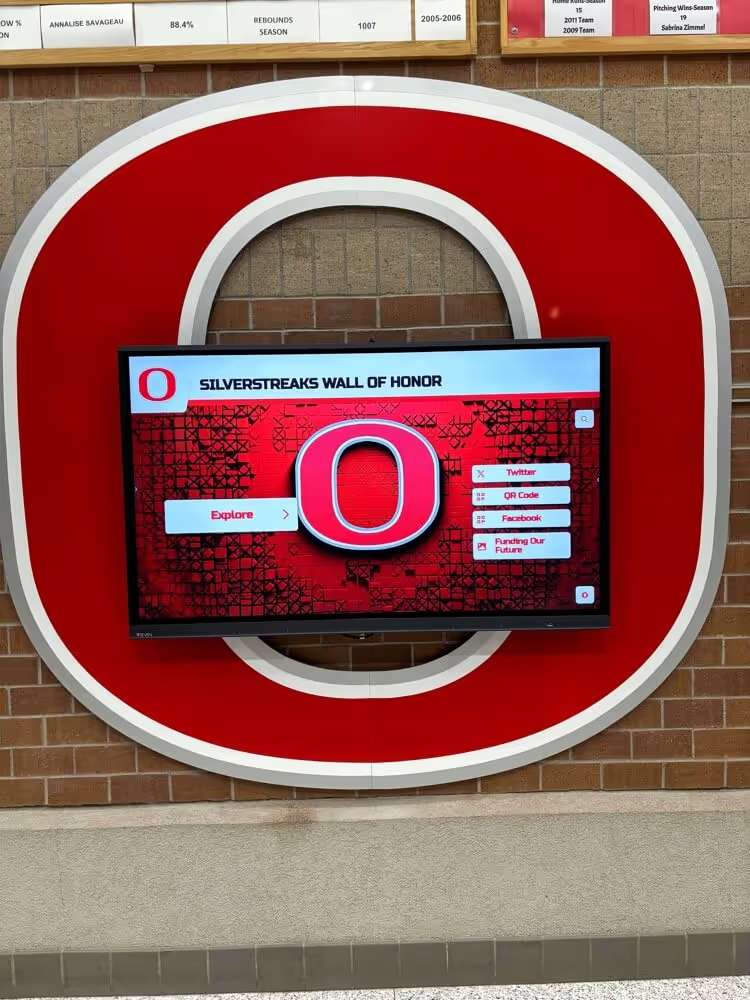
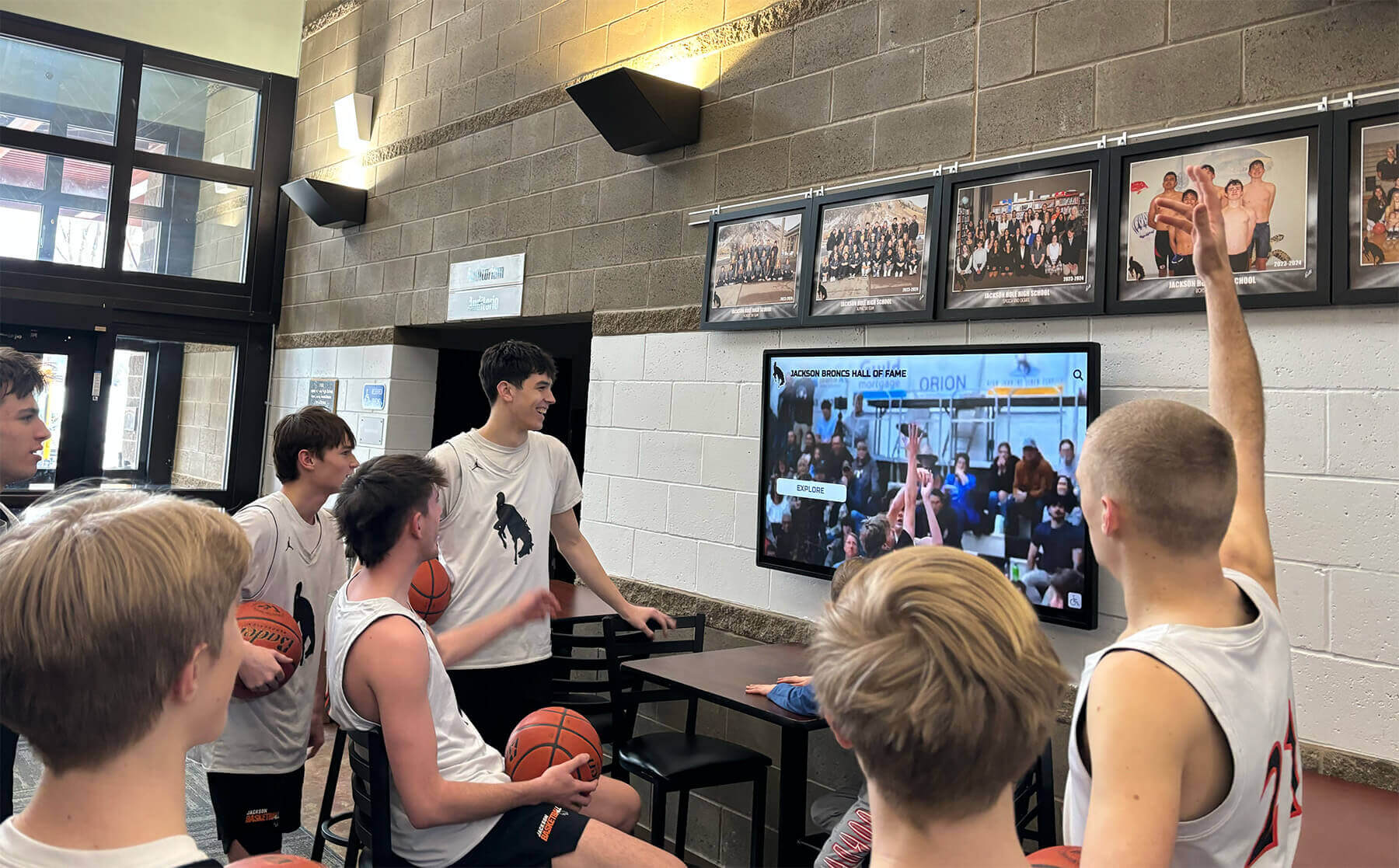
Interactive displays engage students with recognition content, allowing them to explore achievement stories and understand the diverse traits that define success
7. Communication and Presentation Skills
Success in academics, careers, and civic life requires ability to articulate ideas clearly through writing, speaking, and multimedia presentation.
Recognizing Expression Excellence
Schools honor communication skills through:
Debate and Speech Competition Success celebrates students excelling in formal speaking competitions, demonstrating persuasive communication and argumentation skills.
Writing Award Programs recognize excellence in essay contests, creative writing competitions, journalism, or literary magazine contributions.
Presentation Competition Winners honor students succeeding in science fair presentations, business pitch contests, or TED-style talk competitions requiring effective public speaking.
Multilingual Proficiency Recognition celebrates students achieving fluency in multiple languages, expanding their communication capacity across cultures.
Digital Media Excellence acknowledges students creating exceptional podcasts, videos, websites, or multimedia projects demonstrating modern communication competencies.
Effective recognition of communication skills often includes displaying actual student work—writing samples, presentation videos, or speech excerpts—allowing the broader school community to experience the excellence being celebrated.
8. Ethical Behavior and Academic Integrity
Successful students achieve excellence honestly, demonstrating commitment to ethical behavior and academic integrity even when shortcuts present themselves.
Celebrating Character and Honesty
Schools reinforce ethical values through:
Honor Code Compliance Recognition celebrates students who consistently demonstrate academic integrity, never plagiarizing or cheating despite pressure to do so.
Integrity Award Programs specifically recognize students who exemplify honesty in their academic work and personal interactions.
Ethical Leadership Recognition honors students who promote fair play, honest competition, and ethical behavior within school communities.
Sportsmanship Awards celebrate athletes who compete with integrity, respect opponents, and demonstrate ethical behavior in victory and defeat. Understanding character recognition programs helps schools develop meaningful integrity awards.
Peer Respect and Inclusion Awards acknowledge students creating welcoming environments and treating all community members with dignity and respect.
Character recognition programs send powerful messages that schools value not just what students achieve but how they achieve it—that ethical behavior represents a non-negotiable component of genuine success.
9. Service Orientation and Community Contribution
Successful students recognize obligations beyond personal achievement, contributing time and talent to serve school communities and broader society.
Honoring Service and Contribution
Schools celebrate service orientation through:
Community Service Hour Recognition acknowledges cumulative volunteer contributions, with tiered recognition for different service levels—100 hours, 250 hours, 500+ hours throughout high school careers.
Service Project Leadership Awards honor students organizing food drives, fundraising campaigns, awareness initiatives, or community improvement projects.
Peer Helper Program Recognition celebrates students serving as tutors, mentors, orientation leaders, or peer counselors supporting classmates.
School Support Recognition acknowledges students who volunteer for unglamorous but essential roles—tech support, library helpers, office assistants—that keep schools functioning smoothly.
Community Partnership Awards honor students contributing to organizations beyond school walls—nonprofit volunteering, youth program assistance, civic engagement initiatives.
Digital recognition displays can feature ongoing service hour leaderboards, project summaries, and volunteer spotlights that make service contributions visible and valued throughout the school year.
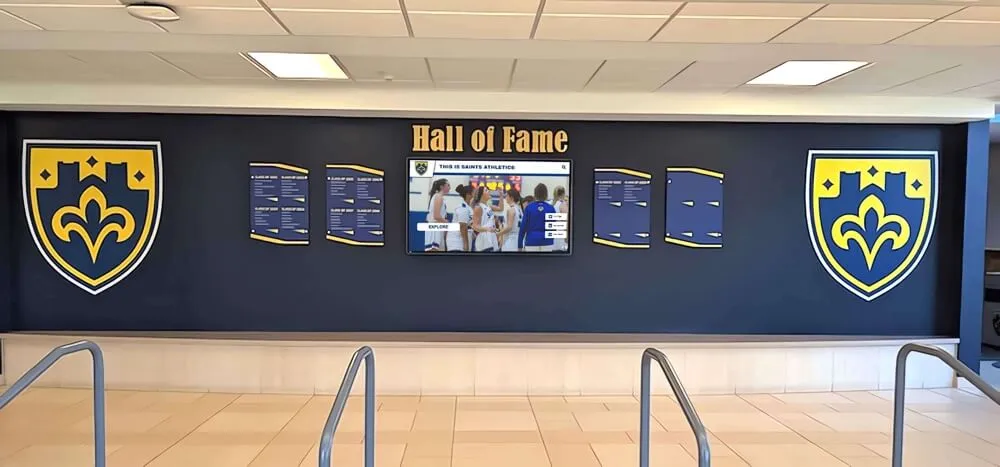
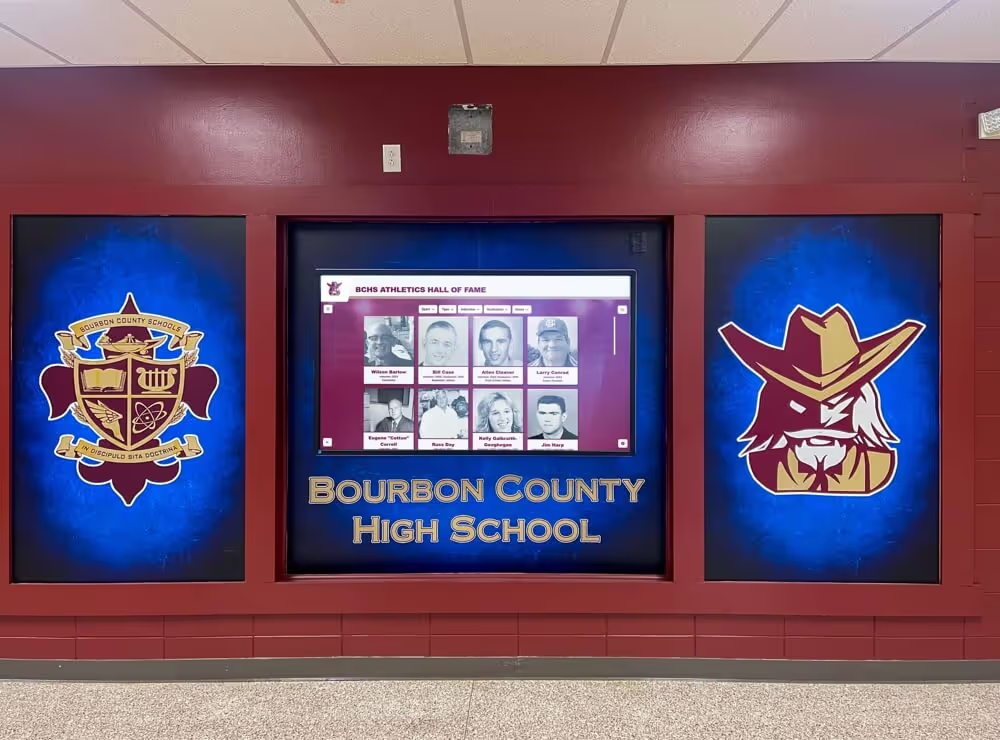
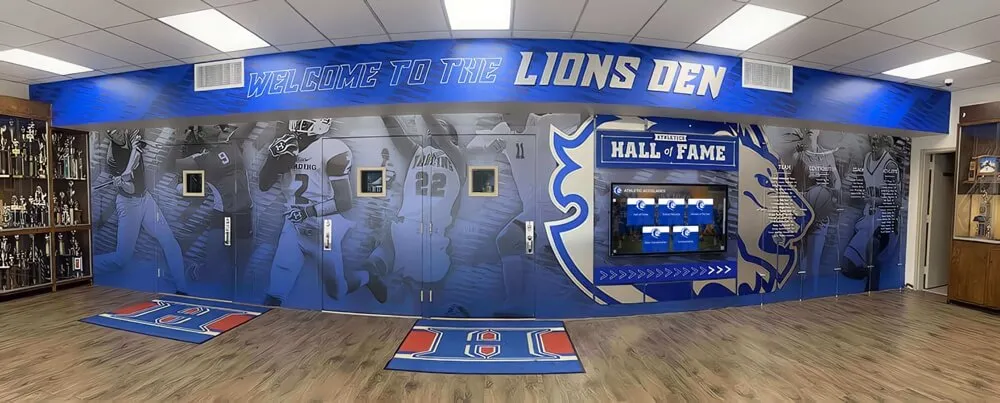
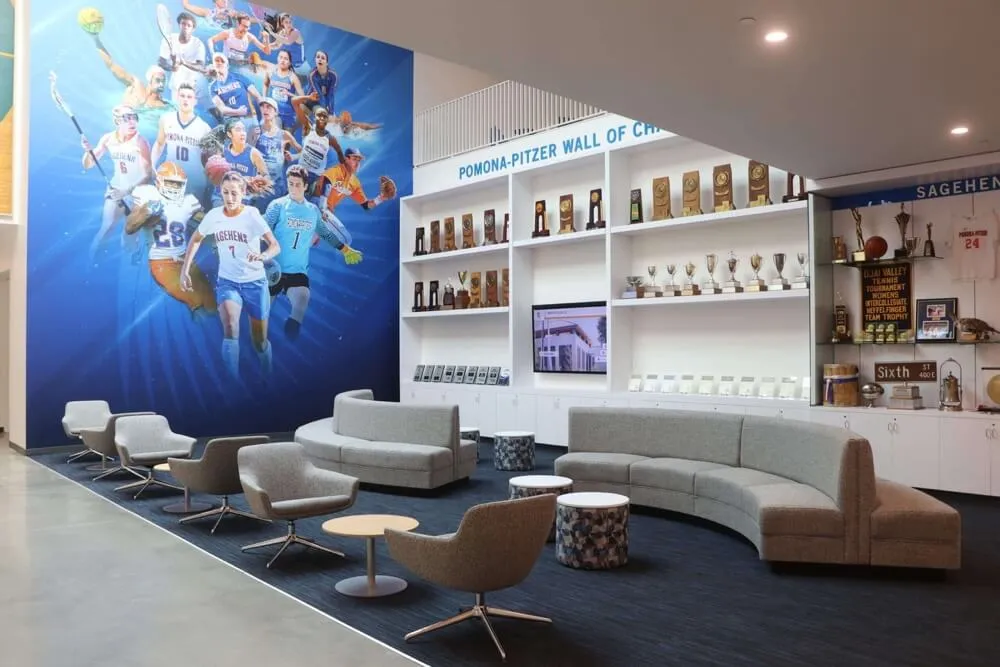
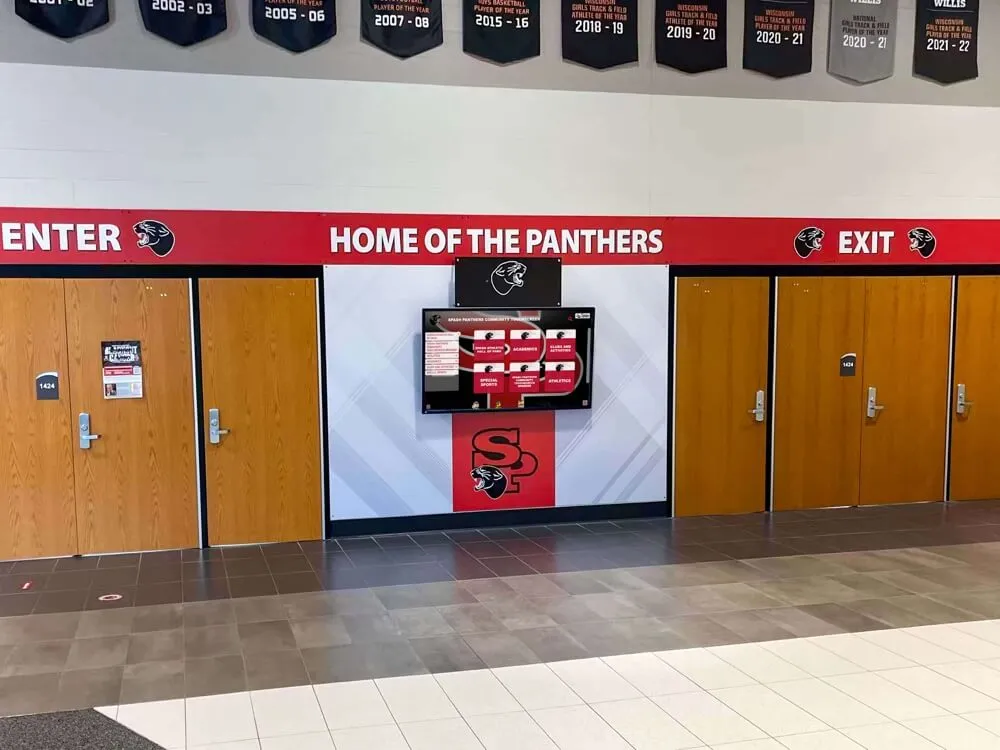
Blending traditional recognition elements with modern digital displays creates comprehensive systems that celebrate diverse student success traits from academics to service to character
10. Time Management and Organization
Successful students juggle academics, extracurriculars, family responsibilities, and personal interests through effective time management and organizational skills.
Recognizing Balanced Achievement
Schools honor organizational excellence through:
Multi-Activity Participation Recognition celebrates students successfully managing multiple commitments—varsity athletics plus honor societies plus part-time work plus volunteer service—demonstrating exceptional time management.
Academic-Athletic Balance Awards specifically recognize scholar athletes maintaining academic excellence while dedicating significant time to competitive sports.
Full Schedule Excellence honors students completing challenging course loads—multiple AP classes, dual enrollment, advanced electives—while maintaining high achievement levels.
Leadership While Achieving celebrates students holding officer positions or leadership roles while maintaining strong academic performance, demonstrating ability to manage multiple high-priority commitments.
Sustained Multi-Year Involvement recognizes students who maintain long-term participation in activities across multiple years rather than superficial sampling, showing organizational capacity for sustained commitment.
Time management recognition acknowledges that success requires not just talent or effort but strategic allocation of limited time across competing priorities—a crucial skill for college and career success.
11. Adaptability and Openness to Learning
Educational environments constantly evolve with new technologies, pedagogical approaches, and curriculum changes. Successful students demonstrate flexibility and willingness to adapt to new learning contexts.
Celebrating Flexibility and Growth
Schools recognize adaptability through:
New Skill Acquisition Recognition honors students who embrace unfamiliar subjects or activities—trying new sports, learning instruments, exploring different academic disciplines—demonstrating openness to growth.
Technology Adoption Awards celebrate students who enthusiastically master new educational technologies, digital tools, or learning platforms.
Cross-Cultural Engagement Recognition honors students participating in exchange programs, language immersion, or multicultural initiatives requiring adaptation to new environments.
Learning Style Evolution acknowledges students who successfully transition between different instructional approaches—from traditional classrooms to online learning to project-based curricula.
Challenge Acceptance Awards recognize students who voluntarily take on difficult courses, unfamiliar activities, or stretching experiences despite uncertainty about outcomes.
Adaptability recognition sends messages that willingness to embrace change and try new approaches represents a success trait as valuable as mastery of any specific skill or subject.
12. Goal-Setting and Future Planning
Successful students don’t drift through education—they set intentional goals, create plans to achieve them, and demonstrate strategic thinking about their futures.
Honoring Strategic Thinking
Schools celebrate goal-oriented behavior through:
Academic Planning Recognition honors students who thoughtfully construct four-year plans aligning course selections with college goals, career interests, or learning objectives.
College Preparation Achievement celebrates students systematically pursuing college admissions goals—test preparation, application completion, scholarship pursuit—with strategic planning and sustained effort.
Career Exploration Recognition acknowledges students actively investigating career fields through internships, job shadowing, informational interviews, or industry certifications.
Post-Secondary Commitment Celebrations honor students making formal commitments to colleges, military service, gap year programs, or career pathways through recognition events and displays.
Scholarship Achievement Recognition celebrates students earning merit-based or need-based scholarships, acknowledging both the planning that made them competitive candidates and the financial benefits they secured.
Academic achievement recognition programs that include future planning elements help younger students understand that success involves strategic thinking about long-term objectives, not just immediate performance.

Interactive touchscreen displays allow students to explore detailed achievement profiles, understanding how successful students developed specific traits over time
How Digital Recognition Displays Reinforce Success Traits
Understanding what makes students successful represents only half the equation—schools must also implement recognition systems that consistently reinforce these traits throughout students’ educational journeys.
Creating Comprehensive Recognition Programs
Traditional recognition approaches—annual awards ceremonies, bulletin board displays, newsletter mentions—provide important acknowledgment but lack the visibility, permanence, and engagement necessary to truly influence school culture. Modern digital recognition systems transform how schools celebrate student success:
Year-Round Visibility ensures recognition extends beyond brief ceremonies to become daily presence in school environments. Students passing digital displays in lobbies, cafeterias, or hallways encounter success stories multiple times daily throughout entire school years.
Multi-Trait Recognition allows schools to celebrate diverse success forms simultaneously—academic achievement, creative excellence, service contributions, character development, leadership growth—rather than forcing narrow focus on single achievement types.
Achievement Story Context provides space to explain not just what students accomplished but how they developed specific success traits. Digital displays can feature student reflections on challenges overcome, strategies employed, or lessons learned—transforming simple recognition into teaching tools.
Interactive Exploration enables students, families, and visitors to browse recognition content at their own pace, filtering by achievement type, academic year, or student name. This engagement creates deeper connections than passive viewing of static displays.
Dynamic Content Updates allow recognition programs to remain current, showcasing recent achievements alongside historical ones. Schools can spotlight different success traits monthly, highlighting academic excellence in September, service contributions in October, creative achievements in November, creating comprehensive year-round recognition cycles.
Alumni Connection preserves recognition beyond graduation, allowing former students to revisit their achievements and current students to explore success stories from graduates now pursuing diverse careers and life paths.
Statistical Insights enable schools to track which success traits receive recognition most frequently, identifying potential gaps where certain achievement forms receive insufficient celebration.
Schools implementing comprehensive digital recognition systems report stronger school cultures where diverse forms of excellence receive genuine celebration, students feel valued for multifaceted contributions rather than narrow achievements, and the institution’s commitment to holistic success becomes visible throughout campus environments.
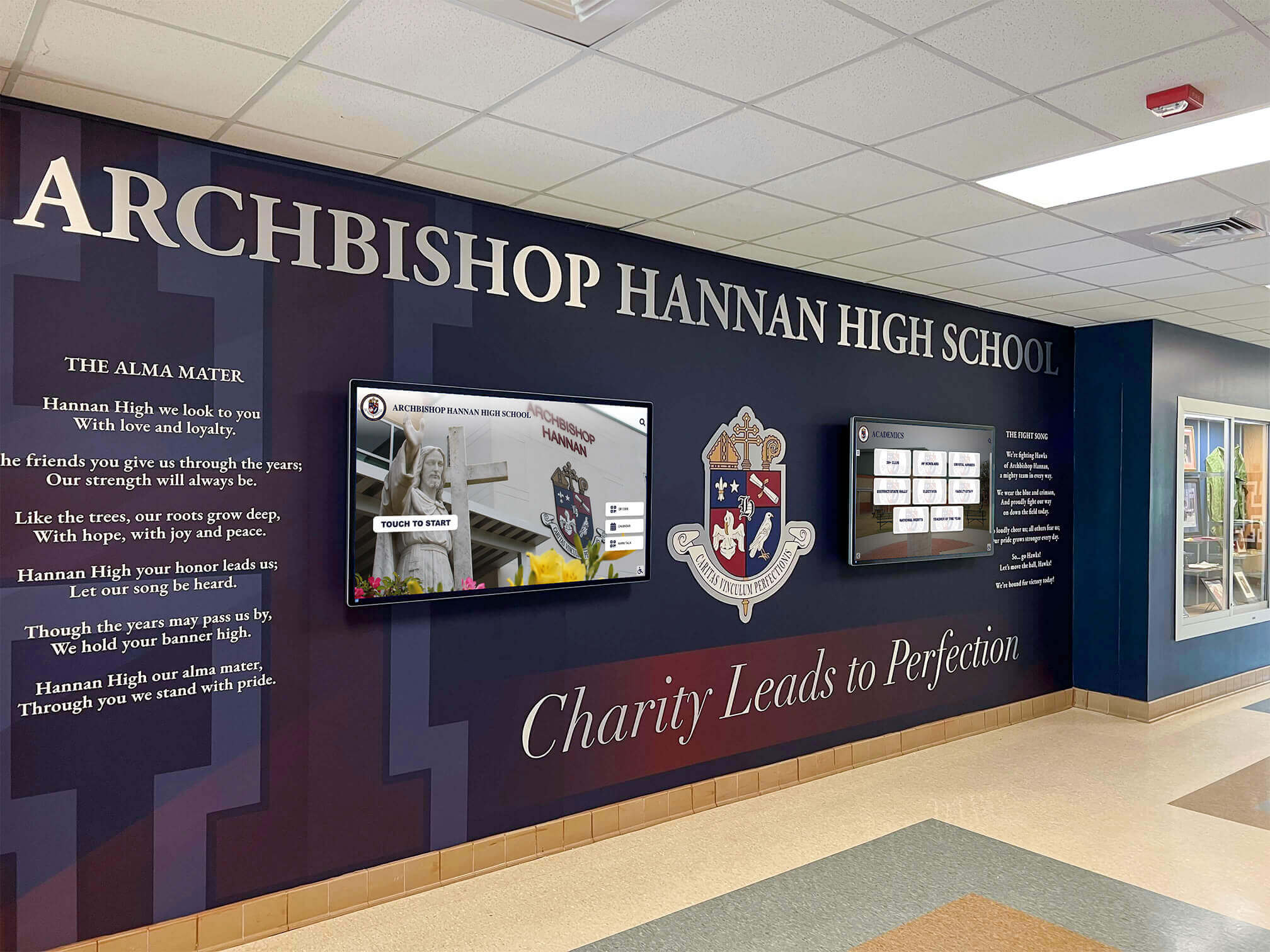
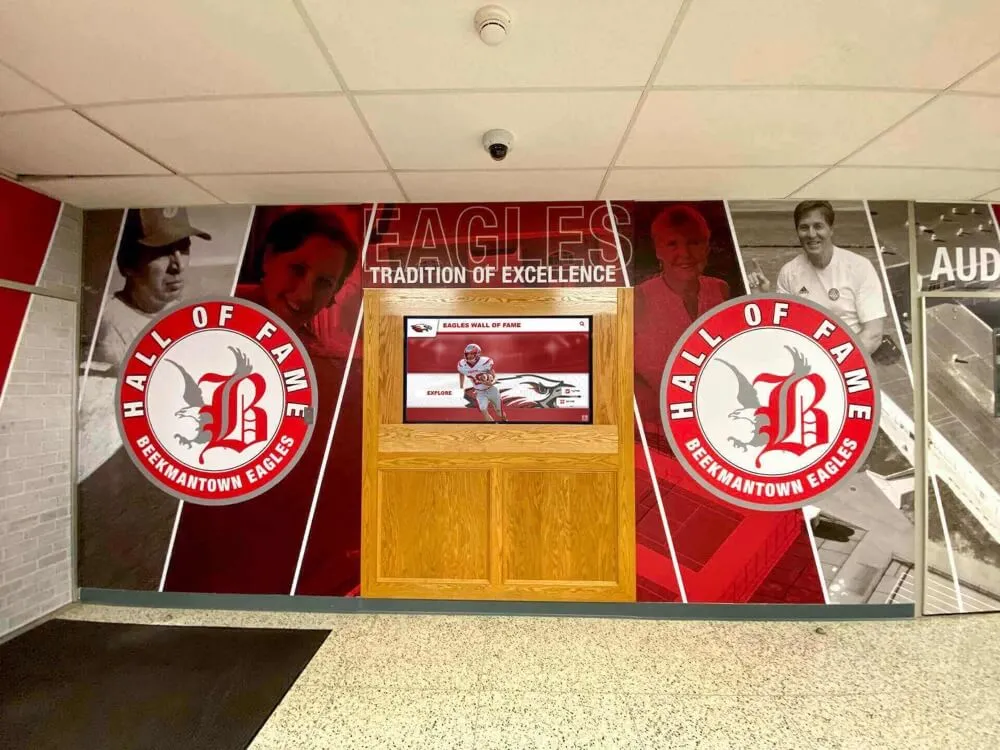
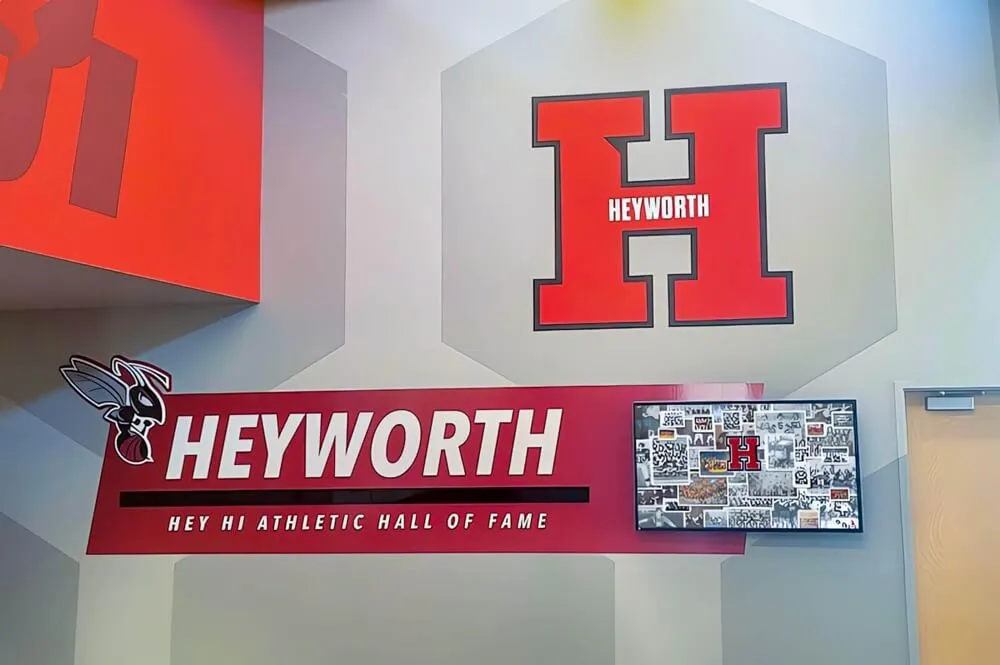
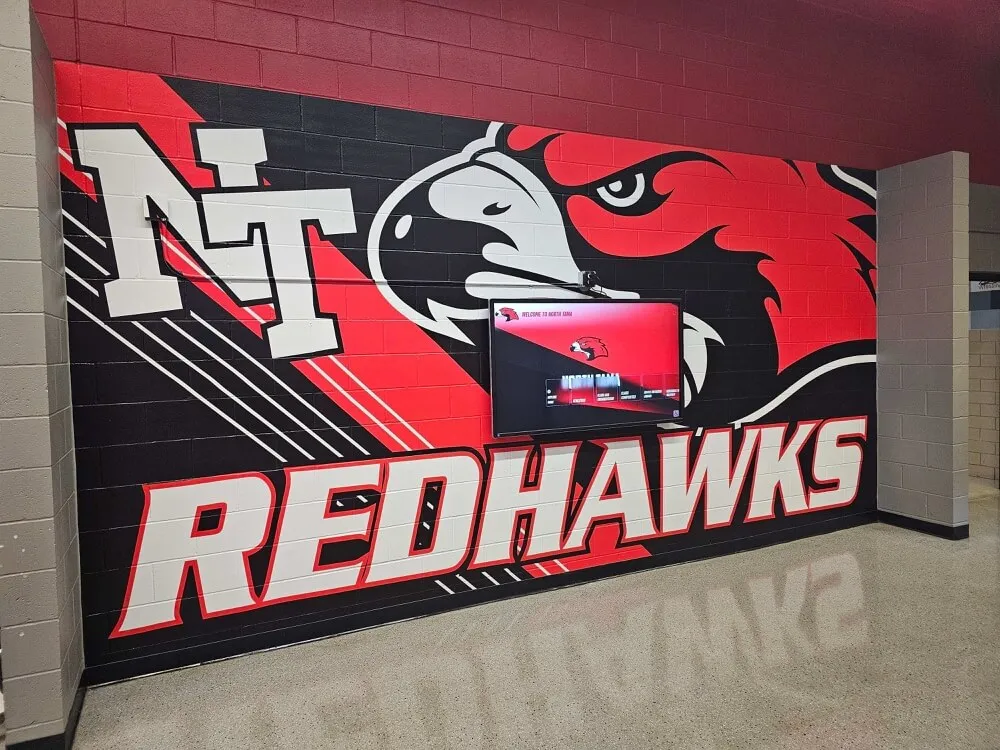
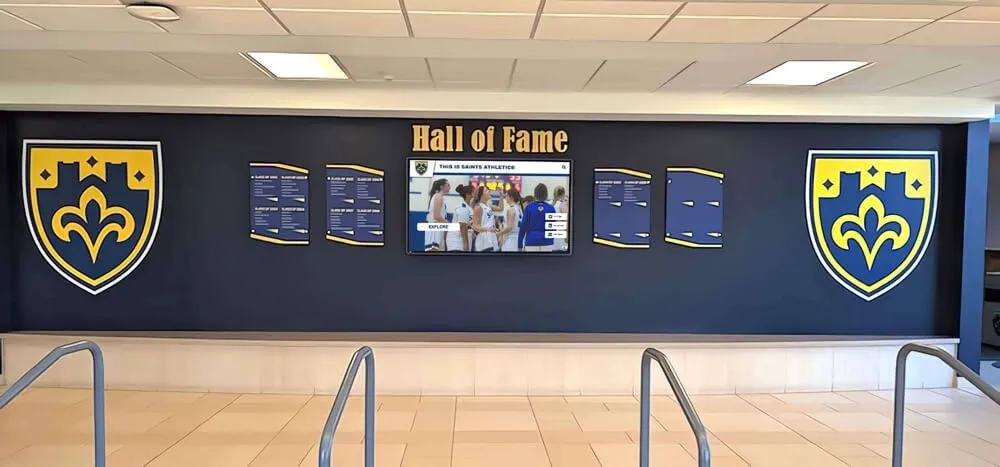
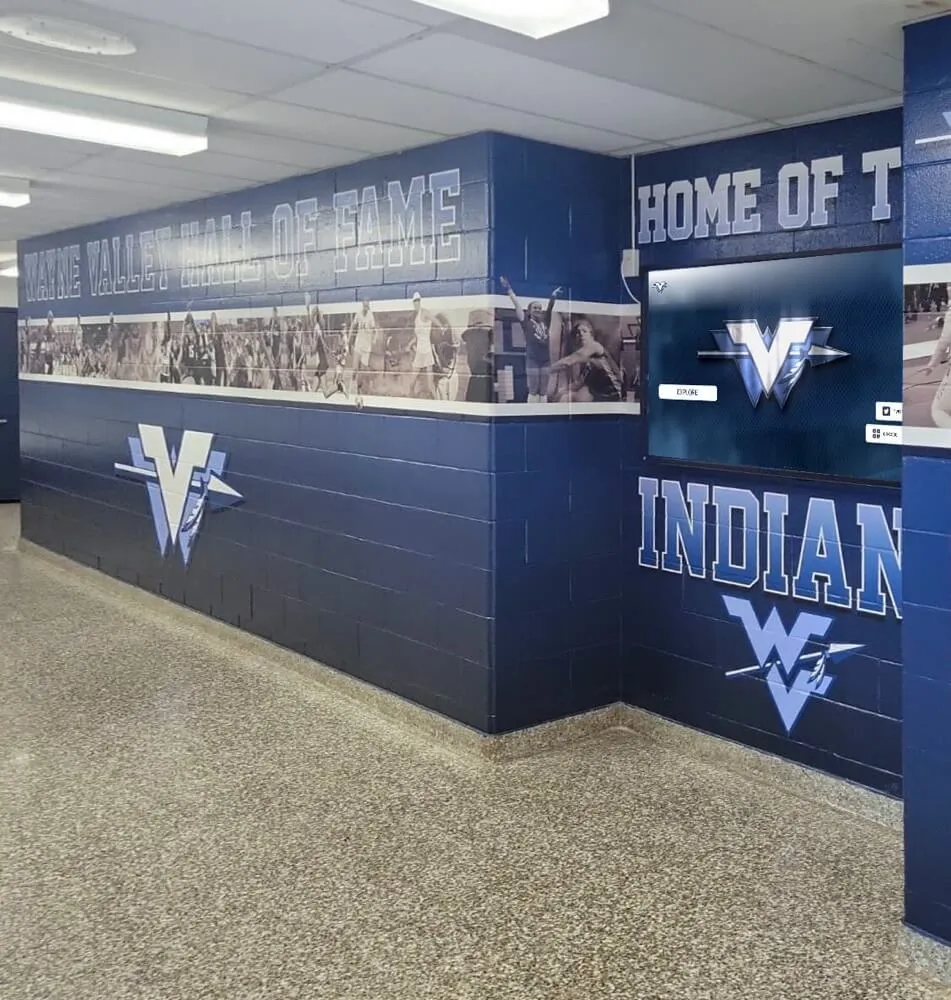
Integrating digital recognition into prominent campus locations signals institutional commitment to celebrating student success as a core value
Implementing Trait-Based Recognition: Practical Steps
Schools seeking to develop recognition programs celebrating diverse success traits can follow this implementation framework:
Assessment and Planning Phase
Audit Current Recognition Practices by cataloging all existing awards, ceremonies, and displays. Identify which of the 12 success traits currently receive regular recognition and which receive minimal or no acknowledgment.
Survey Stakeholder Perspectives through student focus groups, parent surveys, and faculty input sessions. Ask which achievement types deserve more recognition, which students feel overlooked by current systems, and what recognition approaches would feel most meaningful.
Review Physical Spaces by walking campus to identify high-traffic areas where recognition displays would reach maximum audiences. Consider lobbies, cafeterias, library spaces, athletic facilities, and main hallways.
Establish Recognition Goals defining what the program should achieve—broader participation, more diverse achievement celebration, increased student engagement, stronger school culture, better documentation of institutional legacy.
Program Design Phase
Define Recognition Categories aligning with the 12 success traits identified in this guide. Determine specific awards, criteria, and selection processes for each category.
Create Selection Processes establishing who nominates students (teachers, peers, self-nomination), how selections occur (committee review, achievement thresholds, voting), and what evidence supports recognition decisions.
Develop Recognition Formats determining how achievements receive celebration—certificates, assemblies, social media features, website profiles, newsletter mentions, and digital display showcases.
Plan Content Collection establishing systems for gathering student photos, achievement descriptions, quotes, and contextual information needed for comprehensive recognition displays.
Budget Recognition Infrastructure including physical display systems, content management platforms, staff time for administration, and ongoing maintenance resources.
Technology Selection Phase
For schools implementing digital recognition displays, selection criteria should include:
Content Management Capabilities allowing easy updates by multiple staff members without technical expertise. Systems requiring IT involvement for every content change become bottlenecks that limit program effectiveness.
Multi-Media Support enabling display of photos, videos, achievement statistics, and formatted text that brings recognition content to life beyond simple name lists.
Interactive Features for displays in appropriate locations where touchscreen engagement enhances rather than disrupts traffic flow.
Integration Capabilities connecting with student information systems, creating efficient workflows for importing achievement data without manual re-entry.
Remote Management allowing content updates from any location rather than requiring physical access to display hardware.
Scalability supporting growth from single display to campus-wide network as programs expand.
Durability and Support ensuring displays withstand high-traffic school environments and vendors provide responsive technical assistance.
Launch and Sustainability Phase
Pilot Program Implementation begins with limited scope—perhaps one recognition category or single display location—allowing refinement before full-scale rollout.
Staff Training ensures teachers, counselors, and administrators understand nomination processes, selection criteria, and how to collect necessary recognition content.
Student Awareness Campaign communicates new recognition opportunities, explaining how students can earn different awards and why the school values diverse success traits.
Regular Content Cycles establish rhythms for updating recognition displays—weekly spotlights, monthly themes, quarterly achievement roundups—creating consistency that keeps content fresh.
Assessment and Evolution through ongoing review of participation patterns, student feedback, and achievement of program goals. Successful recognition programs evolve based on what works rather than rigidly maintaining initial structures.
Documentation of Impact captures both quantitative data (number of students recognized, achievement categories represented, display engagement metrics) and qualitative outcomes (student testimonials, culture shift observations, stakeholder feedback).
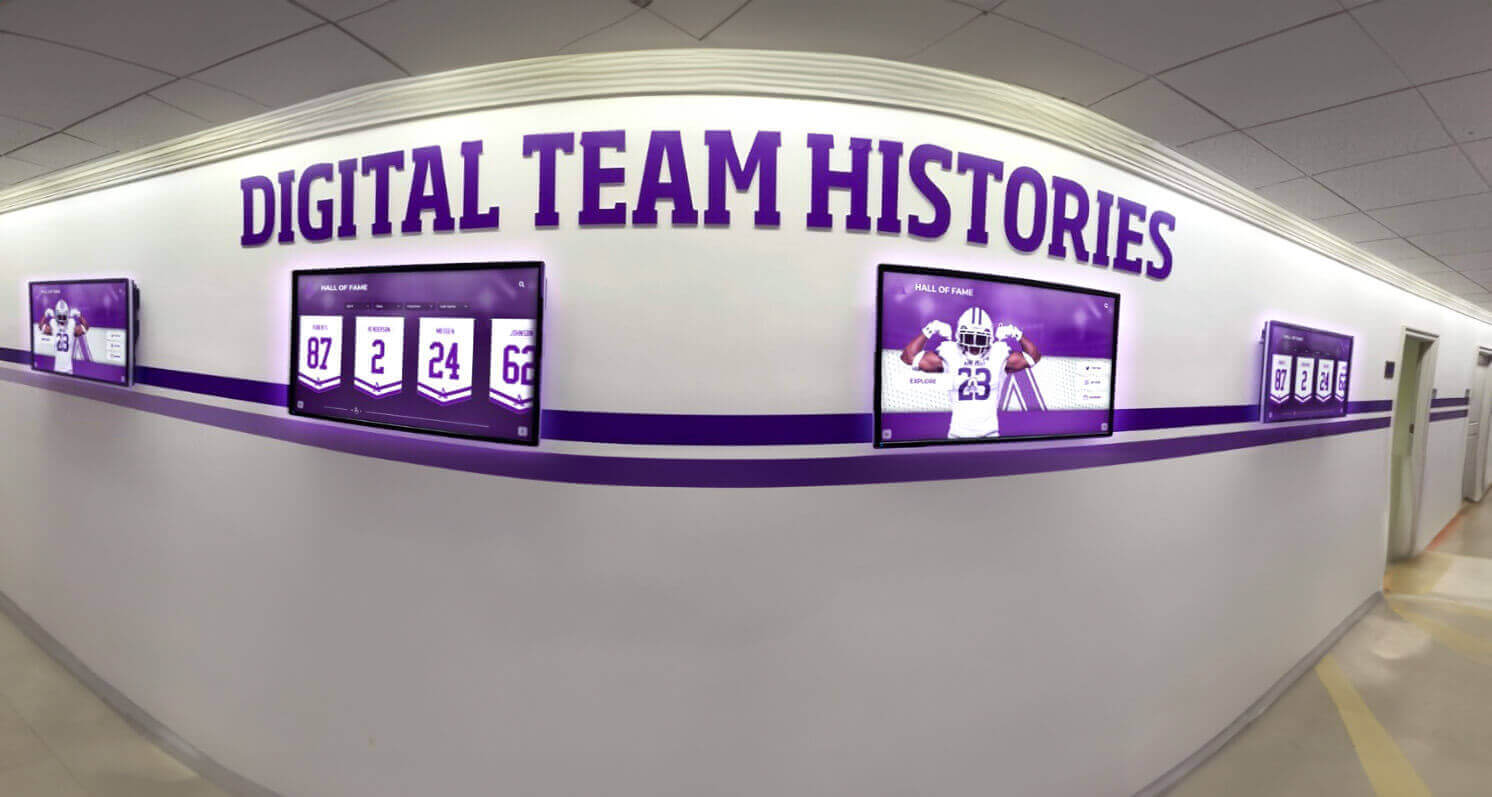
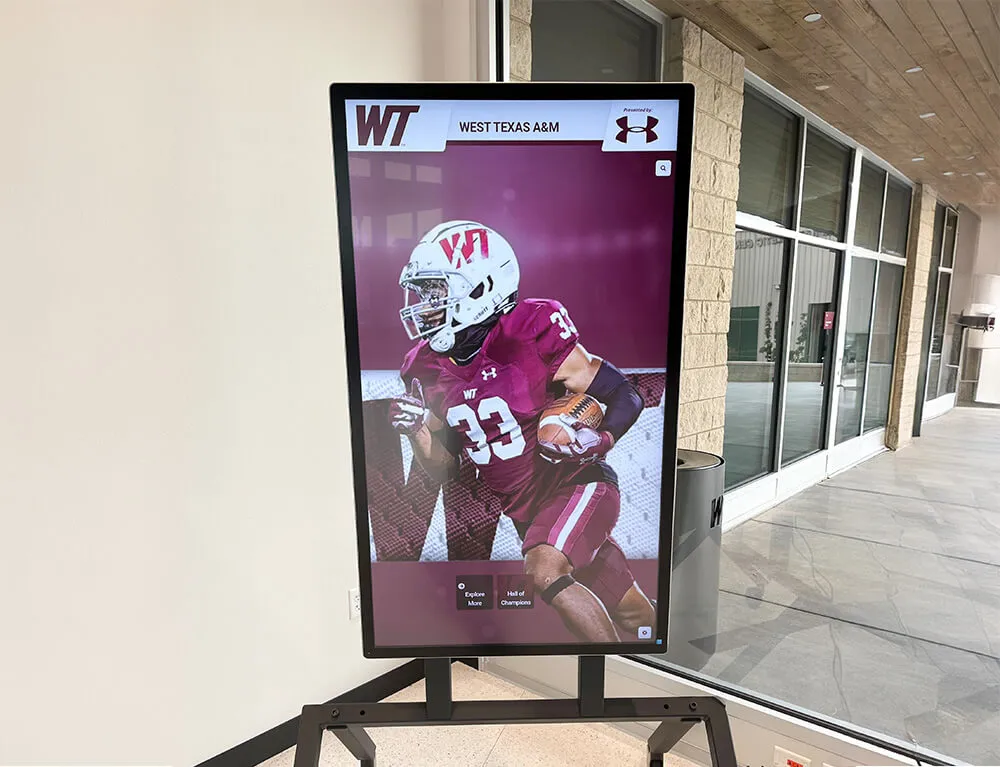
Networked displays throughout campus create consistent recognition presence that reinforces success values across all school environments
Measuring Recognition Program Success
Effective recognition programs require ongoing assessment to ensure they achieve intended goals and serve all students equitably.
Key Success Indicators
Participation Breadth tracks what percentage of the student body receives recognition across academic years. Programs successfully celebrating diverse success traits should recognize majority of students for different achievements rather than repeatedly honoring the same small group.
Trait Distribution monitors which of the 12 success traits receive recognition most and least frequently. Healthy programs show relatively balanced distribution rather than overwhelming focus on narrow achievement types.
Demographic Representation ensures recognition reaches students across different backgrounds, grade levels, academic tracks, and involvement areas. Gaps in demographic representation signal needed program adjustments.
Student Awareness measures whether students know about recognition opportunities and understand criteria for different awards. Anonymous surveys can assess awareness levels and identify communication gaps.
Cultural Impact Indicators track qualitative outcomes like school climate survey results, student sense of belonging scores, and stakeholder perceptions about institutional values and priorities.
Content Engagement for digital displays includes metrics like touchscreen interaction frequency, time spent exploring recognition content, and which achievement types receive most viewing attention.
Nomination Participation monitors how many teachers, parents, and students submit recognition nominations, indicating program ownership across school community.
Using Data to Improve Programs
Schools should review recognition data quarterly, asking:
- Which success traits need more intentional celebration?
- Are certain student groups underrepresented in recognition?
- Do students understand recognition criteria and opportunities?
- Is recognition visible and accessible throughout campus?
- How can we make recognition more meaningful and impactful?
Data-informed adjustments might include adding new recognition categories, simplifying nomination processes, increasing display visibility, creating targeted outreach to underrepresented groups, or developing professional development helping teachers identify diverse achievement forms.
Creating Lasting Impact Through Strategic Recognition
The question “what makes a successful student” has no single answer—success manifests through constellation of traits including academic excellence, work ethic, collaboration skills, leadership capacity, resilience, creativity, communication ability, ethical behavior, service orientation, time management, adaptability, and strategic planning.
Schools that recognize this complexity and implement comprehensive recognition programs celebrating all these success dimensions create cultures where every student sees pathways to excellence, diverse contributions receive genuine appreciation, and institutional values become visible through consistent celebration of multifaceted achievement.
Modern digital recognition systems provide the infrastructure necessary to make this comprehensive approach practical and sustainable. Unlike traditional recognition methods limited by physical space, update complexity, or ceremonial timing constraints, digital displays offer year-round visibility, multi-trait celebration capacity, and engagement features that transform passive recognition into active learning opportunities.
By thoughtfully identifying what traits truly define student success and strategically implementing recognition systems that celebrate these characteristics campus-wide, schools create environments where excellence thrives in all its diverse forms—where students understand that success involves not just what they achieve but who they become and how they contribute to their communities.
Ready to transform how your school celebrates student success? Explore how Rocket Alumni Solutions’ digital recognition displays create comprehensive recognition programs that honor academic achievement, character development, leadership growth, and every trait that defines successful students in your school community.