



Receiving an invitation to a sports banquet—whether for your own athletic recognition or to support a family member—immediately raises an important question: what to wear to a sports banquet? These recognition events occupy unique territory between casual team gatherings and formal celebrations, creating understandable confusion about appropriate attire. Athletes wonder whether their team apparel suffices or if formal clothing is expected, while family members question if business casual meets the standard or if cocktail attire is more appropriate.
Unlike clearly defined events like weddings or business conferences, sports banquets vary considerably in formality depending on the organizing institution, venue selection, athletic level, and regional customs. High school basketball banquets held in school cafeterias typically differ dramatically from collegiate championship celebrations at banquet halls, while youth sports end-of-season parties contrast sharply with professional athletic awards galas.
This comprehensive guide explores sports banquet dress codes across different contexts, providing specific outfit recommendations for athletes and families, venue-specific guidance, common mistakes to avoid, and preparation strategies ensuring you arrive appropriately dressed and confident for these special recognition events celebrating athletic achievement.
Understanding appropriate sports banquet attire demonstrates respect for honorees receiving recognition, shows appreciation for organizing efforts invested in creating celebration events, prevents uncomfortable feelings of being over- or underdressed, and enables full focus on enjoying recognition moments rather than worrying about appearance appropriateness.

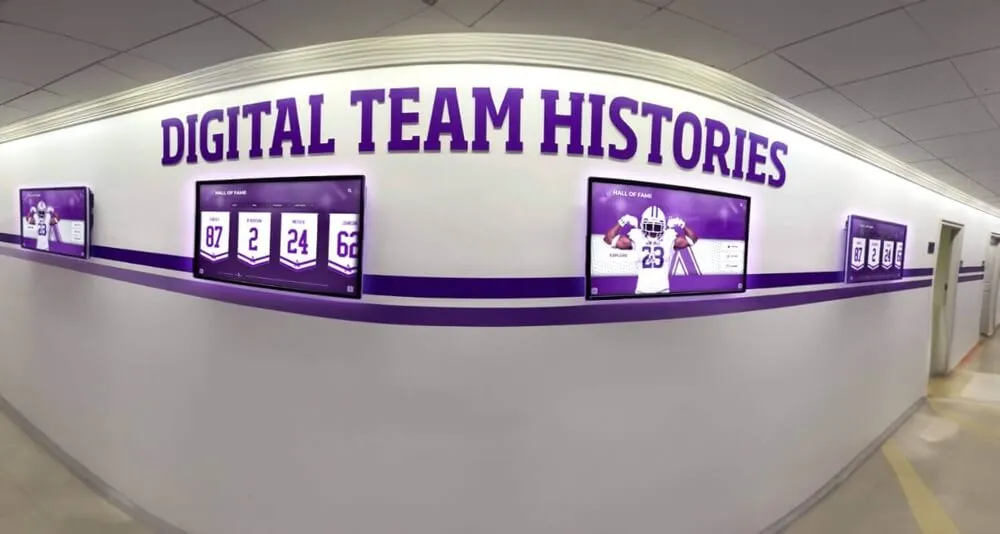
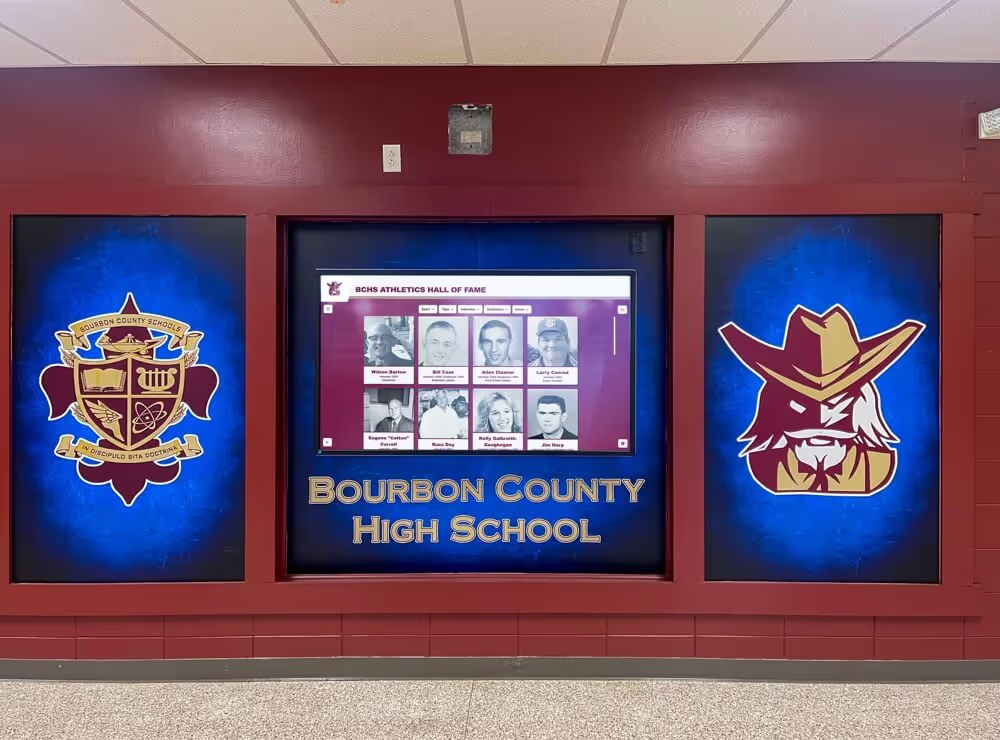
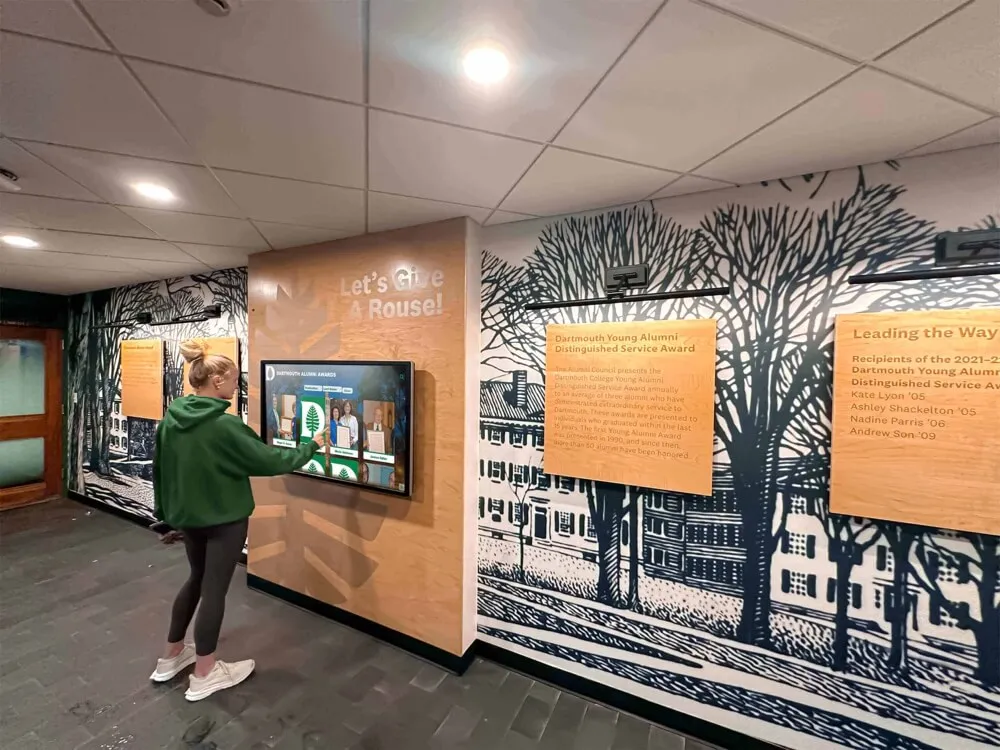
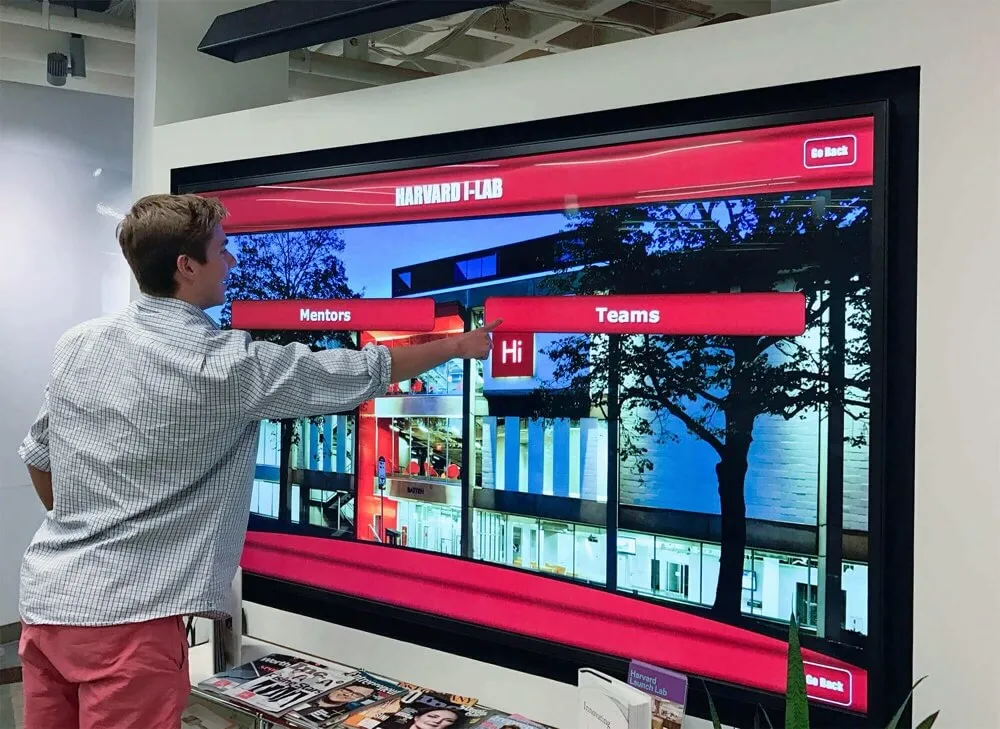
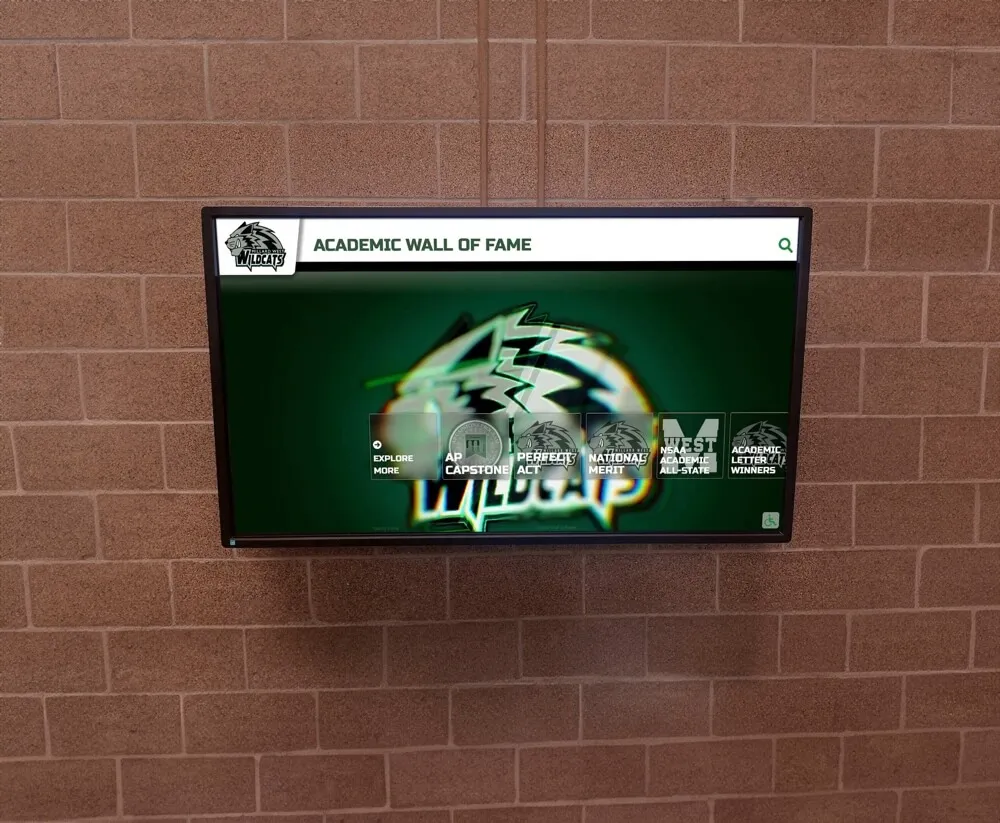
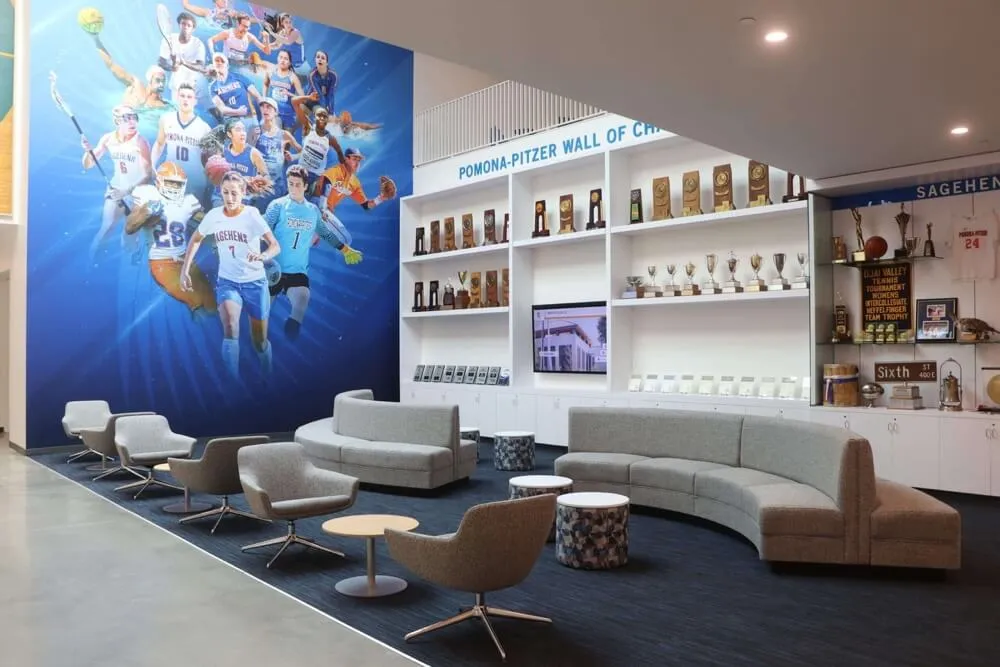
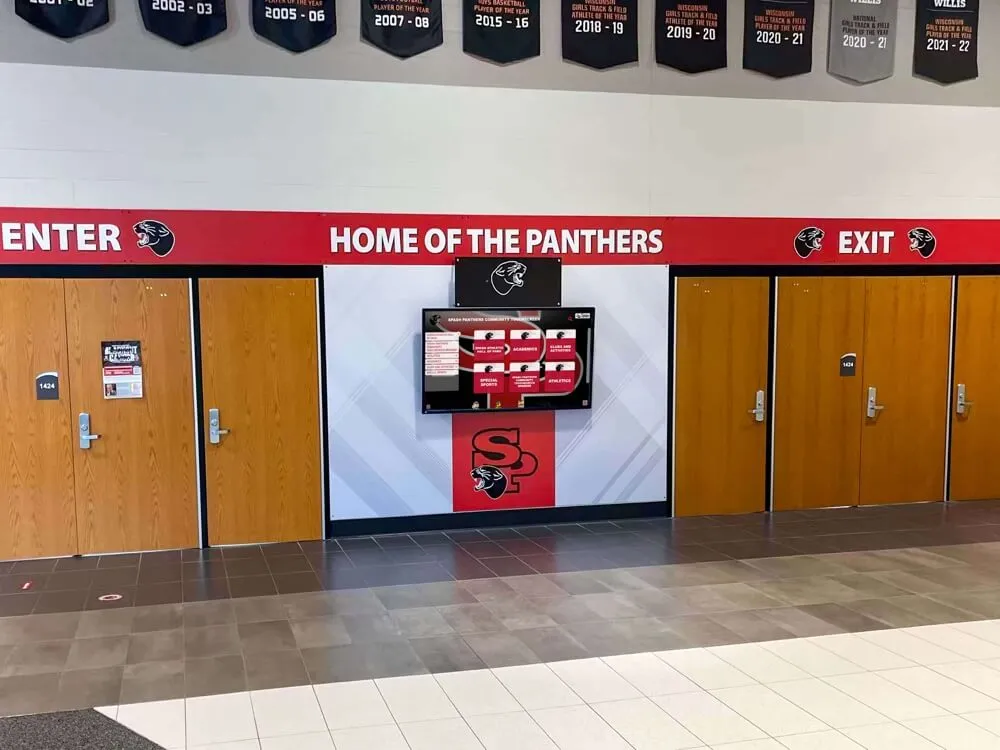
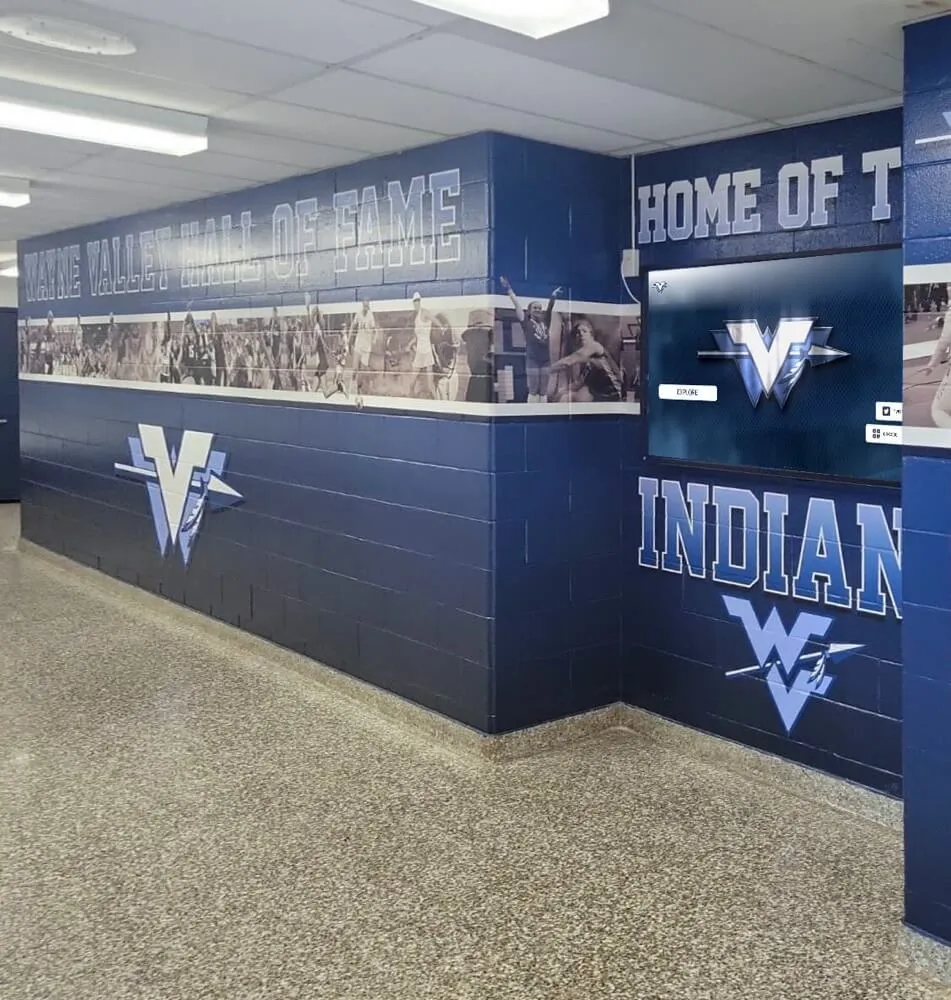
Sports banquets often take place in athletic facilities featuring recognition displays—events where appropriate dress honors both the venue and the achievements being celebrated
Understanding Sports Banquet Dress Code Expectations
Before selecting specific outfits, understanding general dress code frameworks helps navigate sports banquet attire decisions effectively.
The Sports Banquet Formality Spectrum
Most sports banquets fall within the “smart casual” to “semi-formal” range, though specific expectations vary:
Smart Casual (Most Common)
The majority of high school, middle school, and recreational sports banquets expect smart casual attire—elevated beyond everyday wear but not requiring formal clothing. This approach balances celebration significance with practical recognition that attendees include young athletes who may have limited formal wardrobe options and families attending weeknight events after work commitments.
Smart casual typically means collared shirts or nice blouses, dress pants or khakis, modest dresses or skirts, and dress shoes or clean athletic-style shoes. Jeans are sometimes acceptable if dark, unworn, and paired with dressier tops, though safer options exist.
Semi-Formal (Increasingly Common)
College athletics banquets, championship celebrations, all-sports awards nights, and high-profile programs increasingly specify semi-formal dress codes signaling event importance and creating special atmosphere distinct from routine team gatherings.
Semi-formal expectations include dress shirts with ties or blazers for men, cocktail dresses or dressy separates for women, dress shoes for all attendees, and coordinated, polished appearance overall. Semi-formal events clearly exclude jeans, athletic wear, and casual sneakers regardless of condition.
Casual with Team Spirit (Youth Sports)
Youth sports banquets for elementary and early middle school often embrace more relaxed dress codes sometimes incorporating team colors or jerseys, recognizing young athletes’ comfort and age-appropriate formality. These events prioritize celebration over strict dress standards, though “neat casual” still applies—clean, well-fitting clothes without rips, stains, or overly casual elements.
Organizations hosting these recognition events often maintain comprehensive athlete profiles through digital recognition displays that celebrate achievements year-round, with banquets serving as formal gatherings honoring these accomplishments.
How to Determine Specific Dress Code Expectations
Rather than guessing, several strategies clarify specific event expectations:
Review Invitation Details Carefully
Many invitations explicitly state dress codes using terms like “business casual,” “semi-formal,” or “dressy casual.” When provided, follow stated guidance rather than making independent assumptions. If invitations mention specific venues like country clubs or banquet halls, these typically signal more formal expectations than school cafeteria settings.
Contact Organizers Directly
Coaches, athletic directors, or parent volunteers organizing banquets can clarify dress expectations when invitations lack specific guidance. Most organizers appreciate questions demonstrating attendee investment in appropriateness rather than risking attendance in clearly inappropriate attire.
Consider Venue and Athletic Level
Venue selection provides strong dress code indicators: hotel ballrooms and country clubs typically require semi-formal attire, school gymnasiums or cafeterias usually expect smart casual dress, restaurants with private rooms generally suggest business casual standards, and outdoor pavilions often accommodate more relaxed attire depending on season and formality.
Similarly, collegiate and elite athletics typically expect more formal dress than youth recreational leagues, championship banquets generally require elevated attire compared to regular season celebrations, and all-sports banquets combining multiple teams often set higher standards than single-team gatherings.
Observe Past Event Photos
If the banquet represents an annual tradition, reviewing previous years’ event photographs on school websites, team social media, or athletic program pages reveals typical attire standards. Consistent patterns across multiple years indicate established expectations rather than individual preferences.
Schools increasingly document these celebrations through interactive athletic recognition systems that preserve banquet memories and highlight proper event atmosphere.

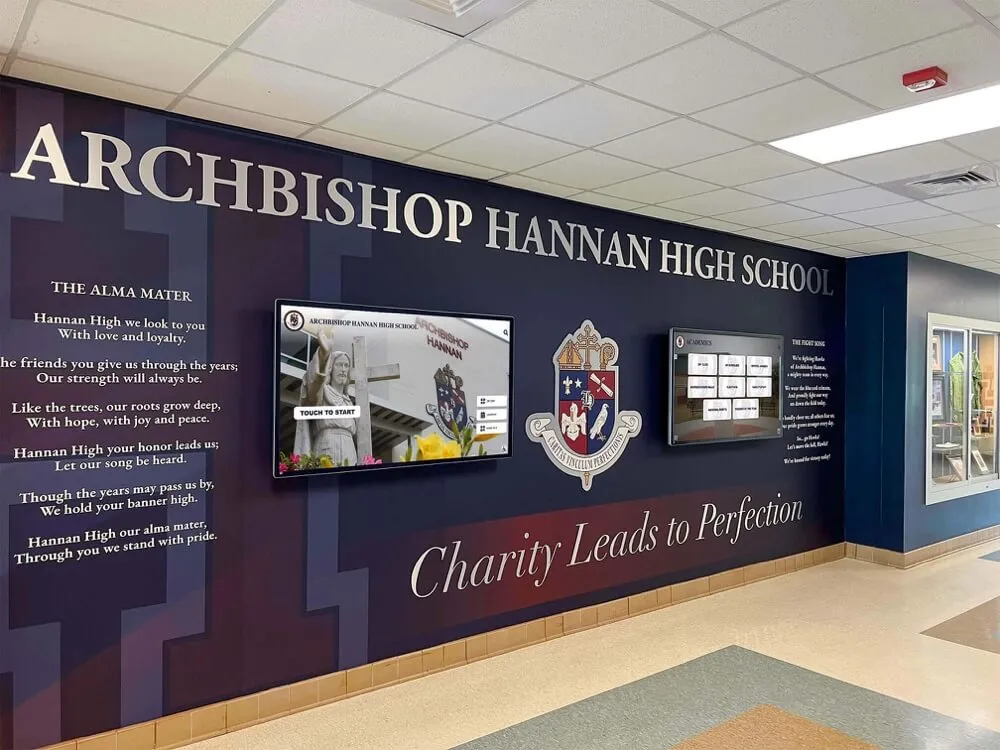
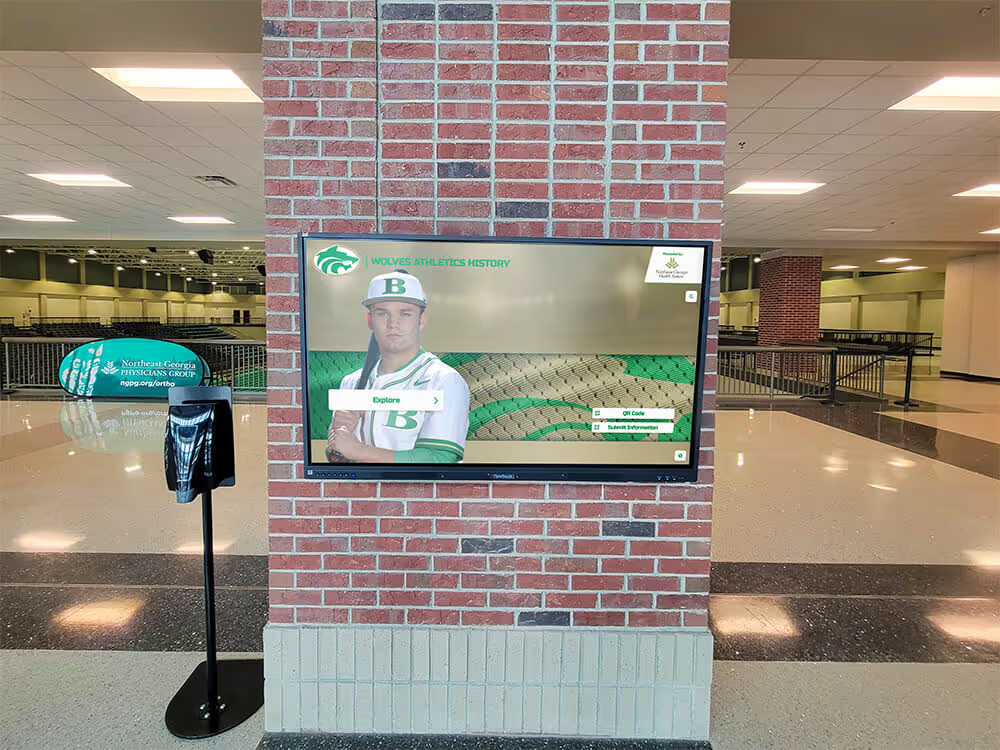
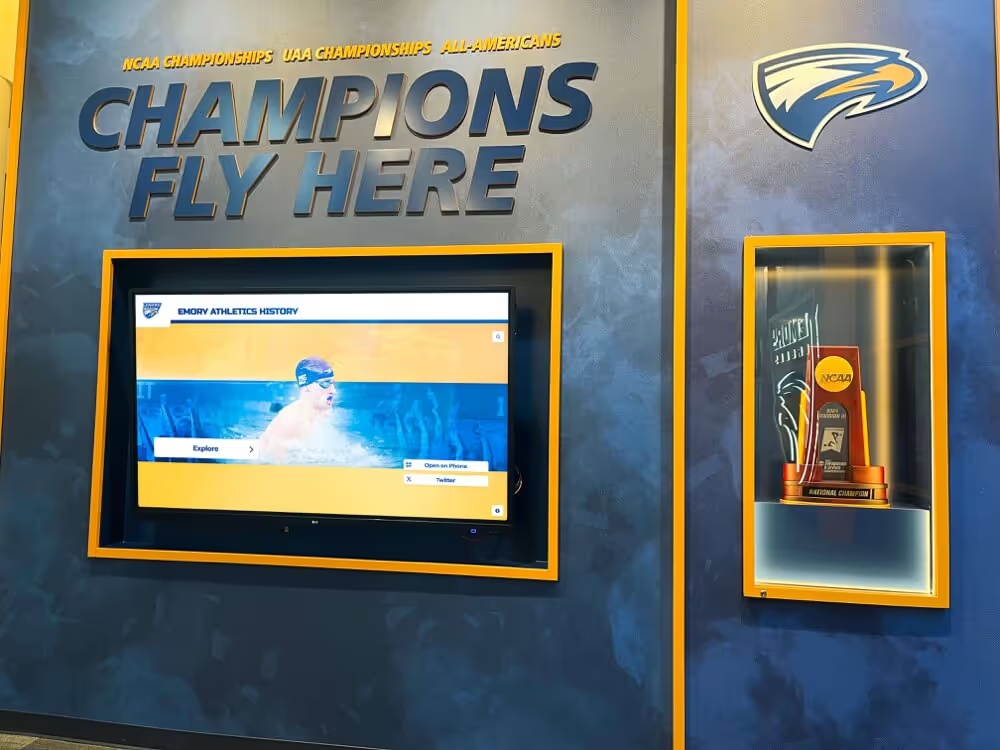
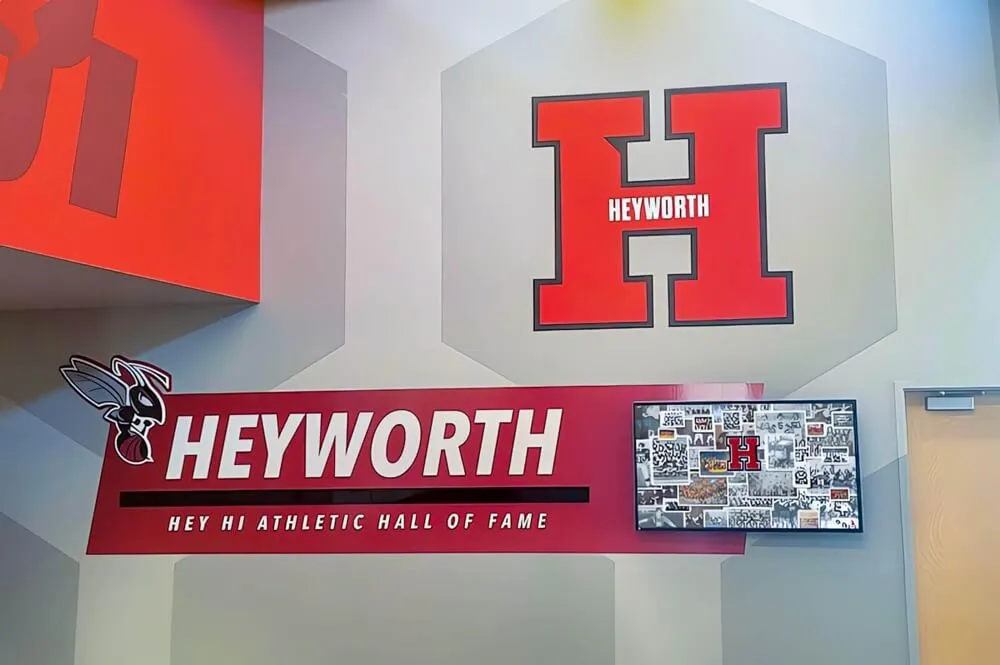
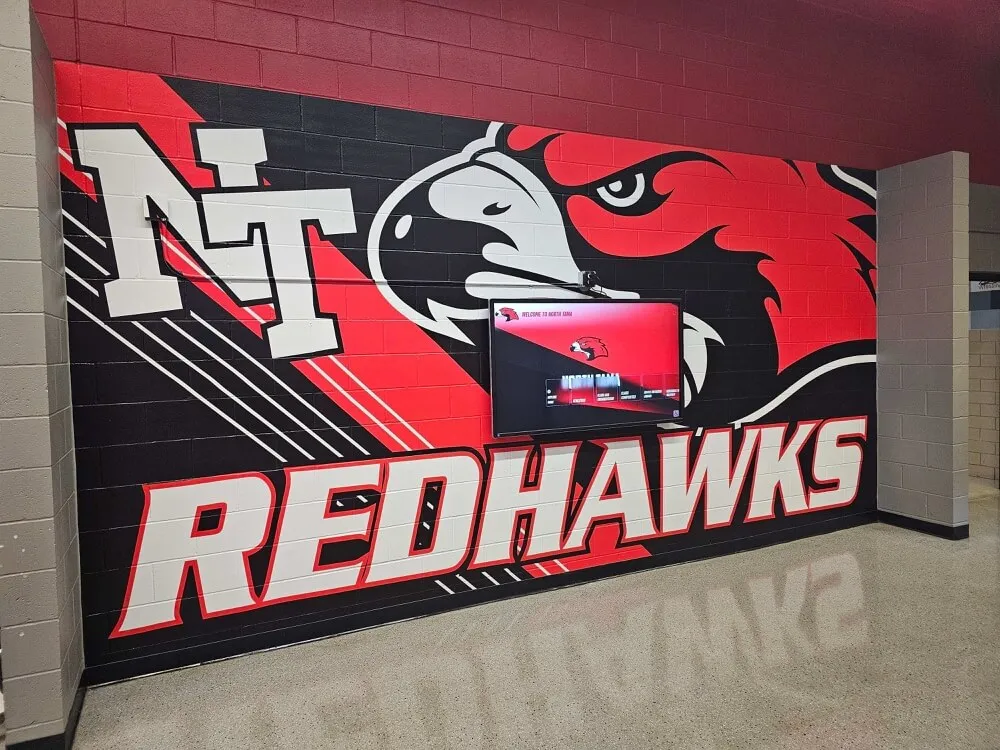
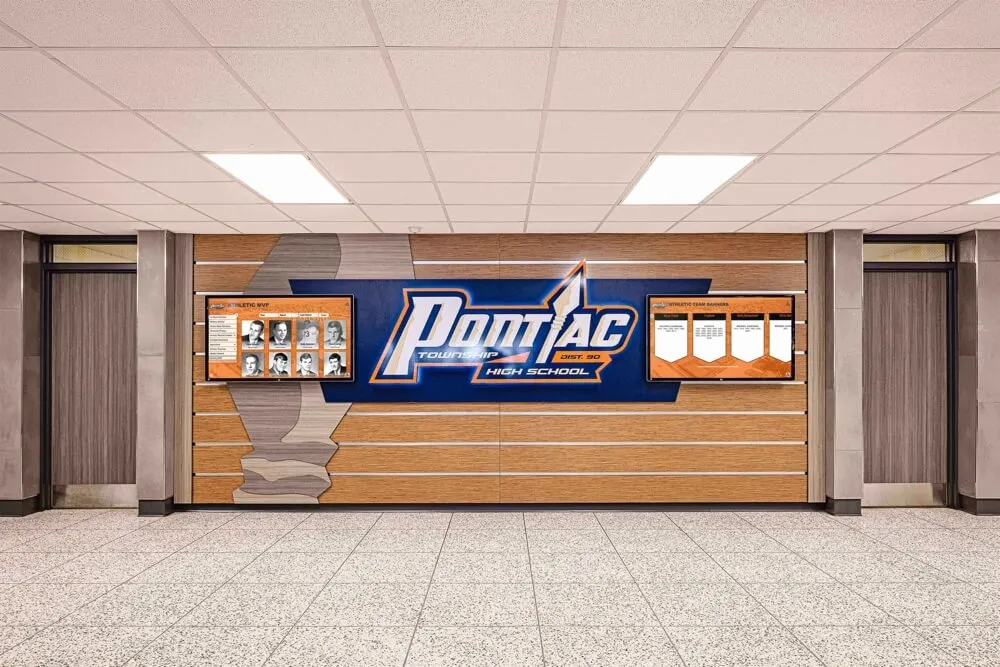
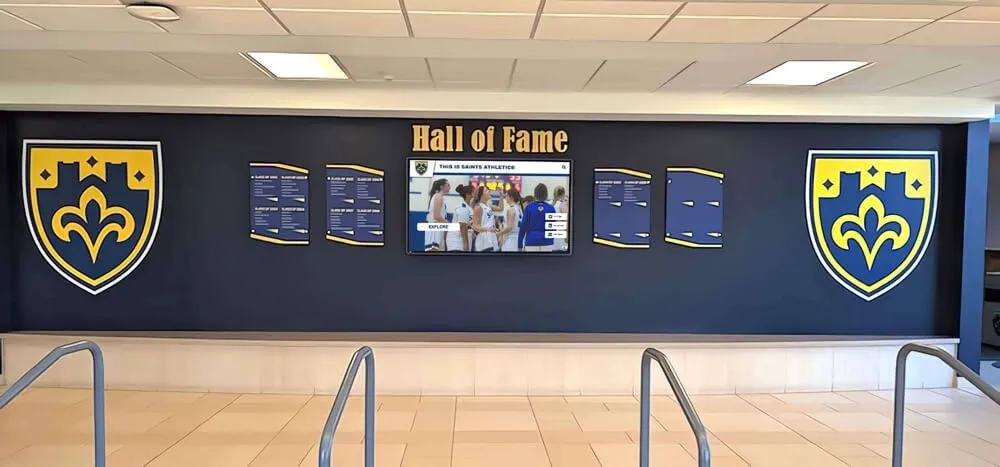
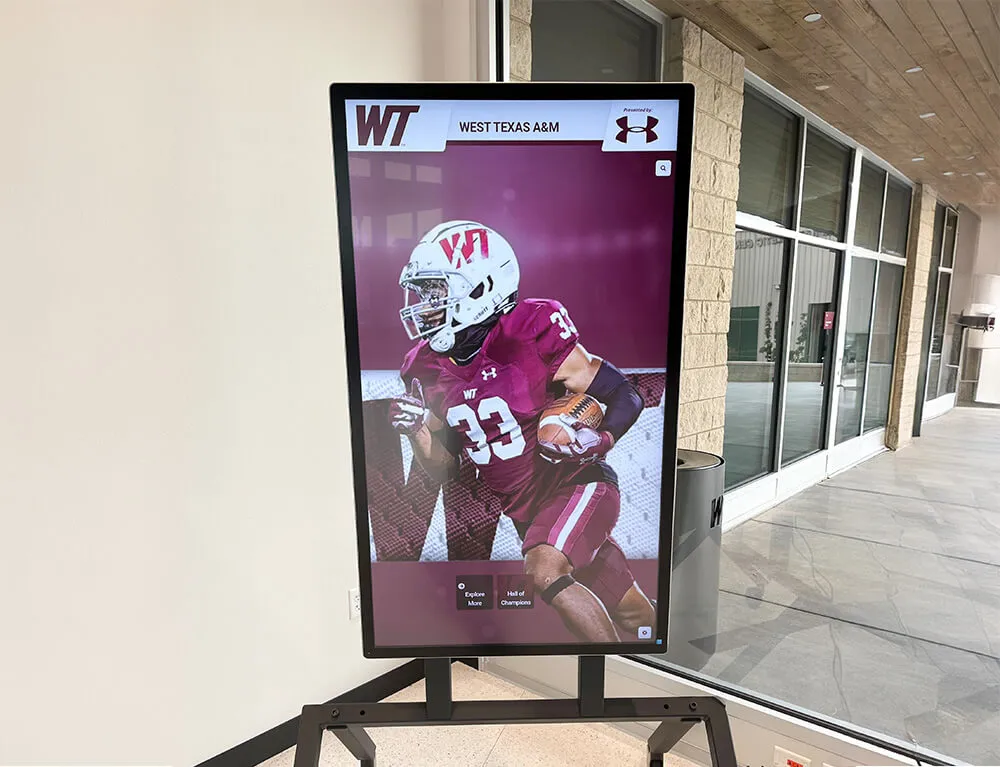
Athletic recognition venues often feature professional display environments where appropriate dress complements the formal celebration atmosphere
What Athletes Should Wear to Sports Banquets
Athletes receiving recognition deserve specific guidance ensuring their attire appropriately honors the occasion while maintaining personal comfort during extended ceremonies.
Male Athletes: Outfit Recommendations
Young men attending sports banquets have several appropriate options depending on formality level:
Semi-Formal Options for Male Athletes
For more formal banquets, consider dress shirt and tie combinations with dress pants—typically navy, gray, or khaki, sport coat or blazer adding polish without full suit formality, dress shoes including oxfords, loafers, or derby styles in leather or polished materials, and belt matching shoe color creating coordinated appearance.
Full suits work beautifully when owned, though sport coats with contrasting dress pants provide equally appropriate alternatives when suits aren’t available or budget-friendly. Ties add formality—choose solid colors, subtle patterns, or school colors showing team pride appropriately.
Smart Casual Options for Male Athletes
When events specify smart casual dress codes, appropriate choices include button-down shirts in solid colors or subtle patterns, polo shirts in good condition when specifically allowed, dress pants or chinos in versatile colors, dressy jeans in dark, unworn washes when explicitly permitted, and leather shoes, loafers, or very clean dress sneakers depending on overall formality.
Long sleeves generally appear more polished than short sleeves, though well-fitted polo shirts work for less formal events. Avoid graphic tees, athletic shorts, hoodies, and worn sneakers even for casual events—“casual” in banquet contexts still means elevated beyond everyday wear.
Team Apparel Considerations
Some programs request athletes wear team warm-up suits, letter jackets, or coordinated team polo shirts creating unified appearance during recognition presentations. When team attire is specified, wear it proudly—this represents appropriate banquet dress when specifically requested by organizing coaches or athletic departments.
If team apparel isn’t specifically required, regular dress clothes typically make more appropriate choices than wearing game jerseys or practice gear. Save athletic wear for competitions rather than recognition celebrations unless explicitly requested.
Programs often showcase athlete achievements through digital team history displays that banquet attendees can explore, making these events true celebrations where formal dress honors documented accomplishments.
Female Athletes: Outfit Recommendations
Young women have diverse appropriate options balancing formality, comfort, and personal style:
Semi-Formal Options for Female Athletes
For formal sports banquets, beautiful choices include cocktail dresses in knee-length or midi-length styles, dressy skirt and blouse combinations offering mix-and-match versatility, dress pants with elegant tops or blouses, dressy jumpsuits providing modern formal alternatives, and heels, dressy flats, or formal sandals depending on comfort preferences and venue considerations.
Choose dresses in appropriate lengths—typically knee-length or longer—and necklines avoiding overly revealing styles. Solid colors, subtle patterns, or tasteful embellishments all work beautifully. Consider bringing a cardigan or blazer for temperature control in air-conditioned venues while adding polish to overall appearance.
Smart Casual Options for Female Athletes
When smart casual dress applies, excellent selections include casual dresses in modest styles and comfortable fabrics, dress pants or khakis paired with nice tops, skirts with blouses or sweaters, dark jeans with dressier tops when jeans are acceptable, and ballet flats, loafers, or clean sneakers for less formal venues.
Avoid overly casual elements like athletic leggings, shorts, tank tops without covering layers, flip-flops, and distressed or ripped jeans even when standard jeans are acceptable.
Jewelry and Accessories
Moderate jewelry enhances outfits without overwhelming—consider simple necklaces or earrings, watches or bracelets adding polish, and small purses or clutches rather than athletic backpacks. Avoid excessive jewelry that distracts during recognition photos or award presentations.
Many female athletes incorporate subtle school colors through accessories like scarves, jewelry, or shoes, showing team pride while maintaining appropriate formality for recognition events.
Hair, Grooming, and Overall Presentation
Beyond clothing selection, overall presentation demonstrates respect for banquet significance:
Hair and Grooming Standards
Ensure hair appears clean, styled, and neat—athletes can wear hair down, in styled updos, or in neat ponytails, whatever feels comfortable while appearing polished. Male athletes should consider haircuts or neat styling, and facial grooming appropriate to age and program standards.
Clothing Fit and Condition
Wear well-fitting clothes without being overly tight or excessively loose, ensure all items are clean, pressed, and free from stains or damage, check that hems are intact and buttons are secure, and verify shoes are clean and polished regardless of style chosen.
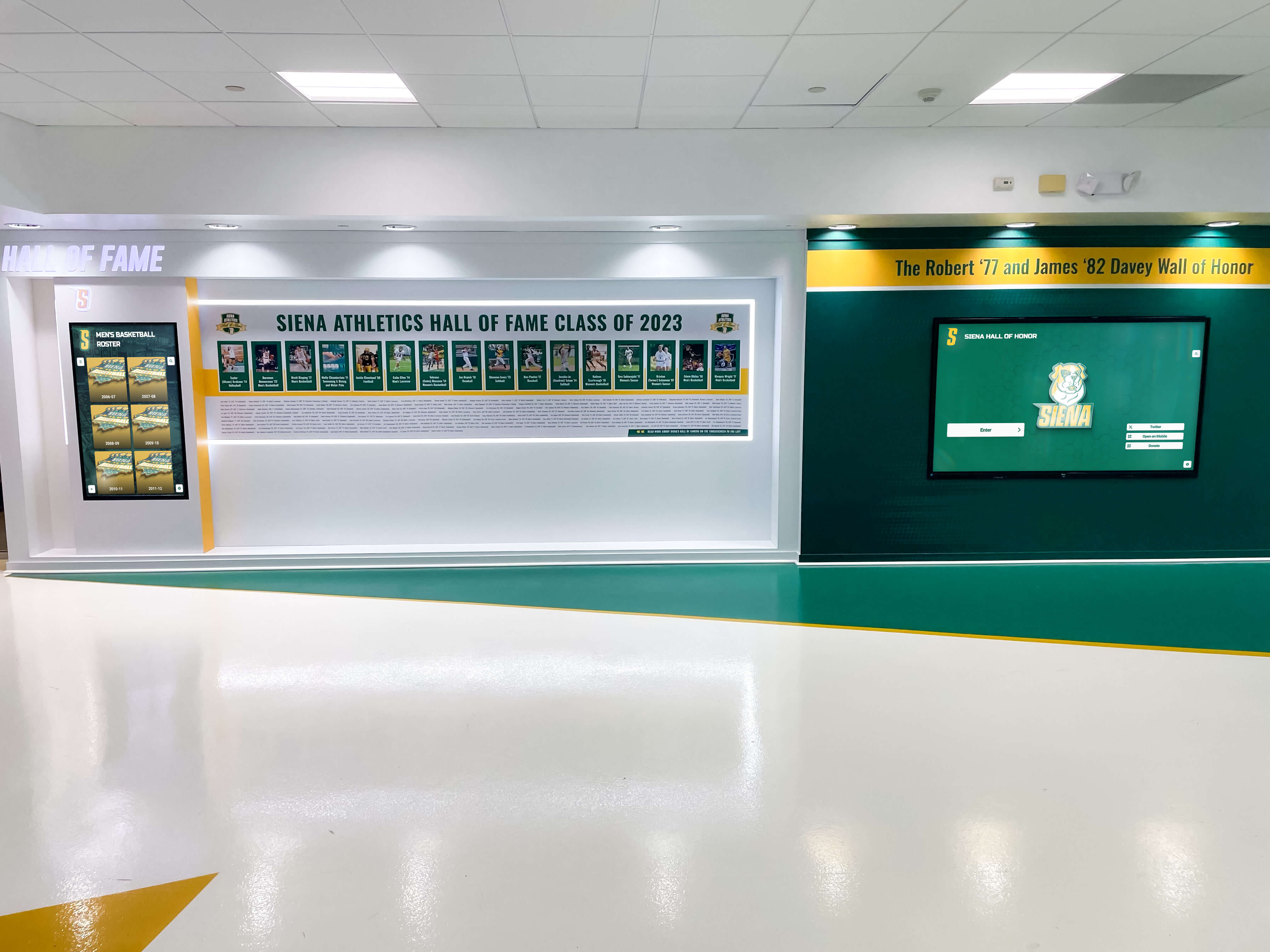
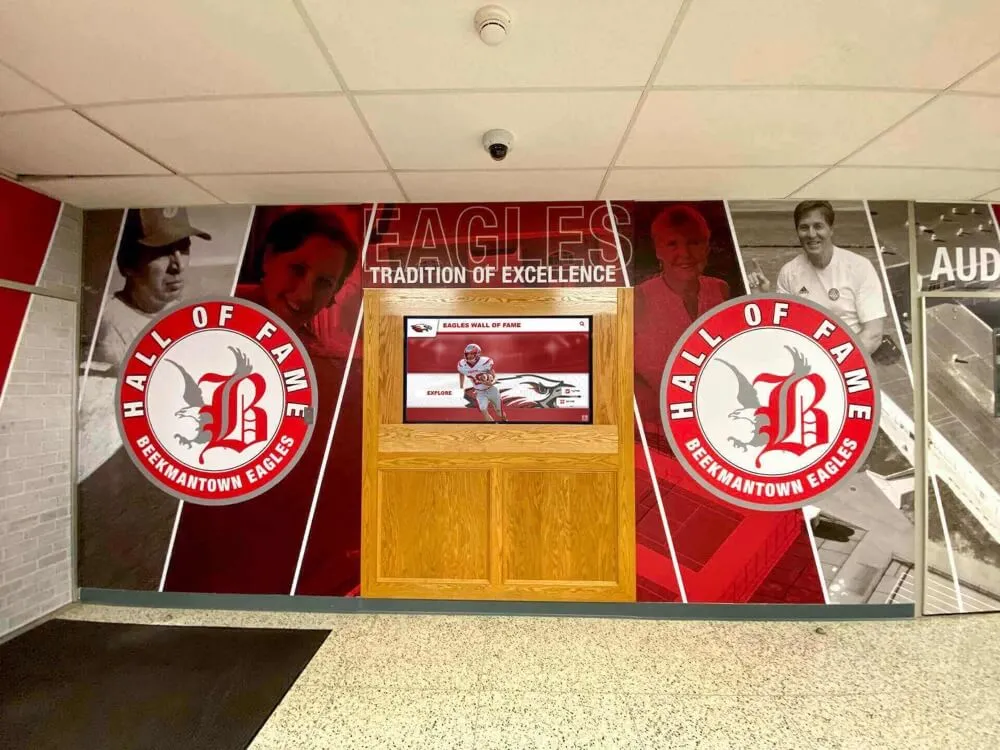
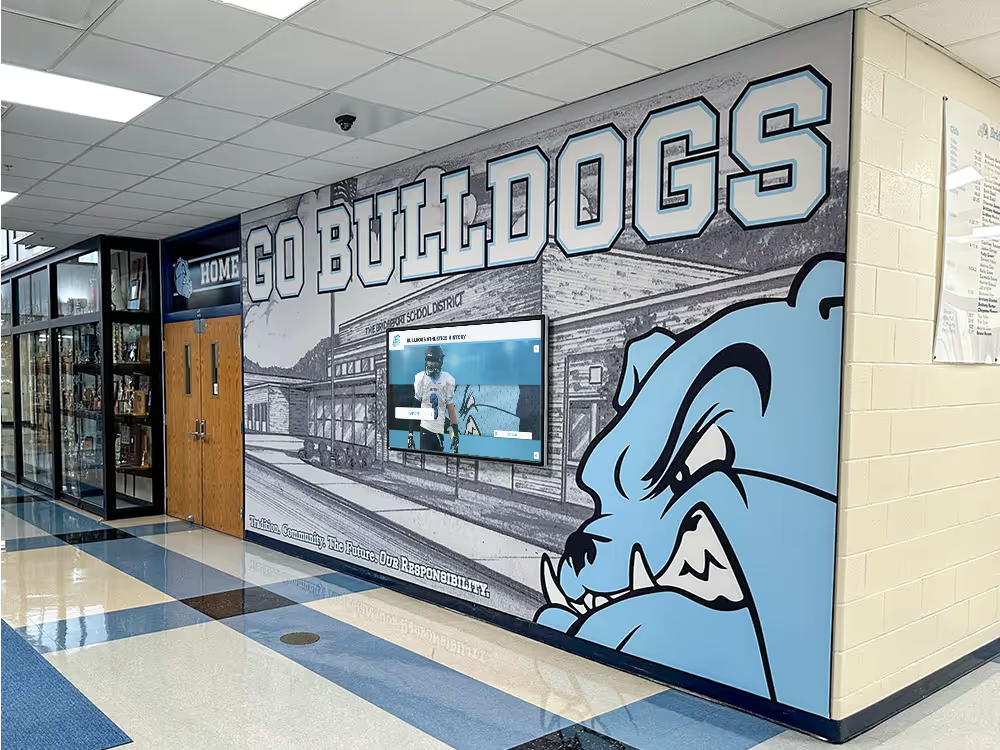
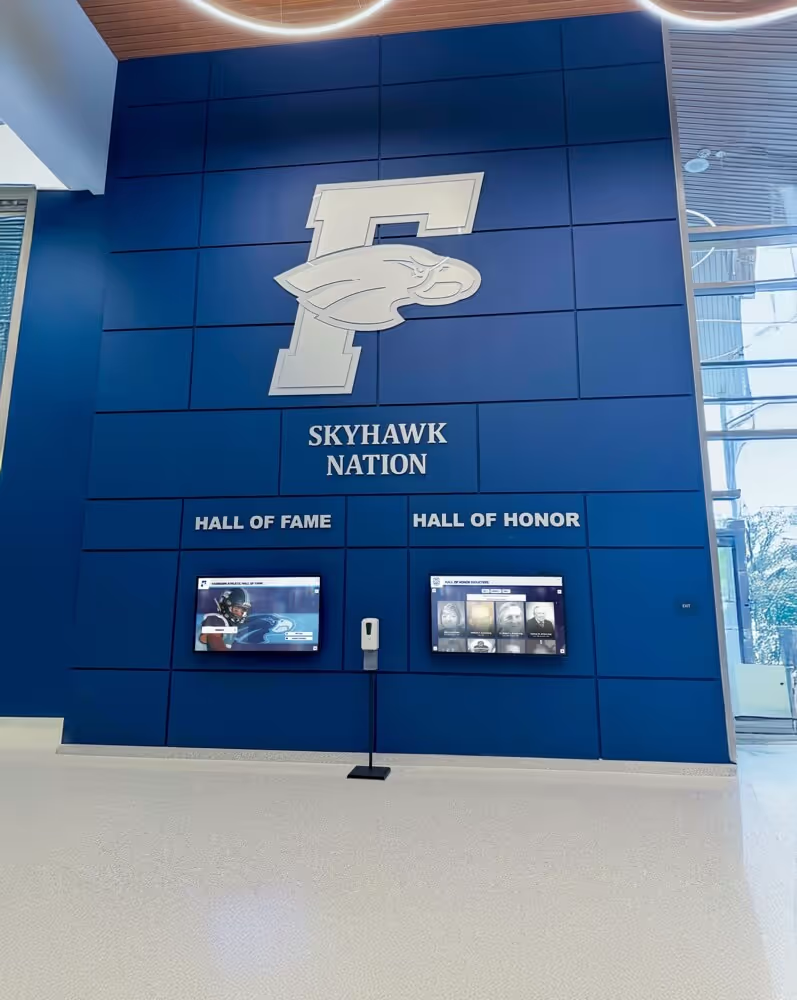
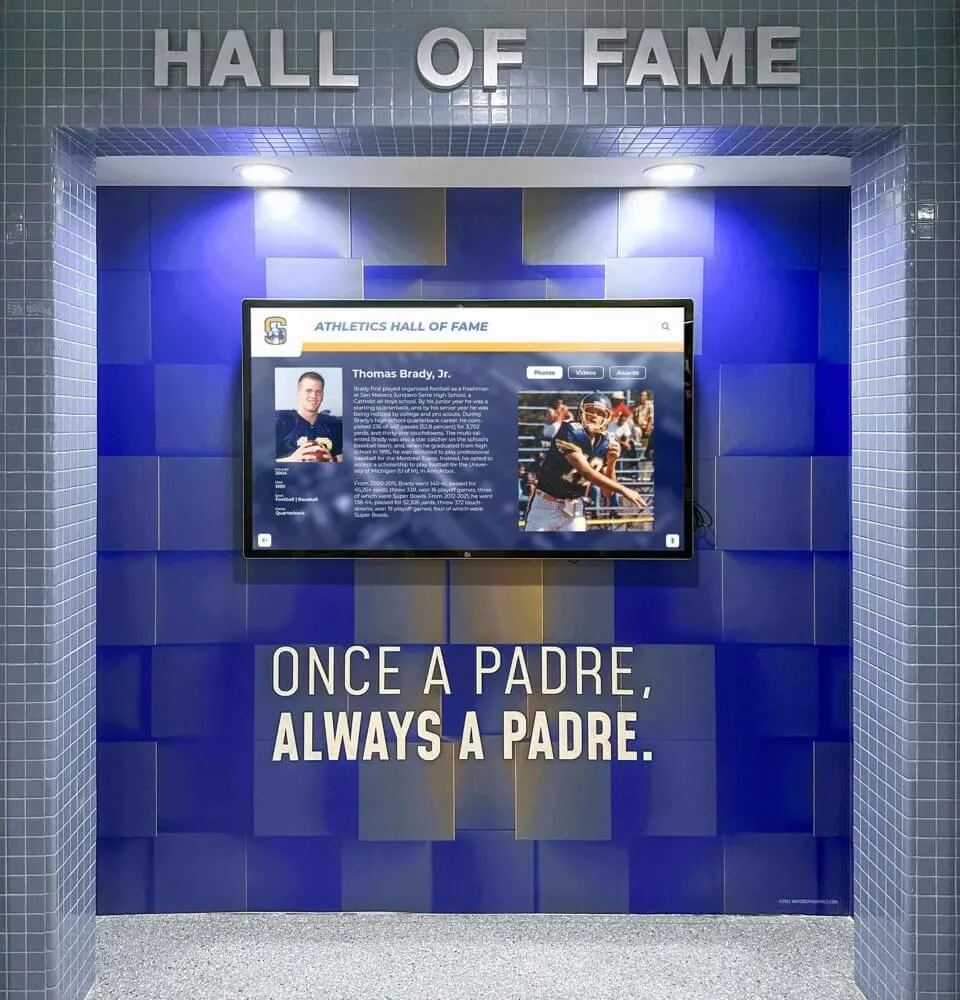
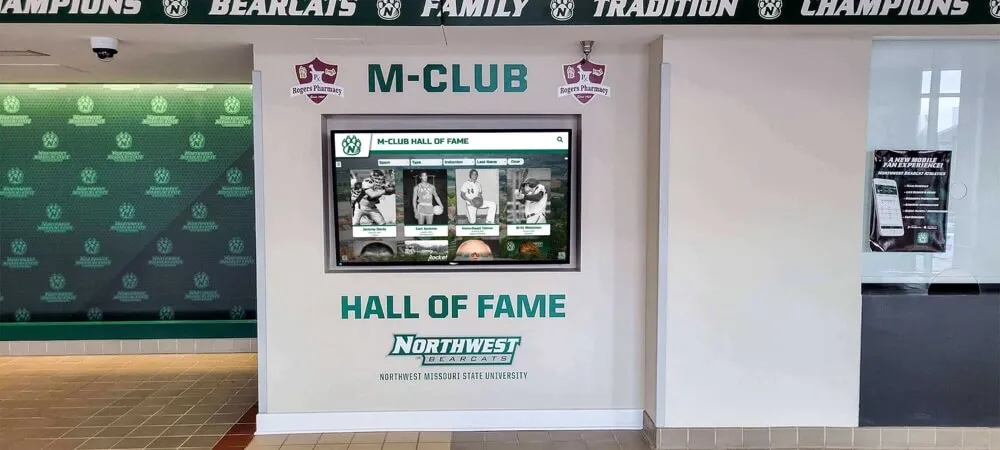
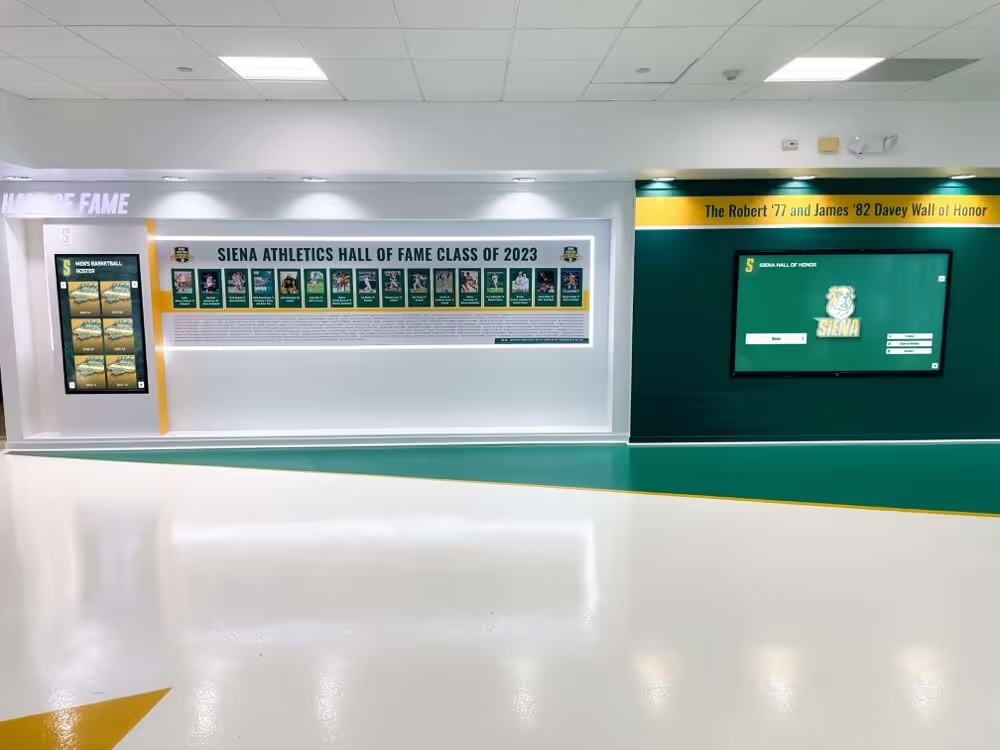
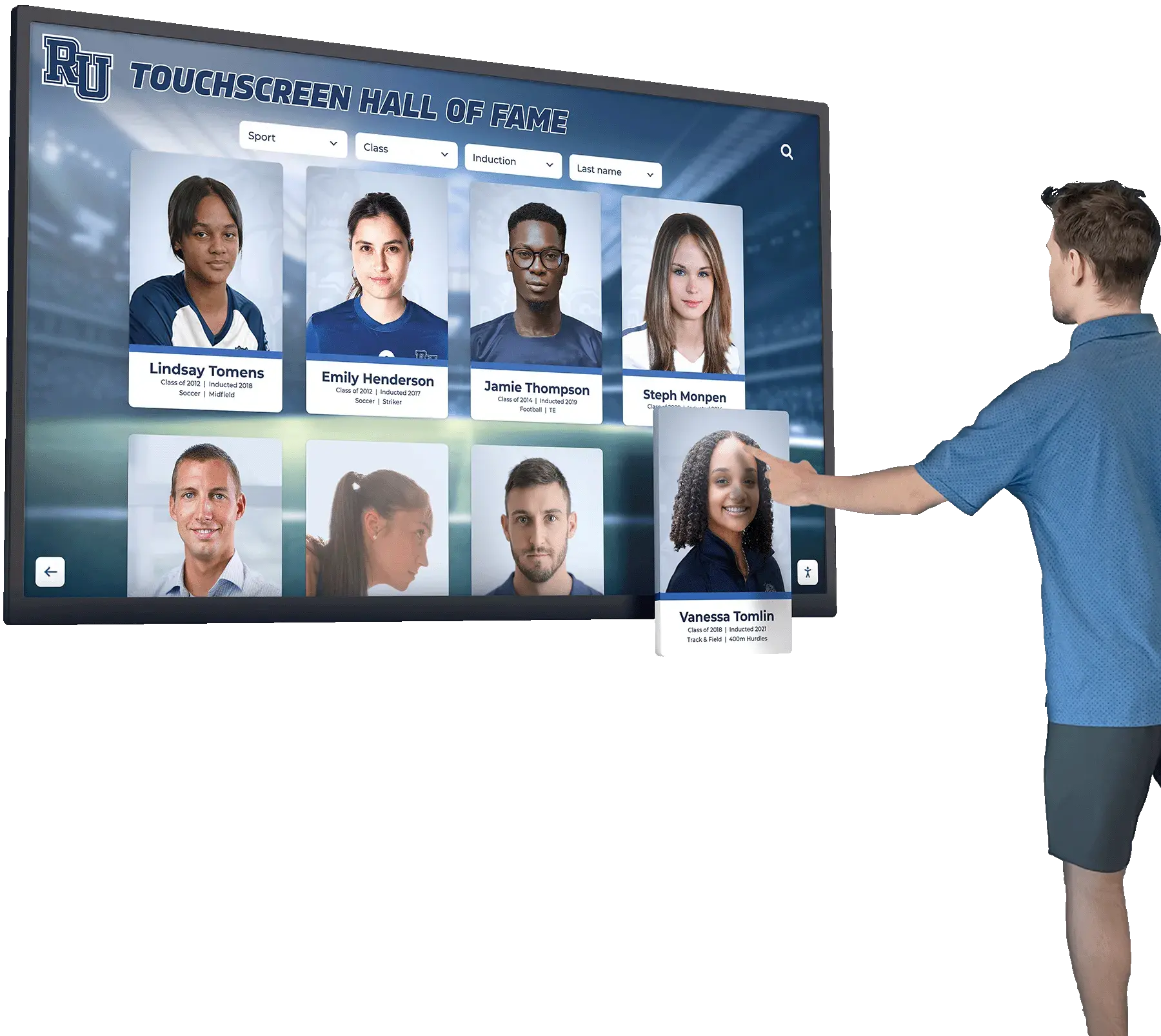
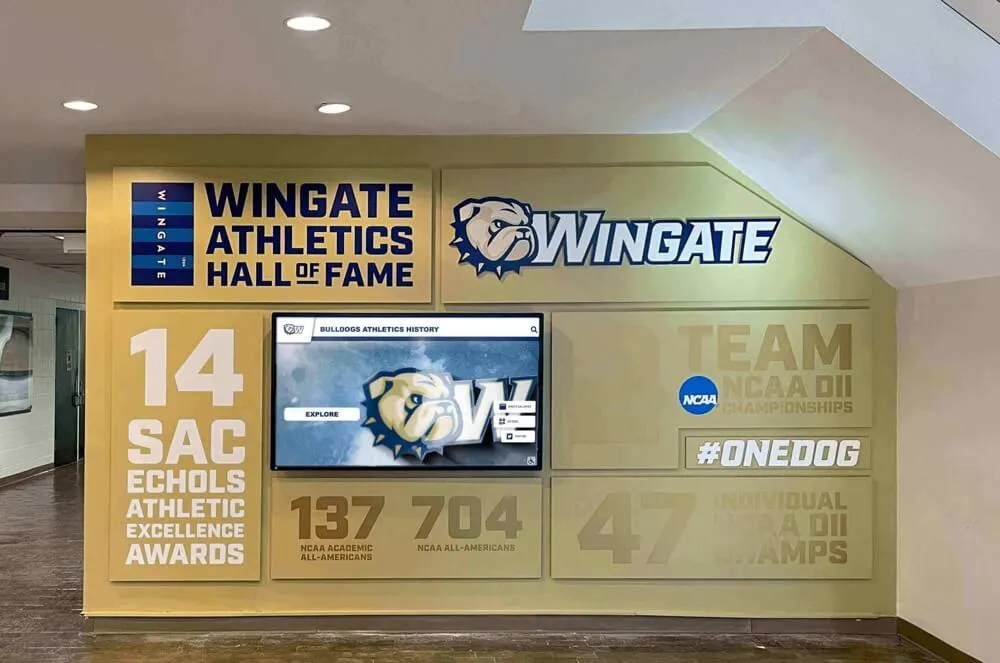
Formal recognition displays honor athletic excellence—venues where athletes' polished appearance matches the professionalism of documented achievements
Programs celebrating achievements through interactive touchscreen recognition create professional environments where athletes’ formal attire appropriately complements the institutional investment in honoring their accomplishments.
What Family Members and Guests Should Wear
Family members, friends, and guests attending sports banquets to support honorees should dress at similar formality levels to athletes themselves.
Parent and Family Member Attire Guidelines
Adults supporting athletes should aim for polished, appropriate attire matching event formality:
Semi-Formal Banquets
Men should consider dress pants with button-down shirts and ties, sport coats or blazers adding formality, full suits when owned and appropriate to venue, and dress shoes in leather or polished materials.
Women might choose cocktail dresses or dressy skirts and blouses, dress pants with elegant tops, dressy pantsuits or coordinated separates, and heels, dressy flats, or formal sandals.
Smart Casual Banquets
Men can wear collared shirts with dress pants or khakis, polo shirts in excellent condition, optional sport coats for added polish, and loafers, oxfords, or dress shoes.
Women have options including casual dresses, skirt or dress pant combinations with nice tops, dressy jeans with elevated tops when appropriate, and comfortable dress shoes or flats.
Business Casual as Default
When uncertain about specific dress codes, business casual represents safe middle ground appropriate for most sports banquets—professional enough for formal venues yet not overdressed for casual settings. This means collared shirts and dress pants for men, dresses or coordinated separates for women, and dress shoes for all attendees.
What to Avoid Regardless of Formality
Certain items remain inappropriate for sports banquets across formality levels:
- Athletic wear including workout clothes, team jerseys not explicitly requested, athletic shorts, and yoga pants or leggings as pants
- Overly casual items like t-shirts with graphics or slogans, flip-flops or beach sandals, ripped or distressed jeans, and baseball caps or casual hats
- Inappropriate styles including revealing or overly tight clothing, beachwear or resort casual items, work uniforms or professional attire from other contexts, and anything dirty, stained, or in poor condition
Remember that sports banquets celebrate athlete achievement through formal recognition—dress choices should honor both the athletes being celebrated and the significant effort organizers invested in creating meaningful events. Many schools document these celebrations through comprehensive recognition programs preserving memories of these special occasions.
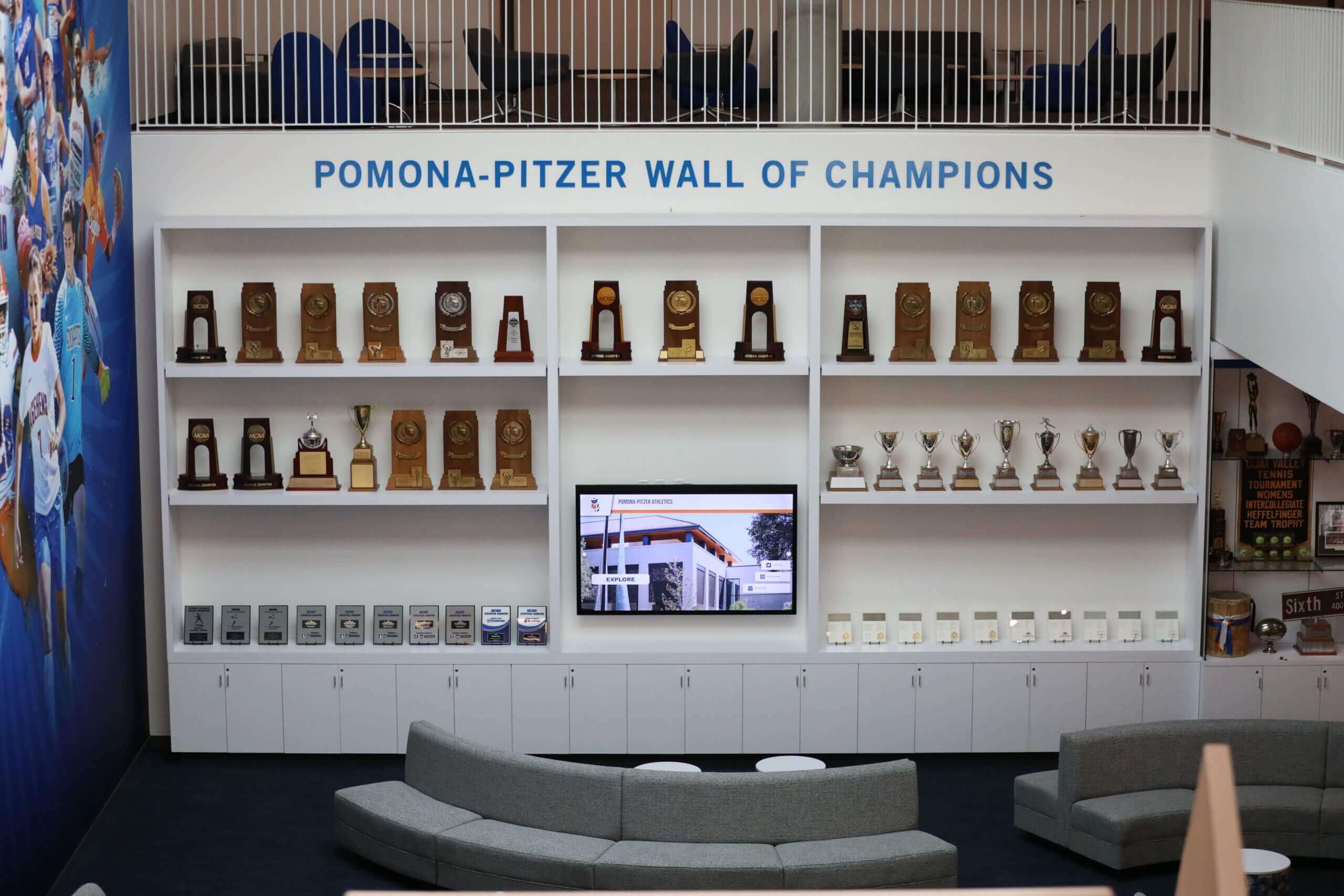
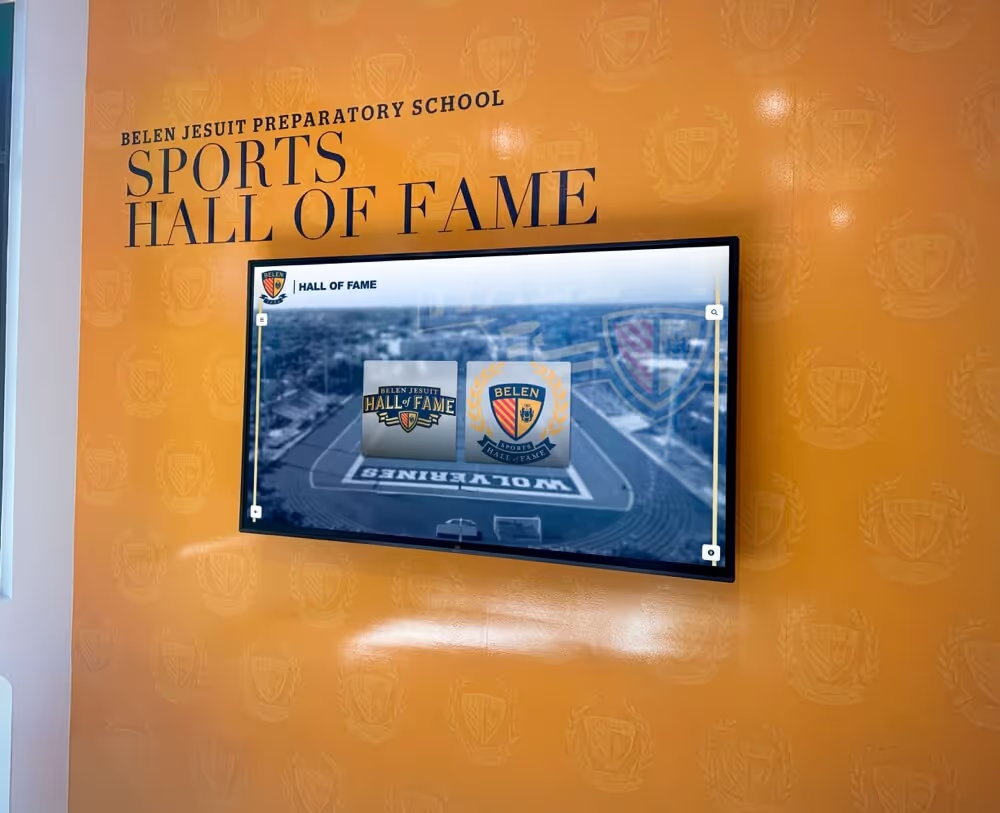
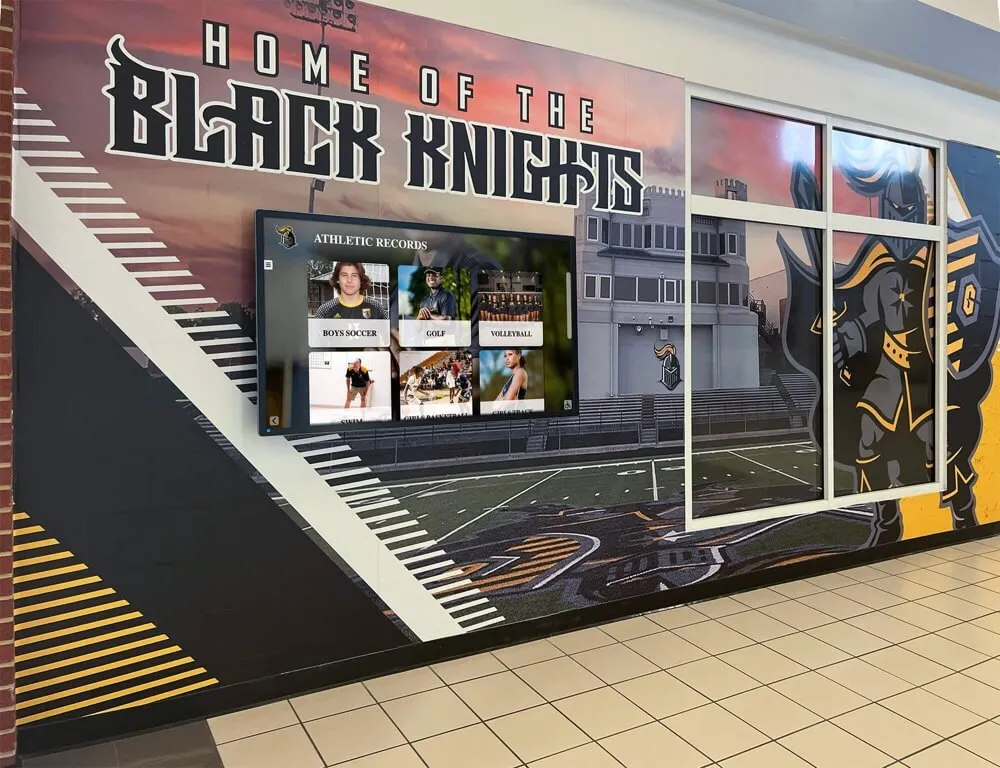
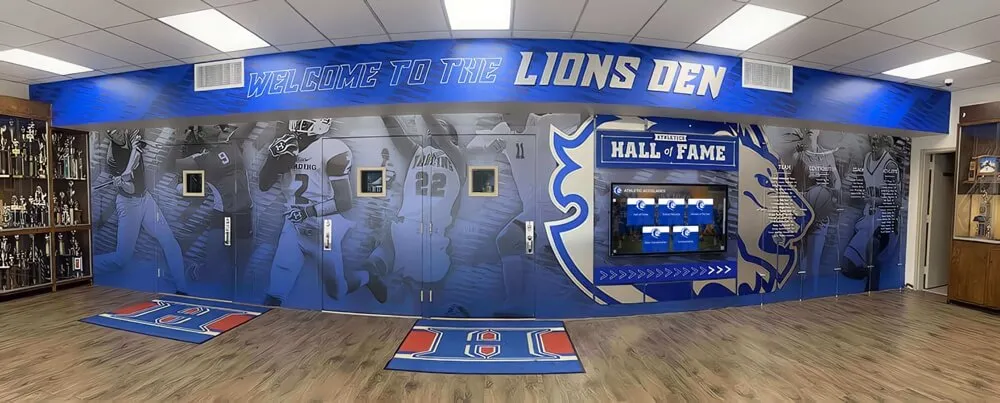
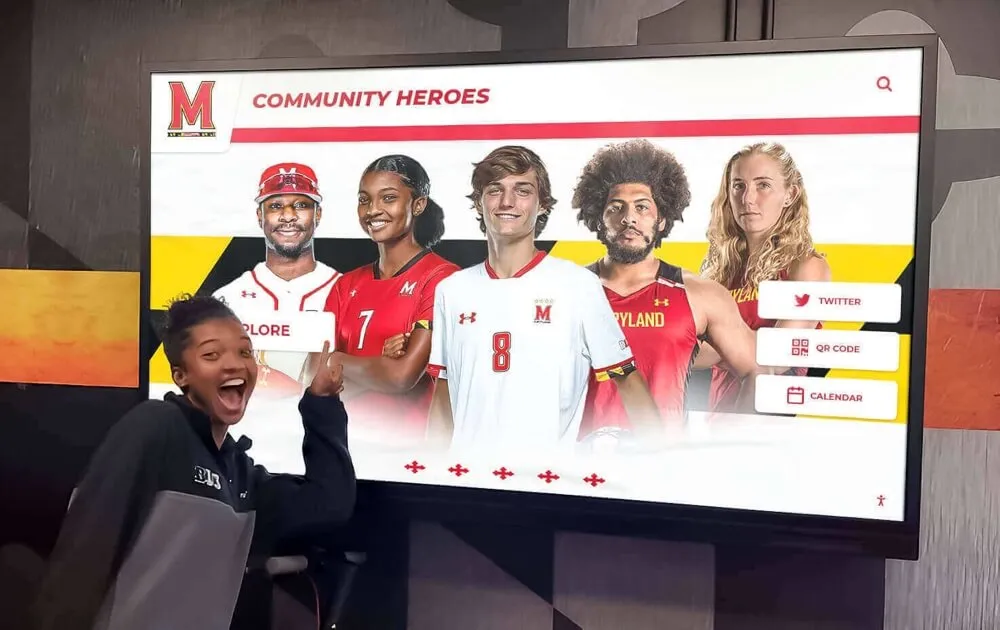
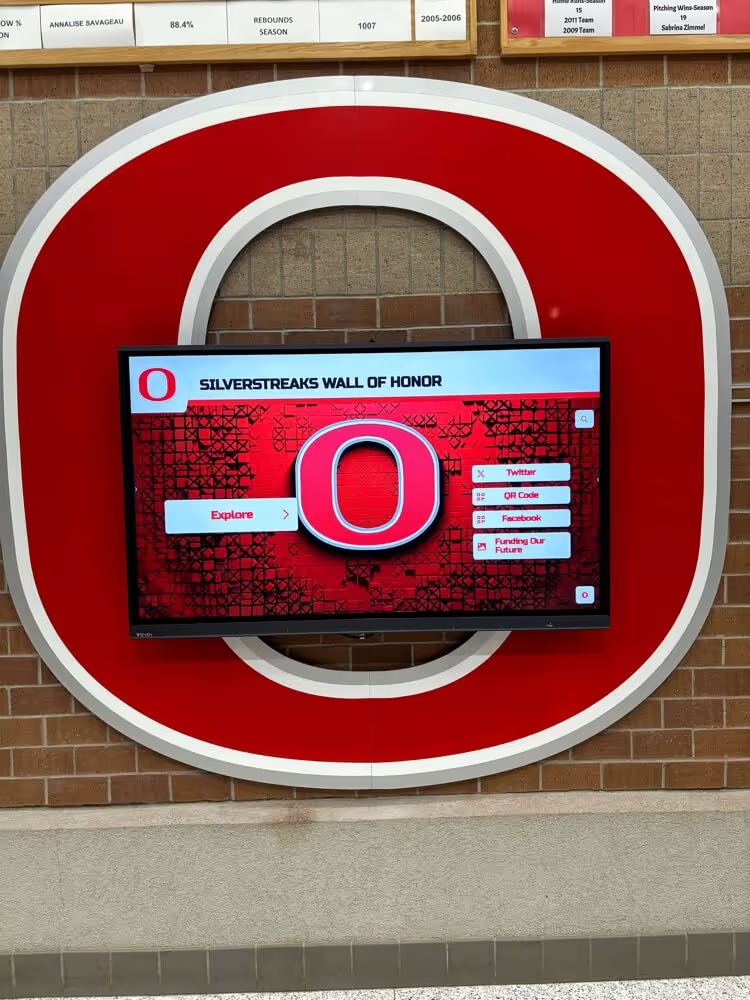
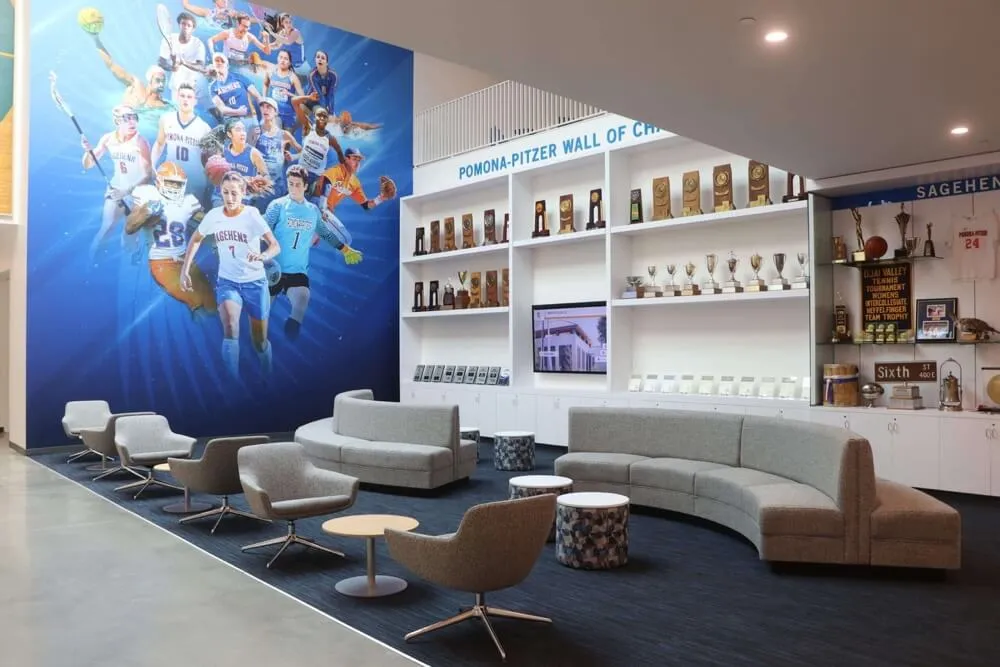
Championship recognition lounges create sophisticated celebration environments where appropriate guest attire honors the formal setting and athletic achievements
Venue-Specific Dress Code Guidance
Different banquet locations typically signal specific dress expectations worth considering during outfit selection.
Hotel Ballrooms and Banquet Halls
Commercial event venues generally expect elevated formality:
These formal settings typically require semi-formal attire minimum—suits or sport coats for men, cocktail dresses or elegant separates for women, and dress shoes for all attendees. Hotel and banquet hall venues signal that organizing programs invested significant resources creating special experiences, warranting attendee dress choices reflecting similar investment.
Climate-controlled indoor environments allow formal shoes and dressier fabrics without weather concerns, while professional venue atmospheres call for polished presentation matching surroundings.
Country Clubs and Private Clubs
Club venues often maintain specific dress codes that sports banquets must follow:
Many country clubs prohibit jeans, require collared shirts for men, expect covered shoulders for women, and mandate closed-toe shoes. Check with organizers about club-specific requirements, as violating house rules can prevent entry regardless of general sports banquet norms.
Club settings typically expect business formal to semi-formal attire—treating these venues with formality appropriate to upscale dining establishments creates safe approach.
School Cafeterias and Gymnasiums
School-based venues typically allow more relaxed dress while still expecting polish:
While school facilities enable more casual approaches, smart casual remains appropriate baseline—avoid treating banquets like regular school days or athletic practices. Dress pants or nice jeans with collared shirts or blouses, casual dresses, and clean dress shoes create appropriate appearances without requiring formal clothing.
School venues sometimes involve students arriving directly after classes or practices, making extremely formal dress impractical. However, bringing change clothes or dress layers ensures neat presentation even when arriving from other activities.
These school facilities often feature digital recognition displays celebrating athletic achievements—installations where appropriate dress shows respect for the permanent recognition infrastructure honoring program excellence.
Restaurant Private Rooms
Restaurant venues typically mirror the establishment’s general dress standards:
Upscale restaurants expect business casual minimum, while family-style restaurants may accommodate smart casual dress. Check restaurant websites for stated dress codes, and aim slightly more formal than typical dining standards since banquets represent special occasions beyond routine meals.
Private room settings enable conversation and interaction—choose outfits allowing comfortable sitting, eating, and socializing without constant adjustment or discomfort through extended events.
Outdoor Venues and Pavilions
Seasonal outdoor banquets require weather-appropriate adaptations:
Outdoor settings enable slightly more relaxed attire while maintaining polish—dressy shorts might work for summer events when typically inappropriate indoors, weather-appropriate footwear like wedges or block heels provide stability on grass or uneven surfaces, and layers accommodate temperature changes as evening progresses.
However, outdoor doesn’t mean ultra-casual—maintain smart casual standards minimum, avoiding athletic wear, flip-flops, or overly casual items despite outdoor settings.
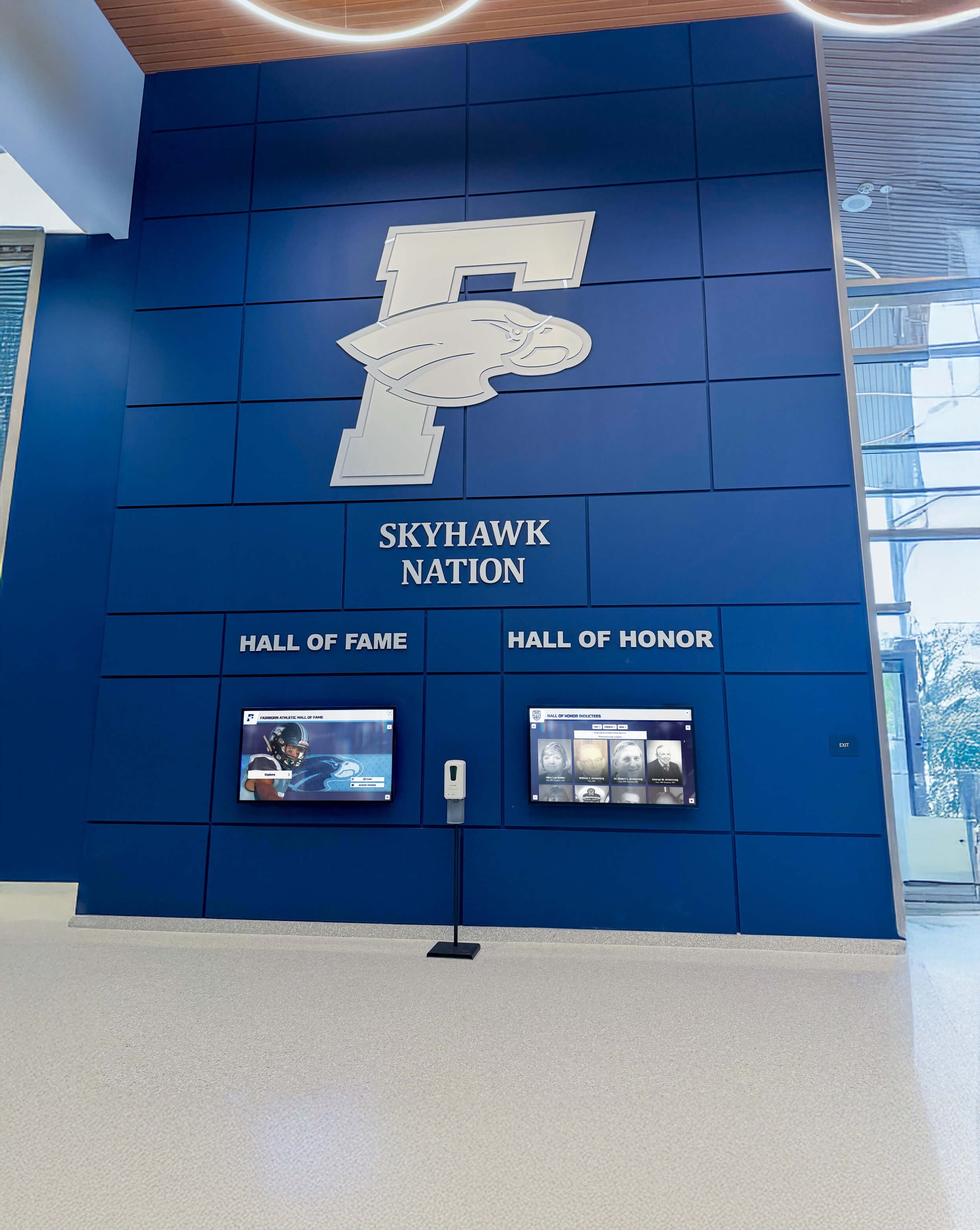
Professional lobby recognition spaces create formal environments where banquet attendees' polished appearance matches the institutional commitment to celebrating achievement
Common Sports Banquet Dress Code Mistakes to Avoid
Learning from frequent missteps helps attendees arrive appropriately dressed and confident.
Dressing Too Casually
The most common mistake involves underestimating banquet formality, arriving in everyday casual wear appropriate for practices or games but insufficient for recognition ceremonies. Sports banquets celebrate achievement through formal acknowledgment—dress should reflect event significance rather than treating celebrations as routine team gatherings.
Even when invitations don’t specify dress codes, assume smart casual minimum unless explicitly stated otherwise. Better to be slightly overdressed than significantly underdressed for events honoring months of athletic dedication.
Wearing Inappropriate Athletic Wear
Unless specifically requested by organizers, game jerseys, practice gear, team t-shirts, and athletic shorts remain inappropriate for sports banquets. While these items show team pride during competitions, recognition events call for elevated dress demonstrating that you understand the distinction between competing and celebrating achievements formally.
The exception: when coaches or athletic directors specifically request team warm-ups, letter jackets, or coordinated team apparel, wearing requested gear becomes appropriate banquet dress.
Choosing Uncomfortable Clothing or Shoes
Sports banquets typically last 2-3 hours involving extended sitting, dining, and potential standing during recognition presentations. Clothing that feels comfortable in dressing rooms but becomes restrictive during extended wear creates unnecessary discomfort distracting from event enjoyment.
Similarly, shoes that look beautiful but cause pain after 30 minutes diminish celebration experiences. Choose outfits enabling full event participation without constant adjustment, and break in new dress shoes before banquet day rather than wearing them for the first time at events.
Ignoring Venue-Specific Requirements
Country clubs, upscale restaurants, and formal venues often maintain house dress codes that sports banquet attendees must follow regardless of general athletic event norms. Ignoring venue-specific requirements can prevent entry, creating embarrassment and disappointment when avoidable with simple advance inquiry.
When uncertain about venue standards, contact organizers or call venue directly asking about dress requirements for evening events. This simple step prevents potential access issues from dress code violations.
Overdressing for Clearly Casual Events
While dressing too casually represents more common mistakes, occasionally attendees significantly overdress for events with relaxed standards, creating discomfort feeling out of place. Youth recreation league banquets at park pavilions rarely expect cocktail attire, making full formal dress unnecessary.
Review invitation language carefully—terms like “casual celebration,” “team party,” or “end-of-season pizza party” signal relaxed dress expectations where smart casual or even neat casual suffices.
Schools implementing digital athletic recognition systems often host formal banquets introducing these platforms, making appropriate dress particularly important for events unveiling permanent recognition infrastructure.
Preparing for Sports Banquet Dress Success
Strategic preparation prevents last-minute stress and ensures appropriate, comfortable attire.
Planning Ahead: Timeline for Banquet Outfit Preparation
2-3 Weeks Before Banquet
Review invitation details confirming date, time, venue, and any stated dress code, clarify expectations by contacting organizers if uncertain, assess current wardrobe identifying potentially appropriate outfits, and determine whether new purchases or alterations are needed.
1-2 Weeks Before Banquet
Shop for any needed clothing items or accessories allowing time for exchanges if needed, arrange alterations ensuring proper fit without last-minute rush, and try complete outfits including shoes and accessories verifying comfort and appearance.
Few Days Before Banquet
Clean or launder selected clothing, press or steam items removing wrinkles, polish shoes ensuring clean, presentable appearance, and assemble complete outfits including accessories preventing morning-of scrambling.
Day of Banquet
Allow adequate preparation time avoiding rushed dressing, verify all outfit components are ready and accessible, and bring any weather-appropriate layers or backup items depending on venue and forecast.
Budget-Friendly Banquet Outfit Solutions
Appropriate sports banquet attire need not require excessive spending:
Shop Current Wardrobe First
Many people already own suitable banquet clothing—dress pants from previous formal events, button-down shirts or blouses from school requirements, or dresses from past celebrations all work beautifully when properly fitted and well-maintained.
Borrow or Swap with Friends
Coordinate with teammates’ families to borrow formal wear for single-event wear, organize clothing swaps among team parents sharing banquet outfit options, or borrow accessories like ties, jewelry, or dress shoes adding polish to simpler owned outfits.
Shop Discount and Consignment Options
Department store clearance sections offer significant savings on formal wear, thrift stores and consignment shops provide quality used formal clothing at fraction of retail costs, and online resale platforms like Poshmark or ThredUp feature dress clothes in excellent condition.
Choose Versatile Pieces
Invest in classic, versatile items usable for multiple future occasions—solid color dress pants, neutral blazers, simple dresses, and quality dress shoes all serve sports banquets, academic ceremonies, family celebrations, and professional events throughout school years.
Rent for Significant Formal Events
For particularly formal banquets requiring attire unlikely to receive repeat use, rental services provide access to high-quality formal wear without purchase investment.
Many schools hosting banquets maintain comprehensive donor recognition displays celebrating supporters who make athletic programs possible—events where appropriate attire honors both athletes and generous contributors.
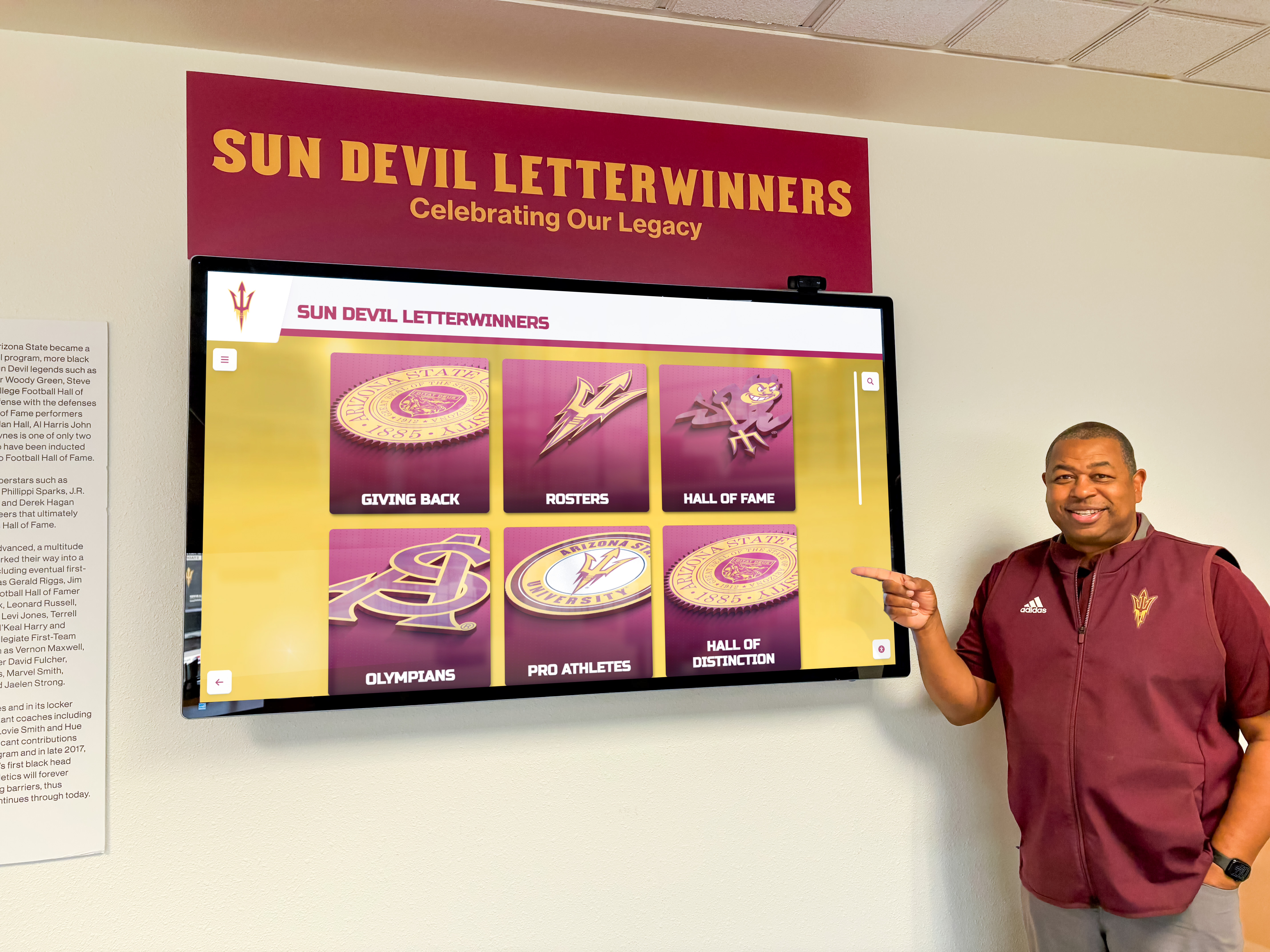
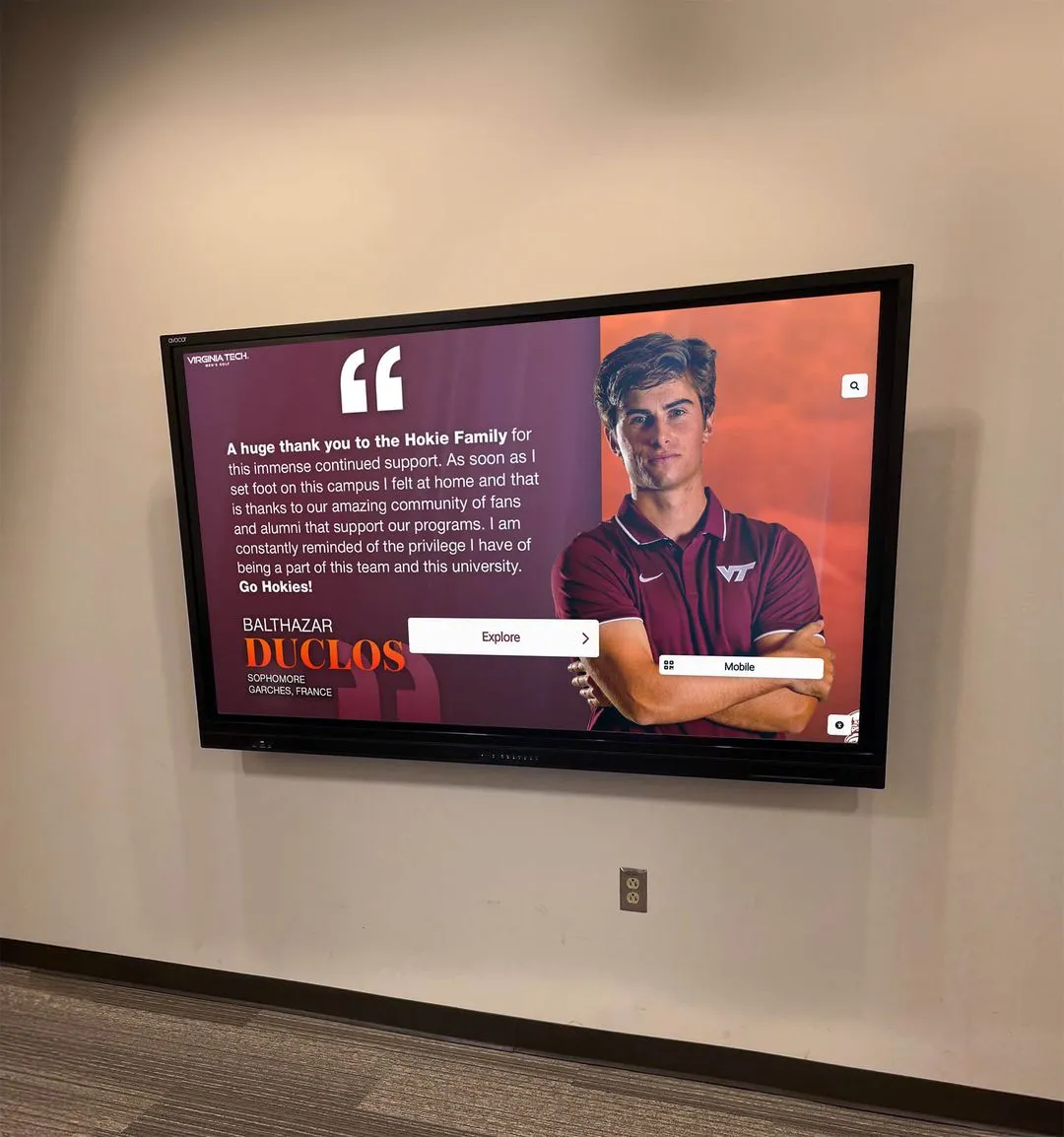
Interactive recognition displays at banquet venues showcase athletic achievements—installations where attendees' professional appearance complements documented excellence
Special Considerations for Different Sports Banquet Types
Various banquet formats present unique dress considerations worth noting.
Championship and Elite Competition Banquets
Championship celebrations and elite-level recognition events typically expect elevated formality reflecting significant achievement being honored. State championship banquets, college signing day celebrations, conference championship recognition, and all-American athlete honors generally warrant semi-formal minimum attire, treating these as major milestone celebrations rather than routine team events.
These high-profile events often include media attendance, photography for program promotional materials, and broader community audiences—making polished presentation particularly important for athletes and families representing programs publicly.
Multi-Sport and All-Sports Banquets
All-sports banquets combining multiple athletic programs typically set higher dress standards than single-team celebrations, as unified events require consistent formality across diverse groups. These large-scale recognition events often take place in formal venues accommodating entire athletic departments, warranting business casual to semi-formal attire.
Athletes attending all-sports banquets represent not only individual teams but complete athletic programs—dress choices should reflect this broader representation responsibility.
Senior Recognition and Awards Nights
Banquets specifically honoring graduating seniors often incorporate additional formality recognizing career culmination and transition to post-school athletics or life. Senior nights, graduation banquets, and final-year celebrations frequently request semi-formal attire or include special dress traditions like letter jackets or team blazers for honored seniors.
These emotional celebrations mark significant transitions—appropriate formal dress honors both athletic careers concluding and important life milestones being reached.
Parent and Volunteer Appreciation Events
Some sports banquets focus on thanking parent volunteers, booster club members, or program supporters rather than exclusively honoring athletes. These appreciation events typically expect business casual to semi-formal attire, treating occasions as formal thank-you celebrations recognizing significant contributed time and resources.
Programs implementing digital recognition infrastructure often unveil these systems at banquets, making events particularly significant as programs introduce permanent platforms celebrating athletic excellence for generations.
Answering Common Sports Banquet Attire Questions
Addressing frequently asked questions provides additional clarity for uncertain attendees.
Can I Wear Jeans to a Sports Banquet?
Jeans acceptability depends entirely on stated dress code and venue formality. For casual banquets at school cafeterias or outdoor venues where smart casual applies, dark, well-fitted, unworn jeans paired with dressier tops can work appropriately. However, any holes, distressing, fading, or casual styling makes jeans inappropriate even for relaxed events.
For semi-formal banquets, hotel venues, or country clubs, jeans remain inappropriate regardless of quality or styling. When uncertain, choosing dress pants or khakis provides universally appropriate alternatives avoiding any risk.
Should Athletes Wear Their Jerseys or Team Gear?
Wear team athletic gear only when specifically requested by coaches or athletic directors coordinating team appearances. Unless explicitly asked to wear jerseys, warm-ups, or team apparel, choose regular dress clothes appropriate to stated formality level.
Letter jackets represent appropriate team pride expression at many banquets without constituting athletic wear, as these formal program symbols work beautifully with dress clothes at recognition events.
What if I Don’t Own Appropriate Formal Clothes?
Limited wardrobe options shouldn’t prevent banquet attendance or create stress—several solutions exist:
Contact coaches or athletic directors explaining situation and asking whether loaner outfits, team gear, or relaxed standards apply for your circumstances. Many programs maintain spare formal wear or can arrange borrowing among team families.
Borrow appropriate clothing from friends, relatives, or teammates’ families in similar sizes, shop thrift stores or clearance racks for affordable formal basics, or focus budget on single versatile piece like dress pants or simple dress usable for multiple future occasions.
Most importantly, attend regardless—no one remembers exact outfits worn, but missing recognition events entirely creates regret no clothing choice causes.
How Formal Should Younger Siblings’ Attire Be?
Younger siblings accompanying families to sports banquets should dress at similar formality to other attendees, though age-appropriate versions suffice. Elementary-age children can wear school picture day level clothing—nice pants or skirts with collared shirts or dresses—without requiring full formal attire.
The key: ensure younger children appear neat, clean, and intentionally dressed rather than in play clothes or athletic wear, showing respect for celebration significance while accommodating children’s comfort needs.
Can I Change Dress Codes During the Event?
Some athletes and families arrive in formal attire for recognition presentations and photos, then change into more comfortable clothing for dancing, socializing, or extended celebration after formal programming concludes. This approach works fine when events explicitly include casual social portions following formal recognition.
Bring change clothes in vehicles if planning this approach, and wait until clear transition between formal and casual program elements rather than changing mid-ceremony.
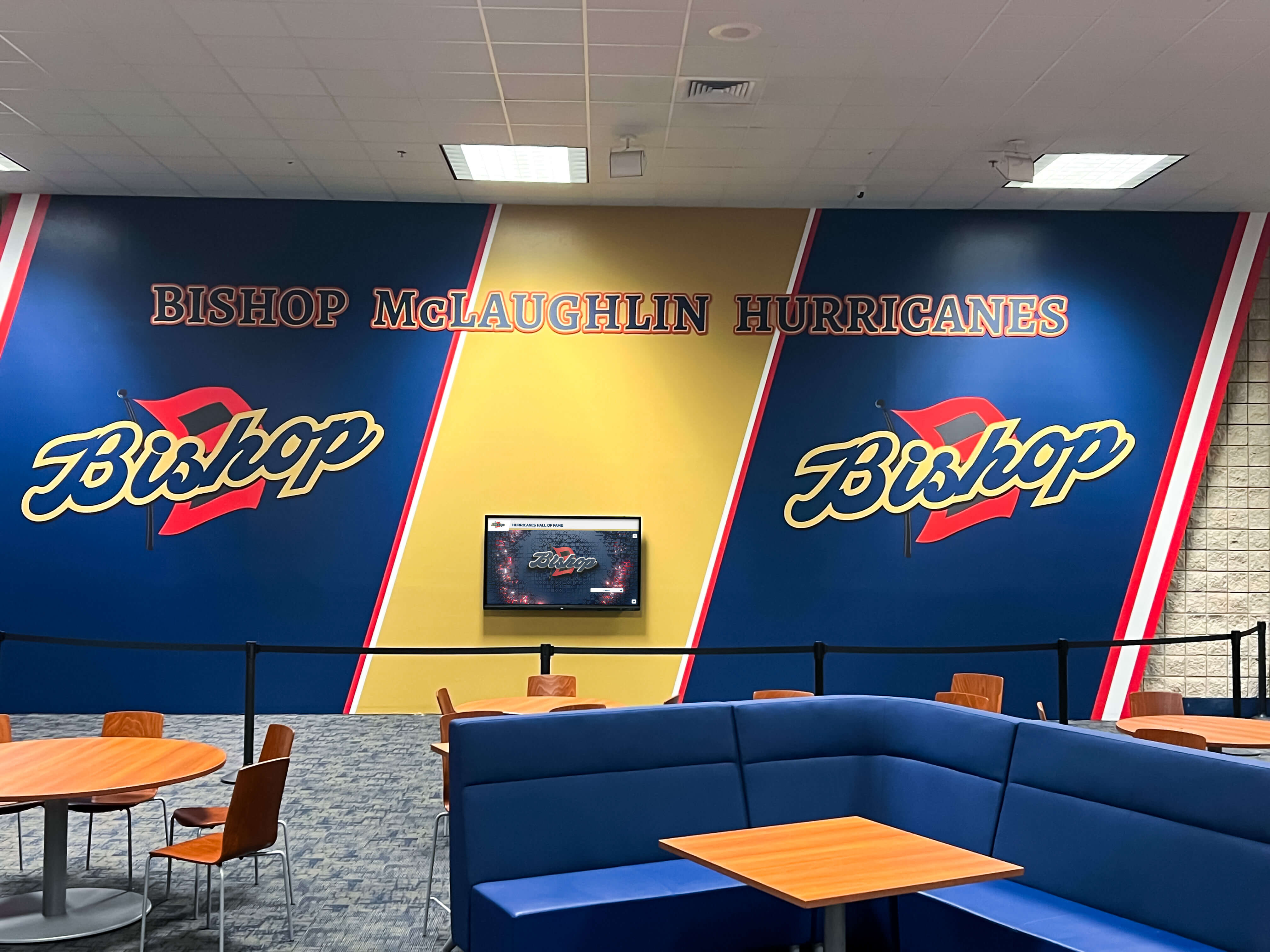
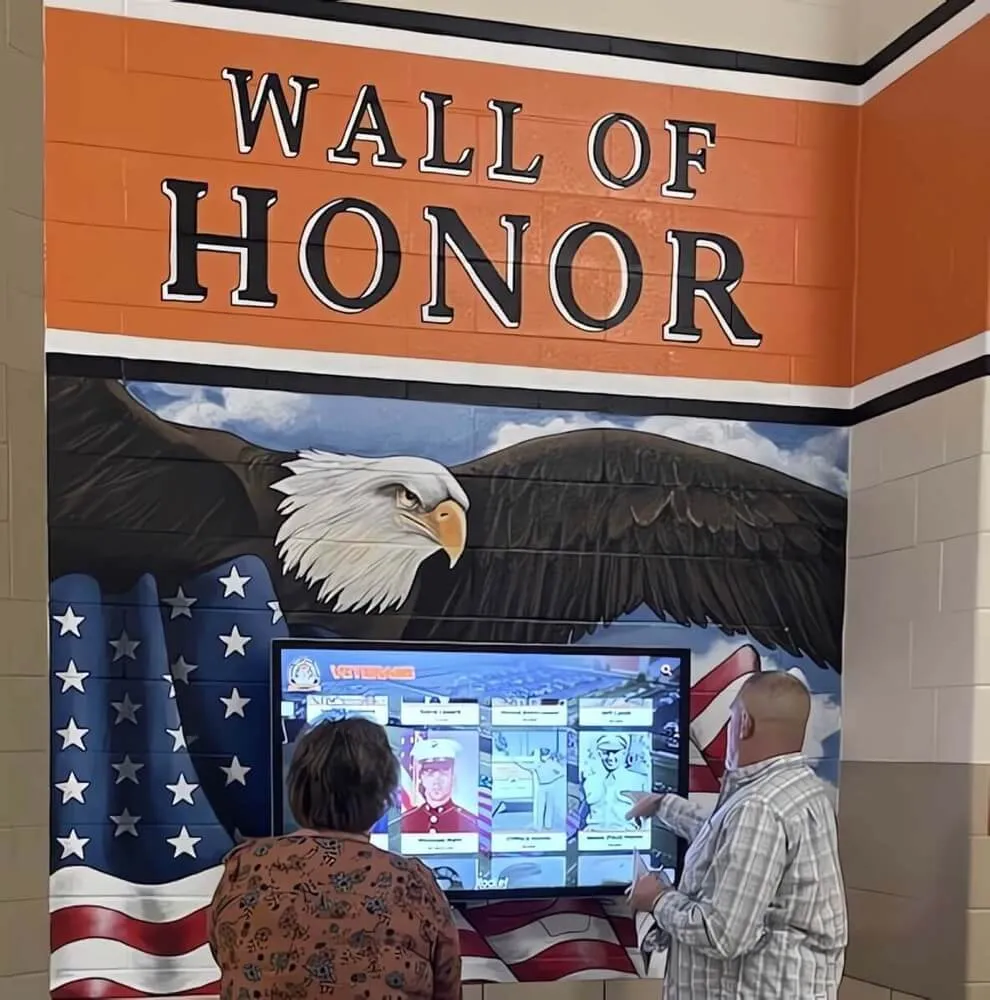
Even school cafeteria venues can host meaningful recognition when spaces feature professional displays honoring athletic achievements—settings where appropriate attire honors celebration significance
Conclusion: Dressing to Honor Athletic Achievement
Understanding what to wear to a sports banquet enables confident attendance at these important recognition events celebrating athletic dedication, achievement, and program excellence. While specific dress codes vary based on venue formality, athletic level, and regional customs, general principles remain consistent: dress in ways demonstrating respect for honorees receiving recognition, showing appreciation for organizing efforts invested in celebrations, and presenting yourself appropriately for formal acknowledgment occasions distinct from routine team activities.
Whether attending as honored athlete, supportive family member, or program guest, thoughtful attire preparation prevents unnecessary stress while ensuring full focus remains on celebration itself rather than outfit concerns. Smart casual to semi-formal dress works appropriately for most sports banquets—elevated beyond everyday wear while remaining accessible to families across economic circumstances. When uncertain about specific expectations, contacting organizers directly, observing venue formality cues, and reviewing any stated dress code guidance clarifies appropriate standards.
Sports banquets represent significant milestones in athletic journeys, marking season conclusions, recognizing individual and team achievements, celebrating character development alongside competitive excellence, and honoring the countless hours athletes invest in pursuing sport mastery. Many schools enhance these celebrations through permanent recognition systems like digital touchscreen displays that preserve athletic achievements beyond single banquet moments, creating lasting institutional memory that inspires future athletes while honoring past excellence.
Enhance Your Sports Recognition Program
Discover how modern recognition displays create engaging celebration environments for sports banquets while preserving athletic achievements through comprehensive digital platforms accessible to athletes, families, and communities year-round.
Explore Recognition SolutionsRemember that appropriate dress demonstrates character qualities athletics cultivate—respect, discipline, attention to detail, and understanding that different contexts warrant adapted behavior and presentation. Athletes who compete fiercely in uniforms, practice intensely in athletic gear, and attend recognition celebrations in polished formal wear demonstrate sophisticated understanding that excellence includes adapting appropriately to diverse situations and expectations.
Your outfit selection for sports banquets, while seemingly minor compared to athletic achievements being celebrated, contributes to overall event success by honoring occasion significance, enabling comfortable participation in extended celebrations, creating appropriate appearance in recognition photos preserving event memories, and demonstrating respect for athletes, families, and organizers who invested significantly in creating meaningful recognition experiences.
Most importantly, appropriate attire enables full presence at these special moments—focusing entirely on celebrating extraordinary athletic journeys, acknowledging teammates and coaches who shaped success, appreciating family support that enabled participation, and creating positive memories of recognition experiences that athletes and families treasure throughout life.
Ready to learn more about athletic recognition? Explore comprehensive banquet planning strategies for creating memorable celebrations, discover student awards ideas that honor diverse achievements, understand state qualifier recognition approaches celebrating competitive excellence, and learn how Rocket Alumni Solutions helps schools create comprehensive athletic recognition systems preserving achievements while inspiring future generations of student athletes.