Small to medium public high schools face distinct challenges when implementing recognition programs: constrained budgets stretched across competing priorities, limited physical space for displaying achievements, small administrative teams managing multiple responsibilities, and the need to honor diverse accomplishments across academics, athletics, arts, and service without creating visibility hierarchies.
Traditional recognition approaches—printed banners hanging in gyms, trophy cases with finite capacity, plaques crowding limited wall space—force difficult choices about which achievements receive celebration and which quietly disappear after graduation ceremonies. Schools serving 300-800 students discover that conventional recognition systems designed for larger institutions either consume resources disproportionately or create fragmented displays lacking professional cohesion.
Modern digital recognition platforms designed specifically for educational institutions solve these challenges through unlimited recognition capacity, manageable implementation requirements, accessible price structures, and systems enabling small teams to maintain professional displays without specialized technical expertise.
Public high schools in communities across America serve as cultural centers celebrating student achievement while preparing young people for future success. Recognition programs matter profoundly in these environments—validating years of student effort, inspiring younger participants toward excellence, and demonstrating that schools notice dedication regardless of whether achievements occur in spotlight sports or quieter pursuits like academic competitions, community service, or artistic accomplishments.

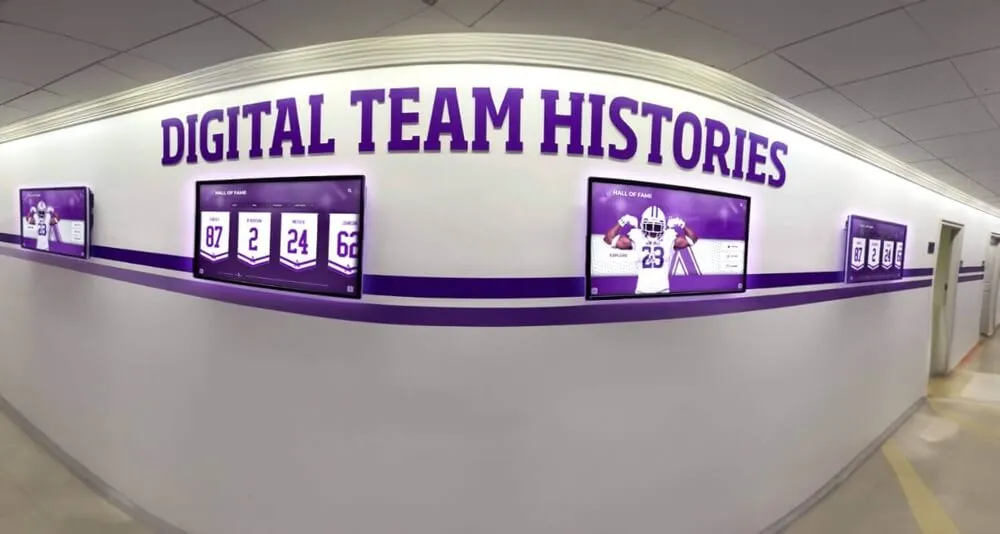
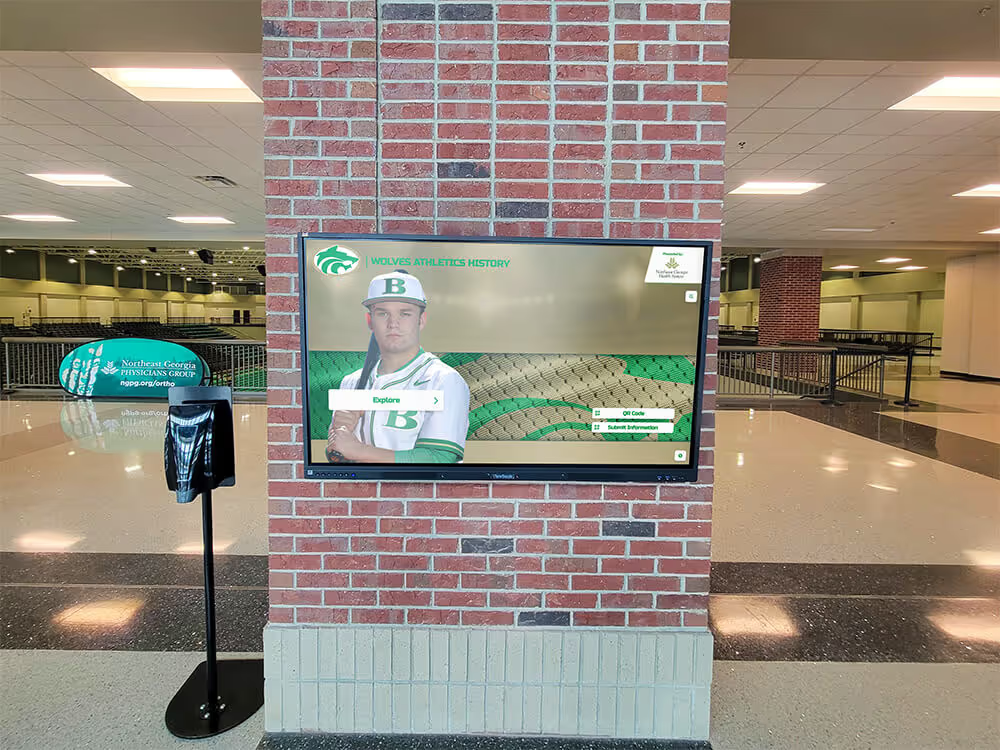
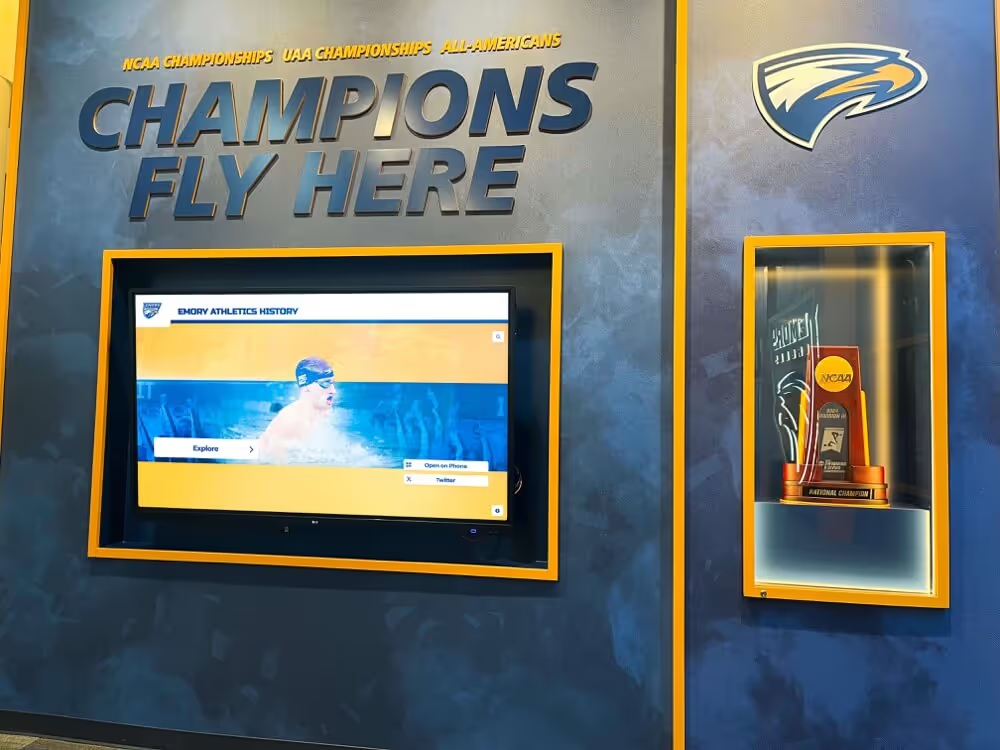
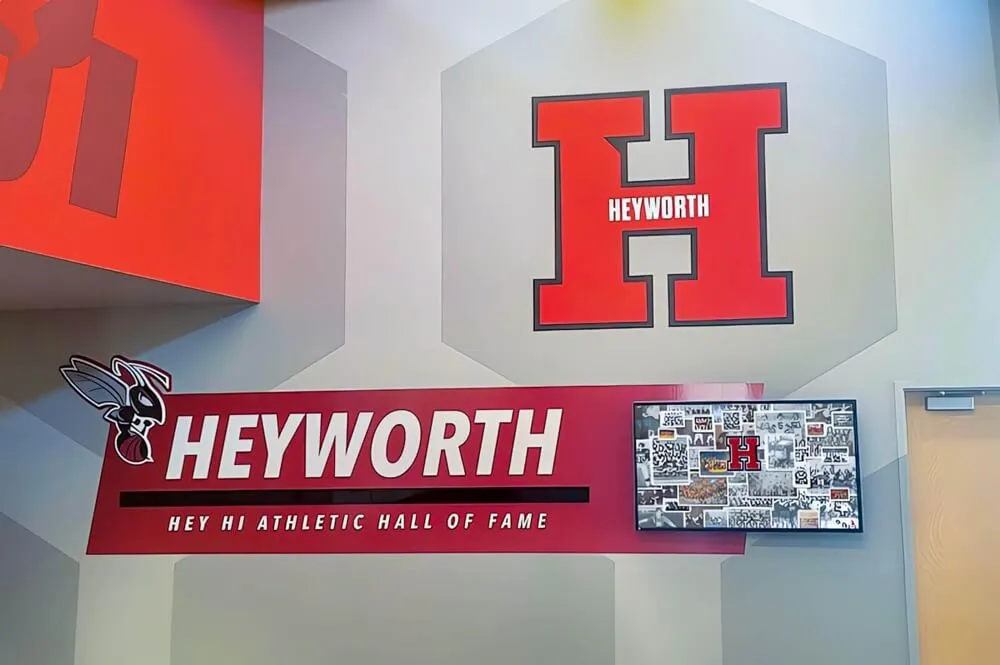
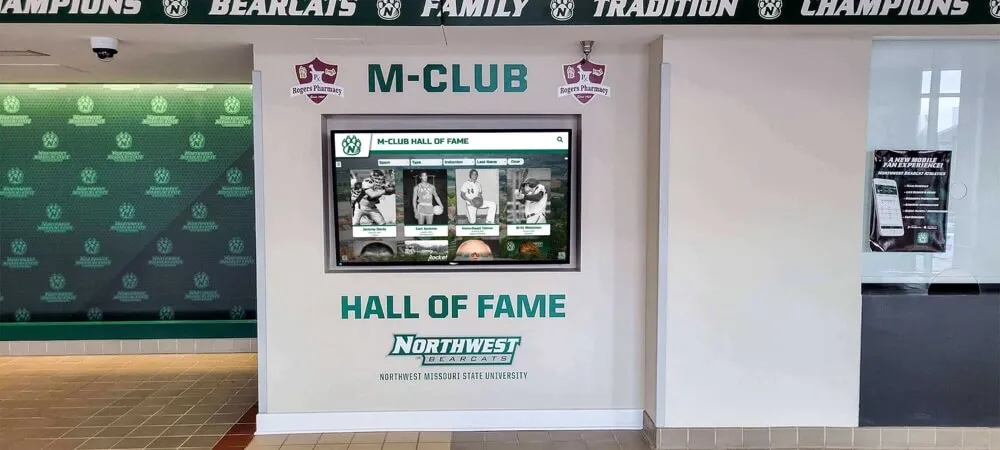
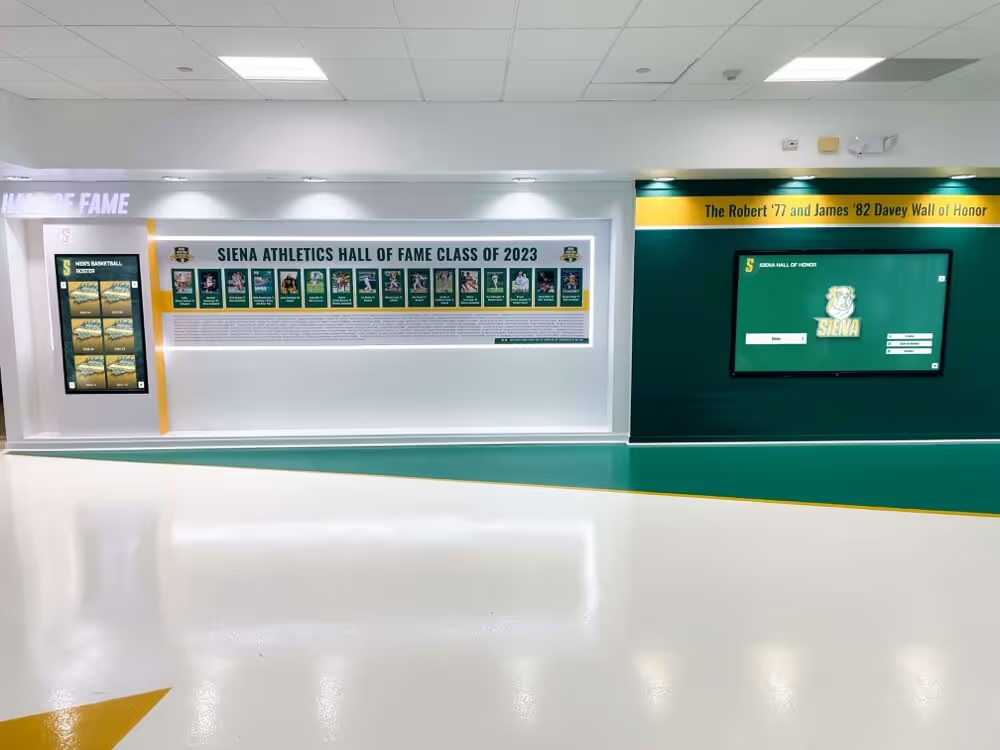
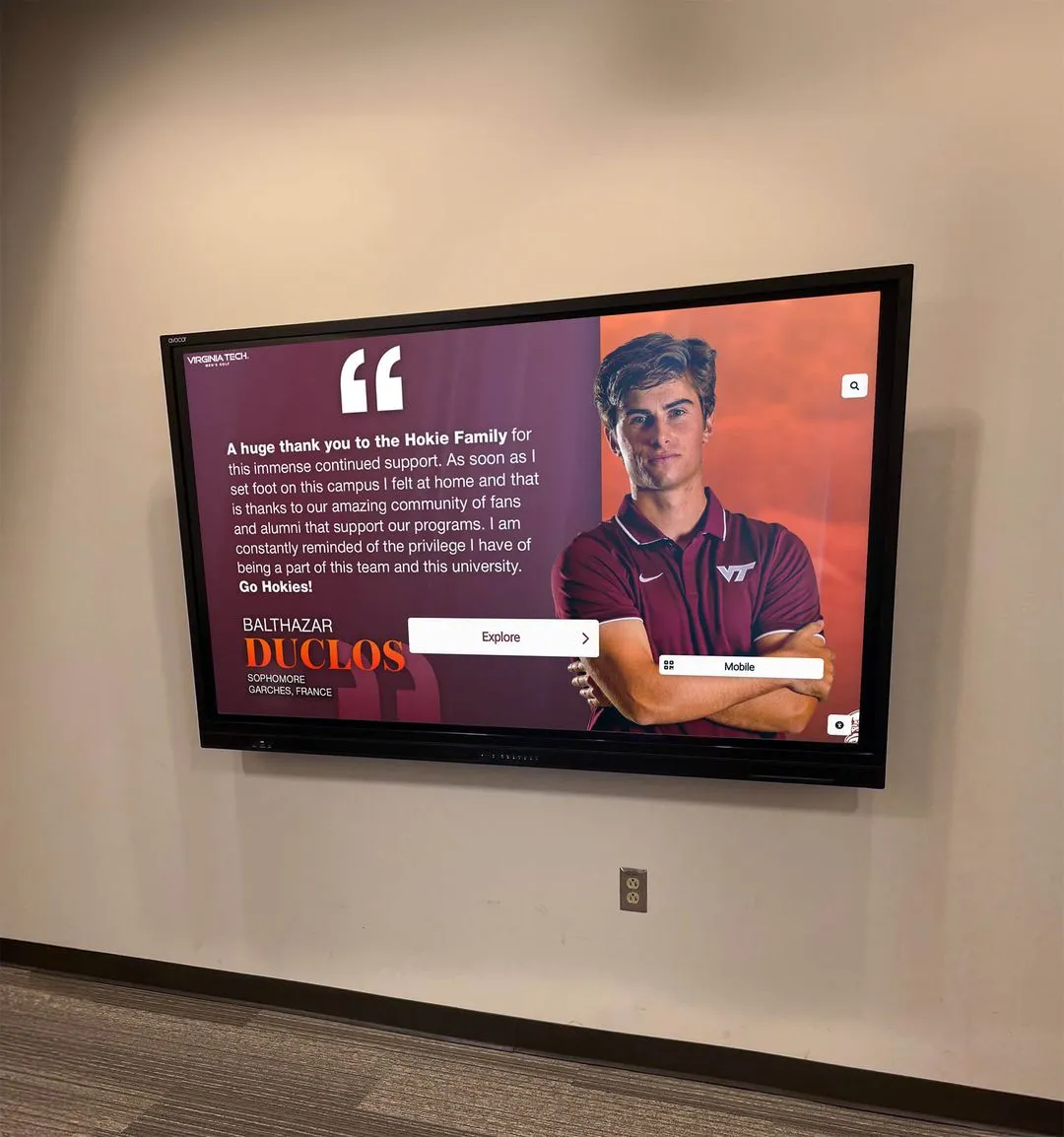
Modern recognition installations integrate with existing school branding while providing unlimited capacity for honoring diverse achievements across all programs
Understanding Small to Medium Public High School Recognition Needs
Schools serving 300-800 students operate in fundamentally different contexts than large suburban or urban institutions with thousands of students and proportionally larger budgets and staff.
Budget Realities and Resource Allocation
Financial constraints shape every decision in smaller public schools:
Competing Budget Priorities
Limited funding addresses essential operational needs including instructional salaries, facility maintenance, learning materials and technology, athletic programs and transportation, and special education services. Recognition programs compete against these fundamental requirements, making cost-effectiveness critical for any display system implementation.
Traditional trophy cases costing $3,000-8,000 provide limited capacity before requiring additional purchases. Custom plaques at $75-150 each become prohibitively expensive when honoring multiple achievement categories across graduation classes. Physical banners requiring professional printing and installation create recurring expenses as programs add new recipients annually.
Digital recognition platforms specifically designed for schools address budget constraints through predictable subscription models without ongoing material costs, unlimited recognition capacity preventing future expansion expenses, and multi-program utility where single displays serve athletics, academics, arts, and community service recognition simultaneously.
Long-Term Cost Considerations
Administrative teams evaluating recognition solutions must consider total costs across multiple years including initial purchase or setup expenses, ongoing maintenance and update requirements, expansion costs as programs grow, and replacement expenses when systems reach capacity or become outdated.
Solutions requiring minimal ongoing costs while scaling automatically to accommodate growing recognition needs deliver superior long-term value compared to approaches demanding continuous material purchases and physical expansion.
Frameworks for school digital display implementation demonstrate cost-effective approaches avoiding hidden fees and unexpected expansion expenses.
Space Limitations and Display Integration
Physical space constraints require thoughtful recognition placement strategies:
Limited High-Traffic Display Areas
Smaller schools typically have few prominent locations including main entrance lobbies, gymnasium foyers, hallways connecting to cafeterias or auditoriums, and athletic facility entrances. Multiple programs competing for these limited spaces create challenges when traditional recognition requires separate dedicated areas for athletics, academics, arts, and service achievements.
Digital displays consolidate diverse recognition into single professional installations occupying minimal space while honoring unlimited recipients across all program categories. Interactive touchscreen interfaces enable visitors to explore specific interest areas—athletes browse sports records, prospective students review academic honors, families search for alumni relatives—without requiring separate physical displays consuming precious wall space.
Facility Age and Display Mounting Considerations
Many small public schools occupy buildings constructed decades ago with infrastructure considerations including solid masonry walls requiring professional mounting, historic preservation guidelines limiting installation approaches, limited electrical access in optimal display locations, and architectural constraints in lobbies or hallways.
Wall-mounted digital displays designed for educational environments address these realities through flexible installation approaches, professional mounting services ensuring secure attachment and proper electrical integration, and slim profiles complementing rather than dominating existing architectural features.
Understanding school lobby design principles helps administrators create welcoming spaces that honor achievement without overwhelming limited square footage.
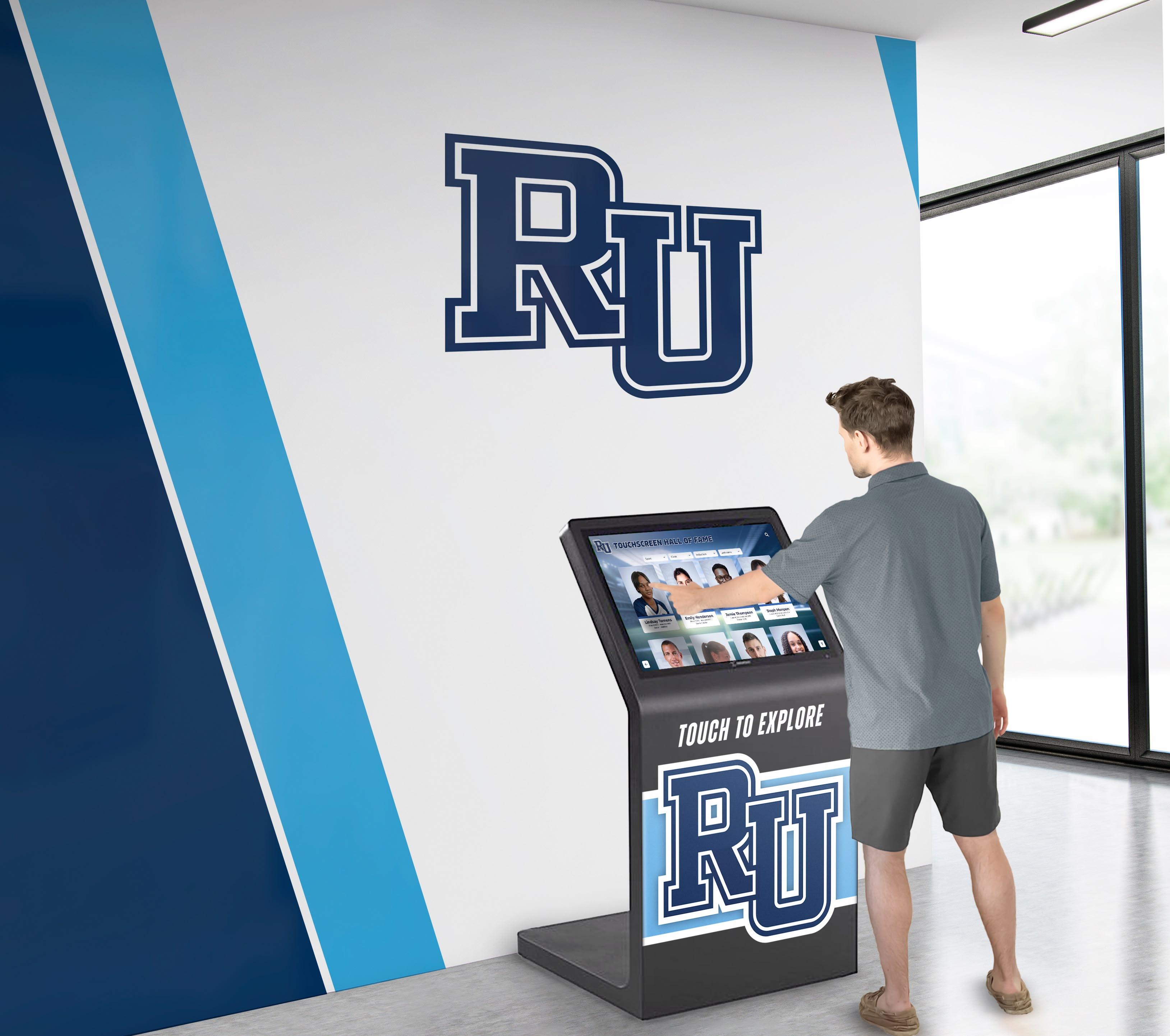
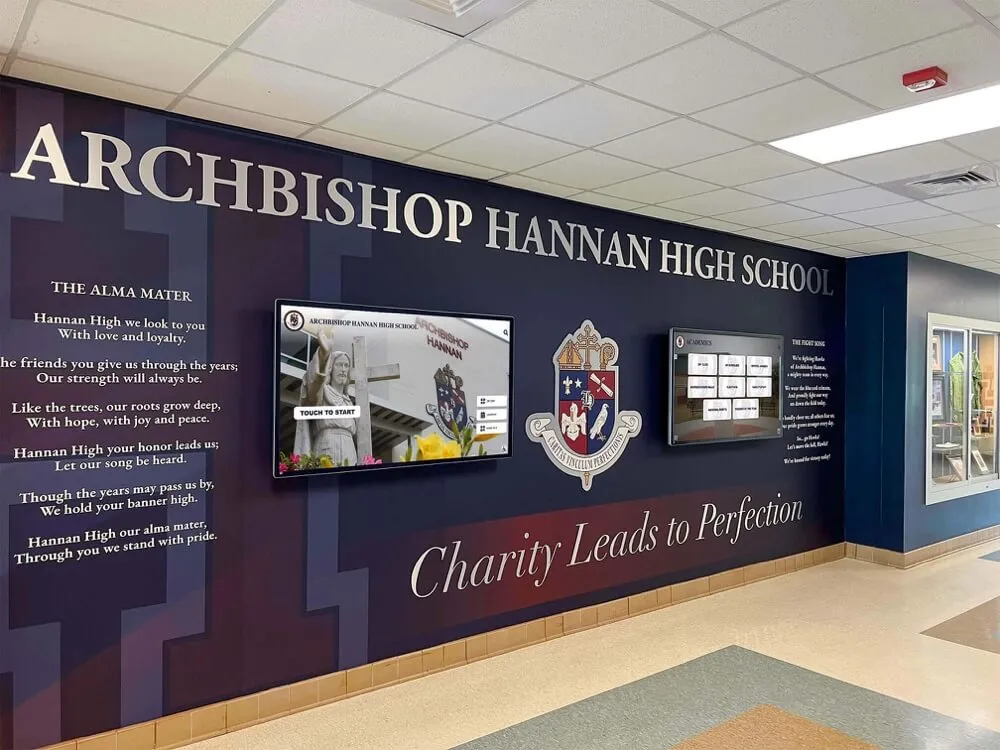
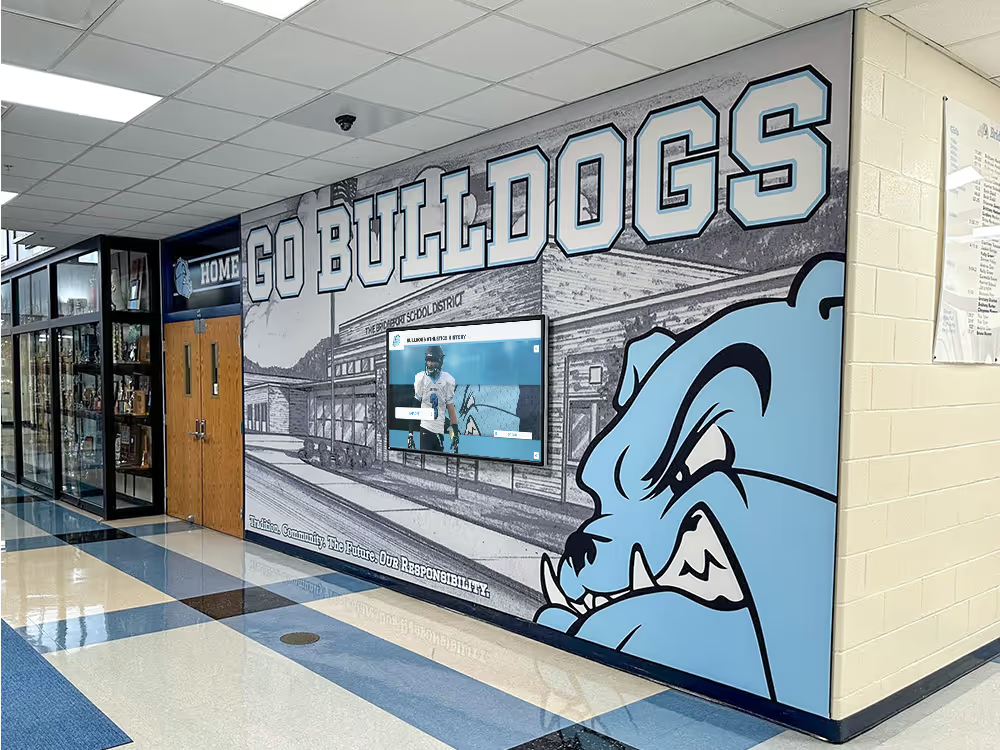
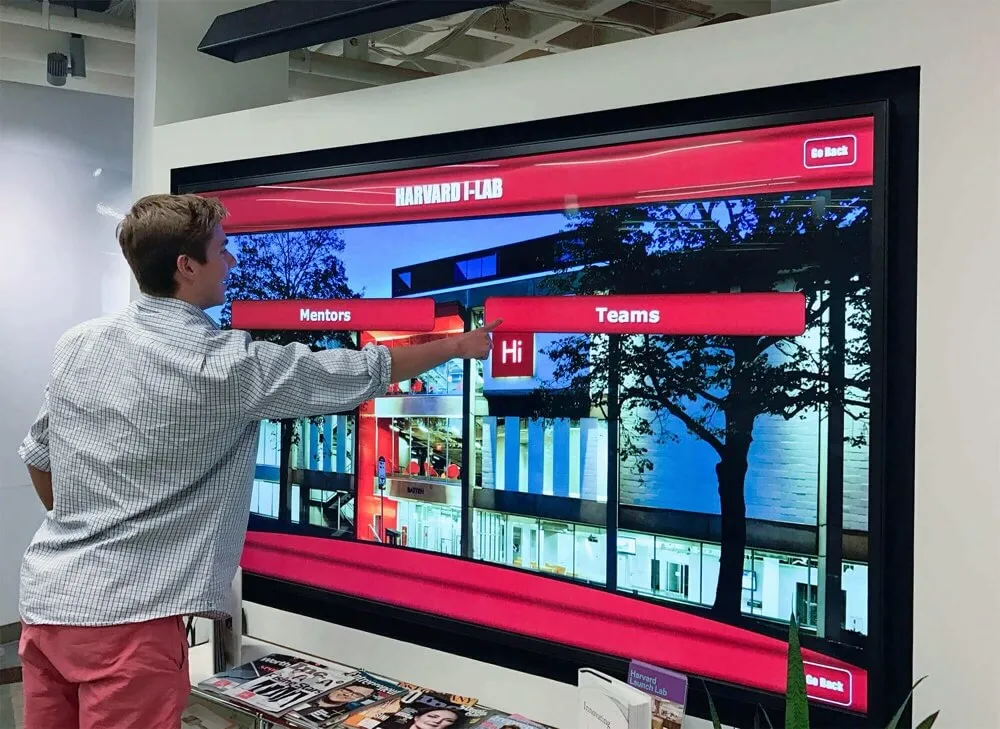
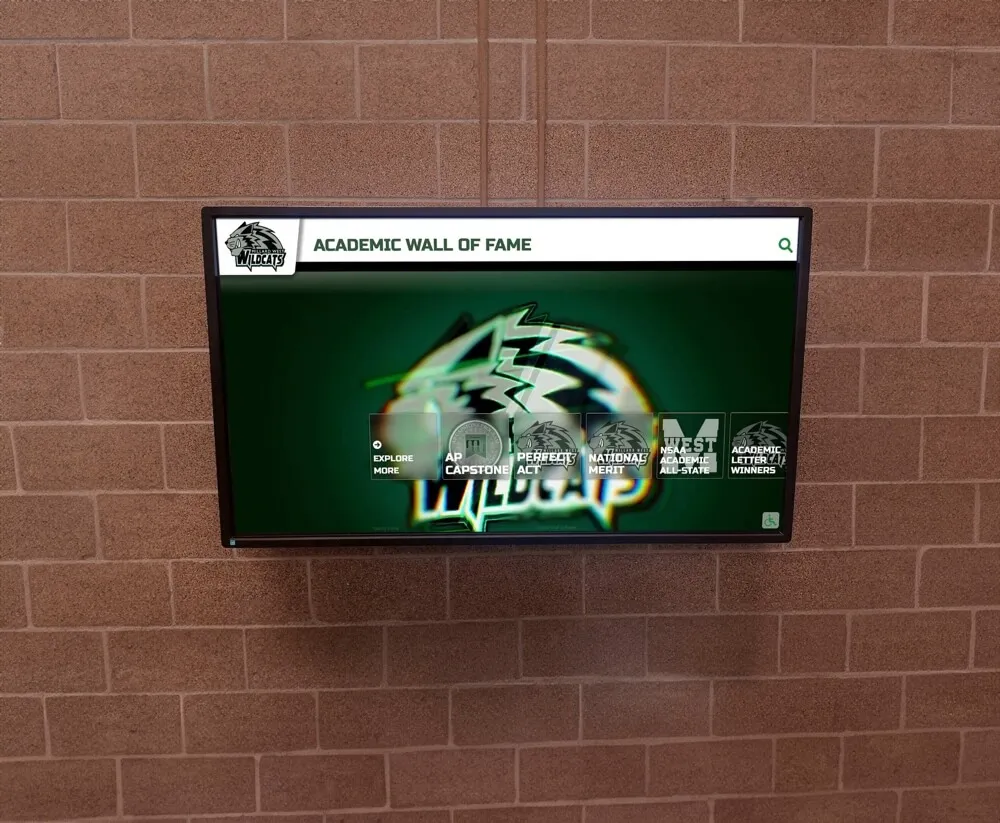
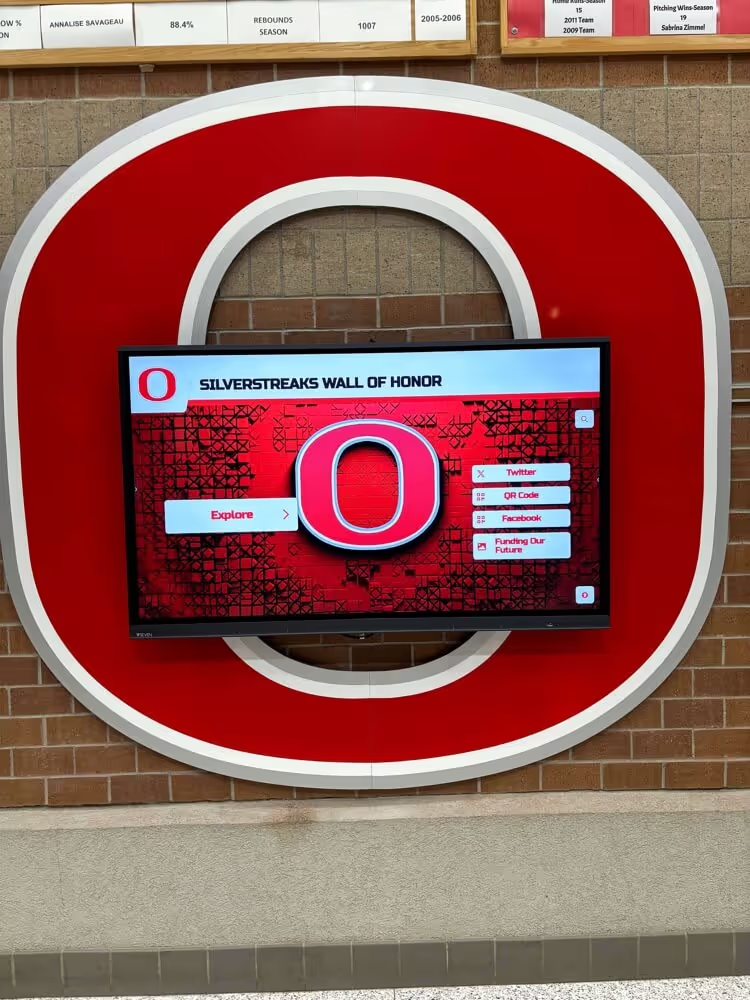
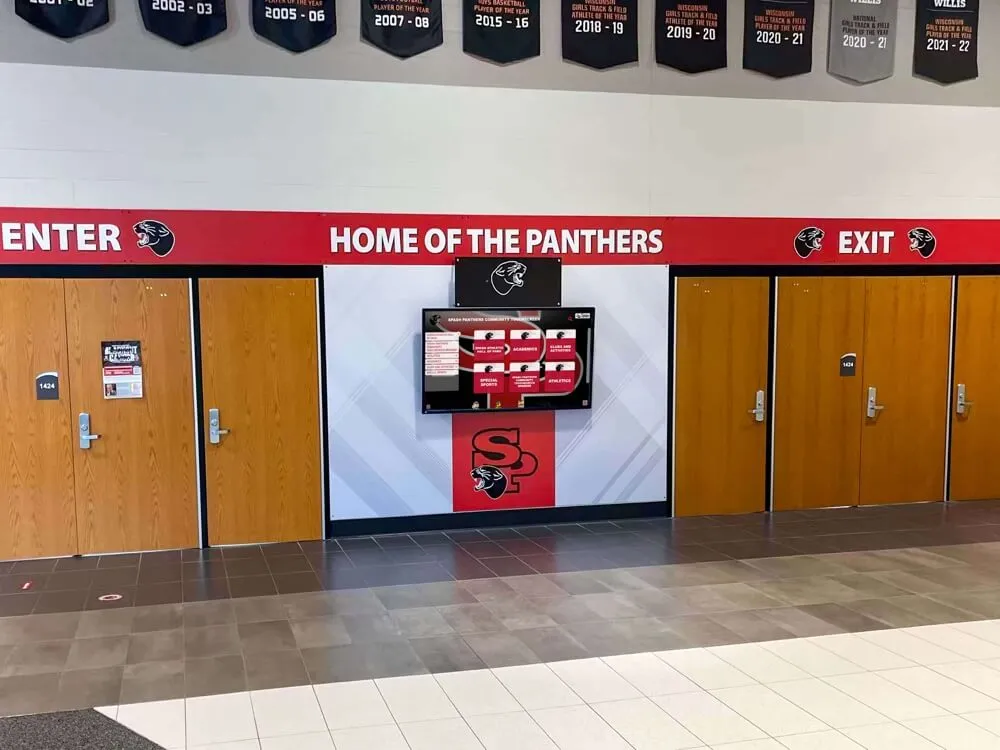
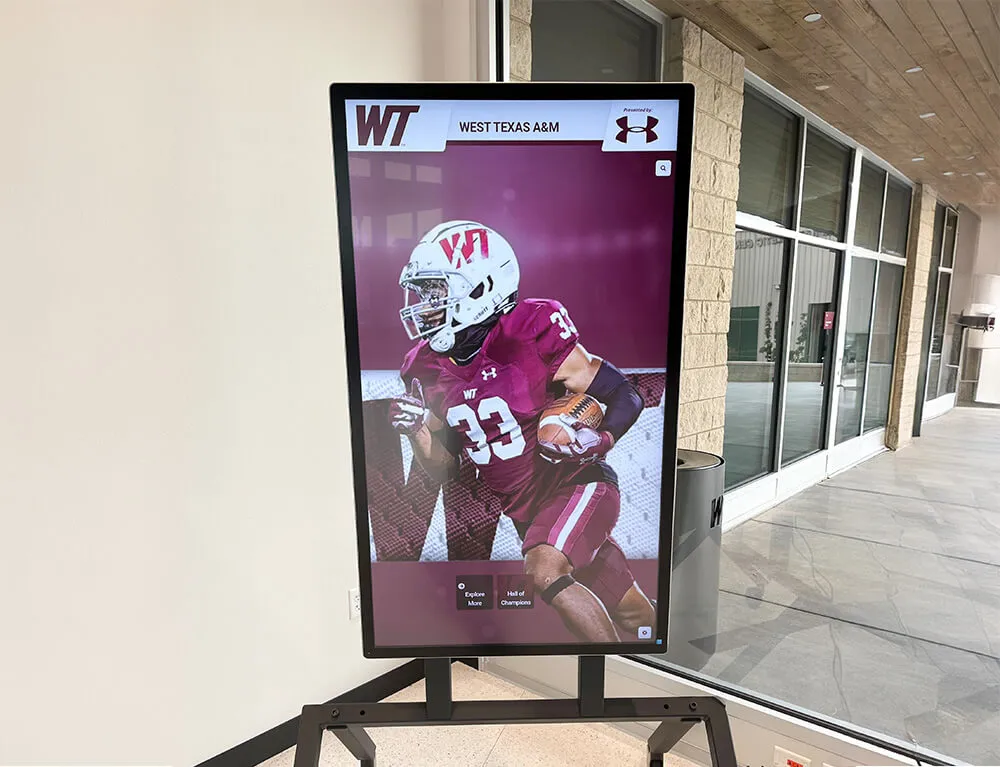
Intuitive touchscreen interfaces enable students, families, and visitors to explore achievements independently without staff assistance
Administrative Capacity and Staff Efficiency Considerations
Small schools typically employ lean administrative teams managing broad responsibilities:
Limited Technical Expertise and Training Requirements
Recognition systems must accommodate realistic staff capabilities:
Minimal IT Department Resources
Unlike large districts with dedicated technology departments, small to medium schools often rely on single technology coordinators managing entire district infrastructure, teacher volunteers with technical aptitude handling minor issues, or regional educational service center support on scheduled intervals.
Recognition displays requiring specialized technical knowledge, custom programming, or regular IT intervention create unsustainable burdens on already stretched technology resources. Purpose-built platforms designed for educational use prioritize intuitive interfaces enabling administrative staff to maintain displays without technical degrees, cloud-based management eliminating server infrastructure and maintenance requirements, and comprehensive support resources including training, documentation, and responsive assistance.
Straightforward Content Management Needs
Athletic directors, activities coordinators, or principals managing recognition displays balance these responsibilities with numerous other duties. Systems requiring complex workflows, specialized software training, or time-intensive content creation processes create barriers preventing regular updates that keep displays current and relevant.
User-friendly content management systems enable staff to add new recipients with minimal training through simple forms capturing essential information, photo upload processes similar to common social media platforms, preview capabilities ensuring content appears correctly before publishing, and batch import tools when adding multiple recipients simultaneously after annual recognition ceremonies.
Multi-Program Recognition Coordination
Comprehensive student recognition encompasses diverse achievement categories:
Balancing Recognition Across Programs
Public schools honor accomplishments including athletic achievements spanning multiple sports and competitive levels, academic excellence through honor rolls, scholarships, and subject-specific awards, arts recognition for music, theater, visual arts, and creative accomplishments, service awards acknowledging community contribution and character, and special programs like STEM competitions, debate teams, or vocational achievements.
Traditional physical displays often create unintentional hierarchies when limited space forces choices about which programs receive prominent placement versus less visible locations. Trophy cases positioned in main lobbies might predominantly display athletic achievements while academic honor rolls occupy distant hallway bulletin boards, inadvertently communicating institutional priorities.
Digital recognition platforms prevent these artificial hierarchies through equal presentation of all achievement categories, intuitive navigation enabling visitors to explore areas matching their interests, and unified professional design ensuring all accomplishments receive consistent presentation quality regardless of program type.
Approaches to end-of-year student awards demonstrate comprehensive recognition strategies celebrating diverse excellence dimensions beyond single focus areas.

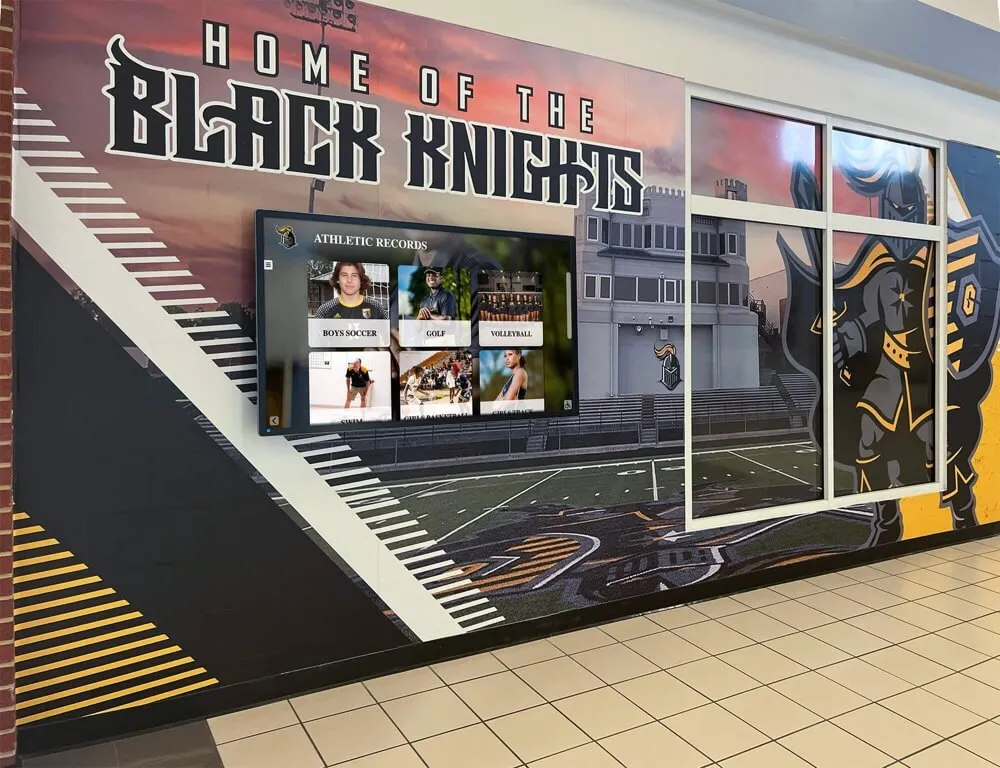
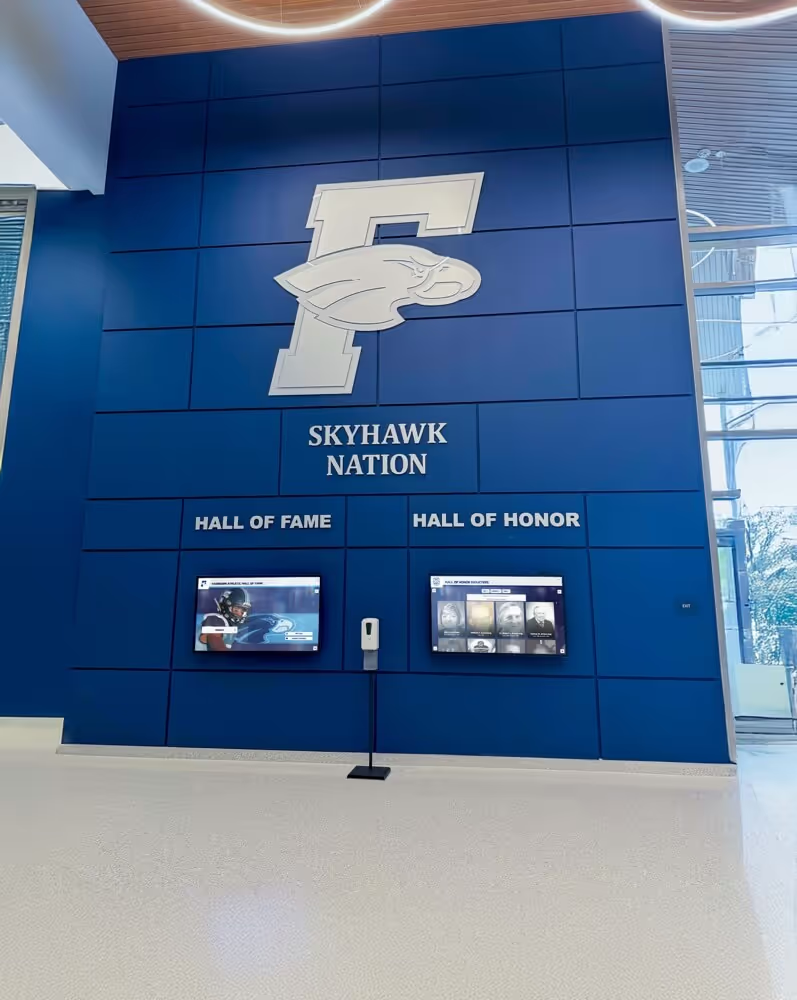
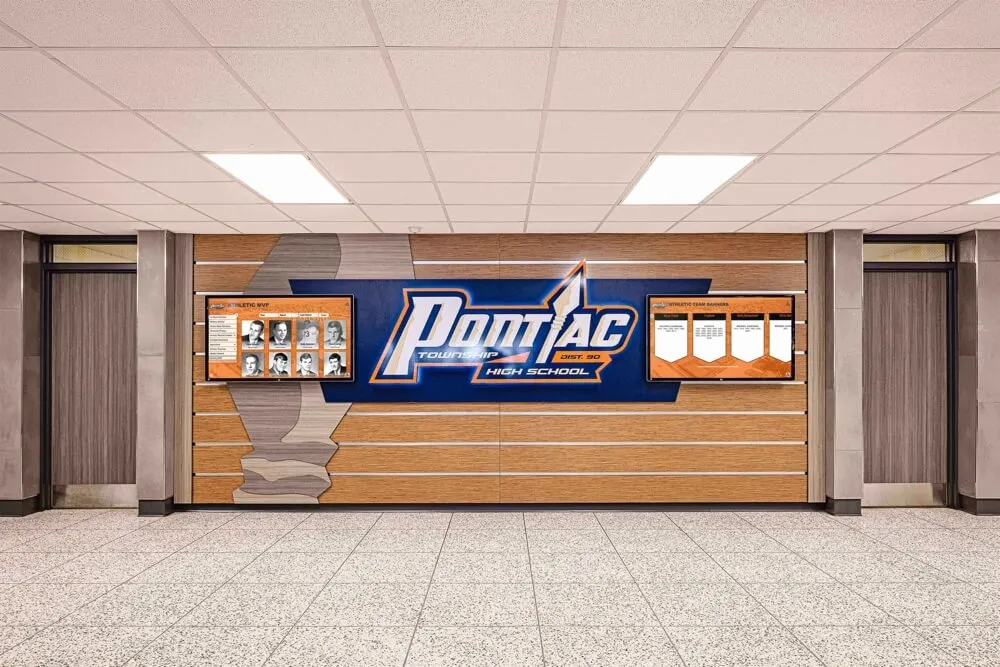
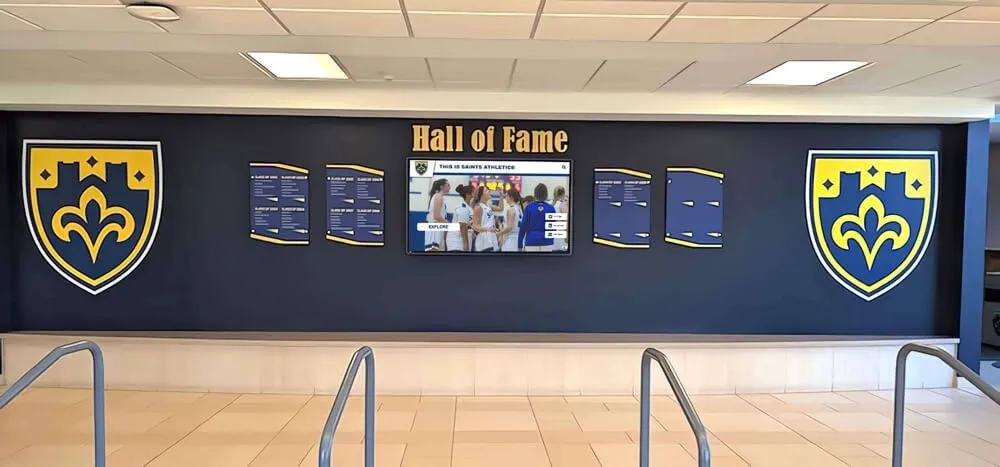
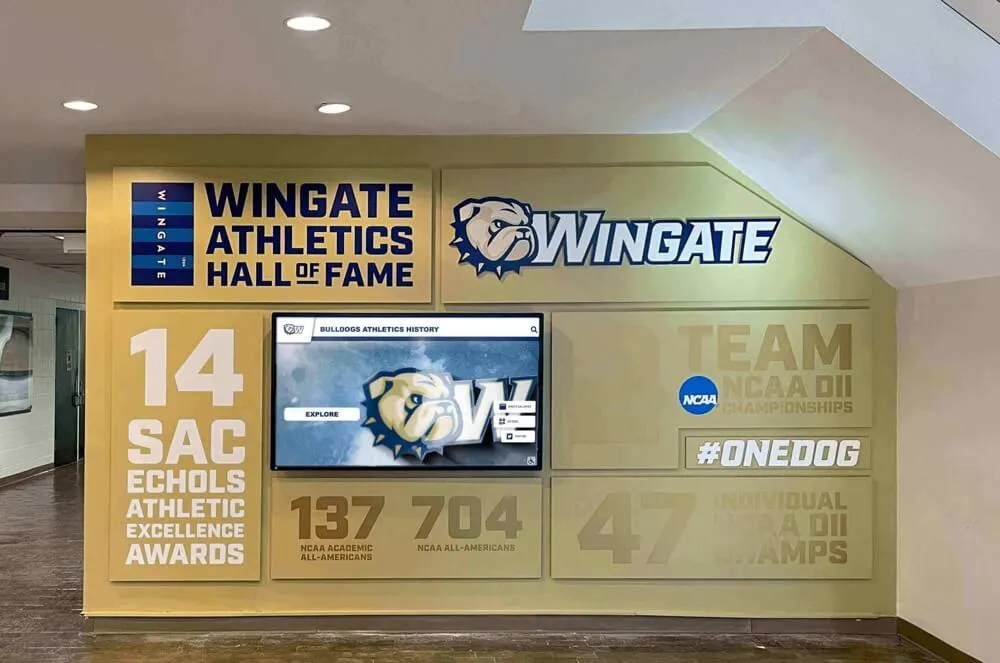
Wall-mounted displays complement existing facility design while providing permanent recognition space for multiple program categories
Addressing Common Small School Recognition Challenges
Specific obstacles prevent many smaller schools from implementing effective recognition programs:
Challenge: Honoring Multi-Sport Athletes and Diverse Participants
Students in smaller schools often participate in multiple activities:
Recognition Complexity in Small Programs
Unlike large schools where athletes typically specialize in single sports, students in schools with 400-600 enrollment frequently participate in fall, winter, and spring athletics while simultaneously engaging in band, theater, academic clubs, or service organizations. Single students might earn recognition across four different program categories within one academic year.
Traditional recognition approaches duplicate physical displays for each achievement—identical photos appearing in separate trophy cases, multiple plaques mounted in different facility areas, or repeated banners creating visual clutter. This duplication consumes limited display space while failing to present comprehensive student achievement profiles showing full participation breadth.
Digital recognition systems solve this challenge through unified student profiles aggregating all achievements in single searchable records, cross-referencing capabilities enabling visitors to explore related accomplishments, and efficient space utilization honoring the same students across multiple programs without physical duplication.
Challenge: Maintaining Current and Historical Recognition
Balancing present celebration with legacy preservation:
Long-Term Recognition Sustainability
Schools desire recognition systems honoring current students while preserving institutional history—celebrating today’s honor roll recipients alongside graduates from 1970s state championship teams, current scholarship winners and distinguished alumni, or recent athletic records and decades-old milestones.
Physical displays face capacity constraints requiring removal of historical recognition to accommodate new achievements. Trophy cases fill completely within years, plaques cover available wall space, and banner displays reach maximum capacity, forcing difficult decisions about which historical achievements get relegated to storage.
Unlimited digital capacity enables perpetual recognition additions without displacing historical content. Schools preserve complete institutional memory while continuously adding current recipients, creating comprehensive achievement archives spanning decades rather than limiting displays to recent years due to space constraints.
Resources on digital history archives demonstrate effective approaches preserving institutional memory while celebrating contemporary excellence.
Challenge: Engaging Diverse Audiences
Recognition displays serve multiple stakeholder groups:
Meeting Varied Visitor Needs
School lobbies host students exploring achievement role models, prospective families evaluating school culture during tours, alumni returning to visit and reminisce, community members attending evening events, and local partners supporting school programs.
Static displays present identical content to all visitors regardless of interests or relationships. Athletic trophy cases hold limited relevance for families primarily interested in academic programs, while honor roll plaques might not engage community members curious about school history.
Interactive digital displays enable personalized exploration where visitors navigate to content matching their interests, searchable databases help alumni locate classmates or relatives, and multiple simultaneous users explore different content areas without creating bottlenecks or requiring staff assistance explaining display organization.
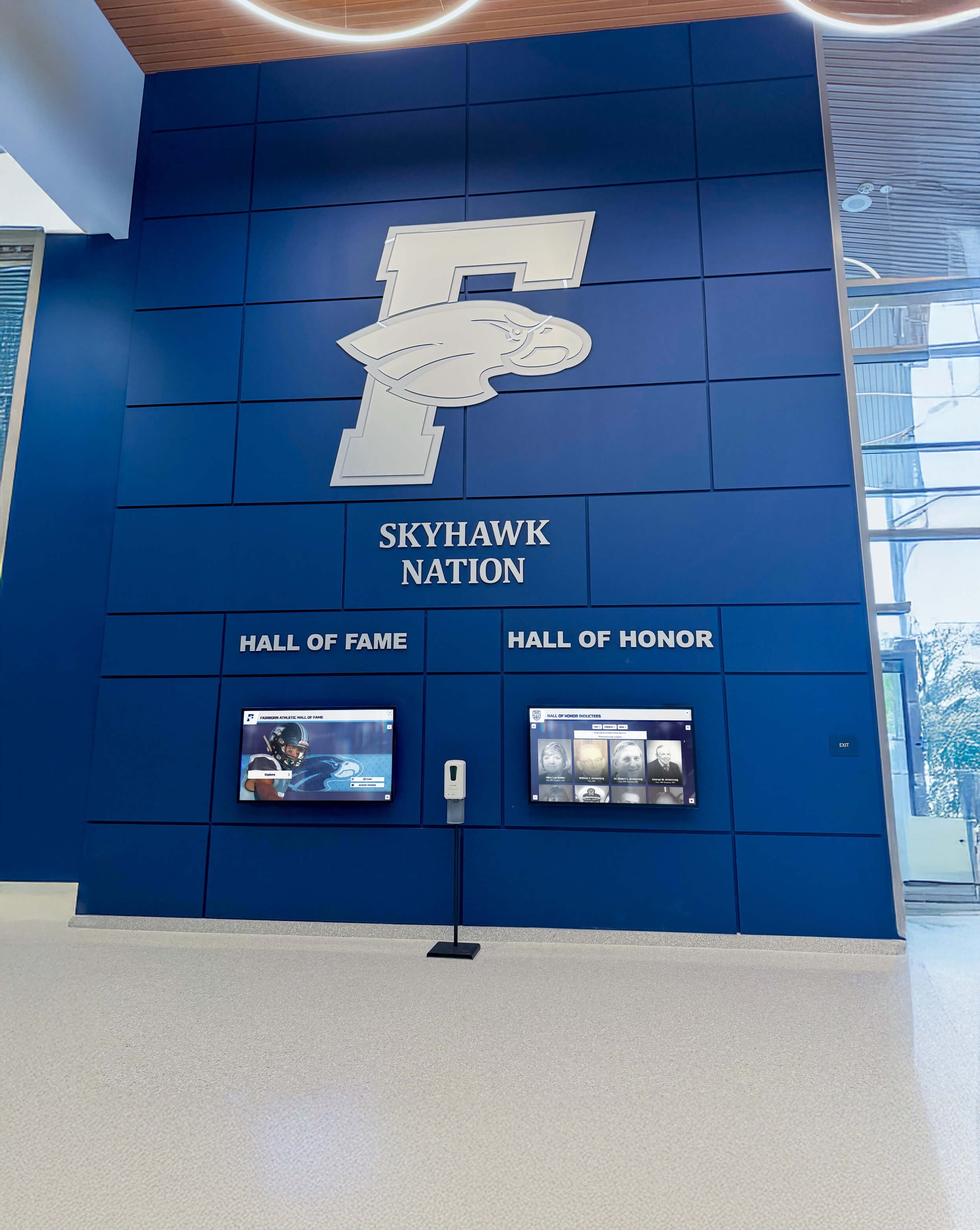
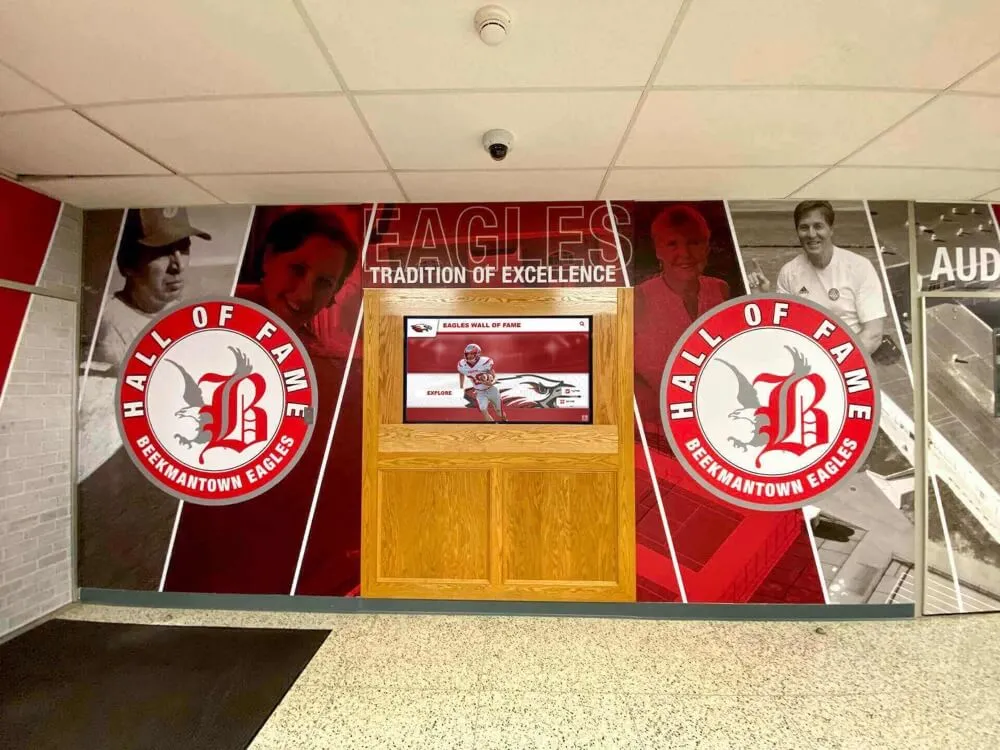
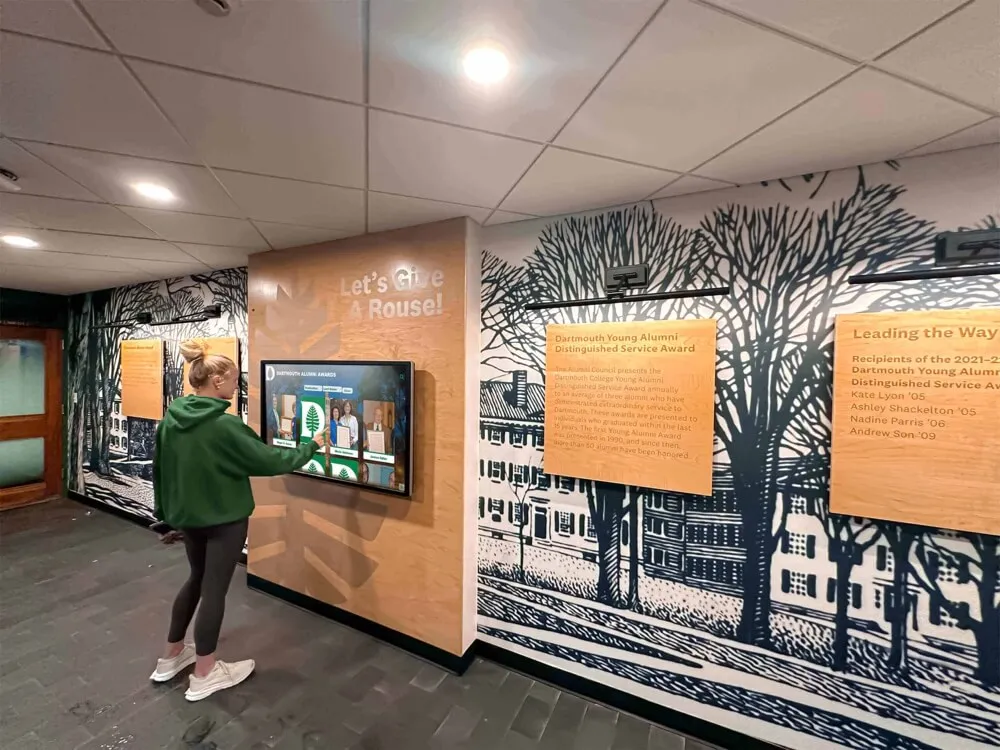
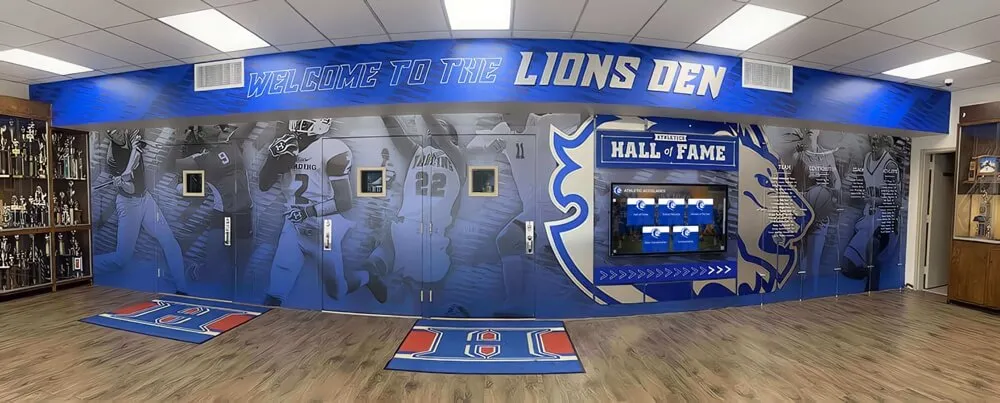
Strategic lobby placement ensures recognition reaches maximum audiences including students, families, and community visitors
How Digital Recognition Platforms Specifically Serve Small Schools
Purpose-built systems address small school realities through thoughtful design:
Simplified Implementation and Launch Process
Getting recognition programs operational quickly:
Minimal Setup Requirements
Traditional physical displays require weeks or months of planning including custom trophy case construction and installation, individual plaque design and ordering for each recipient, professional banner printing and mounting systems, and coordination with multiple vendors for different recognition components.
Digital recognition platforms designed for schools enable faster implementation through pre-designed templates reflecting educational contexts, straightforward content import from existing spreadsheets or databases, professional setup assistance handling technical installation and configuration, and comprehensive training ensuring staff can maintain systems independently immediately after launch.
Schools can transition from decision to operational displays in weeks rather than months, enabling recognition programs to launch quickly serving current students rather than extended delays pushing implementations into future academic years.
Flexible System Growth
Initial implementations might focus on single recognition categories—perhaps launching with athletics during fall sports seasons—with plans to expand into academics, arts, and service recognition during subsequent quarters.
Digital platforms accommodate phased rollout approaches through unlimited capacity supporting progressive content additions, consistent interfaces where all recognition follows unified design patterns, and incremental content development enabling staff to build databases gradually without pressure to complete comprehensive profiles immediately.
This flexibility helps small schools with limited staff capacity launch recognition programs without overwhelming administrative teams while establishing foundations for comprehensive student celebration over time.
Professional Presentation Without Design Expertise
Creating polished displays without graphic design resources:
Consistent Visual Quality
Schools lack professional designers on staff, relying instead on well-intentioned volunteers or staff with varying aesthetic capabilities. Traditional recognition often reflects this reality through inconsistent plaque designs across different eras, mismatched banner styles from different vendors, and amateur-quality printed displays in bulletin boards or hallway cases.
Recognition platforms built specifically for educational environments provide professionally designed templates maintaining consistent visual quality across all content, automated layout systems ensuring photos and information display attractively regardless of source materials, and brand customization options incorporating school colors, logos, and mascots while maintaining professional polish.
Every student receives recognition presented with identical professional quality whether honored for state championships, regional art competitions, or community service milestones—preventing unintentional hierarchies suggested by variable display quality across different achievement categories.
Insights on design consistency in recognition displays explain how unified design frameworks honor diverse achievements while maintaining cohesive institutional identity.
Accessible Price Structures for Public School Budgets
Financial models reflecting educational funding realities:
Predictable Subscription Models
Small schools require budget certainty for multi-year planning and purchasing decisions. One-time capital expenditures might exceed single-year available funding while subscription approaches enable budget distribution across fiscal periods.
Educational technology platforms often provide subscription pricing structures fitting public school budget processes including annual payments during specific procurement windows, multi-year agreements offering cost savings and long-term budget predictability, and educational pricing recognizing budget constraints facing public institutions.
Subscription models also match costs with ongoing value rather than requiring large upfront investments in systems that might become outdated or reach capacity limits requiring additional expenditures within years.
Transparent Pricing Without Hidden Costs
Small school budgets cannot accommodate unexpected expenses or surprise fees. Recognition systems must provide clear cost structures including all necessary components in base pricing, eliminating per-recipient fees that create escalating costs as programs grow, avoiding premium charges for essential features like search functionality or mobile access, and preventing mandatory upgrade fees forcing expensive transitions as technology advances.
Transparent pricing enables administrators to commit to recognition programs confidently knowing total costs won’t unexpectedly exceed approved budgets during implementation or ongoing operation.
Understanding subscription pricing models for schools helps administrators evaluate long-term costs and budget implications when selecting recognition platforms.

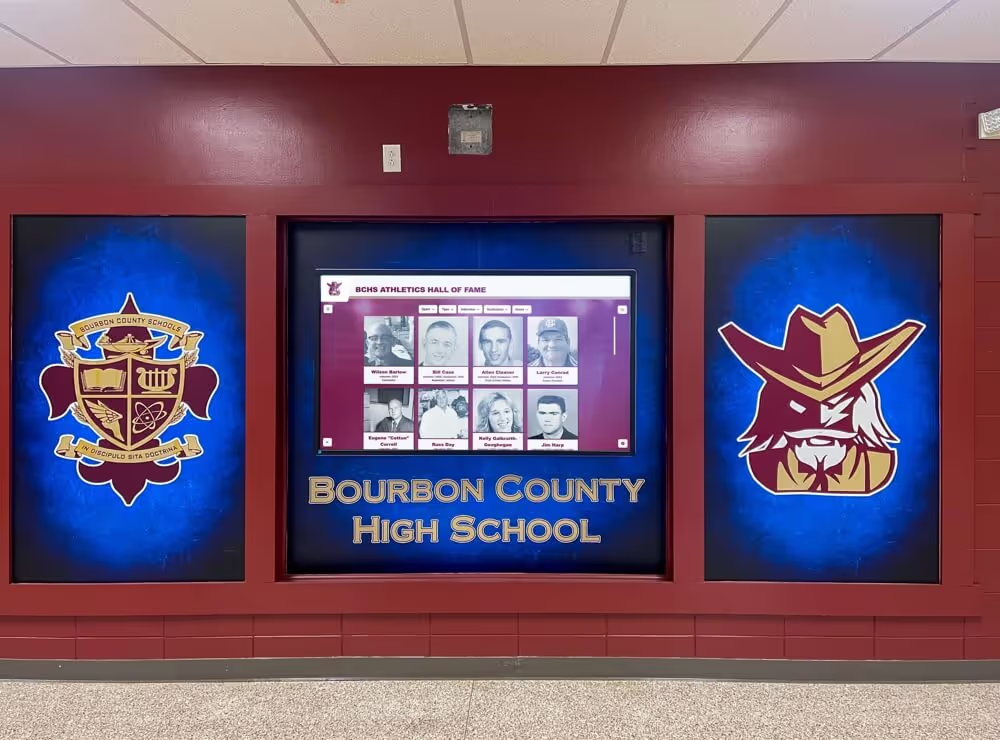
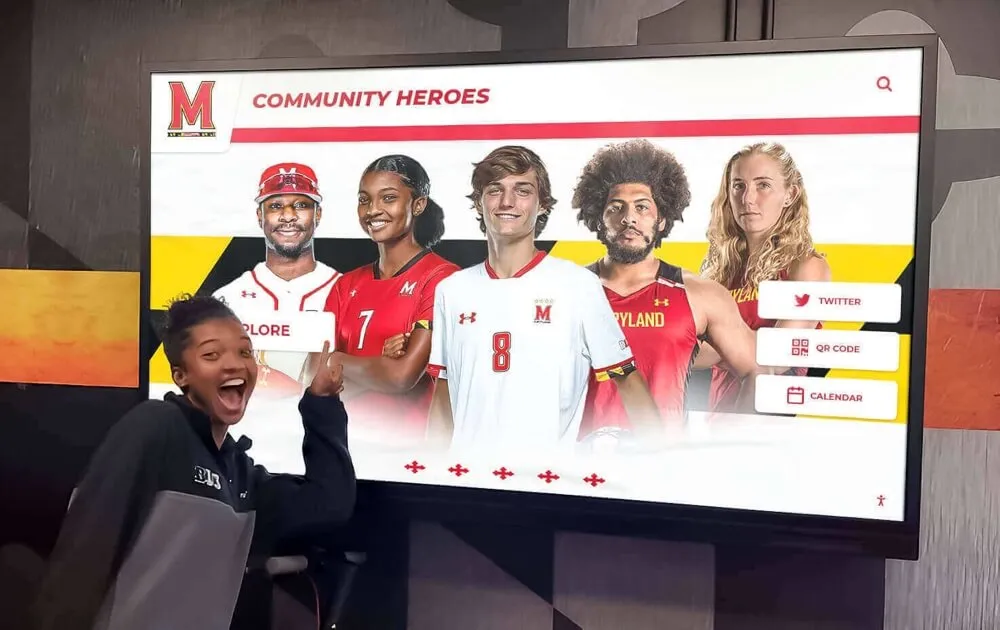
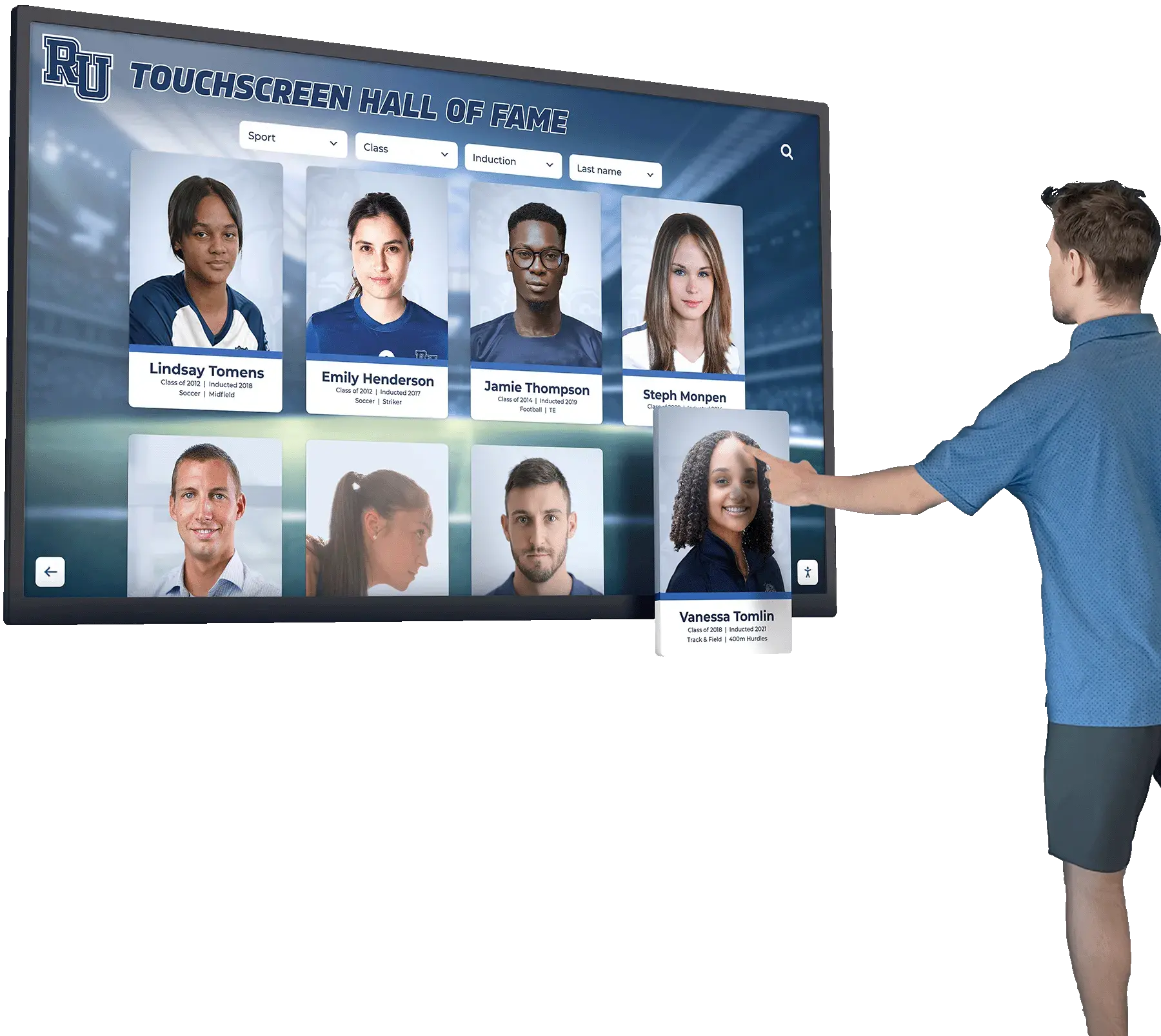
Intuitive card-based navigation enables visitors to explore individual achievements and discover inspiring student accomplishments
Specific Features Addressing Small School Contexts
Certain capabilities particularly benefit smaller educational institutions:
Unified Recognition Across All Programs
Eliminating artificial achievement hierarchies:
Single Platform for Diverse Recognition
Rather than implementing separate systems for athletics, academics, arts, and service recognition, unified platforms enable schools to celebrate all achievement dimensions through consistent professional presentation.
Students honored for academic excellence appear in displays with identical presentation quality as state champion athletes. Drama program participants receive recognition profiles as detailed as basketball team members. Service award recipients enjoy the same searchable database inclusion as scholarship winners.
This unified approach communicates institutional values celebrating comprehensive excellence rather than suggesting hierarchies through disparate recognition quality across program types. Families exploring displays encounter consistent professional presentation regardless of which achievement categories interest them most.
Alumni and Historical Recognition Integration
Connecting current students with institutional legacy:
Comprehensive Temporal Scope
Small schools in established communities often educate multiple generations of families. Current students’ parents, grandparents, or even great-grandparents may have attended the same institution, creating opportunities for meaningful connections between contemporary achievement and historical excellence.
Digital recognition platforms accommodate historical content integration including importing legacy recipient information from archived records, digitizing historical photos preserving aging physical materials, creating dedicated historical sections within broader recognition displays, and enabling temporal comparisons showing how programs evolved across decades.
When current basketball players can explore team rosters from their grandparents’ eras, or prospective students discover scholarship recipients include relatives from previous generations, recognition becomes more than achievement documentation—it transforms into institutional storytelling connecting families across time.
Resources on alumni engagement strategies provide frameworks for maintaining graduate connections through recognition programs celebrating both current students and distinguished alumni.
Mobile and Remote Access Extensions
Extending recognition beyond physical facilities:
Multi-Platform Accessibility
Physical trophy cases serve only visitors physically present in school buildings. Many stakeholders never encounter traditional displays including relatives living in different regions, deployed military family members, alumni who have relocated, and community supporters without regular facility access.
Recognition platforms providing web and mobile access dramatically expand audience reach through responsive websites enabling smartphone exploration from anywhere, social sharing capabilities allowing recipients to distribute recognition across personal networks, dedicated mobile applications for convenient access, and public access without authentication requirements preventing viewing barriers.
Extended reach benefits small communities where graduates often relocate for college or careers but maintain school connections. When current students earn recognition, distant alumni can explore achievements through mobile devices, grandparents living in retirement communities can browse displays remotely, and relocated families can maintain connections with home institution accomplishments.

Multi-device accessibility ensures recognition reaches audiences beyond physical school visitors through convenient mobile and web access
Implementation Process for Small School Administrators
Practical steps for launching recognition programs:
Gaining Stakeholder Support
Building consensus for recognition investments:
Demonstrating Value to School Boards
Budget approvals require clear value articulation to board members focused on maximizing limited funding impact. Effective presentations emphasize how digital recognition supports core educational missions through student motivation by making excellence visible and celebrated, family engagement by honoring achievements families value, community connection by demonstrating institutional quality, and recruitment advantages when prospective families evaluate school culture.
Comparing long-term costs of digital platforms against ongoing expenses of traditional approaches—continuous plaque purchases, recurring banner printing, periodic trophy case expansions—demonstrates financial wisdom of initial technology investments that eliminate future material costs.
Engaging Multiple Program Stakeholders
Recognition systems serving athletics, academics, arts, and activities require input from respective program leaders ensuring systems meet diverse needs. Collaborative planning processes include athletic directors identifying essential sports statistics and record categories, activities coordinators defining club achievement recognition approaches, academic administrators determining honor roll and scholarship display priorities, and arts program leaders specifying performance and competition recognition requirements.
Inclusive planning creates stakeholder ownership and ensures launched systems serve actual program needs rather than forcing artificial conformity with predetermined structures.
Content Development and Launch Preparation
Preparing recognition information for display:
Starting With Current Achievements
Rather than attempting comprehensive historical data collection before launching, many schools begin with current-year recognition while progressively adding historical content over subsequent months.
Initial implementations might include recent athletic season results and team rosters, current academic year honor roll and award recipients, active scholarship winners and college commitments, and immediate prior year content when easily accessible.
This approach enables faster program launches serving current students while establishing foundations for historical expansion as staff capacity permits archive digitization or information gathering from institutional records.
Developing Sustainable Maintenance Workflows
Long-term recognition success requires establishing regular update processes integrated into existing administrative calendars. Practical workflows include scheduled quarterly review cycles coinciding with grading periods for academic recognition, post-season update windows following athletic team completions, annual recognition ceremony protocols for immediate display updates, and designated staff responsibilities preventing maintenance ambiguity.
Documented workflows ensure recognition remains current across staff transitions, preventing displays from becoming outdated when specific individuals change roles or retire.
Understanding best practices for school digital displays provides insights into effective maintenance approaches keeping recognition relevant and engaging over time.
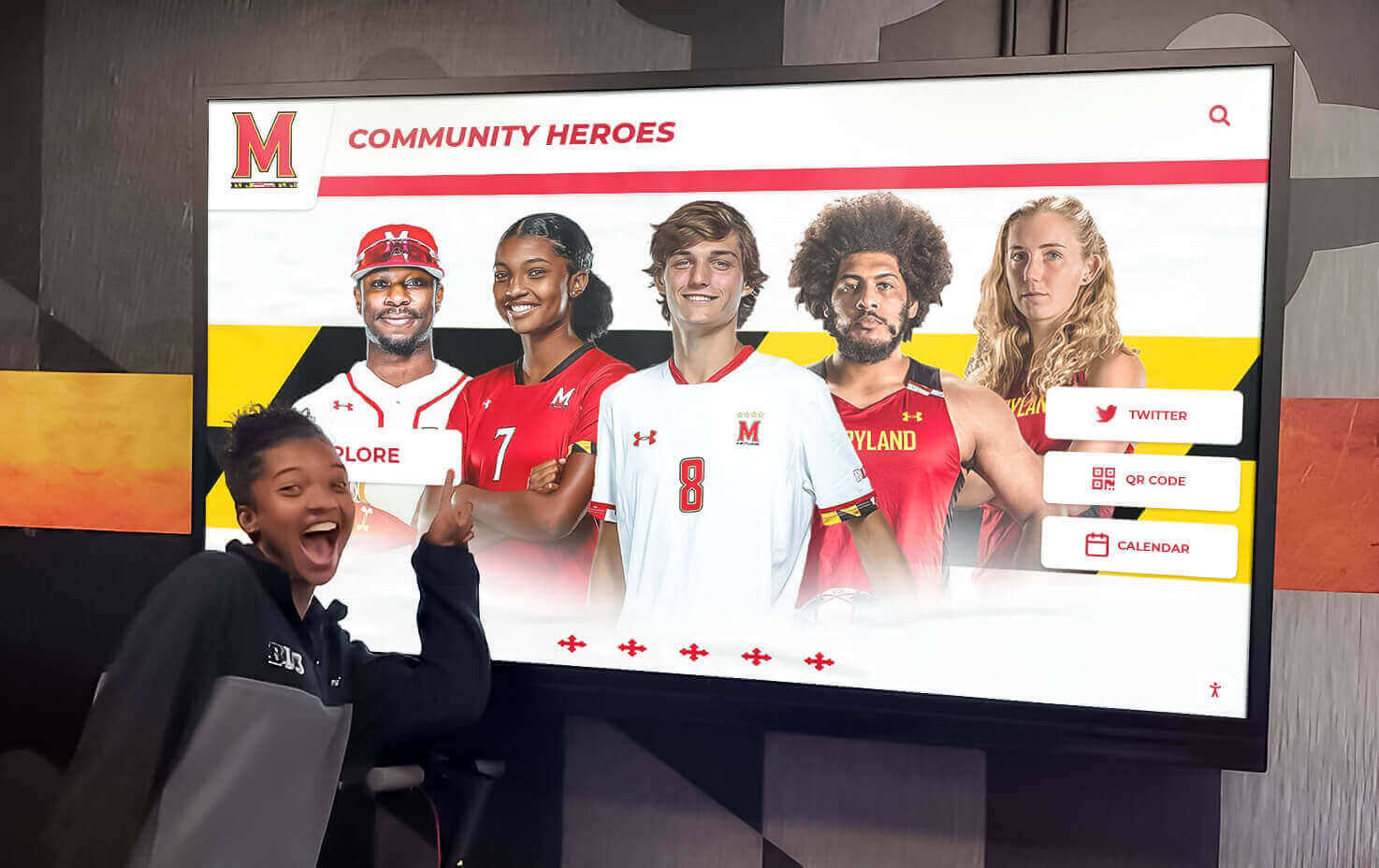
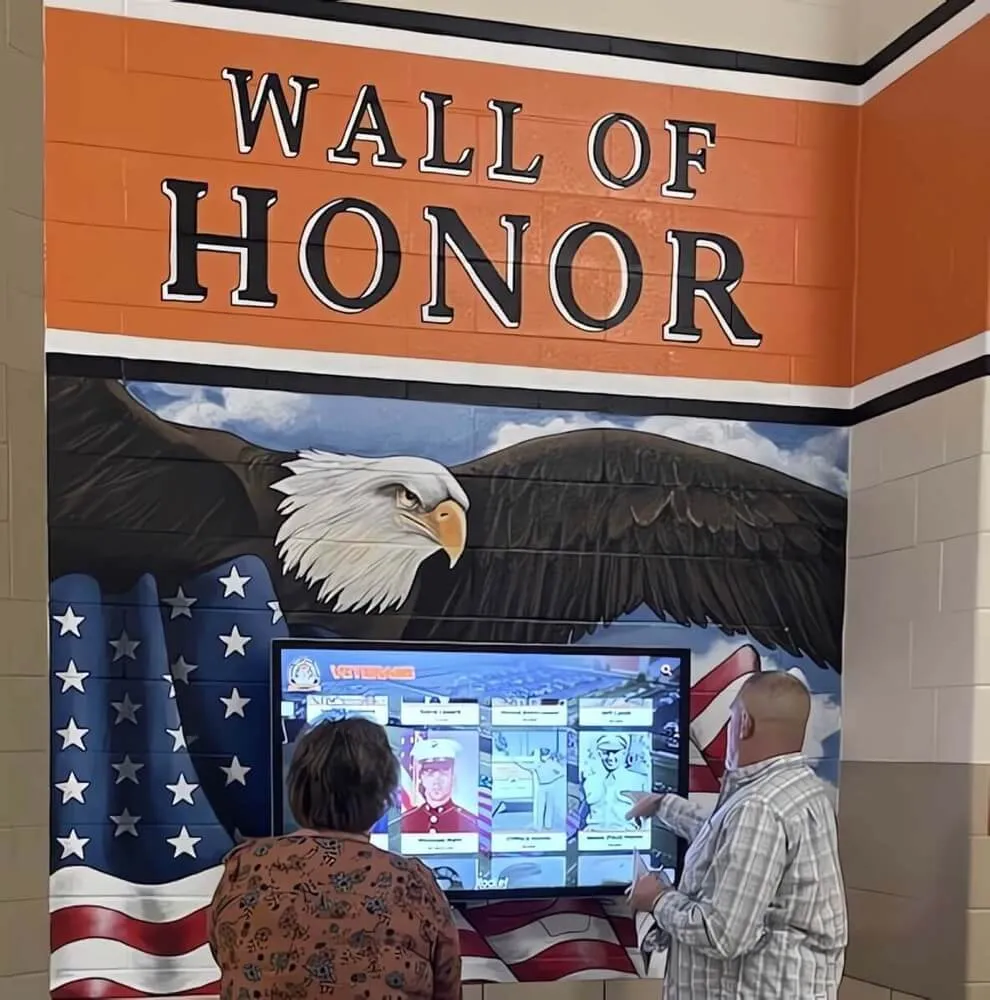
Recognition displays inspire younger students by presenting achievement pathways and celebrating excellence role models within their own school community
Long-Term Benefits for Small School Communities
Recognition investments deliver sustained value:
Strengthening School Culture and Pride
Creating excellence-focused environments:
Visible Achievement Celebration
When recognition displays occupy prominent positions in school entrances or central gathering spaces, achievement becomes woven into daily institutional experience rather than relegated to periodic ceremony acknowledgments quickly forgotten.
Students encounter inspiration regularly through classmates’ accomplishments displayed prominently, historical achievements demonstrating program legacies, diverse excellence celebrated across all participation areas, and accessible exploration enabling personal connection with role models.
This regular exposure creates cultures where excellence receives genuine celebration, effort finds validation, and participation across varied programs enjoys equal recognition value.
Supporting Recruitment and Retention
Attracting and retaining students and families:
Competitive Advantage in Open Enrollment Contexts
Many regions allow families to select between multiple public school options within districts or through open enrollment policies. Recognition displays influence perception during school selection processes by demonstrating institutional commitment to celebrating student achievement, displaying program breadth and excellence across multiple dimensions, creating professional first impressions for touring families, and providing concrete evidence of school culture and values.
Families evaluating schools increasingly expect modern technology integration. Professional digital recognition demonstrates institutional investment in contemporary approaches rather than reliance solely on traditional methods potentially perceived as outdated or under-resourced.
Retaining Students Through Engagement
Recognition programs contribute to student retention by making achievement visible and valued, creating aspirational goals motivating continued participation, acknowledging efforts across diverse programs preventing narrow definitions of success, and building institutional pride strengthening student connection to school communities.
In contexts where families might consider transferring to private schools or alternative public options, strong recognition programs communicating that the current school genuinely values and celebrates student excellence contribute to retention decisions.
Approaches to building school pride demonstrate how recognition programs integrate into broader school culture initiatives strengthening community identity and institutional connection.
Why Rocket Alumni Solutions Fits Small to Medium Schools Perfectly
Specific platform characteristics address small school realities:
Unlimited Recognition Capacity
Schools never face decisions about removing historical content to accommodate new achievements or purchasing additional systems as programs grow. Single installations serve all recognition needs perpetually across athletics, academics, arts, activities, and alumni without capacity constraints or recurring material costs.
Intuitive Administrative Interface
Athletic directors, activities coordinators, or principals maintain displays without technical degrees or design expertise through user-friendly content management systems, professional templates ensuring consistent quality presentation, and straightforward workflows requiring minimal training or ongoing support.
Accessible Educational Pricing
Transparent subscription models fit public school budget processes without hidden fees or per-recipient costs that create escalating expenses as recognition programs expand. Predictable annual pricing enables multi-year financial planning and budget allocation confidence.
Commercial-Grade Hardware
Purpose-built touchscreen displays designed for high-traffic educational environments provide reliability and longevity through durable construction withstanding daily student interaction, professional installation ensuring proper mounting and electrical integration, and responsive support addressing any technical issues quickly.
Comprehensive Implementation Support
Schools receive complete assistance launching recognition programs including professional setup and configuration, content import from existing databases, staff training ensuring confident system management, and ongoing technical support maintaining operational reliability.
Multi-Program Flexibility
Single platforms serve all institutional recognition needs rather than requiring separate systems for different achievement categories. Athletic records, academic honors, arts accomplishments, service awards, and alumni recognition integrate seamlessly within unified professional displays.

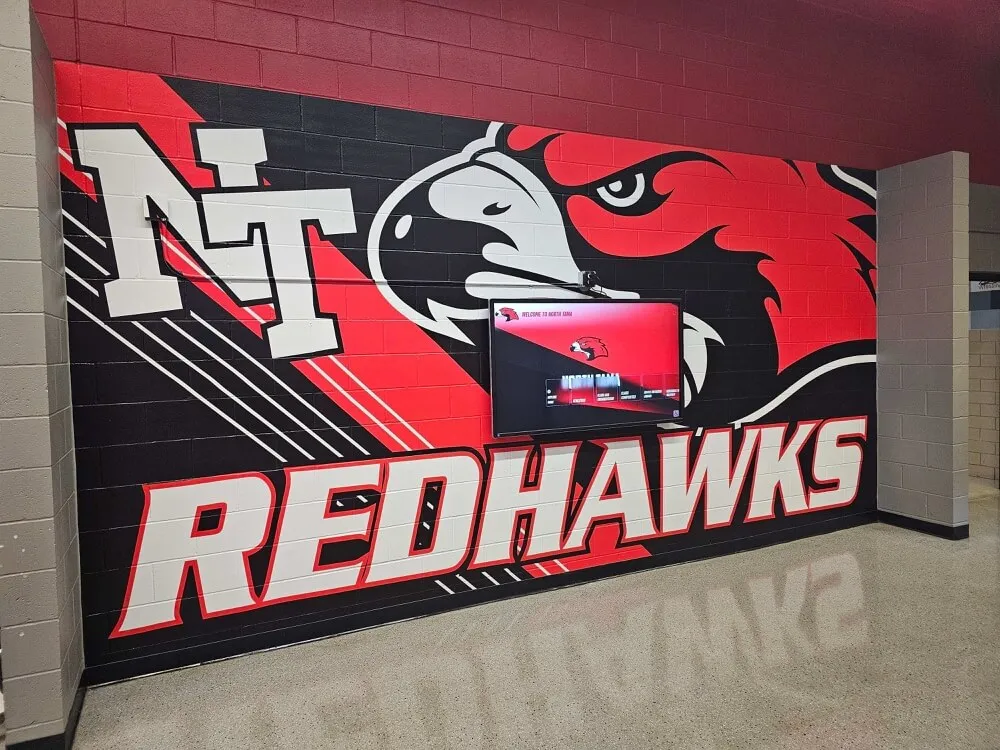
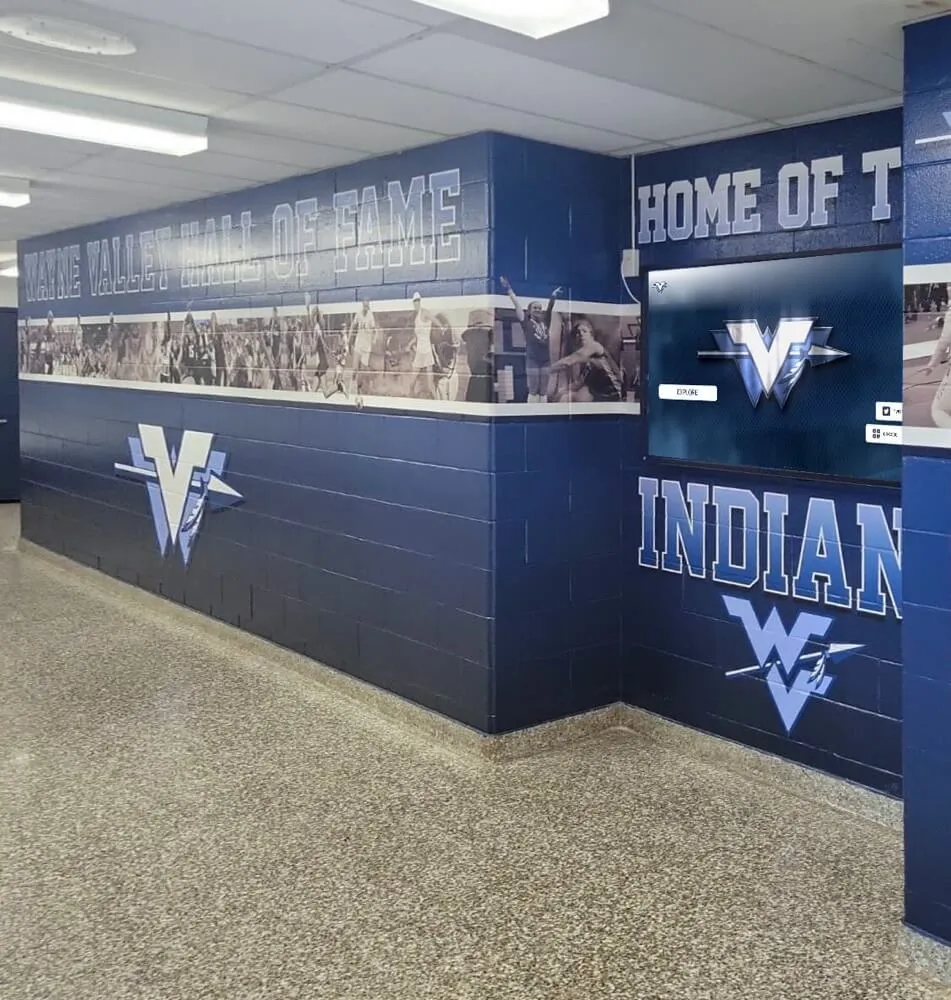
Professional installations integrate digital recognition with existing school identity elements creating cohesive celebration environments
Creating Recognition Programs That Match Small School Realities
Small to medium public high schools deserve recognition systems reflecting their specific contexts—budget constraints requiring cost-effective solutions delivering long-term value, limited staff capacity necessitating intuitive systems maintainable without specialized expertise, space limitations demanding displays that consolidate diverse recognition efficiently, and community characteristics where personal connections and comprehensive celebration across varied programs matter profoundly.
Digital recognition platforms designed specifically for educational institutions address these realities while eliminating compromises forced by traditional approaches. Rather than choosing which achievements receive prominent celebration due to trophy case capacity constraints, schools honor unlimited recipients across all programs perpetually. Instead of accepting amateur-quality printed displays reflecting limited design resources, professional templates ensure consistent presentation quality celebrating every student achievement with equal polish. Rather than facing escalating costs as physical recognition accumulates, predictable subscription models provide budget certainty while unlimited digital capacity prevents future expansion expenses.
Schools implementing purpose-built recognition technology discover that celebrating student excellence becomes sustainable, comprehensive, and genuinely accessible rather than constrained by artificial limitations imposed by physical display approaches developed decades before current technological capabilities existed. Your students invest countless hours pursuing excellence across academics, athletics, arts, and service while balancing academic demands and personal development—they deserve recognition systems that honor these achievements comprehensively rather than forcing selective celebration dictated by space and budget limitations.
Discover Recognition Solutions Built for Your School
See how Rocket Alumni Solutions helps small to medium public high schools celebrate student achievement comprehensively through unlimited recognition capacity, intuitive administrative interfaces, and accessible educational pricing. Schedule a personalized consultation to explore how digital recognition fits your specific institutional context and budget reality.
Explore Rocket Alumni Solutions