



West Virginia’s high school football playoffs represent a storied tradition of championship competition that has shaped communities across the Mountain State for generations. Every fall, teams from the coal mining towns of the south to the panhandle communities compete for state championship glory in a playoff system that creates defining moments for student-athletes, coaches, and communities throughout the state.
The WV high school football playoffs operate through the West Virginia Secondary School Activities Commission (WVSSAC), organizing championship tournaments across multiple classifications that ensure competitive balance while honoring the state’s rich football heritage. From legendary programs with multiple state titles to underdog championship runs that captivate entire regions, West Virginia’s playoff tradition combines small-town passion with competitive excellence that rivals any state in the nation.
Yet many West Virginia schools struggle to preserve their championship legacies beyond fading photographs and forgotten trophy cases. Historic playoff runs, legendary coaching achievements, and championship team accomplishments deserve permanent recognition that inspires current athletes while honoring the players and coaches who built winning traditions. This comprehensive guide explores WV high school football playoff structure, championship history, and modern recognition solutions that transform fleeting playoff moments into lasting institutional pride.
West Virginia’s football playoff system creates community-defining moments that resonate across generations. Schools implementing thoughtful recognition strategies—combining comprehensive championship documentation, multimedia storytelling, and accessible digital displays—preserve these traditions while inspiring future teams to add their own chapters to program legacies.

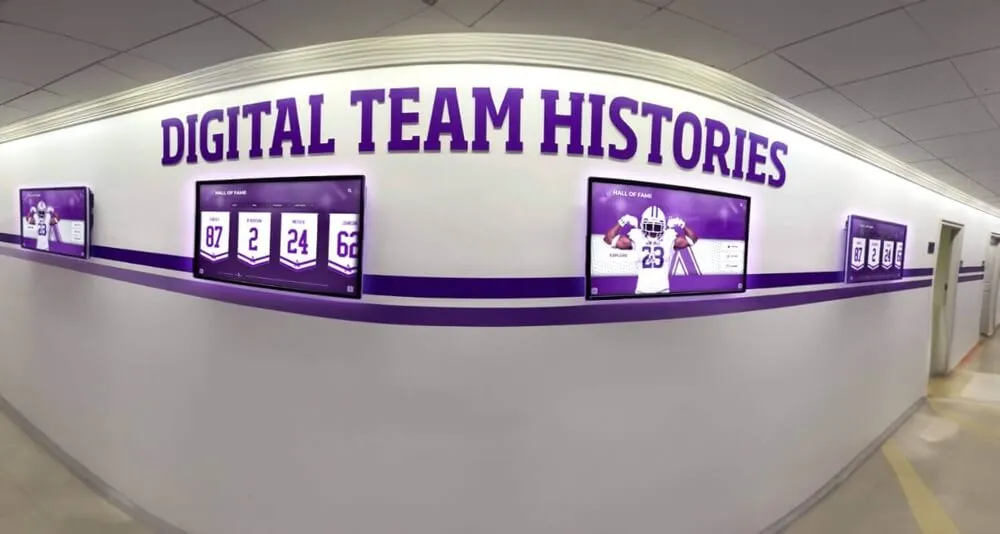
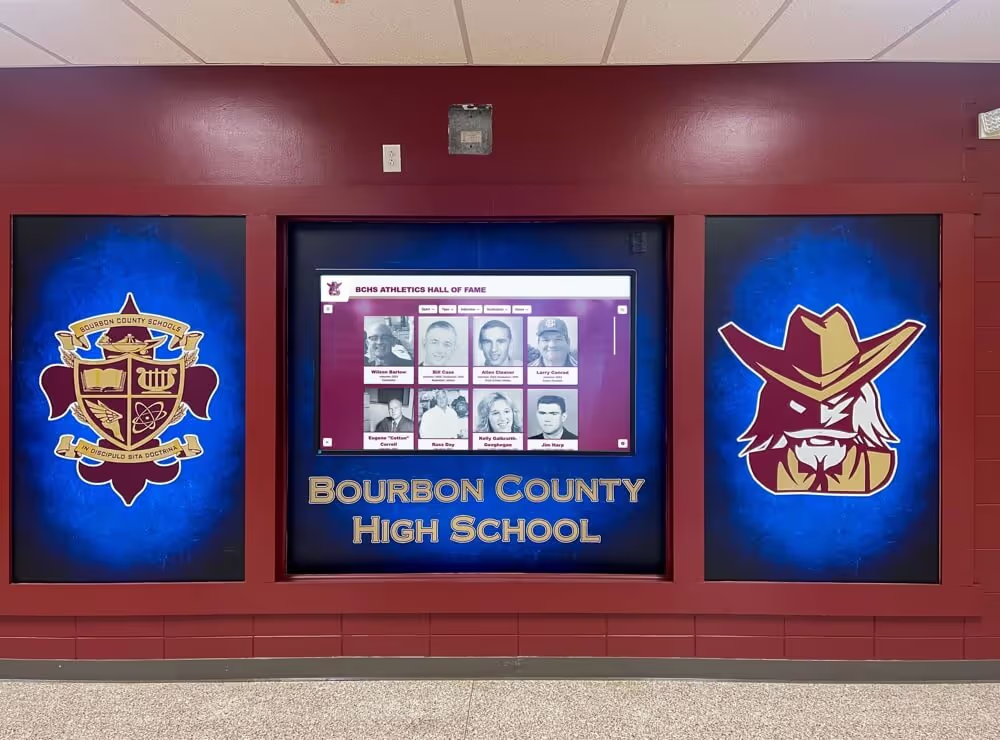
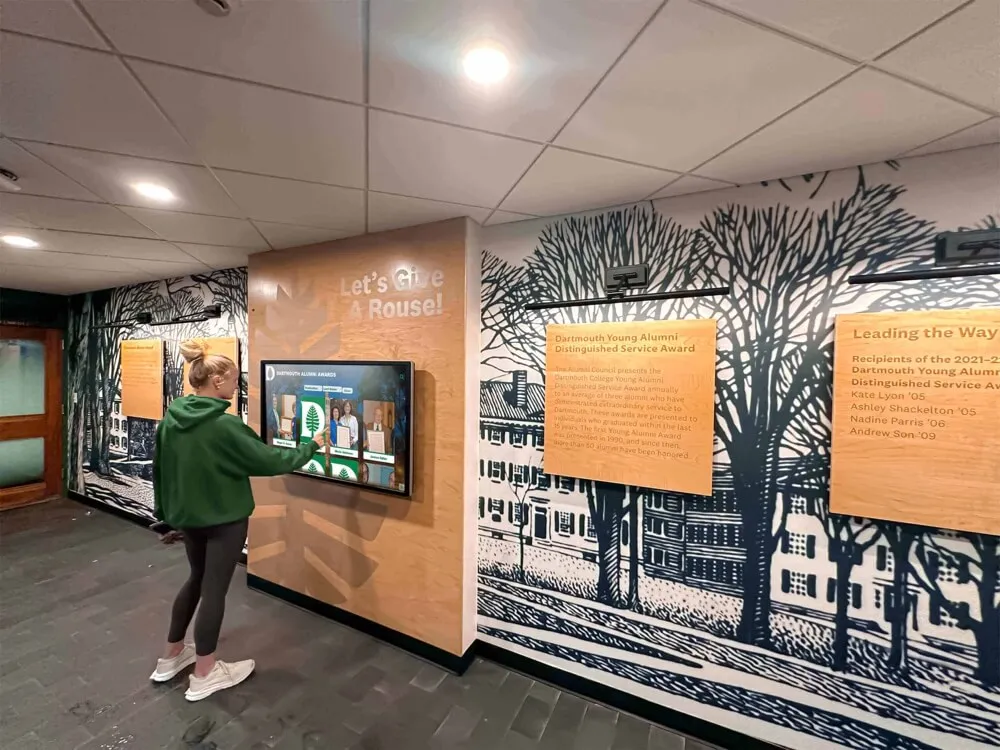
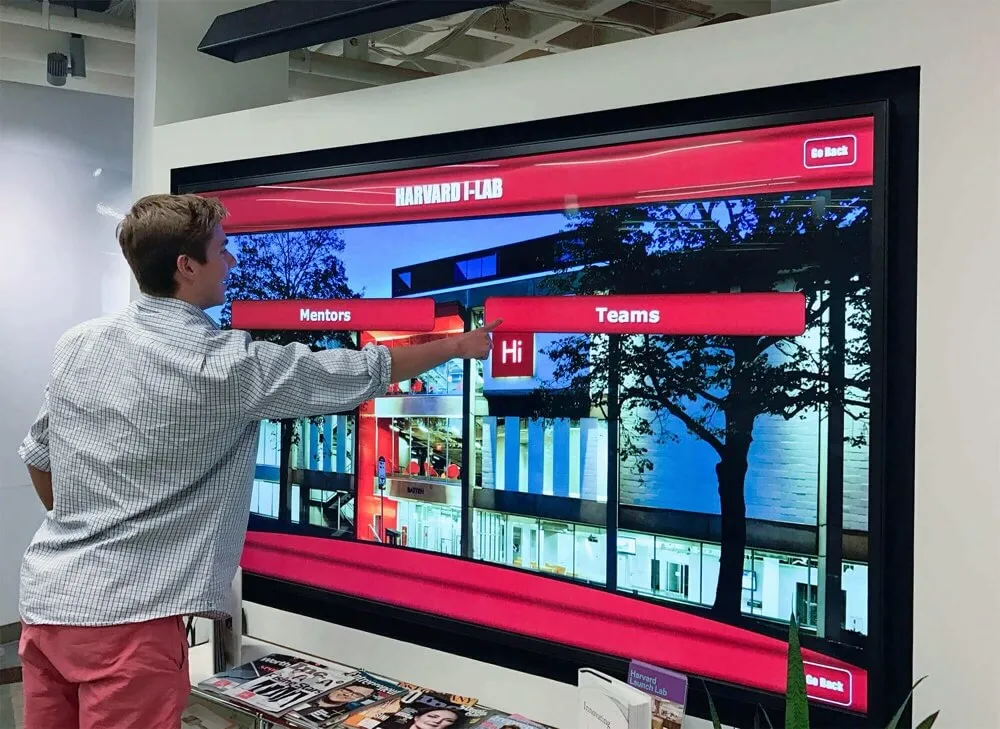
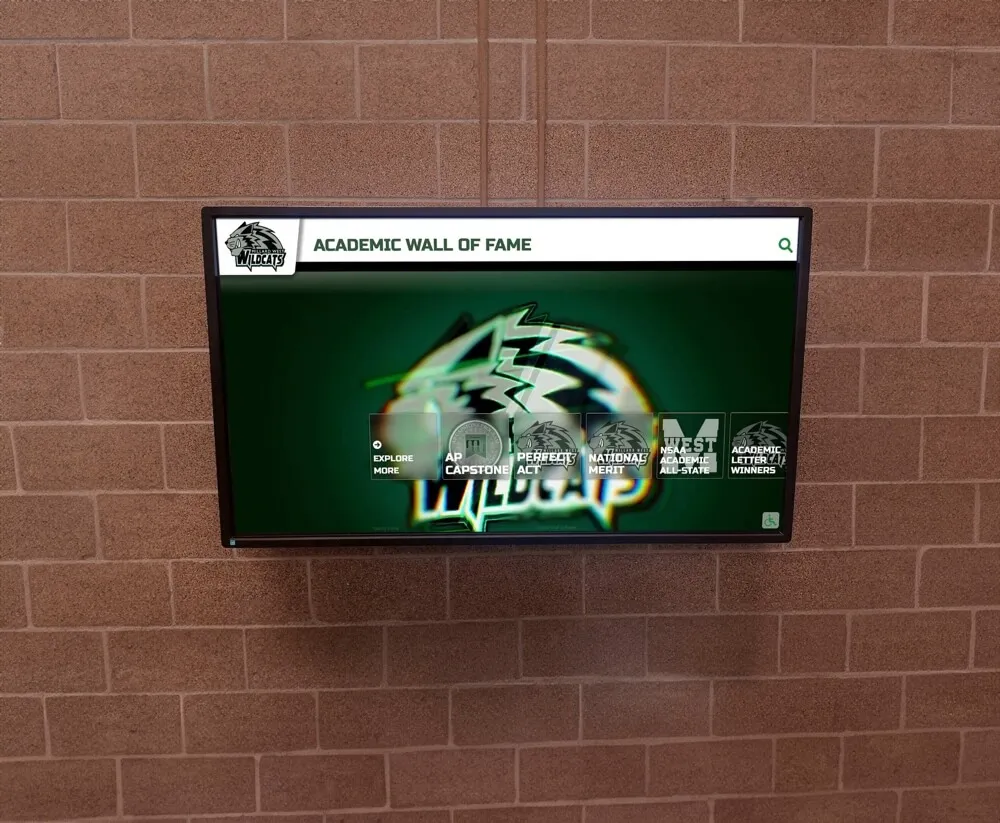
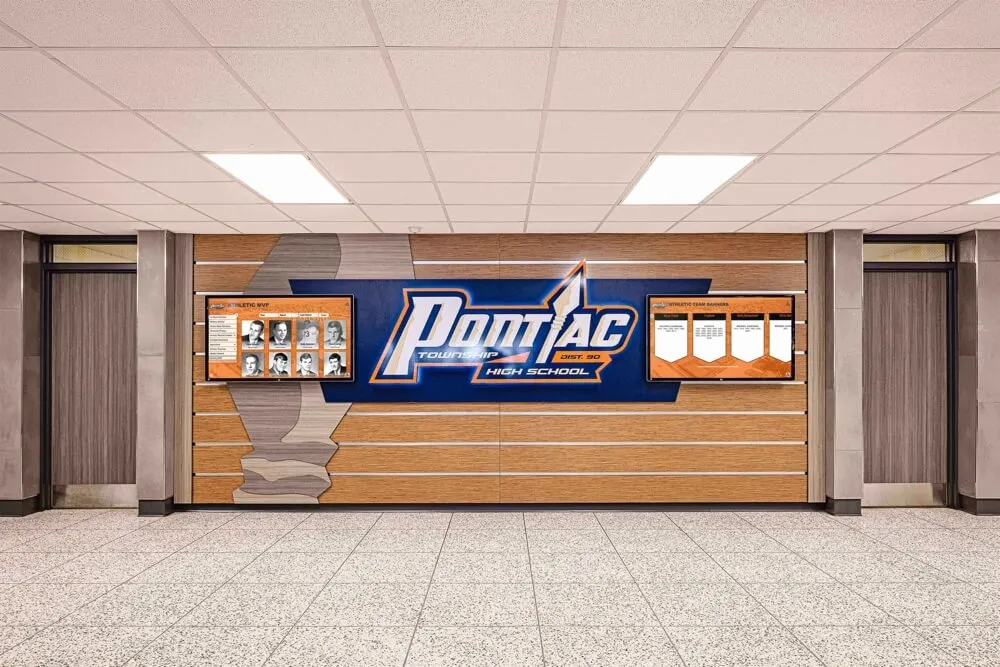
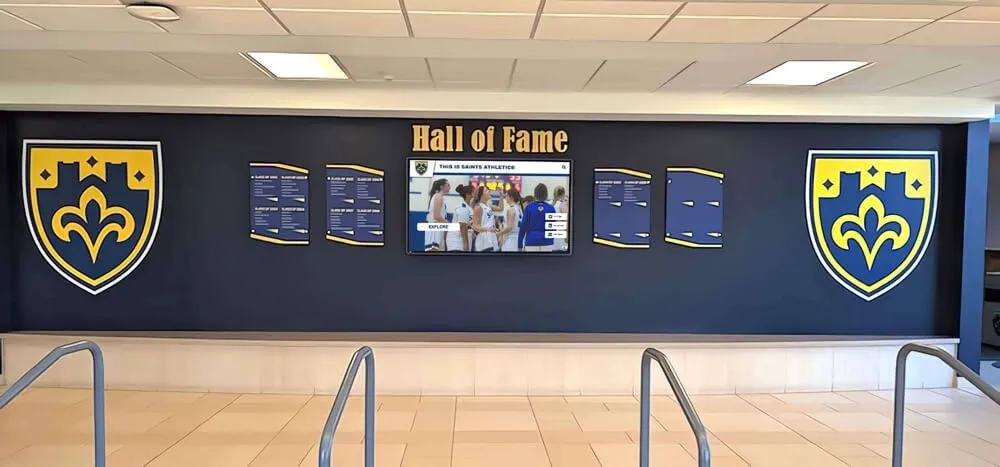
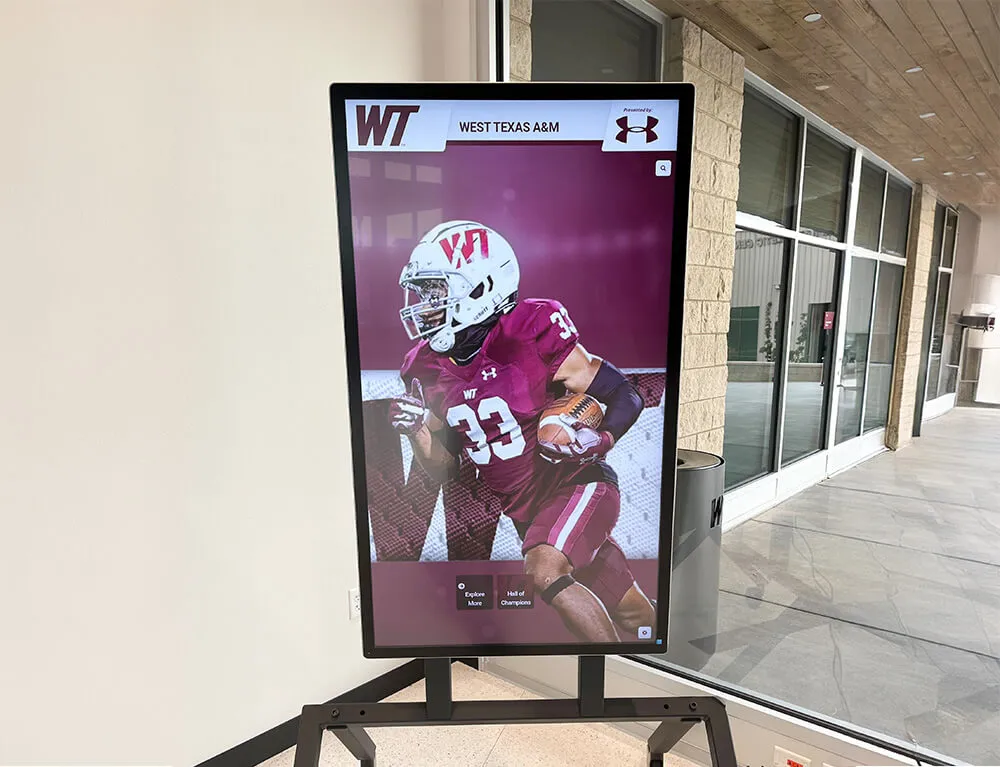
Interactive lobby displays celebrate football excellence through engaging visual presentation combining traditional school branding with modern touchscreen technology
Understanding West Virginia’s Football Playoff Structure
The WVSSAC organizes West Virginia’s high school football playoffs through a classification system designed to ensure competitive balance while creating championship opportunities for schools of all sizes across the state.
Classification System and Organization
West Virginia currently operates a six-classification system for football playoffs, with schools assigned to classes based on enrollment numbers:
Classification Breakdown
Class AAA (Largest Schools)
- Encompasses West Virginia’s largest high schools with enrollments typically exceeding 850 students
- Includes major schools from Charleston, Huntington, Morgantown, and Parkersburg areas
- Features programs with extensive resources and deep talent pools
- Championship competition showcases the state’s highest level of high school football
- Historic programs like Martinsburg, Spring Valley, and Parkersburg South have dominated recent championship history
Class AA (Large Schools)
- Serves mid-sized to large schools with enrollments roughly between 450-850 students
- Represents significant programs throughout the state including strong regional powers
- Creates highly competitive championship races with multiple legitimate title contenders annually
- Includes traditional powers alongside emerging programs building championship traditions
- Often features schools on the cusp between AA and AAA dealing with enrollment fluctuations
Class A (Smallest Schools)
- Includes West Virginia’s smallest high schools with enrollments below approximately 450 students
- Represents rural communities where football serves as centerpiece of community identity
- Features intense rivalries where entire towns rally behind playoff runs
- Championship competition showcases fundamentally sound football and coaching excellence
- Programs like Wheeling Central, Doddridge County, and Williamstown have built storied Class A traditions
This classification structure ensures that small rural schools compete for meaningful championships rather than facing overwhelming size disadvantages against major metropolitan programs. The system allows communities of all sizes to experience championship glory while building traditions appropriate to their institutional contexts.
Single-Class Division System Evolution
West Virginia’s playoff classification system has evolved significantly throughout the state’s football history:
Historical Context
West Virginia operated with different classification structures throughout various eras, adjusting systems to maintain competitive balance as school consolidations, enrollment shifts, and program growth changed the competitive landscape. Earlier systems featured AAA, AA, and A classifications before expanding to accommodate more nuanced enrollment distinctions and ensure appropriate competitive groupings.
The current six-class system represents the most comprehensive classification structure in state history, providing championship pathways for the broadest range of schools while minimizing competitive mismatches that diminish tournament quality and student-athlete experiences.
Playoff Qualification and Seeding
Teams qualify for West Virginia’s football playoffs based on regular season performance, with specific qualification standards ensuring tournament fields include competitive teams capable of meaningful championship pursuits. The WVSSAC employs ranking systems considering win-loss records, strength of schedule, and head-to-head results when determining playoff berths and bracket seeding.
Higher-seeded teams typically earn home-field advantage through early playoff rounds, rewarding regular season excellence while reducing travel burdens for advancing teams. This seeding structure creates tangible incentives for strong regular seasons beyond simple playoff qualification, as favorable bracket positioning and home games significantly impact championship prospects.
Understanding state championship recognition strategies helps athletic directors develop comprehensive celebration approaches that honor playoff achievements appropriately.

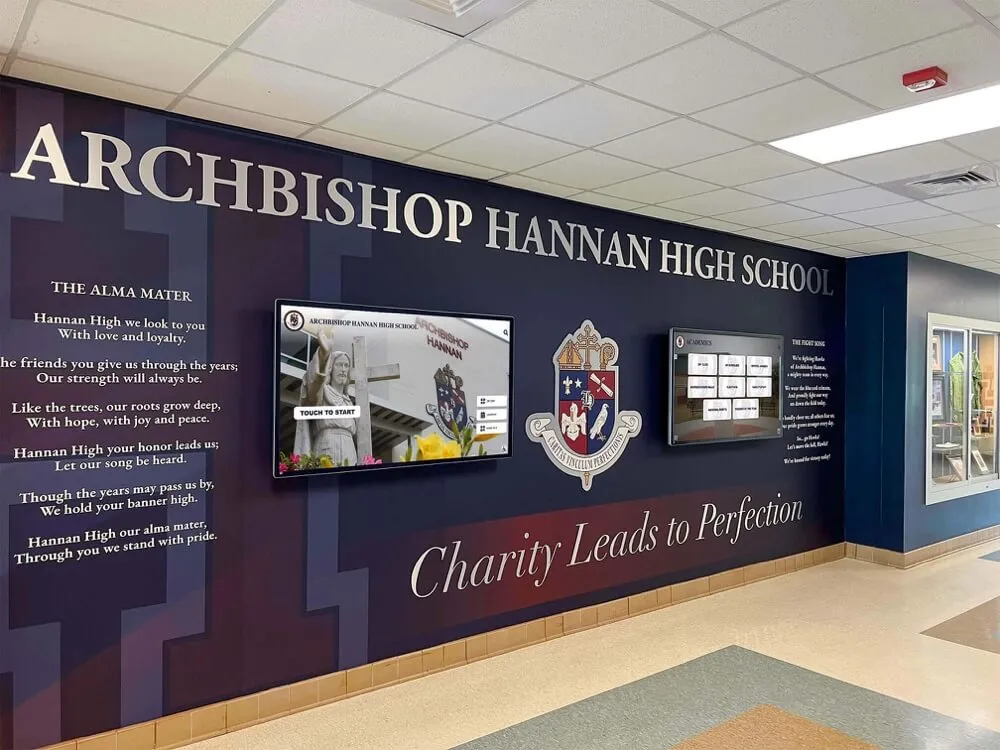
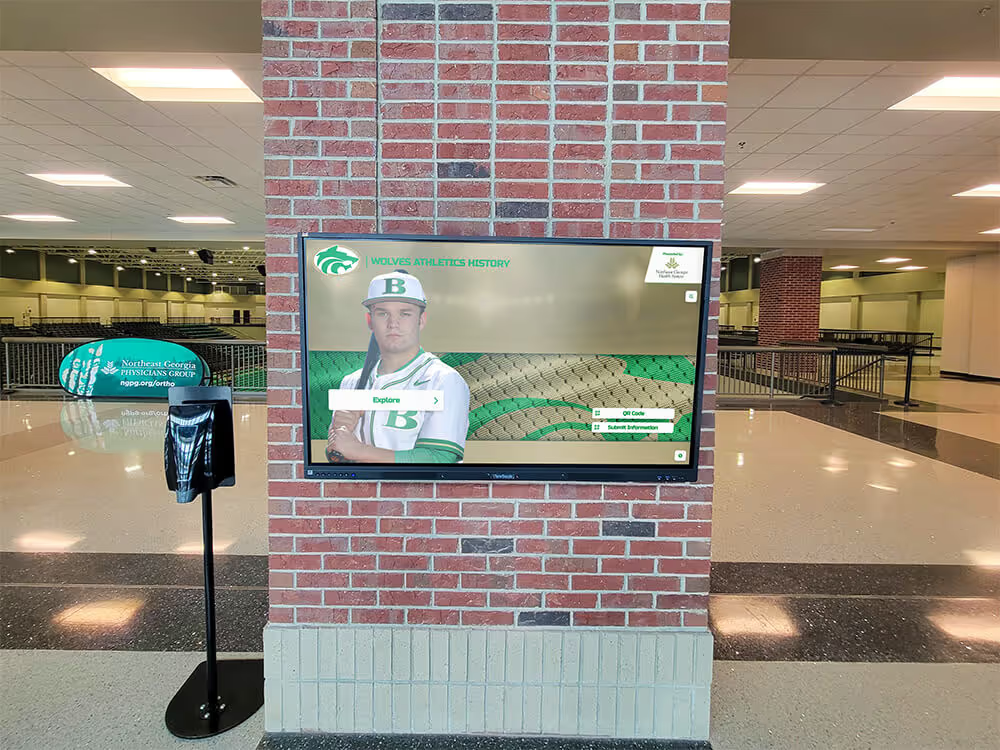
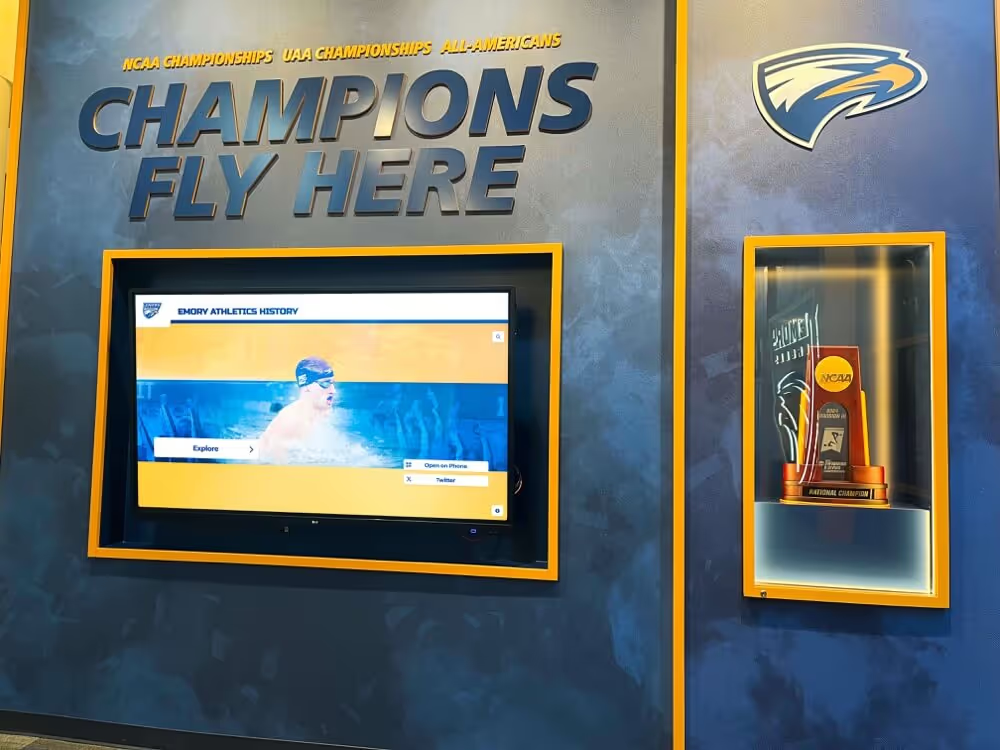
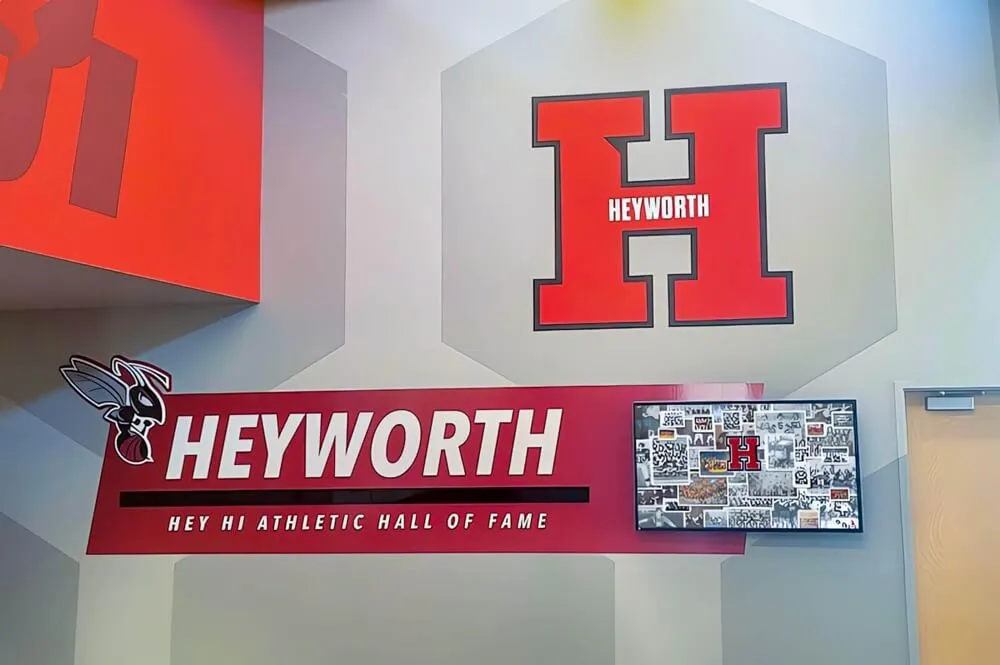
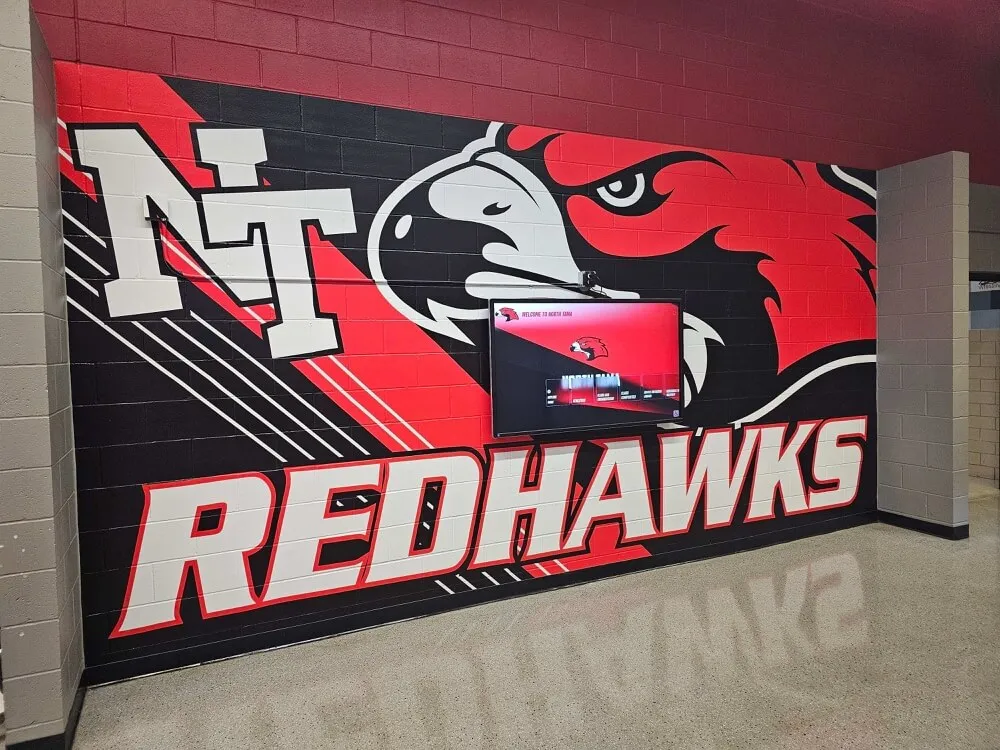
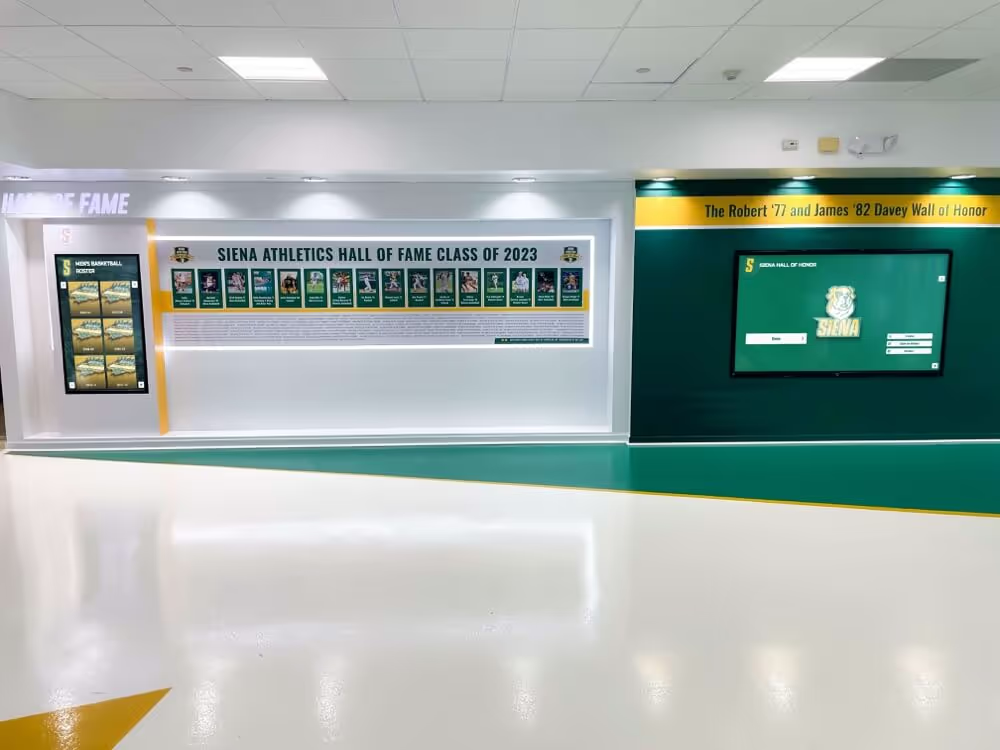
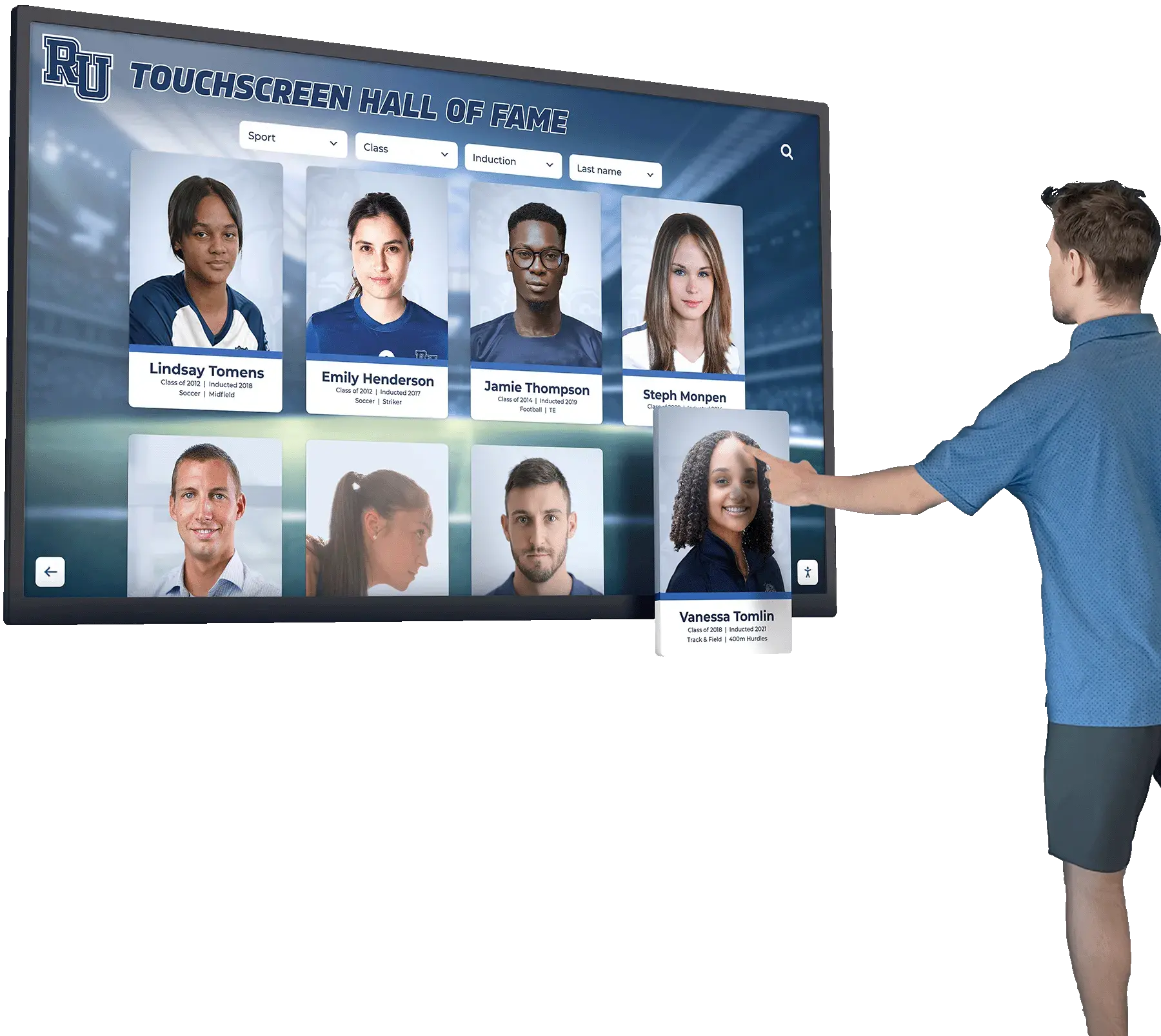
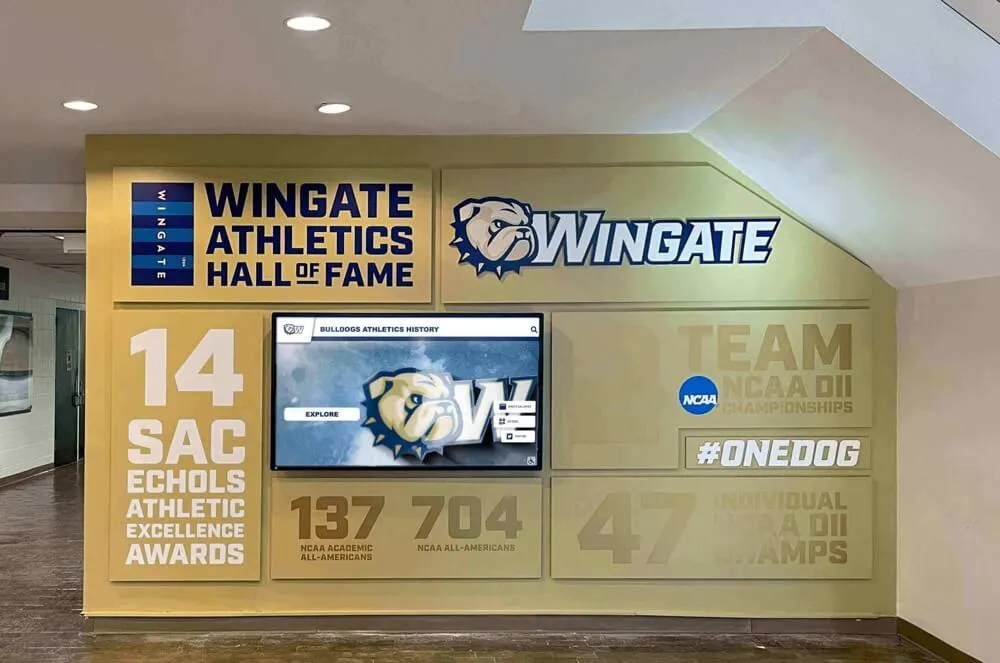
Branded athletic spaces combine school identity with modern recognition technology, creating immersive environments celebrating program traditions
West Virginia State Championship History and Traditions
West Virginia’s football championship history spans decades, creating rich traditions and legendary programs that define the state’s athletic identity.
Legendary Programs and Championship Dynasties
Certain programs have built championship dynasties that transcend individual seasons, establishing sustained excellence across generations:
Martinsburg Bulldogs Dominance
Martinsburg has emerged as West Virginia’s most dominant program in recent decades, building a championship dynasty that rivals elite programs nationally. The Bulldogs have captured multiple state titles through a combination of exceptional coaching, talented rosters, and program infrastructure supporting sustained excellence. Their playoff success demonstrates how commitment to program development creates championship cultures extending beyond individual seasons.
Martinsburg’s success includes perfect seasons, extended playoff streaks, and victories over nationally-ranked out-of-state competition demonstrating West Virginia football’s quality. The program’s championship tradition now spans multiple generations, with current players following in the footsteps of championship teams that established winning expectations as program standards.
Historical Championship Programs
Throughout West Virginia football history, numerous programs have built championship traditions defining their communities:
- Wheeling Central Maroon Knights: Historic Class A powerhouse with championship tradition spanning decades
- Bluefield Beavers: Southern West Virginia program with storied history and multiple state titles
- Parkersburg South Patriots: Major program with championships and consistent playoff appearances
- Charleston Catholic Irish: Private school program with excellence in multiple classifications
- Spring Valley Timberwolves: Modern championship contender representing South Charleston area
These programs demonstrate that championship success requires more than individual talent—sustainable excellence demands institutional commitment, coaching stability, community support, and recognition systems that honor past achievements while motivating future teams.
Memorable Championship Games and Historic Playoff Runs
West Virginia’s playoff history features unforgettable championship contests and Cinderella runs that become permanent fixtures in state football lore:
Classic Championship Games
Championship games decided by single possessions, overtime thrillers, and dominant performances create memories lasting far beyond final whistles. Historic matchups between traditional powers, underdog championship victories, and rivalry game finals add drama to championship pursuits while creating stories that communities retell across generations.
Schools preserving complete documentation of championship games—including scores, rosters, statistics, and game narratives—create rich historical records that future students can explore. Digital recognition platforms enable comprehensive championship storytelling impossible with traditional trophy cases limited to physical championship hardware.
Underdog Championship Runs
Some of West Virginia’s most cherished football memories come from unexpected playoff runs where teams exceed expectations to capture championship glory. These Cinderella stories demonstrate that playoff success requires more than regular season dominance—championship tournaments reward peaking at optimal moments, overcoming adversity, and delivering clutch performances under pressure.
Communities celebrating these unexpected championships with permanent recognition honor the unique circumstances that made particular seasons special while inspiring future teams to believe that championship glory remains achievable regardless of preseason expectations.
Explore athletic banquet ideas for celebrating playoff achievements and honoring championship teams appropriately.
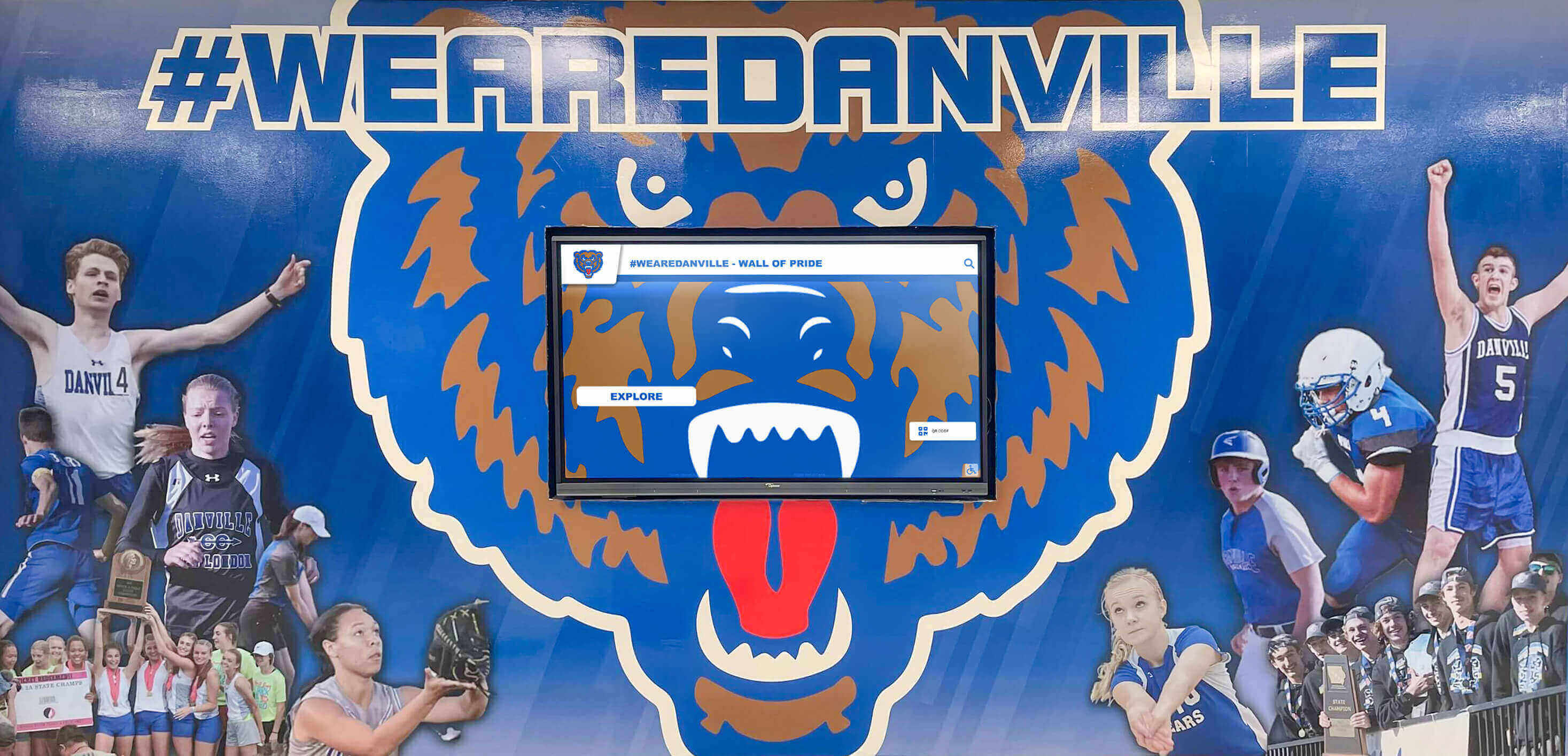
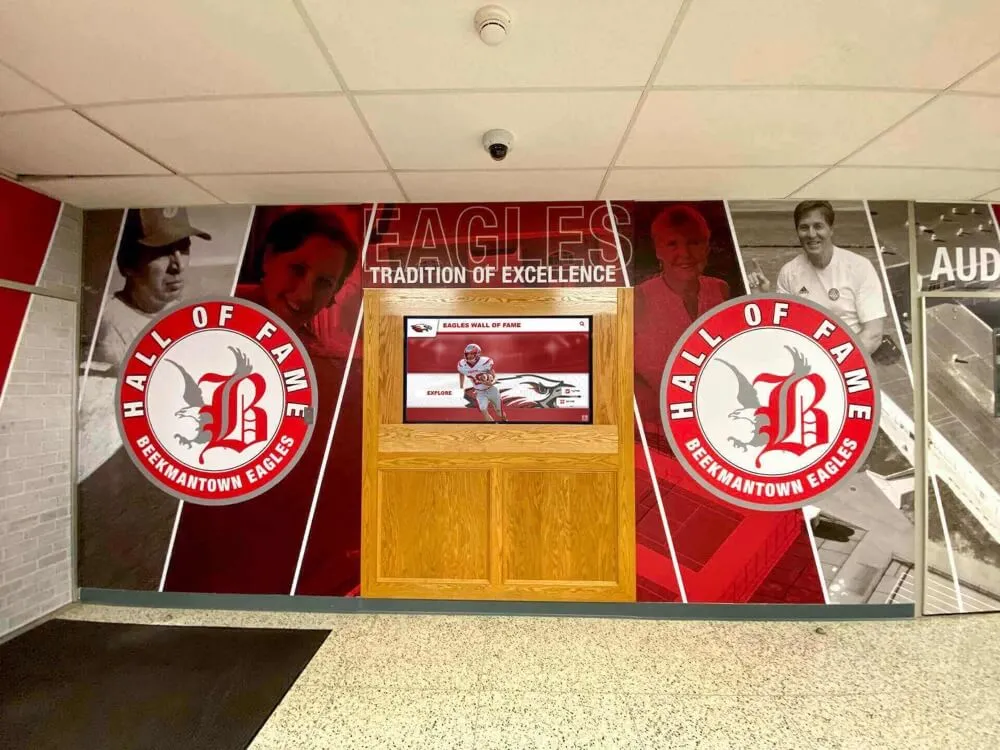
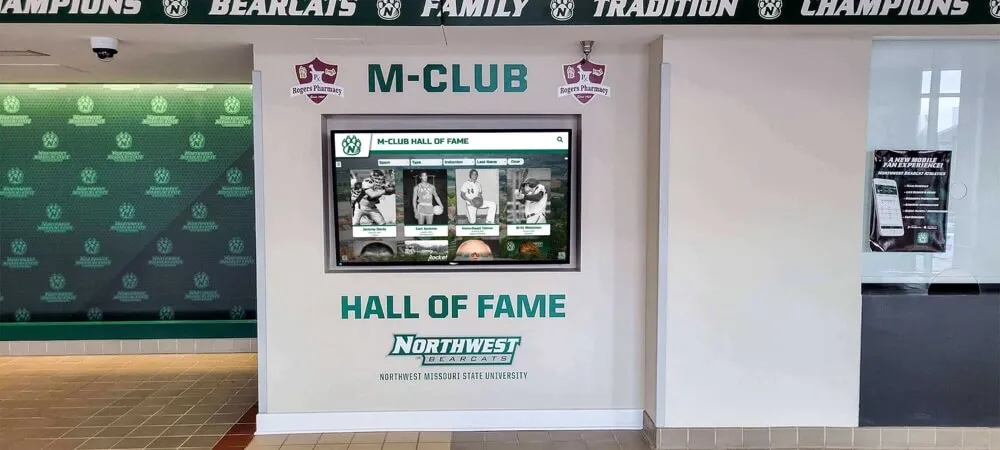
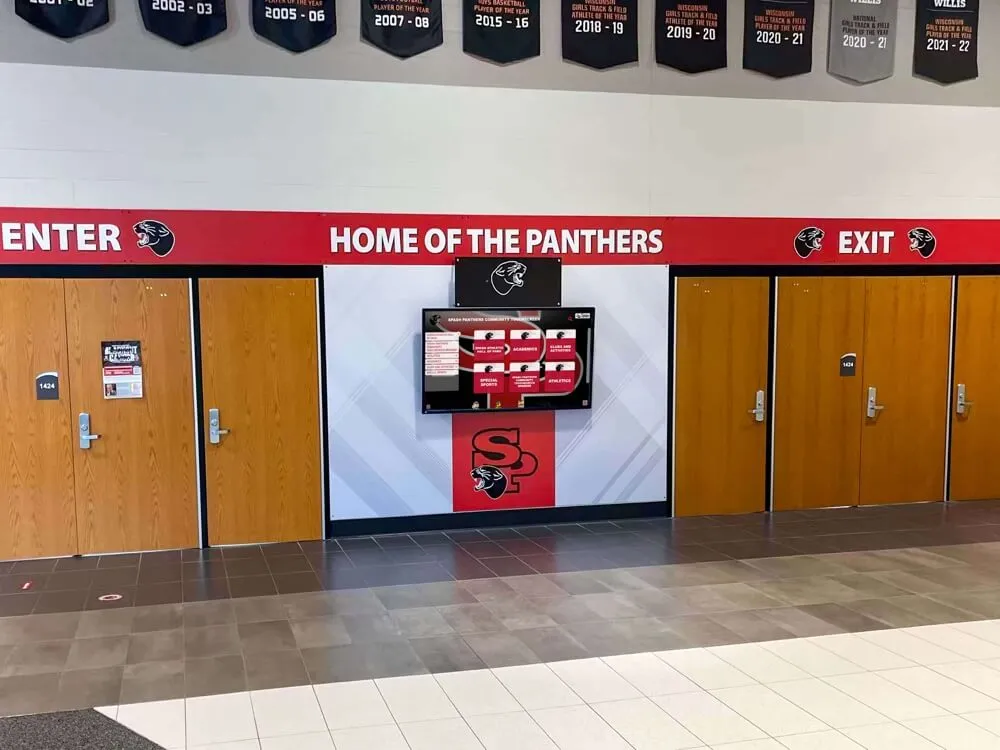
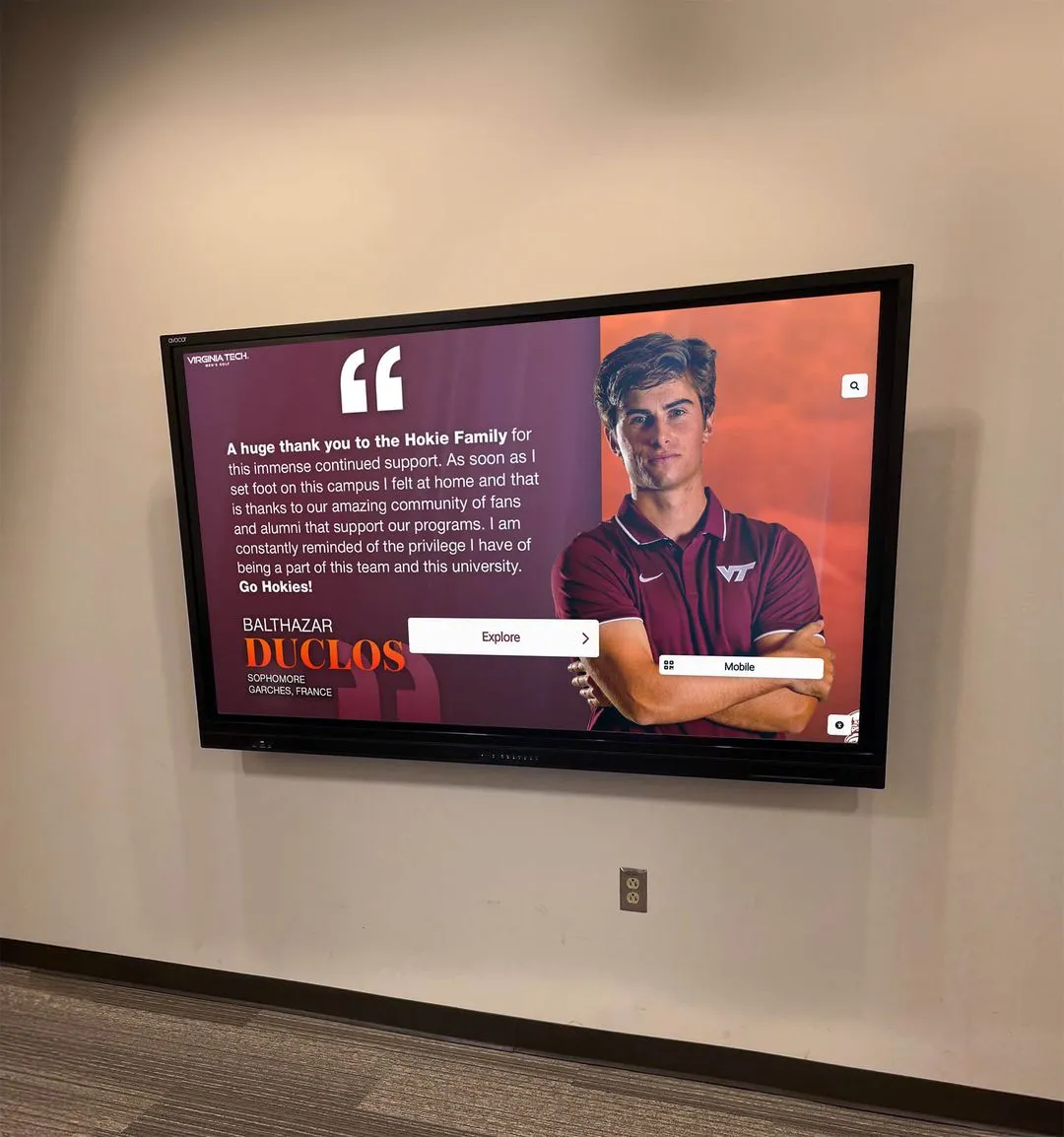
Strategic hallway placement ensures football recognition reaches students, athletes, recruits, and visitors throughout years and across generations
Championship Weekend and State Finals Experience
West Virginia’s state championship games create special experiences distinguishing finals from regular season and earlier playoff contests.
Neutral Site Championship Venues
West Virginia traditionally hosts state championship games at neutral sites providing fair competitive environments while creating special atmosphere distinguishing finals from home playoff games:
Championship Game Atmosphere
State championship venues transform typical game experiences into memorable events featuring enhanced production values, expanded media coverage, and ceremonial elements honoring the significance of title games. Championship atmosphere creates lasting memories for student-athletes while elevating the prestige associated with reaching state finals regardless of game outcomes.
Championship weekend becomes destination events for communities, with fans traveling across the state to support teams while creating economic impact for host communities. The special nature of championship environments contributes to playoff pursuit motivations—athletes dream not just of winning titles but of experiencing championship game atmospheres representing athletic achievement pinnacles.
Championship Recognition and Awards
State championship games feature formal recognition ceremonies where winning teams receive championship trophies, individual awards honor outstanding playoff performers, and runner-up recognition acknowledges the achievement of reaching state finals. These ceremonies create official acknowledgment of championship accomplishment while providing formal documentation that schools incorporate into permanent recognition displays.
Beyond team trophies, individual recognition for playoff performance—including championship game MVP awards, all-tournament selections, and coaching honors—provides comprehensive celebration of the individual and collective excellence required for championship success.
Post-Championship Celebrations and Community Impact
State championship victories create community celebrations extending far beyond game venues:
Community Celebrations and Parades
Championship teams often receive hero’s welcomes upon returning home, with community parades, school assemblies, and public celebrations providing entire towns opportunities to share championship glory. These celebrations demonstrate how high school football success transcends athletics, becoming sources of community pride and identity especially in smaller West Virginia towns where football serves as social centerpiece.
Schools documenting these celebration moments through photography and video create rich historical records that digital recognition platforms can preserve and display permanently. Championship parade footage, community rally moments, and celebration photos add emotional depth to championship documentation beyond game statistics and trophy photographs.
Long-Term Championship Legacy
The true measure of championship impact extends across years and generations following title victories. Championship teams become reference points in program history, with future athletes aspiring to match or exceed past accomplishments. This ongoing legacy motivates the need for permanent, accessible recognition systems that keep championship traditions visible and relevant for students who weren’t present for original victories.
Schools implementing comprehensive recognition strategies ensure that championship legacies continue inspiring future generations rather than fading as championship teams graduate and direct memories of seasons diminish over time.
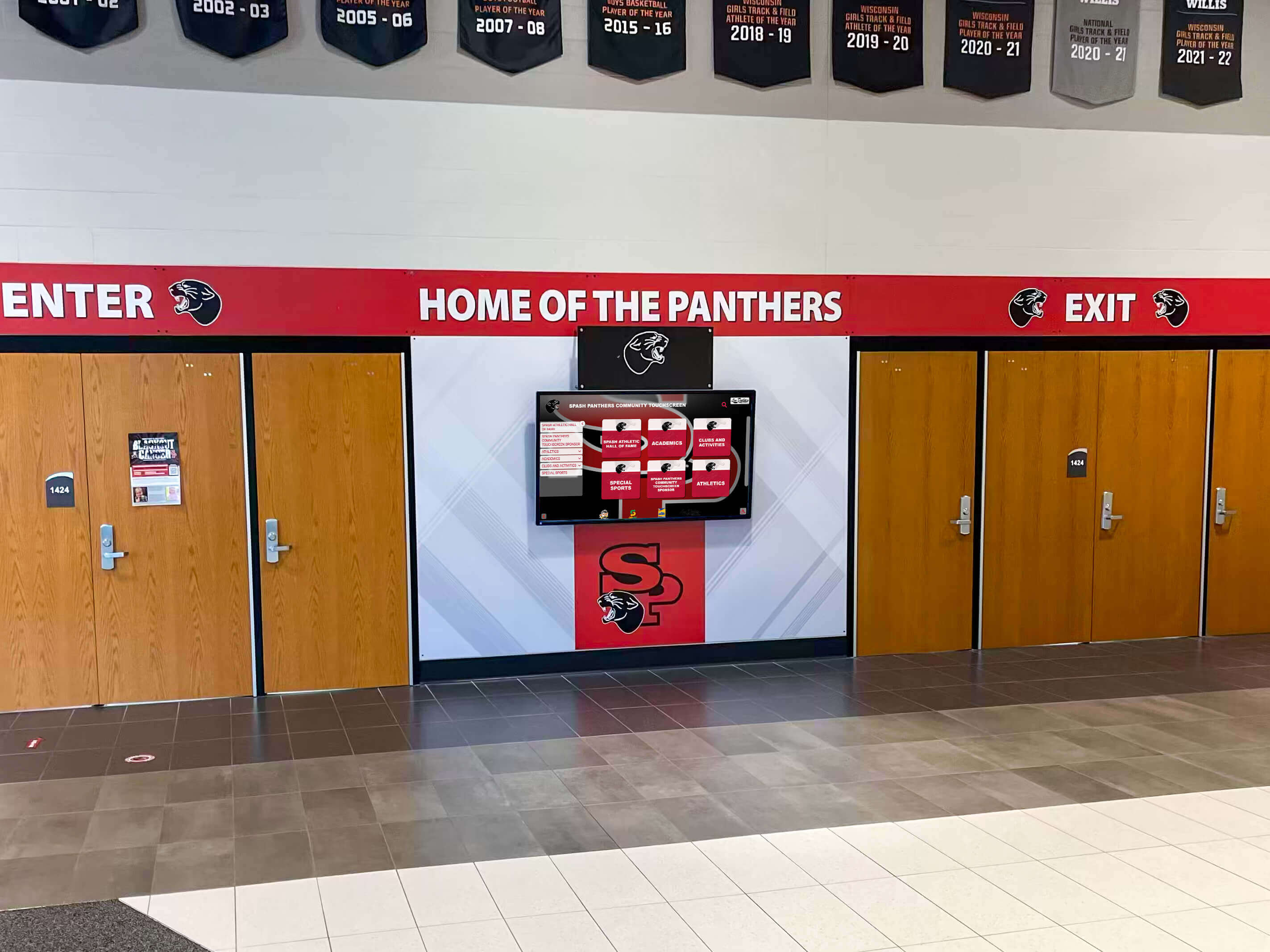
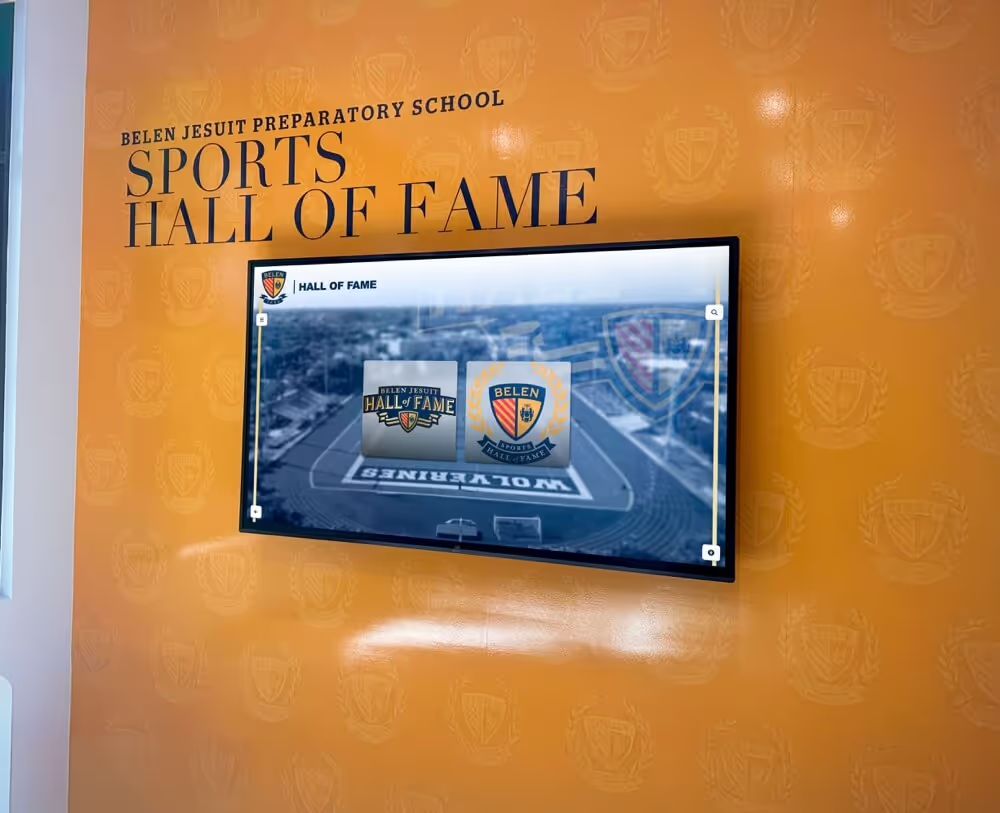
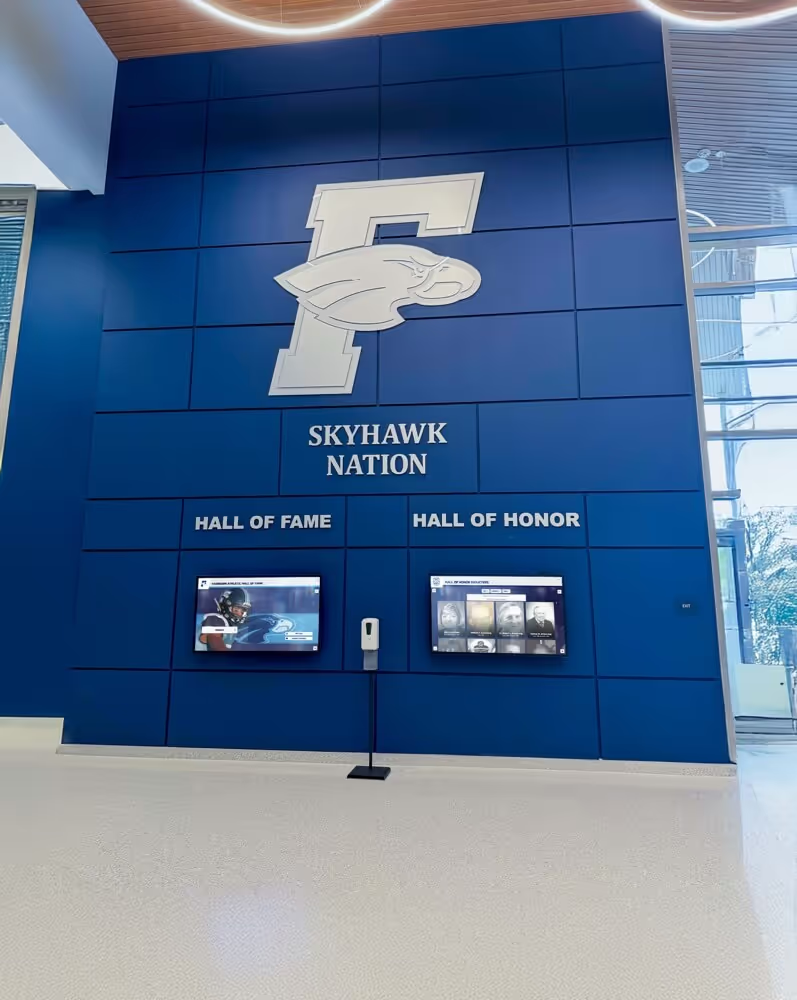
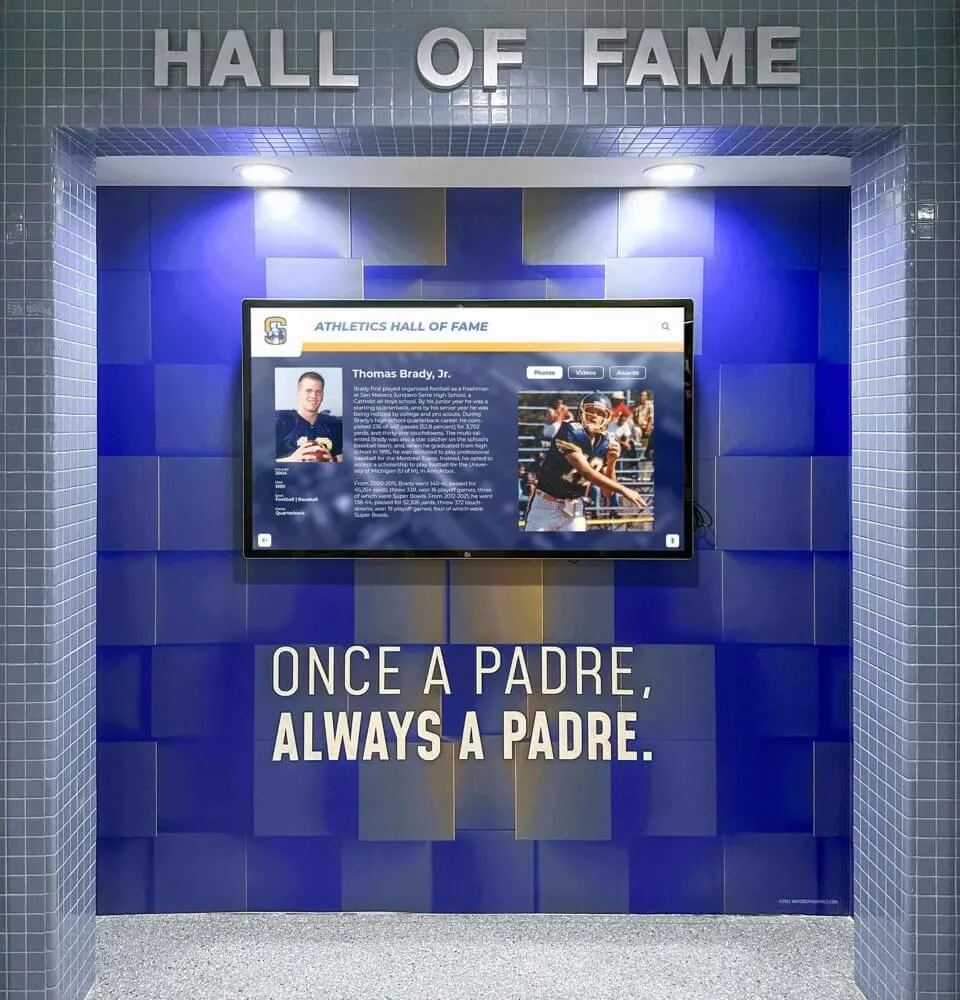
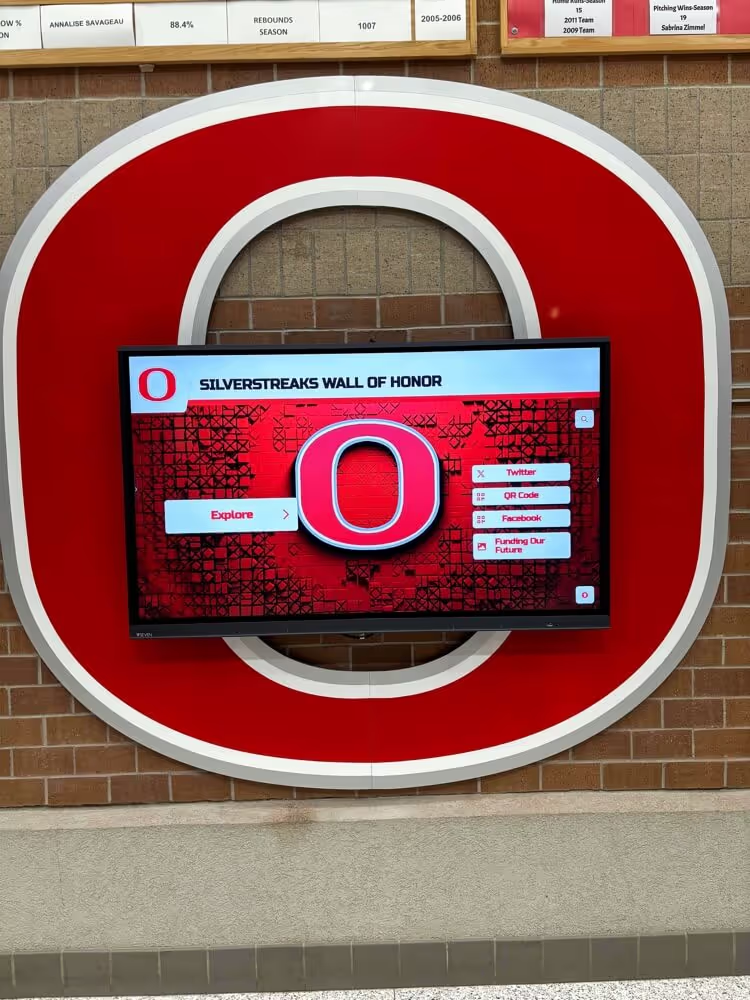
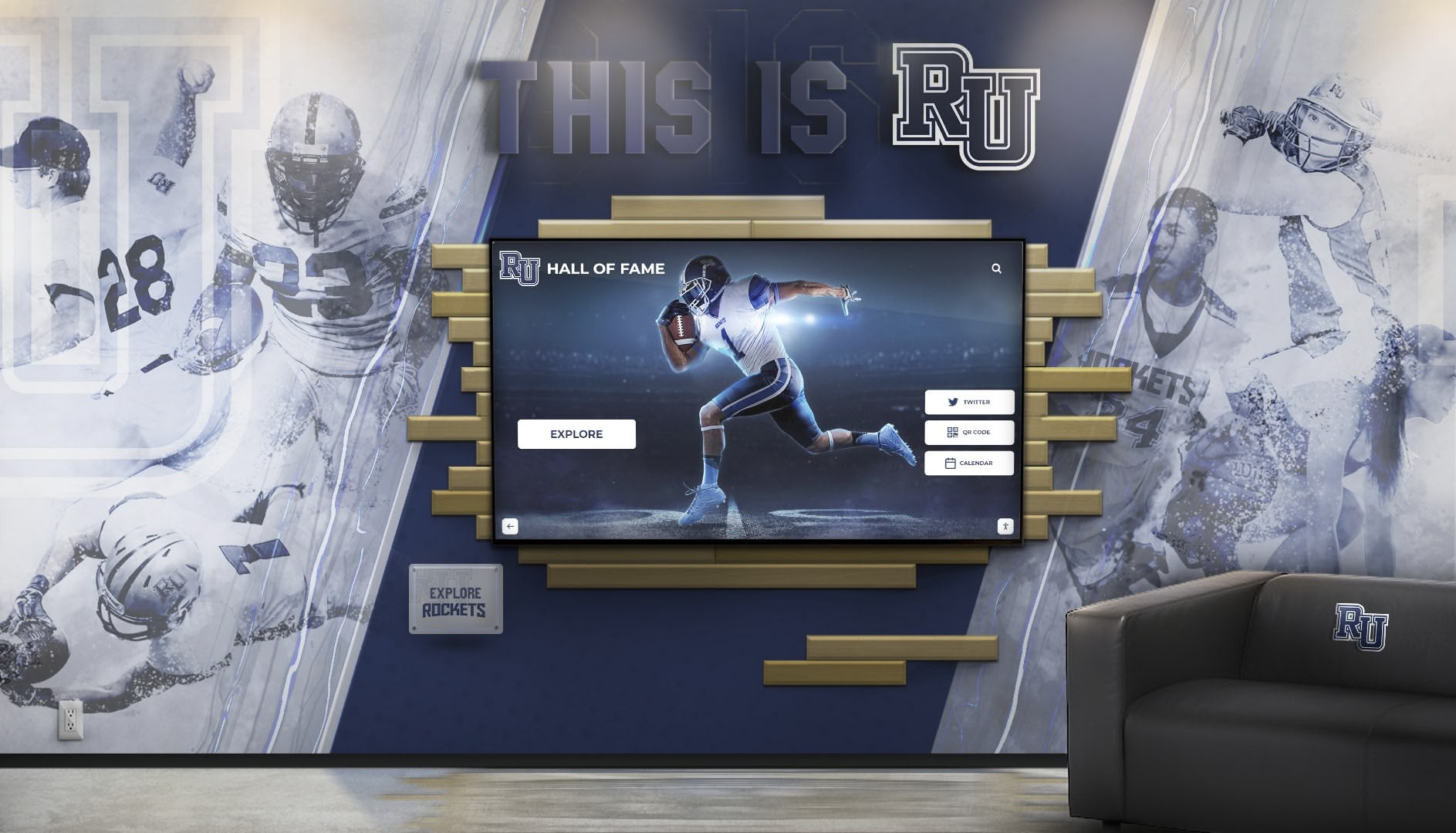
Entrance placement ensures championship recognition creates immediate impact for all visitors while establishing athletic excellence as central to school identity
Modern Digital Recognition for Playoff Excellence
Traditional trophy cases face inherent limitations in celebrating comprehensive playoff achievements and maintaining visibility for championship traditions across time.
Beyond Physical Trophies: Interactive Championship Displays
Digital recognition platforms transform how schools preserve and celebrate playoff excellence:
Unlimited Capacity for Complete Documentation
Physical trophy cases accommodate limited championship hardware—individual trophies, plaques, or banners representing title victories. Yet championship runs involve far more than final game outcomes: playoff journeys include multiple games, crucial coaching decisions, clutch performances, roster excellence, and dramatic moments that physical trophies cannot capture comprehensively.
Interactive displays provide unlimited capacity for complete playoff documentation including full bracket visualizations showing championship paths, game-by-game scoring progressions documenting advancement, comprehensive team rosters with player photos and positions, coaching staff profiles recognizing strategic leadership, season highlight videos preserving signature moments, and opponent information contextualizing competitive achievement levels.
This comprehensive approach transforms simple championship acknowledgment into rich storytelling that future students can explore independently, understanding not just that teams won titles but how championship runs unfolded across weeks of intense competition against increasingly difficult opponents.
Accessible Championship Information
Traditional trophies provide minimal context—typically just year, championship designation, and perhaps team name. Visitors viewing trophy cases gain limited understanding of championship significance without extensive sports history knowledge or supplementary information sources.
Digital platforms enable comprehensive championship storytelling through player profiles with photos and biographical information, game recaps explaining crucial moments and playoff progression, coaching narratives recognizing strategic contributions, contextual information about opponents and competitive level, and statistical documentation showing individual and team excellence throughout playoff runs.
This accessibility ensures that championship traditions remain meaningful and inspirational for audiences without direct championship experience, including younger students, transfer students, prospective families, and community members visiting schools.
Dynamic Updates and Ongoing Relevance
Physical trophy cases become static once installed, with championship recognition essentially frozen in time. Adding new championships requires physical modifications, updating information proves impractical, and maintaining current relevance as years pass becomes increasingly difficult.
Digital recognition systems enable instant updates as new championships occur, easy content additions incorporating new media and information, flexible layouts adapting to growing achievement portfolios, and regular content refreshes maintaining visual appeal and engagement across years.
This dynamic capability ensures championship recognition remains current and engaging rather than becoming historical artifacts that newer students ignore or overlook.
Many schools recognize that senior night celebrations during playoff seasons provide opportunities to honor senior leadership while documenting championship team composition for permanent recognition.
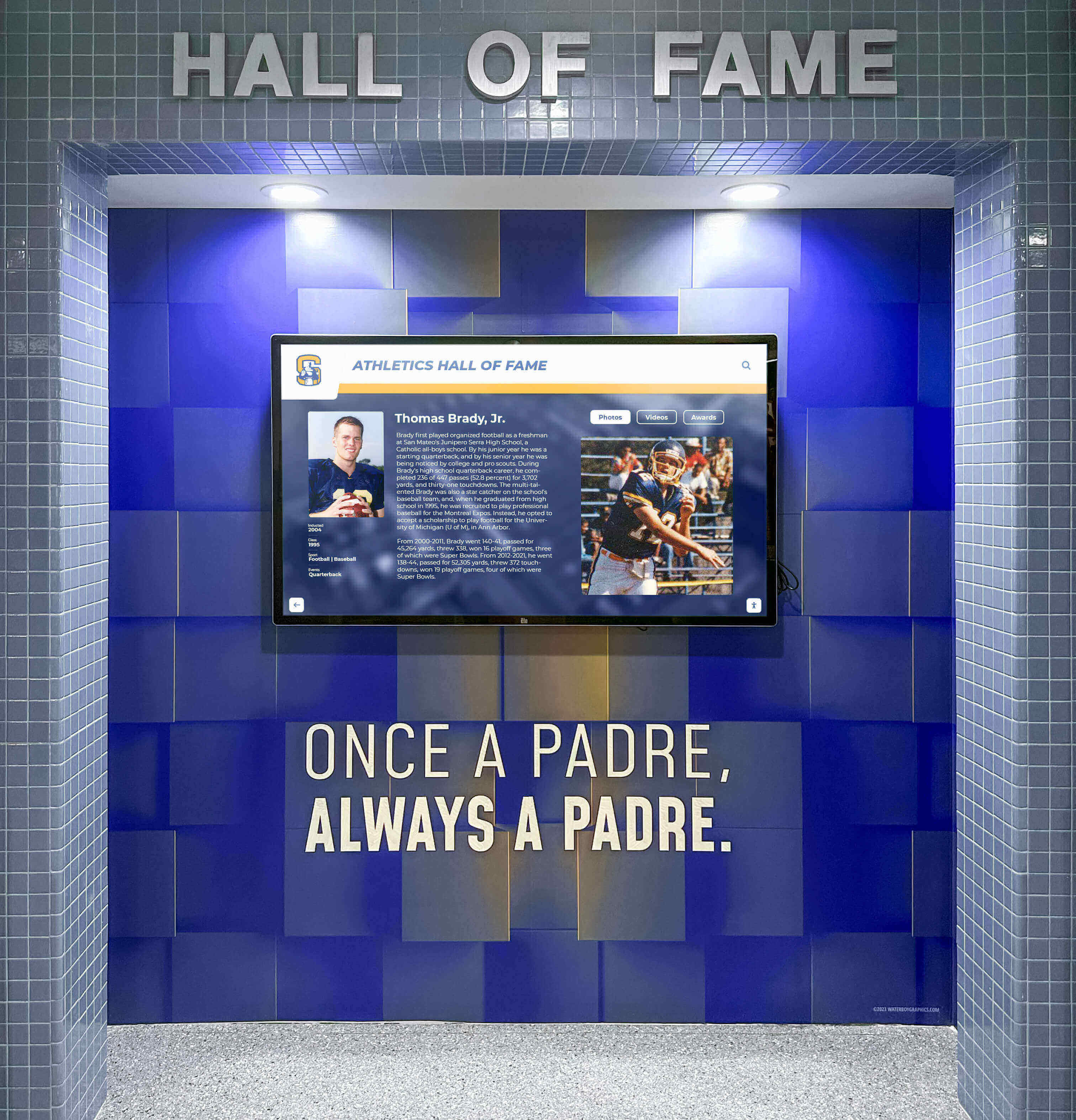
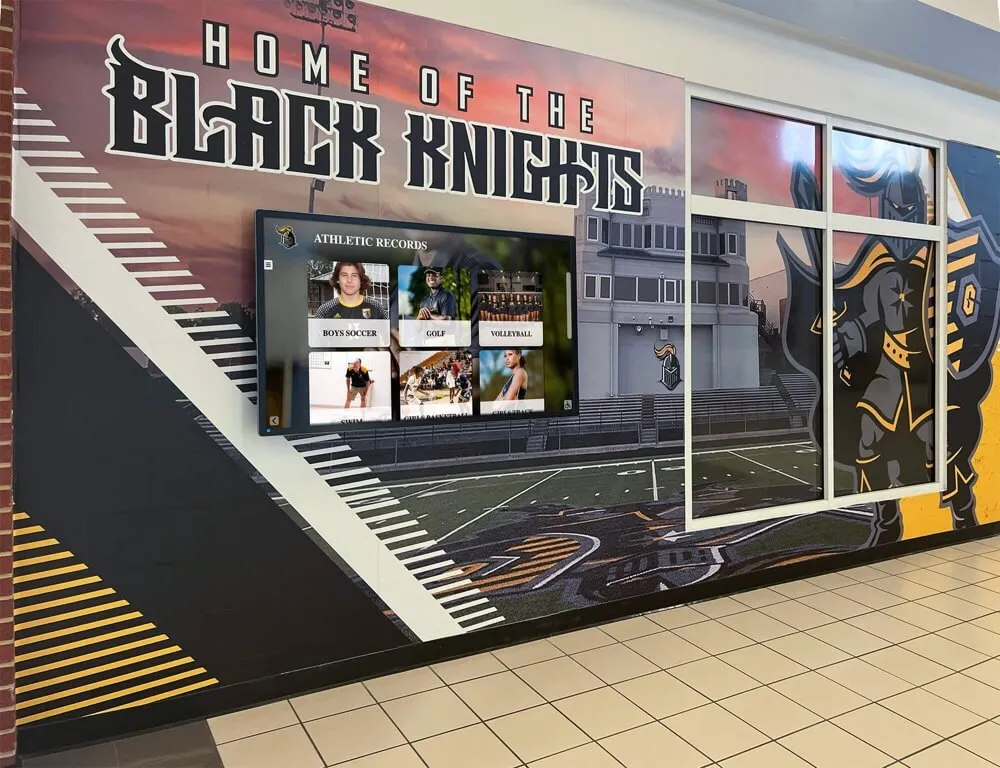
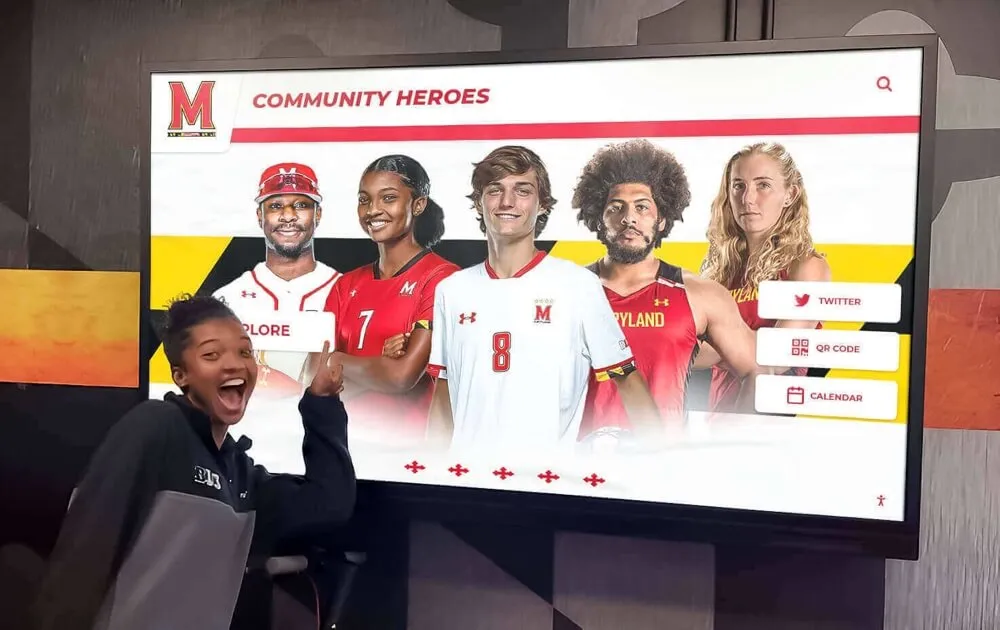
Professional installation and strategic placement maximize recognition impact while creating focal points that celebrate program excellence appropriately
Creating Effective Playoff Recognition Displays
Implementing comprehensive playoff recognition requires thoughtful planning around content, presentation, and technical execution.
Championship Content Strategy and Organization
Effective recognition displays require strategic content development and organization:
Multi-Tier Championship Recognition
Comprehensive playoff recognition systems celebrate achievements at multiple levels rather than exclusively focusing on state championship victories:
- District Championships: Recognize playoff qualification and district tournament success
- Regional Advancement: Celebrate deep playoff runs reaching semifinals or finals
- State Championships: Highlight ultimate achievement of state title victories
- Individual Honors: Recognize all-state selections, player of year awards, and coaching recognition
- Playoff Records: Document program playoff history, win-loss records, and advancement statistics
This multi-tier approach ensures recognition systems celebrate sustained playoff excellence rather than only acknowledging rare state championship seasons, creating more inclusive traditions that honor consistent program quality.
Historical Championship Archives
Beyond current season recognition, effective displays preserve complete championship history:
Championship timeline presentations showing all state titles chronologically, historical team photos from championship seasons across decades, coaching legacy recognition honoring coaches who led championship teams, player alumni connections showing championship team members and their post-high school achievements, and comparative analysis showing championship team statistics and accomplishments across different eras.
These historical archives transform recognition displays into institutional memory resources that educate newer community members about program traditions while honoring the athletes and coaches who established winning legacies.
Multimedia Content Integration
Modern recognition platforms support diverse content types that physical displays cannot accommodate:
Video highlight reels showing championship game moments and playoff progression, audio interviews with championship coaches and players sharing memories, photo galleries capturing on-field action and celebration moments, interactive brackets allowing users to explore playoff paths and game details, and statistical databases providing comprehensive data analysis of championship seasons.
This multimedia approach creates engaging experiences encouraging extended interaction rather than passive viewing, while supporting different learning styles and interest levels among audiences exploring championship traditions.
Technical Considerations and Display Design
Successful implementation requires addressing both aesthetic and functional technical requirements:
Display Location and Visibility
Strategic placement maximizes recognition impact:
- High-traffic areas: Main entrances, lobbies, and athletic facilities ensure maximum visibility
- Athletic venues: Placement near gymnasiums or fields connects recognition to competitive contexts
- Historical significance: Locations with program history connections add symbolic meaning
- Accessibility: Ensuring displays remain accessible to all community members including those with mobility limitations
Location decisions should consider both daily visibility for current students and strategic impact for visitors, recruits, and special event attendees who form important audiences for championship recognition.
Hardware and Software Requirements
Modern recognition displays require appropriate technical infrastructure:
Display hardware must provide sufficient screen size for comfortable viewing from typical distances, resolution supporting high-quality media presentation, durability for constant operation in public environments, and touchscreen responsiveness enabling intuitive interaction. Software platforms must offer content management systems allowing easy updates without technical expertise, media libraries supporting photos, videos, and documents, customization options aligning visual presentation with school branding, and reliability ensuring consistent operation without frequent technical intervention.
Solutions like Rocket Alumni Solutions provide comprehensive platforms specifically designed for school recognition applications, addressing both technical requirements and content management needs through specialized systems understanding athletic recognition contexts.
Content Management and Maintenance
Ongoing content management ensures displays remain current and effective:
Establishing clear responsibilities for content updates, creating content workflows for adding new playoff achievements, developing maintenance schedules for software updates and hardware cleaning, planning content refresh cycles to maintain visual appeal across seasons, and training staff members to manage content independently without external dependencies.
Effective content management transforms recognition displays from one-time installations into dynamic programs that grow and evolve alongside athletic program achievements and changing school communities.
Explore pep rally activities that leverage digital displays to build excitement around playoff runs and championship pursuits.
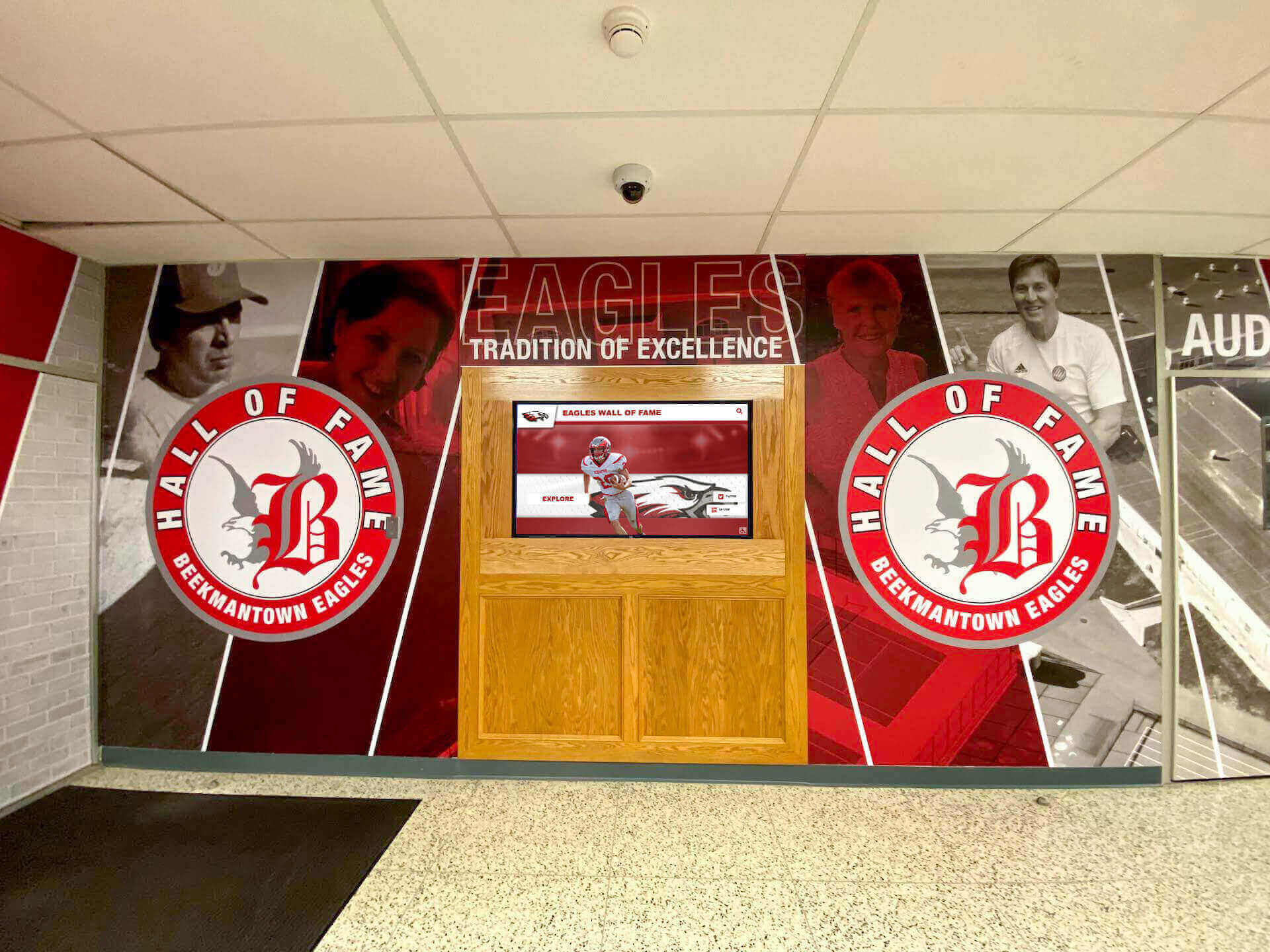
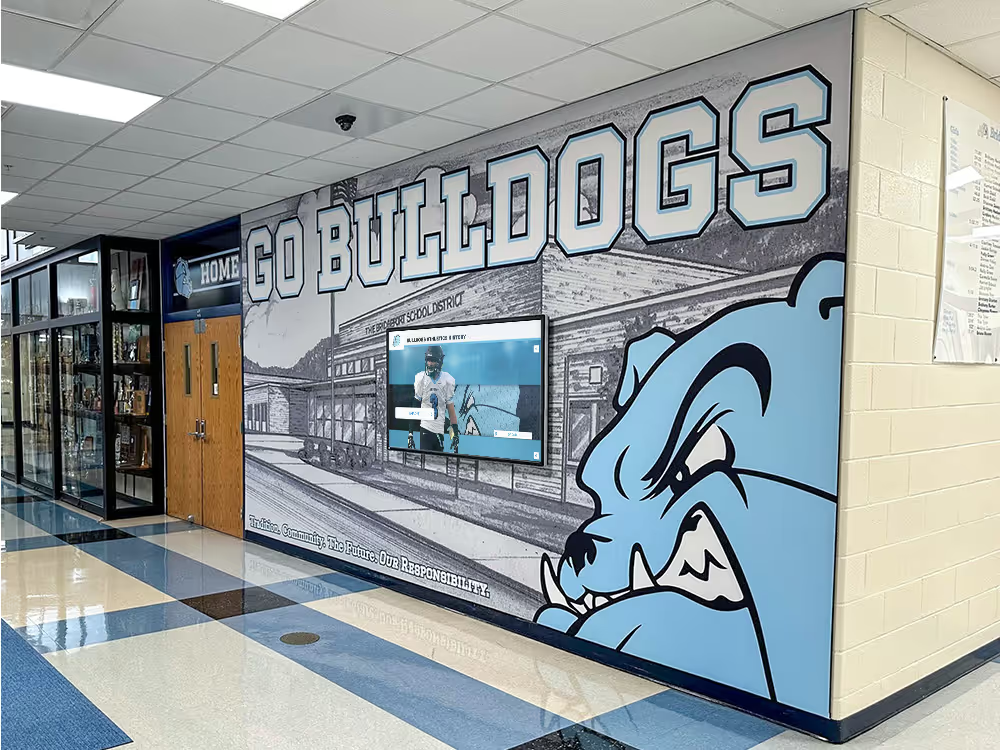
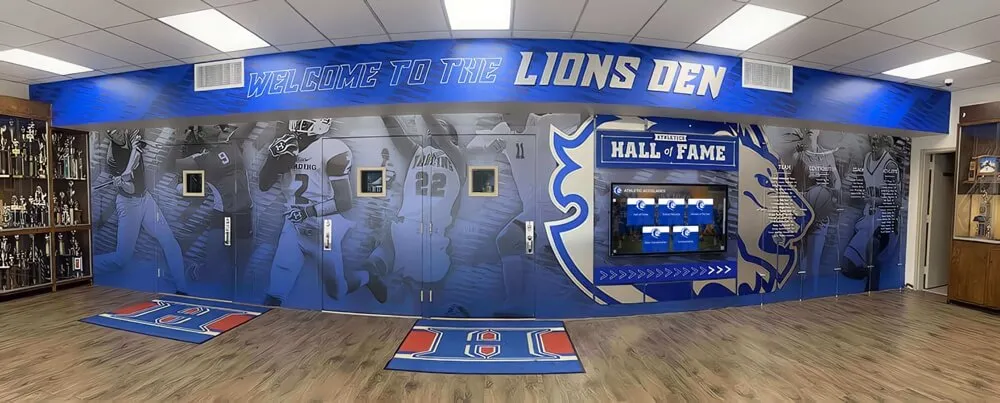
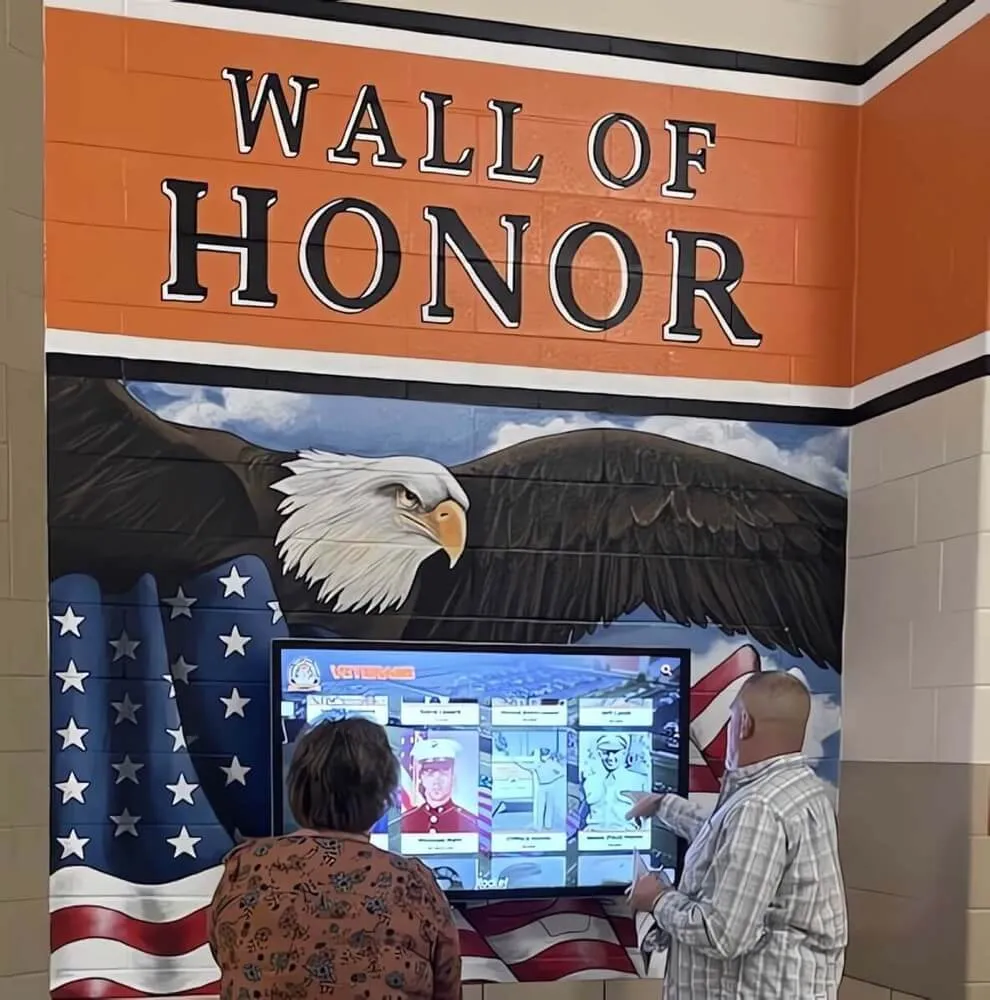
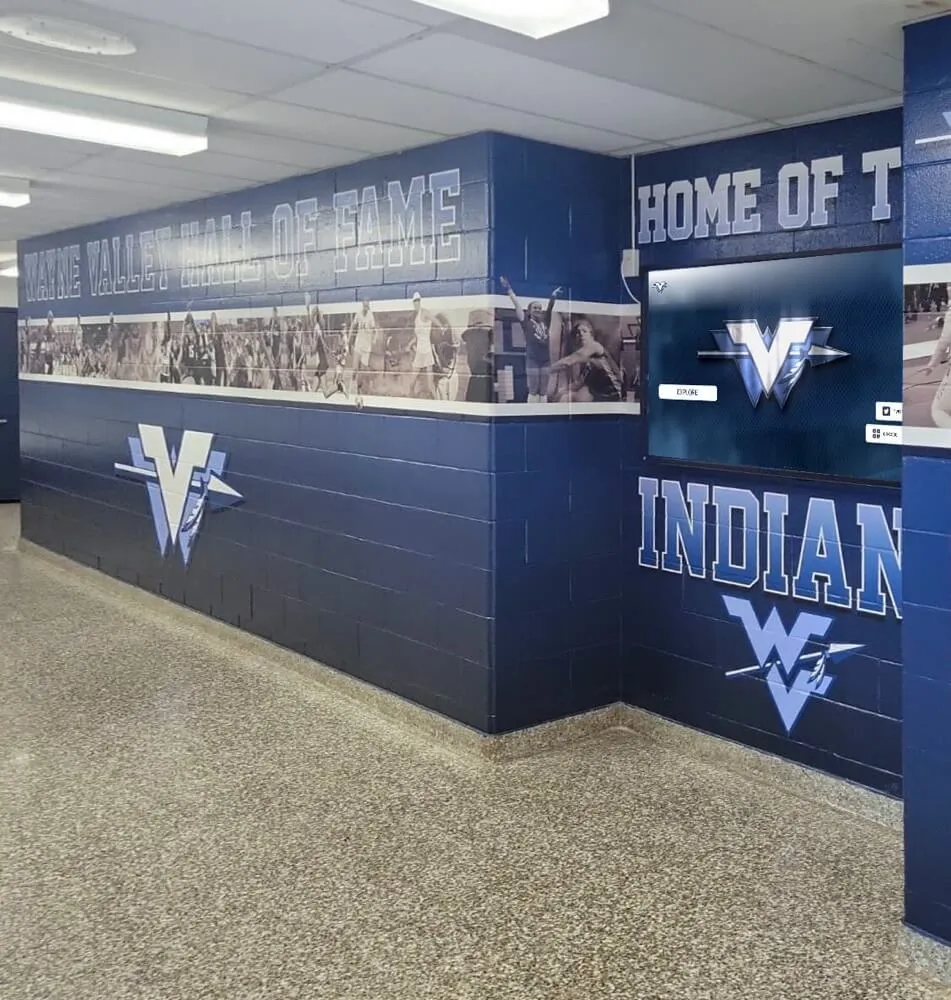
Comprehensive recognition environments combining murals with digital technology create immersive celebrations of athletic achievement and program history
Building Championship Culture Through Recognition
Thoughtful recognition systems do more than acknowledge past achievements—they actively contribute to building championship cultures supporting future success.
How Recognition Systems Motivate Future Athletes
Visible championship recognition creates powerful motivational environments:
Tangible Achievement Visualization
When current athletes see comprehensive recognition of past championship teams, abstract championship goals become concrete and achievable. Detailed championship documentation showing the athletes, coaches, and specific accomplishments required for title victories helps current teams understand what championship pursuit demands while demonstrating that championship success is attainable through similar commitment and excellence.
Program Tradition and Expectations
Schools with visible championship traditions establish implicit expectations that winning constitutes the program standard rather than occasional exception. This expectation-setting creates positive pressure motivating athletes to meet standards established by predecessor teams while contributing their own achievements to ongoing program narratives.
Alumni Connections and Mentorship
Recognition systems preserving championship team information facilitate connections between current athletes and championship alumni. When displays include player names, photos, and potentially contact information or professional updates, schools create frameworks for mentorship relationships where championship alumni share insights and advice with current teams pursuing similar goals.
These intergenerational connections strengthen program culture while providing current athletes access to experienced mentors who understand the specific challenges and opportunities within particular programs and competitive environments.
Creating Community Pride and Support
Championship recognition extends beyond current athlete motivation to build broader community engagement:
Shared Community Identity
In many West Virginia communities, high school football serves as social centerpiece and identity source. Championship recognition celebrates collective community achievement rather than simply acknowledging student-athlete accomplishment, strengthening community bonds while creating shared pride that transcends individual game seasons.
Booster Support and Program Investment
Visible championship recognition demonstrates program quality and achievement, encouraging booster financial support and volunteer engagement. When community members see comprehensive celebration of program excellence, they gain confidence that investments in facilities, equipment, and support services contribute to meaningful achievement rather than simply funding participation.
Recruiting and Program Reputation
Prospective student-athletes evaluating school options consider program tradition and achievement history when making enrollment decisions. Comprehensive championship recognition provides immediate visual evidence of program quality while demonstrating institutional commitment to celebrating athletic excellence—important factors for families prioritizing athletic development alongside academic considerations.
Schools with visible championship traditions enjoy competitive recruiting advantages, attracting talented athletes who want to compete for championships within established winning programs rather than attempting to build traditions from scratch.
Learn about high school athletic awards programs that complement playoff recognition while celebrating broader athletic achievement.
Planning Your Playoff Recognition System
Schools ready to implement or upgrade championship recognition should follow systematic planning processes ensuring effective implementation.
Assessment and Goal Setting
Begin by evaluating current recognition approaches and defining improvement goals:
Current State Evaluation
Audit existing recognition systems including trophy cases, wall displays, banners, and any digital platforms currently used. Assess what championship information currently receives recognition, how accessible current recognition is to different audiences, what limitations exist in current approaches, and how effectively current systems maintain relevance across time.
This honest assessment identifies gaps between current recognition and ideal celebration of program achievements.
Stakeholder Input and Priorities
Gather perspectives from multiple stakeholder groups including athletic directors and coaches identifying recognition priorities, booster organizations providing financial support and implementation assistance, facilities personnel managing installation and maintenance, and student-athletes offering user perspectives on what recognition approaches resonate most effectively.
Multiple viewpoints ensure recognition systems serve diverse needs while building broad support for implementation efforts.
Budget Development and Funding Sources
Develop realistic budgets covering display hardware, software platforms, content development, installation, and ongoing maintenance. Identify funding sources including booster donations, alumni contributions, school operating budgets, grant opportunities, and sponsor partnerships potentially offsetting recognition costs through advertising opportunities within display systems.
Implementation and Launch
Systematic implementation ensures effective deployment and strong initial engagement:
Content Development and Preparation
Prior to installation, develop initial content including historical championship information, media collections (photos, videos, statistics), player and coach profiles, and visual designs aligning with school branding. Comprehensive initial content ensures displays launch with polished, professional presentation rather than sparse placeholder information requiring later development.
Installation and Testing
Professional installation ensures displays function properly while meeting aesthetic standards. Test all interactive features, content displays, and management systems before official launch to identify and resolve issues without public-facing problems undermining credibility and engagement.
Launch Strategy and Promotion
Create awareness around new recognition systems through school assemblies introducing displays, social media promotion highlighting features, community events providing guided experiences, press coverage generating broader awareness, and integration with ongoing athletic events where displays receive natural attention.
Strong launch promotion maximizes initial engagement while establishing displays as significant additions to school environments rather than changes that community members overlook or ignore.
Ongoing Content Management
Develop sustainable processes for maintaining current content, adding new playoff achievements as they occur, refreshing visual presentations periodically, and responding to technical issues promptly. Assign clear responsibilities ensuring recognition systems remain actively managed rather than becoming neglected installations that deteriorate in quality and relevance over time.
West Virginia high school football playoffs create opportunities for championship glory and program-defining moments. Schools implementing thoughtful recognition strategies honor these achievements appropriately while building cultures where championship pursuit becomes program tradition rather than occasional exception.
Conclusion: Preserving West Virginia Football Excellence
West Virginia’s high school football playoff tradition represents some of the most meaningful athletic competition in the state’s rich sports history. From legendary championship programs to underdog playoff runs that captivate entire communities, the pursuit of state championship glory creates defining moments for student-athletes and lasting pride for schools and towns across the Mountain State.
Yet championship achievements deserve recognition that matches their significance. Traditional trophy cases, while valuable, cannot capture the comprehensive stories behind playoff success—the dramatic game moments, clutch performances, coaching excellence, and team chemistry that combine to create championship seasons. Modern digital recognition platforms address these limitations while providing dynamic, accessible, and engaging ways to celebrate playoff excellence across generations.
Schools investing in comprehensive playoff recognition systems accomplish multiple important objectives: they honor the athletes and coaches who built championship traditions, they inspire current and future teams by making championship goals tangible and achievable, they strengthen community pride by celebrating shared accomplishments, and they preserve institutional memory ensuring that championship legacies remain relevant and inspiring decades after final whistles blow.
As West Virginia football continues evolving and new championship stories emerge each season, the schools that thoughtfully document and celebrate these achievements through modern recognition approaches will build stronger programs, deeper traditions, and more engaged communities where high school football excellence receives the lasting celebration it deserves.
Ready to create a championship recognition display that honors your football tradition appropriately? Explore how Rocket Alumni Solutions can help your school celebrate playoff excellence through interactive digital displays designed specifically for athletic recognition. Transform your championship legacy into an inspiring, permanent celebration that motivates future teams while honoring the athletes and coaches who built your program’s winning tradition.