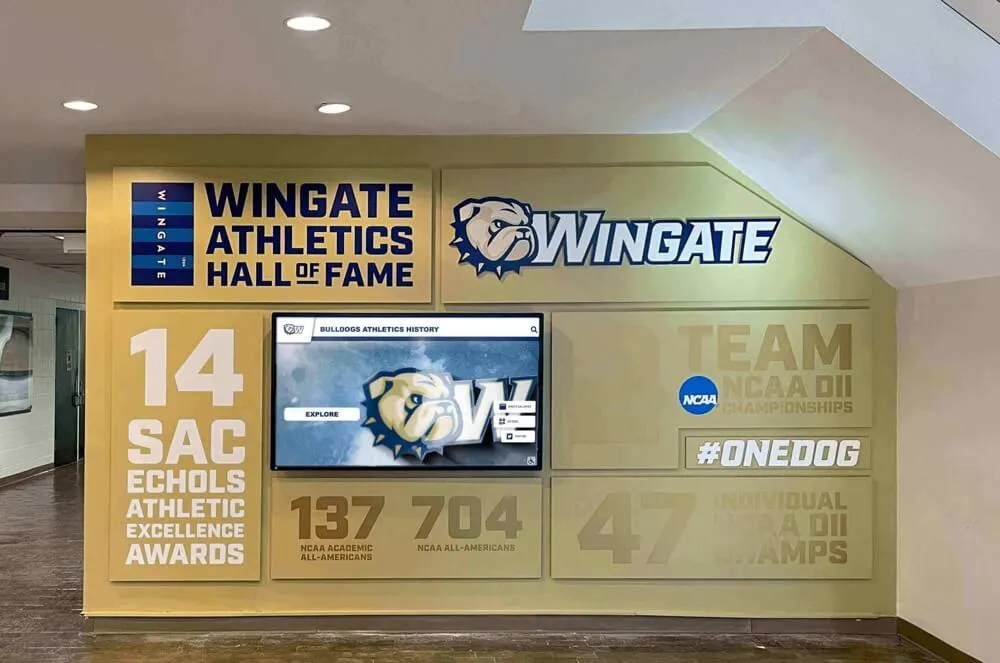
Recognition Display DDC/CI Control Test for Brightness, Input, and Power
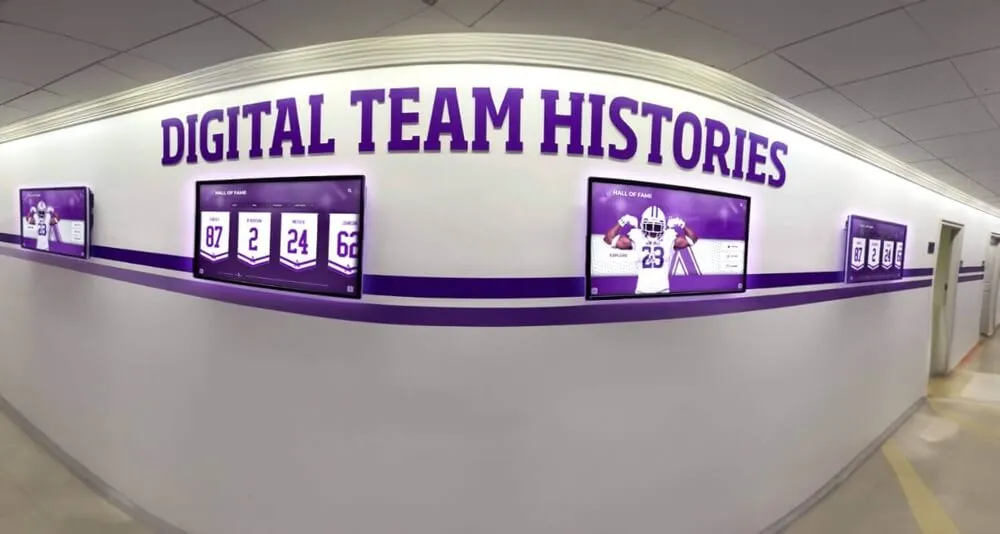
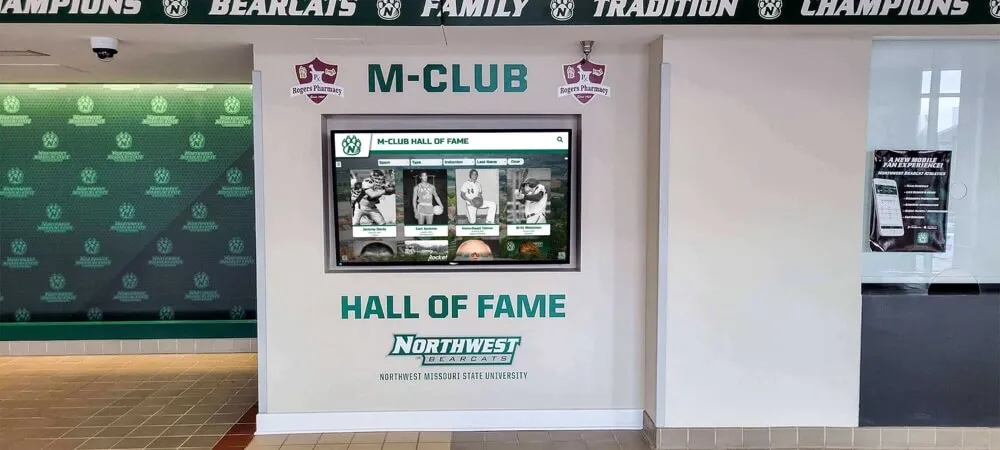
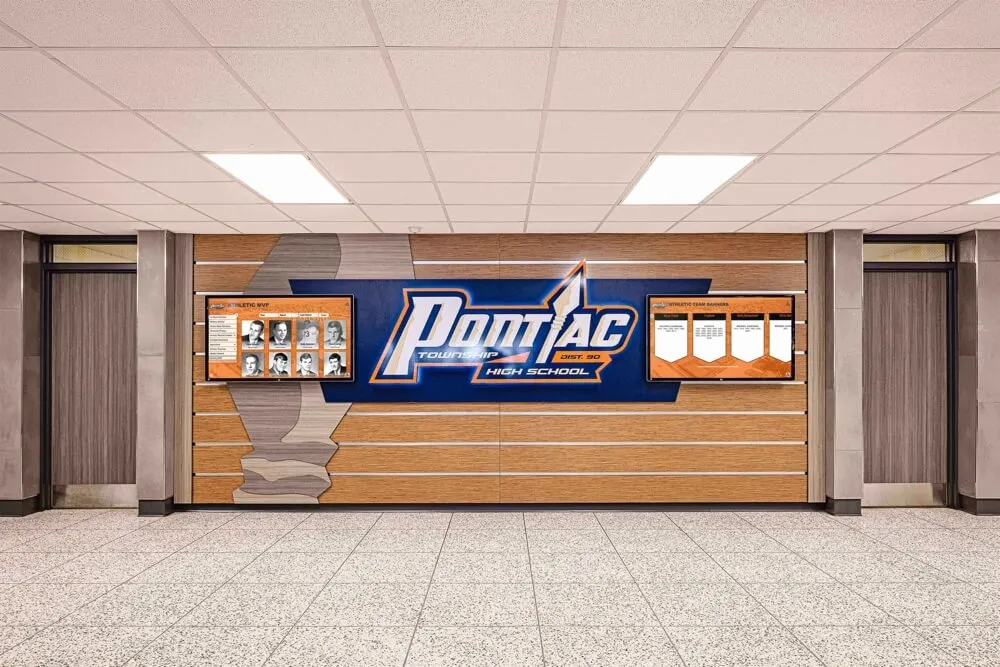
School IT teams managing recognition displays across a campus face a practical challenge that never appears in vendor pitch decks: how do you confirm that every screen is remotely controllable before a game, ceremony, or evening event—without walking to each one manually? DDC/CI (Display Data Channel / Command Interface) is the protocol that makes remote brightness, input, and power control possible, and a structured validation test is the only reliable way to know it is working before you need it.
Read More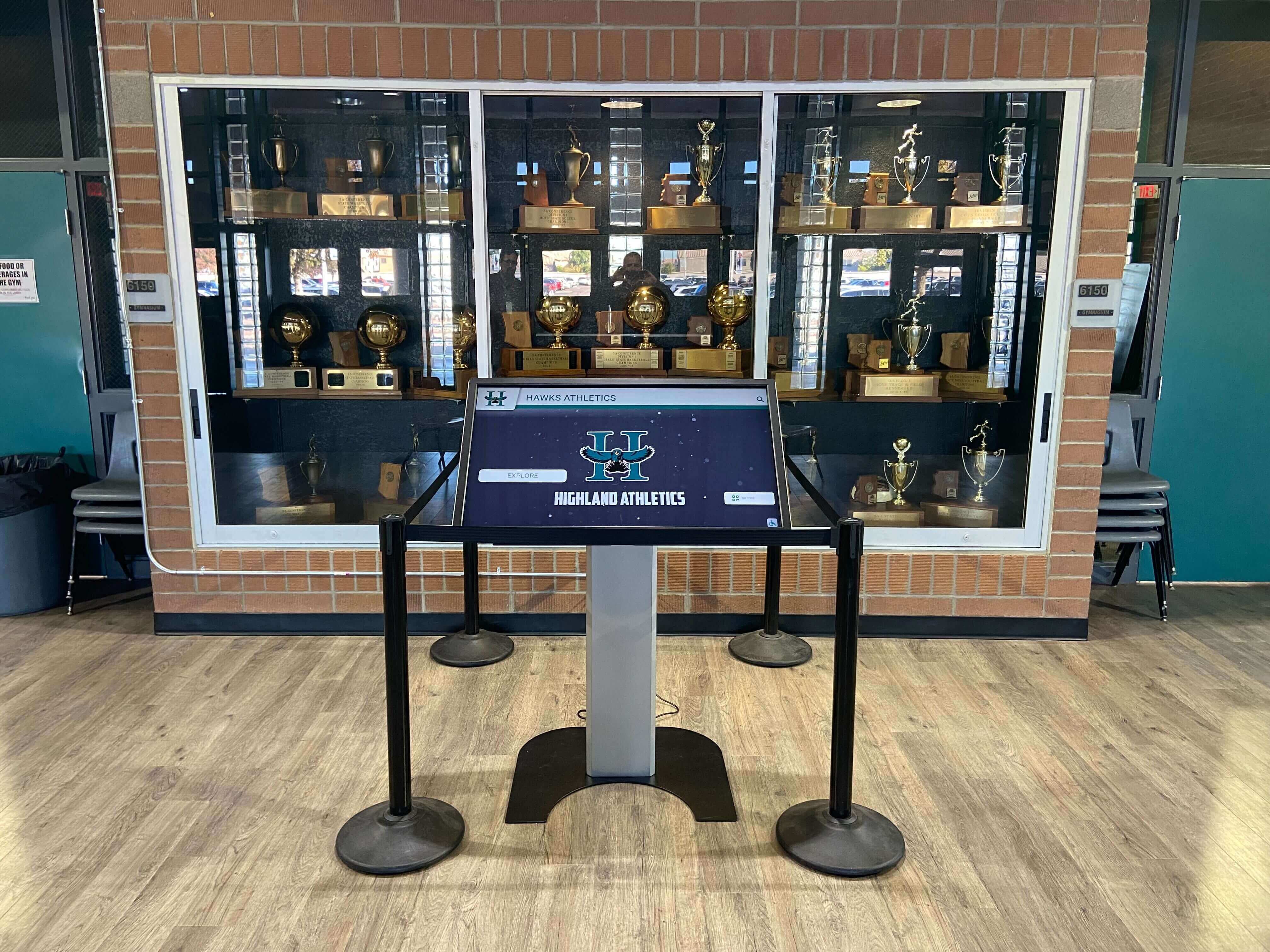
Recognition Display Image Retention Test: Prevent Persistent School Graphics
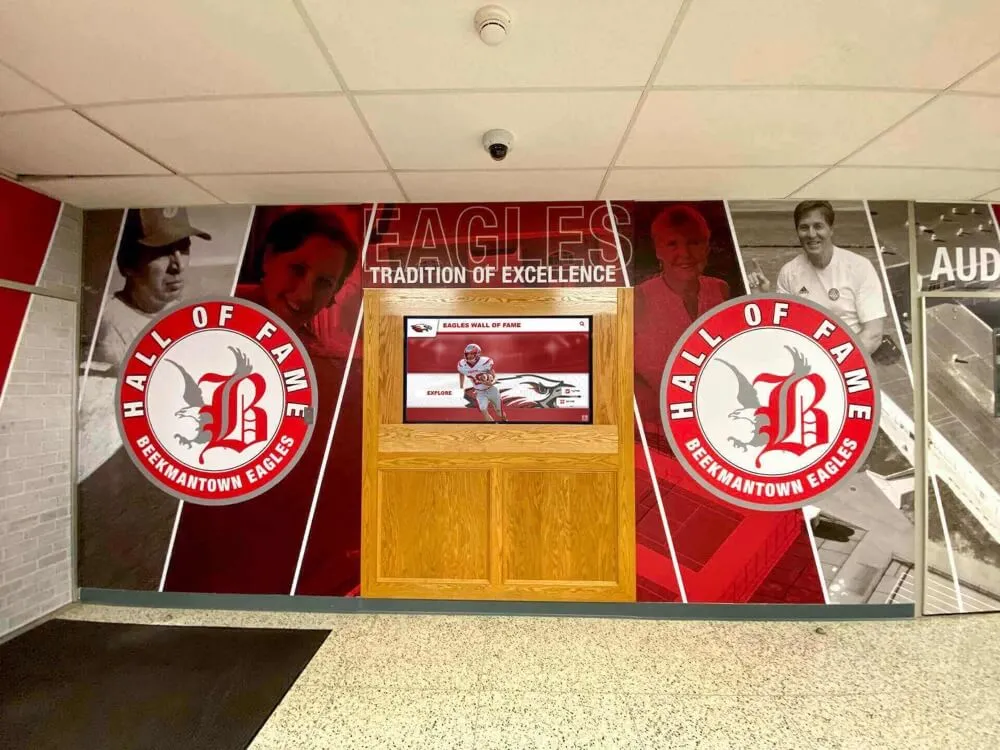
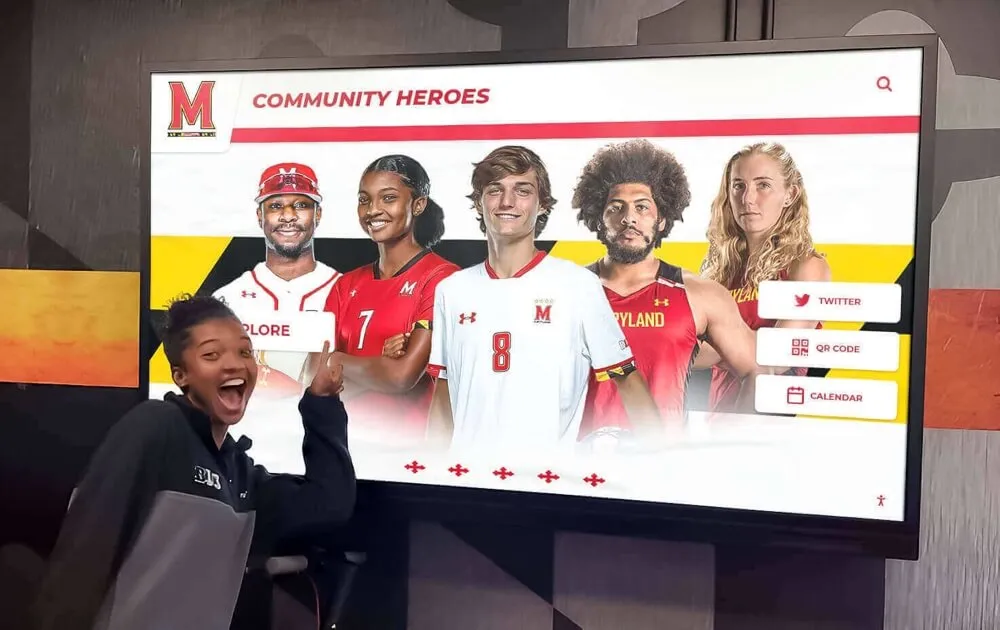
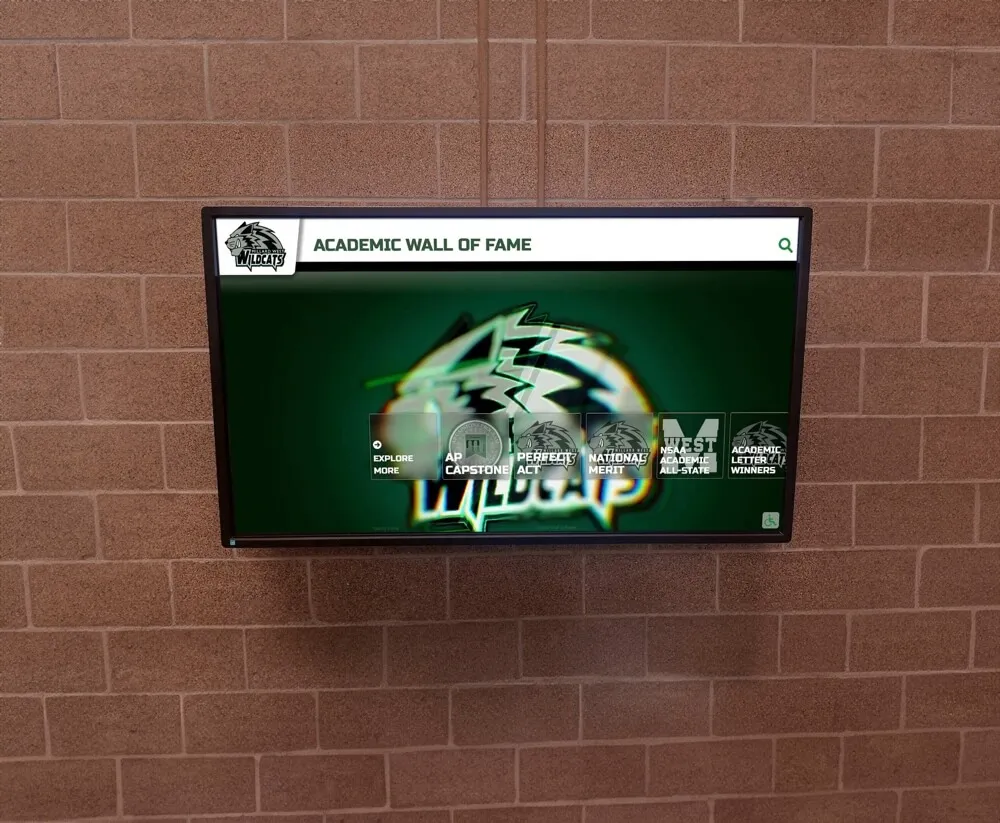
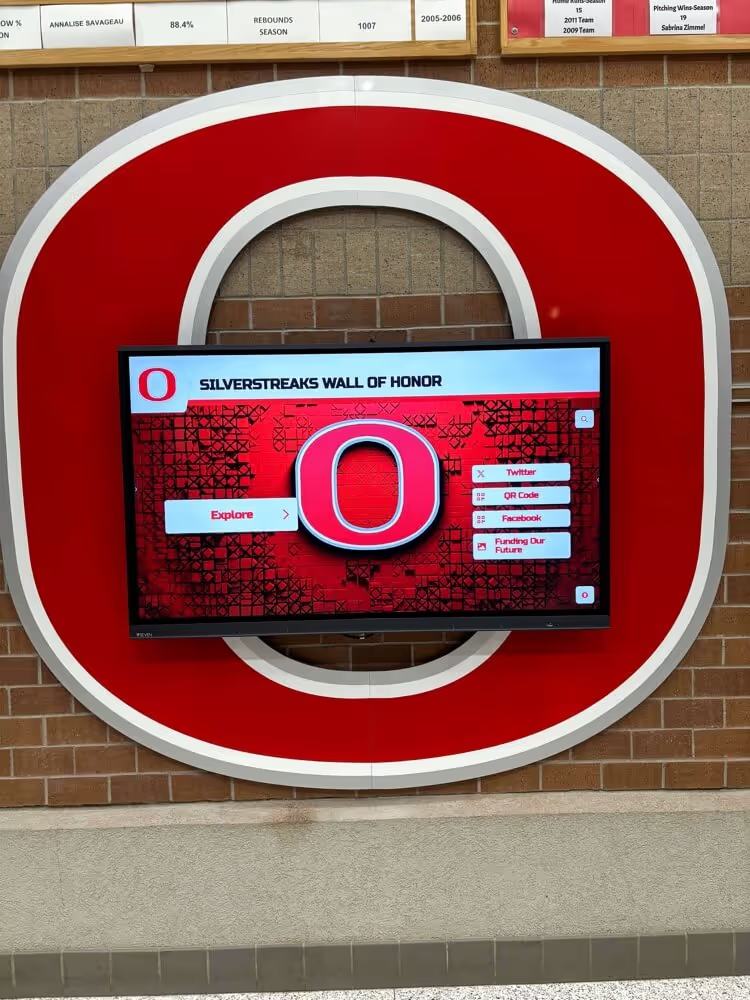
A recognition display image retention test checks whether static graphics—school logos, navigation menus, award category headers, and hall-of-fame frames—have begun to ghost permanently onto your panel before you launch the display for daily public use. Image retention occurs when the same bright or high-contrast element occupies the same pixel region for extended periods; the affected pixels degrade faster than surrounding areas and leave a faint visible imprint even when the screen shows different content. For always-on school recognition screens, the risk is real: a lobby kiosk that runs the same branded home screen from 6 a.m. to 10 p.m. without content rotation can develop visible ghosting within weeks on consumer-grade panels and within months on commercial panels that lack proper content management settings.
Read MoreSchool Touchscreen Idle Timeout Policy for Public Recognition Displays: Complete IT Guide
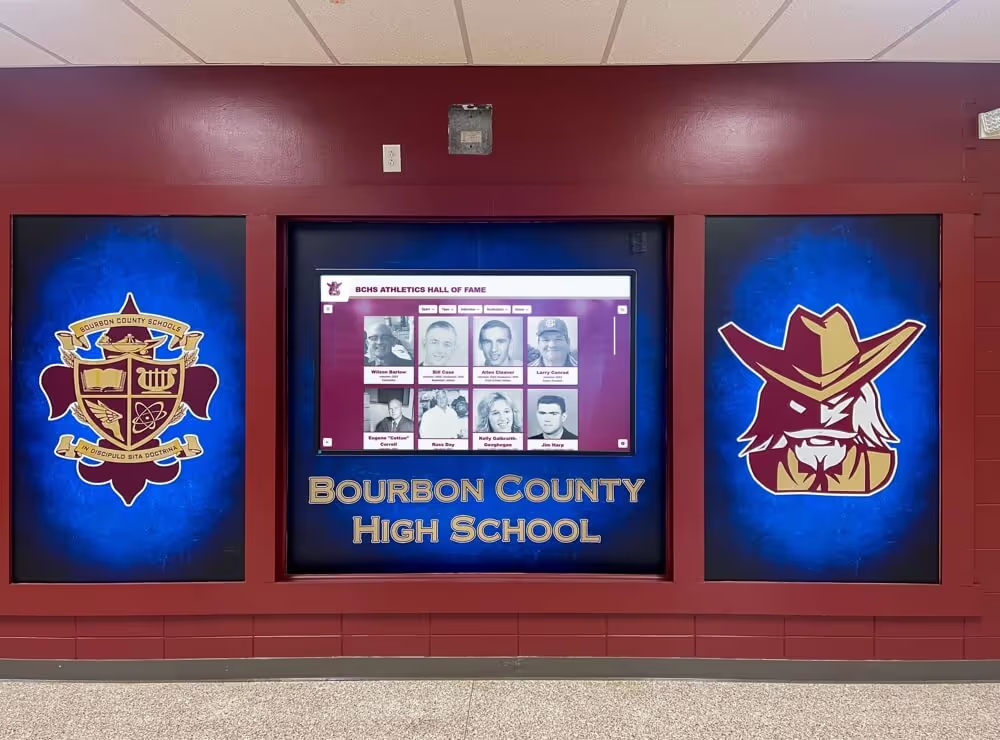
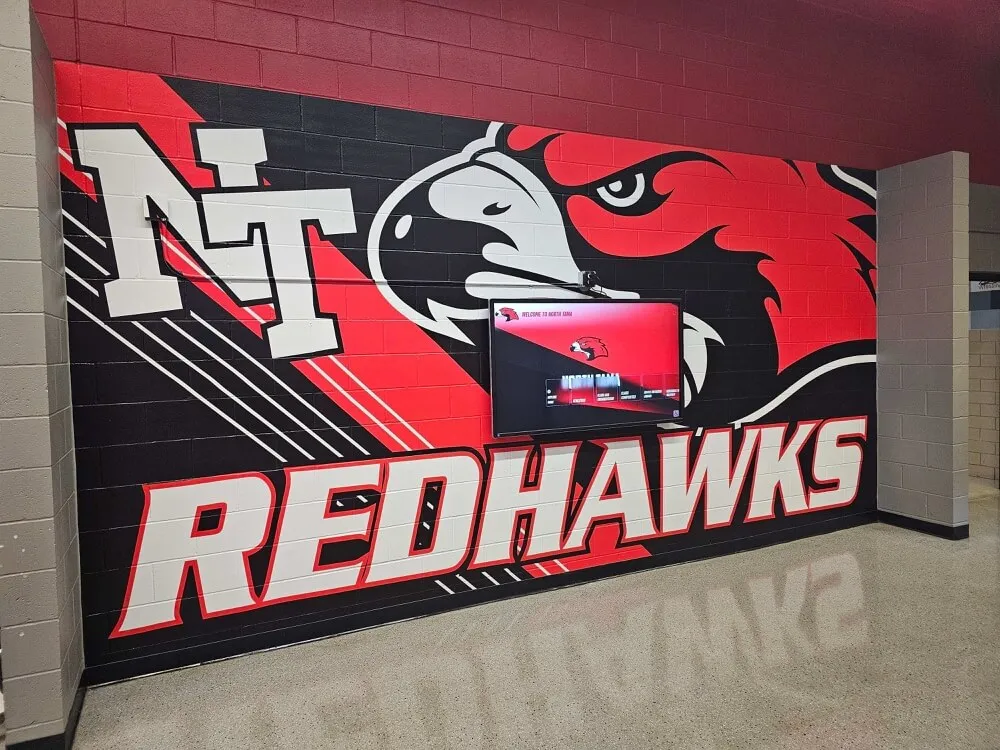
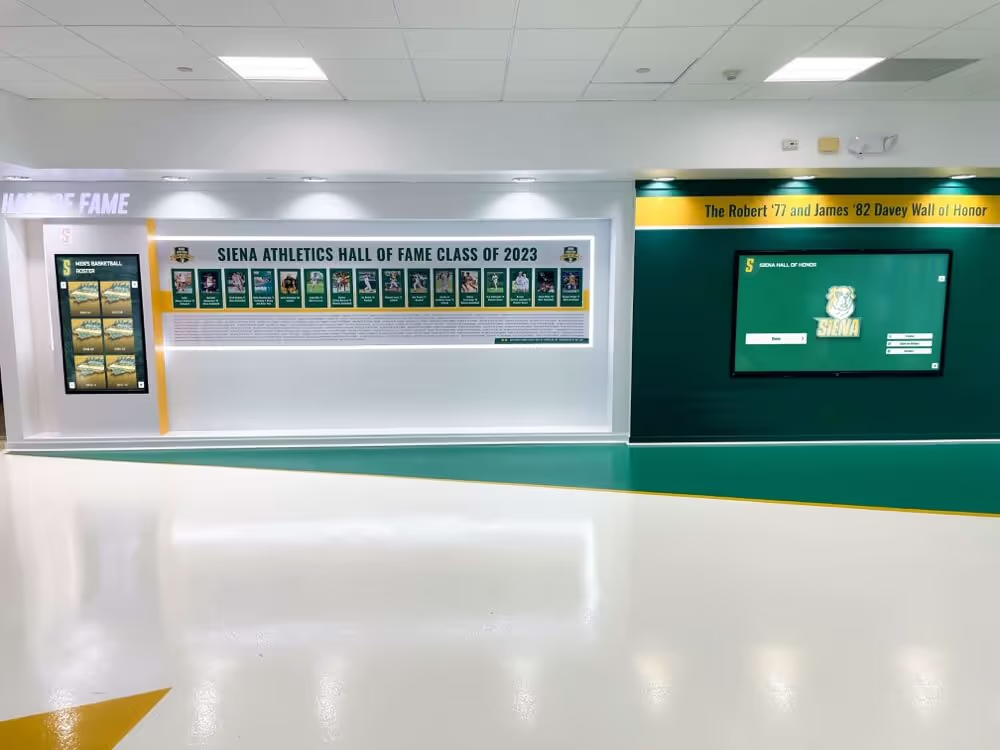
A school touchscreen idle timeout policy defines how long a public recognition display waits before resetting to its home screen when no visitor is actively interacting with it. Without a deliberate policy, kiosks either stay frozen on a previous visitor’s browsing session—exposing the last-viewed content unintentionally—or burn energy displaying a static frame for hours. With a thoughtful policy, the display returns promptly to a looping home screen, conserves energy, protects privacy, and always presents a polished first impression to the next visitor.
Read More