School Recognition Display Electrical Grounding Inspection: A Pre-Launch Safety Checklist
A school recognition display electrical grounding inspection gives facilities coordinators, IT teams, and athletic directors a documented pre-launch process to confirm that the grounding path serving a touchscreen hall of fame, digital award board, or interactive recognition display has been verified before the system goes live in a school environment. Grounding is the foundational layer of electrical safety: it gives fault current a controlled path back to the source, keeps display enclosures at earth potential so a wiring fault does not make the display chassis energized, and ensures that downstream surge protection—however well-specified—actually has a reference point to divert energy toward.
Read More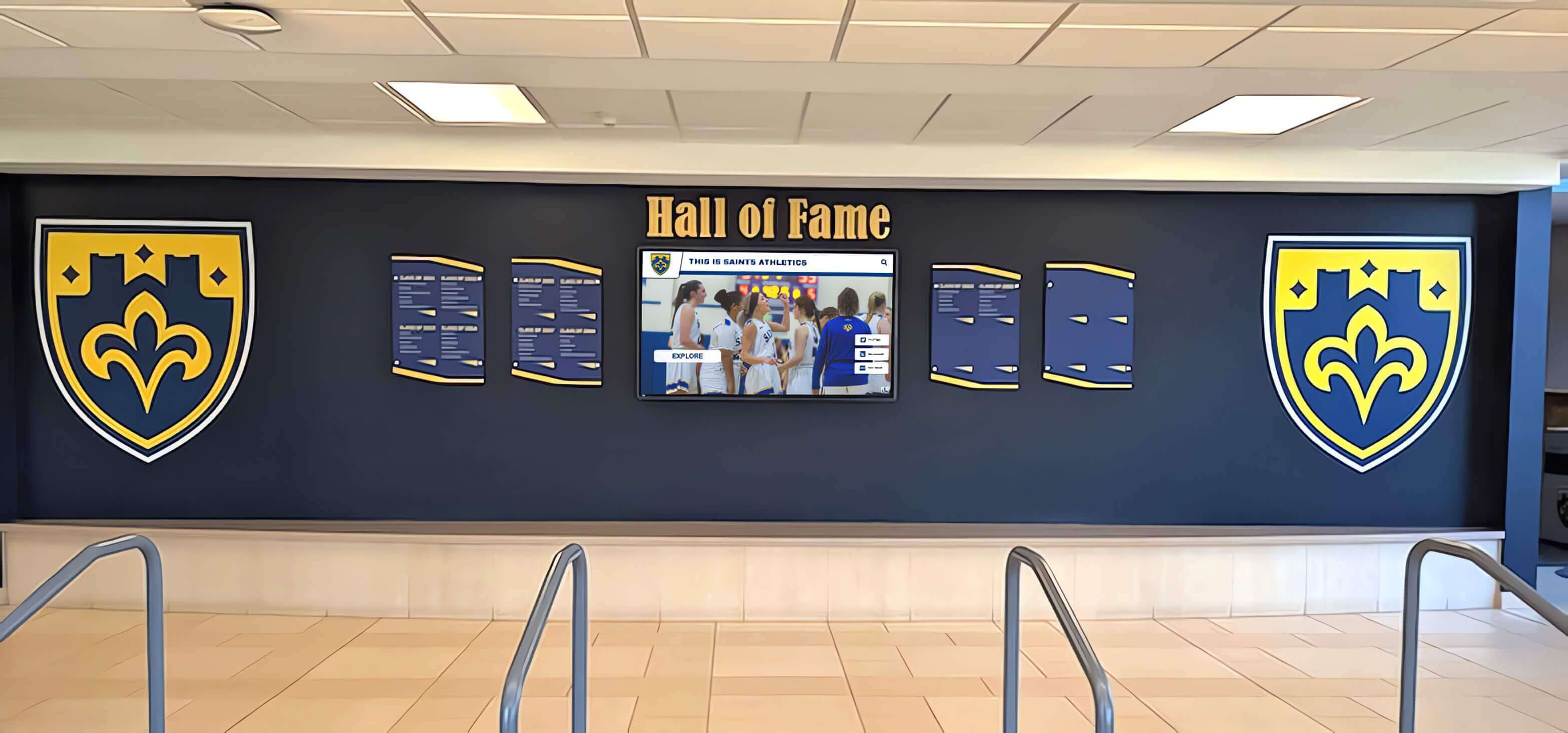
School Recognition Display Surge Protection Checklist: Protect Screens and Players
A school recognition display surge protection checklist gives athletic directors, facilities coordinators, and IT teams a structured process for verifying that every touchscreen hall of fame, digital award board, or interactive record display is electrically protected before a voltage event—not after one—turns a $12,000 recognition screen into an expensive repair ticket. Surge events at schools arrive from multiple directions: lightning coupling through utility lines, motor loads from HVAC compressors and kitchen equipment cycling on and off, and utility switching during peak demand. Each event can deliver a transient voltage spike lasting microseconds but carrying enough energy to degrade display electronics, corrupt media player storage, or trigger immediate hardware failure.
Read More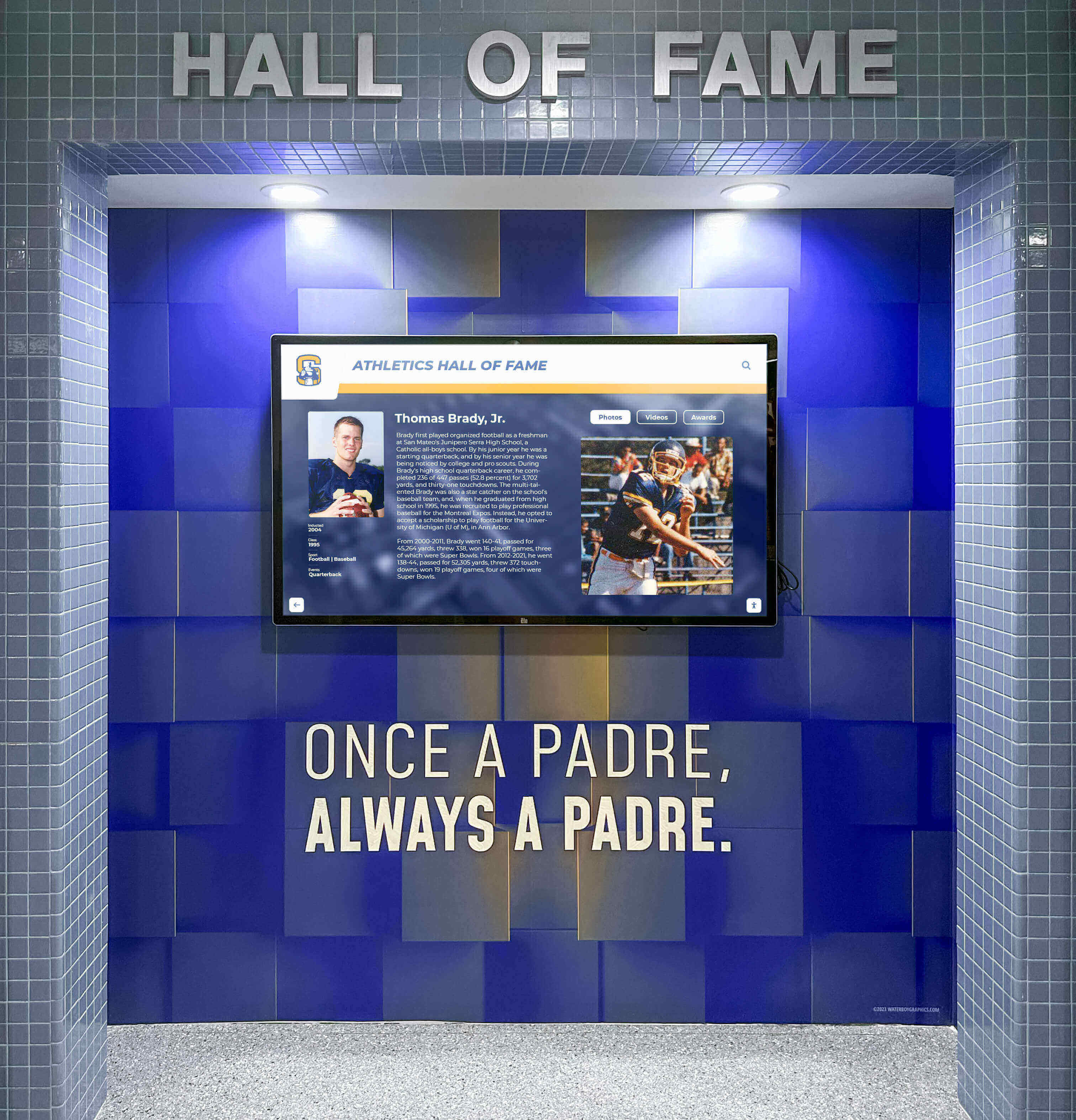
Recognition Display Cable Strain Relief Inspection for Safer School Installations
A recognition display cable strain relief inspection gives school facilities coordinators and IT teams a structured walk-through to confirm that every power cord, network cable, and AV connection on a touchscreen hall of fame or athletic recognition display is mechanically protected against the pulling, bending, and vibration that accumulate across a full school year. Strain relief—the hardware and routing practice that prevents cable conductors from bearing tension at their termination points—is required by the National Electrical Code (NFPA 70, Section 400.10) for power cords and is a best practice enforced by structured cabling standards (TIA-568) for data connections. When it fails, the consequences range from intermittent display dropouts and data errors to exposed conductors that present a safety hazard in a busy school corridor.
Read More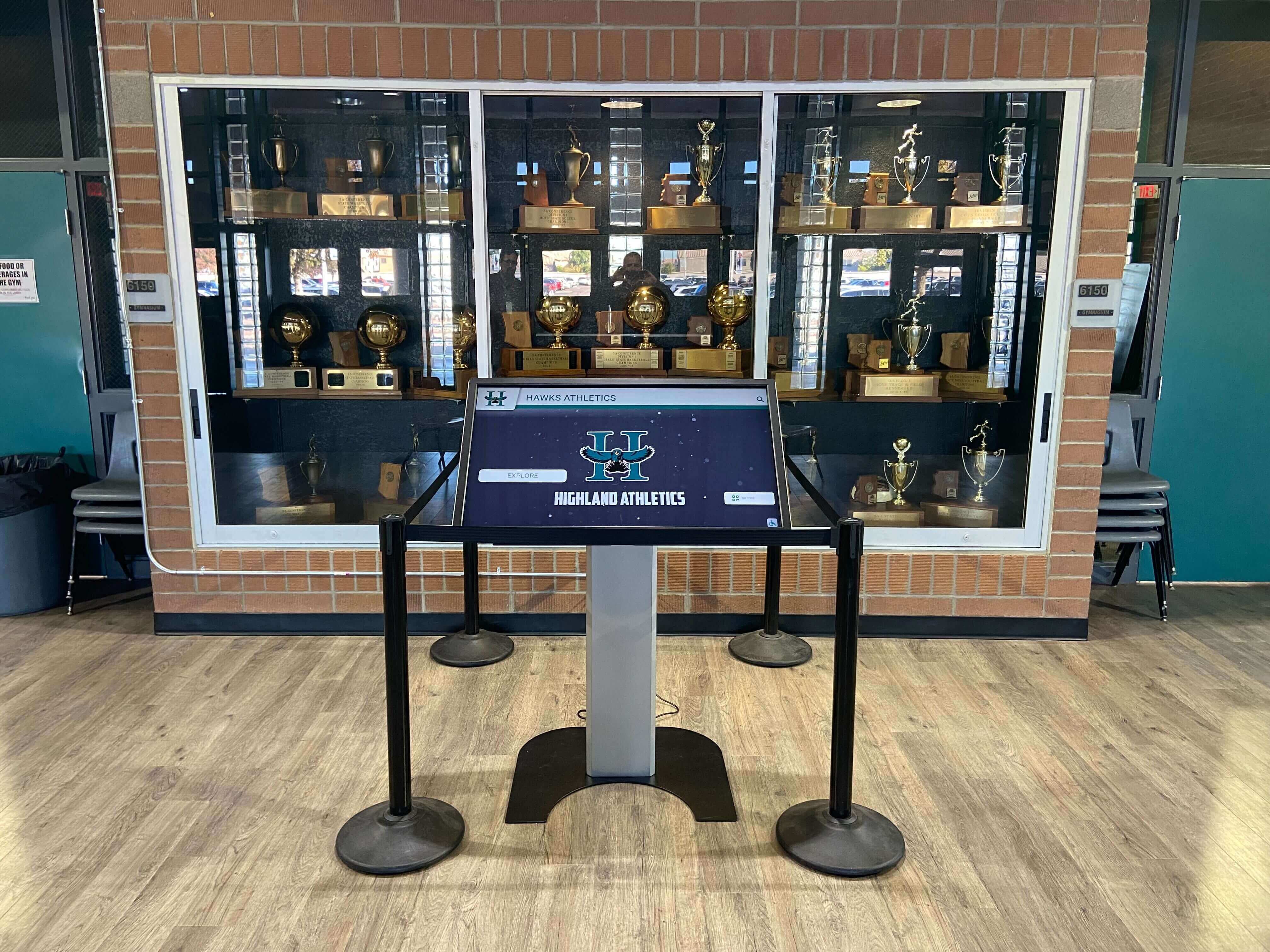
Touchscreen Recognition Display Asset Tagging Policy: Labels, Ownership, and Records
A clear touchscreen recognition display asset tagging policy is one of the most overlooked—yet most practical—steps a school can take after installing interactive athletic recognition hardware. When a display stops responding, a technician needs to know exactly which unit it is, who owns the support contract, and what software version is running. Without physical labels tied to organized records, that information gets scattered across emails, spreadsheets, and institutional memory that walks out the door every time a staff member changes roles.
Read More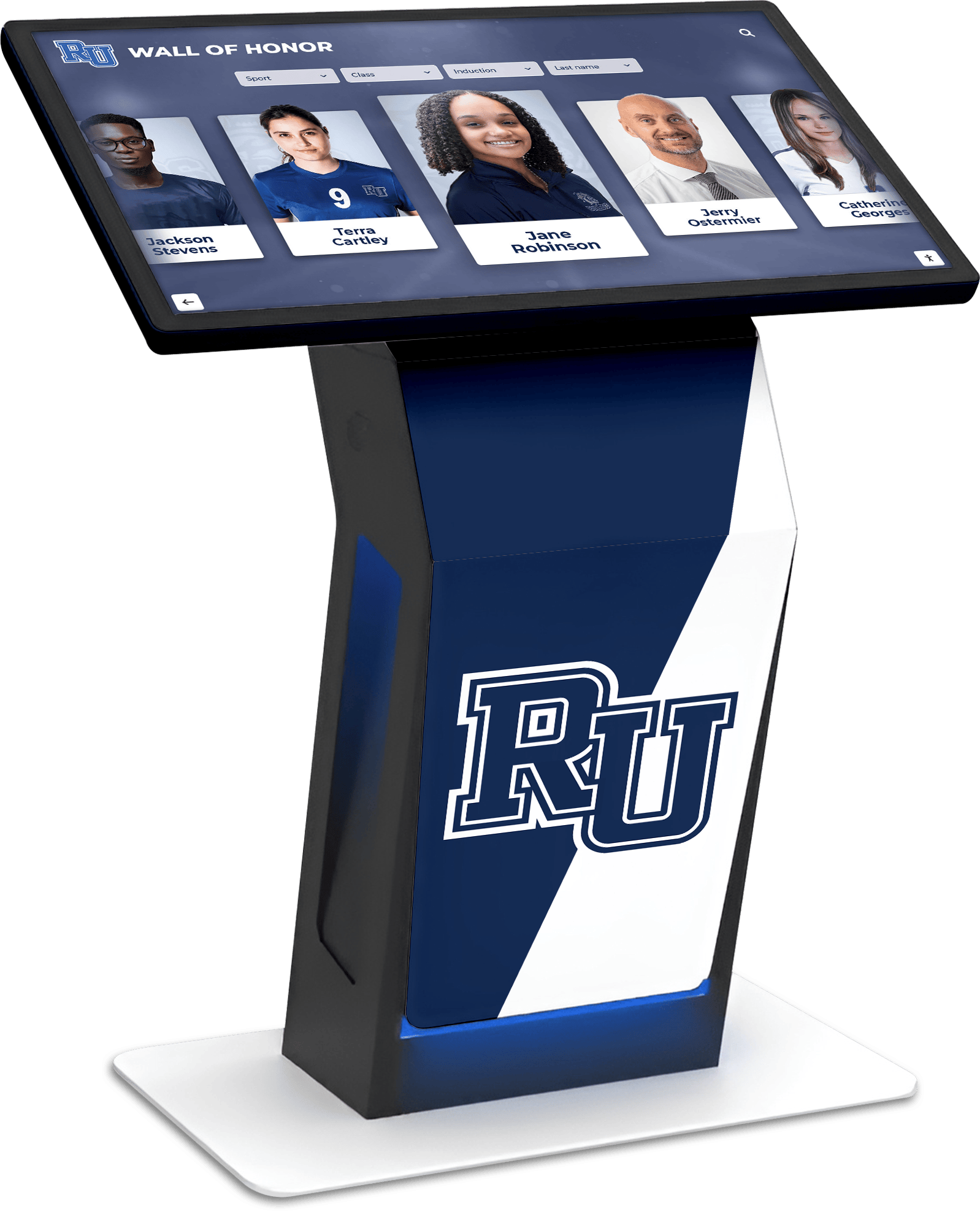
Touchscreen Recognition Display Hardware Warranty Tracker: Coverage, Serial Numbers, and Renewal Dates
A touchscreen recognition display hardware warranty tracker is the structured record-keeping system that school administrators, IT coordinators, and facilities managers use to document every warranty covering a recognition display installation — including coverage terms, serial numbers, purchase dates, vendor contacts, and renewal deadlines. Without one, a screen failure during homecoming week can turn into a multi-day outage because the person who purchased the display three years ago has left the district, the serial number is buried in a purchase order no one can locate, and the warranty vendor requires that number before opening a support ticket.
Read MoreTouchscreen Recognition Display UPS Battery Maintenance Checklist
A touchscreen recognition display UPS battery maintenance checklist is the structured routine that school IT and facilities teams follow to keep an uninterruptible power supply unit healthy enough to protect recognition kiosks and digital hall-of-fame screens from abrupt shutdowns. Without a maintained UPS, a brief power interruption during a thunderstorm, a grid switching event, or a campus-wide outage can cut power to a display mid-write — corrupting the media player’s storage, scrambling the display’s operating system, or wiping the cached content that shows inductee profiles, athletic records, and award histories in hallways throughout your facility.
Read More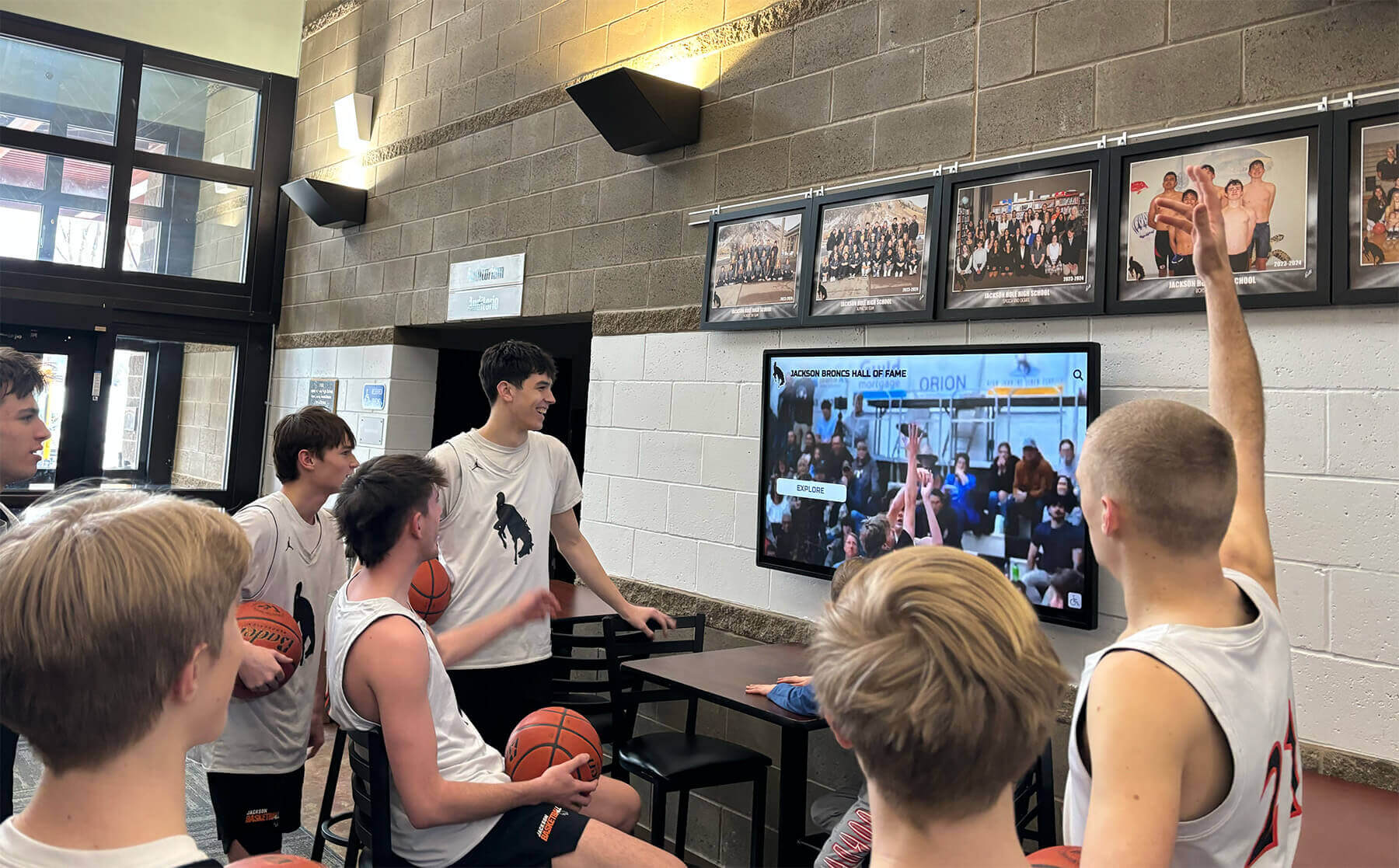
Digital Athletic Schedule Display Ideas for School Lobbies and Gym Entrances
Walk through the lobby of any competitive high school athletic program and you immediately sense whether that program takes pride in its identity. The best facilities don’t just have trophies in a case — they have living walls of information: upcoming game times, opponent details, live scores, and the kind of real-time context that tells every student, parent, and recruit that athletics matter here. At the center of that environment is a well-designed athletic schedule display that does the heavy lifting of communication so coaches and administrators don’t have to.
Read More
School Facilities Management: Best Practices for Modern Schools
School facilities management has evolved from basic custodial services and reactive repairs into a strategic discipline directly impacting student achievement, teacher effectiveness, and community perception. Research consistently demonstrates that well-maintained, thoughtfully designed school environments correlate with improved academic outcomes, higher attendance rates, and enhanced recruitment of quality educators. Yet many districts struggle to balance competing demands—aging infrastructure requiring substantial investment, limited budgets constraining improvement initiatives, and evolving educational models demanding flexible, technology-rich spaces.
Read More