Recognition Display TLS Certificate Chain Audit for School Kiosks
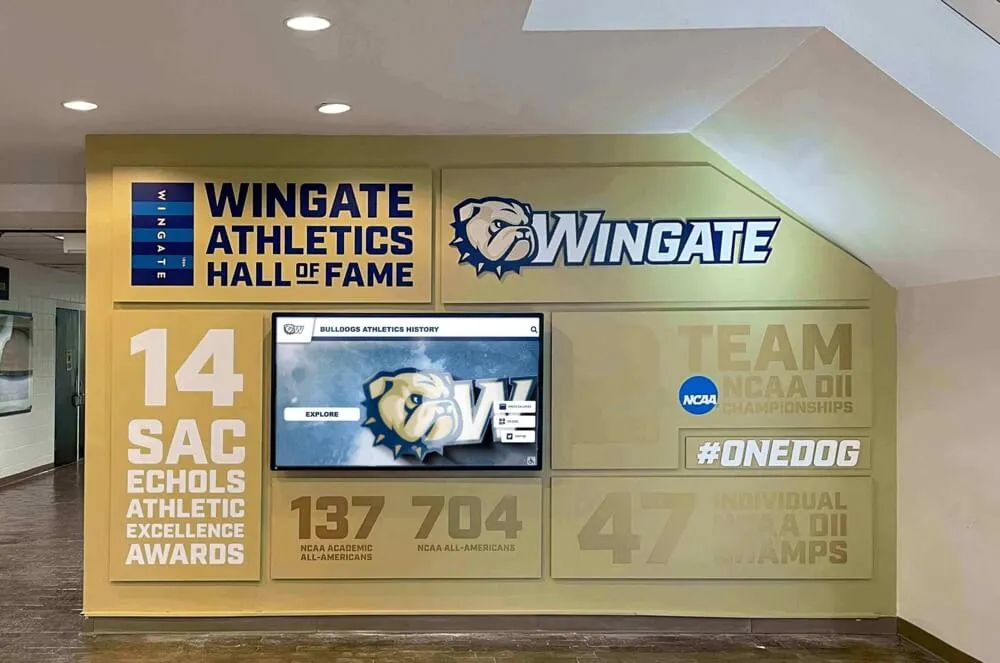
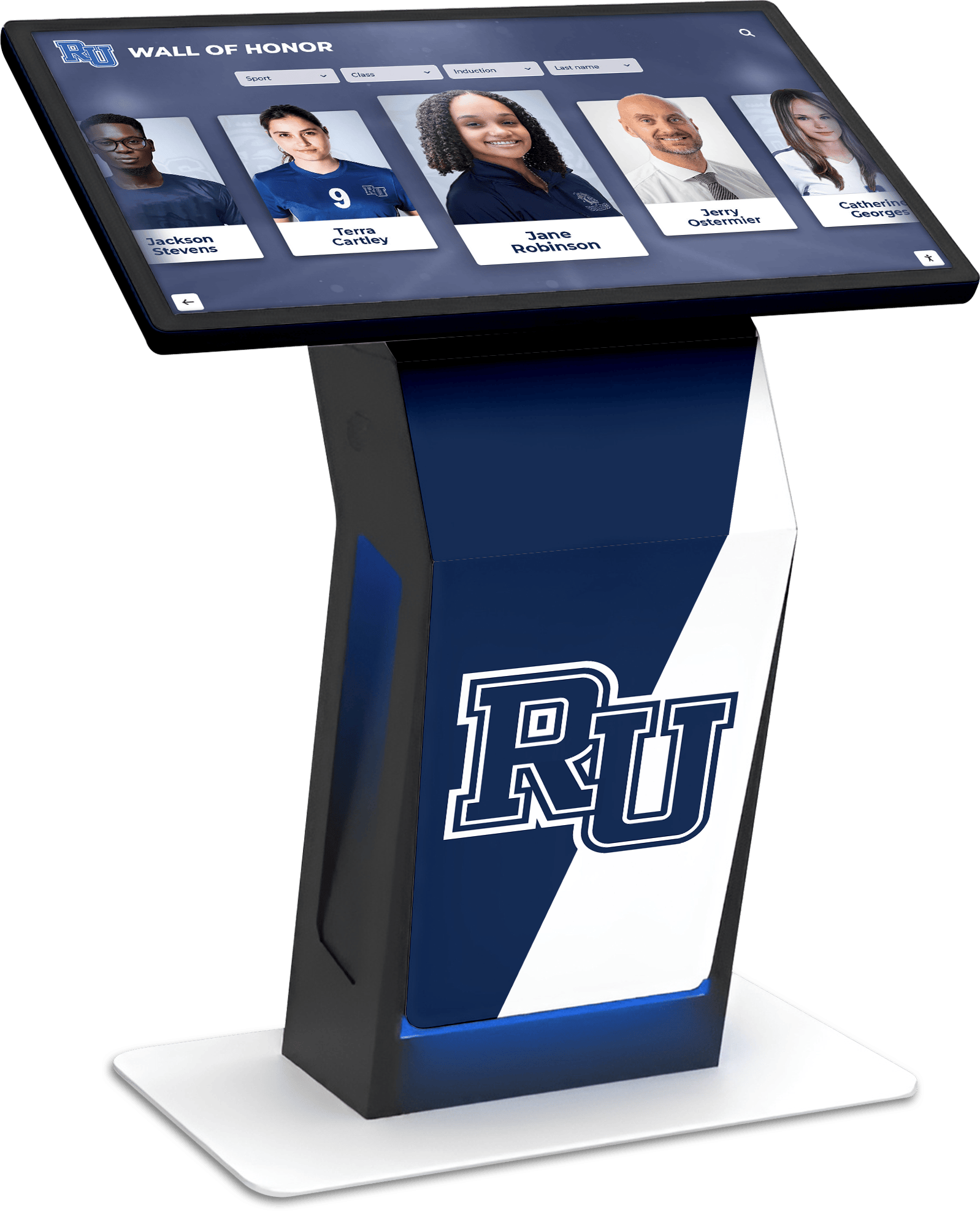
A school recognition display kiosk — whether it shows an athletic hall of fame in a gymnasium lobby, inductee portraits in a trophy corridor, or a championship record board outside the main office — connects to its content platform over HTTPS. Every time the display’s operating system opens that connection, it validates the server’s TLS certificate chain: checking that the server’s certificate was signed by a trusted intermediate certificate authority, that the intermediate was signed by a known root CA, and that each link in that chain is cryptographically intact. If the chain is broken — if an intermediate CA certificate is missing from the server’s response — the kiosk’s TLS library will refuse the connection, even if the server’s leaf certificate is perfectly valid and months away from expiration.
Read More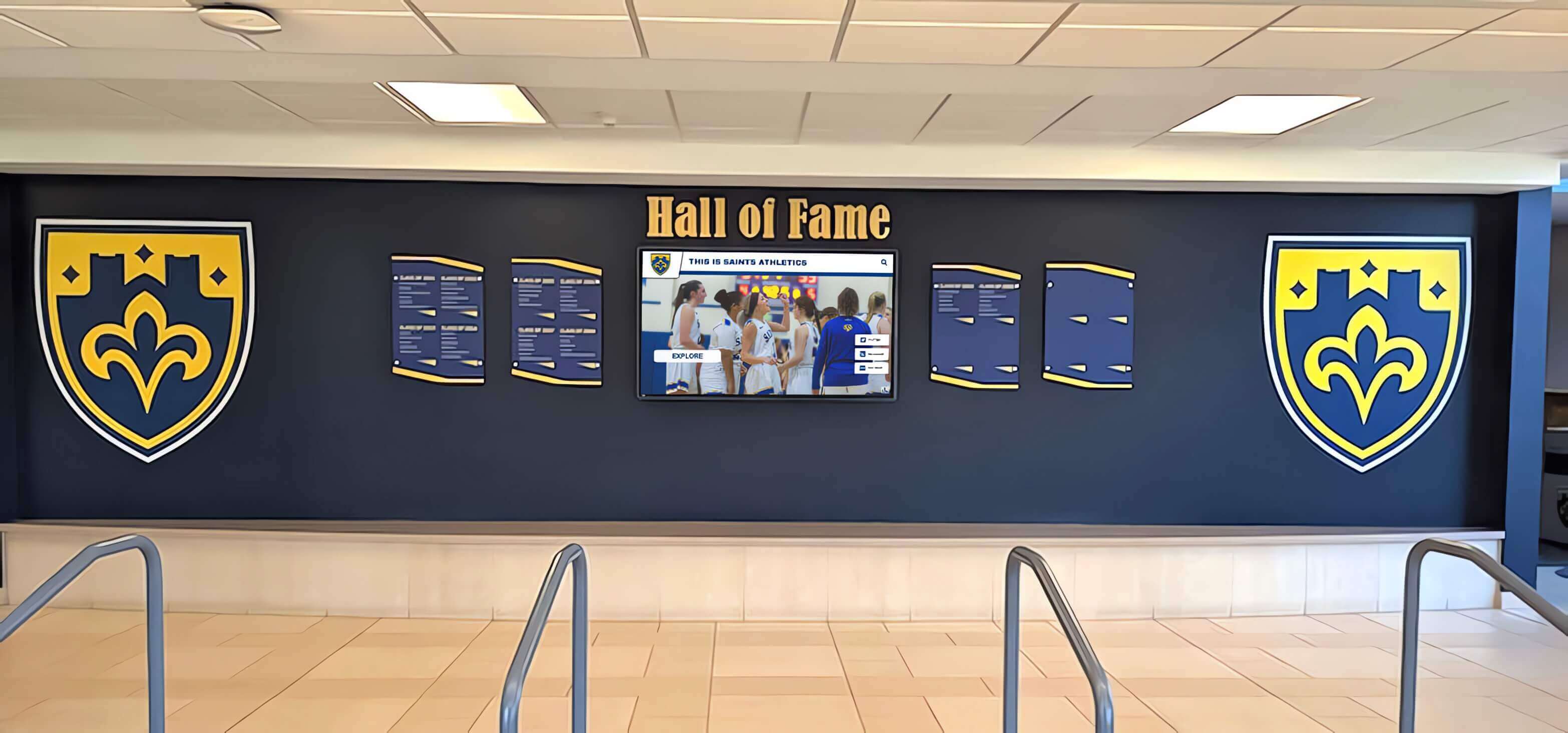
Recognition Display DNS-over-HTTPS Policy for Managed School Kiosks
A school’s digital hall of fame kiosk or athletic recognition display is a managed device that runs a browser or kiosk application, communicates with a cloud content platform, and resolves DNS names every time it contacts an update server, checks for new inductee records, or reaches a content delivery endpoint. Until recently, that DNS traffic left the device in plaintext on UDP port 53 — readable by the network’s DNS resolver and any inline filtering appliance on the path. DNS-over-HTTPS (DoH) changes that. DoH, standardized in RFC 8484, wraps DNS queries inside encrypted HTTPS connections on port 443, making them indistinguishable from ordinary web traffic to network observers — including the school’s content filtering system and its DNS-based activity logging infrastructure.
Read MoreRecognition Display OCSP Stapling Validation for Faster HTTPS Checks
Every time a visitor opens the web-accessible version of a school’s digital hall of fame, or every time a lobby kiosk re-establishes its HTTPS connection after a power cycle, the browser or content agent must confirm that the server’s TLS certificate has not been revoked. Without OCSP stapling, that check requires a separate HTTP request to the certificate authority’s Online Certificate Status Protocol responder—a round trip that can add 100 to 300 milliseconds to every connection, depending on the CA’s infrastructure location and the school network’s latency to it. At 7 a.m. before a tournament, when a dozen recognition kiosks are booting simultaneously and a gymnasium scoreboard display is establishing its connection alongside them, that added latency multiplies across every device.
Read More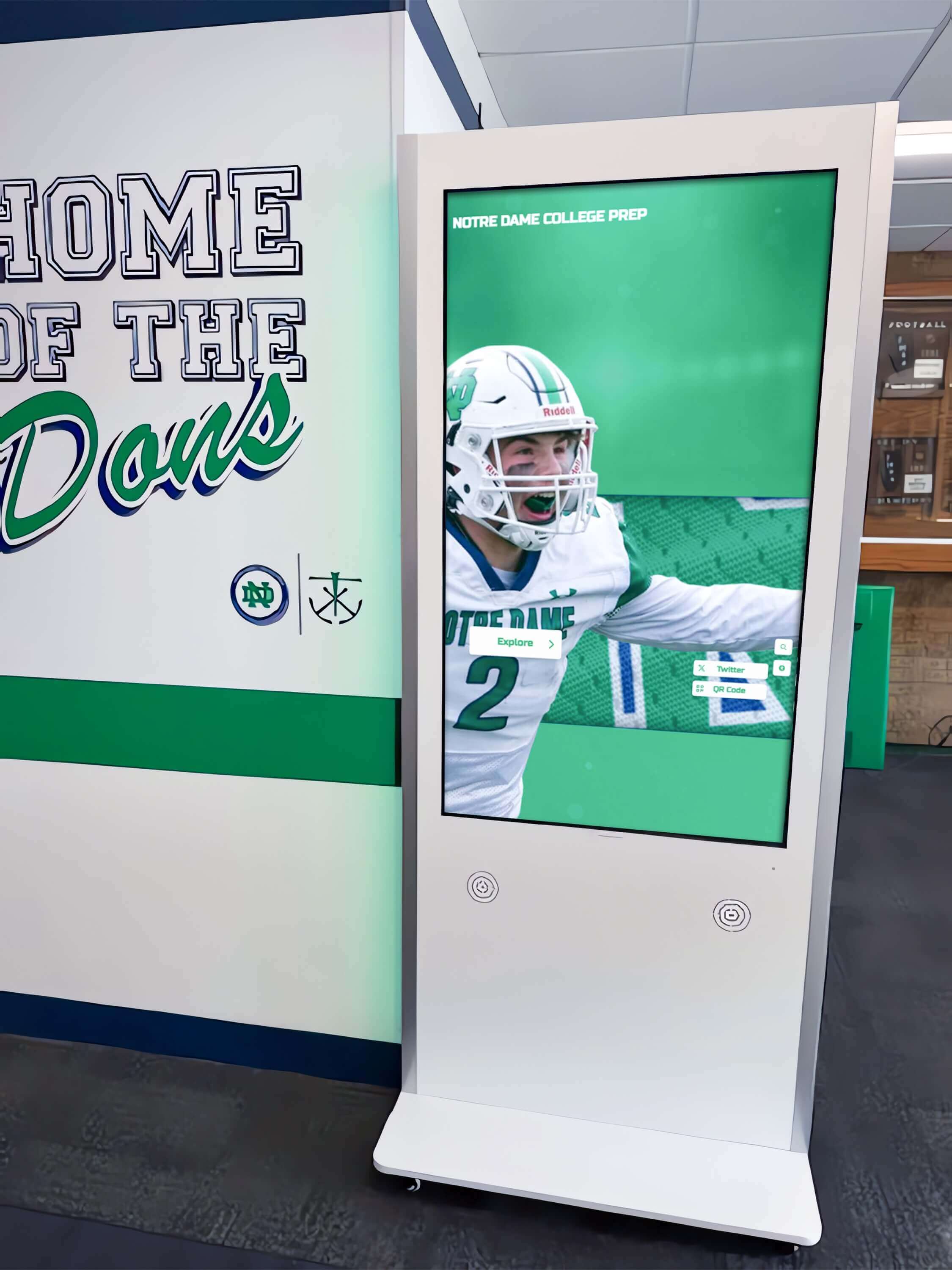
Recognition Display IP Source Guard Compatibility Test for School Switches
IP Source Guard is one of the less-visible switch security features in a hardened school network — until a recognition display stops reaching its content platform and no error message explains why. When IP Source Guard is active on a switch port, the switch validates every inbound IP packet against the DHCP snooping binding table. A packet whose source IP address does not match the binding recorded for that port and MAC address is silently dropped. The display’s Ethernet adapter shows as connected, the port shows as up, but no traffic leaves the device. Athletic hall of fame kiosks, digital trophy case screens, and lobby donor recognition displays are all affected equally: the content platform cannot be reached, sync operations time out, and the screen goes stale.
Read More
Recognition Display MACsec Compatibility Test for Secure School Networks
When a school district tightens its network security posture—adding MACsec (IEEE 802.1AE) link-layer encryption to its managed switch infrastructure—every wired device on the campus fabric needs to be evaluated for compatibility. Recognition displays, athletic hall of fame kiosks, and digital trophy case screens are among the devices that IT teams least expect to require special handling, because they are not interactive workstations and they do not handle student personal data. In practice, these displays present a unique compatibility challenge: they are always-on, unattended devices whose network interfaces may or may not support 802.1AE depending on the hardware generation and operating system driver version, and their uptime requirements mean that a misconfigured MACsec security association can take a display offline at exactly the moment it is needed most.
Read MoreRecognition Display TLS Session Resumption Testing for Faster Secure Launches
Every morning when a school recognition display powers on in an athletic lobby or trophy corridor, the device re-establishes a secure TLS connection to its cloud content management platform. If TLS session resumption is configured and validated on the platform endpoint, that handshake completes in one round trip instead of two, shaving hundreds of milliseconds off the startup sequence and reducing CPU load on the kiosk hardware. If session resumption is misconfigured—or silently broken after a platform update—the display falls back to a full TLS handshake on every reconnect. For a single screen that is rarely observed at boot, this is a minor annoyance. For an athletic hall of fame with a dozen kiosks that are all scheduled to wake at 7 a.m. before a tournament or signing day event, degraded reconnection performance becomes a visible operational problem.
Read More
Recognition Display Dynamic ARP Inspection Compatibility Test for School Networks
School networks that have deployed Dynamic ARP Inspection (DAI) on their managed switches gain meaningful protection against ARP spoofing attacks—but that same protection can silently break a newly installed recognition display, digital hall-of-fame kiosk, or athletic lobby touchscreen if the IT team does not complete a compatibility test before the device goes live. DAI validates every ARP packet against a trusted binding table. A recognition display that has not been properly provisioned—or that holds a static IP address without a corresponding DHCP snooping binding entry—will have its ARP traffic dropped at the switch port, leaving the device unable to communicate with content update servers, the school’s DNS resolver, or the management platform that keeps athlete records current.
Read More