DNS Negative Caching Checklist for School Recognition Display Content Changes
When a school changes the hostname that delivers recognition display content — migrating to a new content platform, correcting a subdomain, restructuring a district DNS zone, or switching from one cloud endpoint to another — every DNS resolver on the path between the kiosk and the internet may have already cached a negative answer for that hostname. A negative DNS answer, called an NXDOMAIN response (Name Non-Existent), tells the querying resolver that the hostname does not exist. Under RFC 2308, resolvers cache that negative response for a duration set by the zone’s SOA record. Until that negative cache entry expires — or is explicitly flushed — any kiosk, content player, or browser on the school network that queries the new hostname receives NXDOMAIN from cache rather than performing a fresh lookup against authoritative DNS.
Read More
Gratuitous ARP Troubleshooting for School Recognition Display Failover
A school recognition display, athletic hall-of-fame kiosk, or lobby honor wall depends on a continuous network path to its content platform. That path runs through a default gateway, and in schools using redundant network infrastructure — paired core switches with HSRP or VRRP, or a virtual server IP that migrates between hosts — the gateway’s or content server’s IP address may remain the same while the underlying MAC address changes. When that change happens, every device on the affected broadcast segment, including the recognition display, must update its ARP cache to learn the new MAC for the existing IP. The mechanism designed to make that update happen automatically is the gratuitous ARP (GARP): an unsolicited ARP packet that the newly active device broadcasts to announce its IP-to-MAC binding to all neighbors.
Read More
Split-Horizon DNS Checklist for School Recognition Display Content
A school’s lobby recognition display, athletic hall-of-fame kiosk, or hallway honor wall connects to a content platform over the school’s network. That connection starts with a DNS lookup: the display’s browser or application resolves the recognition platform’s hostname into an IP address before it can fetch athlete profiles, inductee records, award rosters, or media files. In most schools, that lookup travels from the kiosk to the school’s managed DNS resolver, then to the internet, and returns a public IP address — the same address anyone outside the school would get. That works for platforms that serve all clients from a single public endpoint.
Read More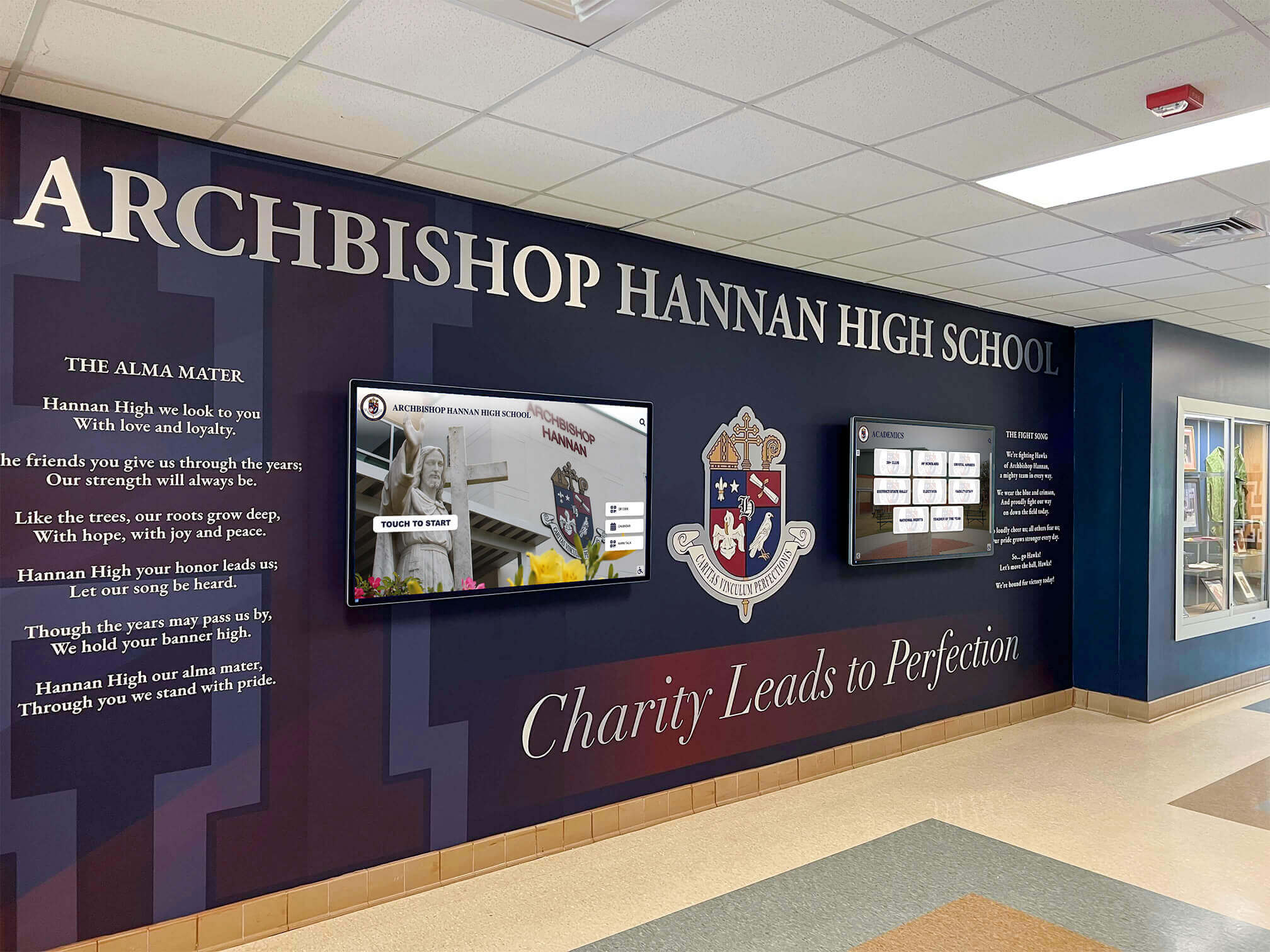
School Recognition Display 802.1X Authentication: A Network Access Checklist
Connecting a school recognition display to an enterprise network secured by 802.1X authentication is one of the most common IT integration challenges that surfaces when a district deploys a digital hall of fame, athletic trophy kiosk, or interactive recognition wall. IEEE 802.1X is a port-based Network Access Control (PNAC) standard that requires every wired or wireless client to authenticate with a RADIUS server before the network switch or access point grants data-path access. On a campus where 802.1X is enforced — as it is in a growing number of K-12 and university environments — a recognition display that has not been properly provisioned as a supplicant will fail to reach the content-update servers, cloud management platforms, and media feeds it depends on. The display appears to be connected and powered on, but the hall-of-fame database does not update, athlete profiles load from stale local cache, and award records stop reflecting new inductions.
Read More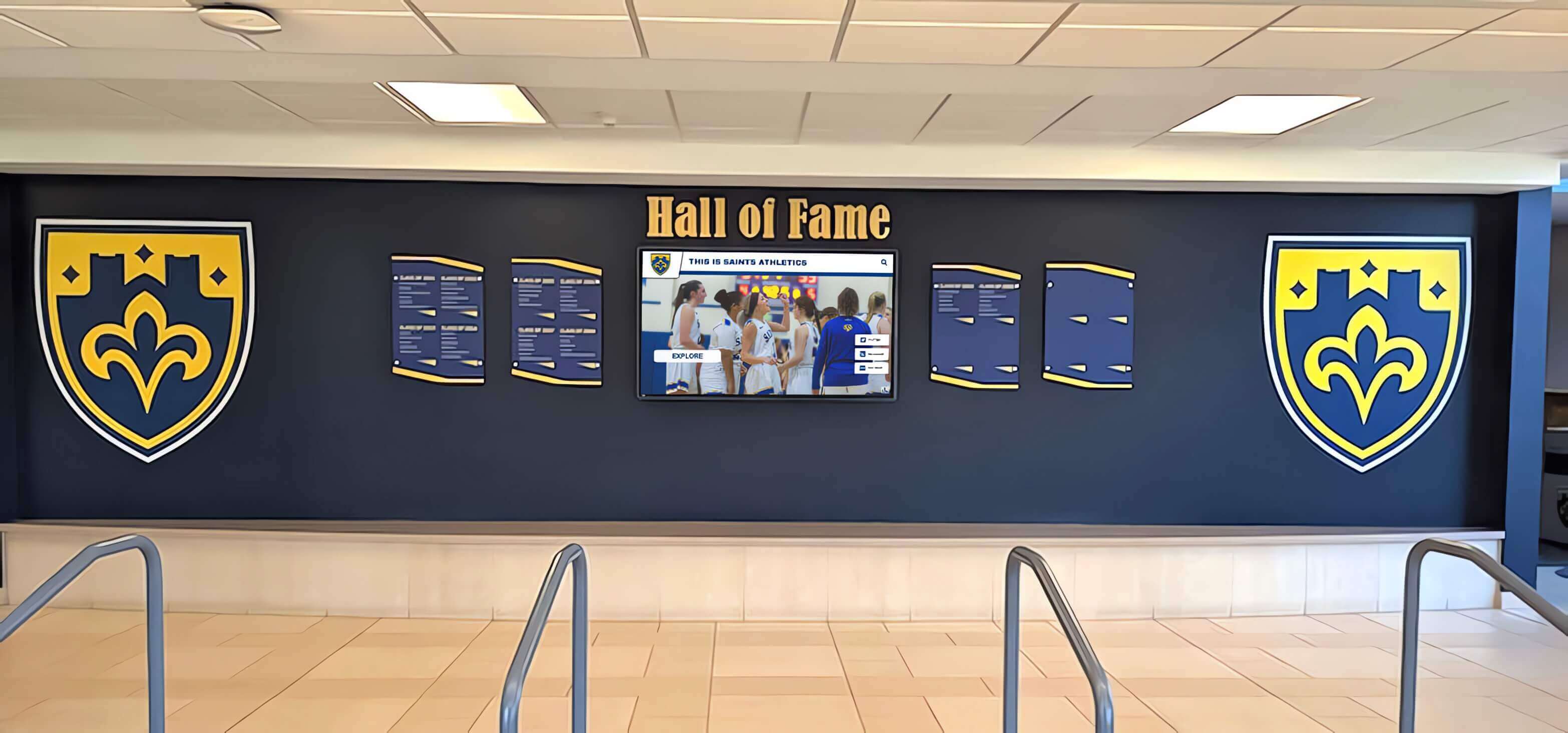
Who Installs Digital Hall of Fame Displays in Schools? Complete Guide to Professional Mounting, Power & Network Setup
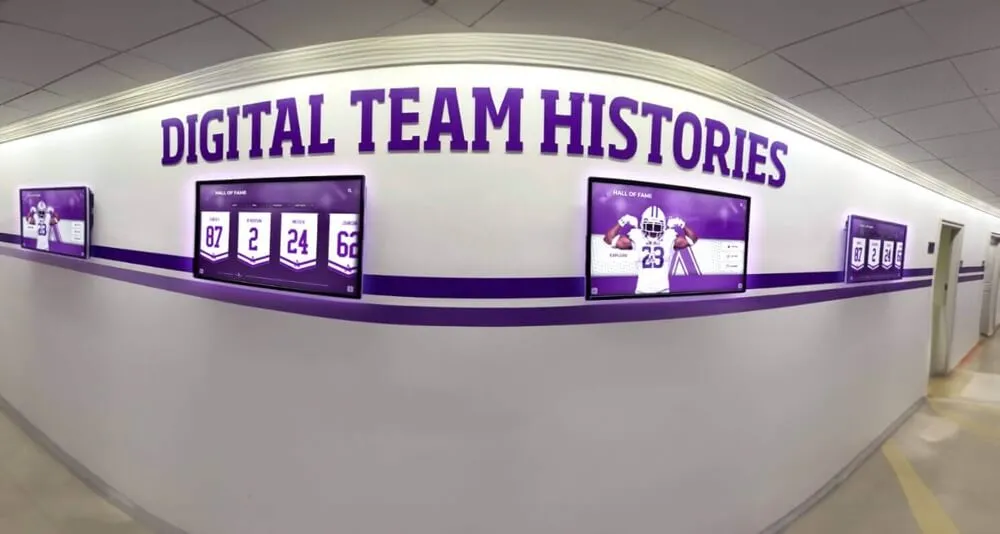
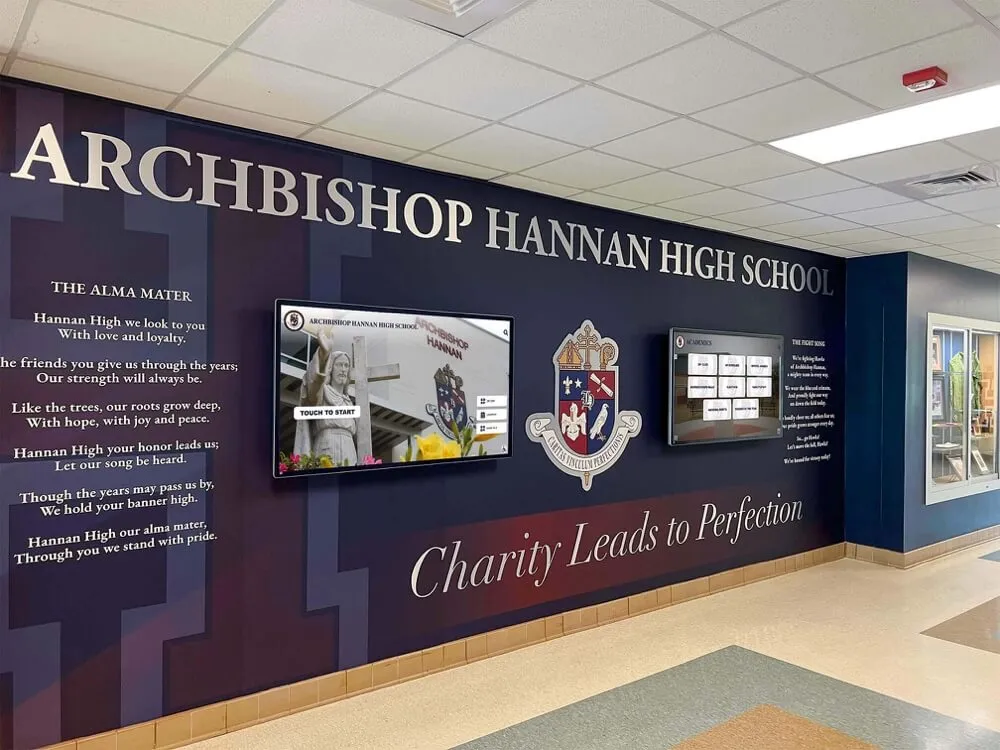
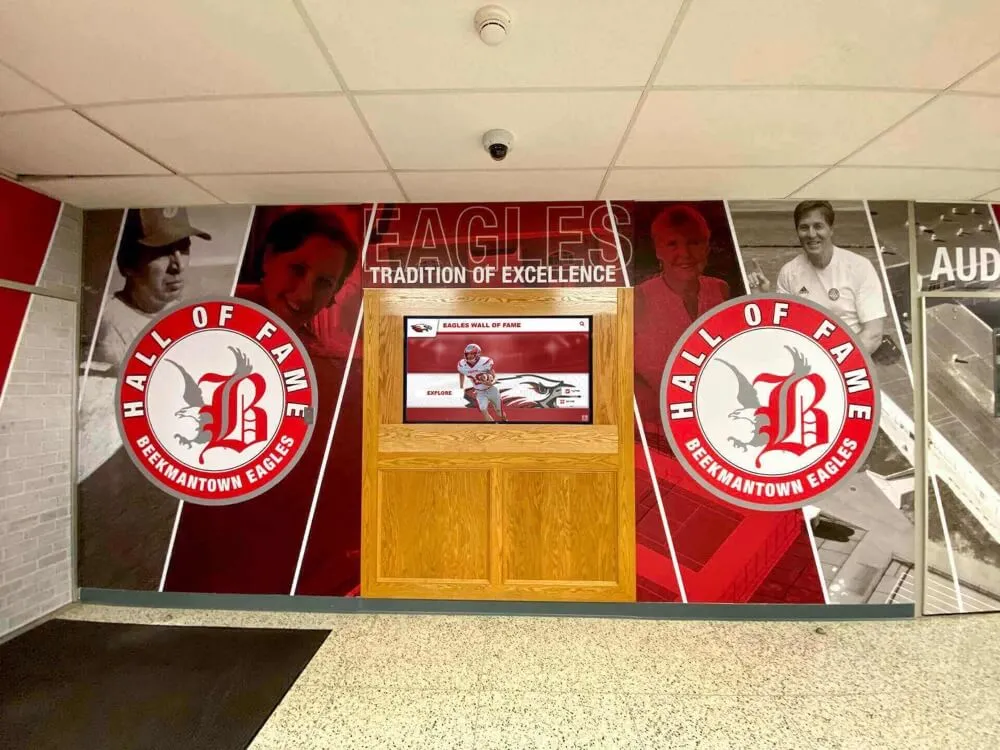
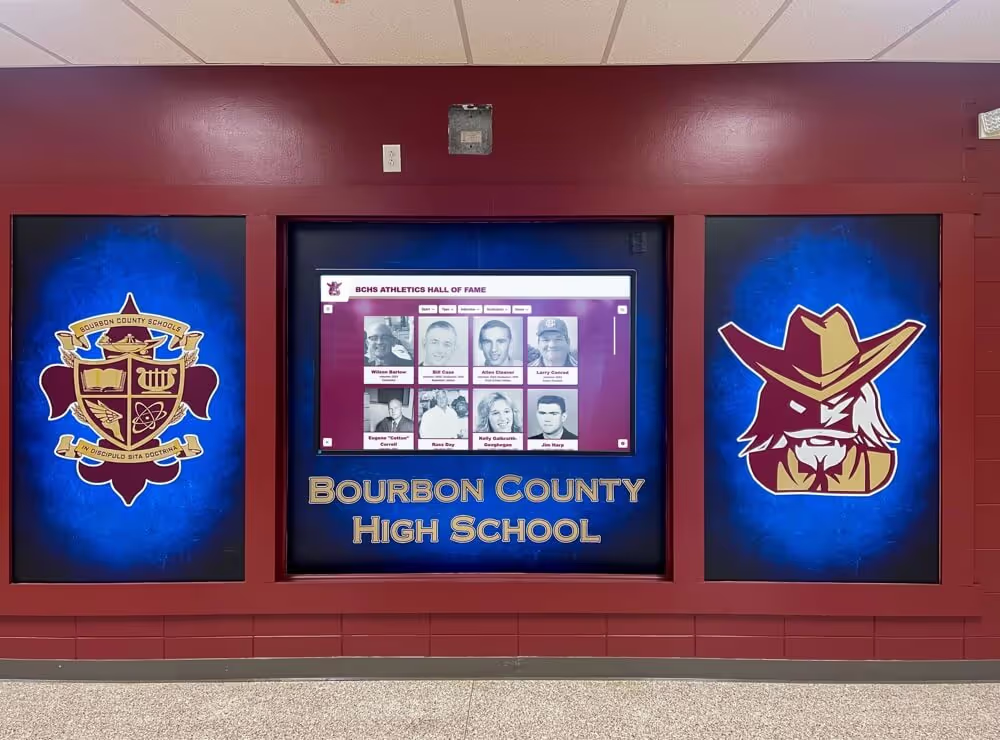
When schools decide to install a digital hall of fame display near the front office or main lobby, one of the first practical questions administrators ask is: who actually handles the installation? Unlike traditional trophy cases that school maintenance staff can manage, digital displays require professional expertise spanning multiple trades—from secure mounting and electrical work to network connectivity and ADA-compliant positioning.
Read More