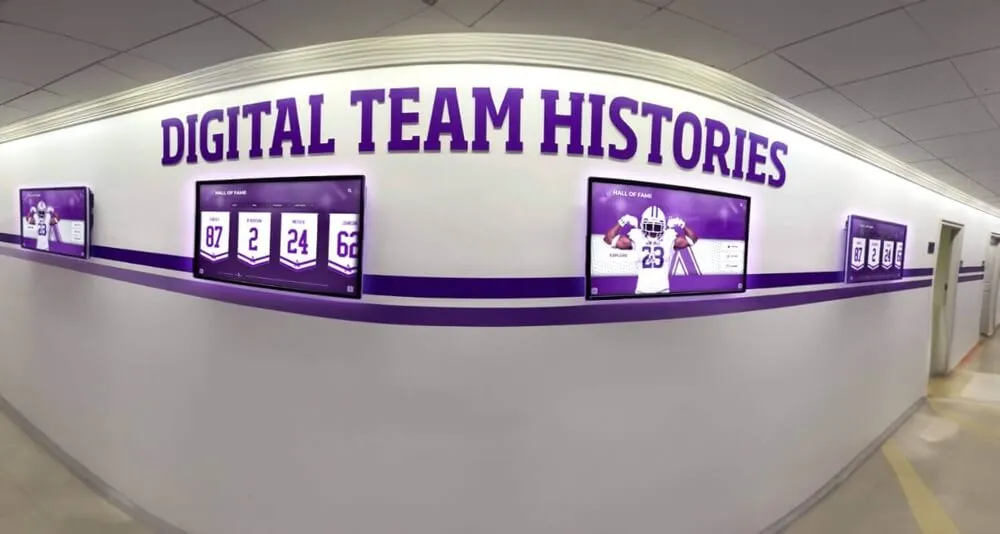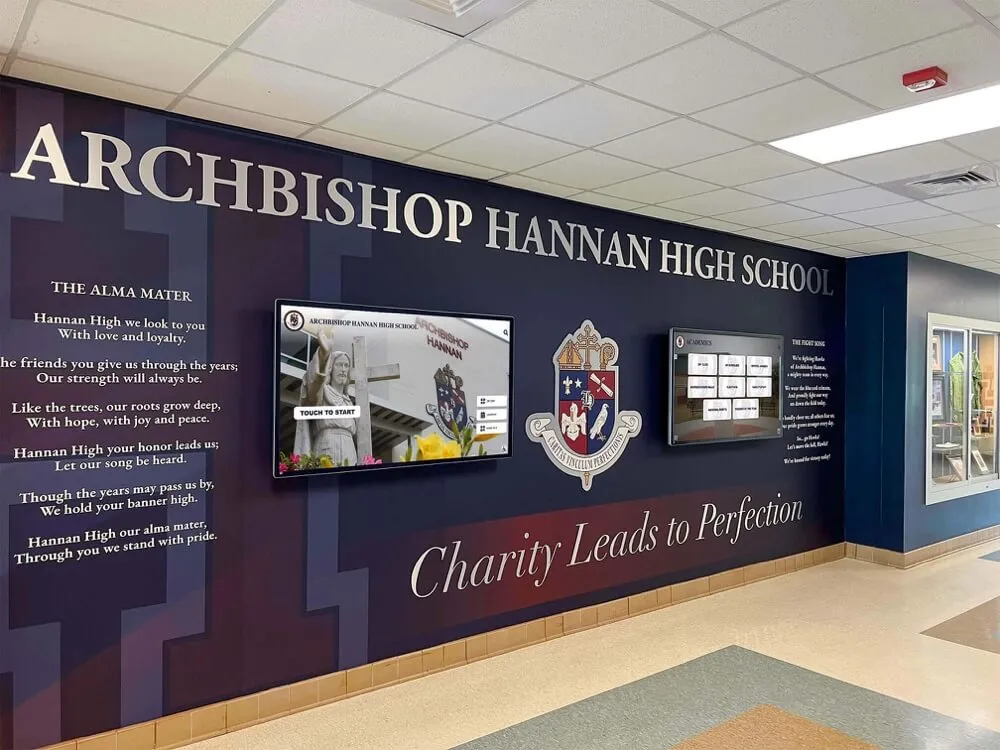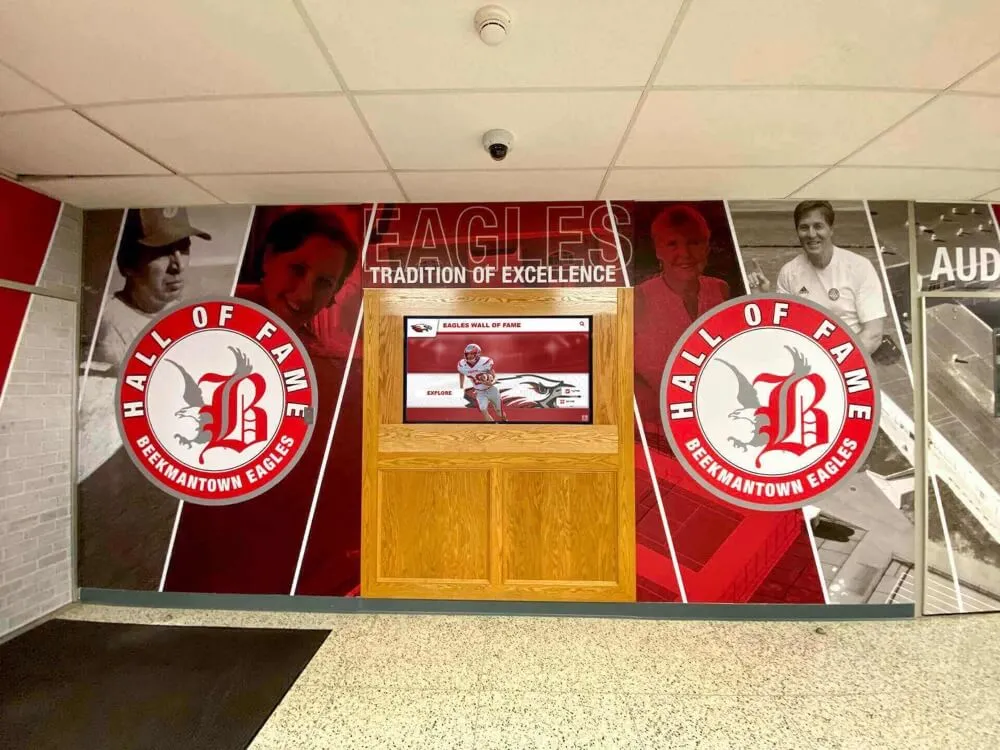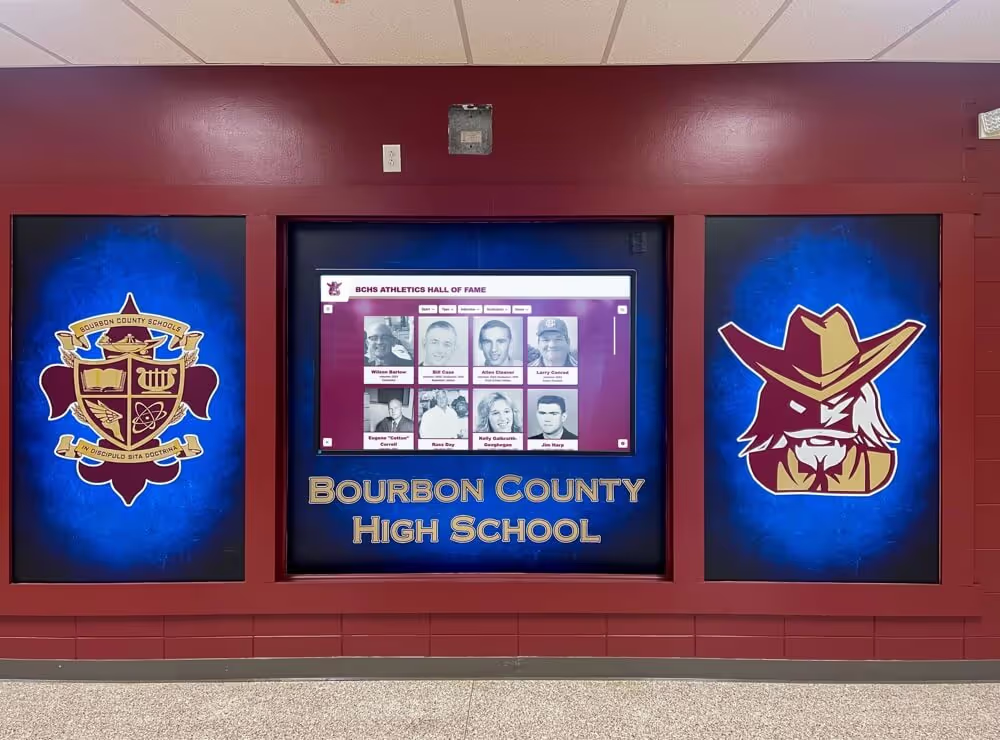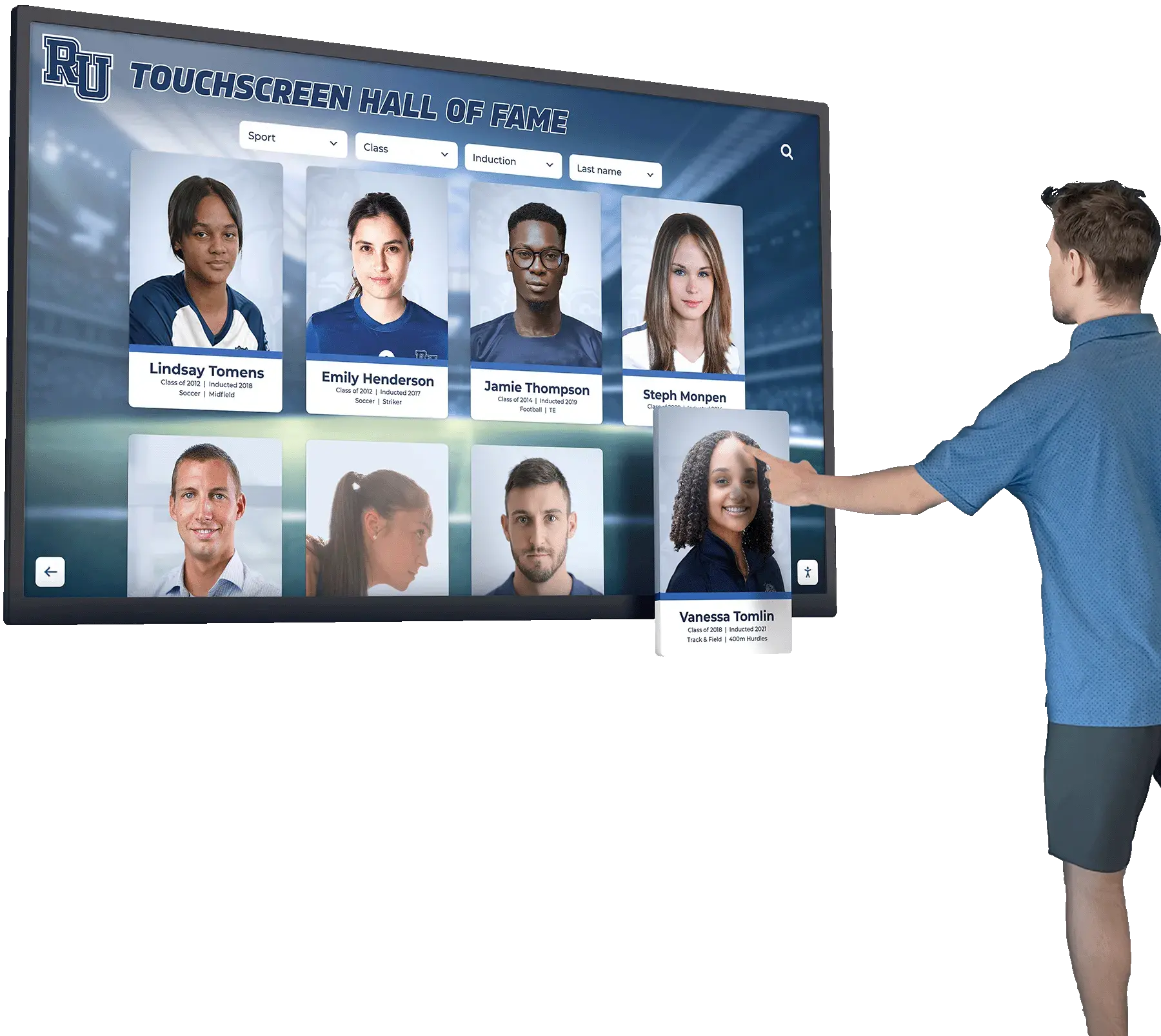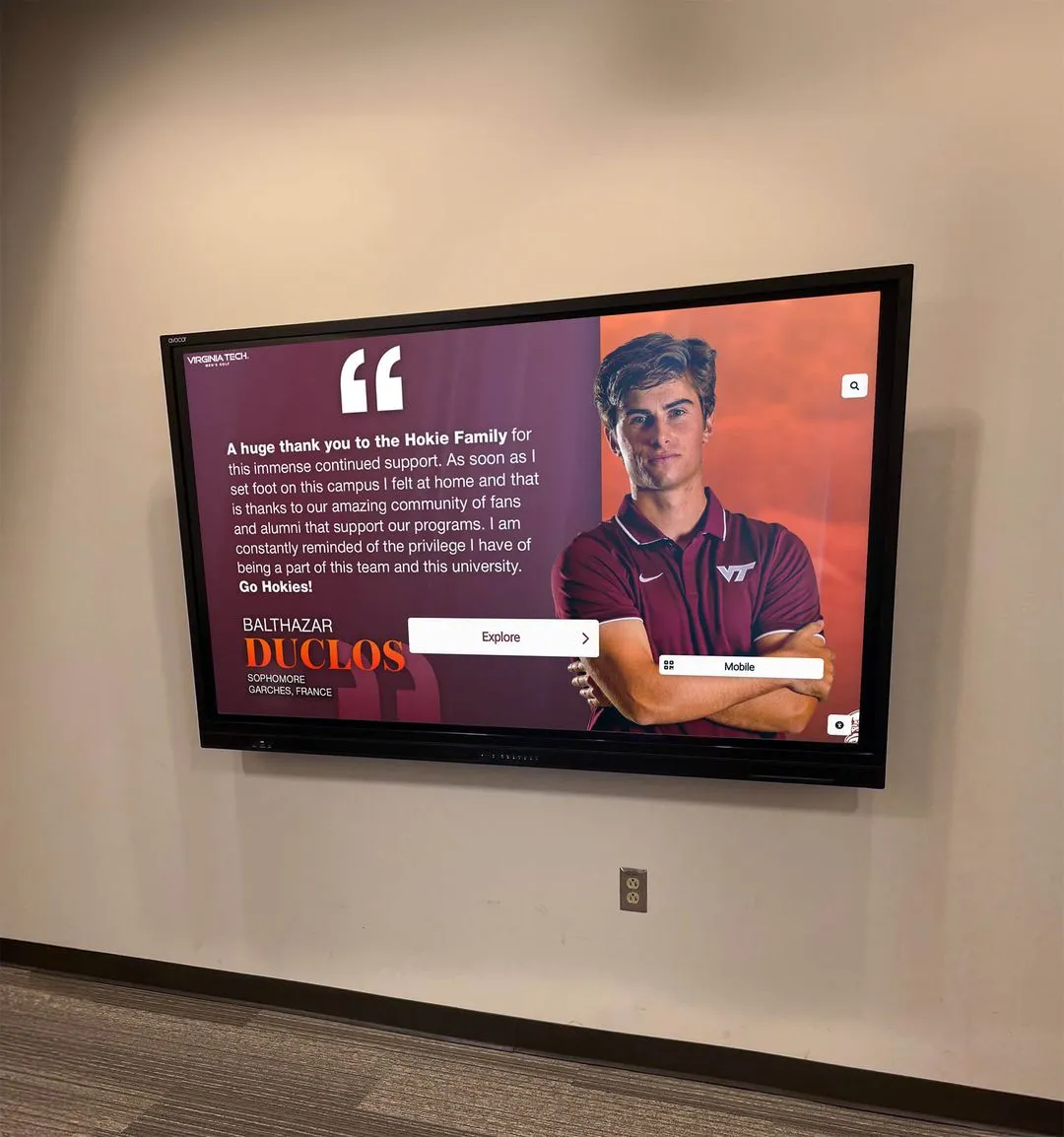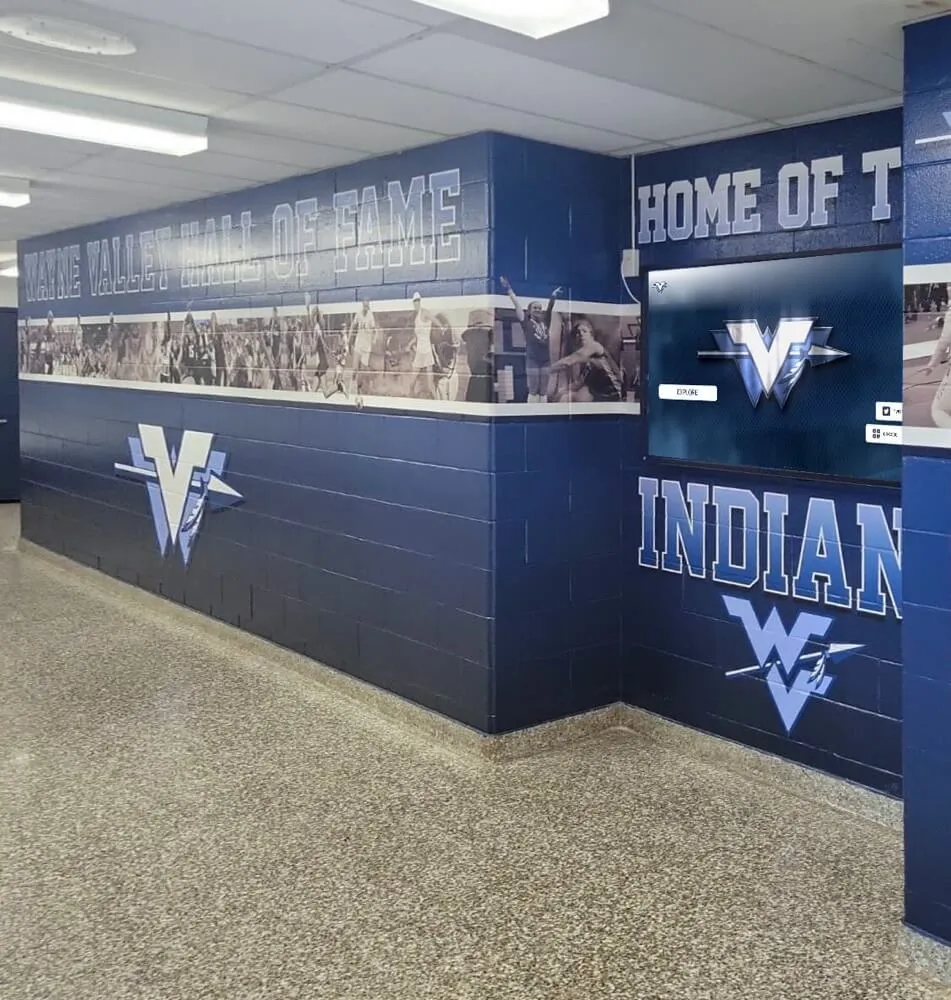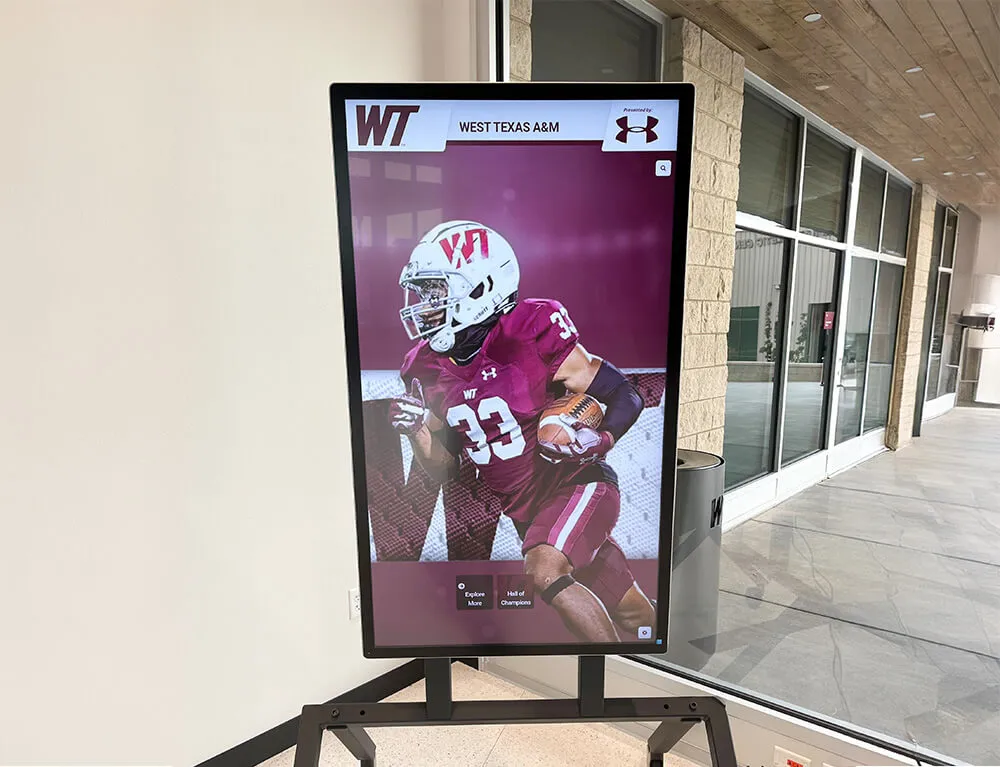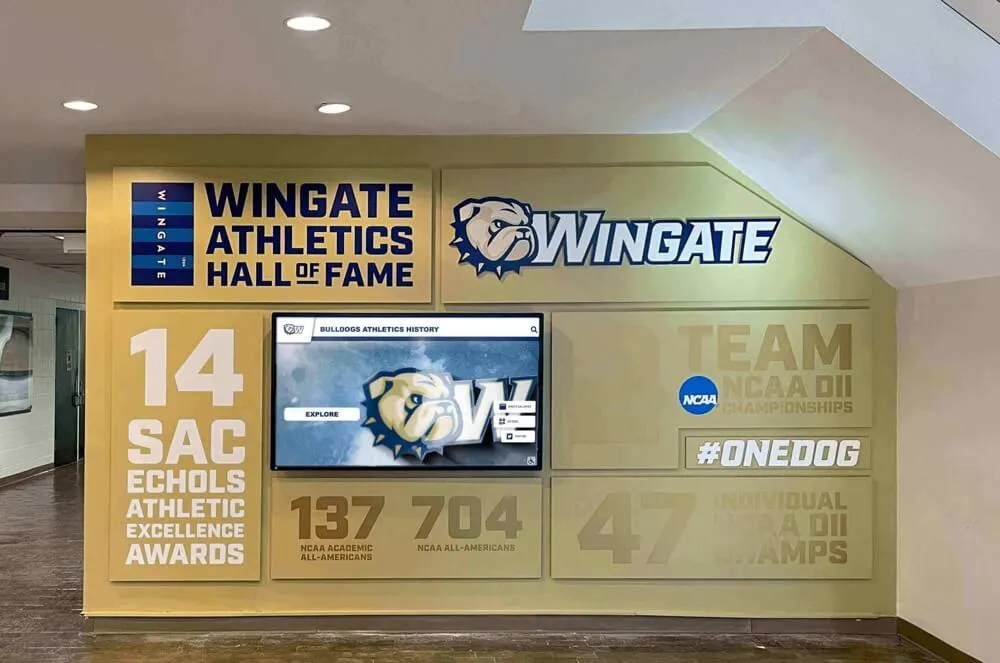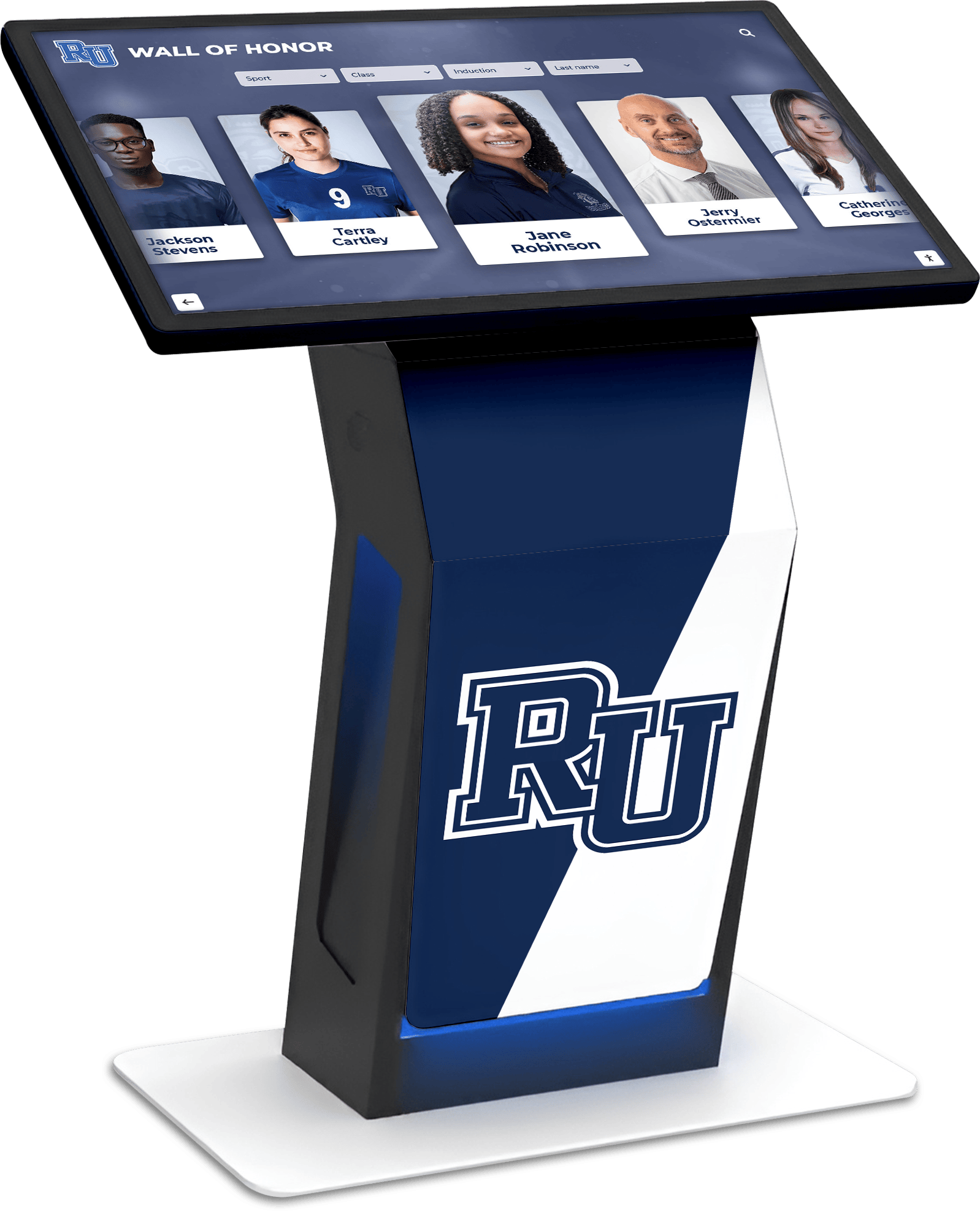
Hall of Fame Data Backup Policy: Protect Profiles, Photos, Records, and Display Content
Every school’s hall of fame represents decades of irreplaceable work—athlete profiles assembled by boosters and alumni directors, historical photographs scanned from printed collections, record boards updated through generations of coaches, and digital display content refined through countless recognition cycles. A hall of fame data backup policy is the formal commitment that none of that work disappears because of a hard drive failure, a ransomware incident, an accidental deletion, or a vendor contract ending unexpectedly.
Read More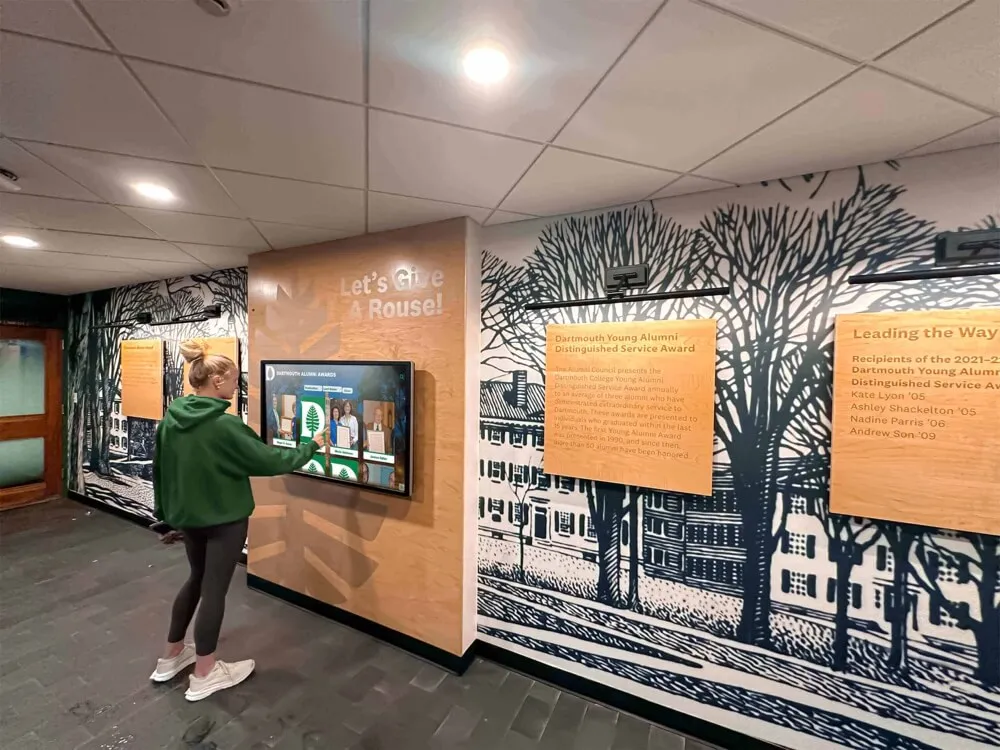
Alumni Portal Websites: What Schools Should Include for Recognition, Events, and Archives
An alumni portal website for a school should include five core sections: a recognition hub for honorees and Hall of Fame inductees, an event calendar with registration and recap pages, a searchable digital archive of yearbooks and athletic records, an alumni directory with profile management, and a content integration layer that pushes portal data to on-campus touchscreen displays. When these sections share a consistent data structure, staff enter recognition content once and it flows to every channel—the portal, the lobby kiosk, printed programs, and social media—without duplication.
Read More
School Alumni Website: What to Include for Recognition, Events, Giving, and Digital Archives
A well-planned school alumni website should include six core sections: an alumni directory with searchable profiles, a class pages hub, an events calendar, a giving portal with donor recognition, a digital archive of historical records and photos, and a privacy-controlled submission system that lets graduates update their own information. When those sections share a consistent data structure, the same recognition content can power both the website and on-campus touchscreen displays—eliminating duplicate entry and keeping honors current across every channel.
Read More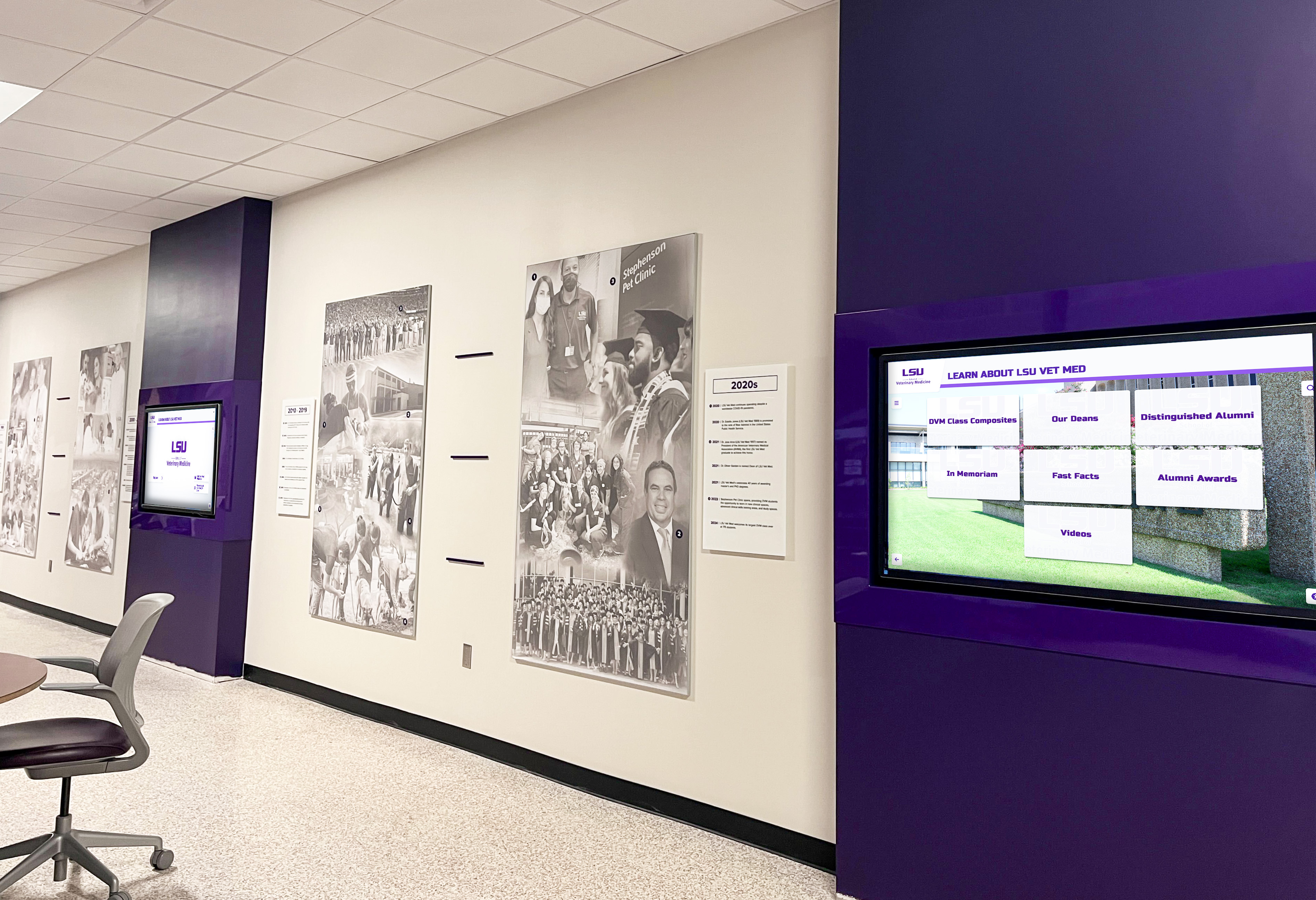
Digital Archives for Schools, Colleges & Universities: Complete 2025 Interactive Display & Preservation Guide
Intent: Demonstrate how schools, colleges, and universities can design and implement interactive digital archives that transform static collections into engaging touchscreen experiences celebrating institutional heritage while making history accessible to modern audiences.
Read More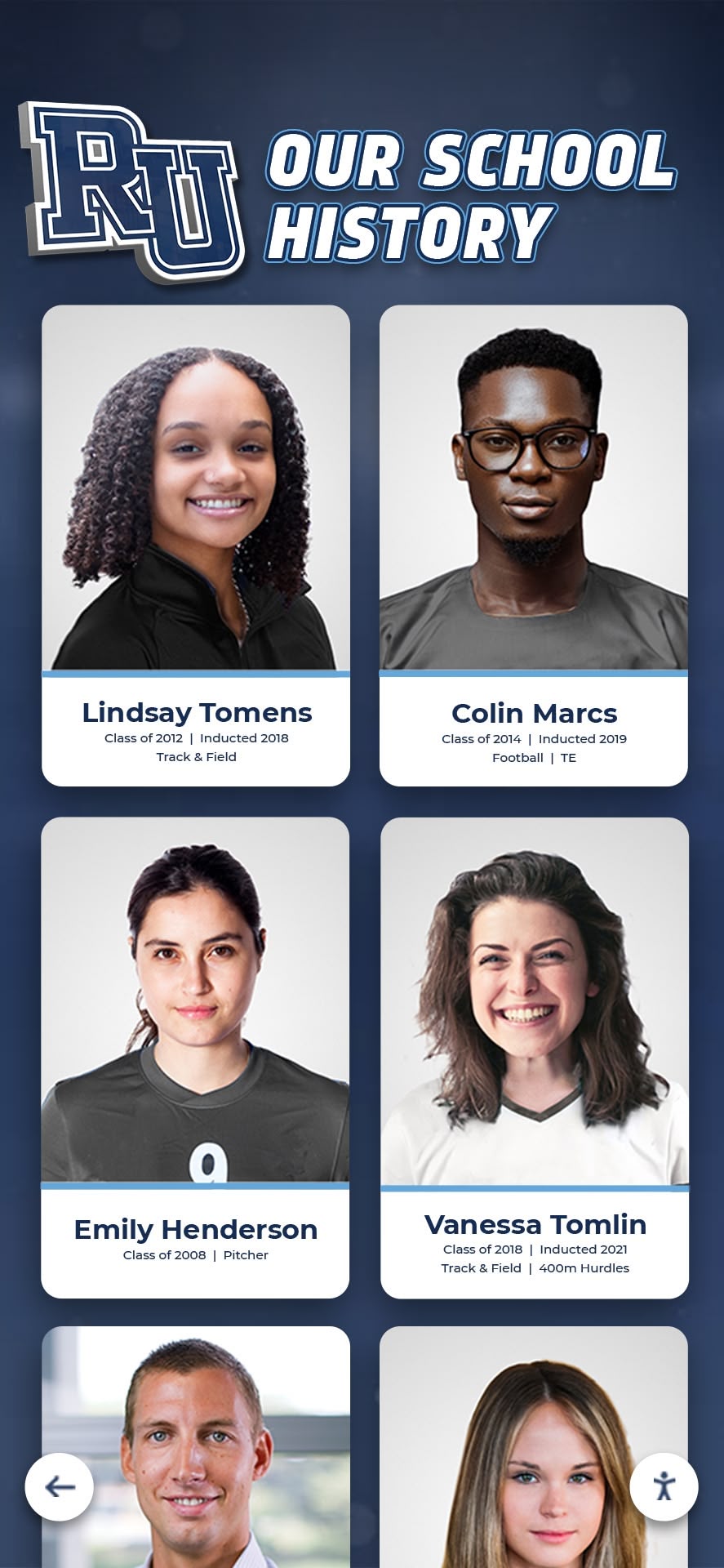
How to Digitize Old Yearbooks: A Complete Step-by-Step Guide for Schools and Alumni in 2025
Digitizing old yearbooks transforms aging, fragile school memories into accessible digital archives that preserve institutional heritage for future generations. Every school possesses yearbook collections spanning decades—volumes documenting graduating classes, championship teams, beloved faculty members, and countless memories that define institutional identity. Yet these irreplaceable resources face constant deterioration from physical aging, remain inaccessible to distant alumni who would treasure reconnecting with classmates, risk permanent loss through fire, water damage, or simple neglect, and consume valuable storage space while serving only those who can physically visit campuses.
Read More