School Recognition Display SameSite Cookie Audit for Embedded Sign-In
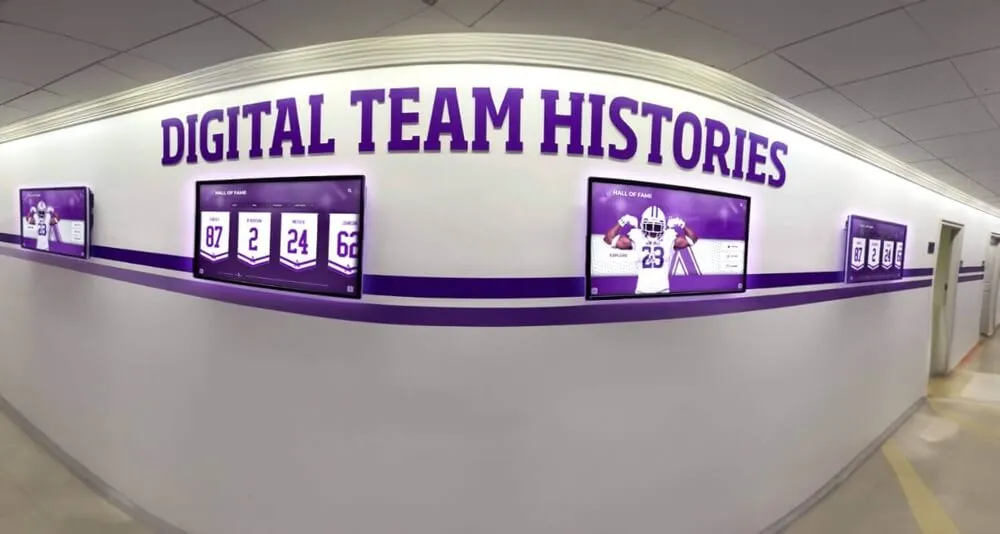
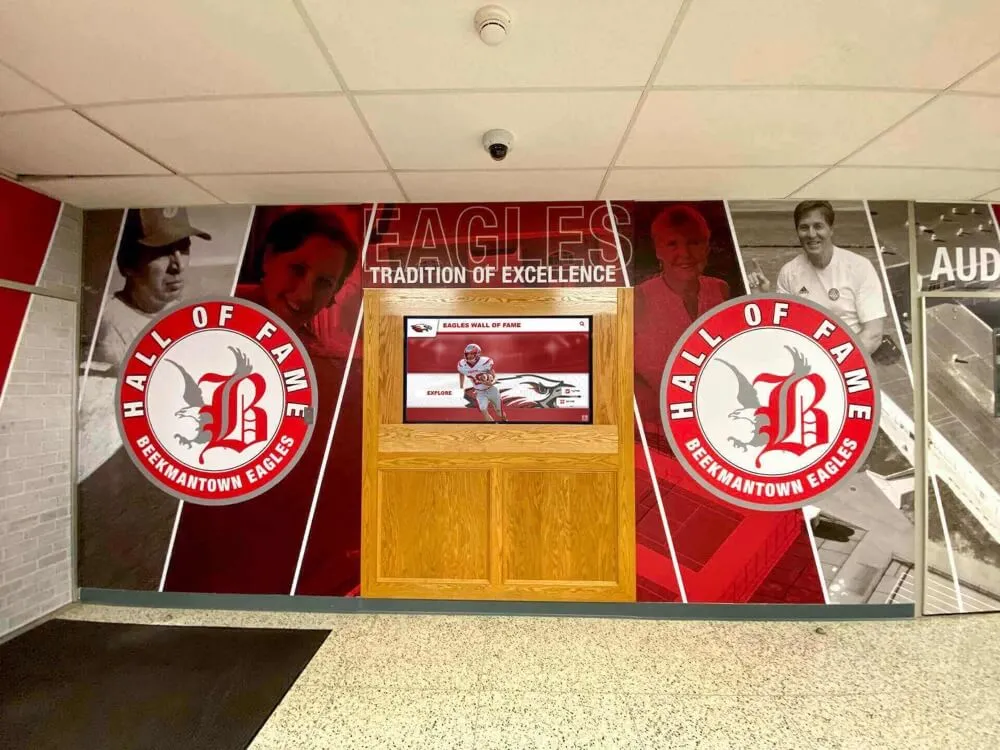
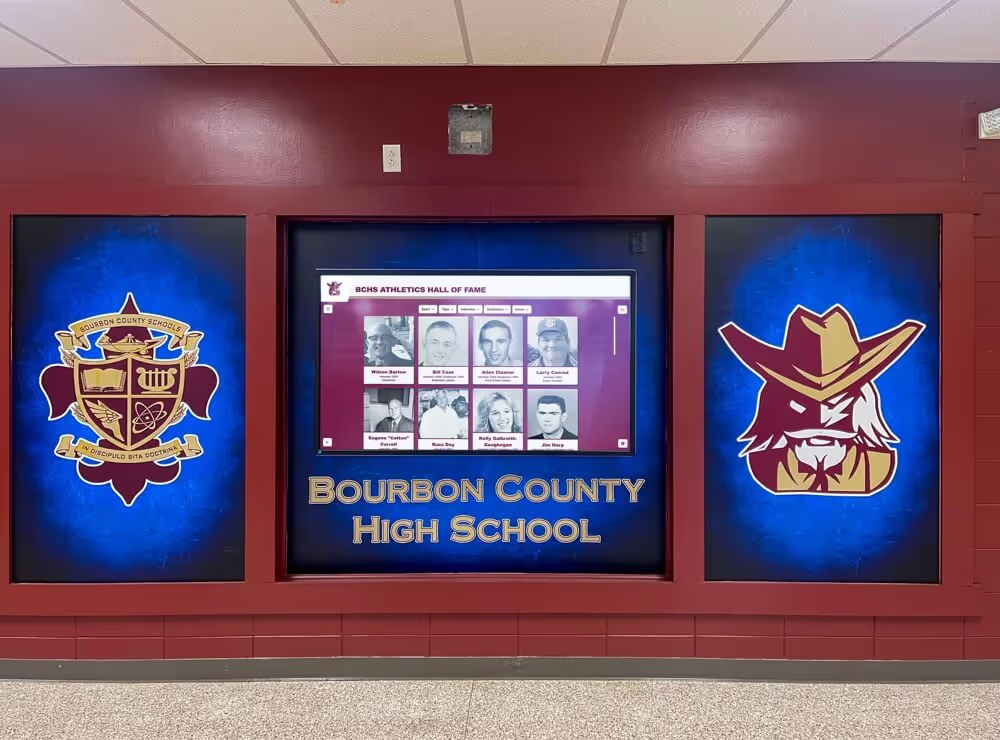
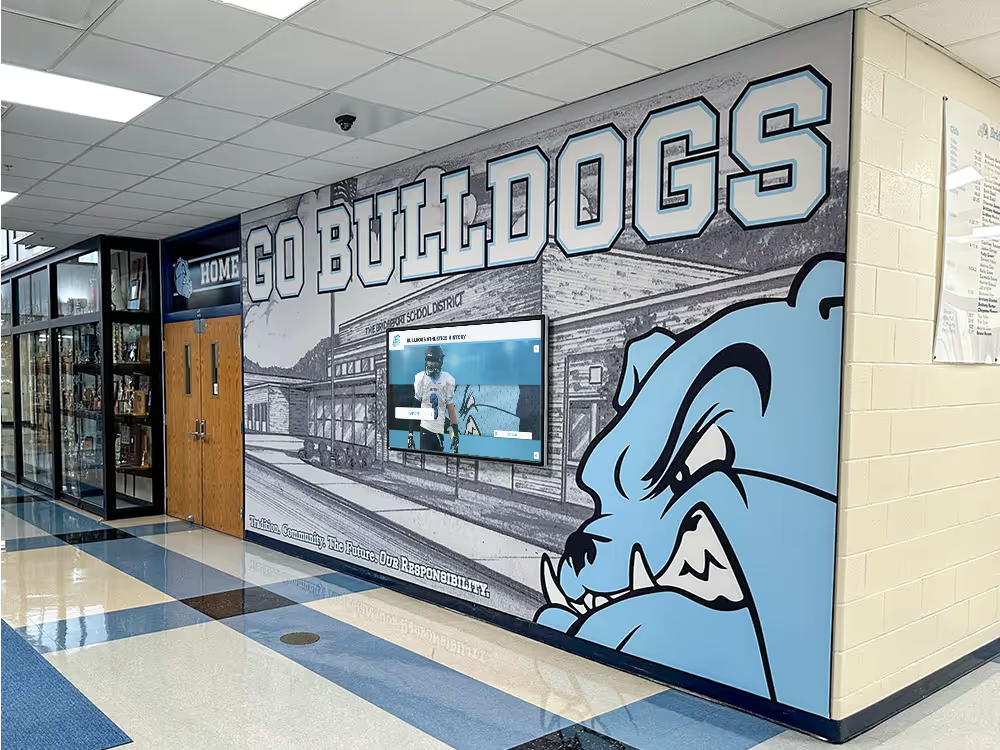
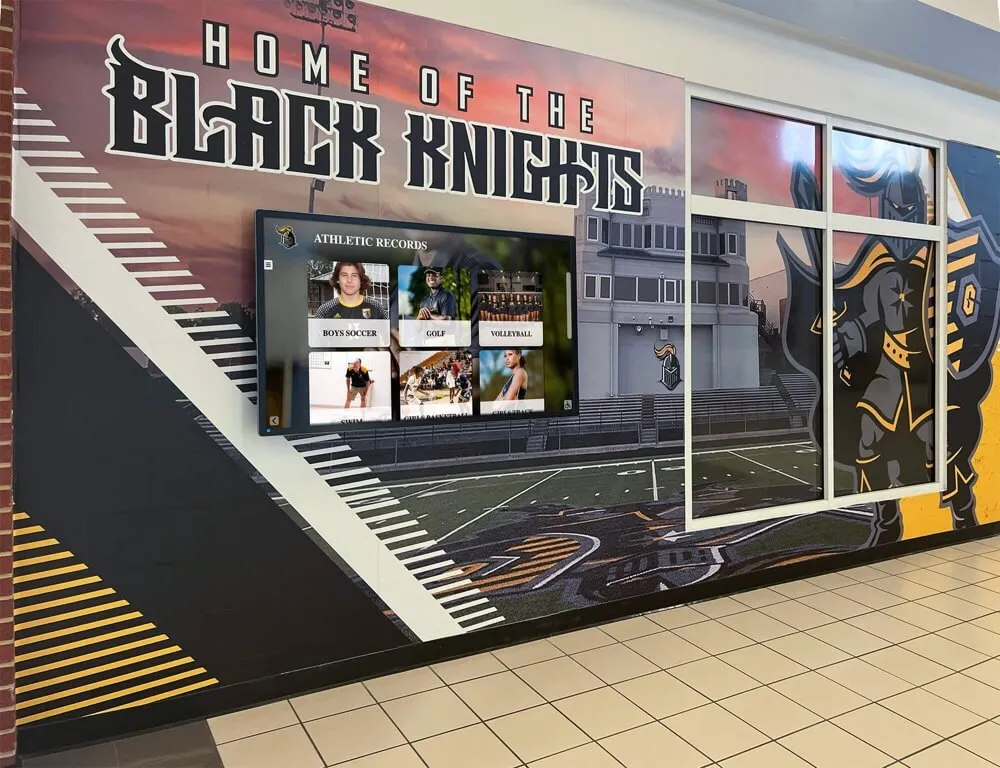
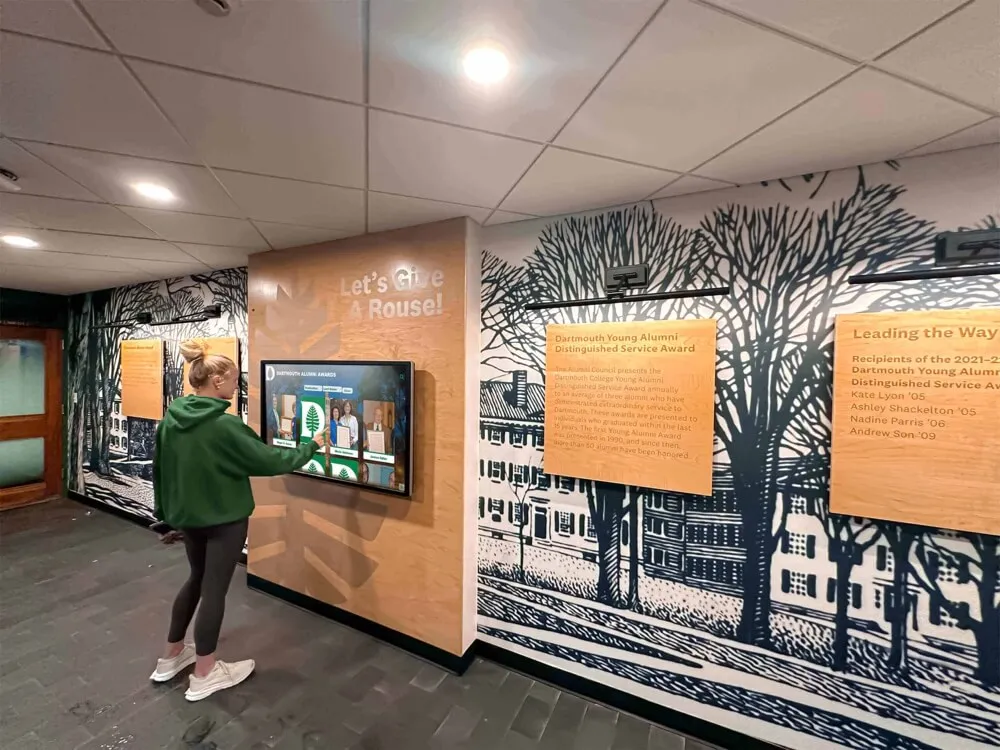
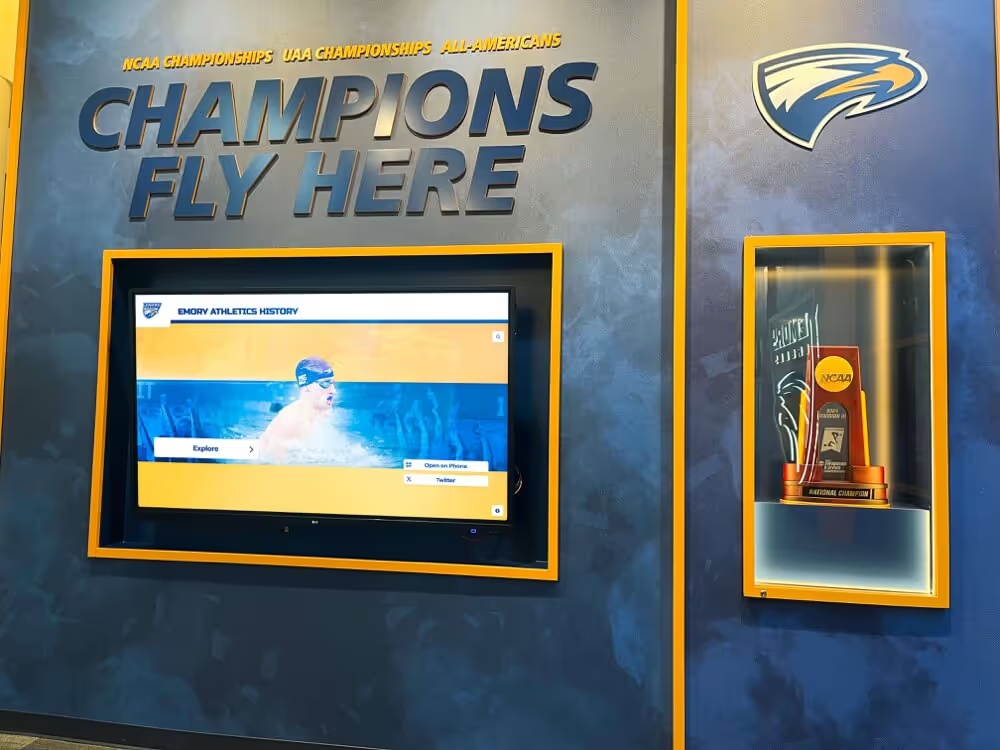
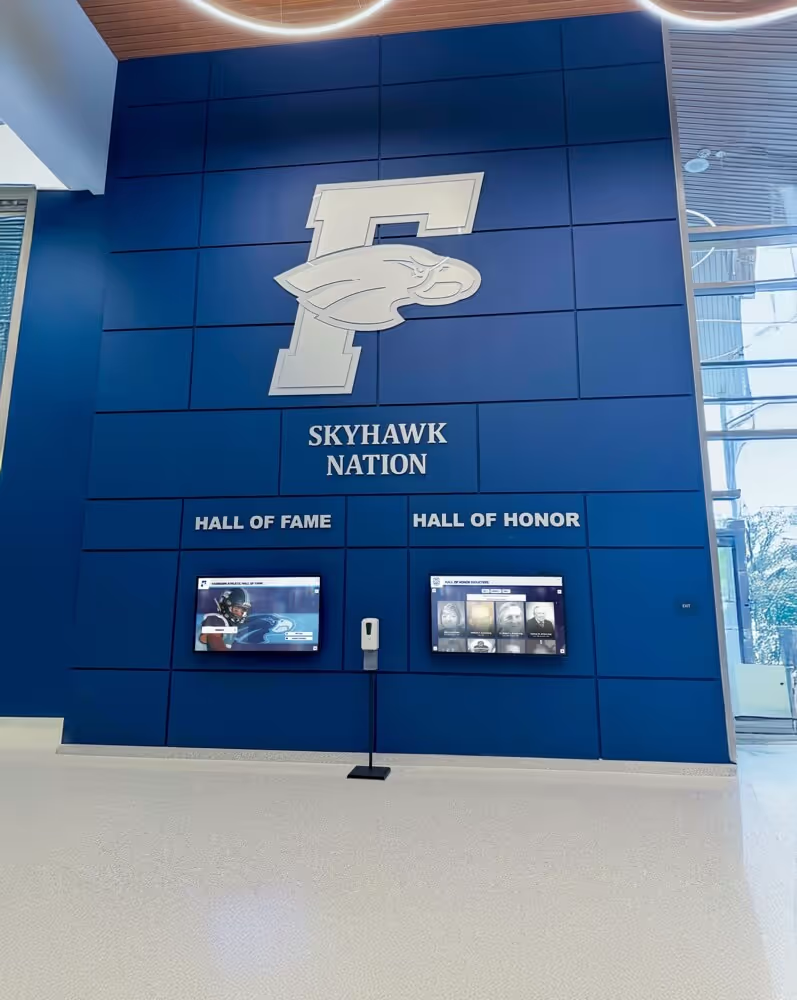
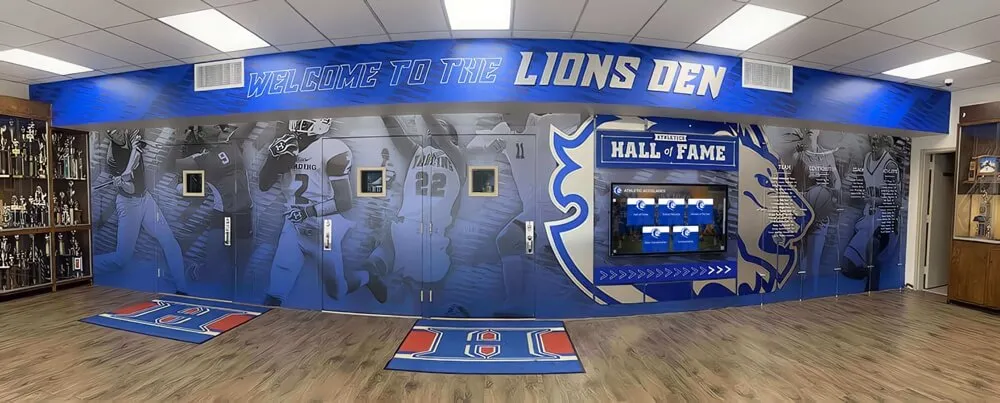
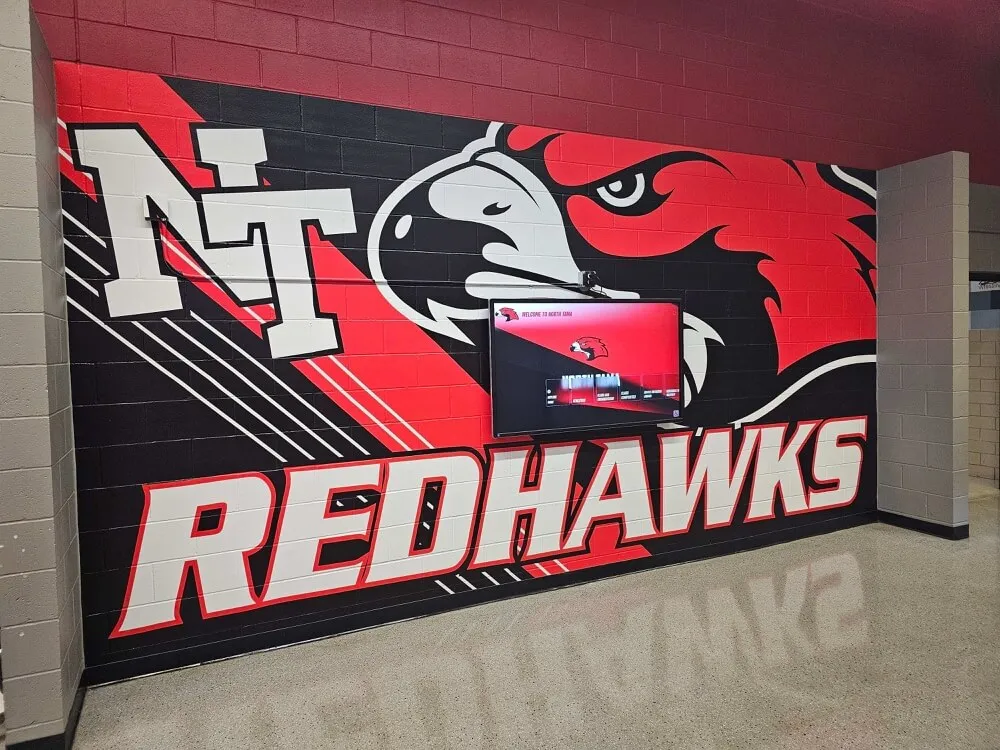
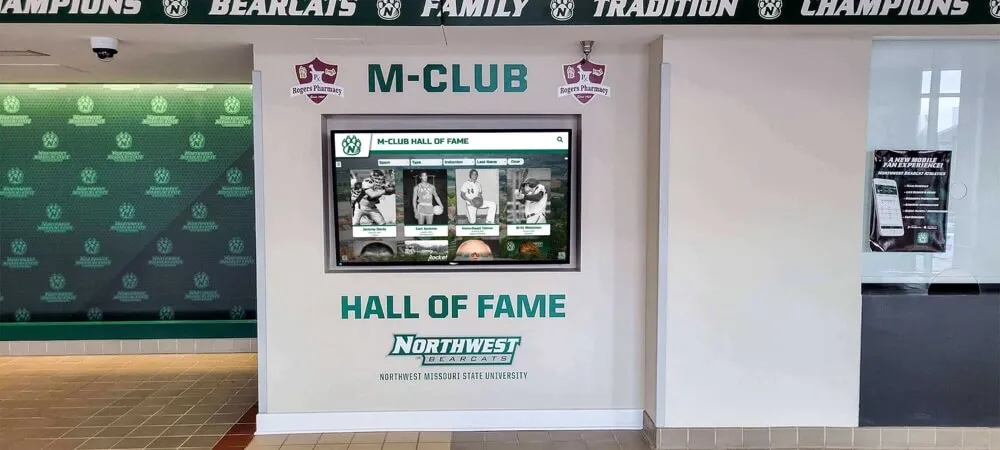
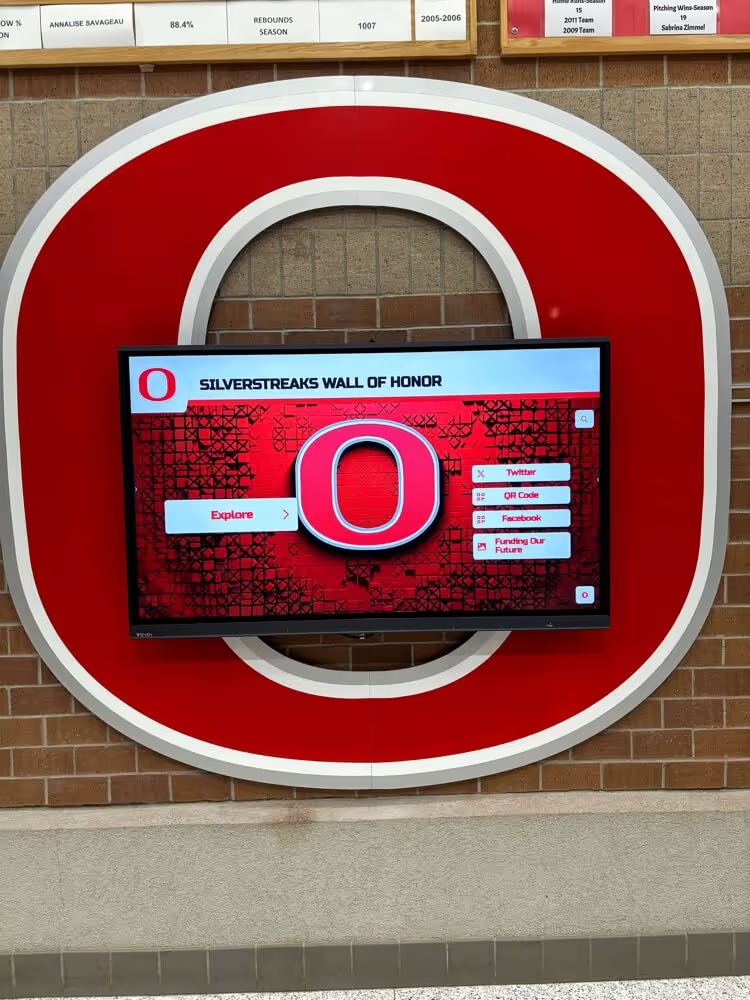
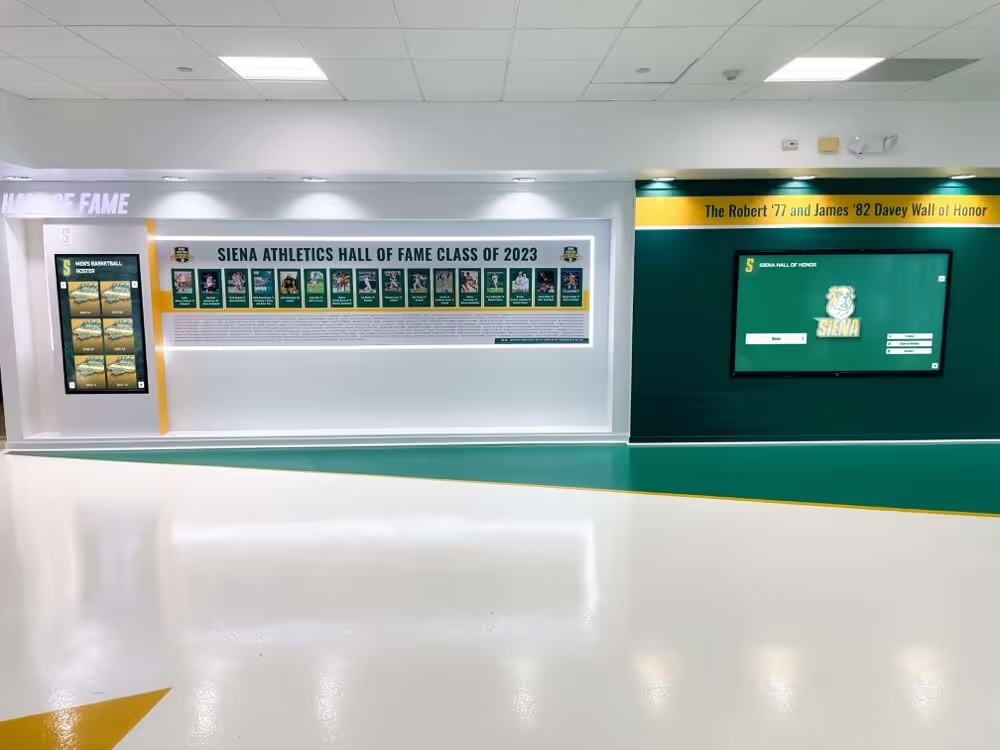
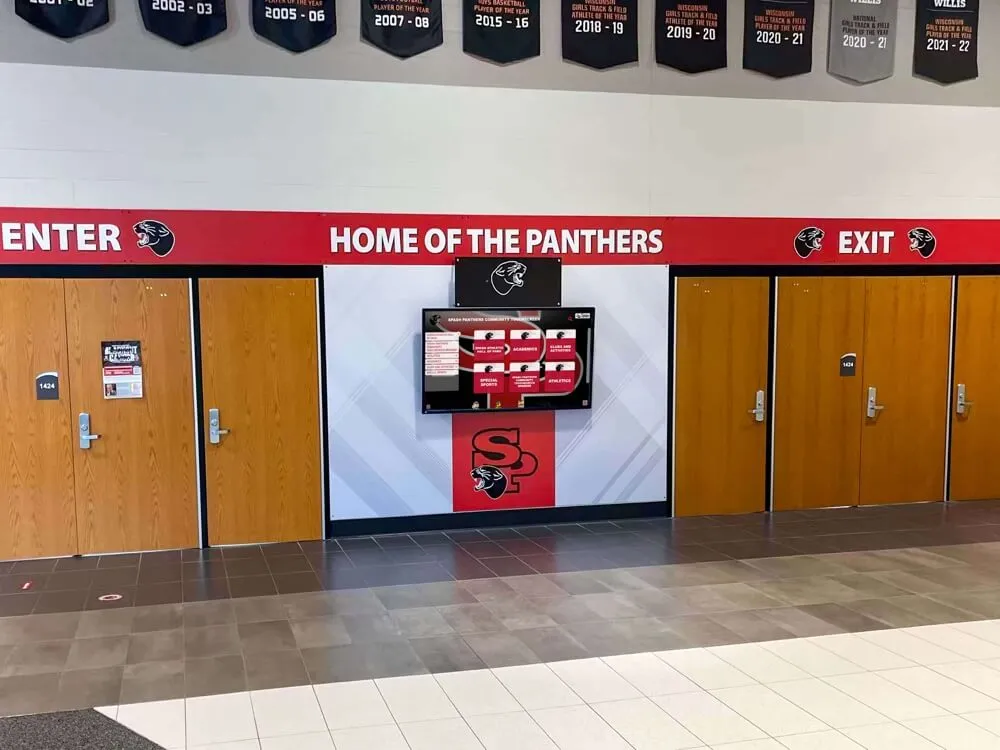
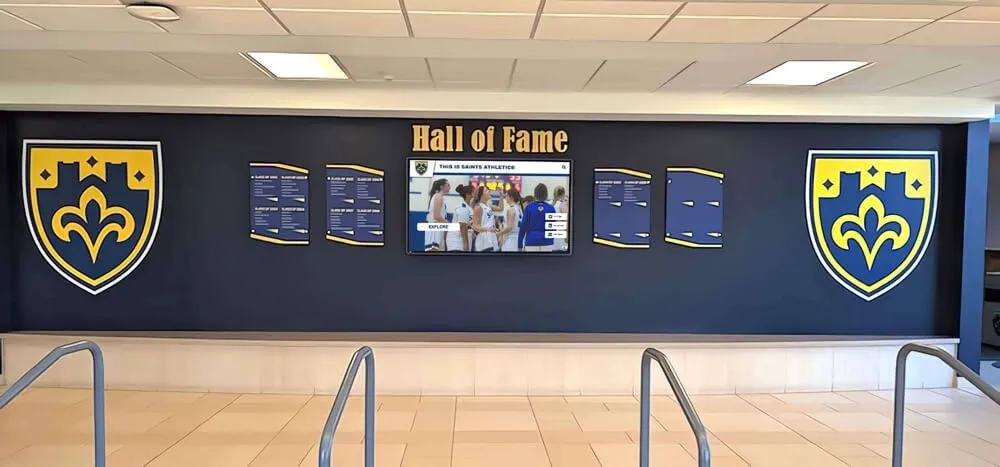
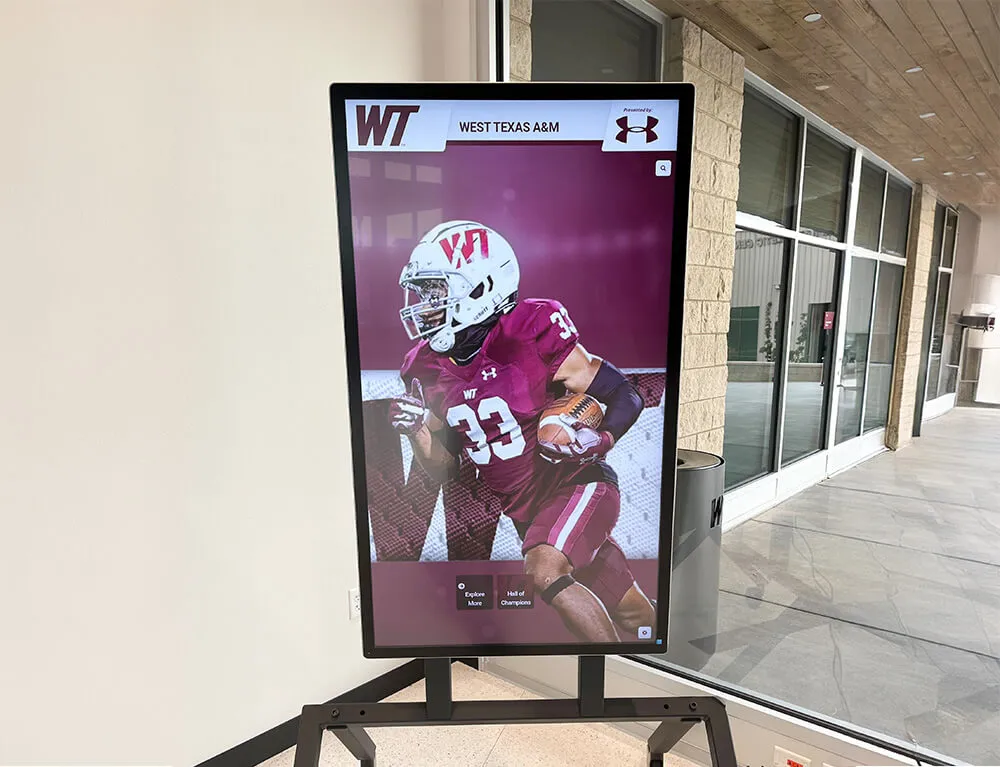
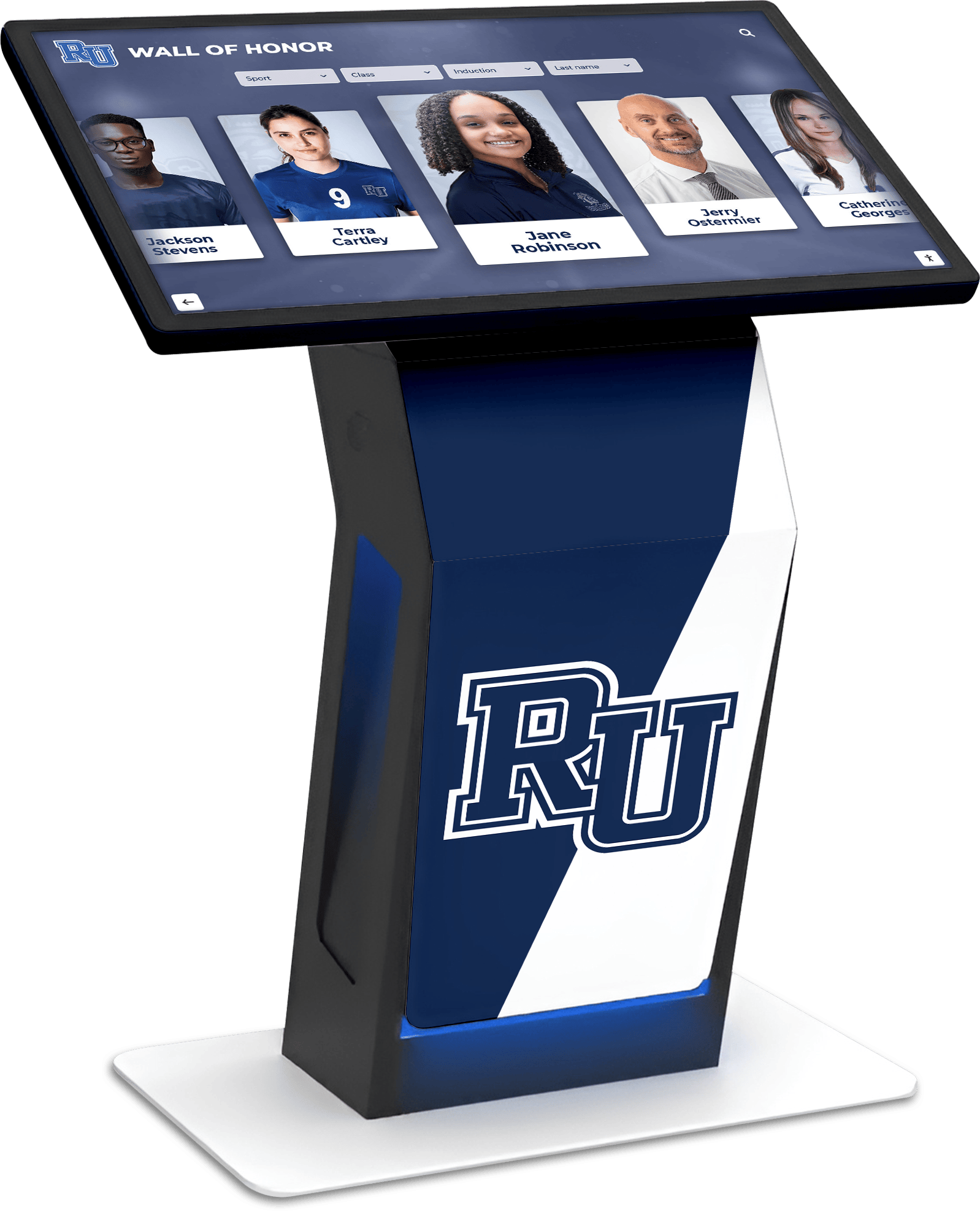
A school recognition display — the interactive kiosk in the gymnasium lobby that shows the athletic hall of fame, or the touchscreen in the trophy corridor where visitors browse championship records and inductee portraits — typically loads its content from a hosted recognition platform. That platform has two distinct sign-in surfaces: the public-facing display session that runs continuously and shows hall-of-fame content without user interaction, and the staff sign-in portal where athletic directors and administrators log in to add inductees, update records, and publish new award classes. When that staff portal is embedded inside a top-level school website or CMS, a category of authentication failure arises that has nothing to do with passwords, LDAP, or SSO configuration: SameSite cookie restrictions can silently block the sign-in cookie from being returned to the embedded portal, leaving administrators unable to access the content management interface even though their credentials are accepted by the server.
Read MoreRecognition Display TLS Certificate Chain Audit for School Kiosks
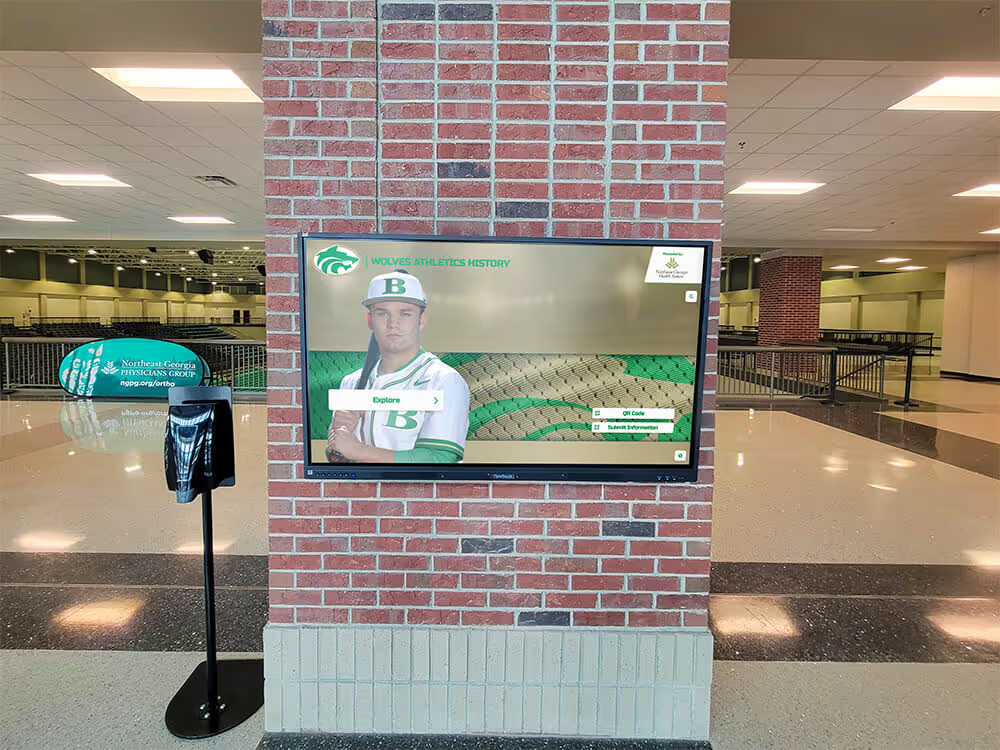
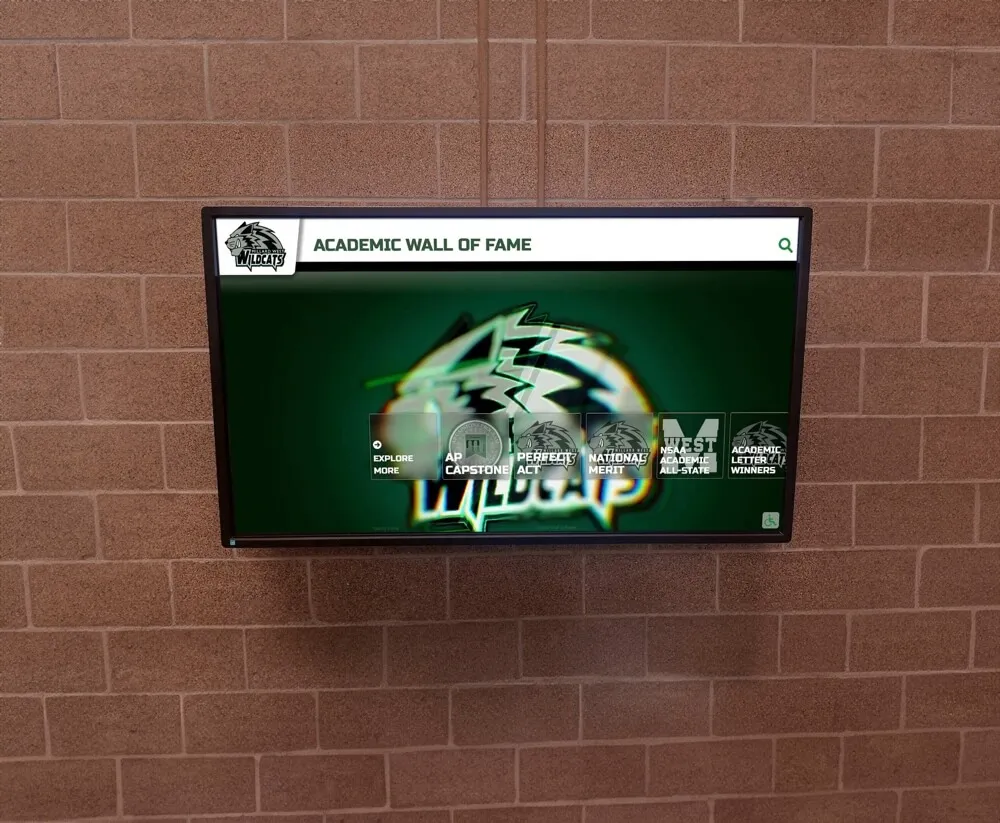
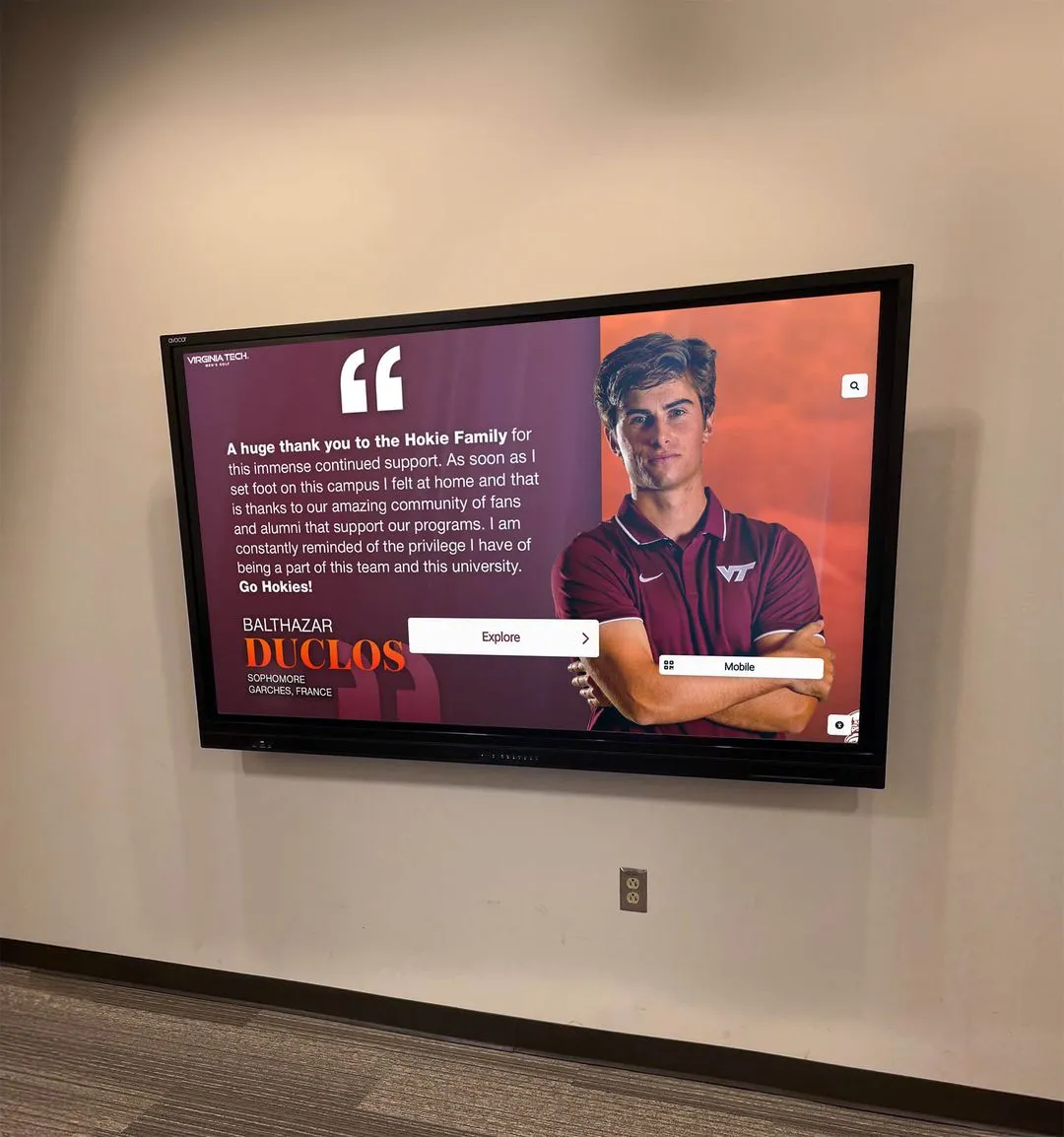
A school recognition display kiosk — whether it shows an athletic hall of fame in a gymnasium lobby, inductee portraits in a trophy corridor, or a championship record board outside the main office — connects to its content platform over HTTPS. Every time the display’s operating system opens that connection, it validates the server’s TLS certificate chain: checking that the server’s certificate was signed by a trusted intermediate certificate authority, that the intermediate was signed by a known root CA, and that each link in that chain is cryptographically intact. If the chain is broken — if an intermediate CA certificate is missing from the server’s response — the kiosk’s TLS library will refuse the connection, even if the server’s leaf certificate is perfectly valid and months away from expiration.
Read More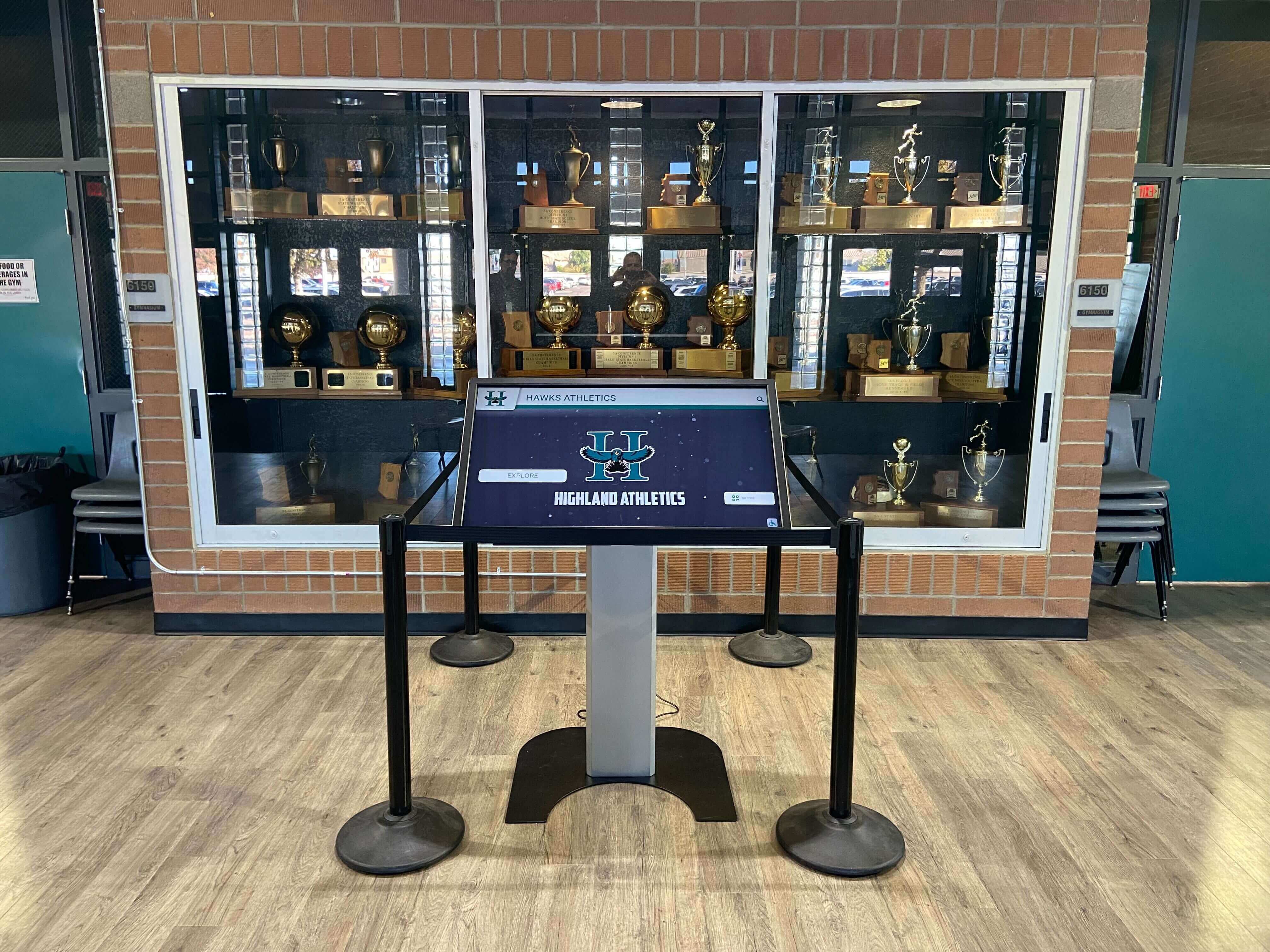
Recognition Display Multi-Touch Accuracy Test for Shared School Kiosks
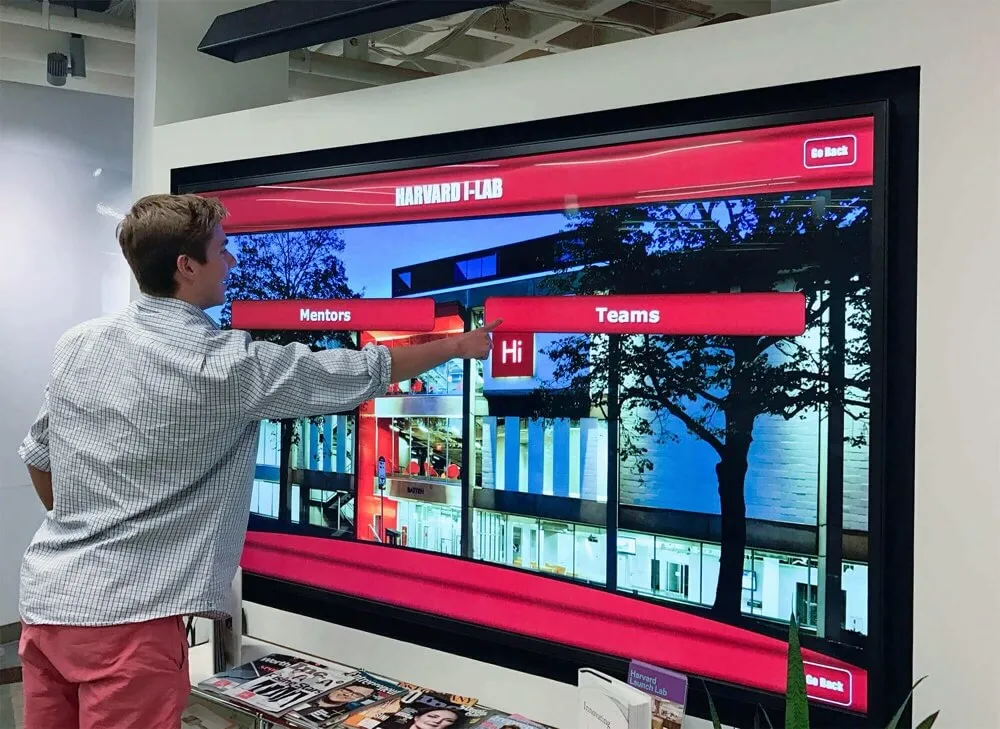
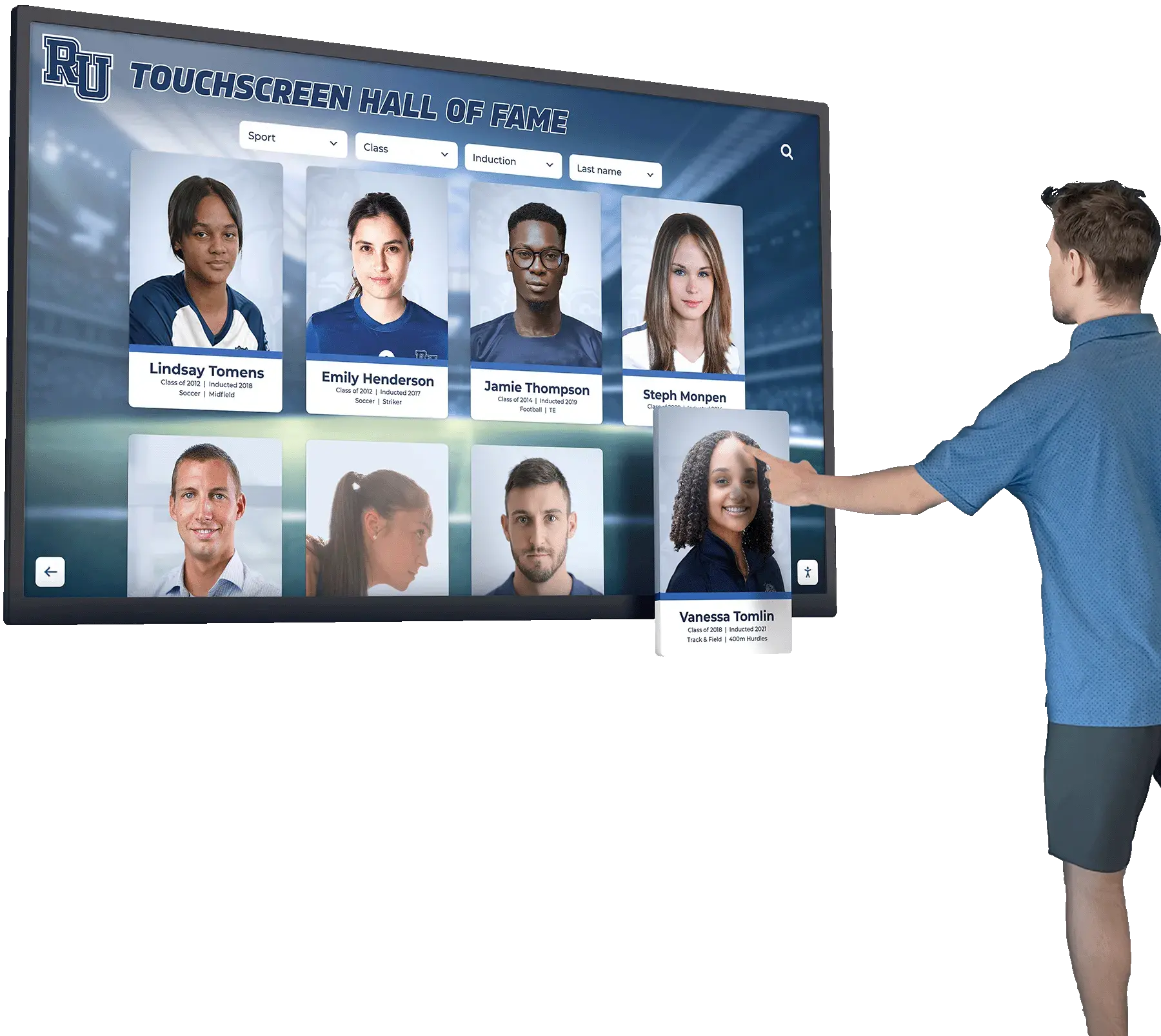
A recognition display multi-touch accuracy test is a structured procedure that school IT staff, AV technicians, and athletic directors run on interactive recognition kiosks before deploying them in shared hallways, lobbies, and athletic facilities. Multi-touch accuracy measures two related properties: whether the display correctly registers multiple simultaneous touch inputs — from two students exploring at the same time, for example — and whether each individual touch is detected at the coordinate where the finger actually landed, not offset by several millimeters into an adjacent interactive element. On a recognition kiosk presenting athlete profiles, award records, and hall-of-fame inductees, a touch-accuracy failure produces the wrong profile when a student taps a portrait, activates the wrong navigation control, or prevents two visitors from browsing simultaneously. None of these failures are visible until the kiosk is in use, which is why systematic acceptance testing before deployment is essential.
Read More